Wen Wei Wang rediscovers himself as a choreographer, with powerful meditations on life in Last Breath 最后的呼吸
On Belle Spirale Dance Projects’ Exhale program, the Vancouver artist creates his first piece since leaving Ballet Edmonton—complete with live vocals and a central metal sculpture
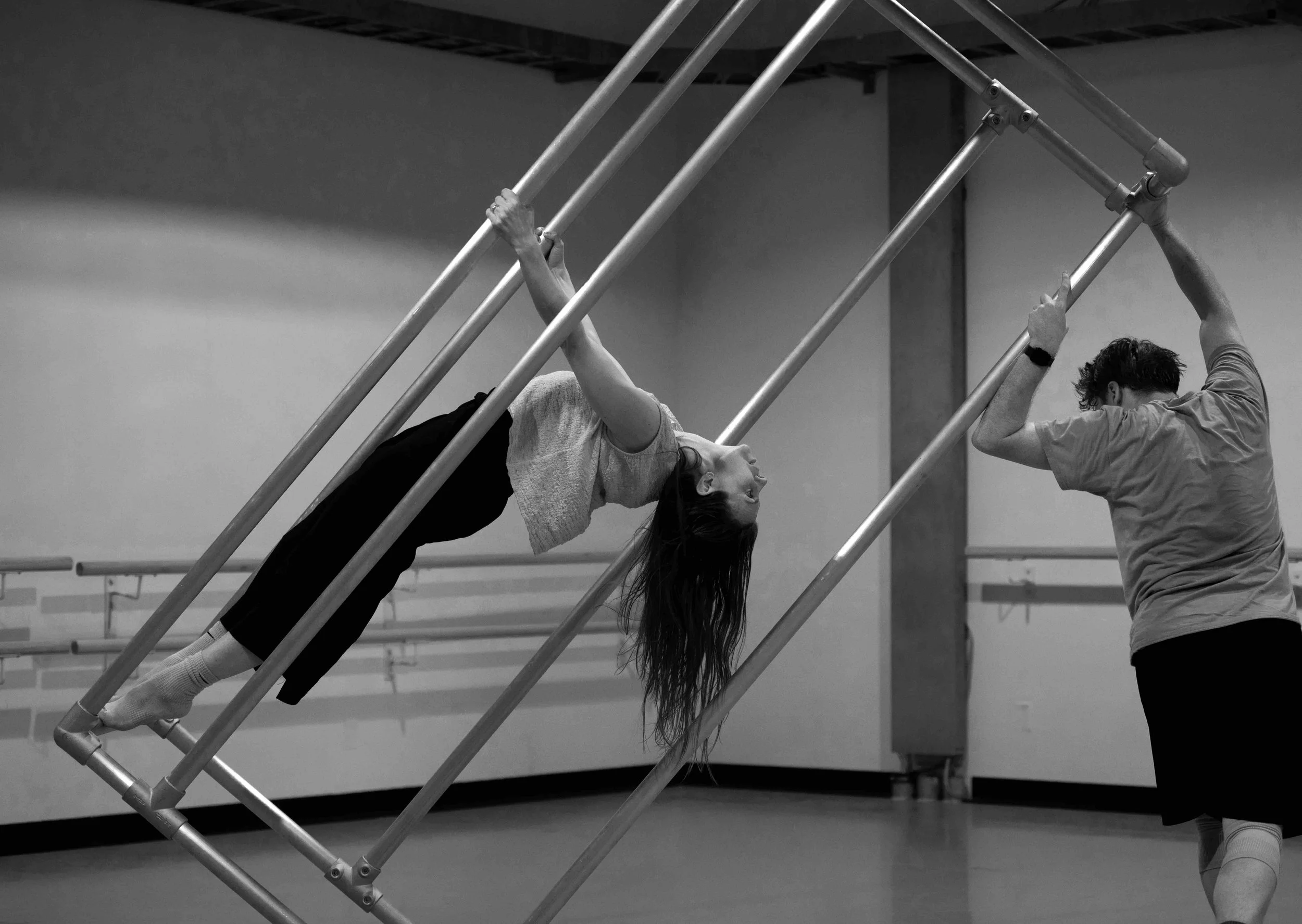
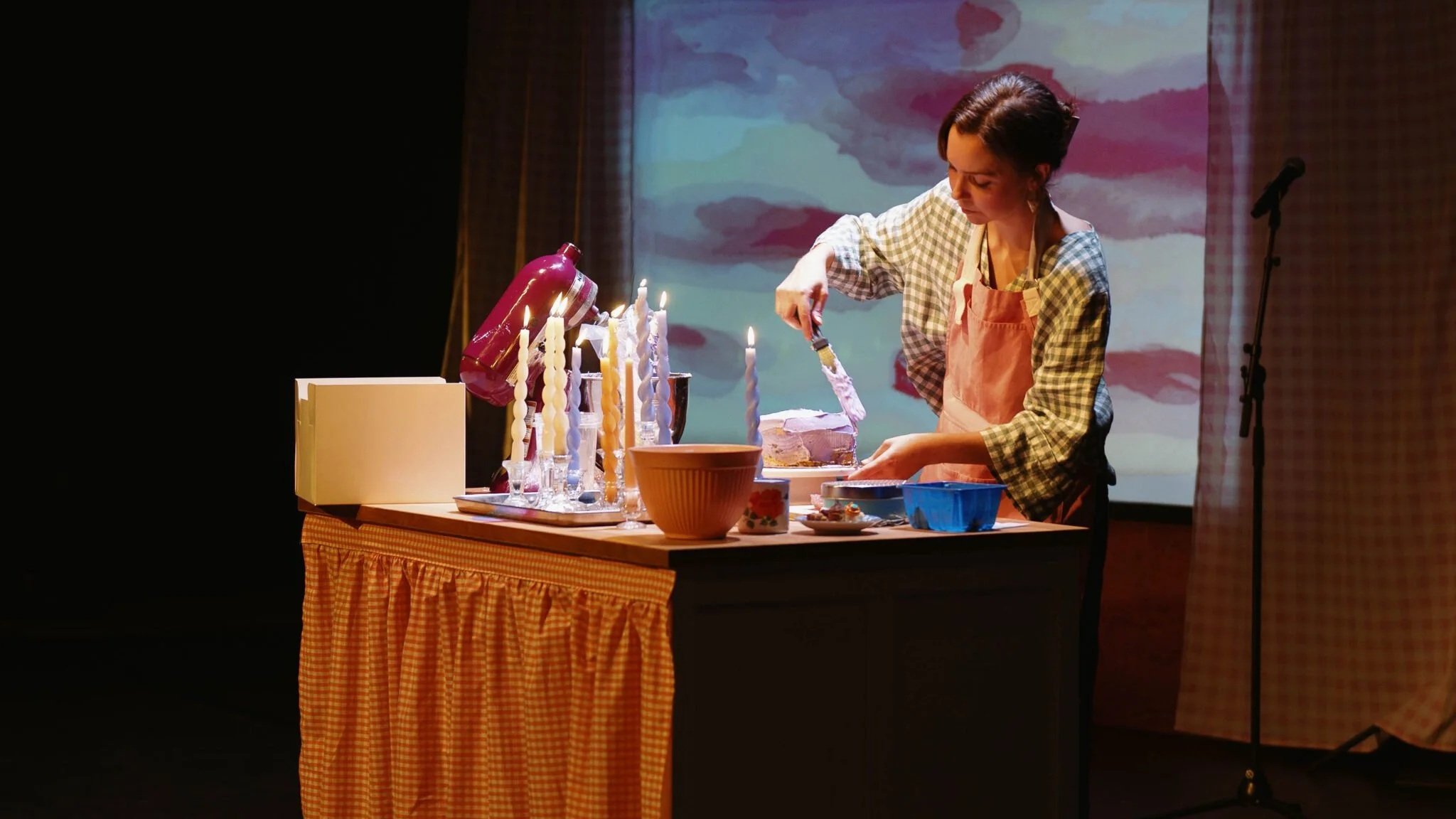
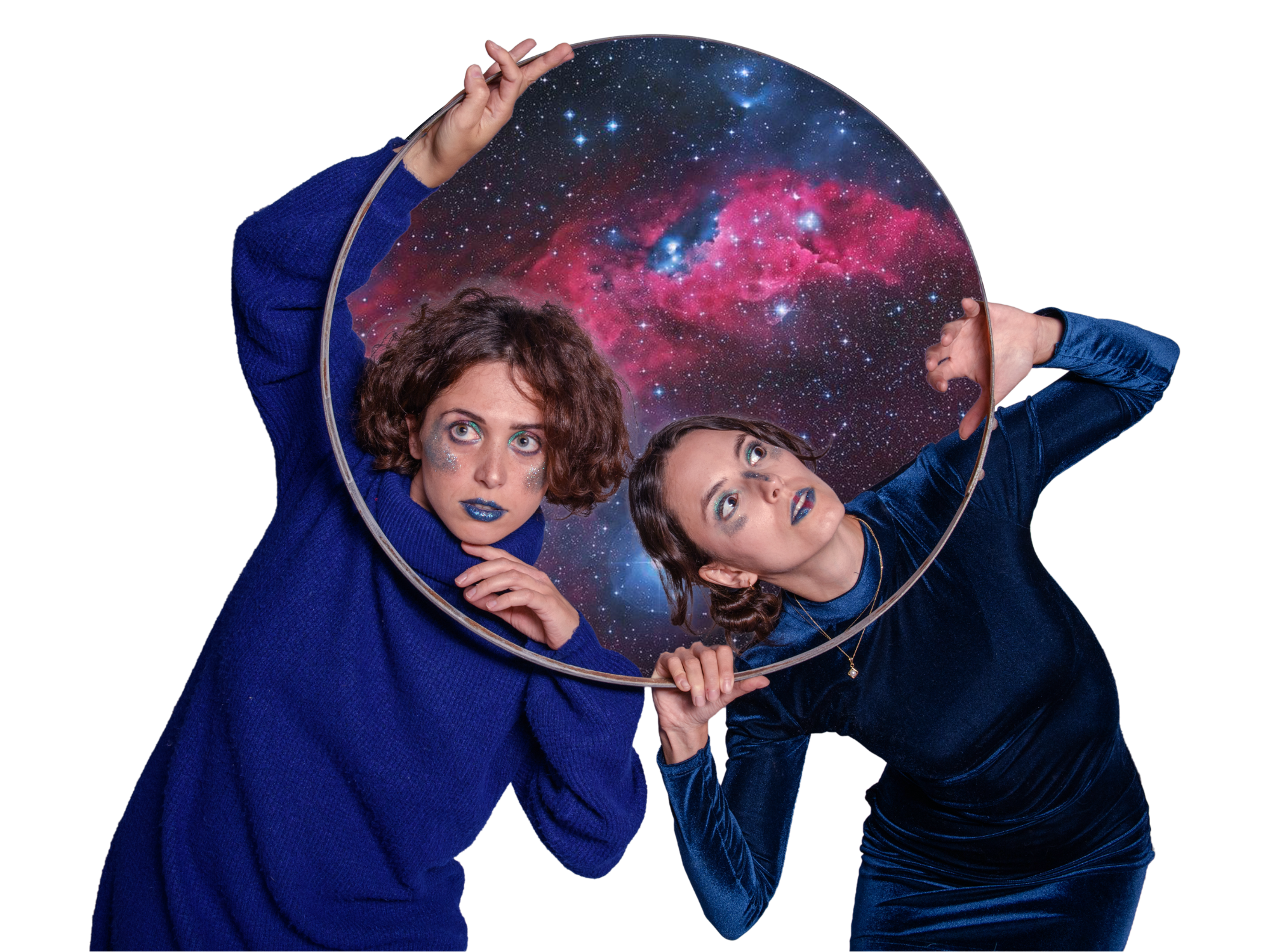
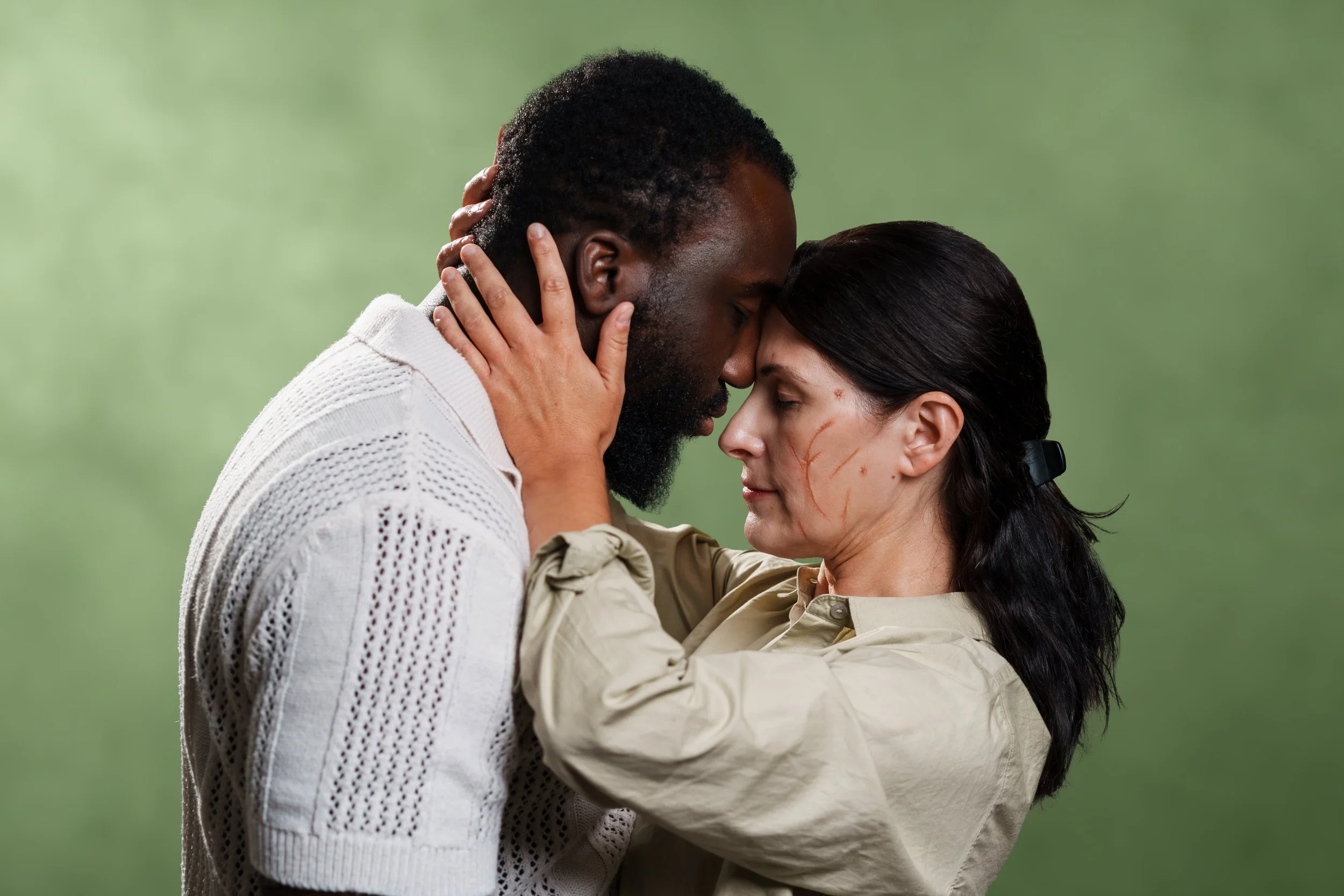
Alexis Fletcher (left) and Justin Rapaport in Last Breath. Photo by Sylvain Senez
Belle Spirale Dance Projects presents Exhale, coproduced with Wen Wei Dance, at the Annex on May 1 and 2 at 8 pm
FOR THE FIRST 18 minutes of Wen Wei Wang’s Last Breath 最后的呼吸, dancers Alexis Fletcher and Justin Rapaport move in almost complete silence. Only the ethereal, wordless vocals of mezzo-soprano Emma Parkinson, performed live onstage as structured improvisation, guide the pair along as they weave through the bars of a stainless-steel sculpture crafted by Sylvain Senez.
For Wang, each of those choices—dancing to a music-less intro, having a singer onstage, working with a large set piece—are an attempt at forging an altogether new way of choreographing than how he’s been working over the past three decades. Born and raised in China, Wang moved to Canada in 1991 and has made a name for himself here in Vancouver working for the likes of Ballet BC, Ballet Jörgen, and Vancouver Opera. Other projects have taken him to San Francisco Opera and Ballets Jazz de Montreal. He founded his own Wen Wei Dance in 2003, drawing attention for critically acclaimed works like Cock-Pit, Under the Skin, and 7th Sense.
After stepping down from his role as artistic director of Ballet Edmonton, which he helmed from 2018 to 2024, Wang took a year off to focus on his wellbeing. Last Breath, premiering as part of the Belle Spirale Dance Projects program Exhale, marks his choreographic return.
“I have some health issues with my heart,” Wang tells Stir by Zoom. “So often I feel like I’m dying, you know? I can’t breathe, because I have this panicked feeling. So that’s kind of the idea of Last Breath….But after some time I found that name really interesting. It’s putting [the focus on how] in that moment you can make a decision. In this borderline, are you gone? Or are you surviving?”
Wang shares that a large part of choreographing Last Breath was finding a new way to create after using the same process for so many years: pinpointing a beginning and an end, then fleshing out the middle section with conceptual work. Part of his drive to reinvent that process was his ongoing search for meaning in life in the wake of his health complications, and his subsequent speculations on what the afterlife may hold.
“Each day I walk in the studio, I’m like, I don’t know what I’m doing,” Wang admits. “I don’t know how to start. I feel like I cannot choreograph. I cannot create works. I don’t know how to do it. And then on the other hand, you know, working my whole life as an artist, as a creator, how much can you put out that is new and fresh? You know, we often repeat ourselves wanting to be successful, or we run out of ideas. And I think this piece really gave me the opportunity to enlighten me, to find new ways to see life, new ways to create.”
Wang’s collaboration with Belle Spirale comes from his decades-long connections with the company’s co-artistic directors, Fletcher and Senez. He first knew Senez when the two were both dancers for Ballet BC in the ’90s. He met Fletcher a bit later, when he was teaching at a youth training company in Parksville called Dancestreams, at which Fletcher was a student. Upon seeing her potential, Wang encouraged her to move to Vancouver and train at Arts Umbrella, which she did; that decision later led her to earn a contract at Ballet BC.
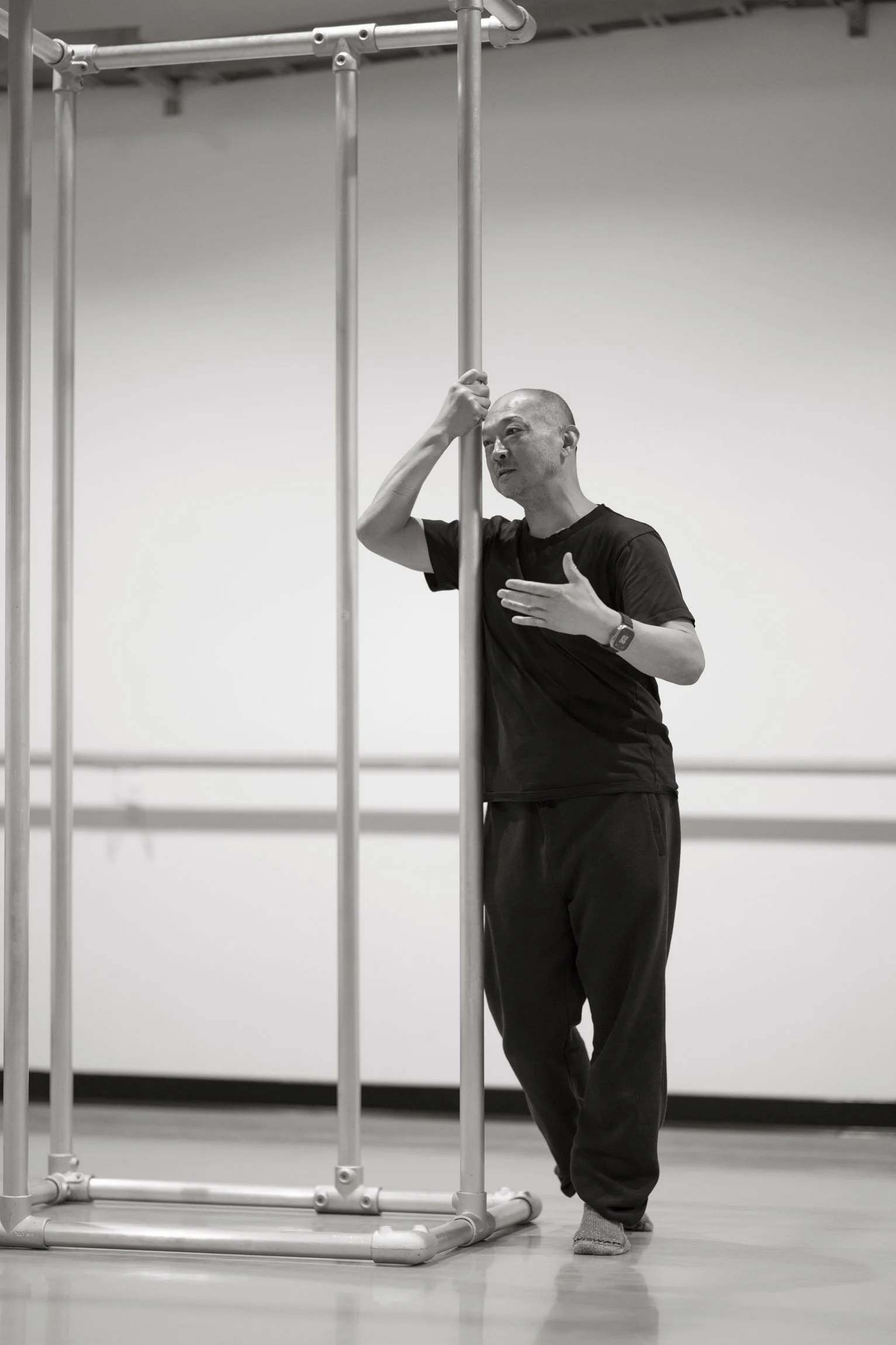
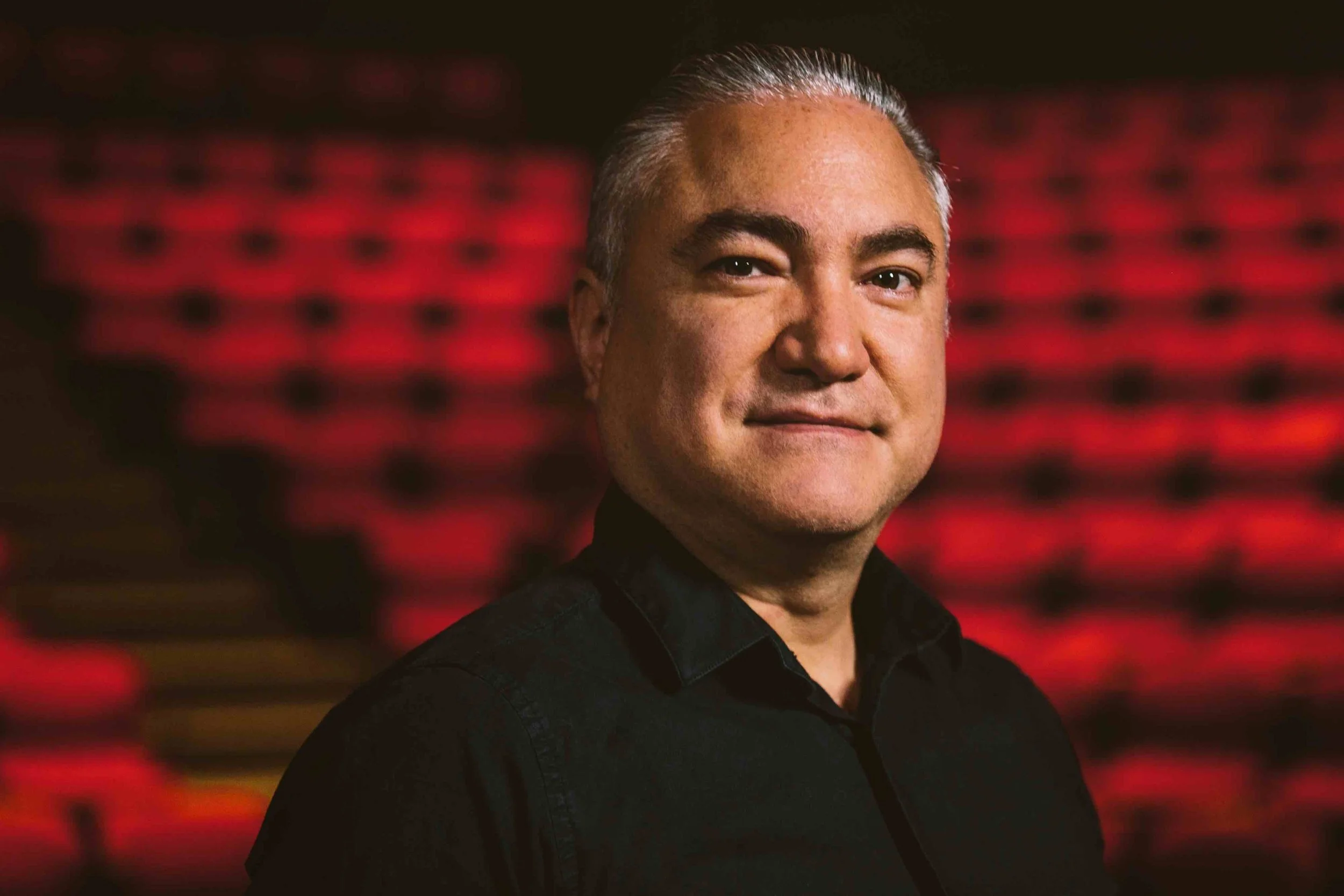
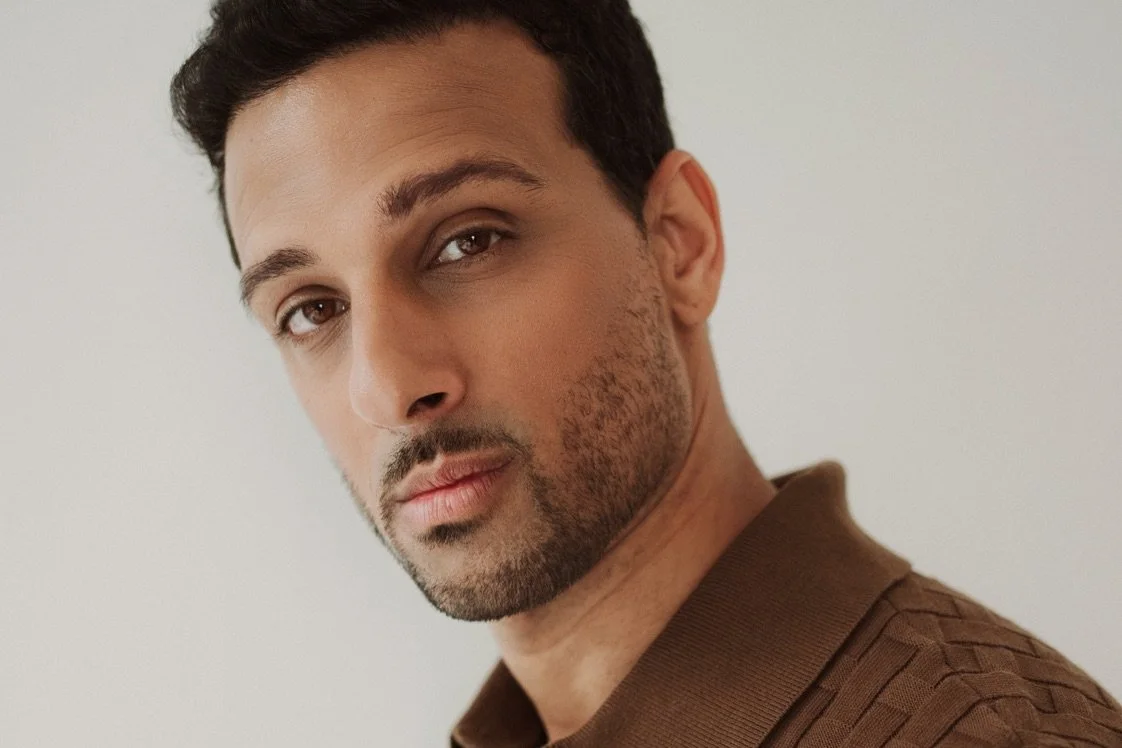
Wen Wei Wang. Photo by David Cooper
Where Last Breath is concerned, Wang’s inspiration for Senez’s eight-feet-tall metal sculpture was a wobbly ballet bar at the studio. Reimagining it as a heavy set piece instantly grounded the choreography, giving the dancers a sense of stability.
“I wanted something elevated, something we can hold onto,” Wang explains. “I feel like in life, we always need to hold something to continue or to support us. Your relationship or your family; or even if you have a house, if you have cars—something belongs to you that you are able to control, you are able to hold.”
Sometimes he sees the sculpture as a sort of cave, acting as a container for the dancers to hide in. At other times, Fletcher and Rapaport look to the sky, and suddenly the structure conjures a church with a great tower that opens up to the heavens. Still elsewhere, the metal frame mimics a vessel traversing the ocean, with the dancers floating off-course but making it out alive.
Mezzo-soprano Parkinson interacts with the duo onstage, which allows her vocals to become a part of the piece itself rather than a separate soundtrack. Then partway through, Mahler’s Symphony No. 9 sounds out, bringing emotional grandeur to it all. Wang says he wanted to emulate the soaring feeling in the heart that many people experience when they see an opera performance.
It’s clear that throughout Last Breath, there is a deeper meaning behind every decision made onstage.
“We can’t just move,” Wang specifies. “We have to feel, or ask, or question why we move. Because even in our everyday lives, you know, we move—but the way we move has purpose. We don’t just move. I walk because I need to get up, I need to go somewhere, I need to do something. It’s all movement, but it has a purpose. So I figured, particularly in this work, I’m trying to find meaning, and trying to see the movement I can relate to, or understand, or that makes me interested to watch—rather than walking out and saying, ‘Oh, they’re great dancers!’ and then you forget the work. I want you to feel the work.”
The second piece on the Exhale program, a solo for Ariana Barr called Denouement, is similarly philosophical. Cocreated by Fletcher and Barr with scenic design by Senez, it explores how different experiences affect a person’s life as they accumulate with age.
Wang, who’s now in his 60s, calls Last Breath the start of a new phase in his own life.
“Before I was ‘Go, go, go, go, go, go, go,’ you know—trying to achieve for myself,” he reflects. “And then after I realized what is really important for your life, for your work, I kind of slowed down a little bit to rediscover myself. I feel like this work really showcases the way I rediscovered myself….Two years ago, I didn’t even want to say ‘dance’. I didn’t want to create. I didn’t want to think about dance. Every time I started thinking about it, I panicked….Maybe I was thinking, ‘I’m not good enough.’ You know, we all have that kind of feeling. So I was feeling really low emotionally and psychologically. I almost wanted to quit. But I didn’t give up.”
After his year off, Wang got back in the studio with the Belle Spirale team. That decision proved invaluable to the continuation of his career in dance.
“I started enjoying creating, because I don’t ask myself ‘good or bad’; I only ask myself, ‘Are you still able to create something new, to find meaning as a creator, rather than be successful and please everybody?’” he affirms. “So now I’m doing the work for me. Do I like it? Do I think it’s interesting? Did I push myself, achieve my goal? If not, then I don’t want to do it. So I think I’m in a really good place right now.” 

Related Articles