Artists confront dominant narratives and stir collective action at Burnaby Art Gallery show RESIST!
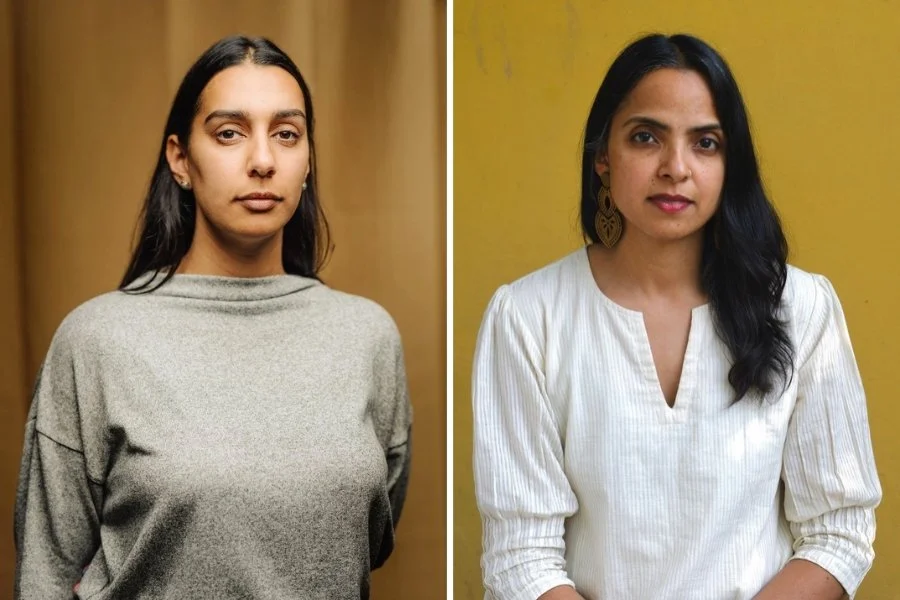
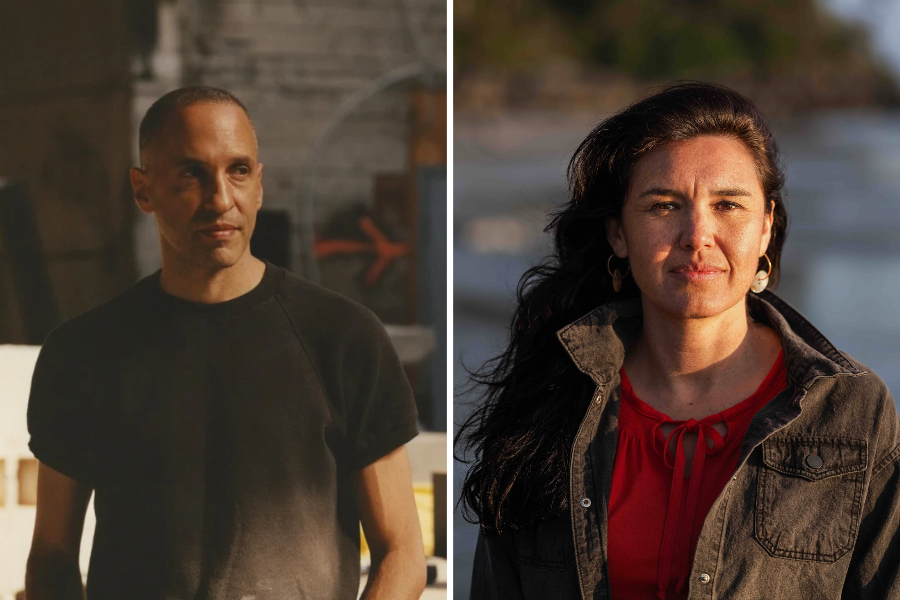
Featuring works by Rawan Hassan روان حسن, Gord Hill, Laurence Hyde, and Elizabeth MacKenzie, the exhibition explores how paper-based art can be used as a method of resistance
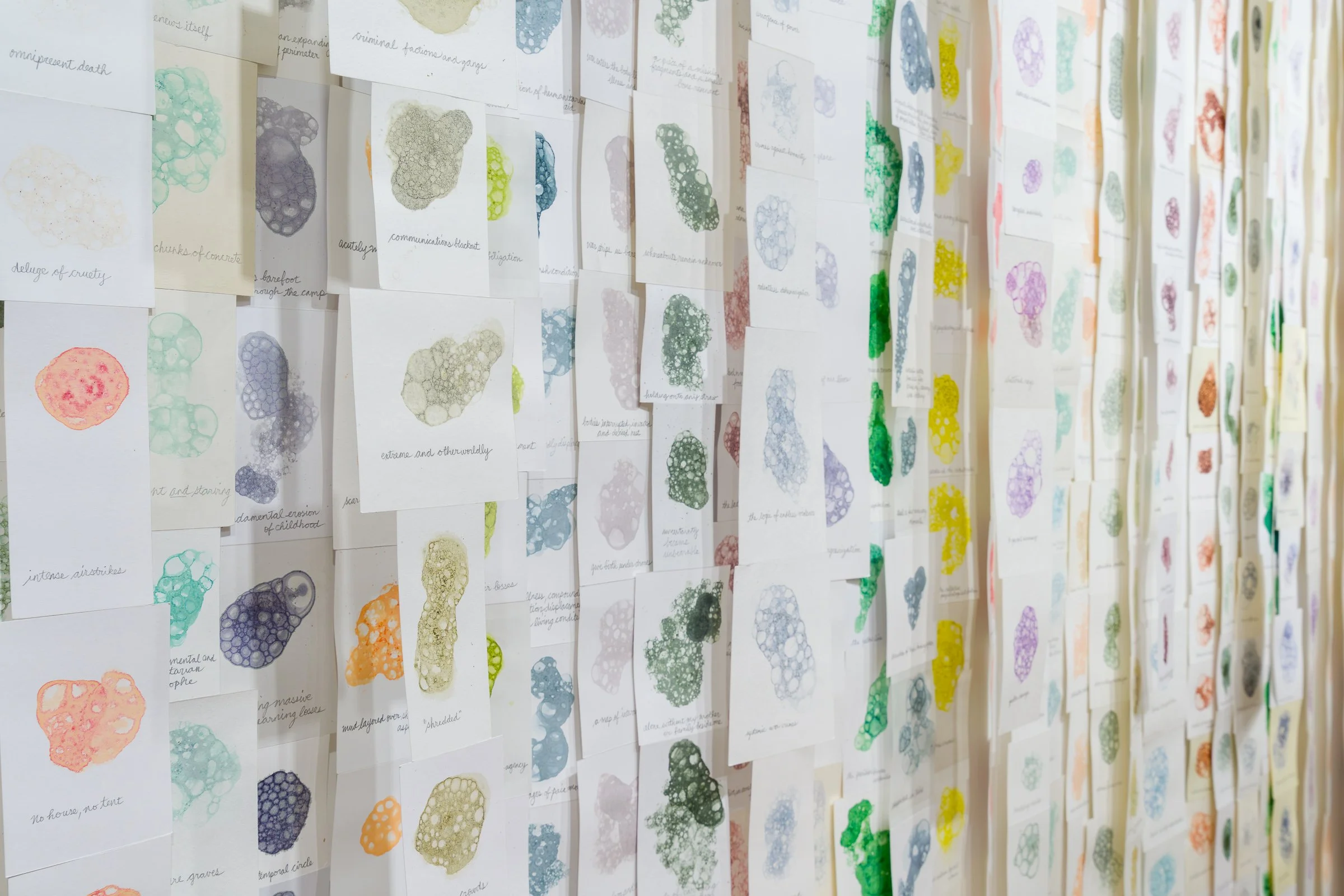
Elizabeth MacKenzie’s Cleave, 2023–present, watercolour and graphite on paper, installation view. Photo by Blaine Campbell
Burnaby Art Gallery presents RESIST! to November 15
PEOPLE HAVE LONG relied on paper to communicate and document the world they live in. Newspapers, magazines, books, and flyers—even in today’s digital age, the medium of print stays vital to the dissemination of knowledge and ideas.
As Canada’s sole public art museum dedicated to collecting works of art on paper, Burnaby Art Gallery examines that legacy through the lens of cultural defiance in its latest exhibition, RESIST!, running until November 15. The show brings together Rawan Hassan روان حسن, Gord Hill, Laurence Hyde, and Elizabeth MacKenzie—four artists across generations and cultures whose works are united by the exploration of contemporary issues. “We’re drawing inspiration from the many artists who have used their voice to educate and inspire social change,” gallery director and curator Jennifer Cane tells Stir over Zoom. “And paper is known for its ability to spread information, going back to the earliest newspapers and the invention of the printing press.”
“This exhibition is very much rooted in themes of resistance, but what was coming up as well was the act of recording as a form of resisting,” assistant curator Emily Dundas Oke adds. “Each of the artists record in their own way something that they’re seeing in the world happen around them.”
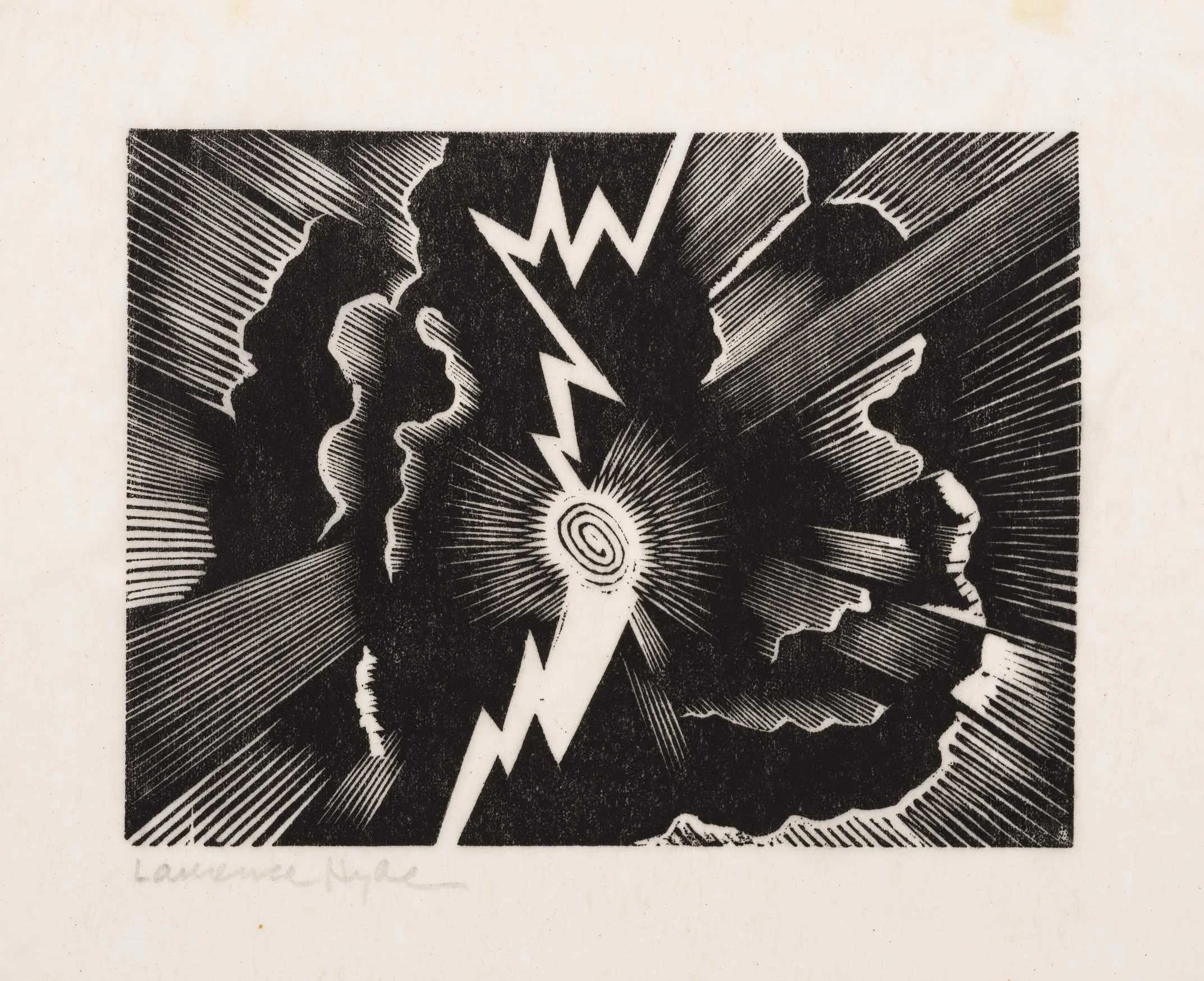
Displayed along the walls of the lower gallery, Hyde’s 1951 wordless novel Southern Cross illustrates the irreparable effects of nuclear weapons and warfare. The 118-part wood engraving series, one of only two editions ever made, narrates a fictionalized account of the 1946 U.S. nuclear testing in Bikini Atoll, Pacific Islands, which was responsible for the displacement of 167 islanders, the destruction of the local ecosystem, and the devastation of surrounding communities by radioactive contamination. Although nearly eight decades have passed since the English-born Canadian artist and filmmaker published his book, the work’s discussion of colonial contexts continues to resonate in the present day.
“I think it’s really telling that this series is still with us from 1951 and existed on the basis of real-world events that Hyde was seeing and then translating into a still image,” Cane says, noting that the thousands of daily news articles being published online today are unlikely to endure in the same way.
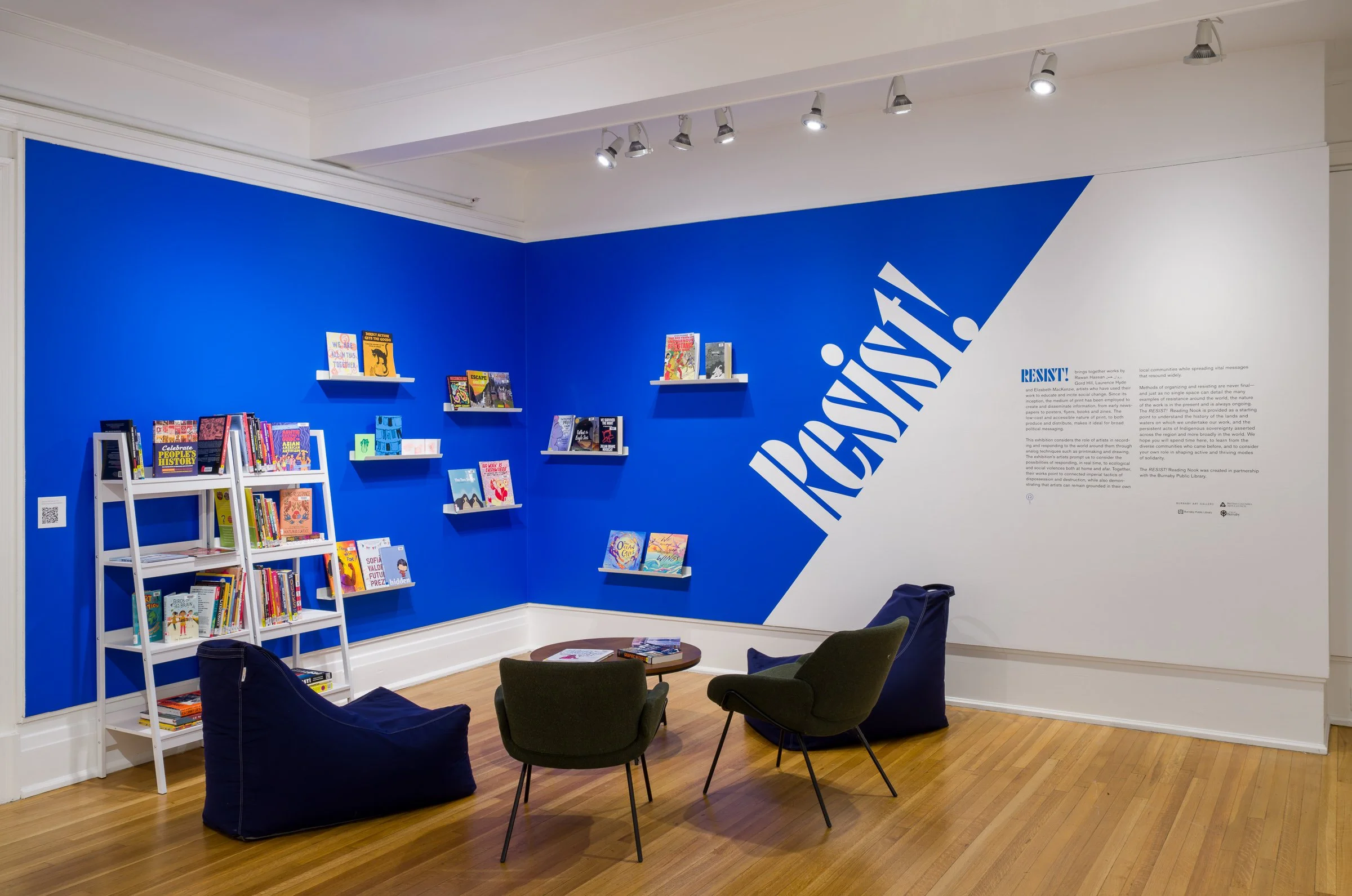
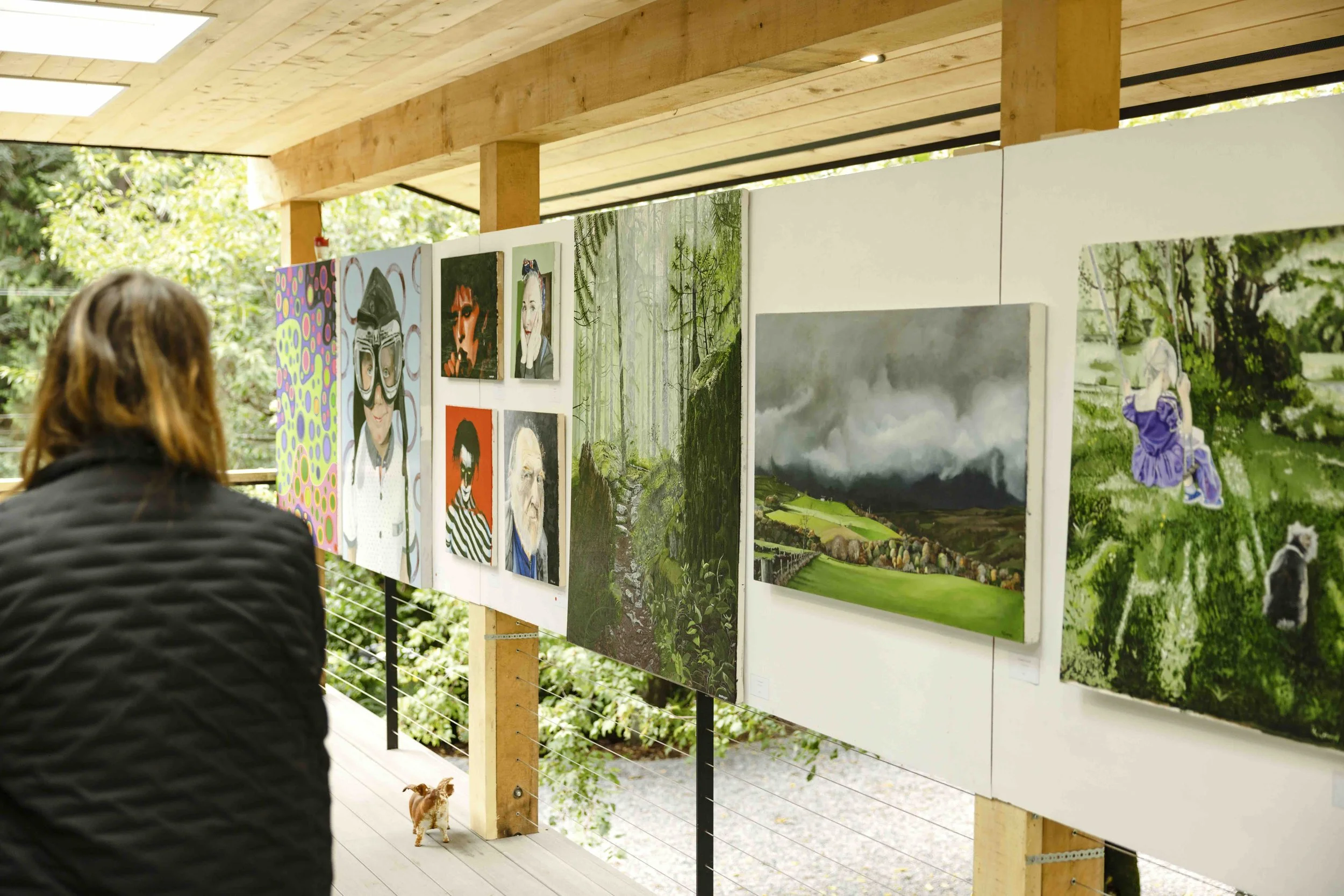
The RESIST! Reading Nook. Photo by Blaine Campbell
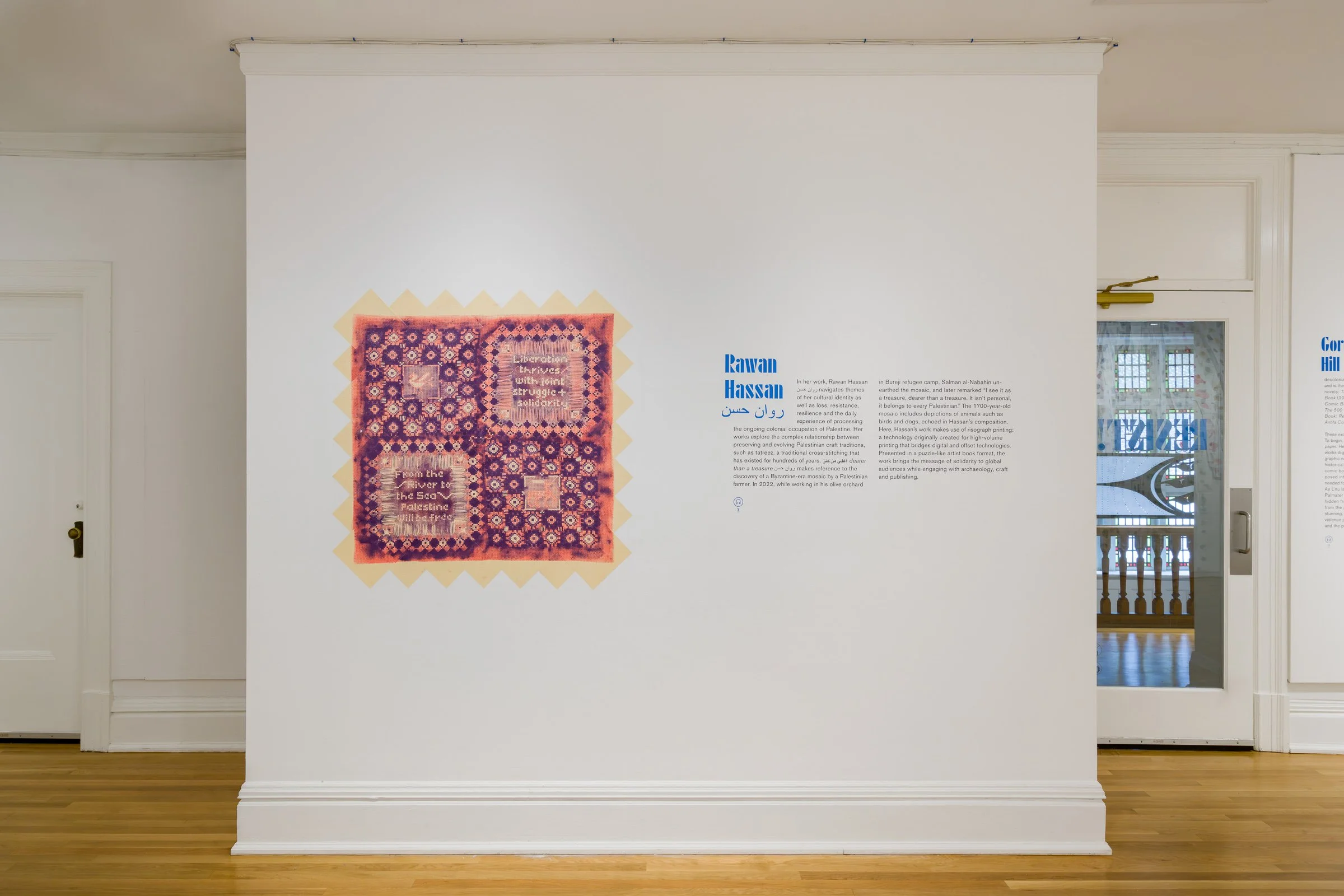
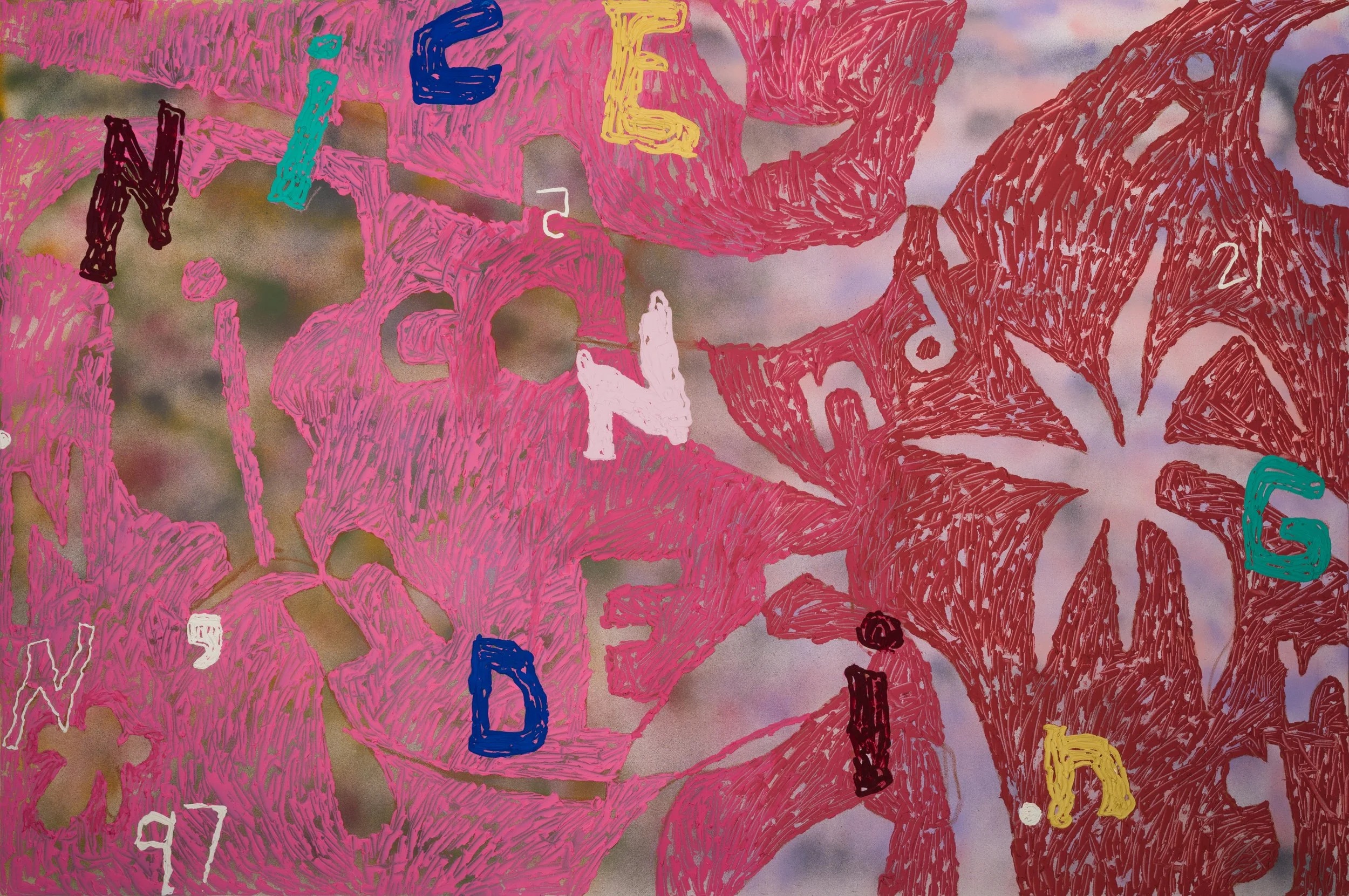
Rawan Hassan’s dearer than a treasure, 2026, Risograph print on paper. Photo by Blaine Campbell
Taking up an entire wall in the upper gallery, over 1,800 colourful drawings of abstract bubble forms cascade from ceiling to floor in long, connected strands. MacKenzie’s ongoing project Cleave, whose title means both to cling closely and to split apart, reflects the artist’s act of bearing witness to the horrors of the genocide in Gaza, where the lives of innocent civilians and children are violently disrupted. Each drawing is paired with a handwritten text fragment pulled from news reports, articles, essays, and diaries documenting the oppression of Palestinian people. The combination of MacKenzie’s childlike cursive and whimsical bubble painting technique sits uneasily against the weight of what the illustrations record.
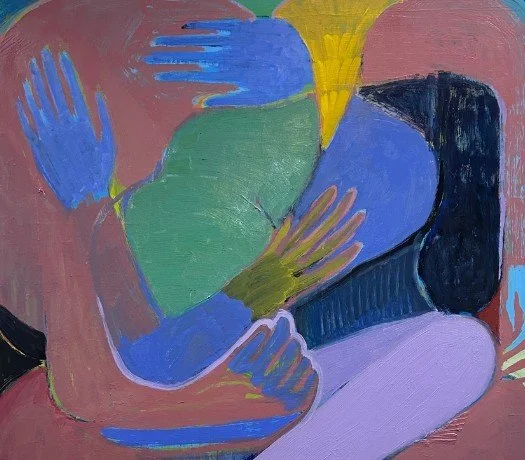
Colour continues in this space with Hassan’s 2026 Risograph print dearer than a treasure. Inspired by the discovery of a Byzantine-era mosaic by Palestinian farmer Salman al-Nabahin in 2022, the title refers to his statement: “I see it as a treasure, dearer than a treasure. It isn’t personal, it belongs to every Palestinian.” While the composition is originally presented in an artist book as a puzzle, for the exhibition, it is fixed directly onto the wall using wheat paste. The act of assembling the small paper tiles mirrors al-Nabahin’s unearthing and creates further intimacy between the reader and the material. The interdisciplinary visual artist weaves together traditional embroidery symbols, slogans of liberation, and motifs found in the original 1,700-year-old mosaic, tapping into a shared Palestinian experience amid the ongoing colonial occupation.
“It’s this kind of multilayered recording of the creativity that has emerged over centuries,” Dundas Oke says. “There’s this ethos of collectivity that emerges from al-Nabahin discovering this beautiful mosaic and Hassan choosing to use printmaking to distribute images inspired by that mosaic alongside Palestinian embroidery.”
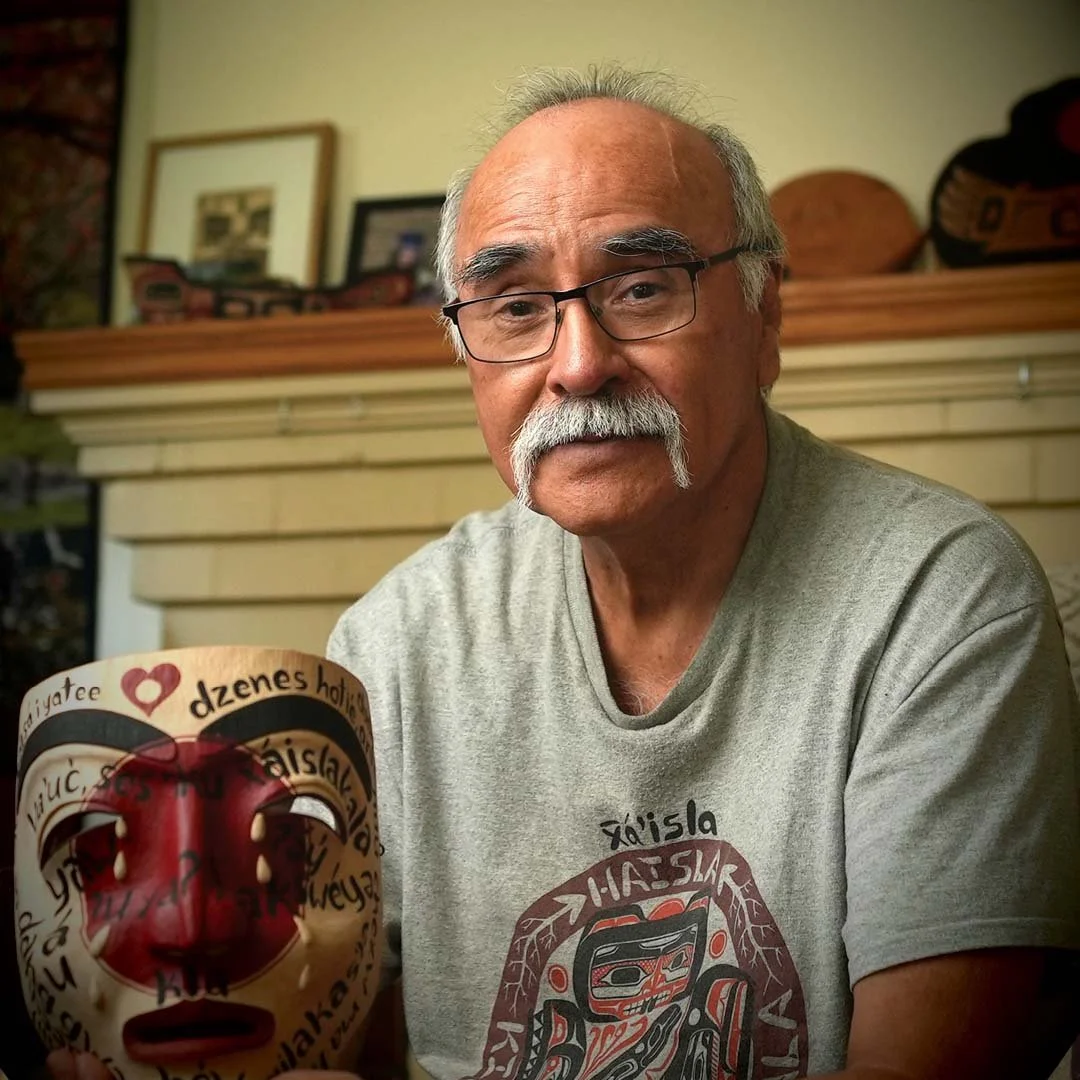
Adjacent to Hassan’s reflection on Palestinian identity are the works of Hill, a Kwakwaka’wakw artist, author, and political activist. Framed original pencil and ink drawings are displayed next to large-scale reproductions from his comic panel “Apocalypse Now (Or Never)”, published in the 2024 World War 3 Illustrated issue on climate change. Hill’s traditional Northwest Coast art style introduces the audience to the climate crisis, incorporating various scientific reports and news articles.
Expanding on the themes of the exhibition is the RESIST! Reading Nook, developed in partnership with the Burnaby Public Library. Fitted with over 80 books for readers of all ages, the brightly decorated corner offers a space for delving deeper into diverse stories of resistance from around the globe. The selection includes Musqueam Elder Larry Grant’s memoir Reconciling, E. Pauline Johnson’s children’s book The Two Sisters, and Hill’s graphic novels The Antifa Comic Book and The 500 Years of Indigenous Resistance Comic Book.
Elsewhere, visitors can partake in a colouring sheet commissioned by Hill or contribute to a collaborative large-scale drawing. Among the public events scheduled during the exhibition is Hill’s discussion of his artwork and practice in the Fireside room on October 22 at 2 pm, and a conversation with Hassan and MacKenzie moderated by the curators on November 15 at 2 pm.
For Cane and Dundas Oke, RESIST! is more than an acknowledgement of artists documenting changes in their environment; it is an opportunity to celebrate and reflect on the role of art as a method of challenging dominant narratives and pushing back against injustice.
“My hope is that visitors are inspired to record the events around them and feel empowered to share their experience,” Cane reveals. “We’re living in times where resistance is essential and we’re celebrating those artists who we know exist all around the world.” 

Related Articles