Eastside Culture Crawl organizers committed to promoting and preserving arts in the city
Artistic and executive director Alannah Clamp says the annual open-studio event is just one aspect of the Eastside Arts Society’s ongoing mission
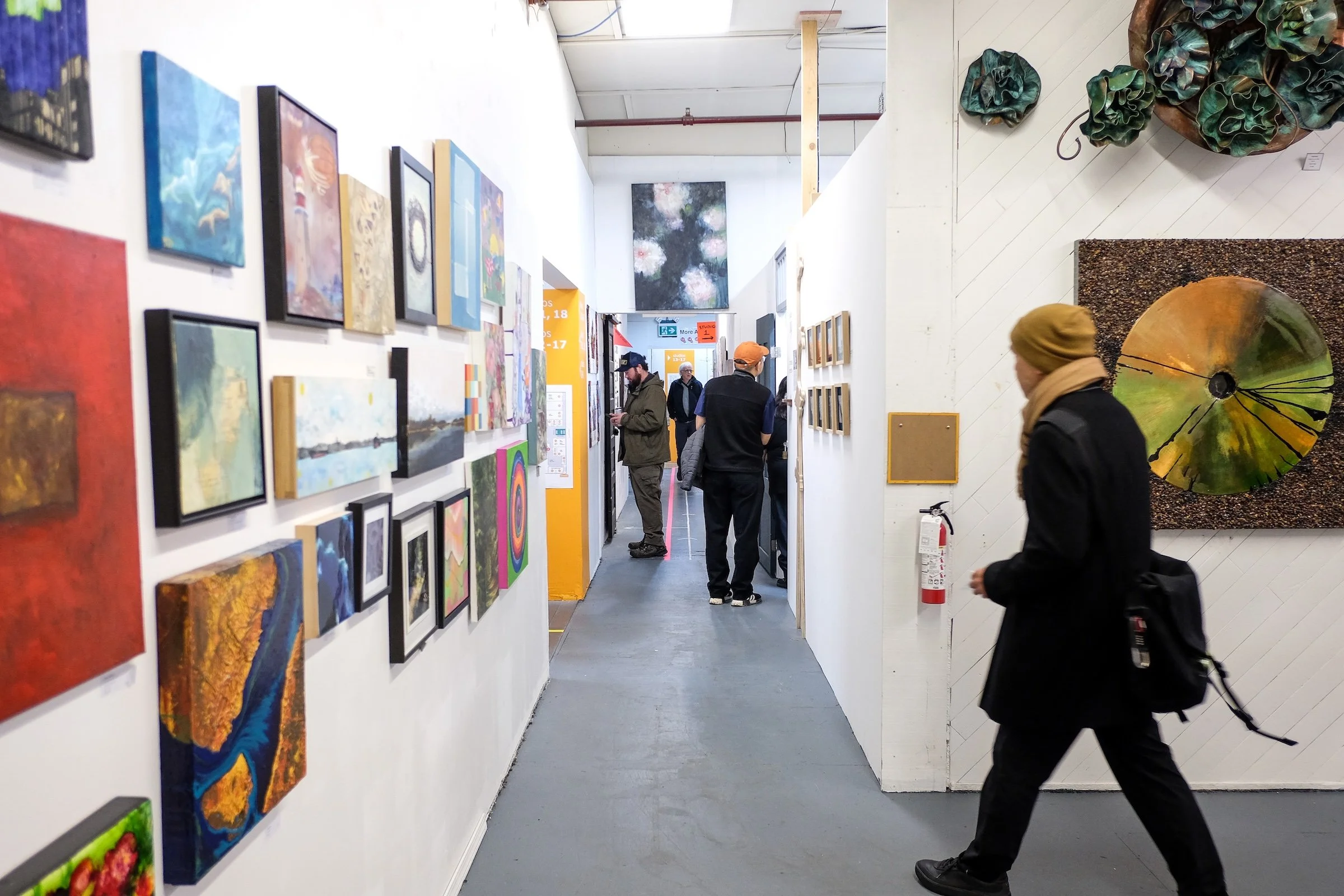
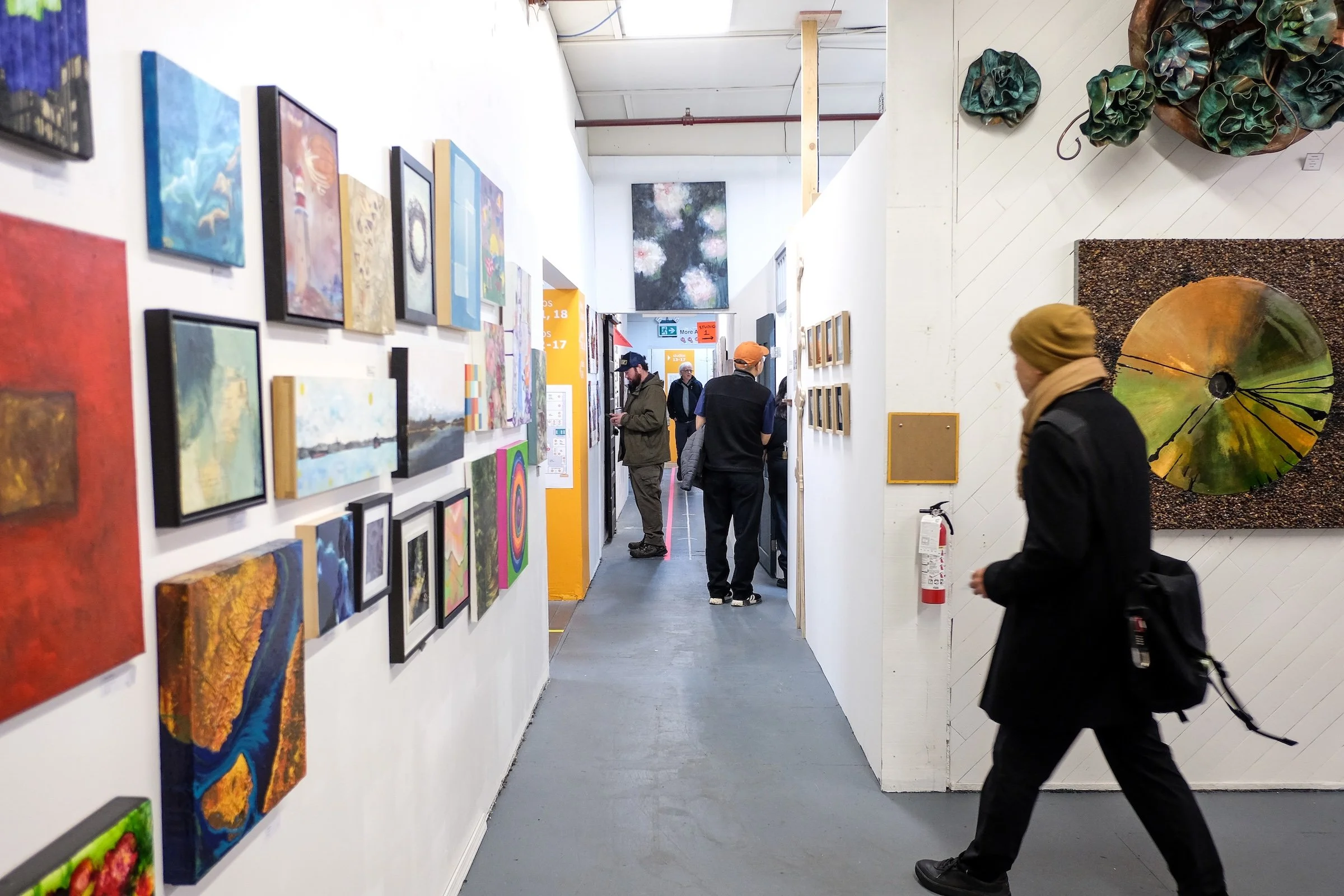
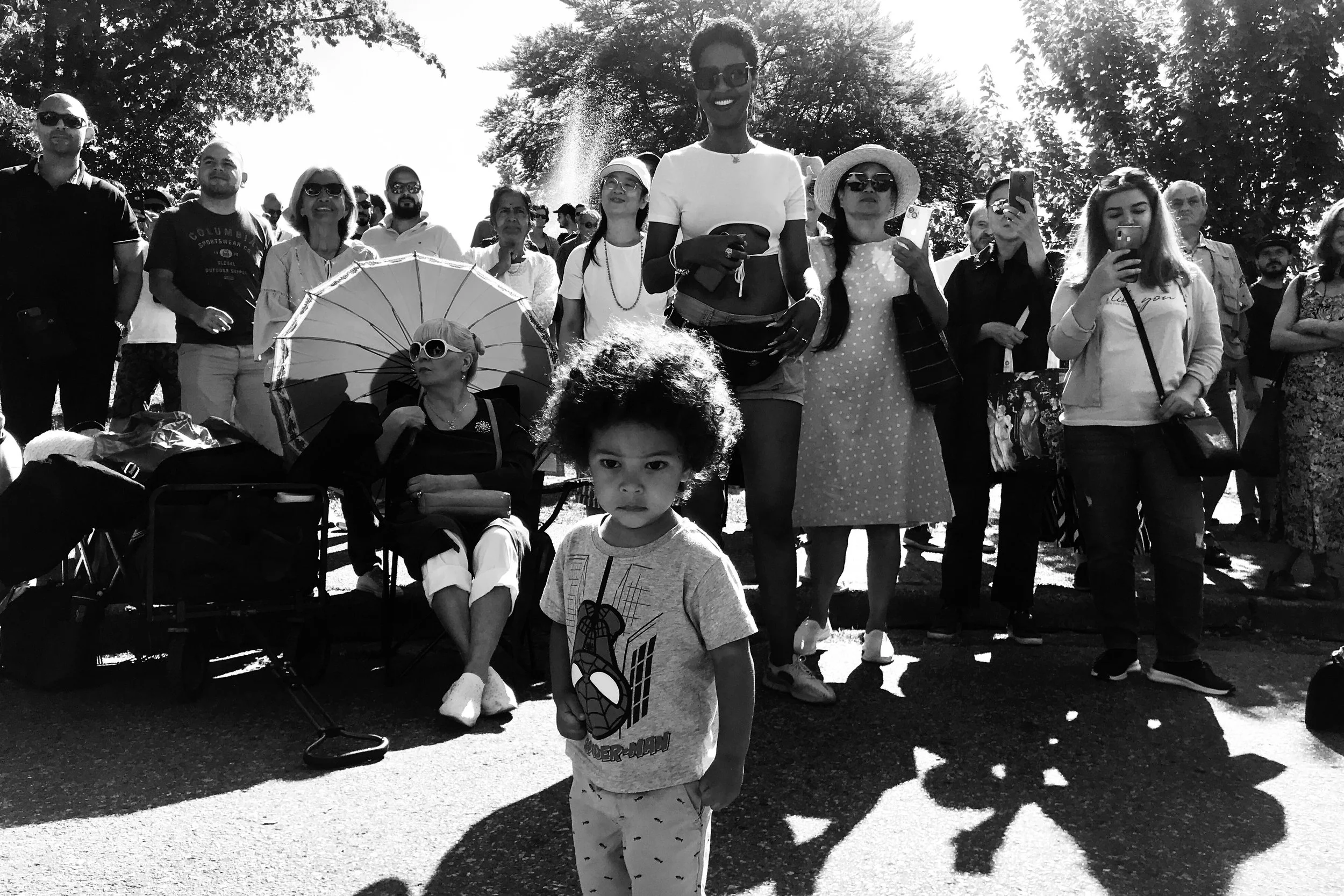
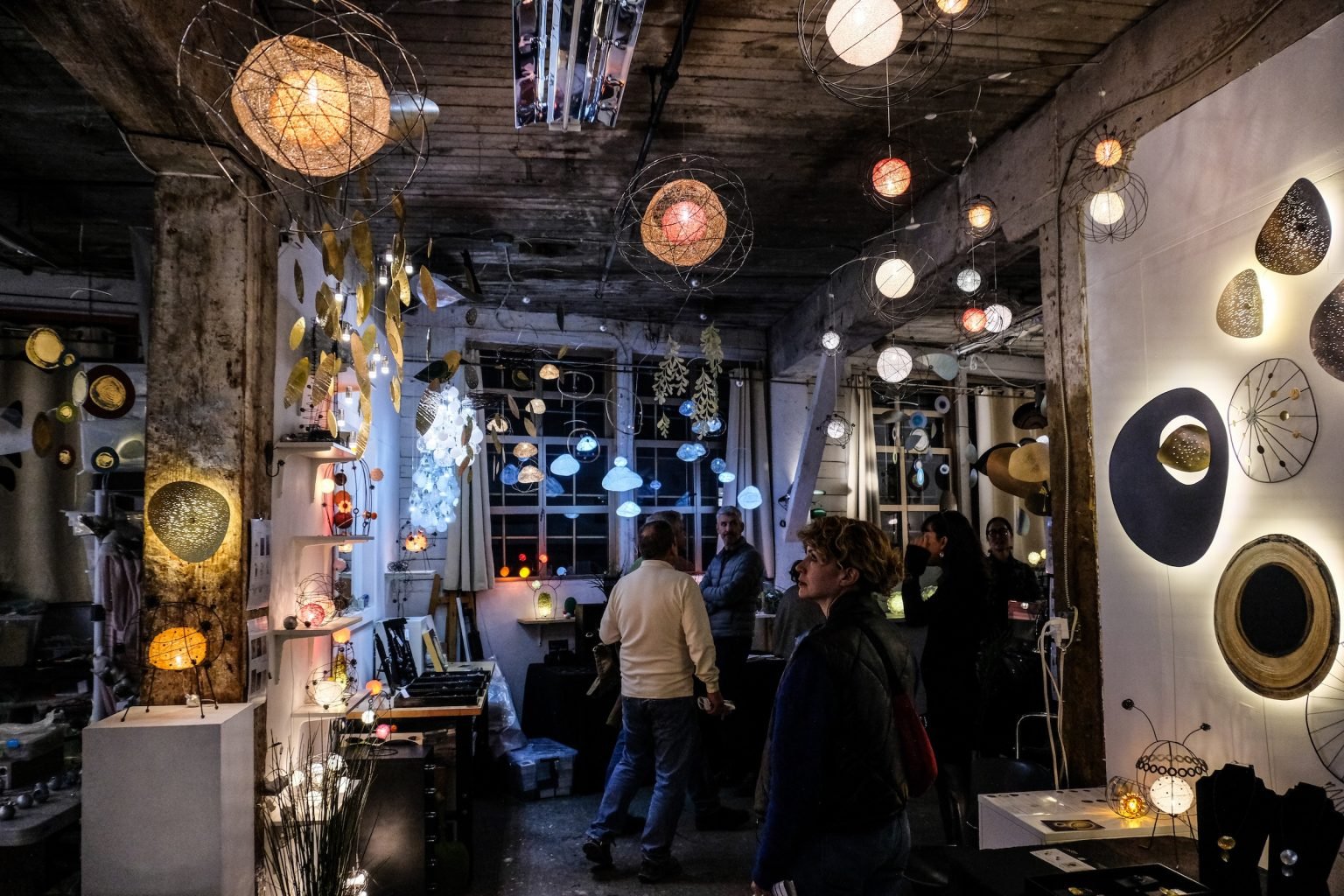
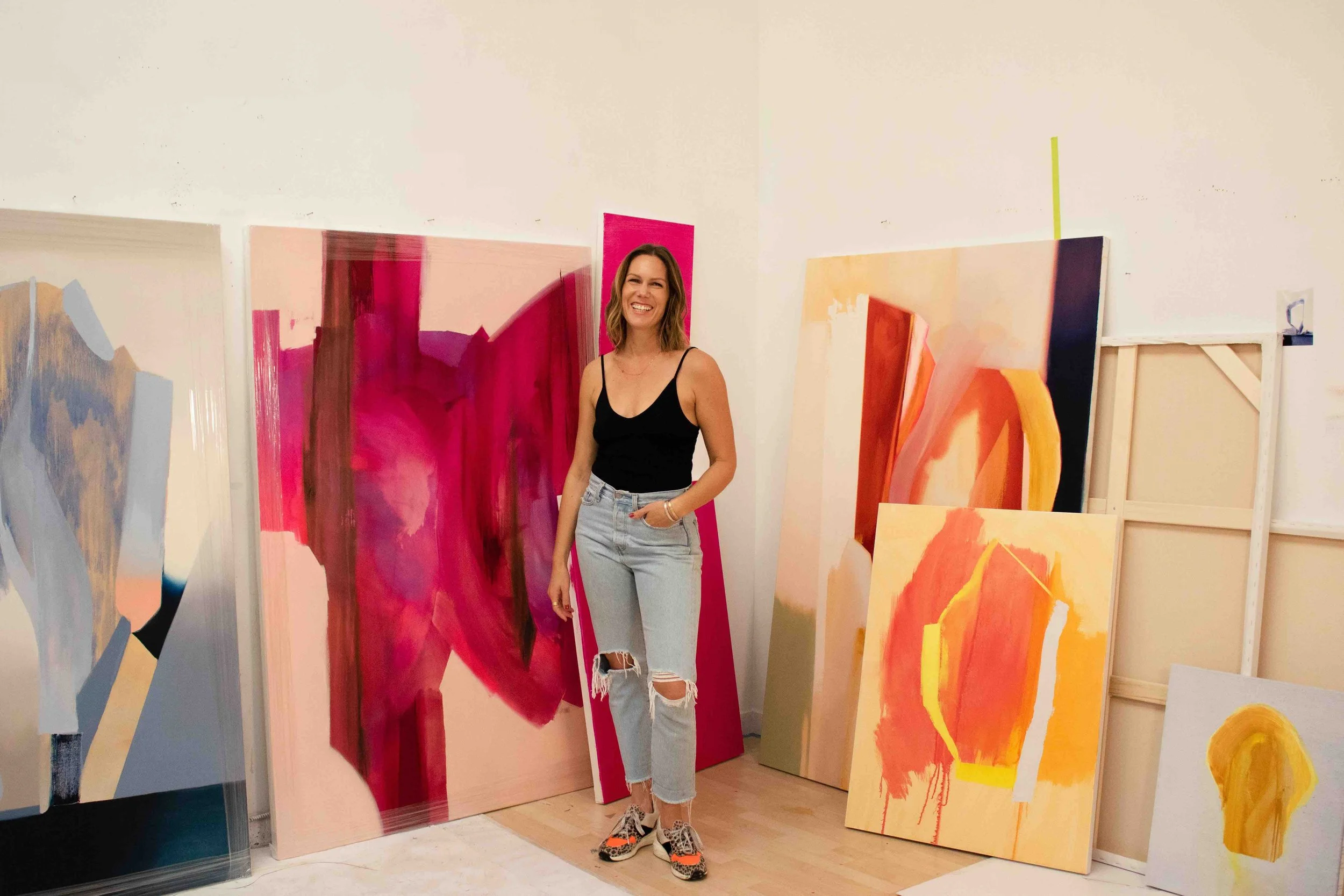
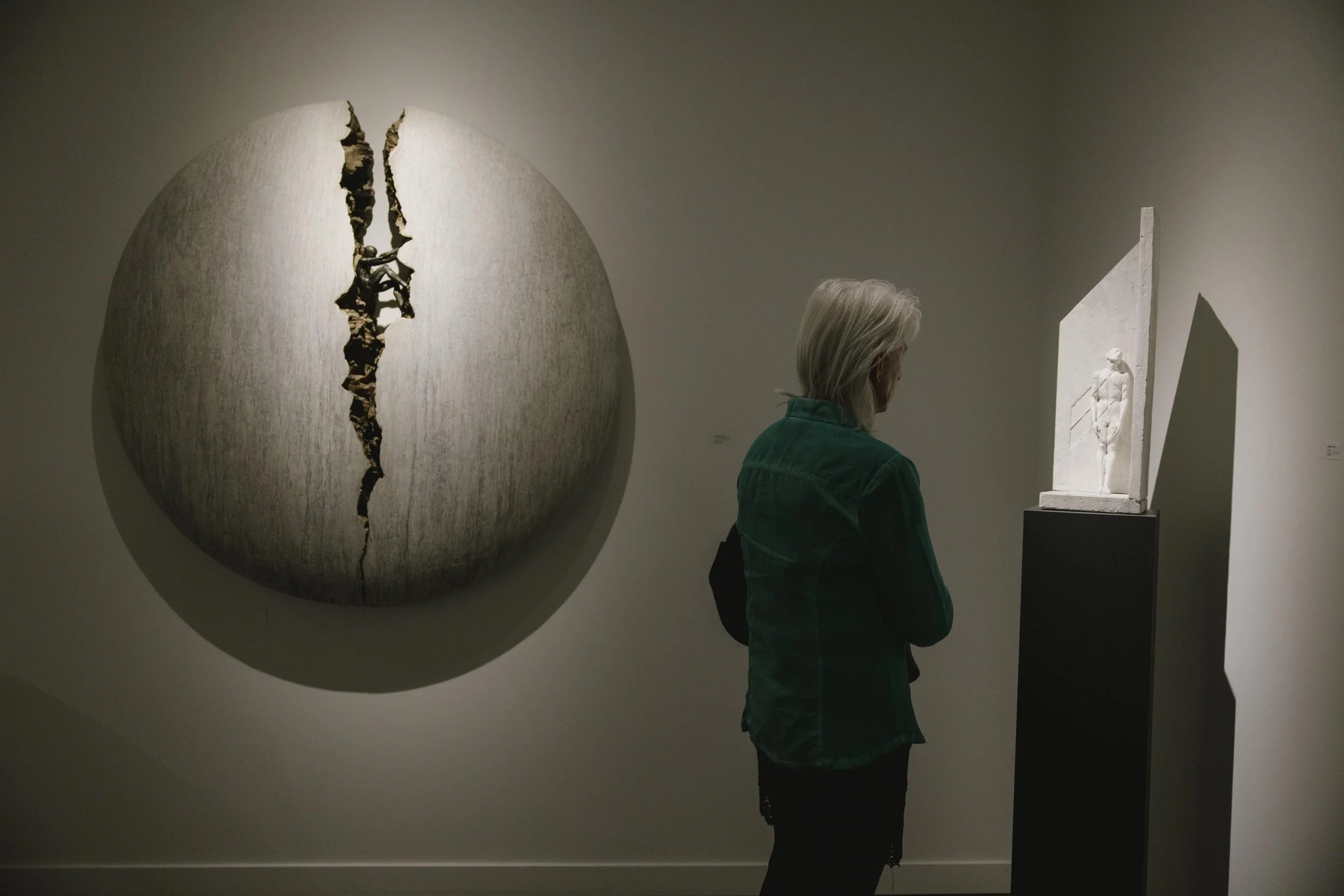
Eastside Atelier during the 2025 Eastside Culture Crawl. Photo by Colette Tan
The Eastside Arts Society presents the Eastside Culture Crawl from November 19 to 22 at various East Vancouver venues
THERE IS NO SET number of years that denotes an event as a tradition or even an institution, but now in its 30th, the Eastside Culture Crawl certainly qualifies. (The timeline is admittedly a little hazy, as there were a few earlier iterations, but the name “Eastside Culture Crawl” was officially coined in 1997 by Richard Tetreault.)
What began as a few East Vancouver artists opening their studios to the public has grown into a multi-day event. Interviewed at a coffee roastery and tasting room in Strathcona, Eastside Arts Society Artistic and Executive Director Alannah Clamp tells Stir that the 2026 Culture Crawl boasts 85 new artists and 12 new buildings, bringing the total number of open studios up to more than 500, which makes this year’s edition the biggest one yet. And that’s not all.
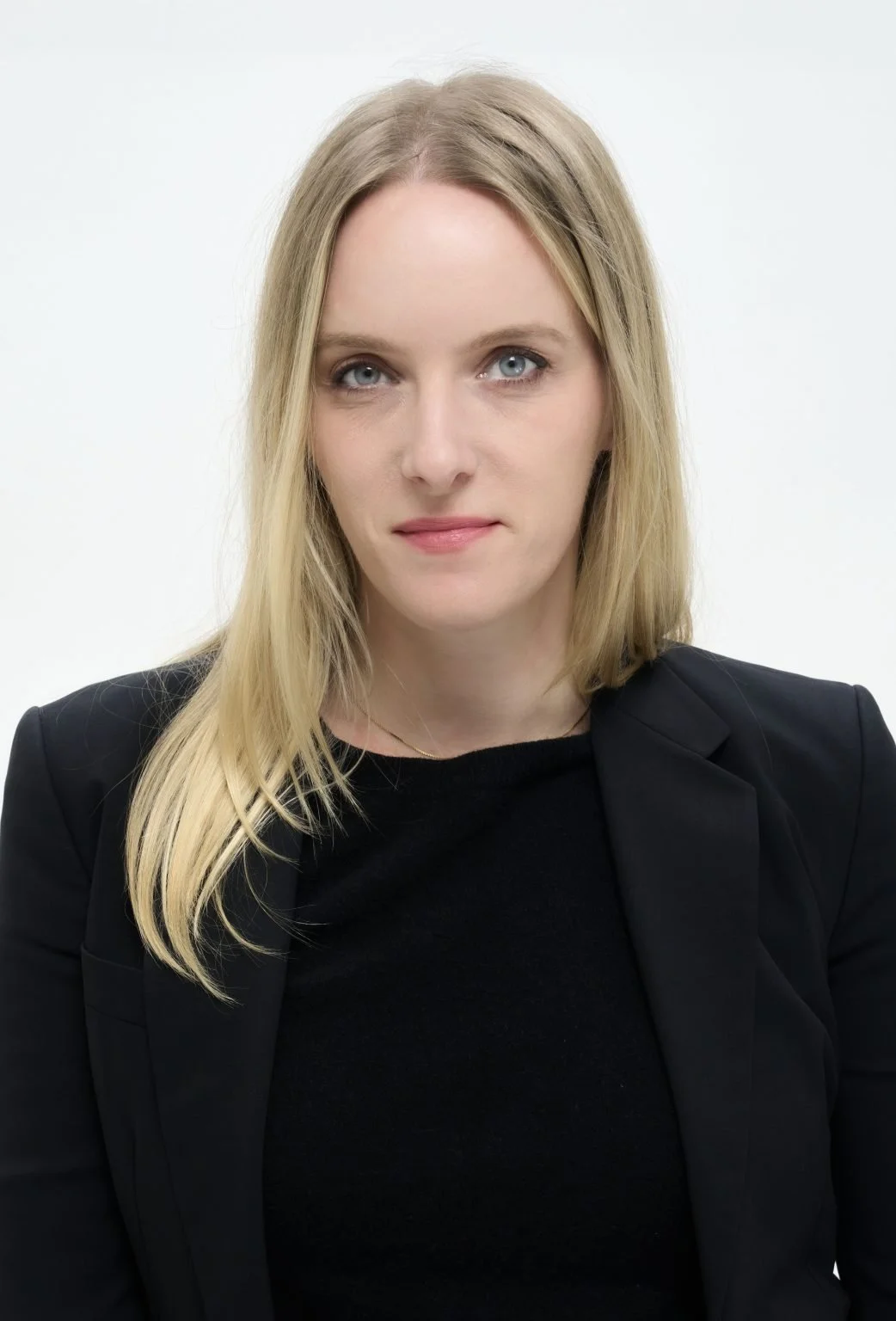
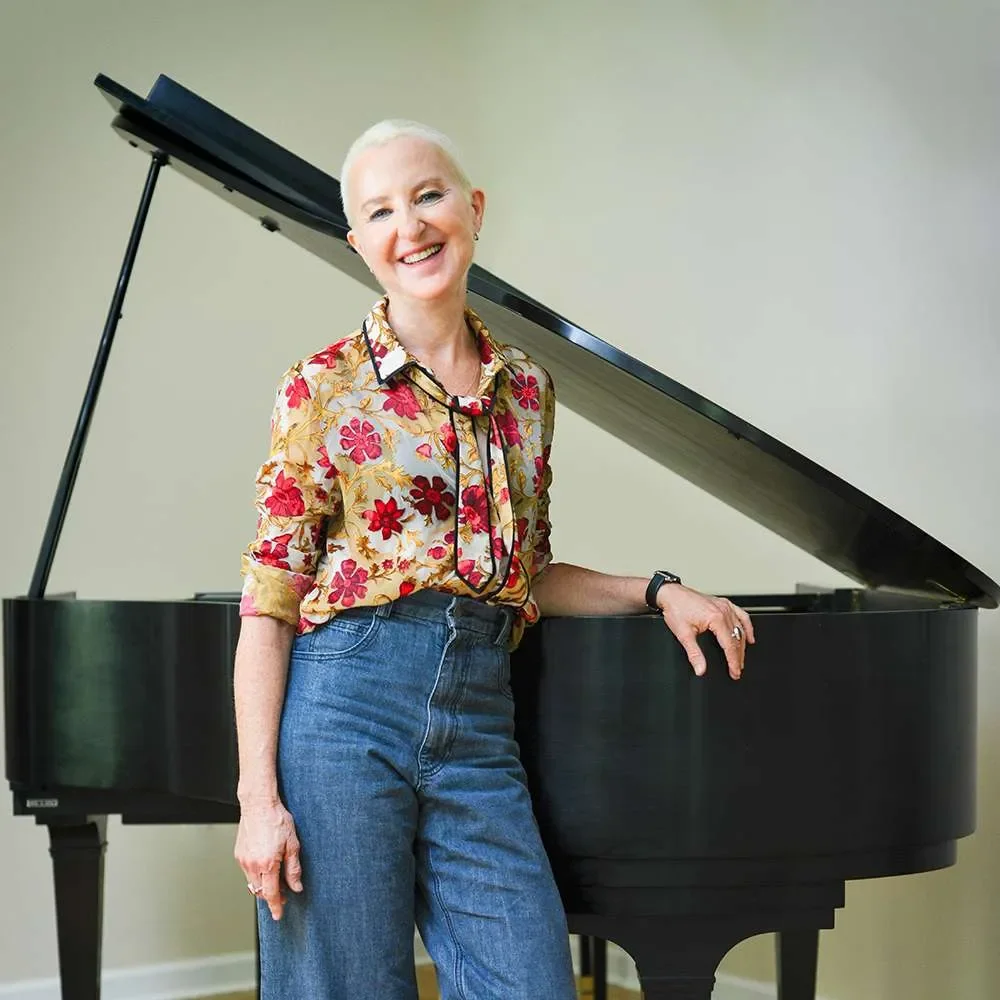
Alannah Clamp
“It’s the first time that the organization is hosting an exhibit in our own space, because in May, we secured the building through the support of the city,” Clamp says, referring to Eastside Art’s Society’s office at 716 East Hastings. “Now we have an actual physical headquarters. For many, many years, the organization was just working out of one small studio at 1000 Parker, and so now we have a much bigger space.”
As Stir reported in January, Vancouver city council unanimously approved a Making Space for Arts and Culture grant of $2,665,000 from the False Creek Flats Amenity Share Reserve to allow the Eastside Arts Society to purchase the space for offices and artist studios.
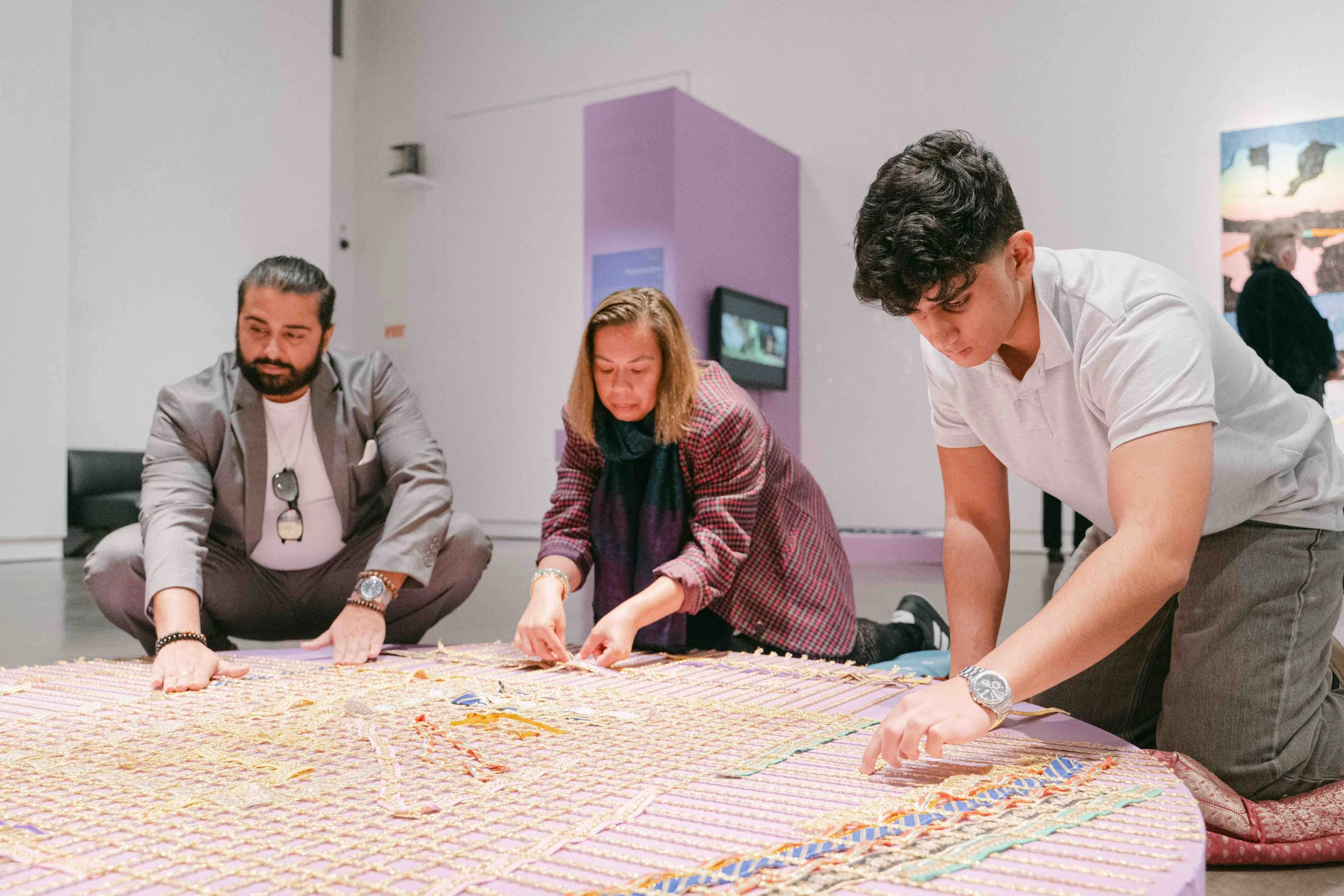
EAS HQ hosts the Culture Crawl’s 2026 Preview Exhibition, on now until November 28. Titled P.A.R.T.Y.—Pushing Art diRectly To You, the juried show features 75 artists and provides a sneak peek at the variety of art that will be on display throughout the event.
The Eastside Culture Crawl is centred on the area bounded by Columbia Street, East 2nd Avenue, Victoria Drive, and the waterfront. Emerging and established artists of all stripes—including painters, jewellers, sculptors, furniture makers, weavers, potters, printmakers, photographers, and glassblowers—will open their studios to the public, in addition to presenting workshops, demonstrations, and artist talks.
This is not Clamp’s first Culture Crawl. She has participated in several previous editions as an artist, but it is her first since assuming her post at the helm of the Eastside Arts Society in August.
“The scope of the role aligns with the mission of the organization,” she says between sips of her flat white. “It’s two parts. It’s to help connect people to art and artists, but it’s also to essentially facilitate and be a resource to artists. And that often looks like things like making sure that there’s production space, and preserving studios, and making sure there’s exhibition opportunities, and finding ways for artists to promote and get their stuff out there and to sustain themselves.”
The Culture Crawl is just one manifestation of the EAS’s mission. The organization also produces the annual Eastside Arts Festival and has undertaken a multi-year project to map cultural spaces in East Van. In 2019, the EAS released a report called City Without Art? No Net Loss, Plus! that found more than 400,000 square feet of artist space had been lost over the previous decade, and that rental rates for such spaces had increased by 65 percent.
“Part of the reason for the vibrancy of East Vancouver and many other arts-focused areas in different cities across North America and Europe is that there was an availability of studio spaces and housing that could support artists and creative people,” Clamp says. “And, of course, as the stock of that gets diminished, that absolutely threatens their ability to stay in studios and stay in housing. I’ve worked out of a number of studios where people were choosing to live in their studios and not get apartments because they couldn't afford both, and they elected for the studio.”
Clamp says that through initiatives like the Making Space for Arts and Culture grant program, the City of Vancouver is offering glimmers of hope for the preservation of artist spaces. This coincides with the growing understanding not only that cultural events are drivers of economic activity, but that art is beneficial in other ways.
“It’s positive for people’s well-being and social connection,” Clamp says. “And it doesn’t seem to really matter that much which art they’re engaged in, or even the quality of the art. It’s just going to cultural events, participating in culture, being out in the city; all of this has some positive impact.”
She adds that having a permanent home base allows the EAS to keep things like the Eastside Culture Crawl going, and also to produce events year-round in addition to providing space for workshops and other professional-development activities for the arts community.
“It does show a commitment from the city, and I think that that’s awesome,” she says of Eastside Arts Society’s receipt of the grant that enabled it to purchase 716 East Hastings. “I think it’s really good that this city is thinking about how it can protect some of its creative assets, because the city is really lucky. It’s very difficult to bring in artists and creative people to cities they don't want to be in. It’s much easier to support a garden that’s already growing than to start one. And I think that it’s a good step towards that.” 

Related Articles