Vancouver’s Steven Shearer wins Audain Prize for the Visual Arts, praised for helping us to “see the world differently”
Celebrated in Europe and elsewhere, artist uses paintings, sculpture, and photo-based work to explore expansive ideas around memory, isolation, pop culture, and art history
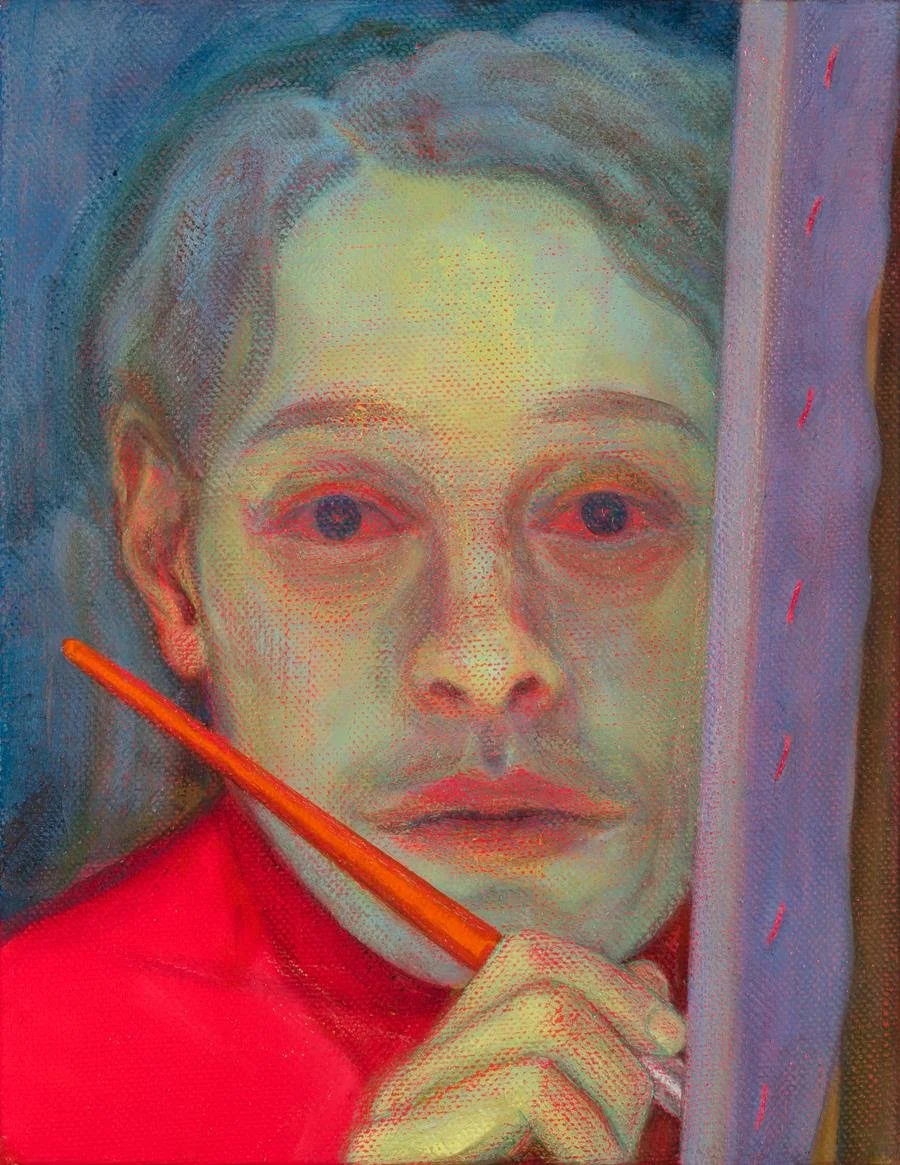
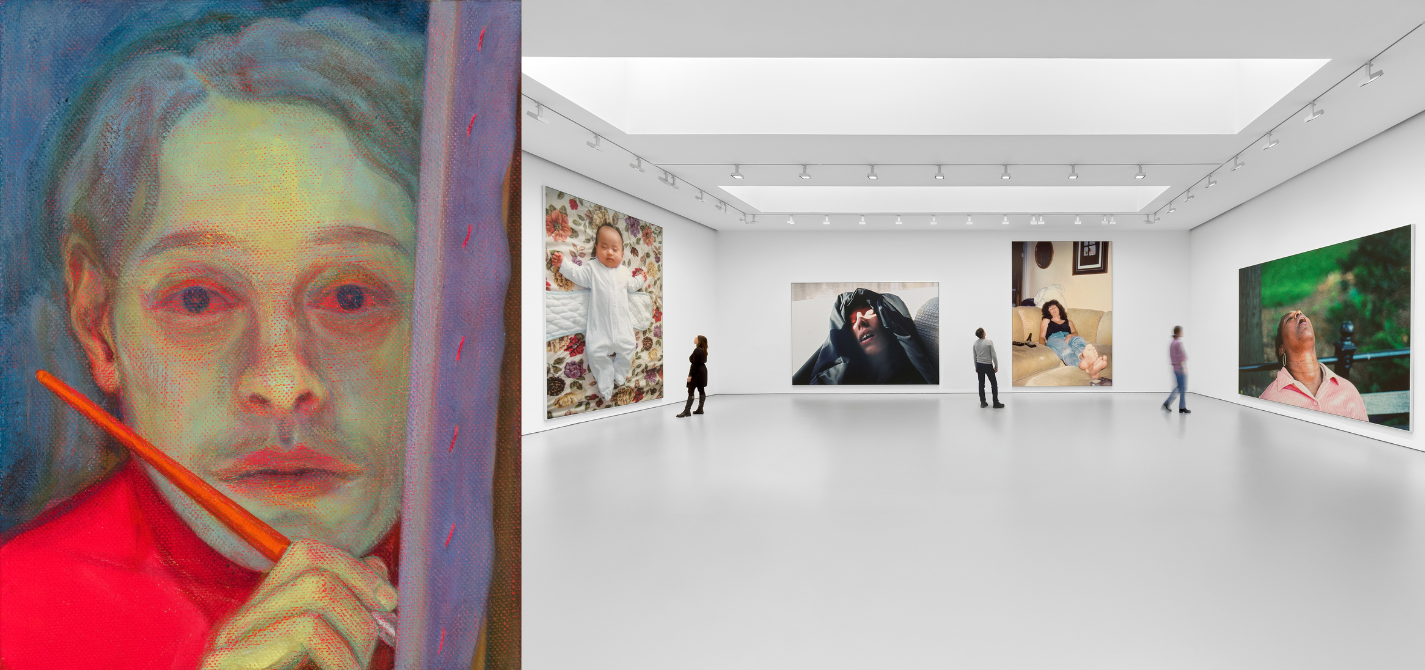
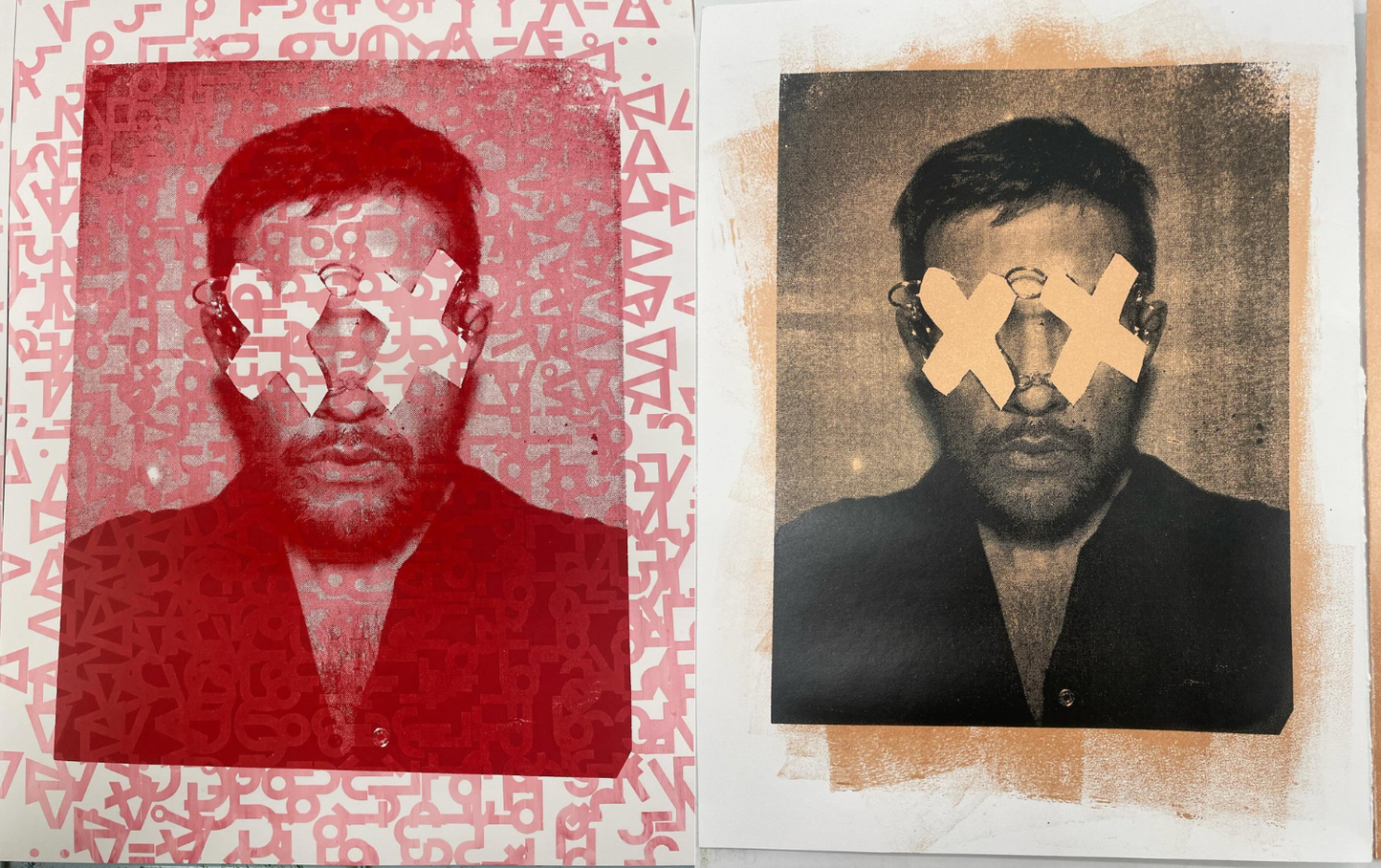
Steven Shearer’s Working from Life, 2018, © Steven Shearer. Courtesy Galerie Eva Presenhuber, and David Zwirner
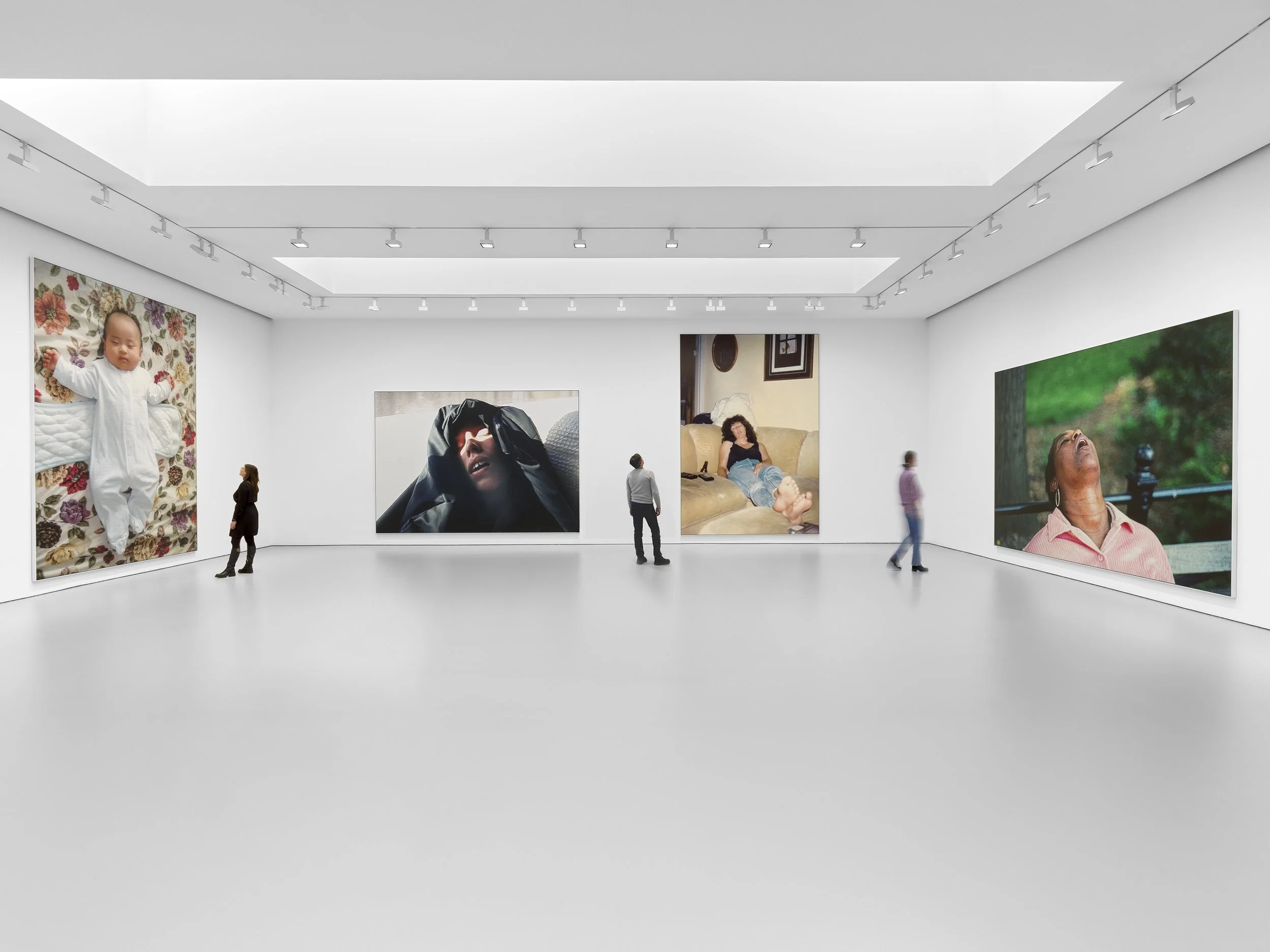
Steven Shearer’s Profaned Travelers exhibit at New York’s David Zwirner, featuring some of the images from the Capture Photography Festival billboards.
VANCOUVER ARTIST STEVEN SHEARER—whose expansive visual world spans everything from ’70s fanzines to PVC pipe and the never-ending stream of amateur photography on the internet—is the 2026 recipient of the prestigious $100,000 Audain Prize for the Visual Arts.
In the announcement at the Hotel Vancouver today, the soft-spoken, famously press-shy artist told Stir, “For me, the way it’s worked out that I’ve been able to be an artist, and follow my interests, and my vocation—that has been such an award for me personally. So it’s unexpected—and I’m just happy that I'm able to do my work.”
The prize, selected by an independent committee, goes to a senior visual artist based in British Columbia who has made an outstanding contribution to the arts.
For 30 years, the New West–born Shearer has worked across sculpture, photography, collage, and hauntingly executed paintings, with art history fitting easily alongside nods to the kind of 1970s Canadian suburbs where he grew up. He graduated from Emily Carr University of Art & Design in 1992 and has gone on to exhibit at The Tate Modern in London, The Renaissance Society in Chicago, the Galerie Eva Presenhuber in Zurich, and far beyond.
Like so many of Vancouver’s biggest art names, he has long been more celebrated and exhibited in Europe than here in B.C. However, closer to home, The Polygon Gallery hosted a definitive solo show in 2021. His Sideshow Rigmarole sprawled across an entire wall that dominated the exhibit, featuring images culled from the ’60s and ’70s, photo-laminated in the neon hues of sticky notes; some pictured celebrities—David Cassidy brushing his teeth in a mirror, Alice Cooper emerging from a pool—and others depicted boys and men posing with cannons, cats, and skeletons. Together they formed a survey of masculinity and manhood, filtered through the lens of pop culture. “They sit on this slippery edge of memory and recollection,” Polygon executive director Reid Shier reflected at the time. “He’s interested in these things that we can’t quite place.”
Today, Shearer’s works sit in public and private collections across the country—including at the National Art Gallery of Canada and the collection of Michael Audain, the namesake of the prize handed out by the Audain Art Museum and Audain Foundation.
At the 2011 Venice Biennale, Shearer created a high-profile installation at the Canadian Pavilion, including a nine-metre-high mural and façade titled Poem for Venice, a collection of figurative paintings and drawings (such as The Fauves), and a garden shed at the entrance—a reference to the garden atmosphere, but also a touchstone in Shearer’s work.
One of the local exhibits that garnered the most attention for Shearer in recent years was a series of billboards he created for the Capture Photography Festival in 2020 from shots, gleaned from the internet, of people napping. Amid the anxiety of the pandemic and an era of opiate overdoses, the masses mistook them as something sinister and deathlike. Although they were eventually removed by sponsor Pattison Outdoor Advertising, the billboards hinted at Shearer’s ongoing interest in the infinite archive of imagery that lives on the internet; they explored ideas of watching and looking, but also referred to historical paintings of subjects in repose. Like so much of his work, they unsettled in interesting ways.
Shearer said he still draws inspiration largely from art books that pack his studio, as well as the more than 70,000 images he’s acquired on the web and elsewhere. As Josée Drouin-Brisebois, the director of national engagement at the National Gallery of Canada put it today, “His practice has developed alongside major changes in the way images are generated and countered and understood.”
“To me, Western art history doesn’t really exist in Vancouver. It’s not here in the museums,” Shearer explained to Stir. “So, I have, in my studio, thousands of books. It’s kind of like books are how you see and discover art. And once you’re looking at reproductions of art—where it was made, when it was made—I sort of respond to that work.”
As Drouin-Brisebois said today: “The recipient understands how art can create dynamic and haunting experiences that remain with visitors. The artist's work is distinguished by an expansive engagement with images and objects drawn from both art history and everyday visual culture, bringing together seemingly disparate references, including heavy metal, popular culture, youth subcultures, vernacular imagery, and the internet.”
She continued, “He has encouraged us to see the world differently, to consider connections through time, between the ways artists have expressed themselves at various moments in history and the images that surround us today. His work continues to challenge conventional distinctions between high and low culture as they investigate themes of identity, memory, isolation, vulnerability, and mortality—while remaining attentive to the ways images can shape personal experience and collective memory.”
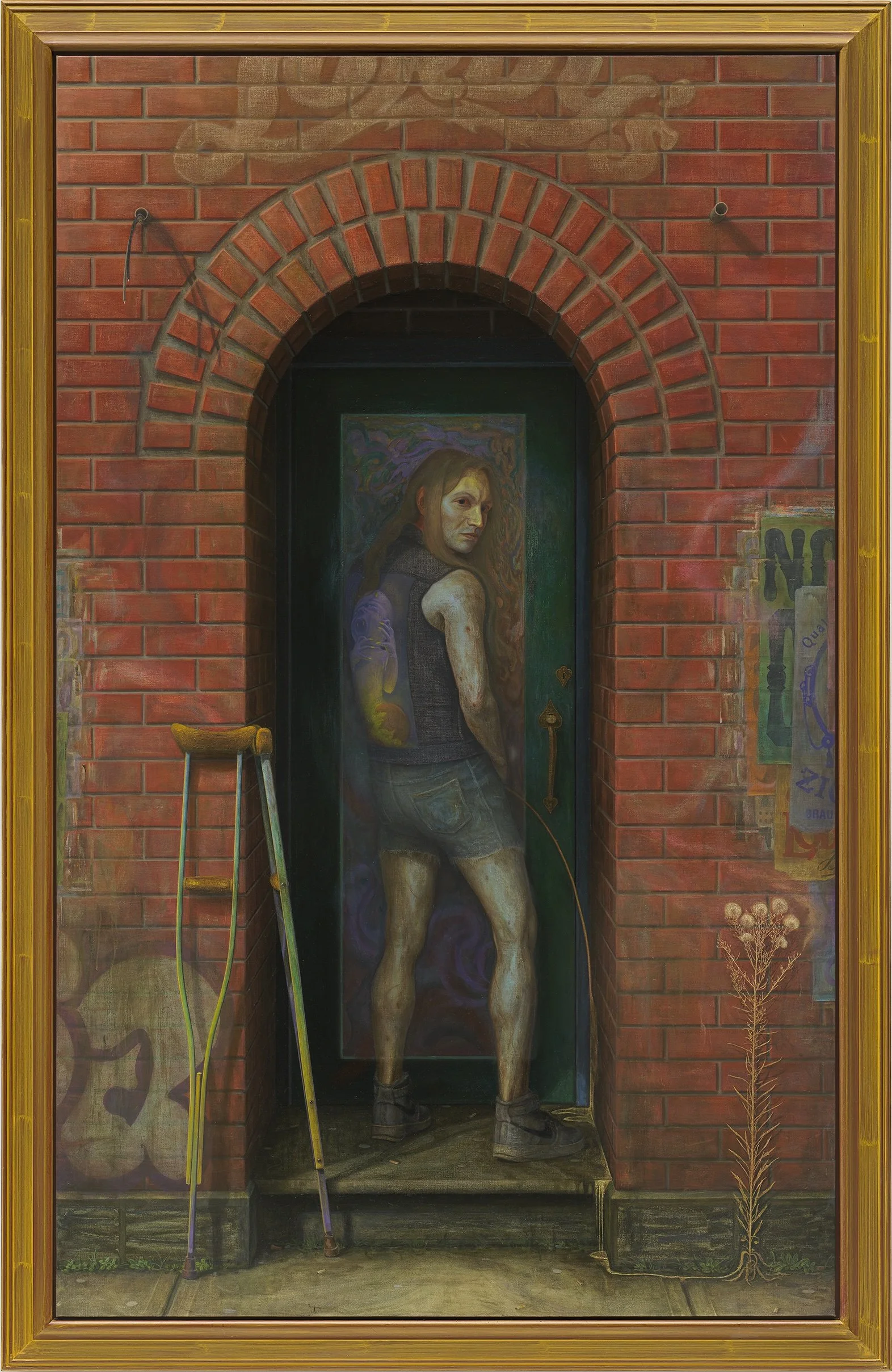
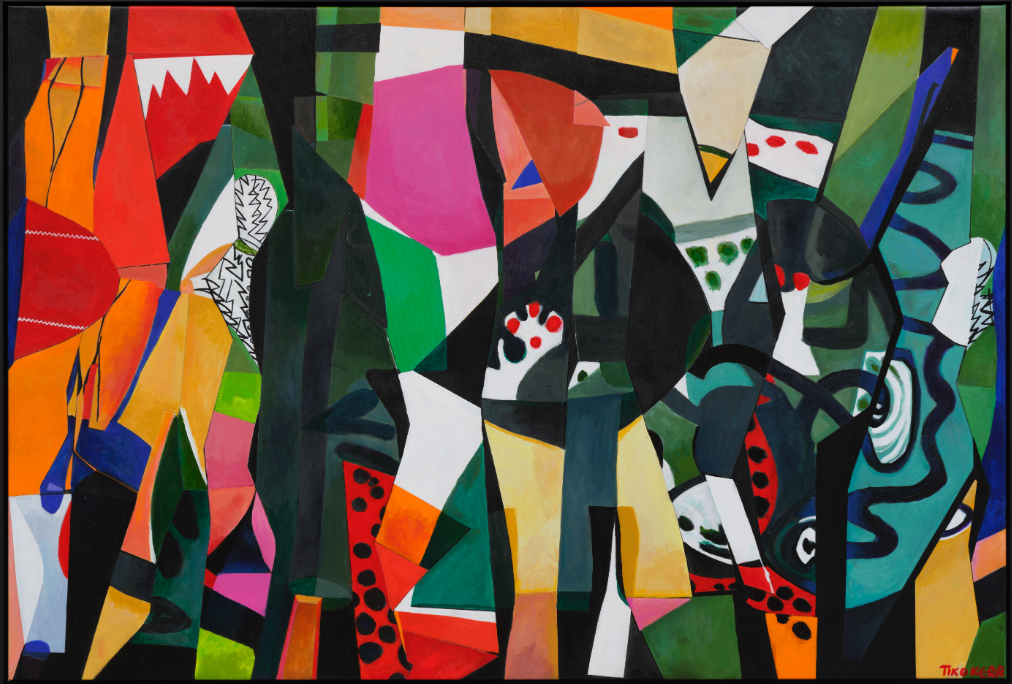
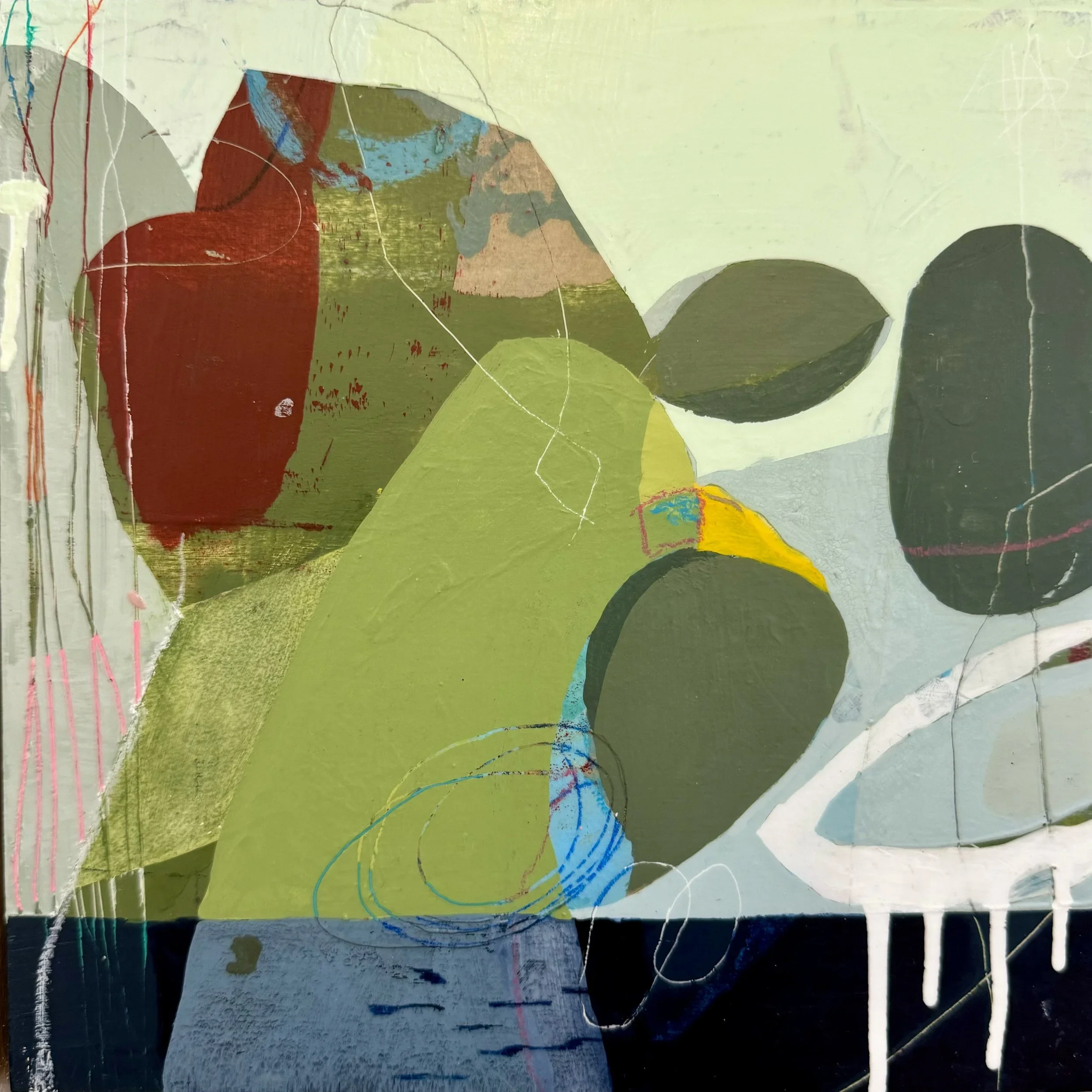
The Wizzer, 2026, oil on linen in artist's frame, ©Steven Shearer.
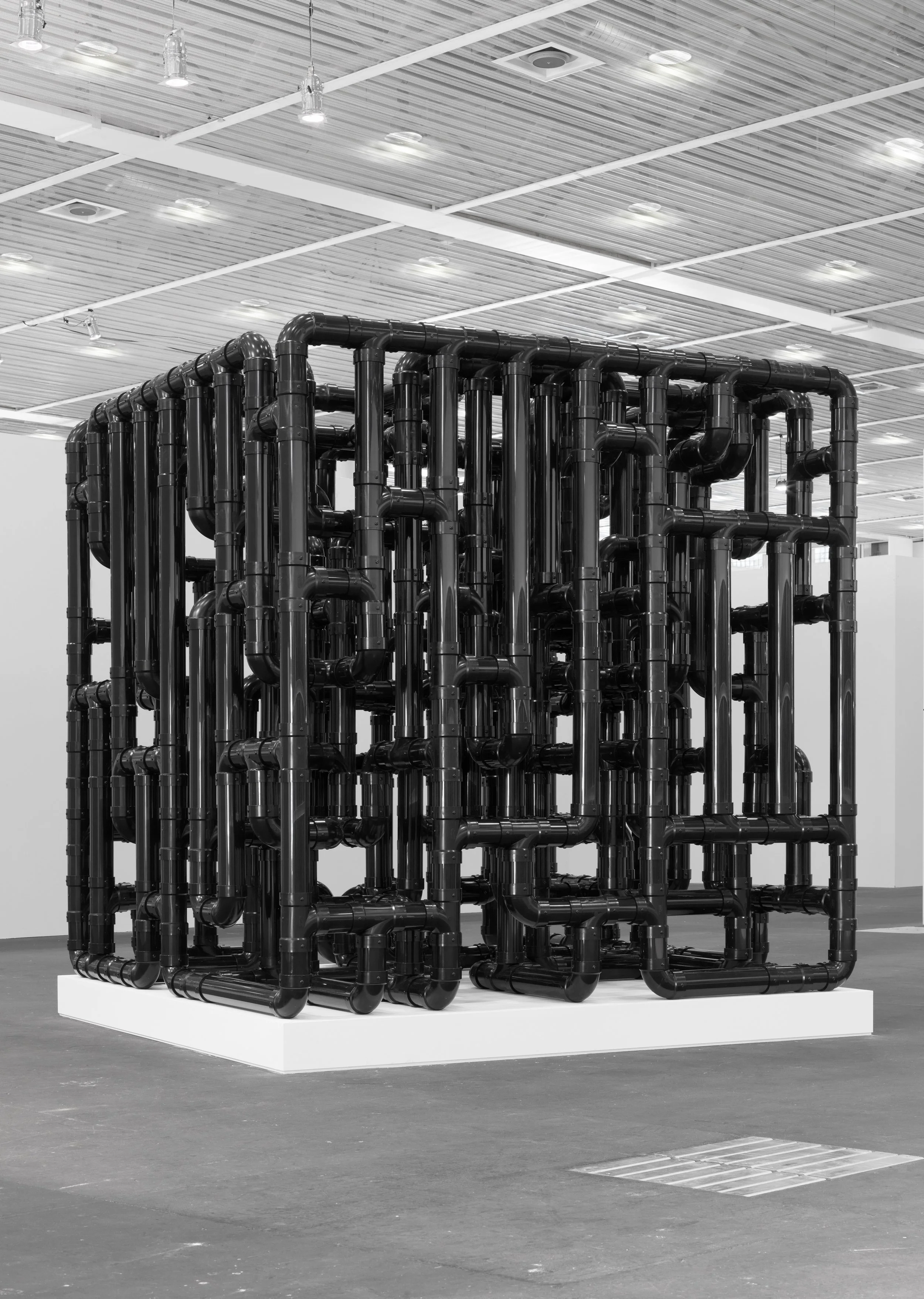
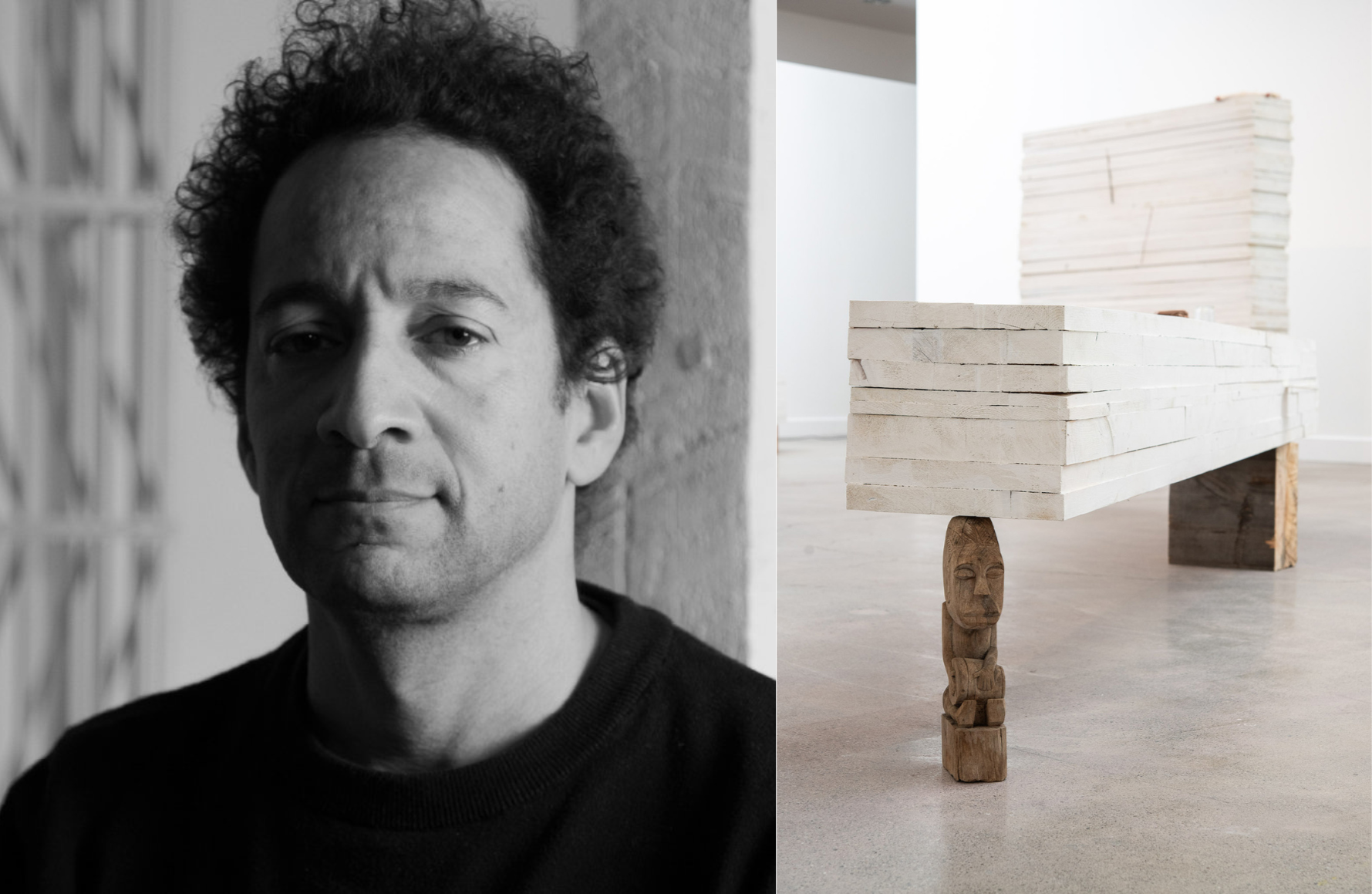
Steven Shearer’s Geometric Mechanotherapy Cell for Harmonic Alignment of Movements and Relations, 2007-08. ©Steven Shearer. Courtesy of National Gallery of Canada, Galerie Eva Presenhuber, and David Zwirner gallery
Drouin-Brisebois’s first experience of his practice was the sound sculpture Geometric Mechanotherapy Cell for Harmonic Alignment of Movements and Relations. It was created from black PVC sewer pipes and modelled after an archival 1970s advertisement for a children’s jungle gym, complete with a sound component emitting low, groaning bass frequencies.
“I remember feeling a vibration in the gallery floor, and I thought it was a large truck going by the museum. Yet, the continuous rattling made me wonder if something else was causing this disturbance,” she said. “I soon realized that it was a monumental sculpture, fitted with shakers and transducers that were causing the distorted sounds and vibration.
“The work was beautifully crafted out of ordinary material, PVC pipe, with sounds that travelled inside it, as if it was digesting,” she added. “This work particularly intrigued me. I’ve never experienced anything like it.”
Still, the core of Shearer’s work may be his painting. There’s the mesmerizing Potter—a strange and luminous image of a stringy-haired, bare-chested ceramicist hunched over his potter’s wheel, the shelves behind him weighed down with the vessels he’s created. The Wizzer’s composition recalls a Renaissance religious painting but in fact the oil-on-linen work depicts another long-haired, pallid figure, this time pissing in a red-brick doorway arch.
Drouin-Brisebois related of Shearer’s exacting process, “We can never be sure how they will evolve. At times, I’ve seen a particular painting transform over many years, as if it had a life of its own. The works must struggle and mature before they are ready to leave the studio.”
As much as the deep art-historical references of these works resonate, she pointed out two other factors that speak so widely to the world in his paintings: authenticity and vulnerability.
As for Shearer, he described his mysterious mix of the imaginary, the archetypal, and the real as a “formula” of mixing outside imagery with his own experience. “If it was all about someone else’s experience, it wouldn’t be as interesting. And if it was only about my experience, I think it’d be less interesting to the viewer.”
At the same ceremony today, several emerging artists were recognized with Audain Travel Awards, providing B.C. student artists with $7,500 travel grants to pursue international art experiences. Winners were UBC’s Ogheneofegor Obuwoma, the UBC-Okanagan’s Pippa Bingham, Emily Carr University of Art + Design’s Natasha Walter-Pinay, SFU’s Christopher Outten, and the University of Victoria’s Jasper van Alderwegen. 

Related Articles