Theatre review: Cue the chaos as Burnout Paradise entices an audience to pitch in together
Amid the laughter and DIY signs, Pony Cam show at The Cultch captures a world where we can’t step off the ever-racing treadmill
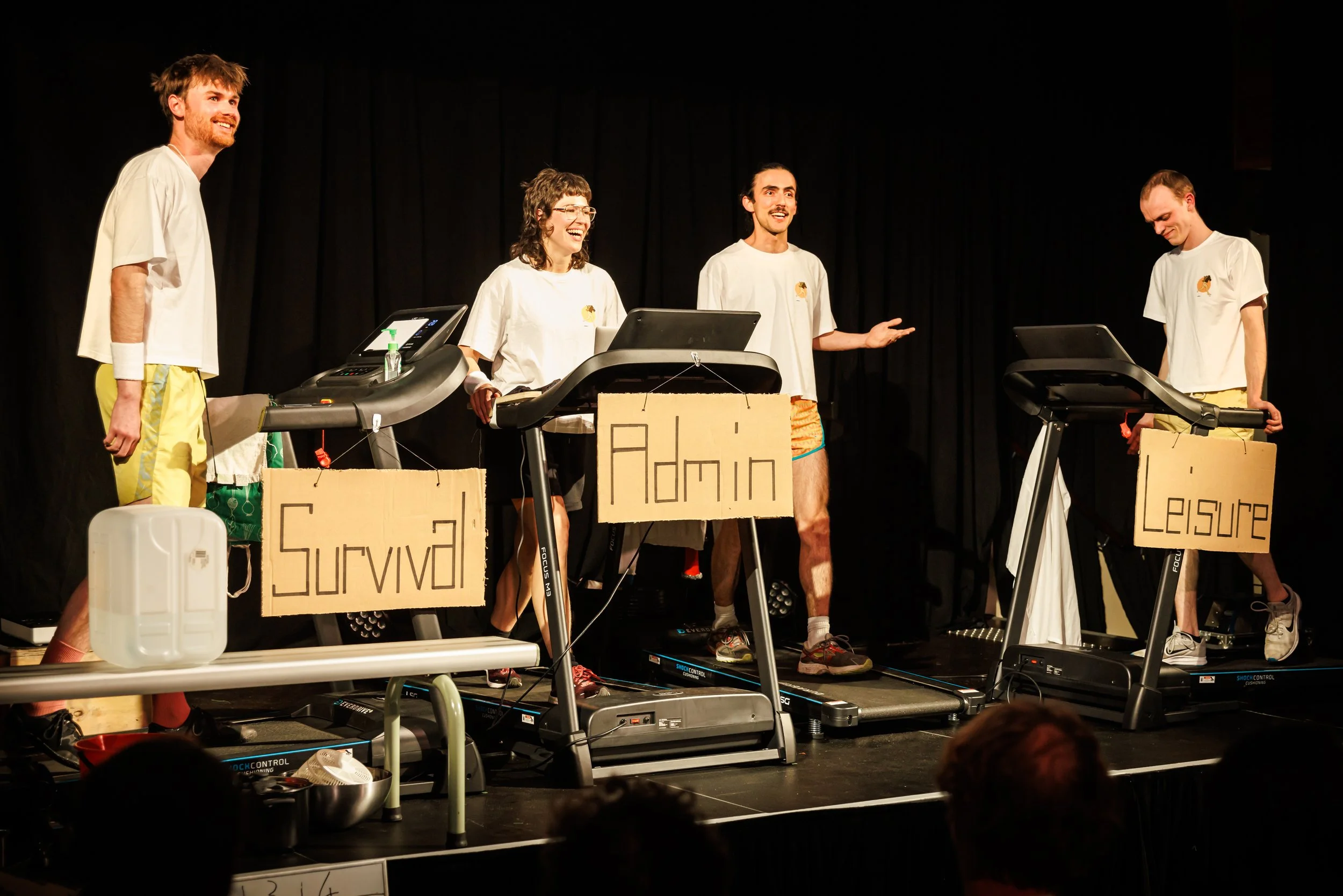
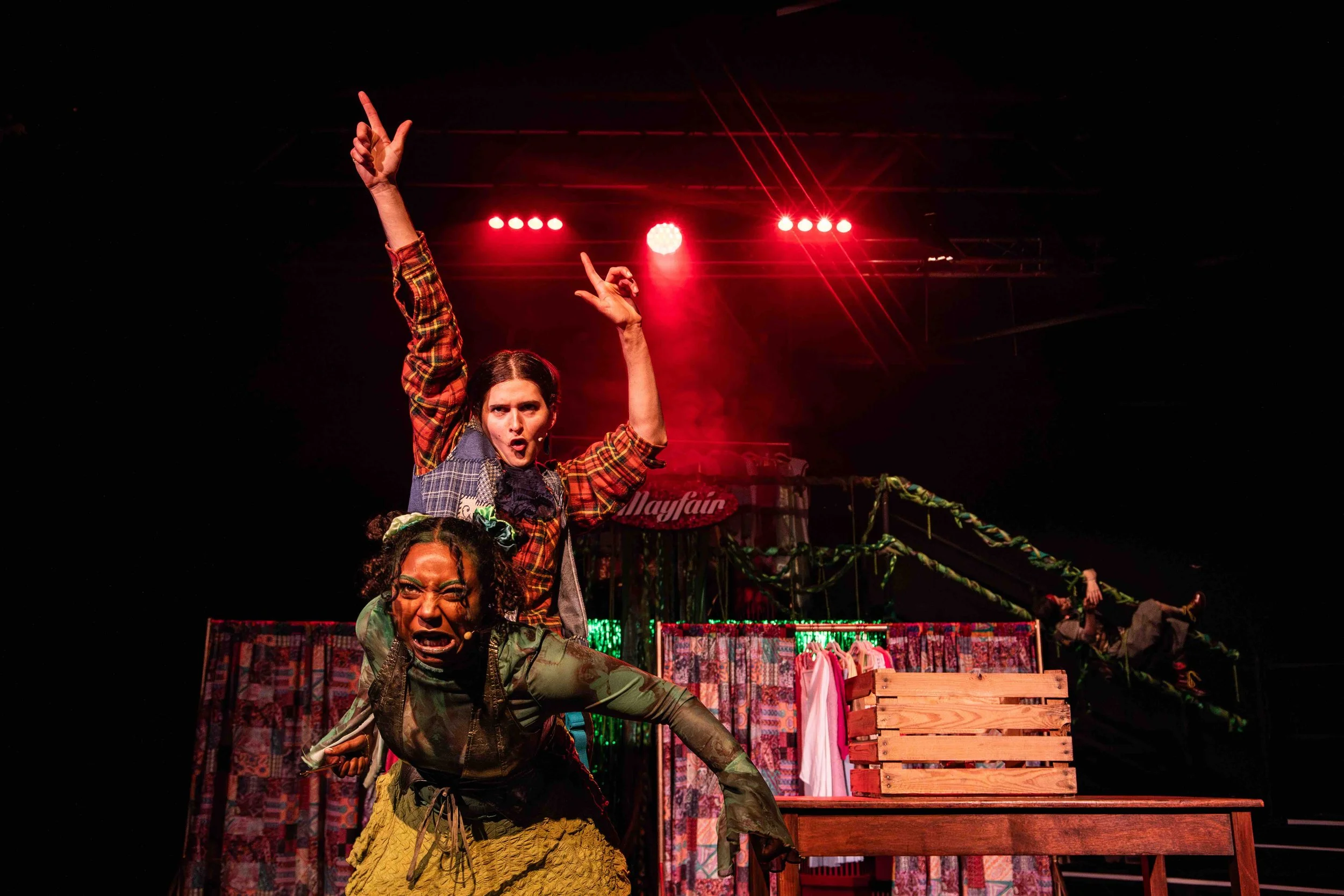
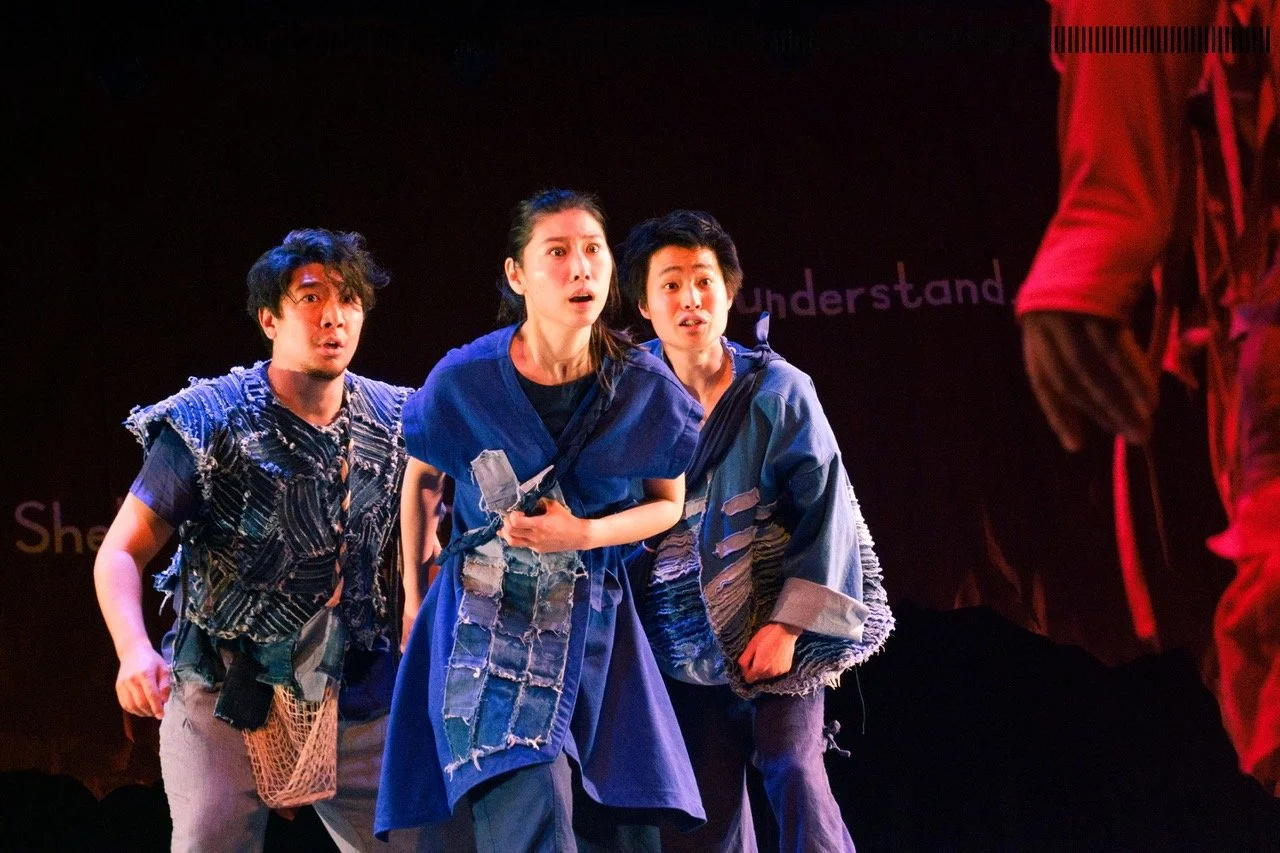
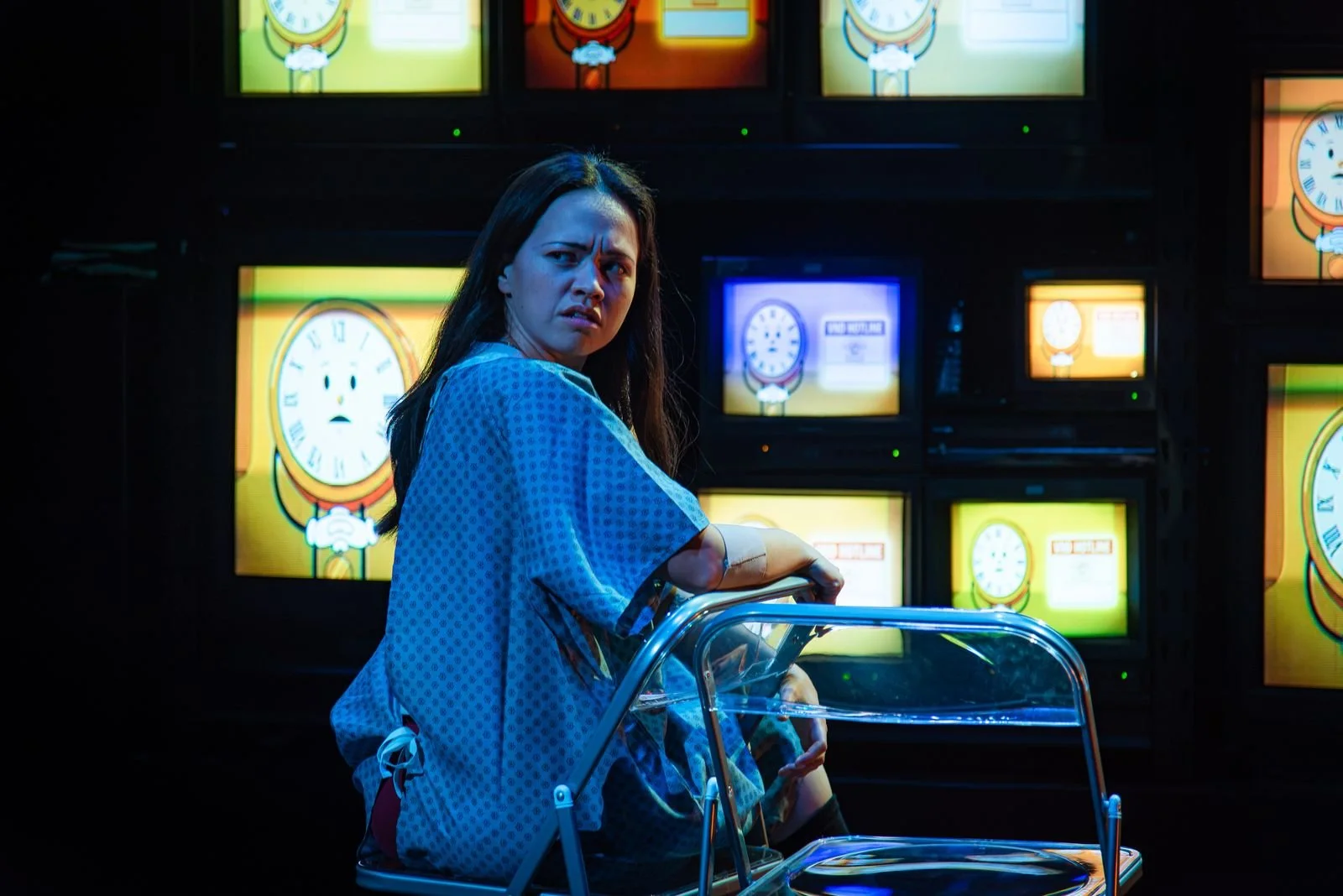
Burnout Paradise. Photo by Darren Gill
The Cultch presents Burnout Paradise at the Historic Theatre to December 7
JUST BEFORE THE opening of Burnout Paradise, by Aussie indie troupe Pony Cam, The Cultch’s executive director Heather Redfern saluted visitors with these words: “Welcome to chaos.”
It seemed like an appropriate warning, given the stage had four treadmills, plenty of hand-markered cardboard signs, and a table crammed with a strange assortment of everyday props, including cans of tomatoes, spray bottles, nerf guns, toy basketballs, balloons, and Honeycombs cereal boxes. Above it, a whiteboard was filled with scribbled tasks, from “shooting hoops” to “polish nails” and the cryptic “happy birthday”.
Still, Redfern’s words didn’t really take on their full meaning till roughly 40 minutes later, as one person sang and played a keyboard, trotting on one of the treadmills while an audience member waxed the legs of another runner. Elsewhere, two guests onstage awaited a pasta dinner; an assistant rushed around the crowd offering plastic cups of Gatorade; and a game of bingo took place in the upper balcony. And trust me, that wasn’t even close to all that was happening simultaneously.
Burnout Paradise defied easy categorization as “theatre” or “performance art” (or “foot race”?), and yet the setup was straightforward: four performers running on four treadmills executed an escalating series of challenges under the themes of “Survival”, “Admin”, “Performance”, and “Leisure” before the clock ran out. Adding to the suspense was the artists’ quest to beat their own record distances in previous shows around the world—a goal the cheering audience became hugely invested in.
On the surface, it was not high-concept, but a resolutely unpretentious experiment to see what happens when you ask a bunch of maniacally galloping actors to try to make a three-course dinner, perform Shakespearean soliloquies, and do other ridiculous tasks.
Despite the mayhem and the definitive DIY look of Pony Cam’s Burnout Paradise, though, the show began to take on some resonant metaphors. Like, when did it become okay to take on so many tasks in our daily lives, and is it ever possible to step off the treadmill? Are we all just doomed to fail at keeping on top of things? The show also spoke slyly to the literal scramble expected from artists who entertain audiences these days: one of the extended tasks the four performers had to pull off while running included filling out an endless, online Canada Council funding grant form. (One audience member helpfully suggested that one way to build a successful application would be multiple use of the word “nuanced”, a term not necessarily top-of-mind to describe a sweat-soaked race against time.) Something interesting happened when the artists stopped every 10 minutes for a water break: they didn’t look like they were performing. They were just standing there utterly spent, gazing at us wordlessly, panting and sweating.
There was, of course, a random, seat-of-the-pants energy to the whole raucous affair, with certain tasks going crazily wrong and others pulled off with the finesse of an acrobatic feat. At one point, Dominic Weintraub tried to remove his boxer shorts and pull on a tiny Speedo without revealing anything. (He succeeded but almost broke his neck in the process.) Another highlight was a task where the actors had to re-enact performances from their youth. Claire Bird remounted adorable tap and jazz numbers she’d performed as a child—along to video of her younger self dancing on the screen; and Hugo Williams put everything he had into Hamlet’s “To be or not to be” soliloquy, while jogging at a clip, bedlam unfolding all around him.
Here was the real magic to Burnout Paradise. It didn’t force anyone to take part; at first, the performers simply requested help while they were on the treadmills and a few game folks stepped up. But somewhere along the line, they didn’t have to ask anymore. Audience members were out of their seats and running to aid them unprompted, passing them props, eagerly helping them pick up the stuff they dropped from their treadmills, and erasing each of the tasks on the whiteboard as it was completed. And so the cool thing about Burnout Paradise is that the question “Am I going to be required to participate?” eventually turns into “How could I not?”
That was Pony Cam’s real charm: amid some genuine slapstick laughs, it kind of tricked you into caring—into participating instead of passively consuming. That’s no small feat, given the fact that it sometimes seems like most of the world would prefer to sit at home glued to the couch these days. Speaking to its appeal, Burnout Paradise just secured a six-month run off-Broadway in New York City. Here’s one theory: this unassuming dose of indie chaos is actually getting at people’s core needs in these divided, isolating times—the desire to pull offline, to work together on a group task, and to just feel needed. That, and to guzzle Gatorade or sop up cereal milk so others can succeed. 

Related Articles