Nebula Performances Society brings Carmen up close and personal
Group’s first full-scale opera production aims to provide a new, intimate platform for established and emerging artists
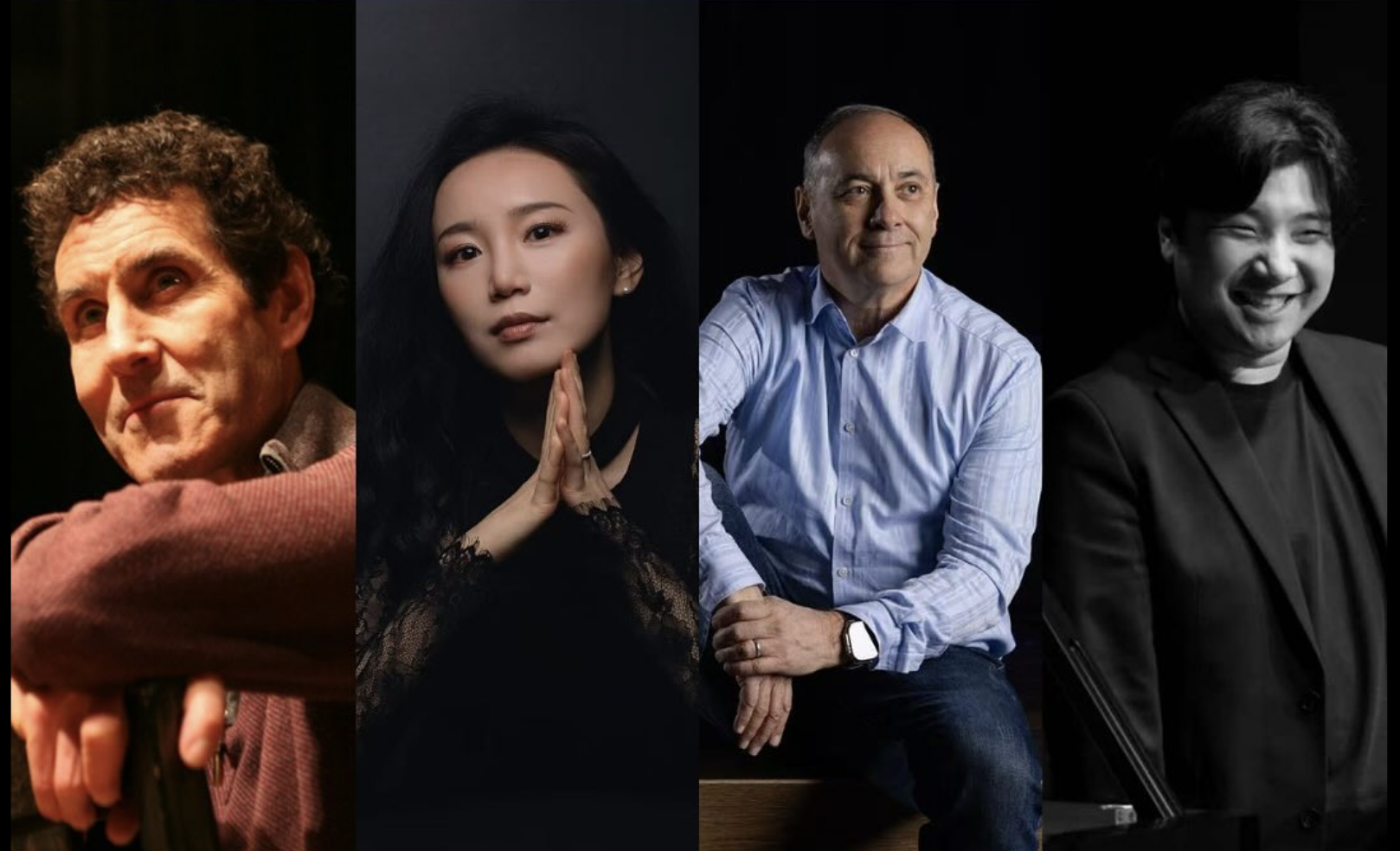
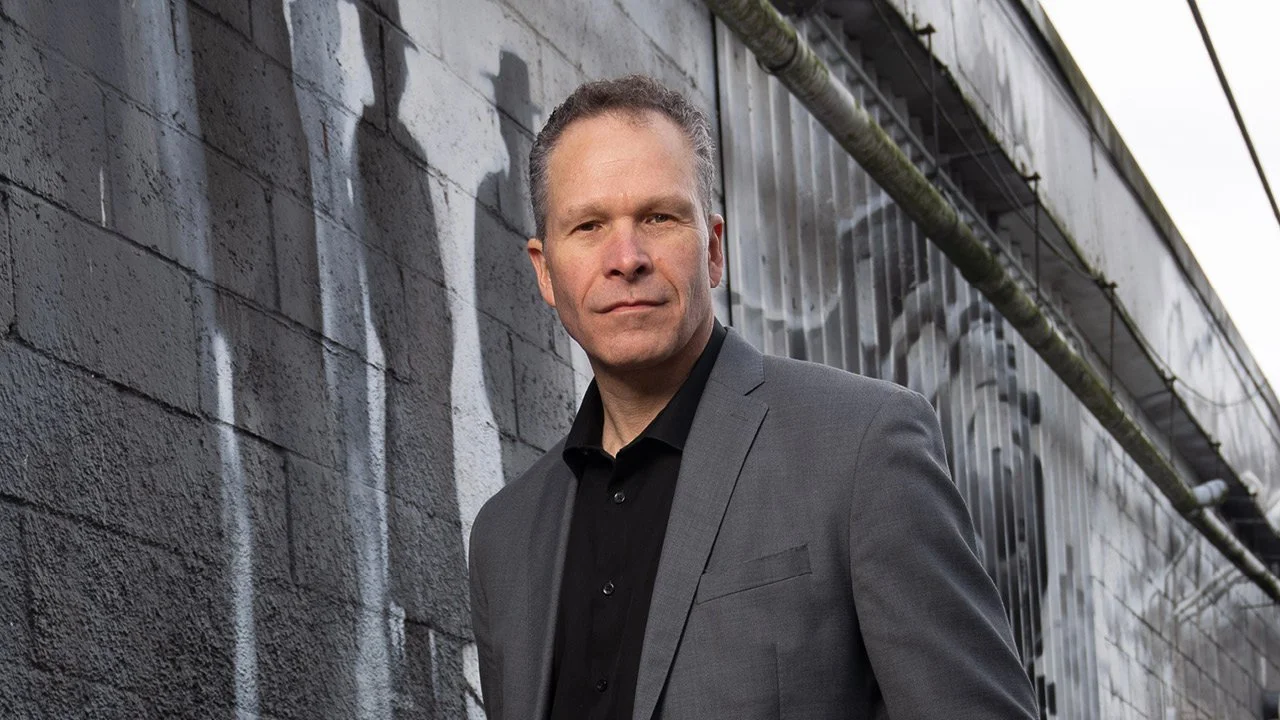
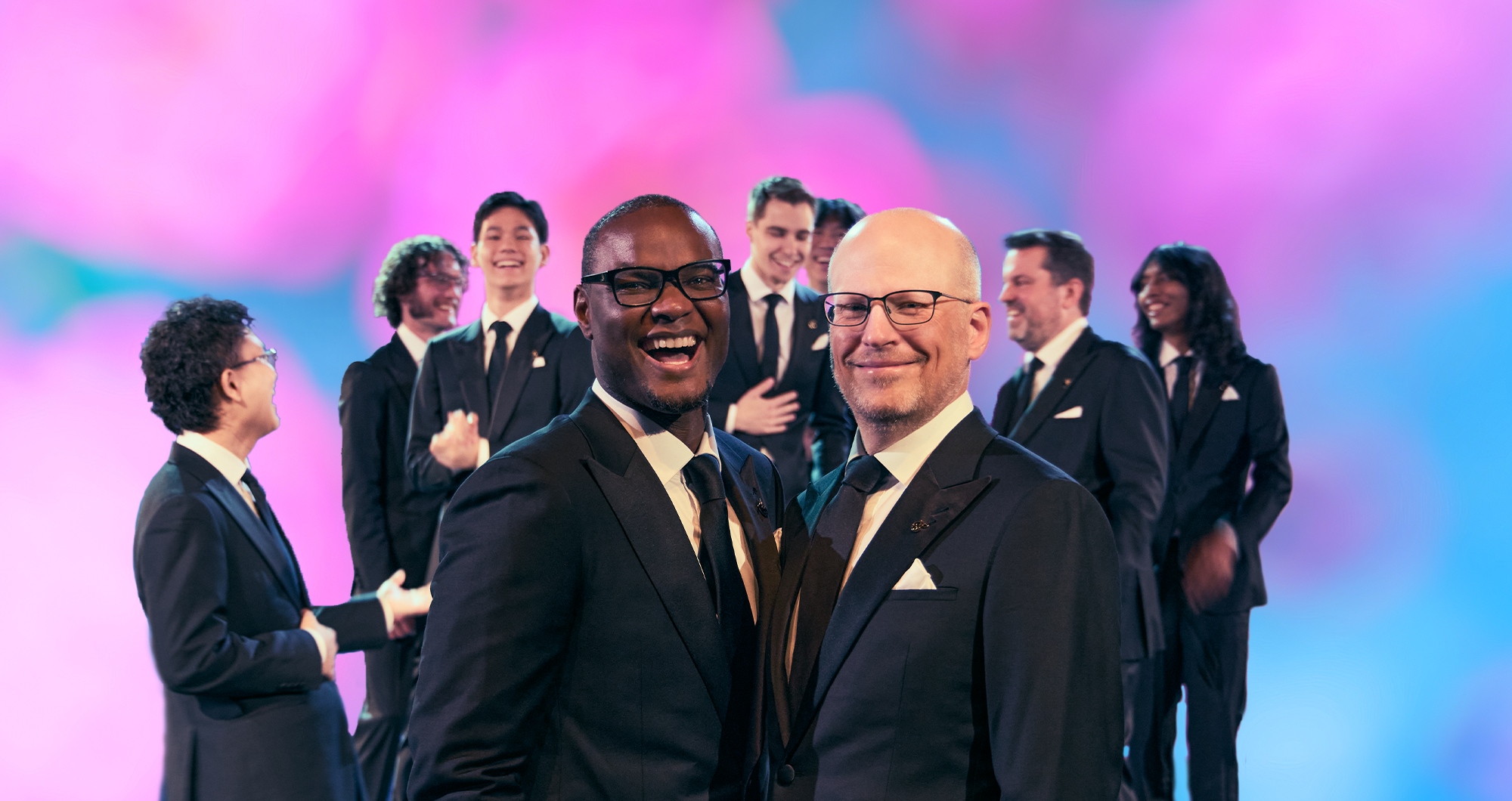
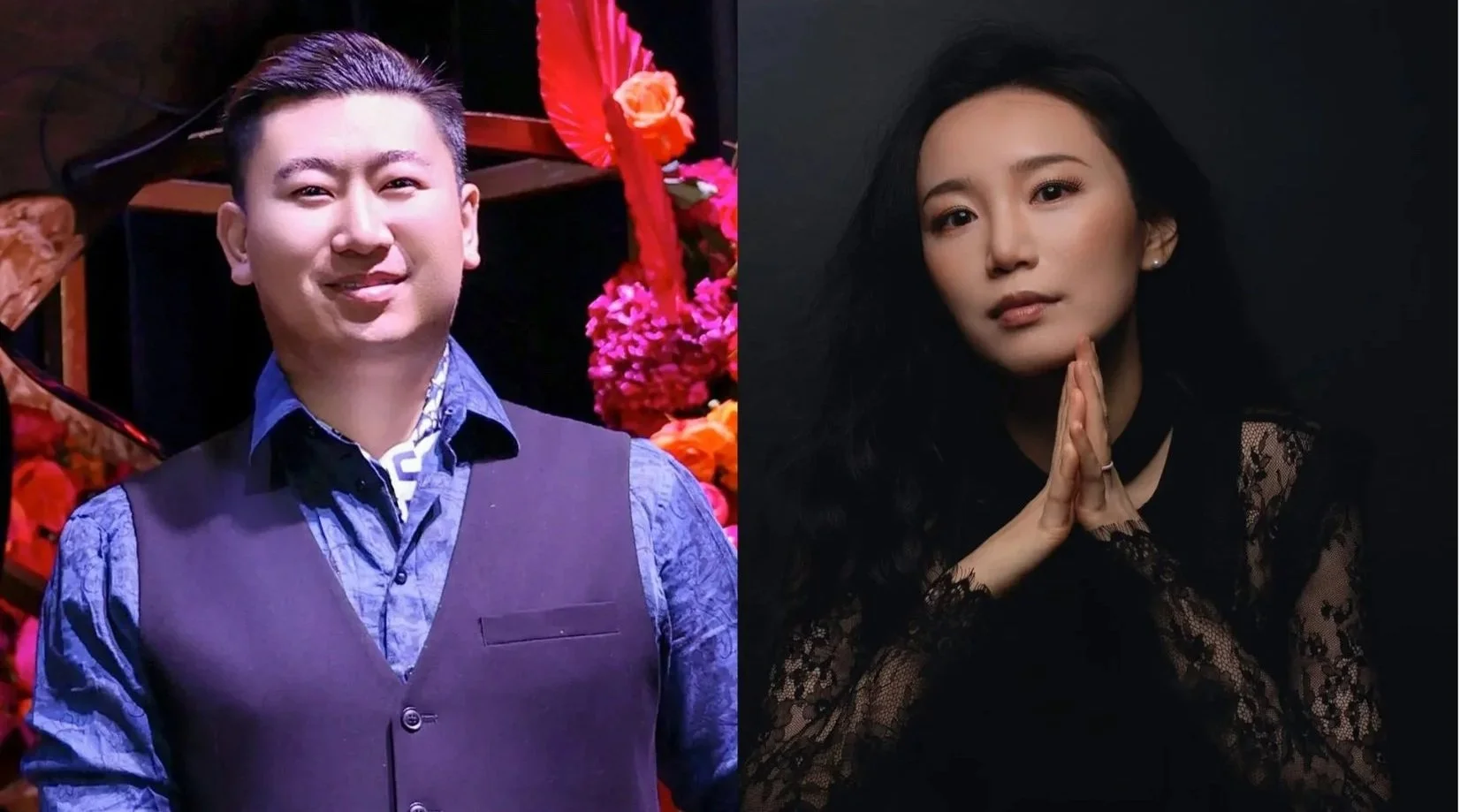
(From left) La Tragédie de Carmen’s stage director David Walsh, music director Wenwen Du, technical director Lynol Amero, and stage manager Kevin Liu.
Nebula Performances Society presents La Tragédie de Carmen from August 28 to September 7
THE SEEDS OF Nebula Performances’ La Tragédie de Carmen were planted more than a decade ago, when acclaimed stage and opera director David Walsh first collaborated with pianist Wenwen Du at the Vancouver Academy of Music. When their paths crossed again after Du’s cofounding of Nebula, a conversation about opera, space, and opportunity made the Peter Brook adaptation a natural choice as Nebula’s first full-scale opera production.
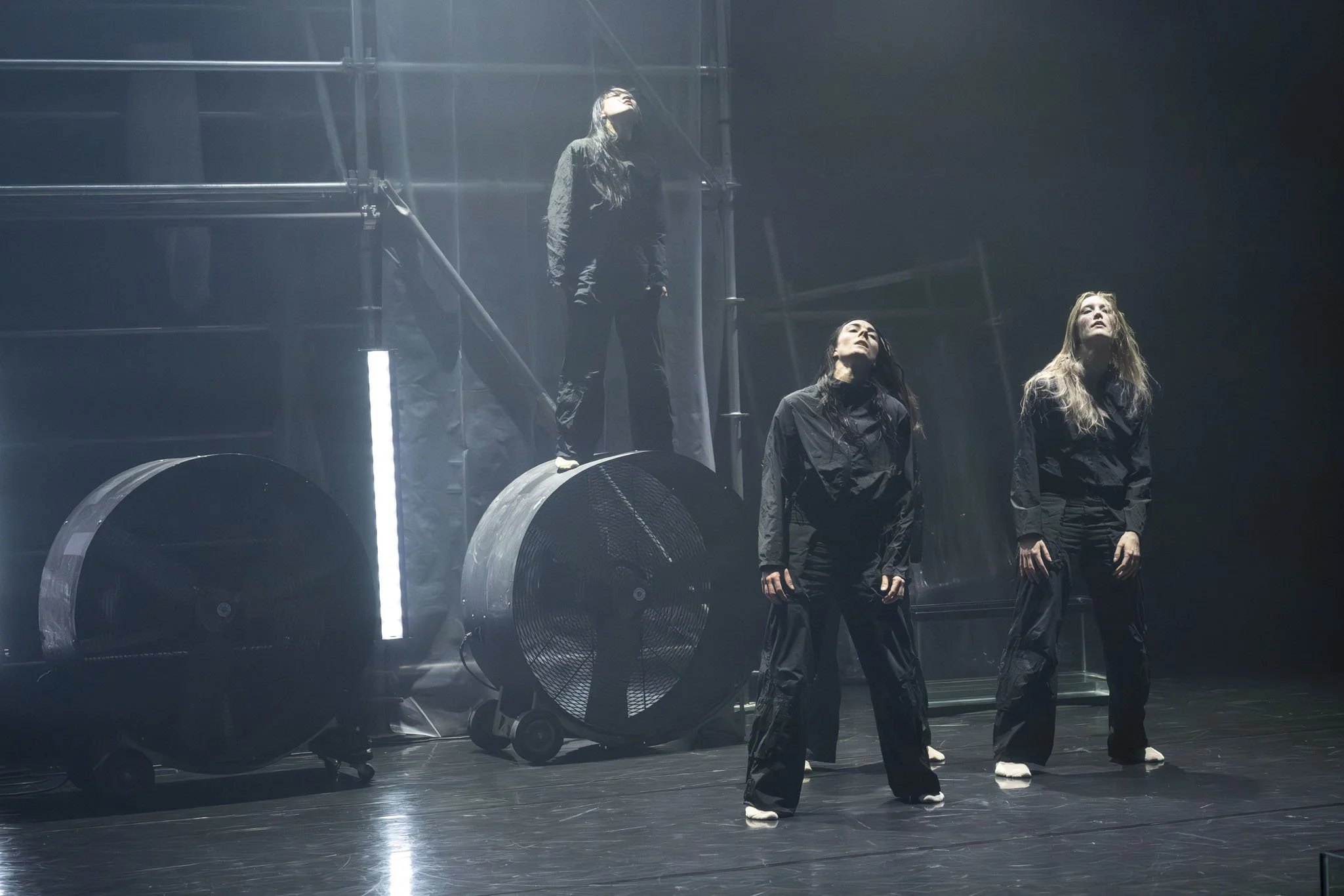
Starting on August 28, Nebula Performances will present Peter Brook’s La Tragédie de Carmen, a popular chamber adaptation of Bizet’s Carmen. With Du serving as music director, this production sets the story in a contemporary urban high school to reflect a new generation within a classical tradition. For this operatic stage, technical director Lynol Amero has built additional platforms and performance infrastructures to transform Nebula’s South Vancouver presentation space into something more intimate and, indeed, nebulous.
“This is a full opera, with a larger group of people that would not have been possible without these technical enhancements,” Walsh says in a Zoom call. “You can see every gesture, every expression, which puts pressure on the singers, and puts pressure on me to have it work well. It’s a challenge I welcome because I think the audience experience will be phenomenal.”
La Tragédie de Carmen is a milestone for Nebula Performances, both as its first full-scale opera production and as a presentation under the Chee Series, a performance series led by Nebula’s cofounder and president, Alice Chee. This production, starring rising mezzo-soprano Taryn Plater in the title role, serves as an extension of Nebula’s mission to cultivate talent and provide a new platform for established and emerging artists. One such example is the decision to restore the characters Frasquita and Mercédès, who were not included in Peter Brook’s adaptation, creating more opportunities for local singers to gain valuable experience.
“The potency of the opera, the intimacy of the space, and the commitment of these singers, who are all local, all fit the mission of Nebula,” Walsh says. “As bigger companies struggle to deal with financial realities and so on, the opportunities for young artists are not going to be plentiful. So where do they get their experience? This kind of company, with its adaptability and flexibility, is going to be a great resource for the community.”
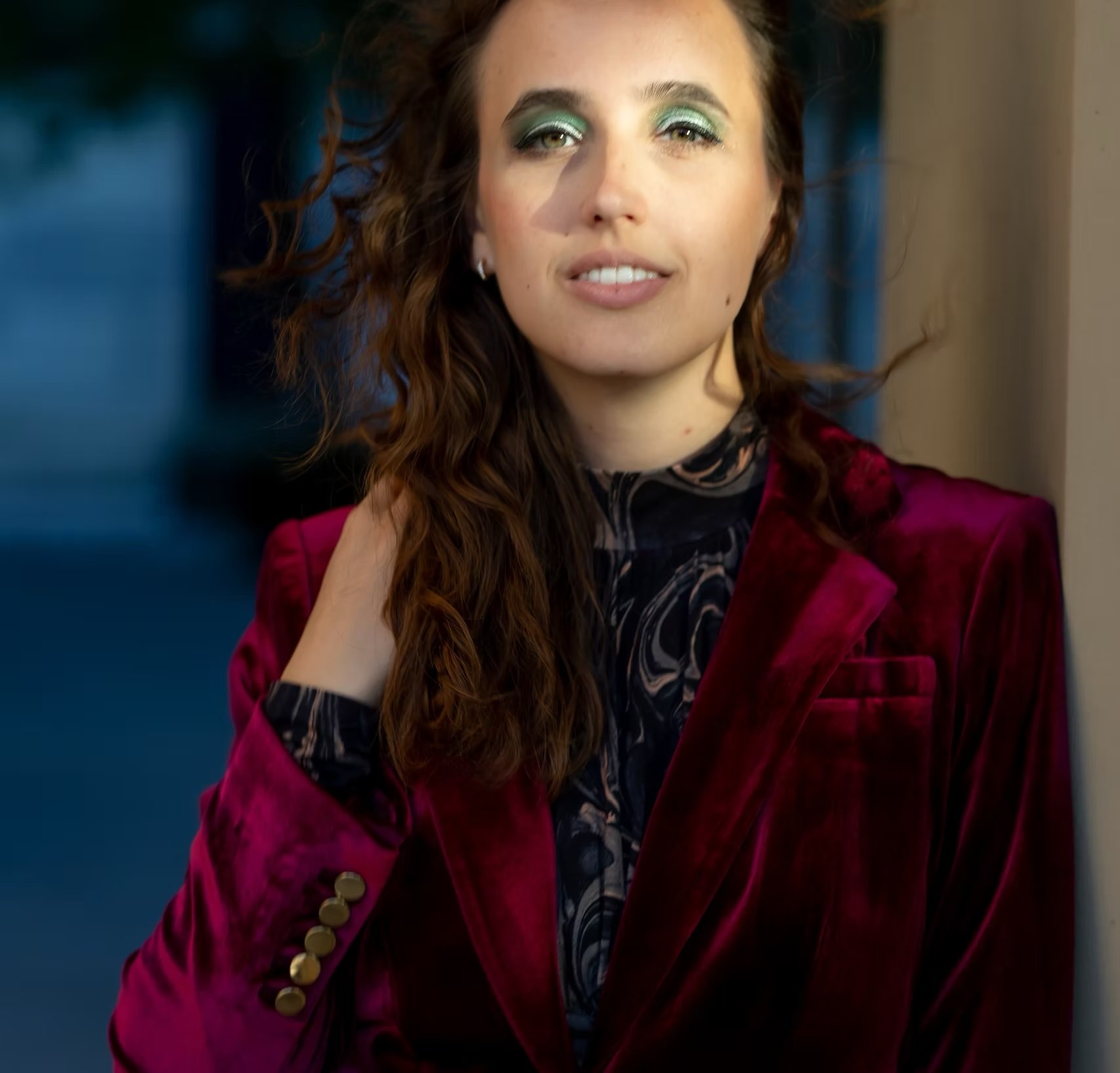
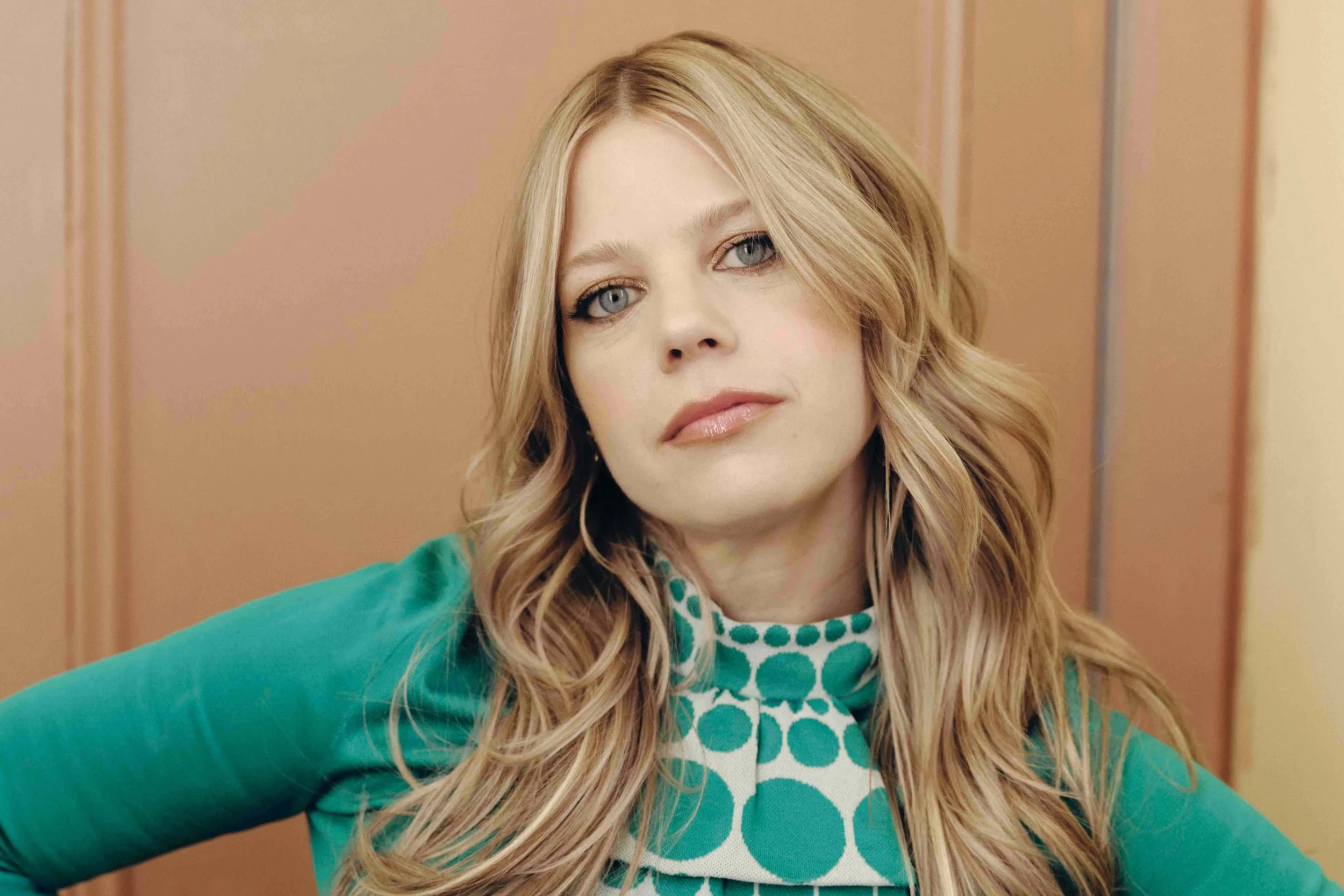
Taryn Plater.
Although Walsh grew up being involved in school choirs and enjoying theatre and musicals, he credits his father for igniting his love of opera by bringing home the 1951 studio recording of La Bohème, featuring singer Renata Tebaldi as Mimì. Originally from Toronto, Walsh first studied political science and economics with the intention of following in his father’s footsteps with a career in law, but he later shifted to theatre science at the University of Toronto.
“We were living in Windsor at the time, and the Metropolitan Opera used to go on tour, and one stop was Detroit,” Walsh recalls. “So I went across and I saw the performances, and at that point I said, ‘I just have to do this.’ It’s such a fantastic and powerful medium of expression, combining the best of theatre, music, and dance.”
After graduating, Walsh built an international career that included premier companies such as the Canadian Opera Company, the Stratford Festival, and Scottish Opera. From 1984 to 1987, he served as assistant artistic director to Brian McMaster with Vancouver Opera. Today, he is an associate professor of opera and director of opera theatre at the University of Minnesota’s School of Music. With decades of experience nurturing young artists, Walsh sees the future of opera relying on stronger partnerships between major institutions and local talents who are deeply rooted in their communities.
“Professional companies are looking for other avenues to attract audiences,” Walsh explains. “For instance, I live in Minneapolis, where the Guthrie Theater is located. They are bringing in very good local theatre companies to do productions. I think the same thing can and should happen in opera.”
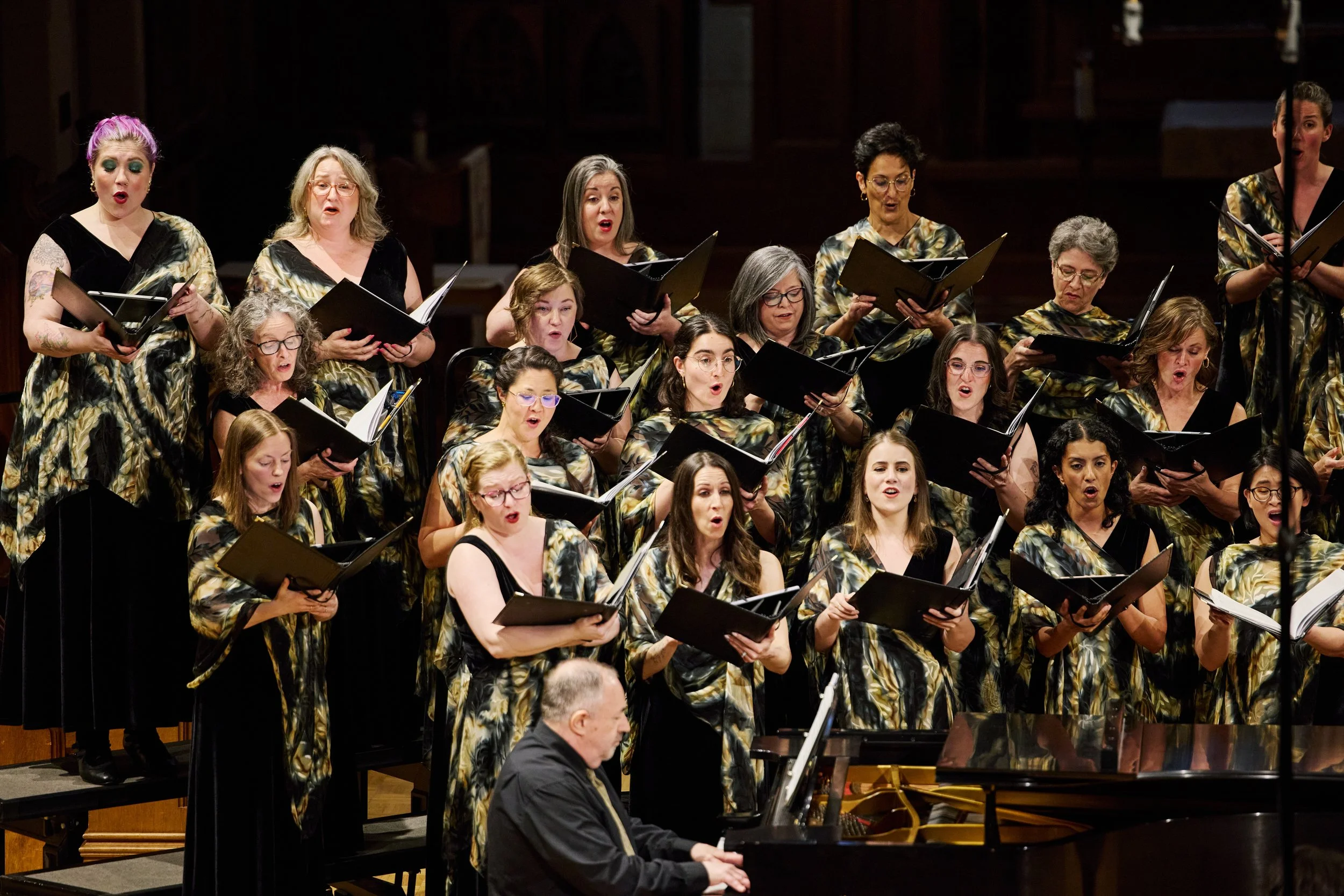
Since its opening last year, Nebula Performances has quickly established itself as a “hidden jewel” in the Vancouver artistic community. They recently hosted the Nebula Summer MusicFest, which featured public masterclasses, workshops, and concerts, bringing together local talents in music and stage disciplines. As part of its mission to nurture talent through collaborative and educational programming, the newly launched Nebula Chamber Choir is also welcoming singers of all ages, backgrounds, and skill levels, prioritizing community access and inclusion. For Walsh, it is Nebula’s ability to expand its community and show the depth of local talent through something like La Tragédie de Carmen that makes it a valuable investment.
“At some point, it would be cool if a place like Vancouver Opera might consider a space that’s not part of their regular venues, when they’re looking at their costs for X number of productions per year,” Walsh says. “I think that can work to the advantage of larger companies, which we want to see survive and thrive, but also give more opportunities for these fine local singers. I think Nebula is a prototype for the future.” 

Related Articles