Deerlady brings volume, vulnerability to this year’s Come Toward the Fire festival
Acclaimed guitar-and-bass duo blends whisper-soft passages with lush sonic swells and a deeply personal investigation of violence endured by Indigenous cultures
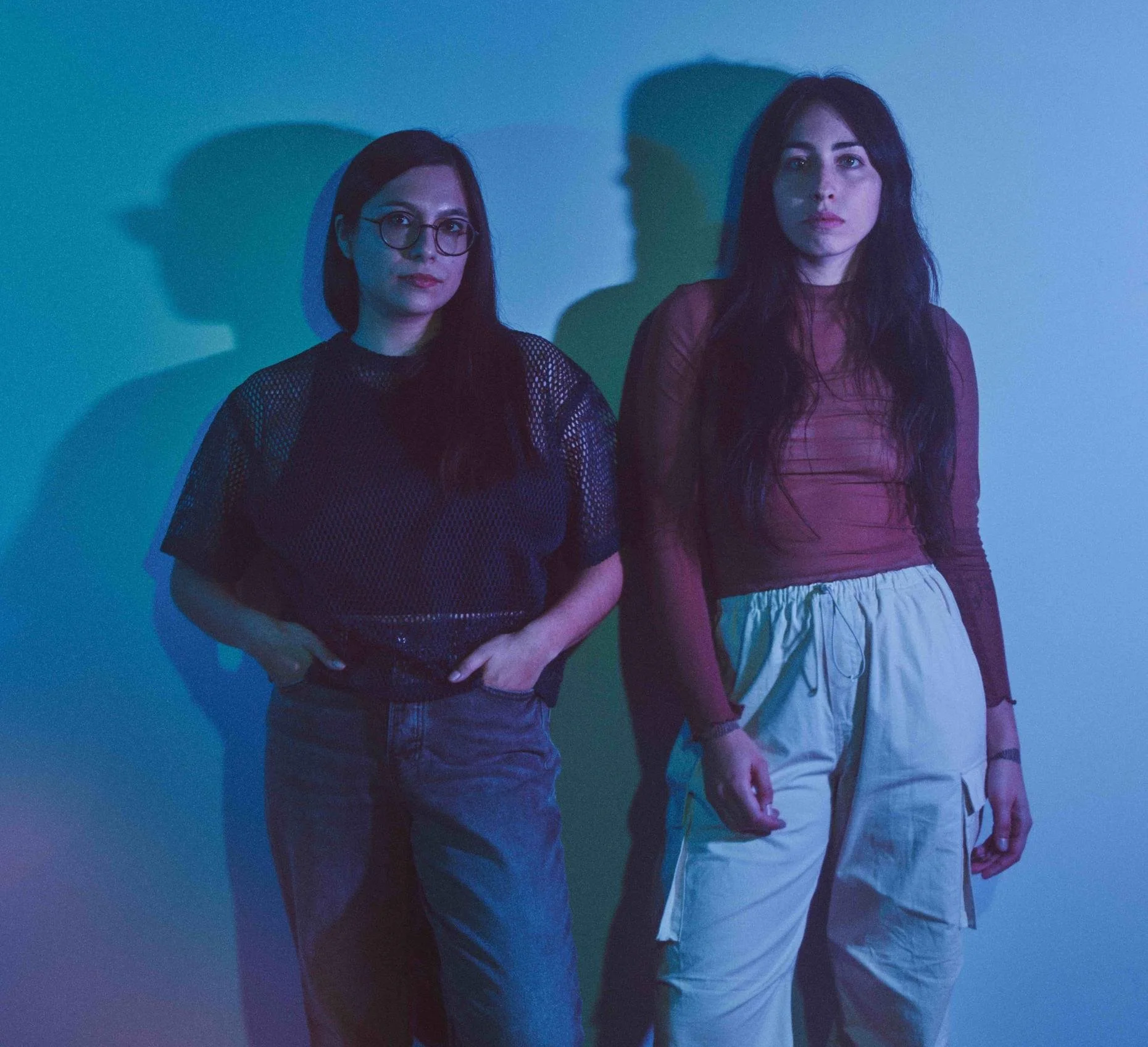
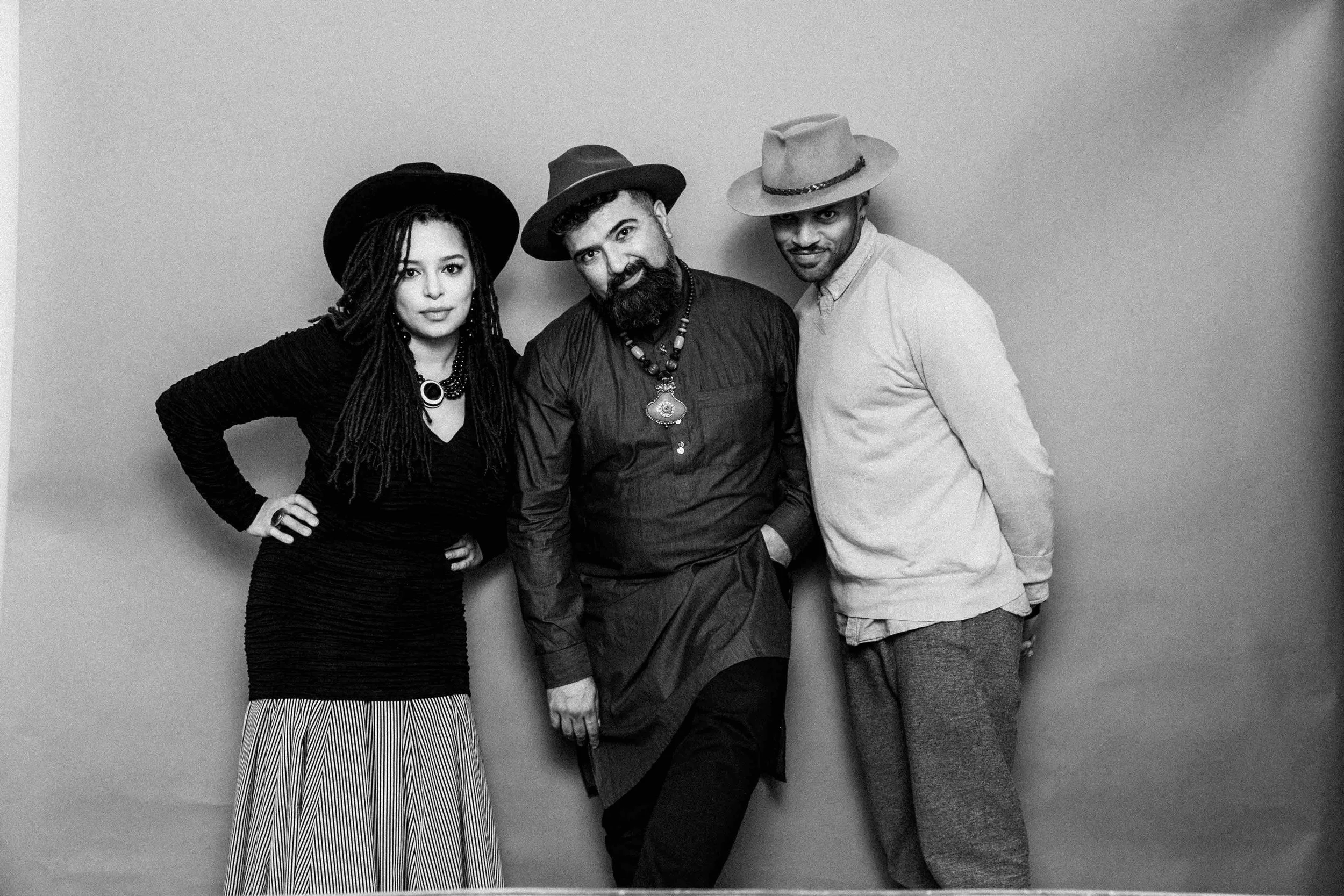
Deerlady’s Magdalena Abrego (left) and Mali Obomsawin.
ʔəm̓i ce:p xʷiwəl Come Toward the Fire presents Deerlady at the Chan Centre for the Performing Arts on September 21 at 2:30 pm
A COALESCENCE OF tenderness and noise, Deerlady is an Indigenous experimental rock duo that weaves shoegaze-drenched guitar textures and folk-rooted lyricism into a raw and poignant sound. With Mali Obomsawin’s evocative songwriting and resonant bass grounding Magdalena Abrego’s sculptural guitar work, their music moves fluidly between whisper-soft vulnerability and walls of distortion.
After releasing the critically acclaimed debut album Greatest Hits in 2024, Deerlady continues its premiere tour at the two-day Indigenous-led festival ʔəm̓i ce:p xʷiwəl Come Toward the Fire.
Obomsawin, a member of Odanak First Nation, grew up surrounded by rich folk tradition in her hometown of Farmington, Maine, in the foothills of the Appalachians. After discovering her love of jazz through a high school program, Obomsawin trained as a bassist and composer at the Berklee Global Jazz Institute. Her 2022 album Sweet Tooth established her as a rising voice in contemporary jazz, blending free improvisation with Indigenous storytelling, a sensibility she now carries into Deerlady’s boundary-pushing sound. Obomsawin first crossed paths with Abrego while recording Greatest Hits, sparking an undeniable magnetism.
“I met Magdalena in the studio while I was making Greatest Hits because I was looking for a guitar player,” Obomsawin says in a phone interview with Stir. “We met and we had this immediate chemistry and telepathy between us as musicians. She wrote all the guitar parts for the album, and transformed the sound of the songs into what you hear on the record.”
A rich symphony of musical textures, Greatest Hits explores the contrast and dynamism of open space and distortion through soft, introspective moments that lead into lush guitar swells or intense rhythm-section surges. Obomsawin’s writing contemplates intimacy, death, growth, colonial legacy, and emotional repair. Those themes are embedded in the album’s tension between fragility and force.
“There are definitely some overarching themes that investigate the violence of the societies we live in as Native people, and how that impacts our personal and intimate relationships and our visions of ourselves,” Obomsawin says. “This record is a documentation of my own era of working through that. We’ve got songs like ‘Seeing Two’ and ‘Bounty’, where I’m really engaging with how I have been taught to see myself, coming to terms with it, and finding a way out and through.”
Deerlady has found joy and catharsis in sharing these experiences, particularly with Indigenous audiences. The duo has toured extensively since their debut in January 2024, playing at venues and Indigenous events across North America.
“One highlight of my journey with Deerlady would probably be when we played this show in Santa Fe during Indian Market a couple summers ago,” Obomsawin recounts. “It was this big warehouse show that was curated by Native artists, and it was all these amazing Indigenous experimental and rock bands. It was like an echo chamber of harsh noise. It was beautiful.
“It’s nice to play in places where there’s an Indigenous community, because I think the music gives something back to us, some understanding or just some compassion that missed us,” Obomsawin concludes. “There’s not been a lot of people writing from a First Nations experience, and in recent years we found that some of the idols who we thought were writing for us were not actually Native. I think that there’s a lot of repair that needs to be done to our own ability to see ourselves and to name our feelings and our experiences. For me, it’s so rewarding to play to an audience that I feel like I’m writing from.” 

Related Articles