Tentacle Tribe’s Dirt draws on vast sources for its depiction of dystopian Earth
At The Cultch, Elon Höglund interweaves urban dance styles, martial arts, electro-scapes, dark cinematic imagery, and even a symbolic puppet
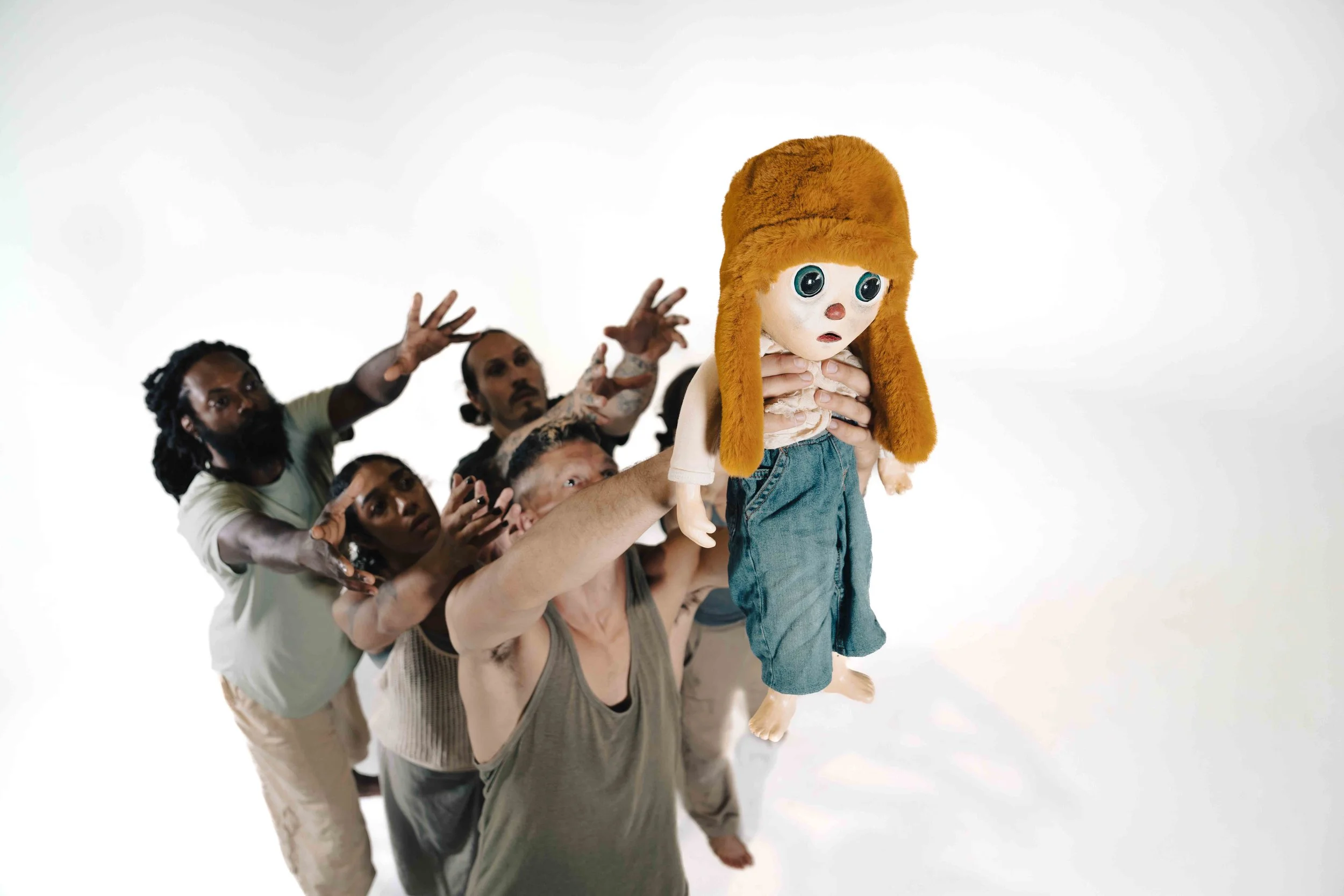
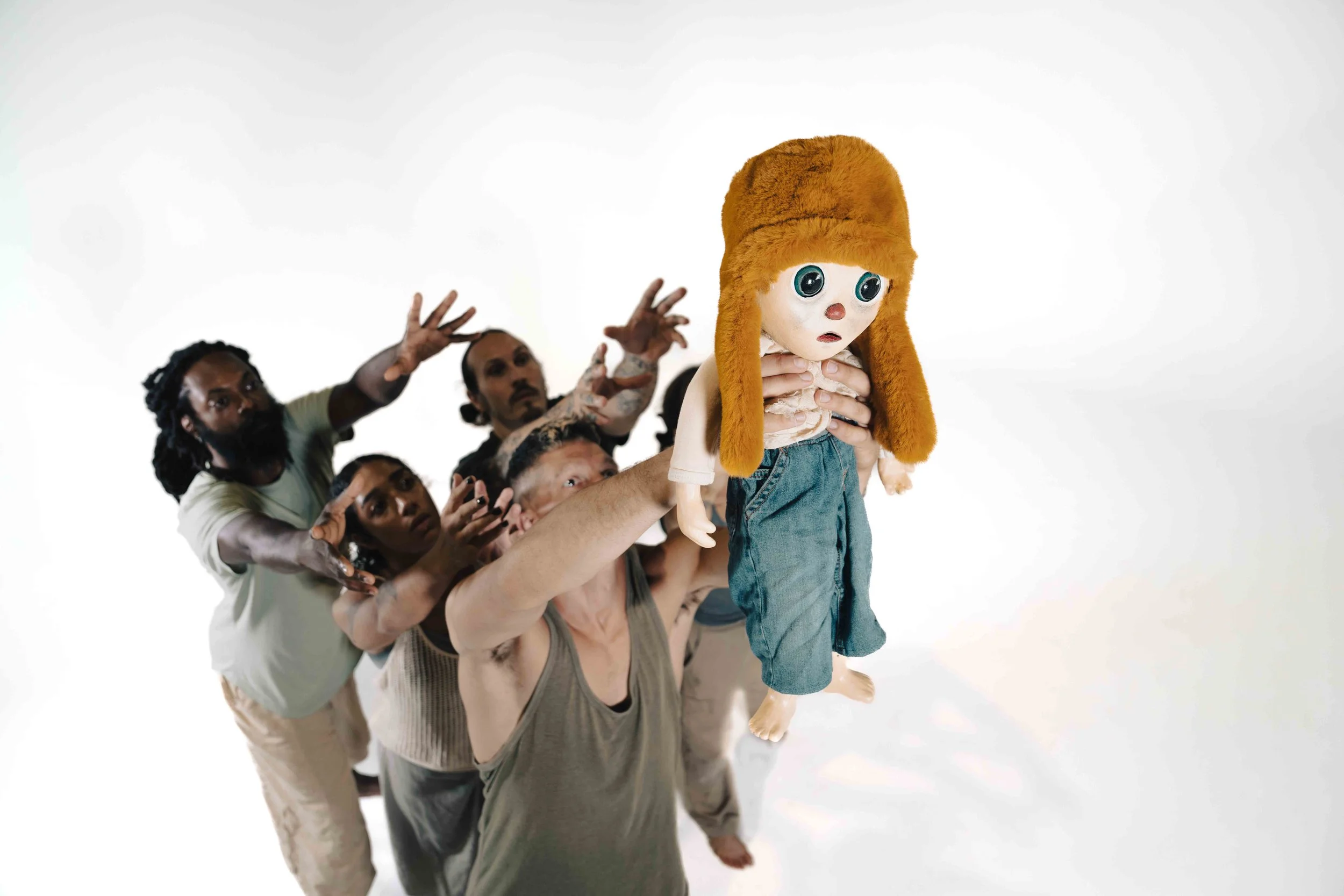
Dirt by Tentacle Tribe. Photo by Do Phan Hoi
The Cultch presents Dirt at the Historic Theatre from November 4 to 8
ON ONE LEVEL, Tentacle Tribe’s new Dirt is a straightforward expression of what is happening on our planet: a fable about a barren, dystopian world where greed and industry have destroyed all living things.
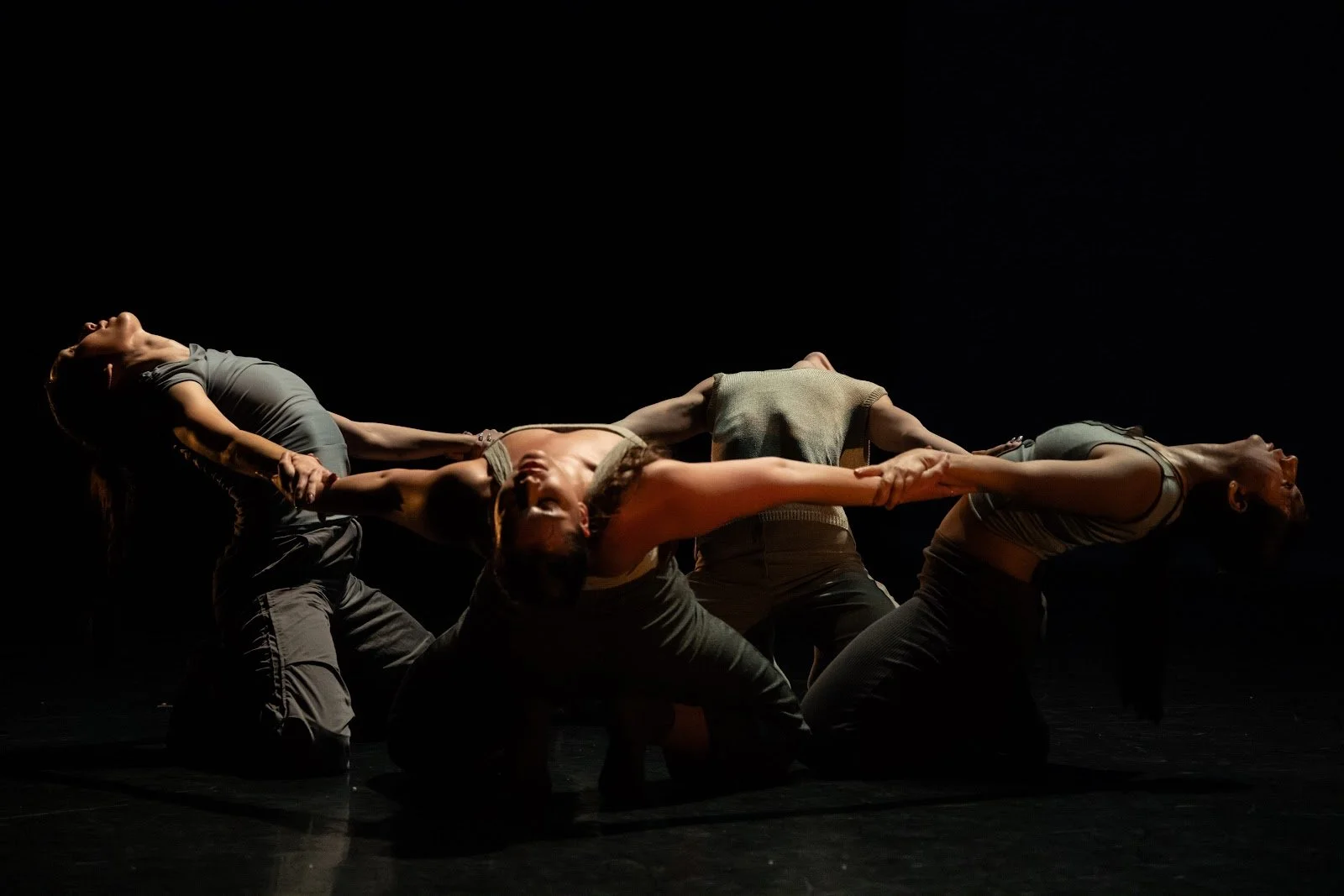
But seen in another way, Montreal choreographer Elon Höglund’s new five-dancer work is a vast infusion of the unusually wide influences and experiences of its creator. Look hard at the contemporary dance language and you may spot hints of the breaking, popping, and krump from Höglund’s hip-hop background, or the angular thrust of martial arts—kung fu, capoeira, and tae kwon do—that he studied throughout his teens.
The soundscape that the multidisciplinary artist has created for the score reflects not only the electronic, hip-hop, and techno-infused elements of streetdance, but also the more fluid textures of the animal, human, and natural motifs of his dance. Sometimes he composes those urban rhythms right in the studio with his equipment while he choreographs.
Dirt has strong, cinematic imagery—in one sequence, dancers in orange balaclavas manipulate flashlights across a pitch-black stage. That evolves directly out of his love of painting and visual art. It was a practice he grew up doing and was encouraged by his parents, both of whom are painters, when he was growing up in Stockholm. (His mother, Anna Höglund, is a prominent Swedish author and illustrator.)
And the puppet? In Dirt, the small, childlike creature, manipulated by the dancers, becomes a symbol of hope in the next generation. The choreographer reveals that his father used to run a puppet theatre when he was a kid. But the puppet in Dirt was actually created for a different show: Höglund wrote a children’s book with his mother, and the puppet was to be part of an immersive show based on it—one that fell through during the pandemic. (The puppet’s design credits go to Anna Höglundand Annika Arnell.)
Now it takes on new symbolic meaning in Dirt.
“It represents the humanity and the innocence and the inner child in all of us,” Höglund says, speaking to Stir from a tour stop in Portland and Vancouver, Washington, where he’s hosting workshops and a streetdance battle. “It also is a representation of the seed—that each person has a seed of possibilities. Even if things get really bad, or even if you're a really bad person, you have to believe that somewhere in there is a seed of goodness and possibilities, and if you cultivate that seed, it can grow.”
The theme of the environmental crisis and destruction came simply from the negative news that seems to pummel us daily.
“It started from the kind of a desperation of feeling quite helpless when you have a bunch of dictators around the world talking about throwing nuclear weapons at each other,” he says. “It really came from a desperation of feeling that you cannot really do much as one person. You try to do your recycling or the little things that you try to be a decent human being. But you kind of feel a bit helpless towards those billionaires that are just abusing the environment.
“The show really came from wanting to do something—from feeling, ‘Okay, well, maybe we can do something, or maybe we can’t do anything, but you better at least try,’” he says.
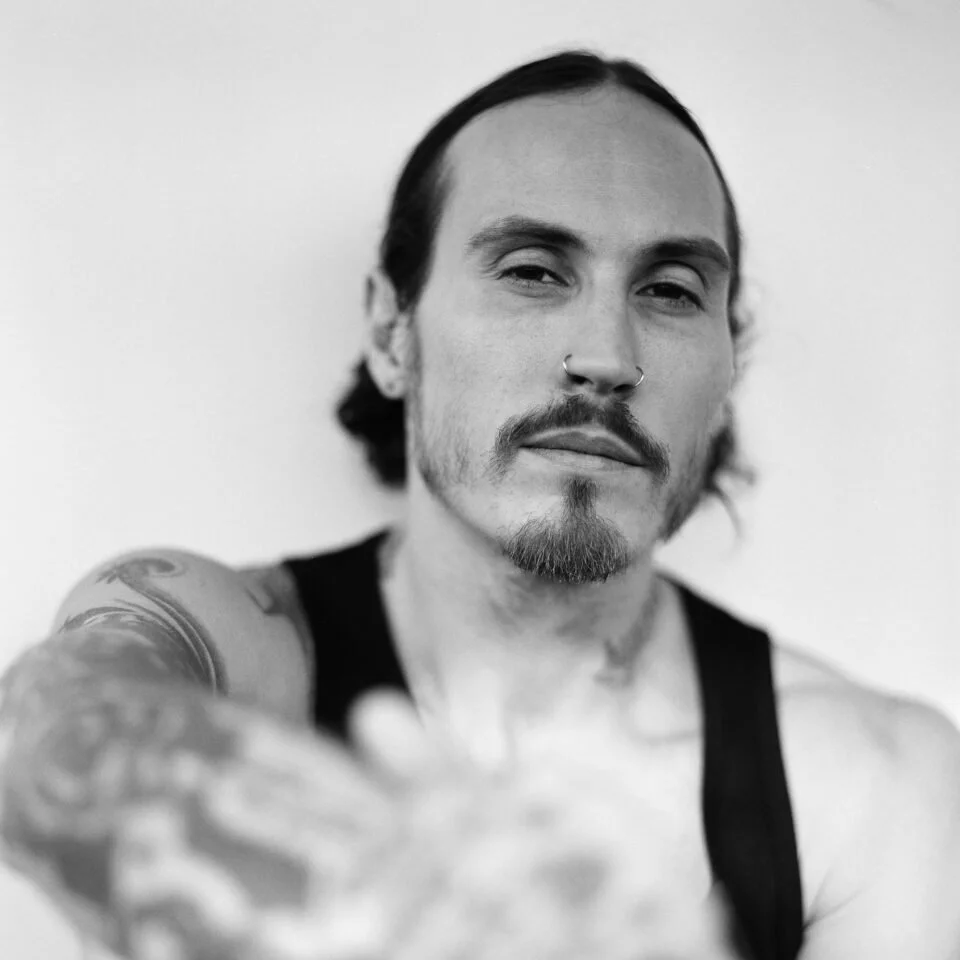
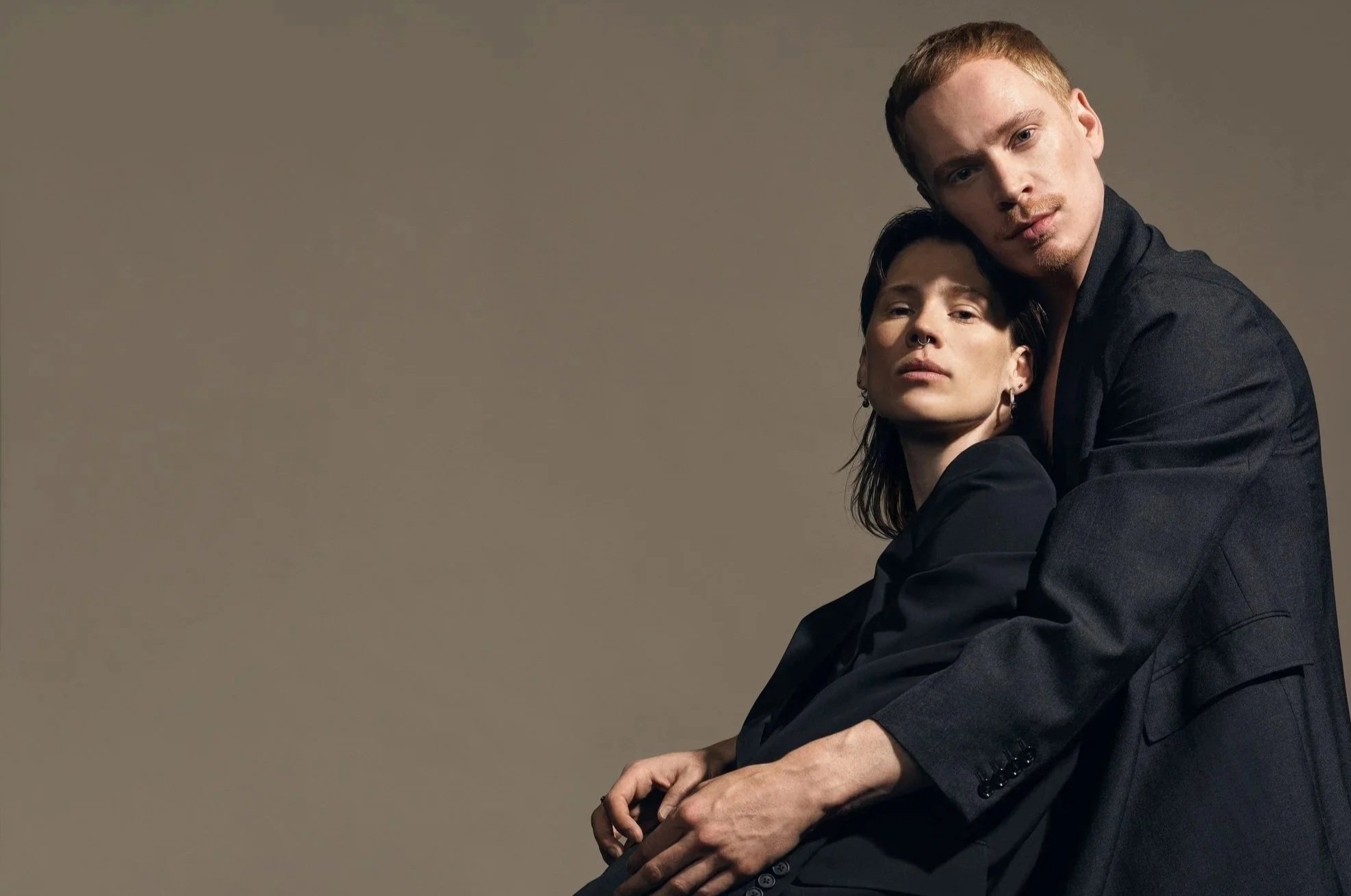
Elon Höglund. Photo by Gaëlle Leroyer
In all, Dirt is a uniquely personal expression from the choreographer and performer. Past hit works that have come to Vancouver include the kaleidoscopic Prism and 2020’s Ghost, both created with his artistic partner and company cofounder Emmanuelle Lê Phan. But she took time away to have a baby while he worked on Dirt, and so it became a way to explore something new and darker.
The company has seen a remarkable journey, now coming up on an incredible 15 years.
Höglund and the Ontario-born Lê Phan first met while working at Cirque du Soleil, and they clicked, the Swedish-born artist says, because of their shared interest in fusing streetdance and contemporary styles.
”That didn’t really exist at that time, and it was very rare,” he says. “I didn’t know anybody else that did it.”
They began creating work together and finally, in 2012, took the leap in founding Tentacle Tribe, which immediately won a devoted audience. They’ve been travelling around the world with their work ever since.
“We both just kind of follow in our heart in terms of creating,” Höglund explains. “I think that it went so well in the beginning because we were such a contrast to everything that was happening in Montreal at that moment. It was more like performance, artsy, contemporary dance at that time. And I think we really set ourselves apart, being very physical, and what we did was very different. And then, as we built the company, we wanted more people because our movement just looks better with more people.”
Tentacle Tribe’s success, like Dirt’s, has been about sticking close to a raw and honest personal vision that ends up speaking profoundly to the masses.
“I kind of believe that, in a way, we cannot really control anything other than ourselves,” Höglund reflects. “So you just try to go towards the thing that you like, and try to be honest with yourself, and try to share that.
“You’re trying to just create something that’s honest,” he continues. “The best thing is to create something that you want to see. It sounds egoistic, but I think it’s the least egoistic thing: create and share something that is something that you actually care about, instead of trying to create something for other people.” 

Related Articles