At The Dance Centre, Wen Wei Wang’s Last Solo draws on a lifetime of movement and expression
The celebrated Vancouver artist reflects on his youth, sexuality, and aging in a final solo performance
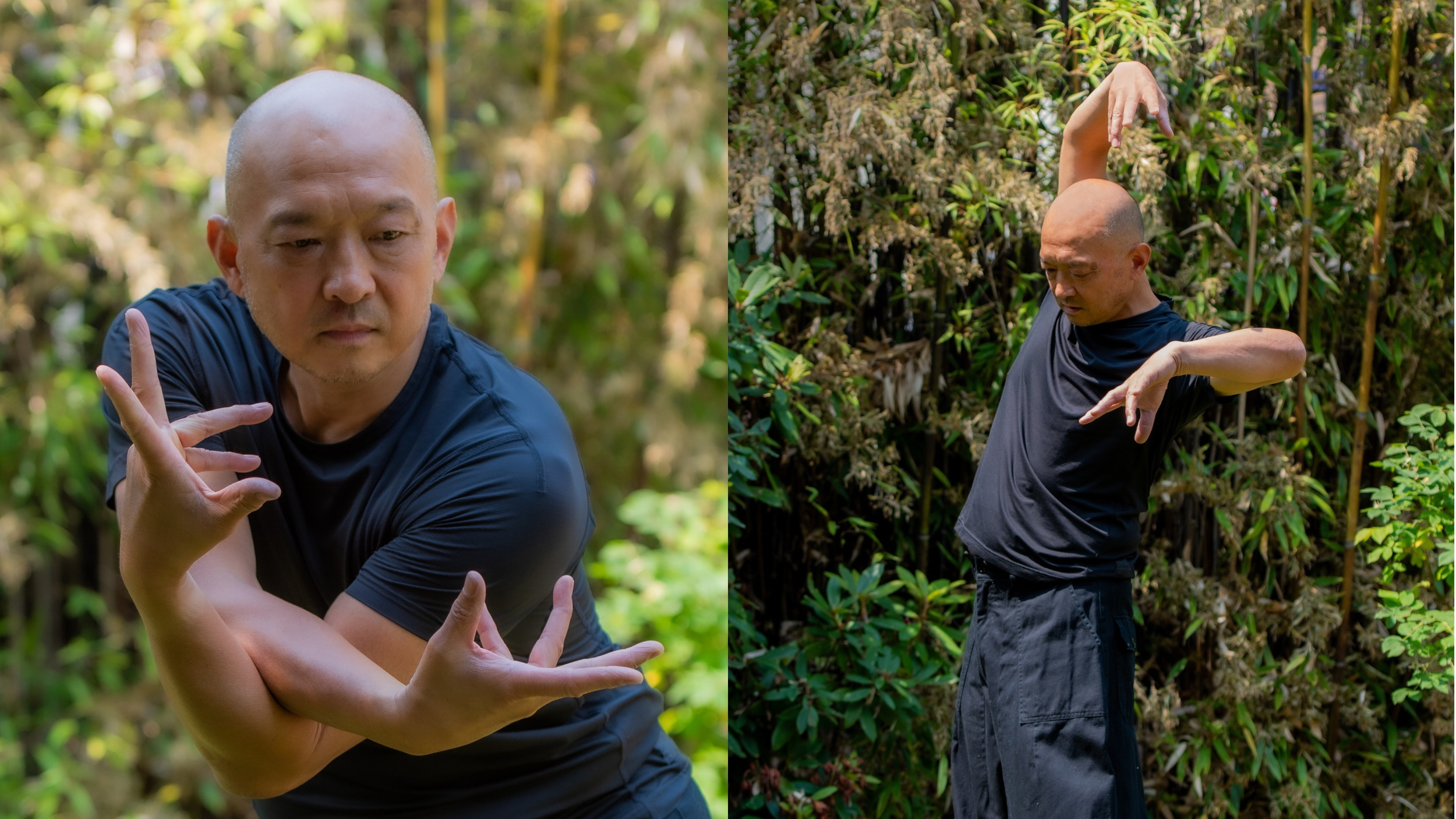
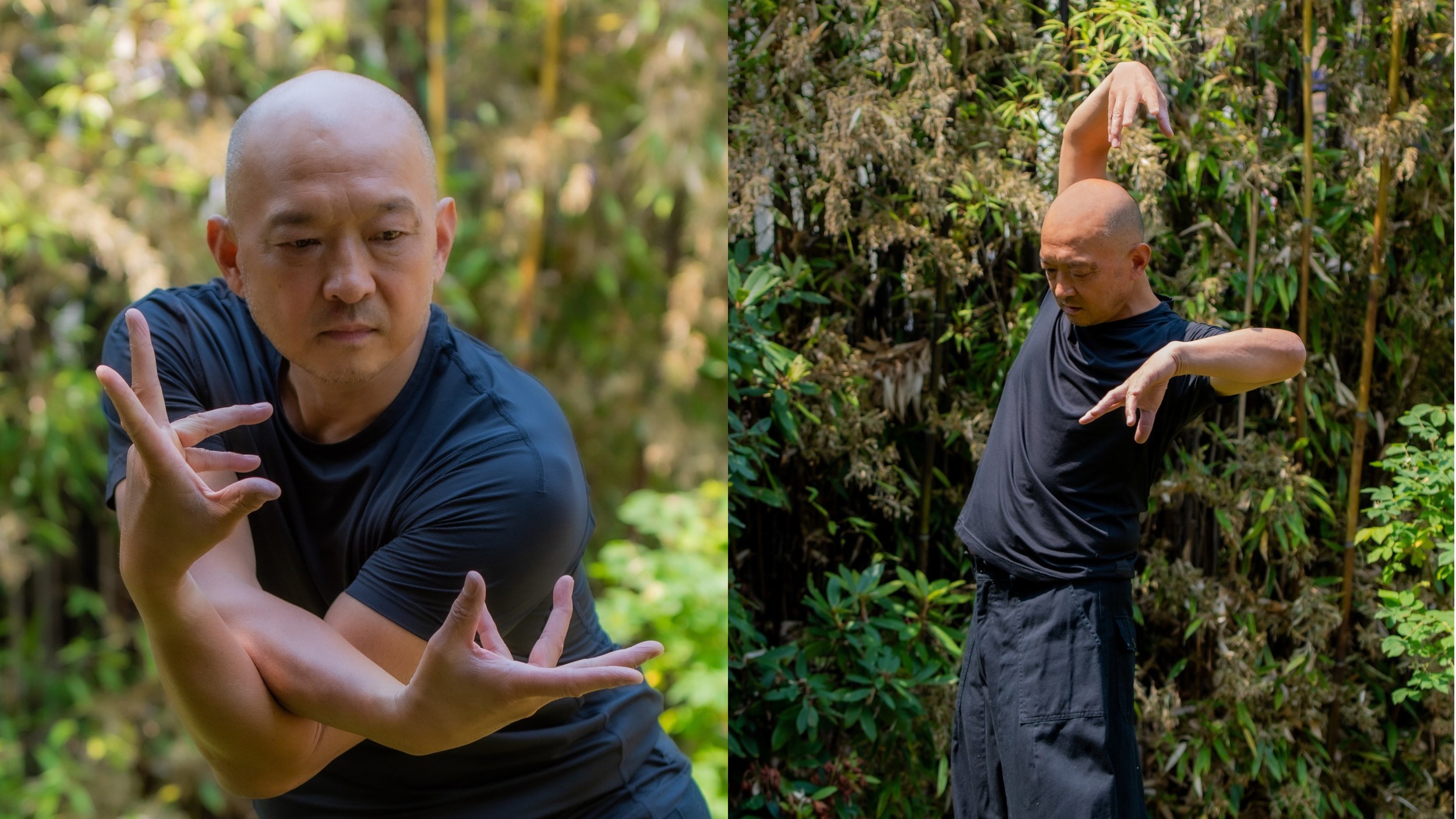
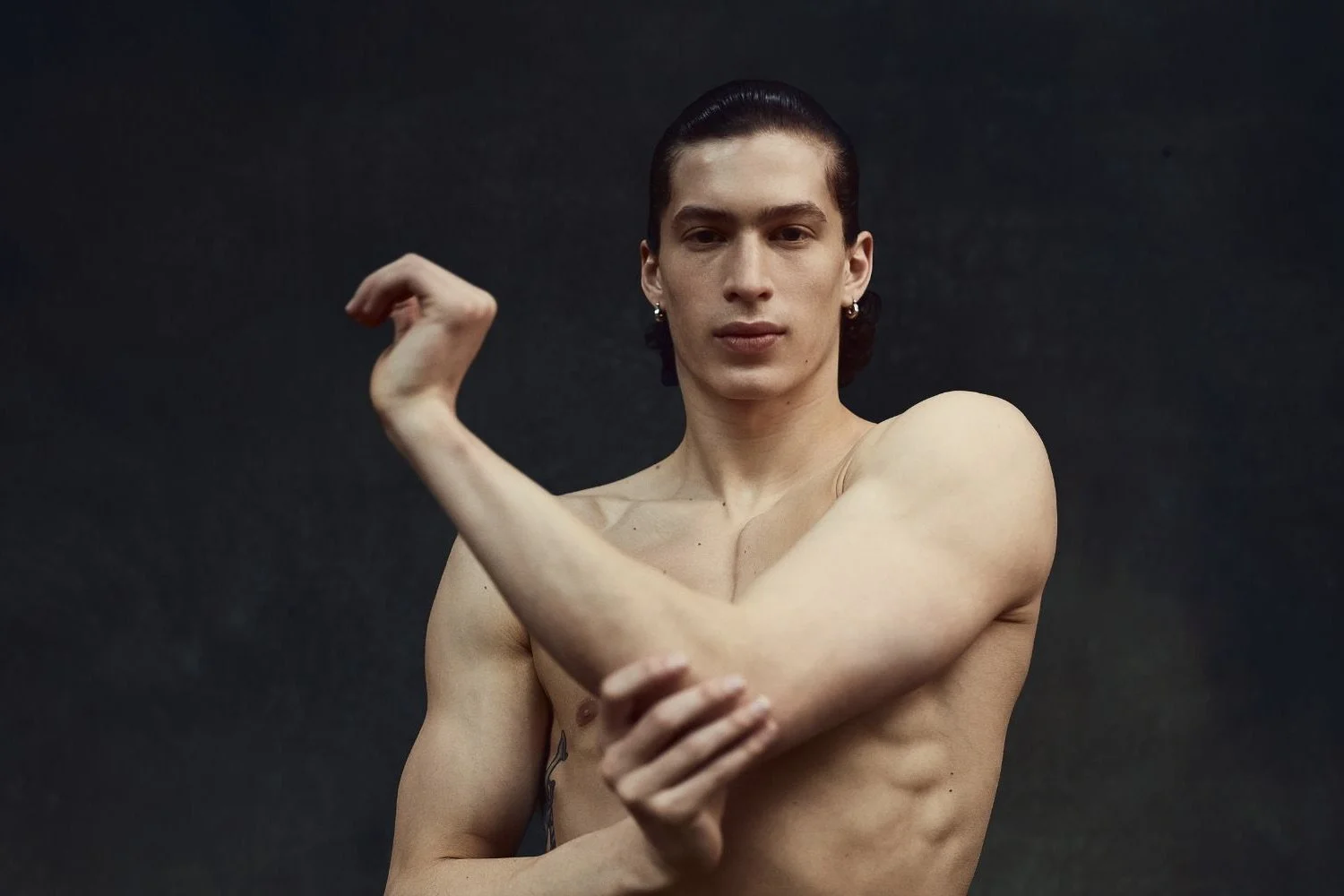
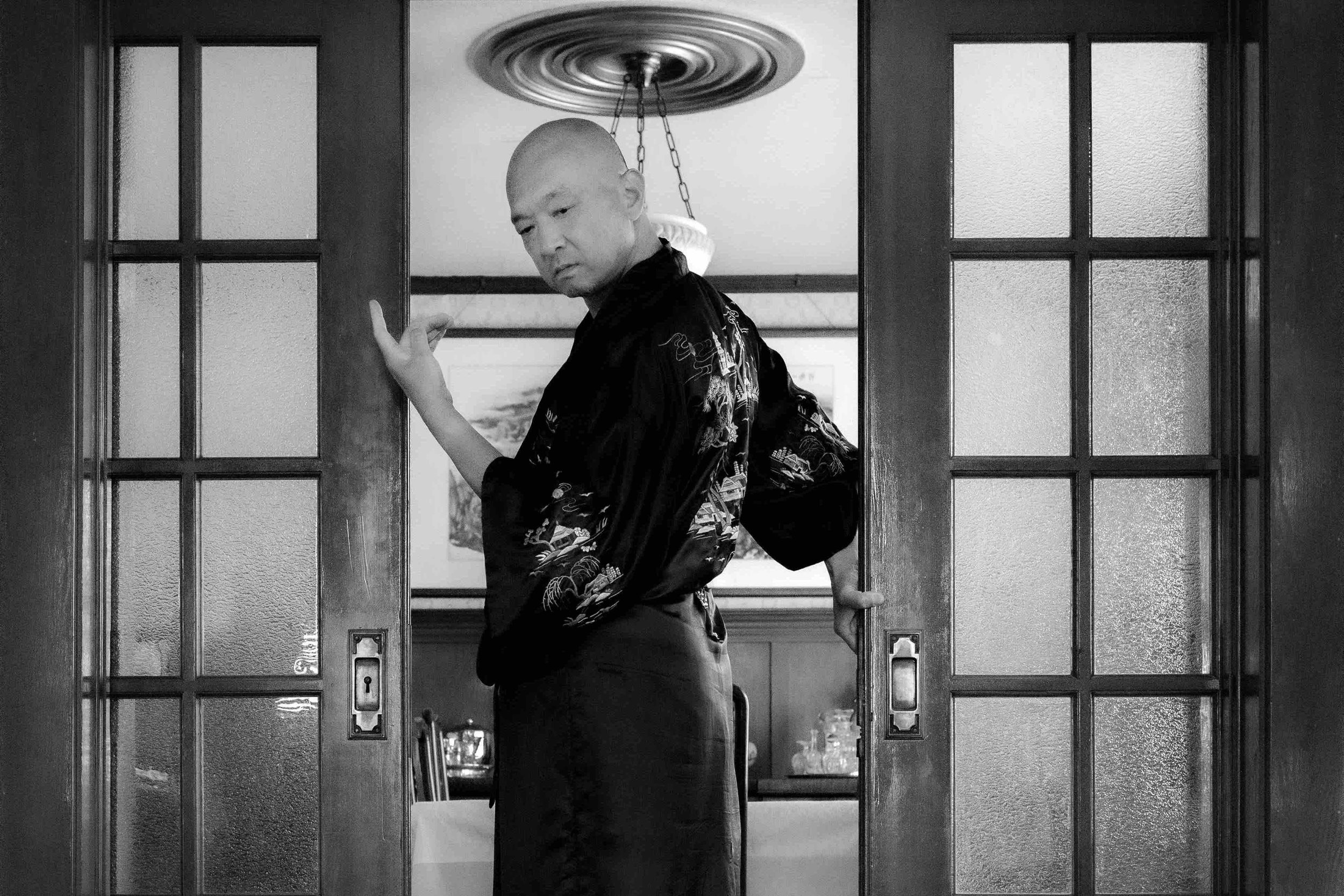
Wen Wei Wang. Photos by Sylvain Senez
The Dance Centre presents Last Solo on October 23 and 24 at 8 pm as part of the Global Dance Connections series
AFTER MORE THAN a decade, Wen Wei Wang returns to the stage for his final one-man performance, Last Solo.
“I’m over 60 years old. A dancer’s life—you can’t continue forever,” the renowned Vancouver artist tells Stir over the phone. “It’s physically and mentally challenging to perform as a dancer onstage, and as we get older, there are more injuries and pain. I made a decision that if I don’t do it now, I probably will never be able to do it again.”
Rest assured, Wang makes it clear that he is far from retiring as a creator. After taking a year off back in 2024 to focus on his health, he made his choreographic comeback in May with Last Breath 最后的呼吸, an intimate meditation on the meaning of life.
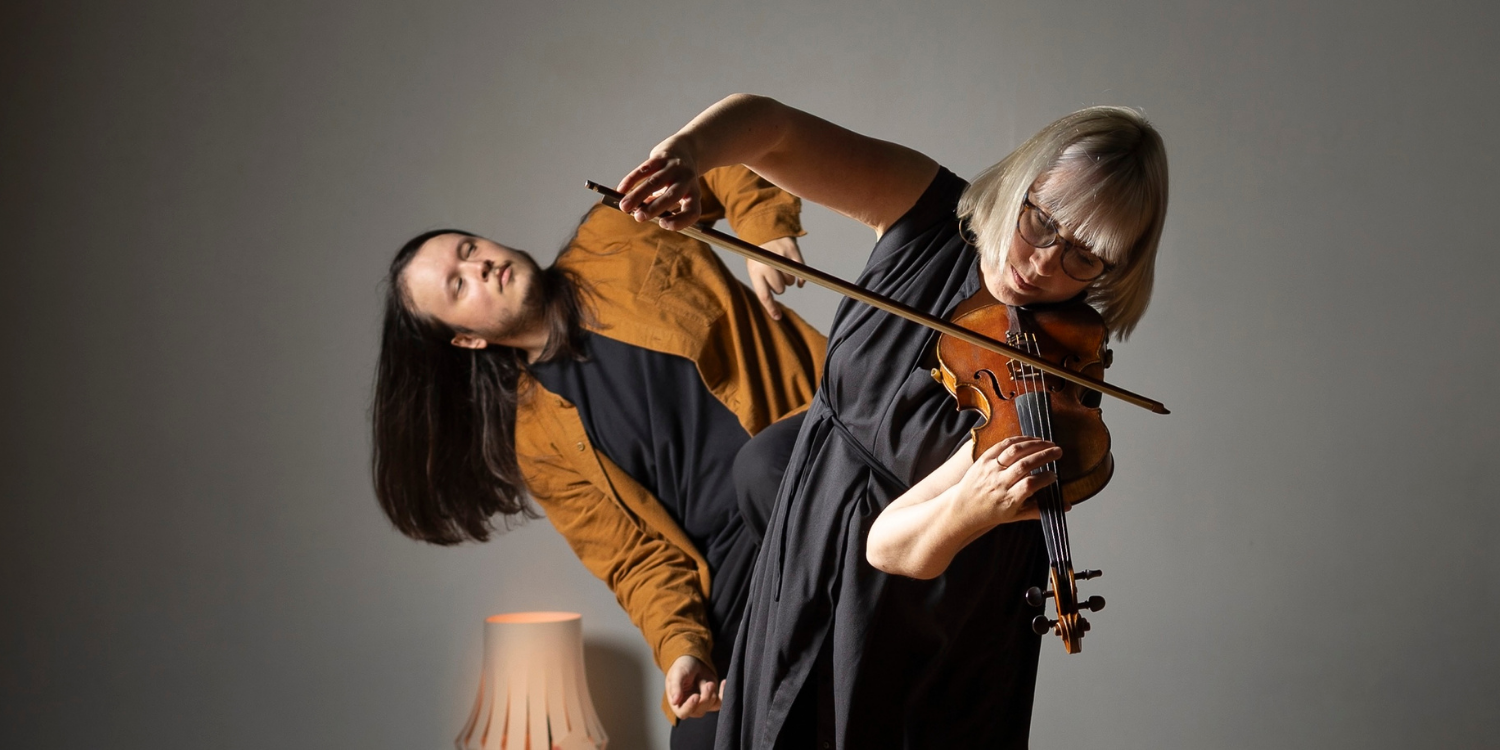
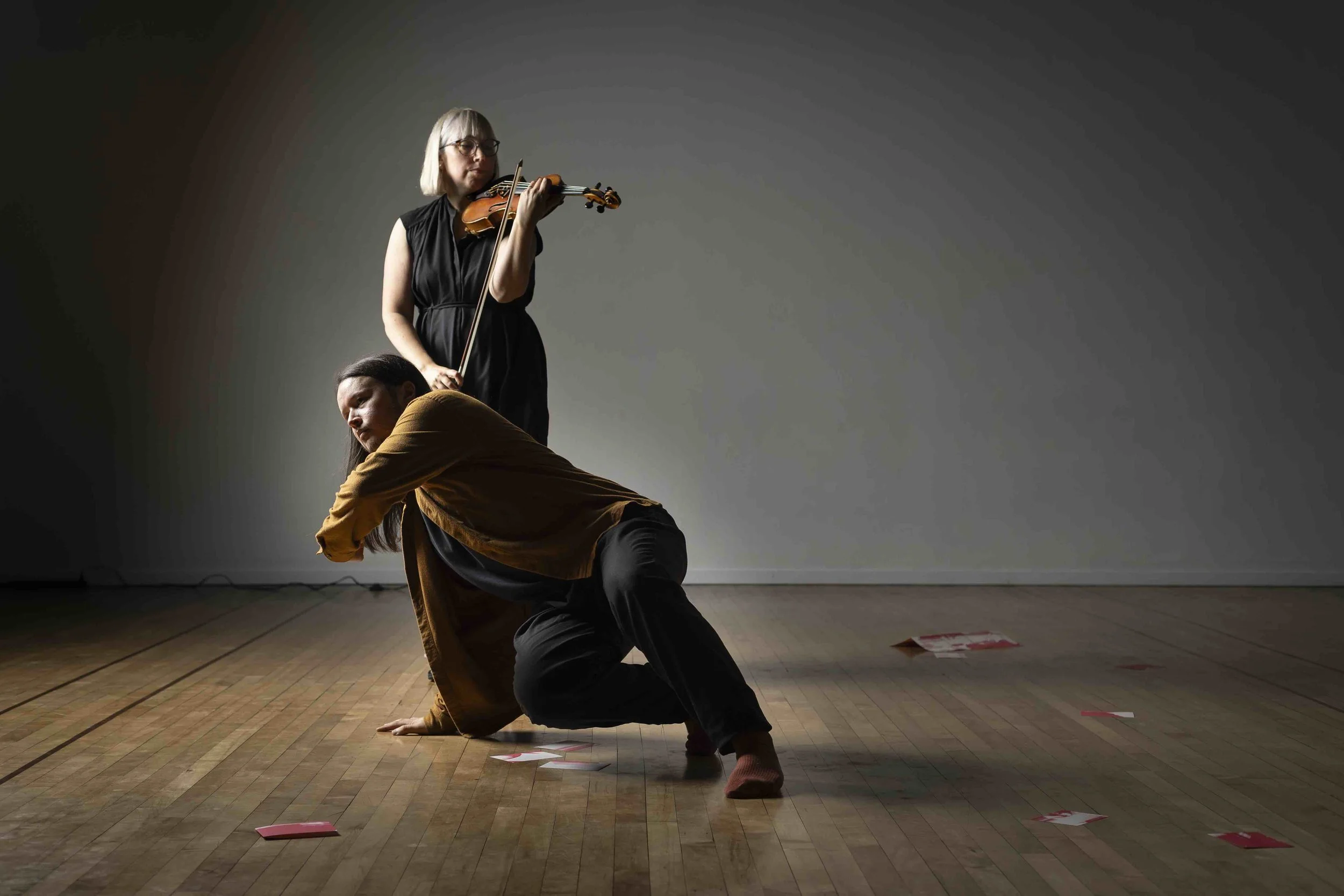
Last Solo, premiering as part of The Dance Centre’s 2026–27 Global Dance Connections series next week, is the result of a lifelong passion for movement and a yearlong dedication to retraining his body. The 60-minute show is a vulnerable testimony to his long and fruitful career, moving through three pivotal stages in his life: learning to dance in his youth, exploring his sexuality, and coming to terms with aging and mortality. Visual and sound artist Gary James Joynes accompanies him onstage, performing a live audio-visual composition using a modular synthesizer, vocals, and analogue video imagery reminiscent of black-and-white Chinese ink paintings.
“I want the audience to feel the space, the sounds, the visuals, and the body,” says Wang. “I want people to take in the unique aspects of culture, the aging, the dancer’s life, as well as the beauty, pain, and sacrifice…it’s abstract, but I believe everybody will have something to say.”
Drawing on his childhood dance training in Lanzhou, the first section offers glimpses of the artist’s introduction to movement with detailed hand gestures and emphasis on the upper body. Alongside these traditions, Wang combines elements of tai chi, martial arts, and folk dance, producing a contemporary piece that cannot be confined to a single convention. “After living in Canada for 35 years, of course I’ve changed, so I don’t say I’m doing Chinese dance or Western dance,” he says. “It’s all blended together; I’m creating my own language.”
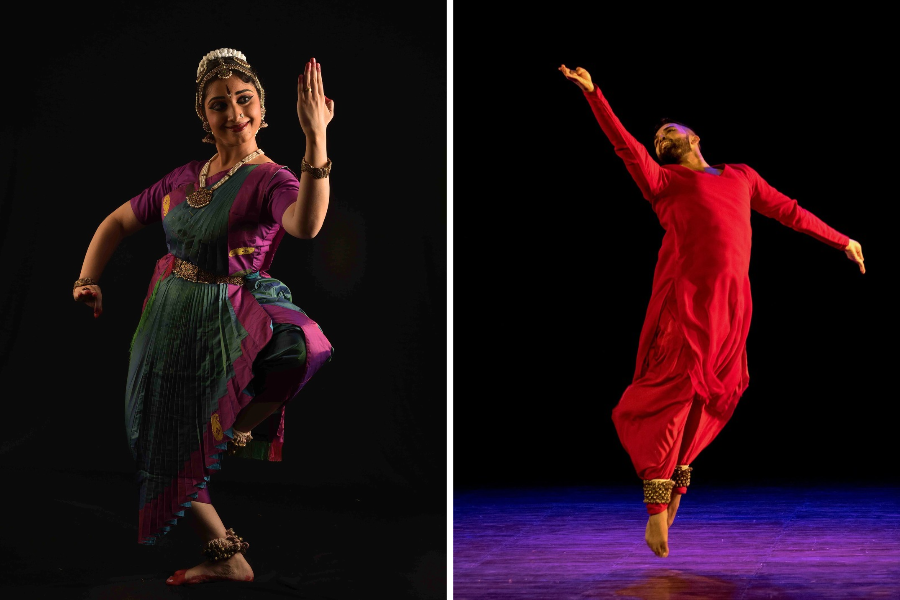
Wang’s works often delve into his cultural heritage, and those who are familiar with his repertoire may recognize the appearance of lotus shoes, three-inch heels that are also featured in the choreography of his 2006 piece Unbound. Inspired by the historical Chinese practice of foot binding, and the memory of his grandmother’s bound feet, Wang now dons the vibrantly red theatrical imitations to express his feelings about his sexuality.
“It’s like wearing high heels, but you have no heels in the back, so everything pushes forward on your toes,” he says. “It’s okay when you’re just standing, but when dancing, it elevates your body in a different way. When I wear that, you know I’m Chinese. I don’t have to tell people.”
In the final section, Wang reflects on how to move forward as one grows older. He pours a bag of rice onto the floor as if completely emptying himself of all worldly attachments, asking what it means to let go and start again.
Ten years is no short break, even for a young dancer, and Wang is well aware of his physical limitations. Still, he continues to challenge himself, not letting his age define his abilities. For the past year, he has been slowly getting back in shape, taking ballet classes and going to the gym. He recalls how 10 minutes of movement initially left him breathing hard; even now, there are days when he wakes up to pain and muscle aches, and has to push himself to go to the studio. “I’m just fighting—fighting myself, training, rehearsing, and preparing,” he says. “Today, I can say I feel my physical [stamina] is coming back to where I want to be.”
For Wang, it’s not so much about trying to match what he could do in his youth as it is about confidently showing up as he is. “I’m not trying to please anybody,” he explains. “I want to be able to use my body to tell my story and I’m not ashamed to be old or to be myself.”
But that doesn’t mean going easy on himself. “I’m not using my age as an excuse,” he stresses. “I will dance. I will put my leg over my head. You will see it.” 

Related Articles