House of Folk revives a Canadian cultural touchstone at the Firehall
Tracey Power’s new show features songs by Joni Mitchell, Neil Young, Gordon Lightfoot, and other folk icons
House of Folk
The Firehall Arts Centre presents House of Folk: A Lost Canadian Folk Show from February 14 to March 8
In the 1960s and early ’70s, Toronto’s Yorkville neighbourhood was inarguably the epicentre of Canadian counterculture. Oh, sure, here in Vancouver you might have been able to catch a double bill of the Seeds of Time and Mother Tucker’s Yellow Duck at the Retinal Circus, if you were hip enough to have read about it in the Georgia Straight beforehand. (And if you didn’t see it in person, you might have been lucky enough to watch it on TV after the fact.)
Yorkville, on the other hand, was where the bohemian action really was. Its legendary folk scene was a magnet, drawing artists from all over the country—including Joni Mitchell, Gordon Lightfoot, Buffy Sainte-Marie, Neil Young, Ian and Sylvia, Murray McLauchlan, and Bruce Cockburn—to the stages of coffeehouses like the Penny Farthing, the Purple Onion, and the Riverboat.
Those venues are long gone now, replaced by the upscale consumerism of the so-called “Mink Mile”. For Vancouver theatre artist Tracey Power, that lamentable reality presented a practical hurdle when she set about creating a show set in Yorkville’s ’60s heyday.
“When you go to Yorkville now, it’s vanished,” Power tells Stir in a telephone interview. “It’s like it never existed. For me, as somebody who wasn’t alive in that time, it’s been a real research dig. As an artist, I find it heartbreaking that they couldn’t hold on to one club or one coffeehouse as an homage to what was there. Instead, it’s been completely wiped out.”
As Mitchell herself once memorably observed in a song, “Don’t it always seem to go/That you don’t know what you got ’til it’s gone?” From our 21st-century perspective, the Yorkville folk scene’s profound cultural impact is undeniable, but not everyone at the time appreciated it. MPP (and former Toronto Maple Leafs centre) Syl Apps once uncharitably described the hippie enclave as “a festering sore in the middle of the city”.
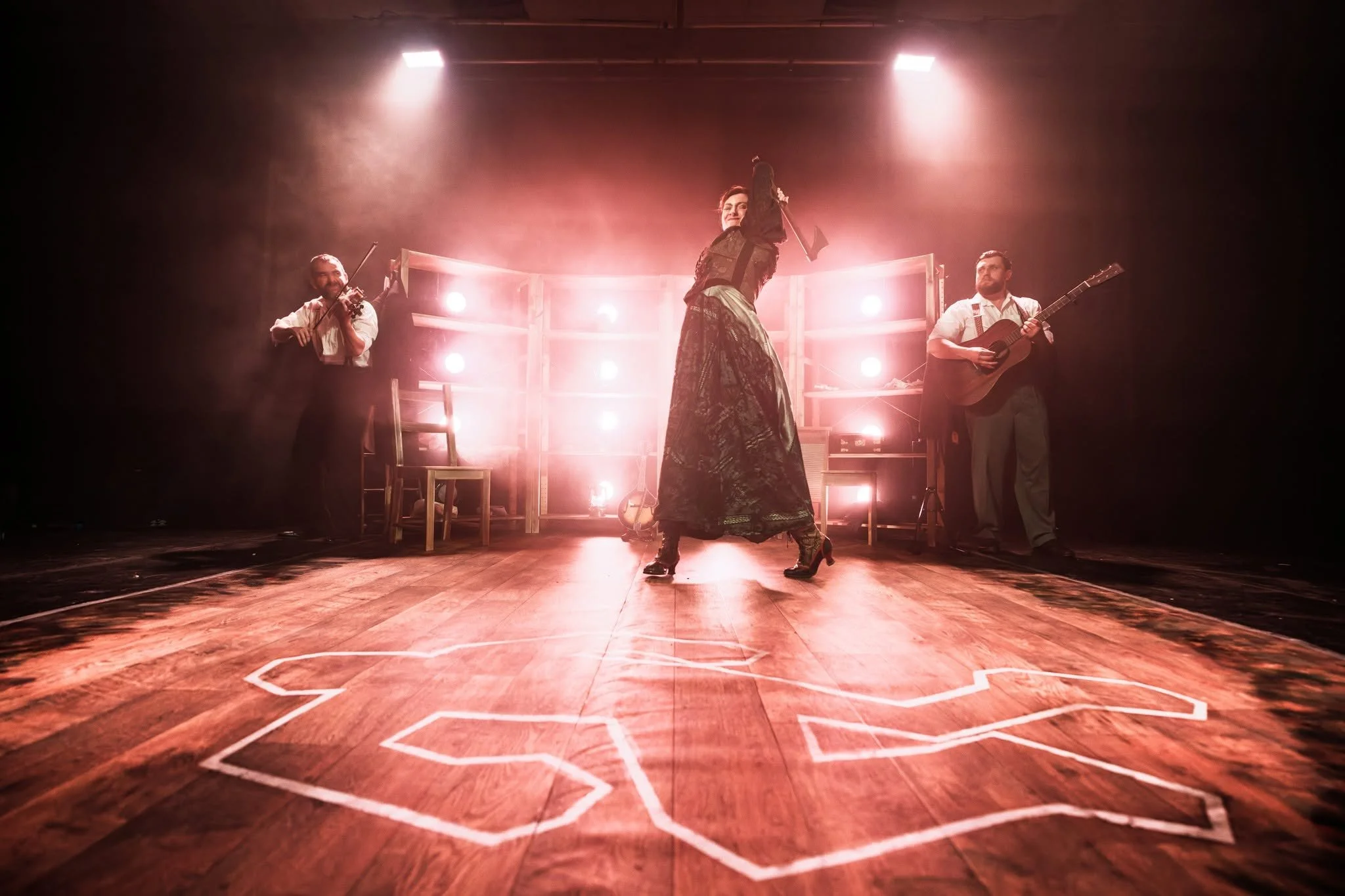
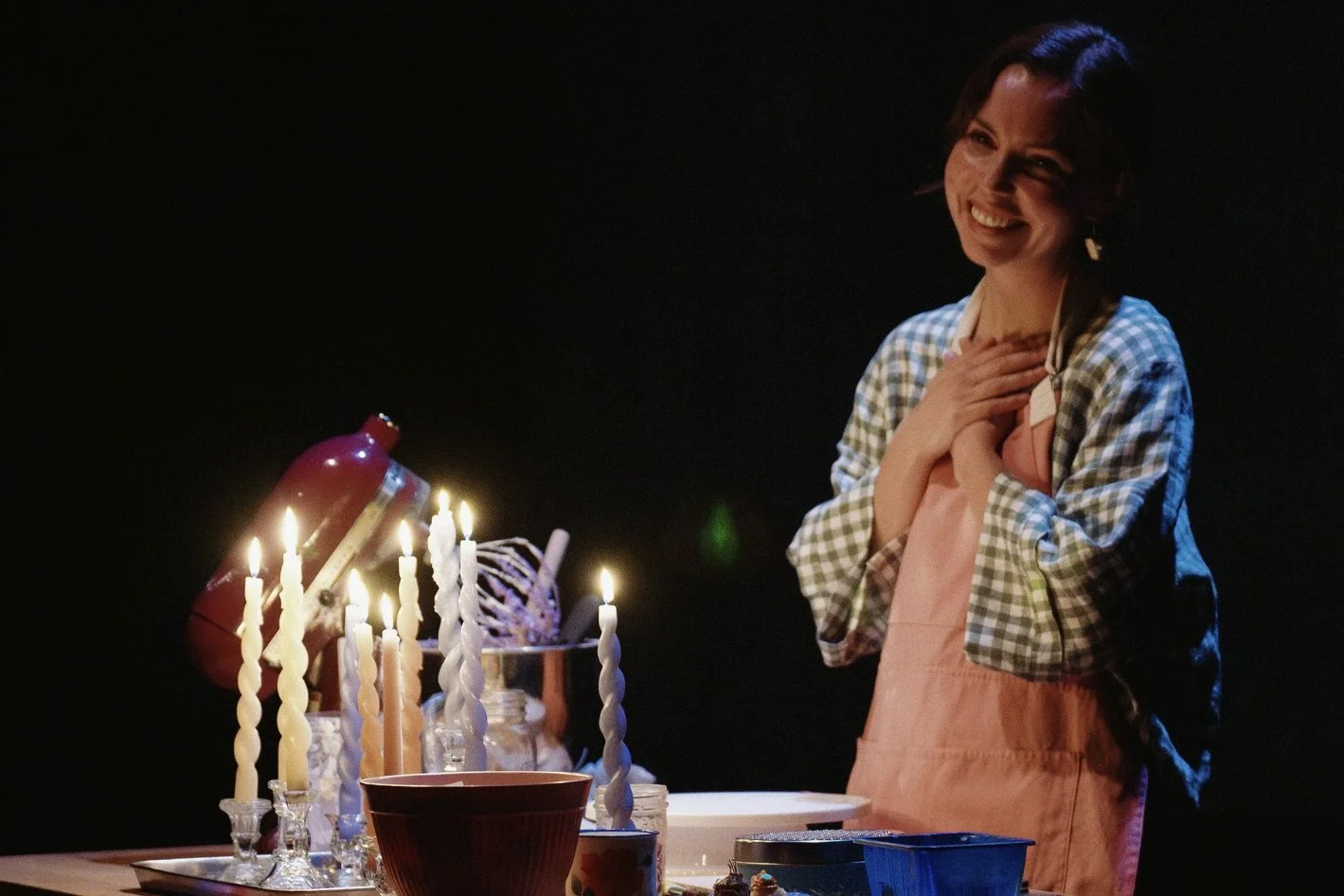
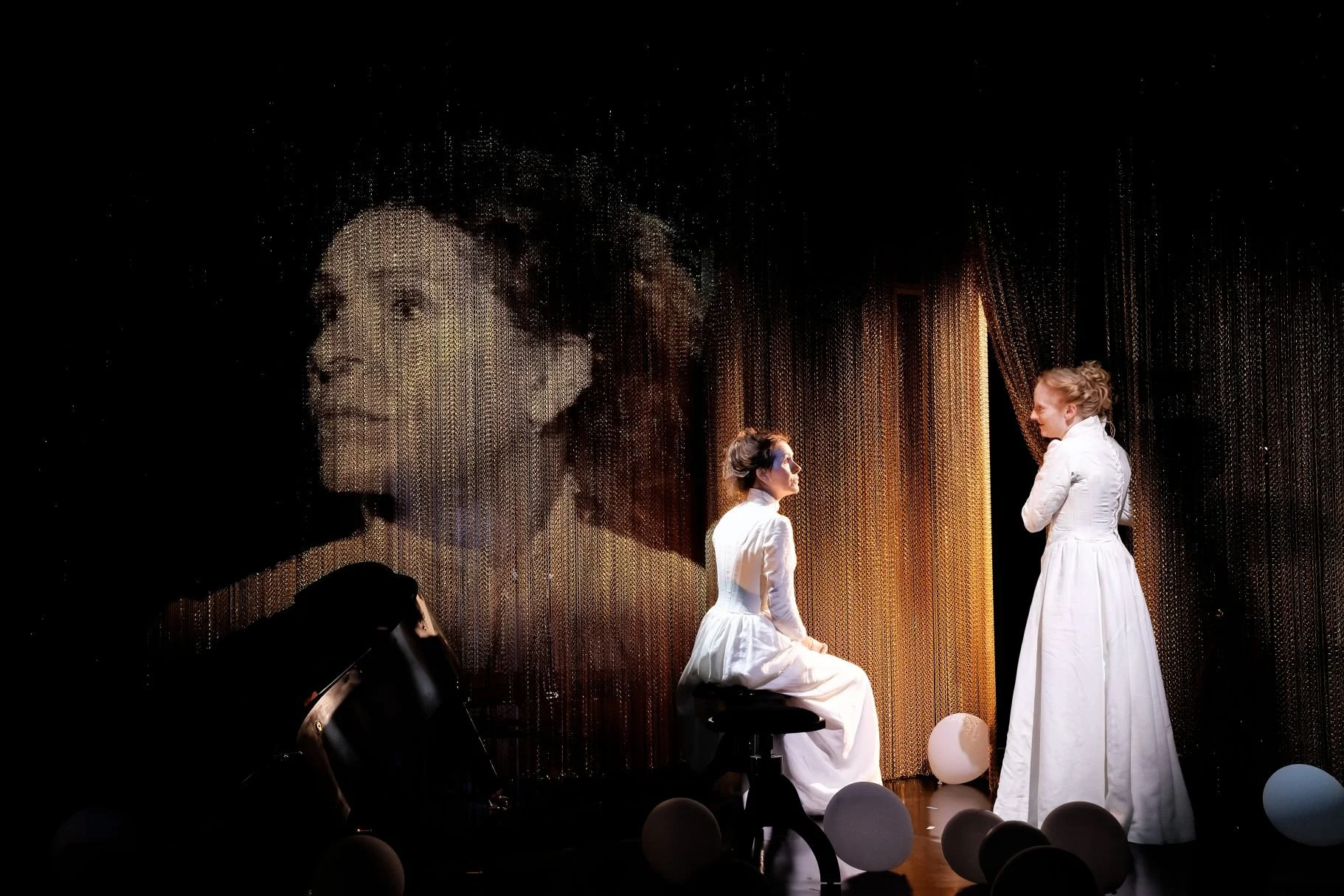
Power’s House of Folk: A Lost Canadian Folk Show, looks back through the eyes of a singer (played by Michelle Bouey) who lived it all and remembers not just the music and the revolutionary zeal of the day, but also the social unrest and political upheaval. While the specifics—the war in Vietnam, the assassination of Martin Luther King, the October Crisis—have changed, it was a time not so different from the present.
“In the world today, when in every newspaper and online it’s horrific news, you start to wonder, does music make a difference?” Power says. “You want to believe that it does, but moments like these, you start to wonder if it does.”
Bouey’s character can’t help but ponder exactly what she and her idealistic peers achieved as she finds herself in an age when authoritarianism seems to be on the rise in the self-proclaimed “land of the free” south of the 49th parallel, and wars continue to rage around the globe.
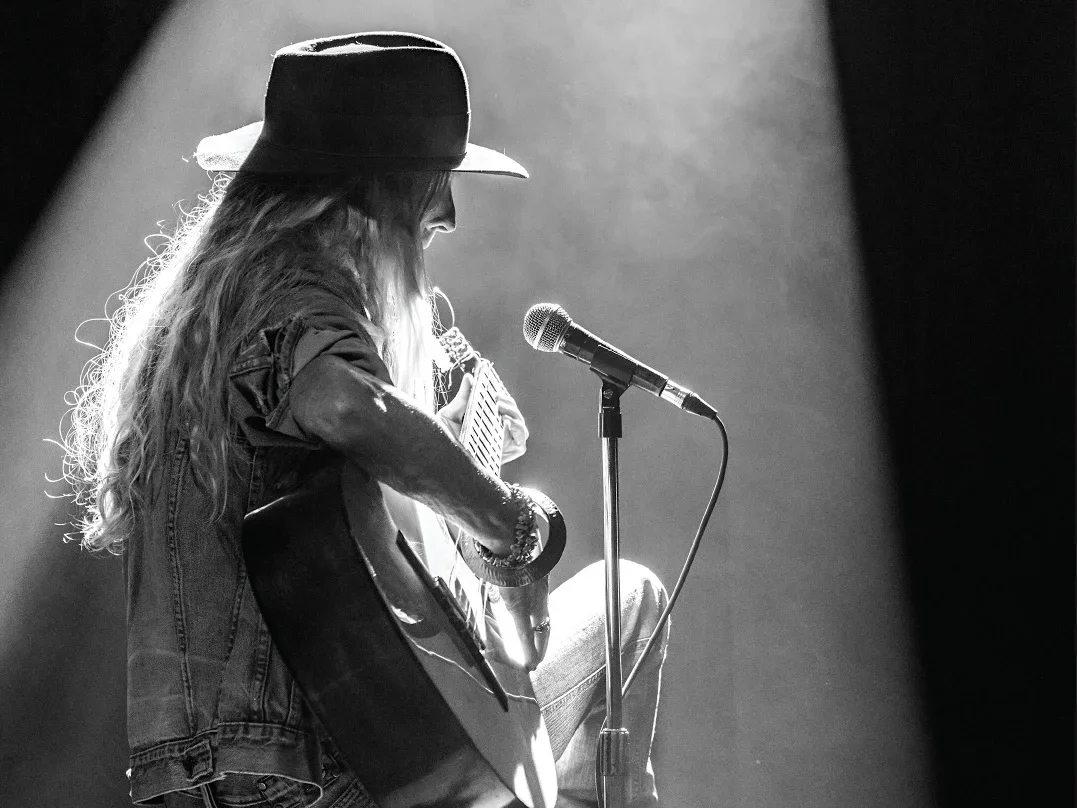
Her self-examination provides the framework for House of Folk, but music is at the heart of the show. Power is reticent to give away the entire set list, but she will reveal that it includes Young’s “Heart of Gold”, Mitchell’s “Big Yellow Taxi”, Ian and Sylvia’s “Four Strong Winds”, Lightfoot’s “For Lovin’ Me”, and 3’s a Crowd’s “Don’t Mess Up a Good Thing”.
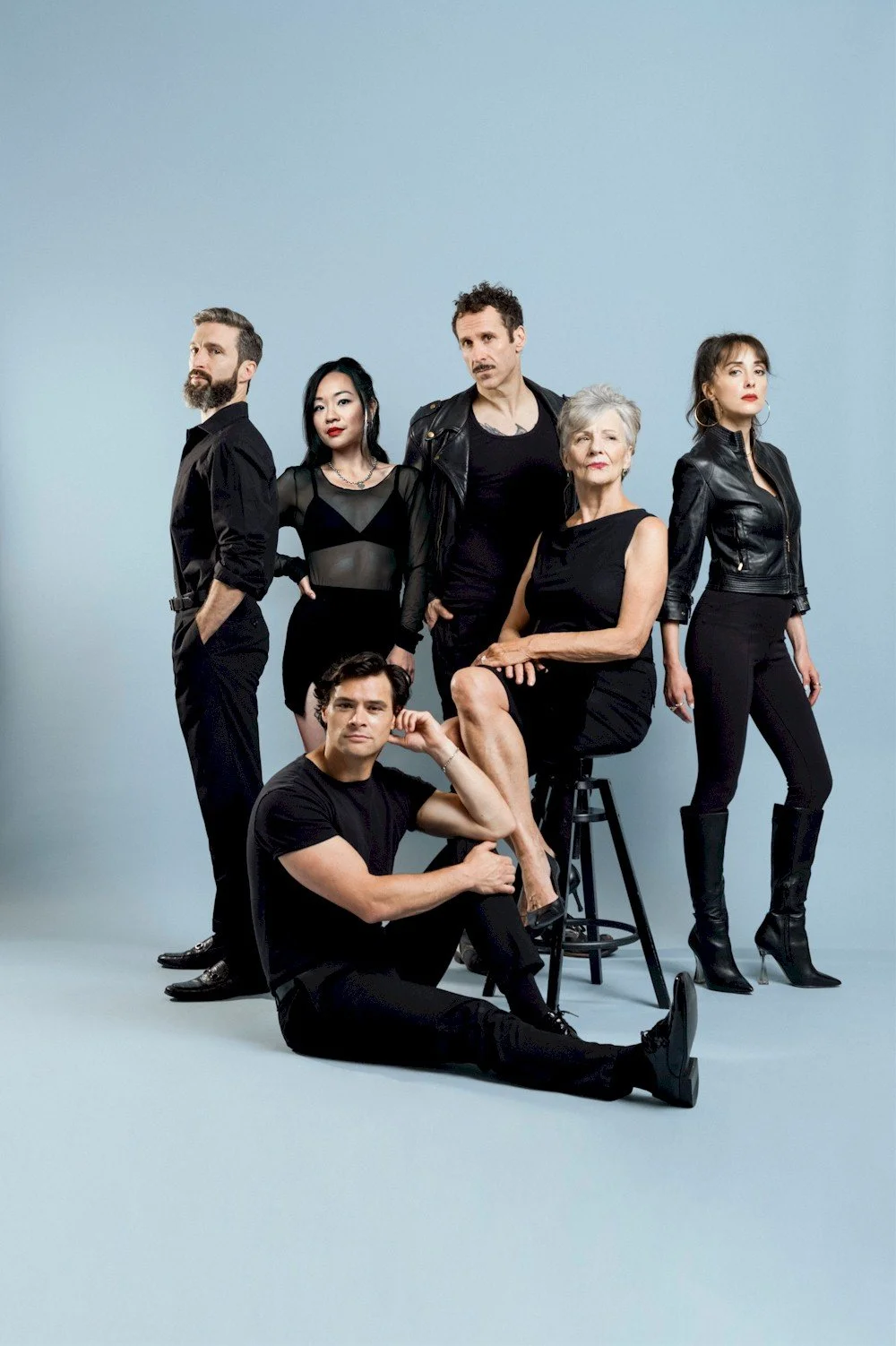
Joining Bouey in performing the songs are Steve Charles, Ben Elliott, Jack Garton, and Caitriona Murphy. All but Murphy are veterans of Chelsea Hotel, Power’s celebration of the songs of that other Canadian folk icon, Leonard Cohen.
“When you’re creating a show like this, especially with only five people, you’re asking a lot of the artists involved,” Power says. “They’re all bringing different instruments to the table, they’re all super strong vocalists and actors and performers. Van Wilmott, who is the musical director and arranger, is working with these artists for the first time, but he’s having a great time getting to know all their multi-talents in creating all this incredible music.”
Power describes House of Folk as a “concert-style show” rather than a play. Unlike Chelsea Hotel, it does have a script, but its narrative is not intended to be a linear storyline. In that sense, it has much in common with shows Power has written about other influential music scenes of the 20th century.
“Laurel Canyon is about the artists of Laurel Canyon and what was created there,” she says. “Nashville is about how Nashville went from nothing, basically—a blue-collar town—to become what we now know as Music City. And so how did that happen, and who were the artists who made it happen? This piece is a bit of a hybrid. There’s only five artists onstage, and there’s a poeticness to the flow of it and the feel of it, because there is a sense of memory to it. The way we remember things can be different from person to person, can be out of sync, can be out of order of year. That’s kind of how our brains work.”
Power is too young to have lived through the epoch she depicts in House of Folk, and that will be the case for most of those who attend the performances. She hopes, however, that the show will carry enough of the spirit of 1960s Yorkville—or Kitsilano, for that matter—to arouse some of that same spark.
“I think that that sense of community that was around in the ’60s, and how people were brought together, and the conversations that people were having…the more we can have of that now, the better,” she says. “We need it, so I hope the show inspires that.” 

Related Articles