Film reviews: At DOXA fest, life off the grid, bio-digital surveillance, and other highlights
Idyllic meditations, sharp investigations, and deeply personal questions arise in our quick takes on Green Valley, The Sandbox, There Are No Words, Numakage Public Pool, and Replica
Green Valley
The DOXA Documentary Film Festival runs April 30 to May 10 at various venues
GREEN VALLEY
May 3, 7:40 p.m. at the SFU Djavad Mowafaghian Cinema; and May 9, 5:50 p.m. at The Cinematheque
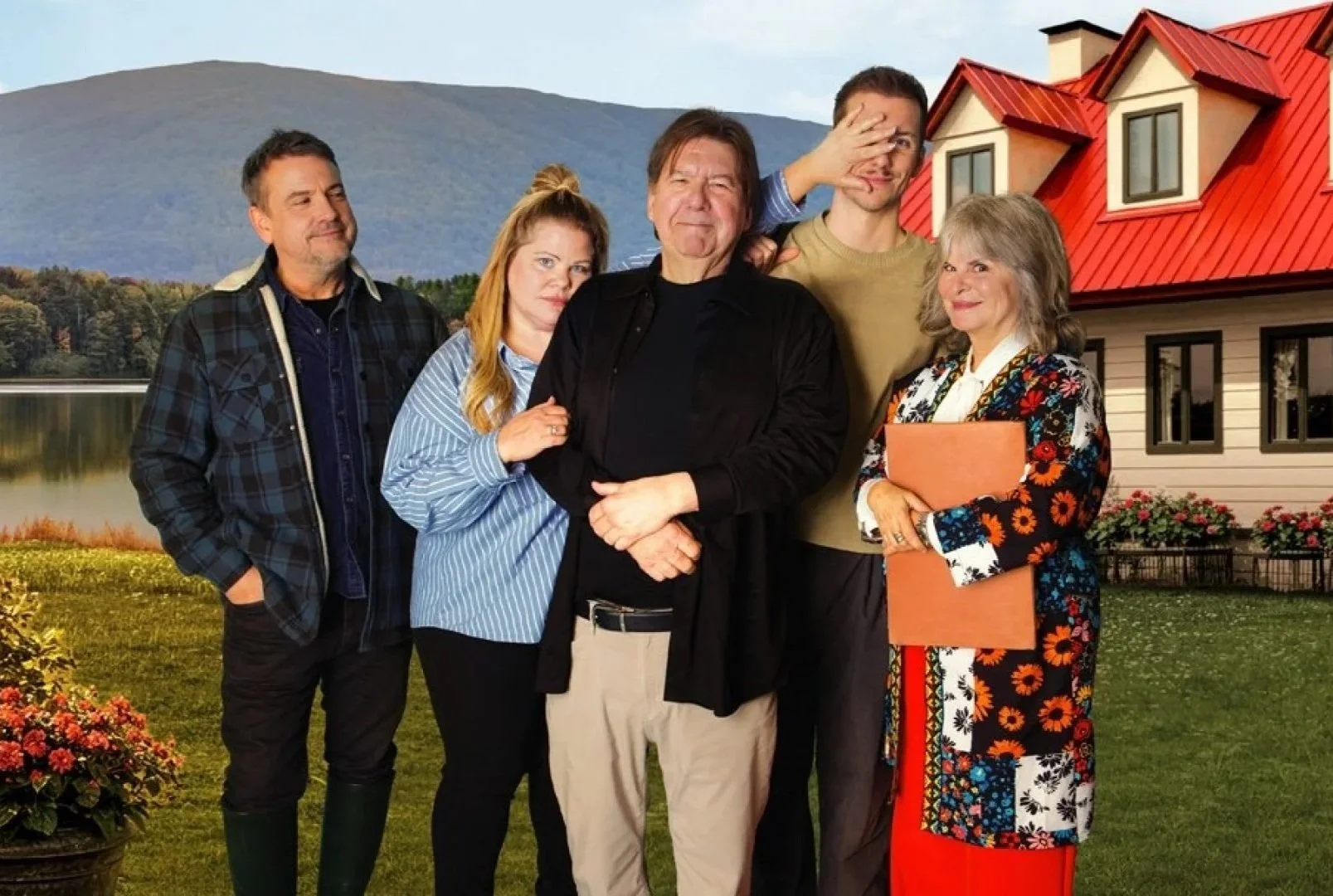
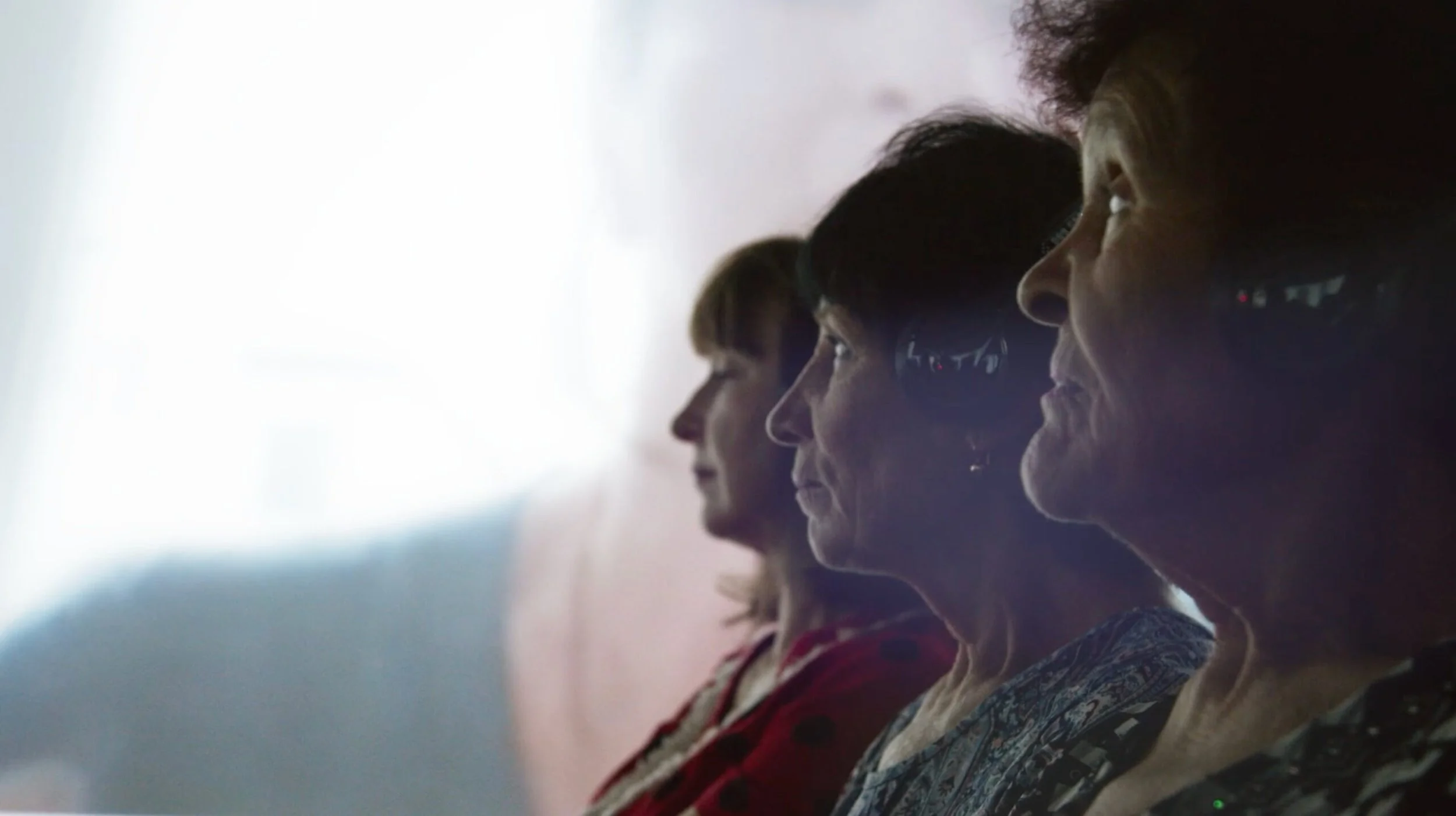
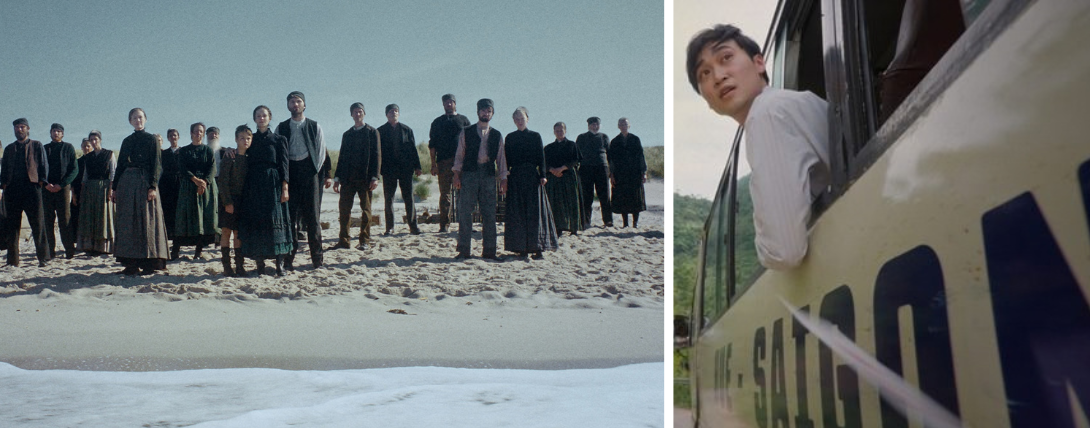
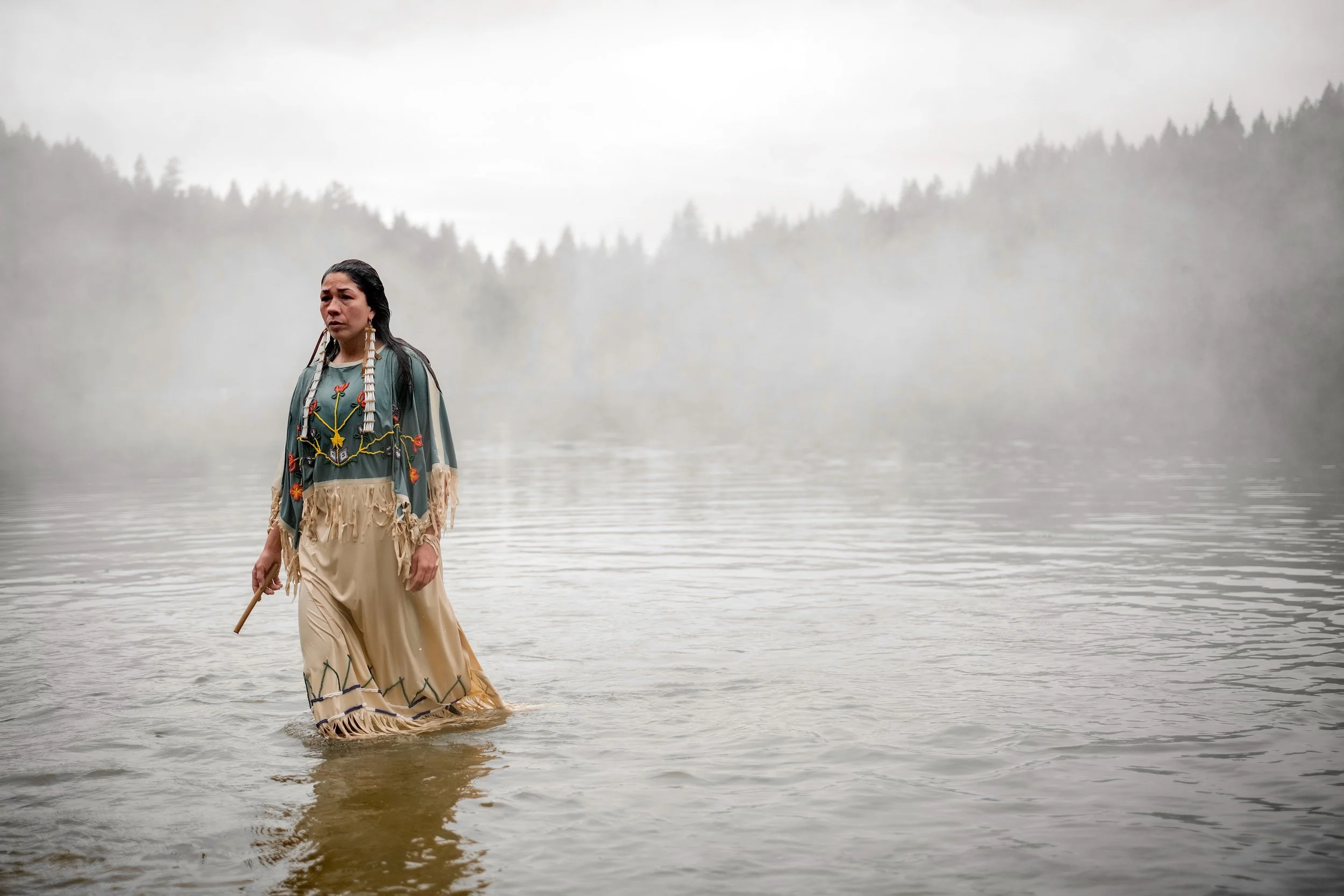
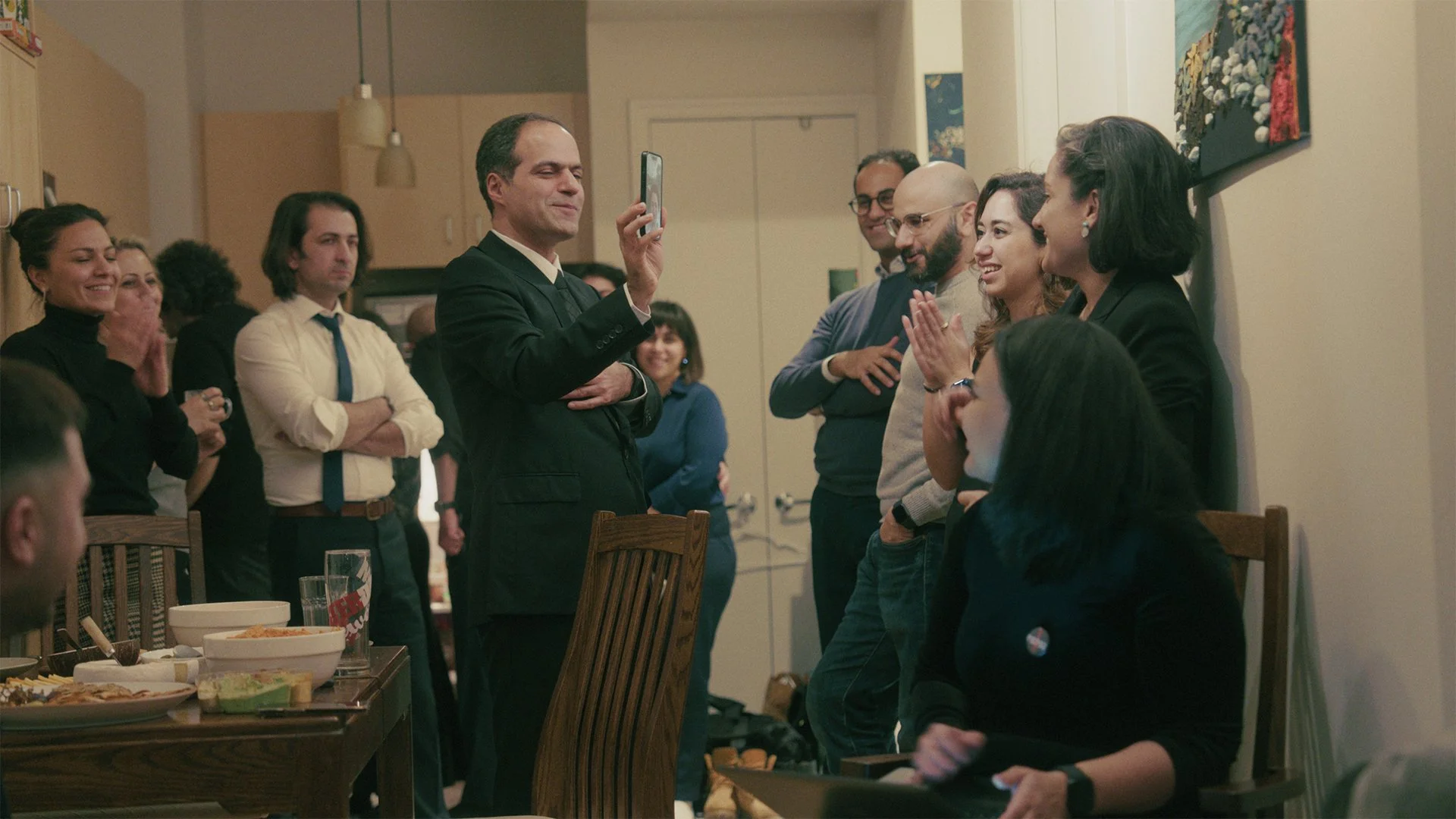
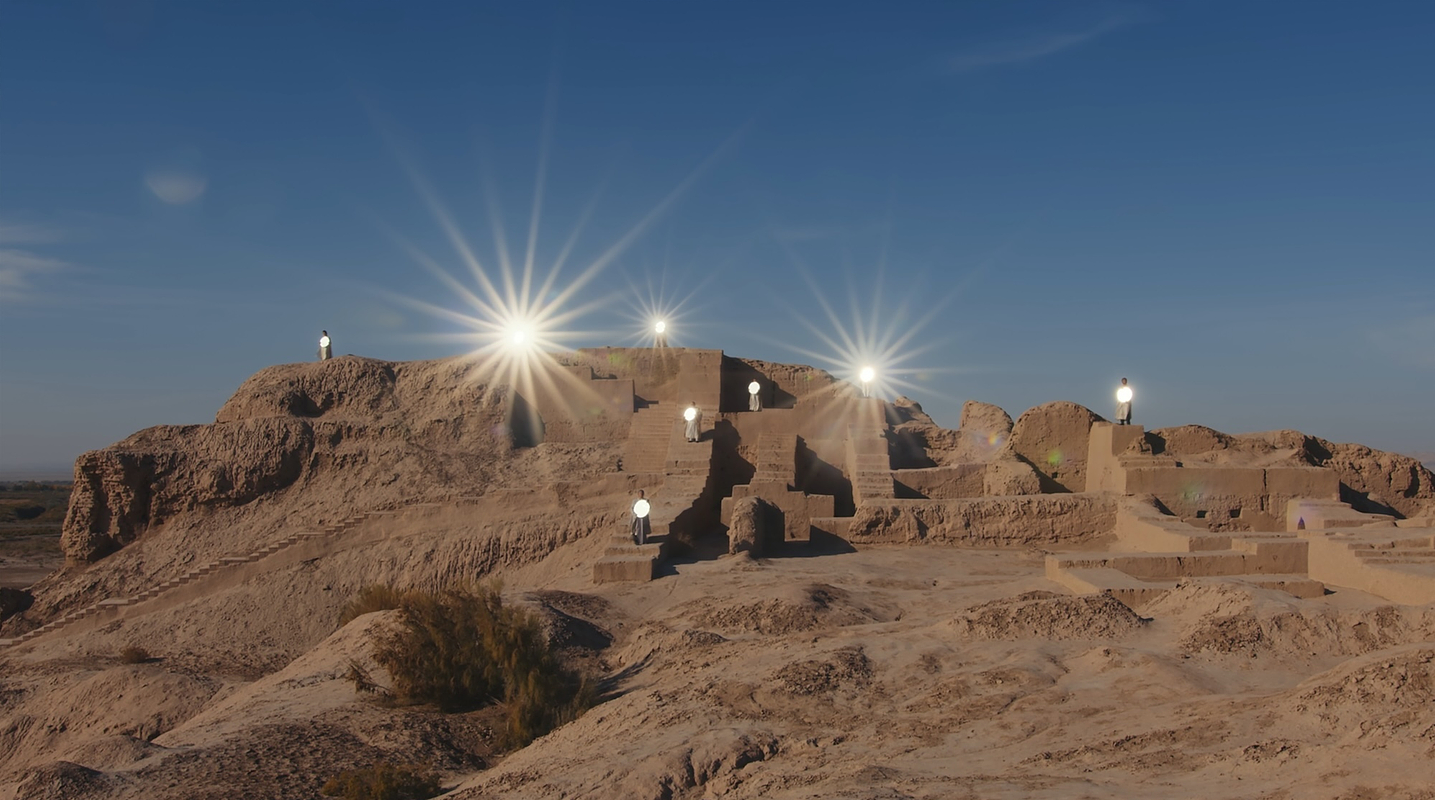
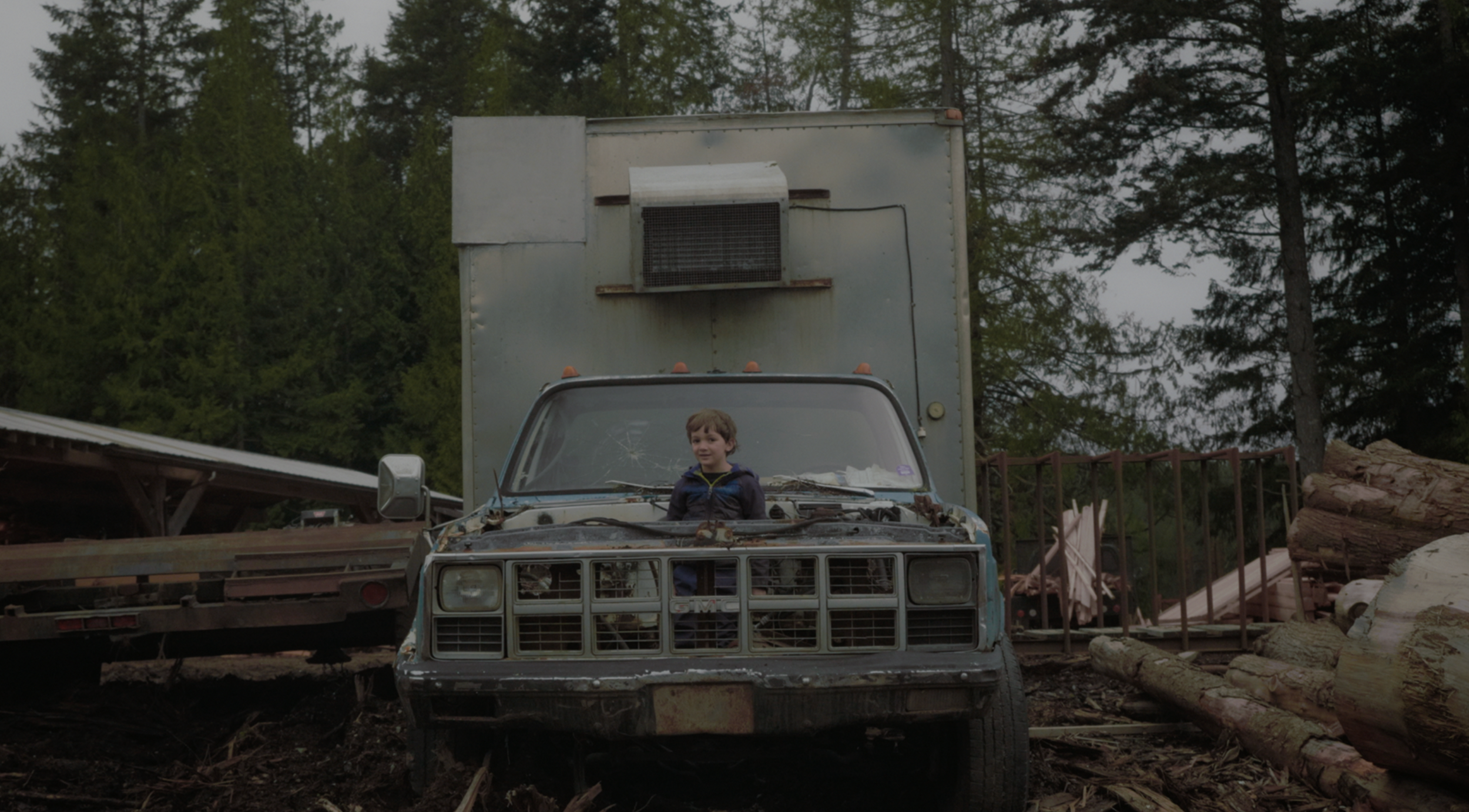
The setting remains anonymous, although eagle-eyed viewers will catch the North Gulf Island location of this rich and absorbing film (which it shares with another prominent title at this year’s festival). Filmmaker Morgan Tams is a resident of the remote Blue Jay Lake Farm, along with two young families and its founder, Henry, whose cancer diagnosis immediately prompts us to wonder about the more pressing practicalities of off-grid living. Green Valley observes two years in the life of Blue Jay Lake, presented without comment, and it never ceases to surprise with the extent of an operation powered by old ways, ingenuity, and relentless human graft. The farm’s gifts are abundant—one participant even produces her own varieties of cheese—and Tams’s film very artfully conjures the sense of a labyrinthine complex of barns and huts and workshops and scavenged technology in a continuous cycle of reclamation by nature. It feels like we never see the same flourishing field, food garden, or exotic, junk-strewn interior twice. It’s quite magical, really, and idyllic, and also not even remotely an option for most of the urbanites watching in a crowded theatre, earnestly wondering how the rest of us might survive collapse. AM
The Sandbox
THE SANDBOX
May 3, 6:15 p.m. at the VIFF Centre; and May 4, 6 p.m. at The Cinematheque
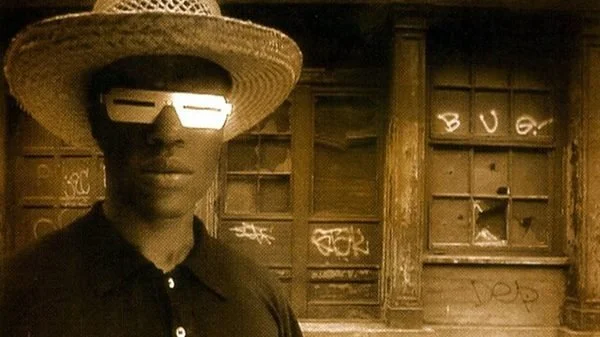
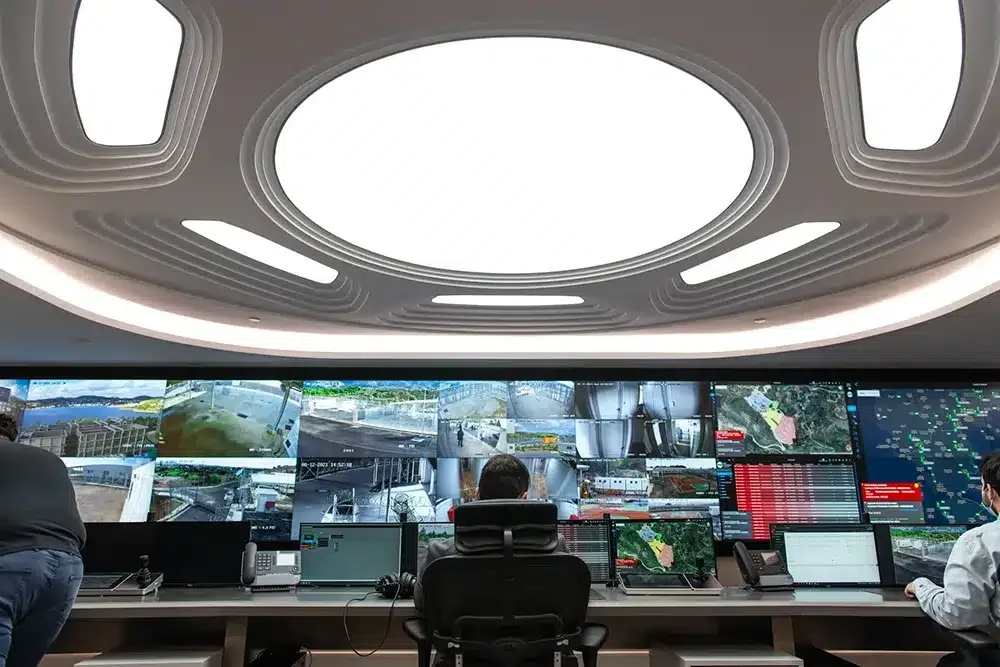
The backlash was swift and furious last September when Keir Starmer pledged to make digital ID mandatory in the U.K. Every Western government is now gesturing in the same direction, regardless of public opinion. The premise behind this well-timed Canadian effort is that bio-digital surveillance and related AI tech, beta-tested in crisis zones and marketed as “security”, will inevitably fulfill that dark promise. Says investigative journalist Lydia Emmanouilidou, featured in this doc: “The pipeline might start with people who are out of sight and out of mind in a refugee camp, or at a remote part of the border, or in the middle of the Aegean Sea, but eventually that pipeline reaches people like you, people like me. That’s the point.” The film arrives with a requisite sense of outrage concerning the anti-human psychopathy coded into Big Data and includes the testimony of a man who survived the sinking of the migrant boat the Adriana in 2023 in what appears to be an act of premeditated murder by the Greek coast guard. It’s a powerful moment in an urgent film, but The Sandbox could have been a little more curious about the two-faced “democratic” powers seemingly united in an effort to trap the entire globe inside a digital gulag. AM
There Are No Words
THERE ARE NO WORDS
May 3, 2:45 p.m. at the SFU Djavad Mowafaghian Cinema
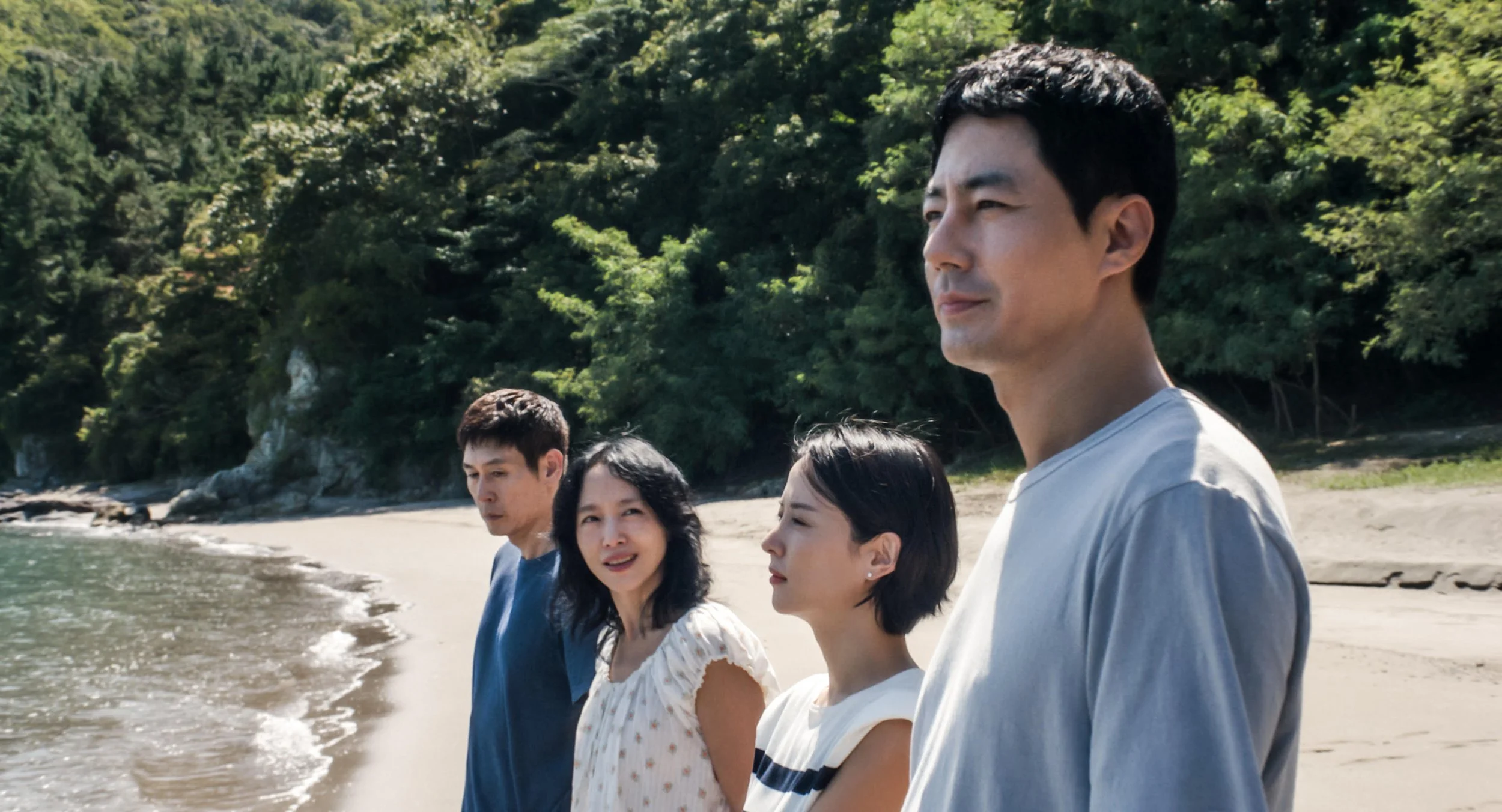
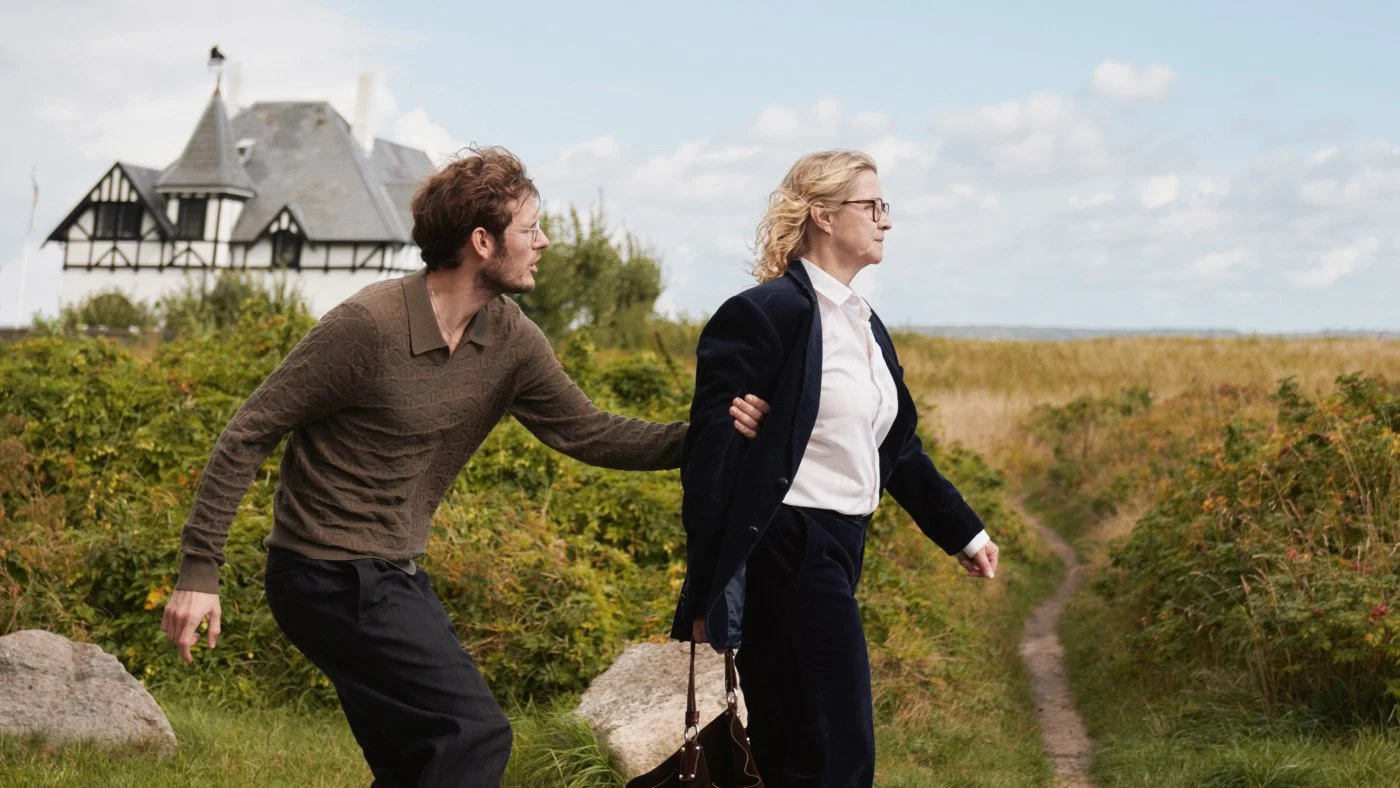
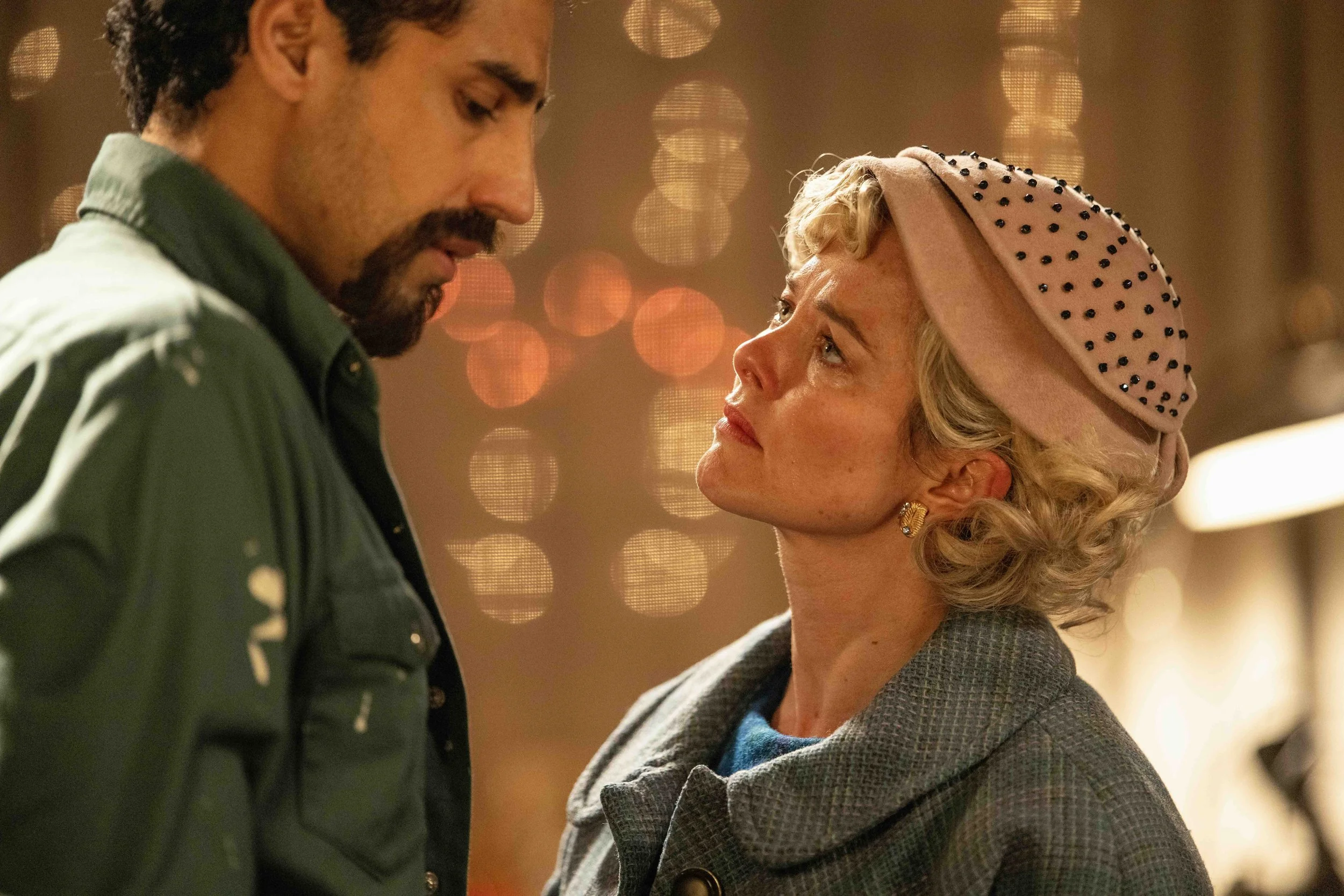
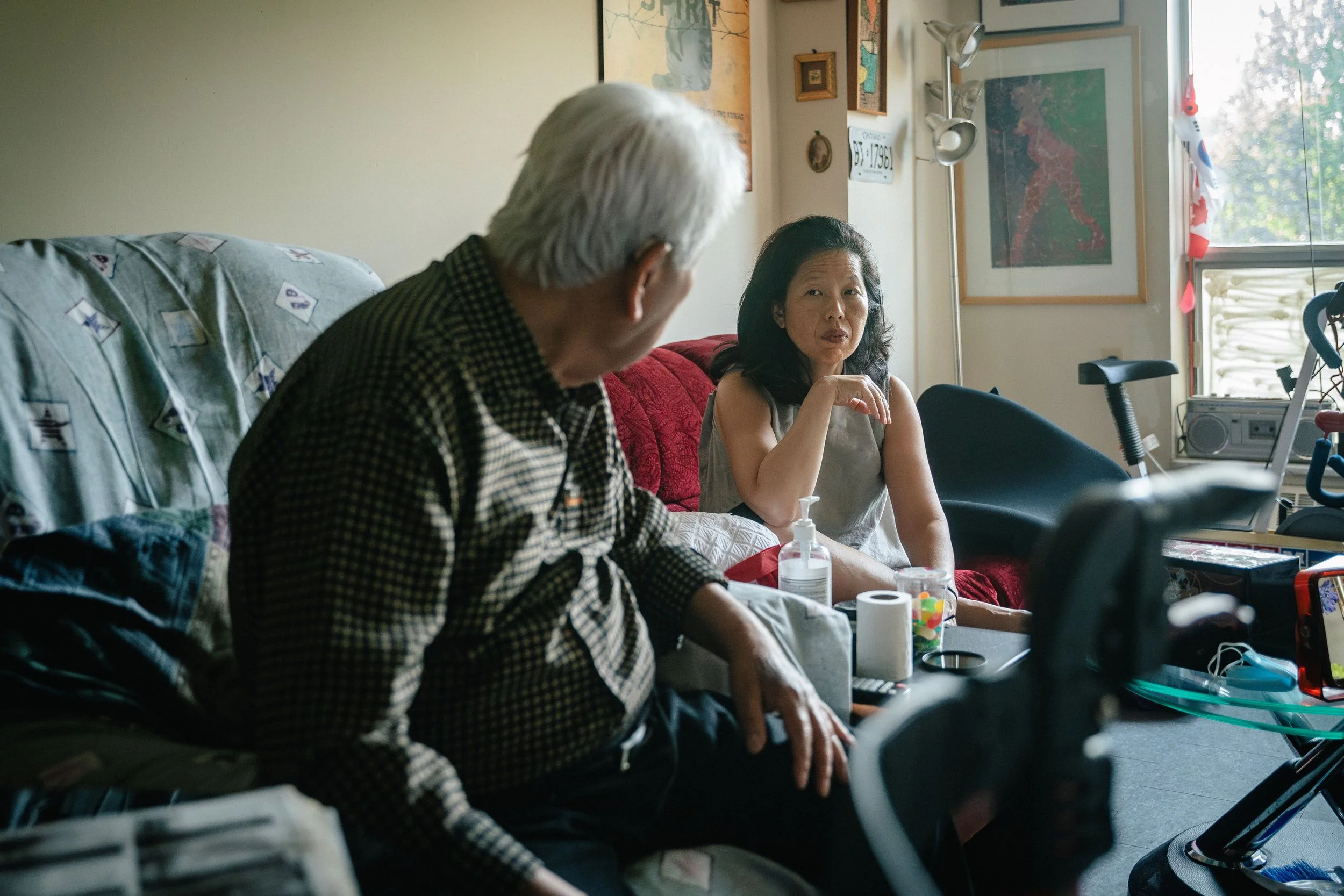
Secrets, lies, and fragmented memories swirl as Toronto filmmaker Min Sook Lee tries to get to know her late mother in this engrossing and deeply personal National Film Board documentary. Layer by complex layer, she uncovers her family history, tracing it back to Cold War Korea, where her father was a swaggering intelligence officer, and her mother—the one she knew only as quiet, aloof, and hard-working—was known for her strength and ferocity. Much of the film involves interviews with the frank, arrogant 90-year-old father that Lee takes care of, but his recollections often turn out to be as unreliable as her own; in her narration, she describes her remembrances as “shapeless, liquid, and without form”—a natural outcome of tragedy. With a calm, analytical resolve, Lee artfully and honestly pieces together a fractured kind of truth, drawing on witness accounts from neighbours in Korea, surviving siblings, her childhood friend’s memories, and archival records. It’s deeply affecting as the filmmaker comes to understand experiences blurred and buried by trauma: the pain of her own childhood, the suffering of the mother she lost at 12 to suicide, and the brutality of Korea’s military period that her father brought into their lives. Beautifully shot and edited, There Are No Words also echoes the fleeting quality of memory, dreams, and mortality in the way it looks; cinematographer Iris Ng was recently nominated for a Canadian Screen Award for her work on the project. JS
NUMAKAGE PUBLIC POOL
May 2, 5 pm at VIFF Centre
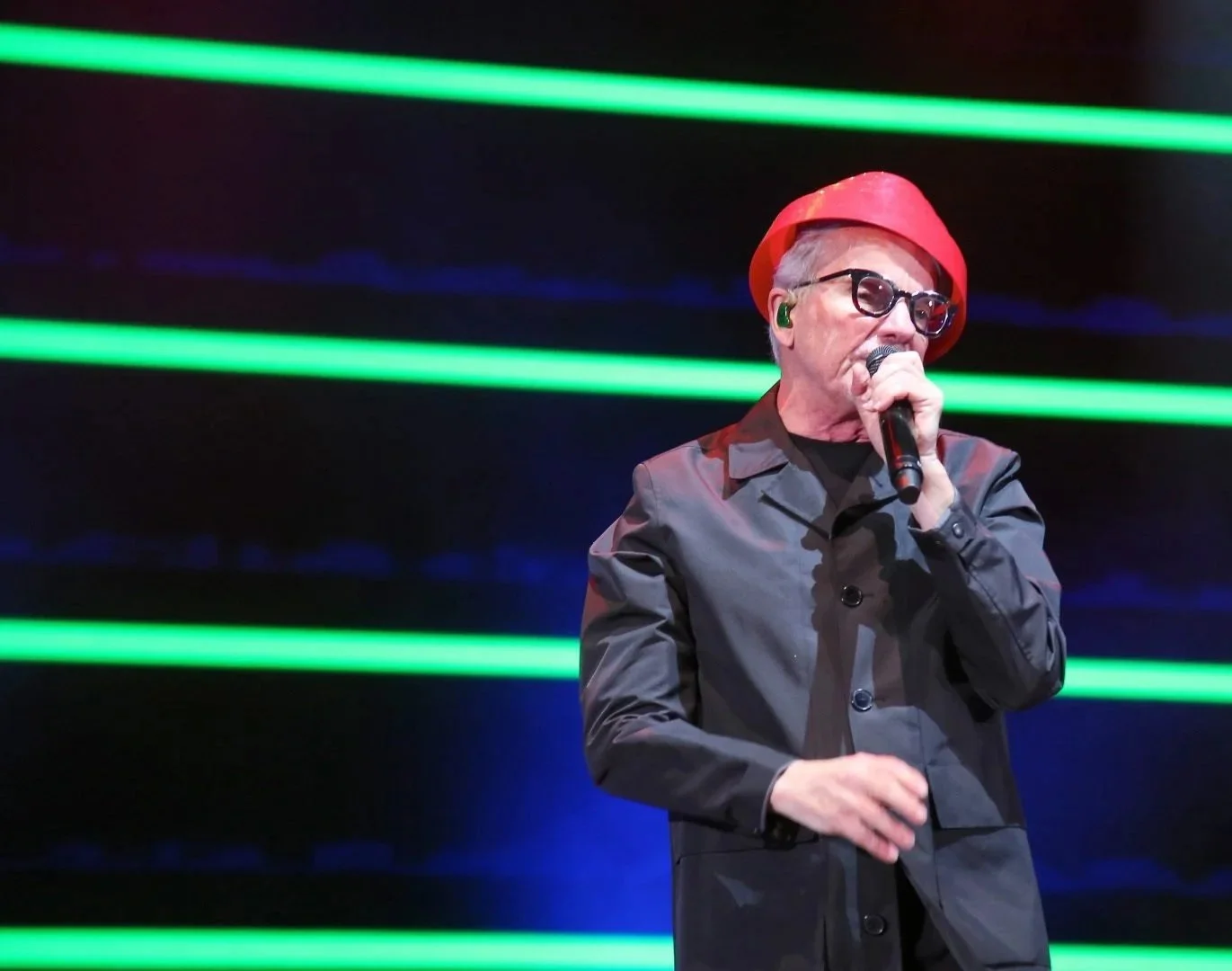
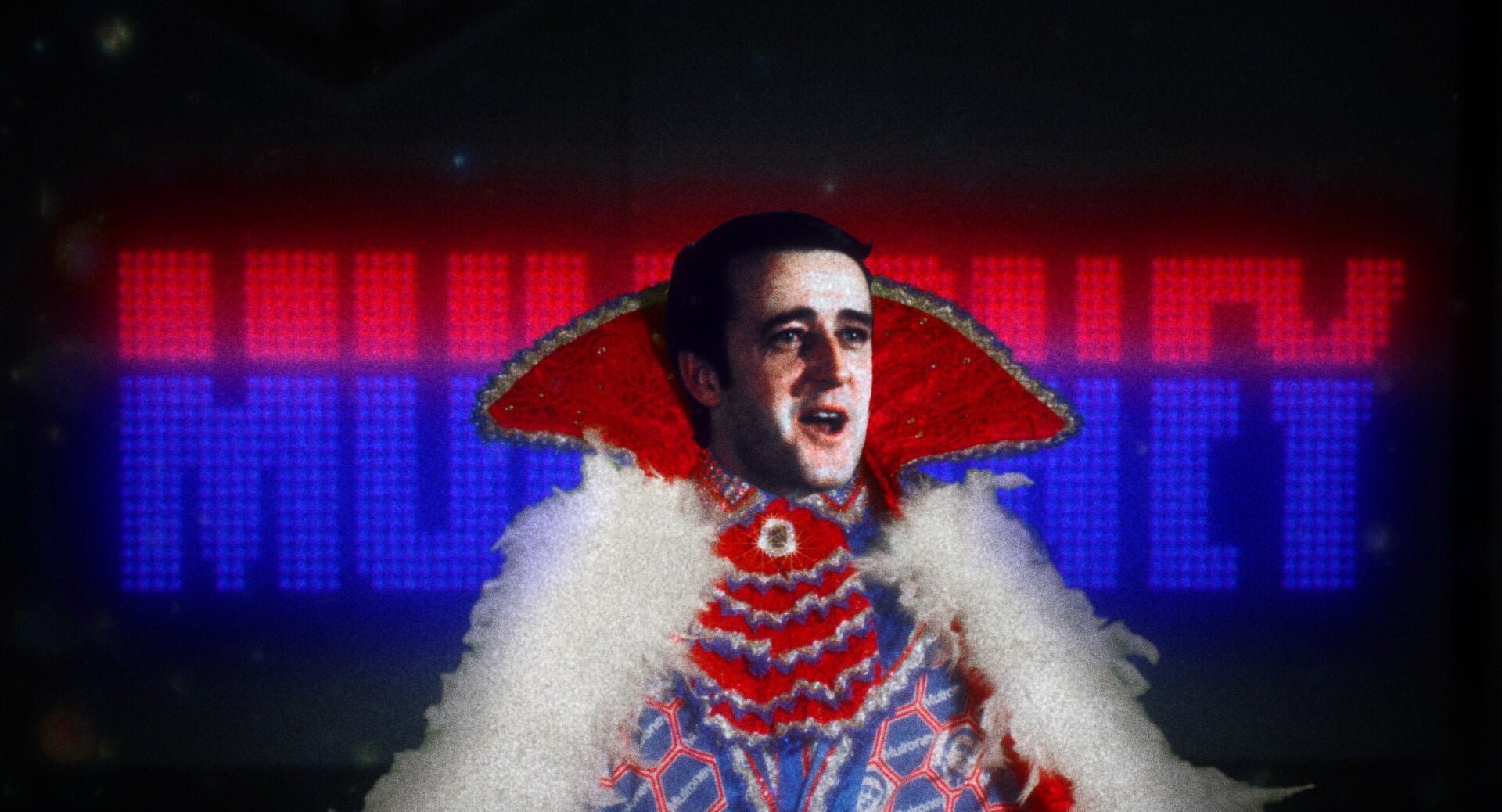
This sad and lovely film commemorates the final few weeks in the life of a public pool. A large and elaborate playzone, Numakage has stood in the centre of the Tokyo suburb of Saitama for 52 years and regularly received over 10,000 visitors a day. Now it’s being demolished to make way for a school, despite significant public outcry and some dissembling about land use from City Hall. Shingo Ota’s film makes a point about the blow to surrounding small business but otherwise touches very lightly on the politics of the situation. Its main interest is in the structure and cohesion Numakage brought to a grateful community, taking a slice-of-life approach and observing the myriad small dramas and pleasures that unfold every day, from a sweet hookup between two shy men to the physics-defying spectacle of “Mr Waterslide”, who somehow manages to launch himself across the surface of the water to the approving roar of an audience of children. The film’s five-part structure is built on the Kübler-Ross model of grief—kinda arbitrarily, to be honest—although you might join pool manager Aida in a few tears when he delivers his goodbye speech to a loyal army of employees and locals. Vancouverites will otherwise be compelled to consider their own endless battles over public space and nice things in general. AM
REPLICA
May 6, 7:30 p.m. and May 7, 12:15 p.m. at the SFU Djavad Mowafaghian Cinema
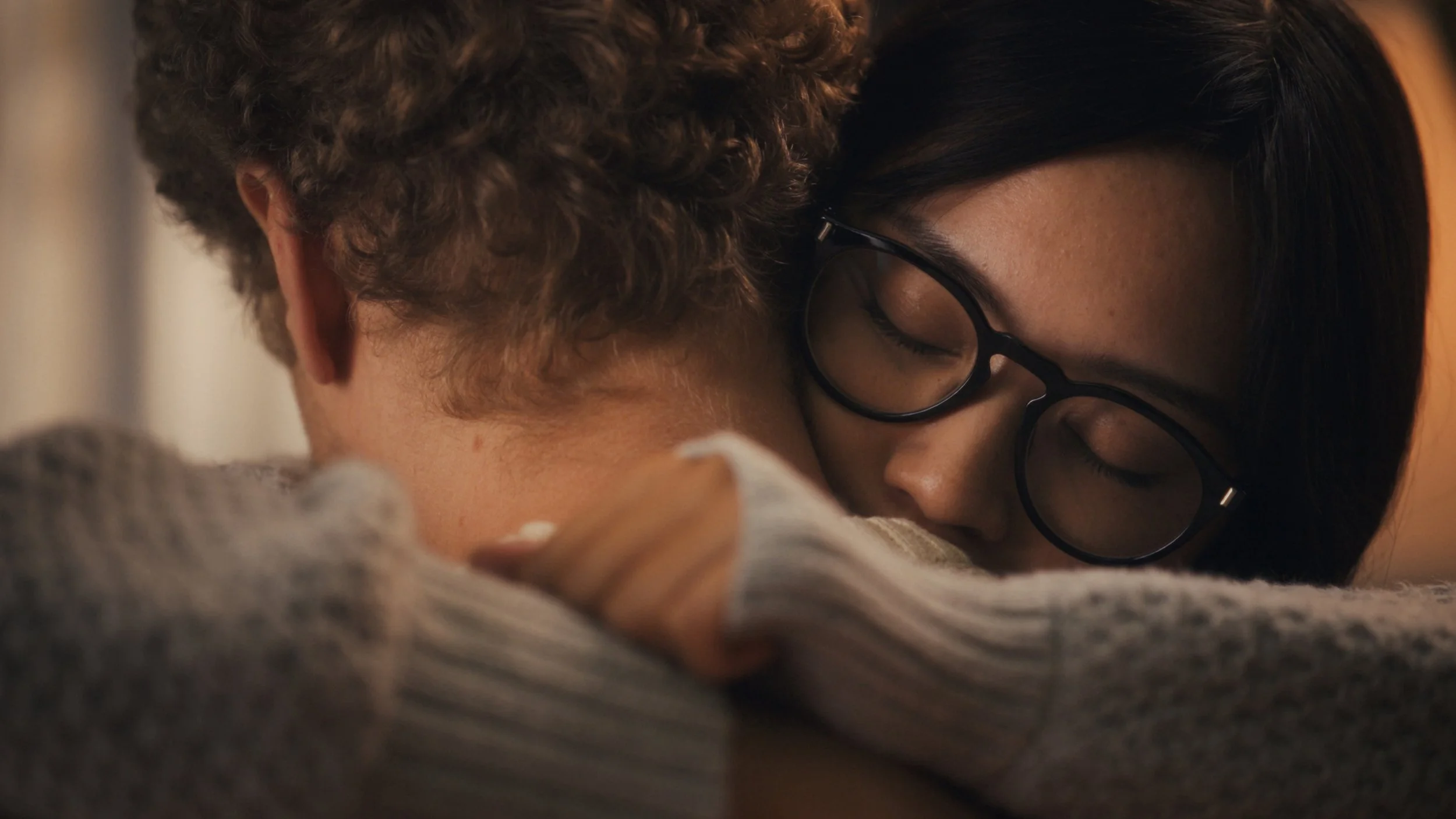
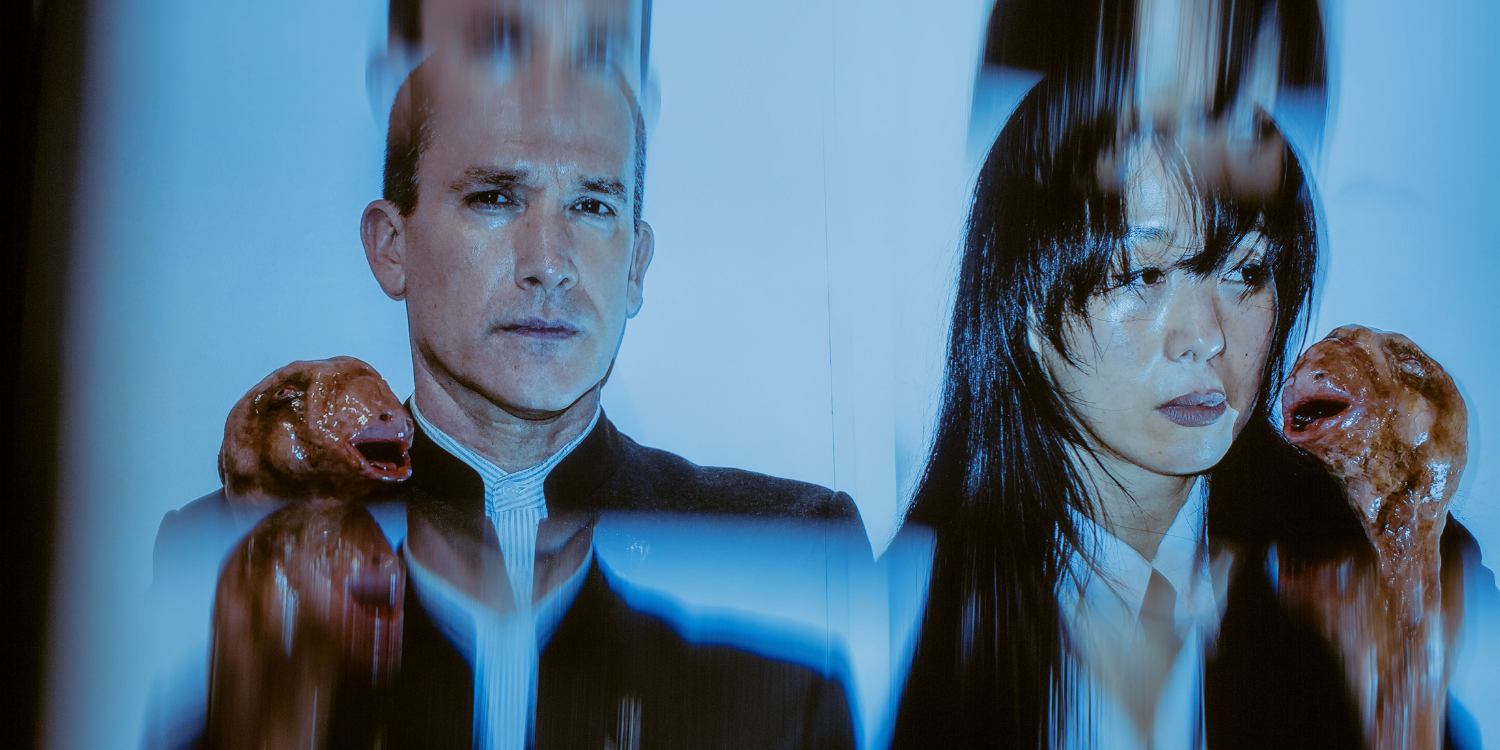
Do iPhones dream of electric sheep? The answer is no, but there will always be vulnerable, exploitable humans willing to pretend otherwise. Directed by Chouwa Liang, Replica introduces us to three bright and attractive women whose cheesy AI boyfriends help relieve some otherwise very common emotional wounds. The most endearing of the trio, Qin, simply seems lost until she finally doesn’t. Sonya is hilarious; she has a broad imagination and loving parents, although she’s also a bit much for a real-life German suitor who doesn’t share her taste for expansive philosophical ramblings on the interface of human with machine. Saddest of the bunch is Muna, who frequently detaches from her young daughter and husband to commune with the crappy large language model sitting on her surveillance device. Each is harrowed by ancient social and cultural cruelties (poor Qin made the fatal mistake of not being born male) and the film is rightly tender toward them. As an indictment of the shabby commercial end of a vile and dangerous industry, Replica otherwise shows tasteful restraint. AM 


Related Articles