Acclaimed director Sophy Romvari creates emotion-charged family portrait in Blue Heron
At the VIFF Centre, debut feature by fast-rising filmmaker splices past and present in a powerful story that is part time-travel fiction, part nostalgic vision of ’90s Vancouver Island
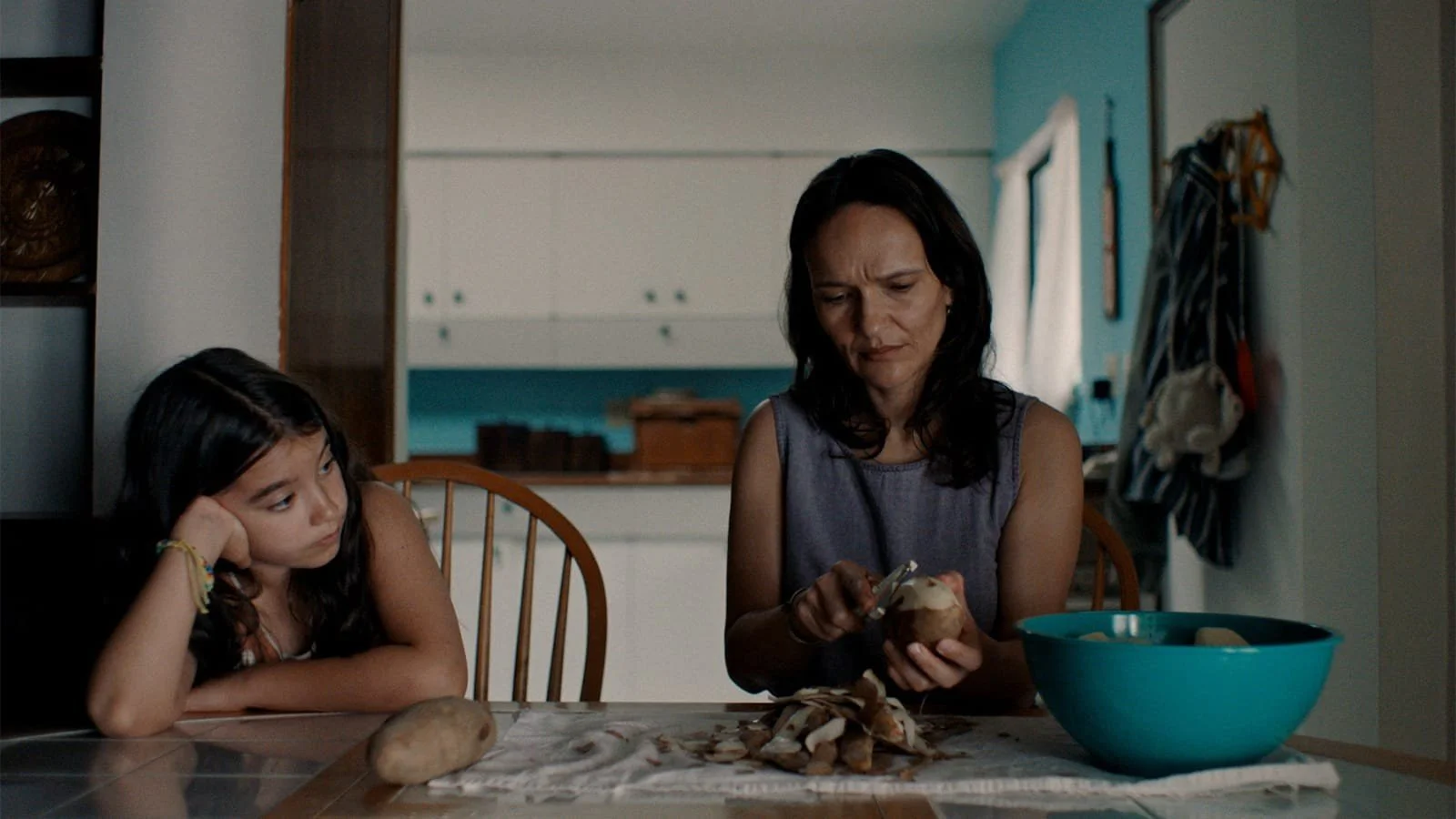
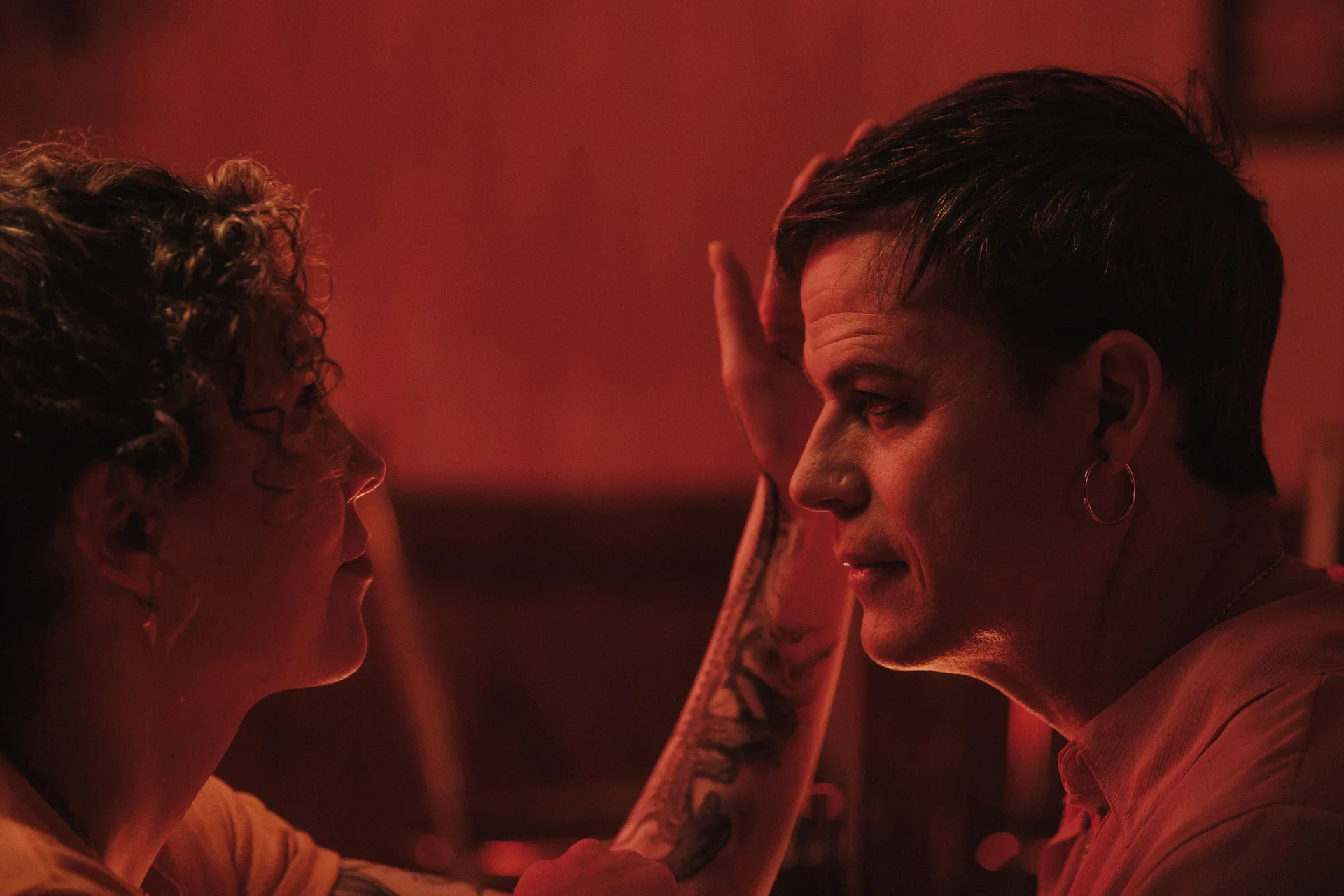
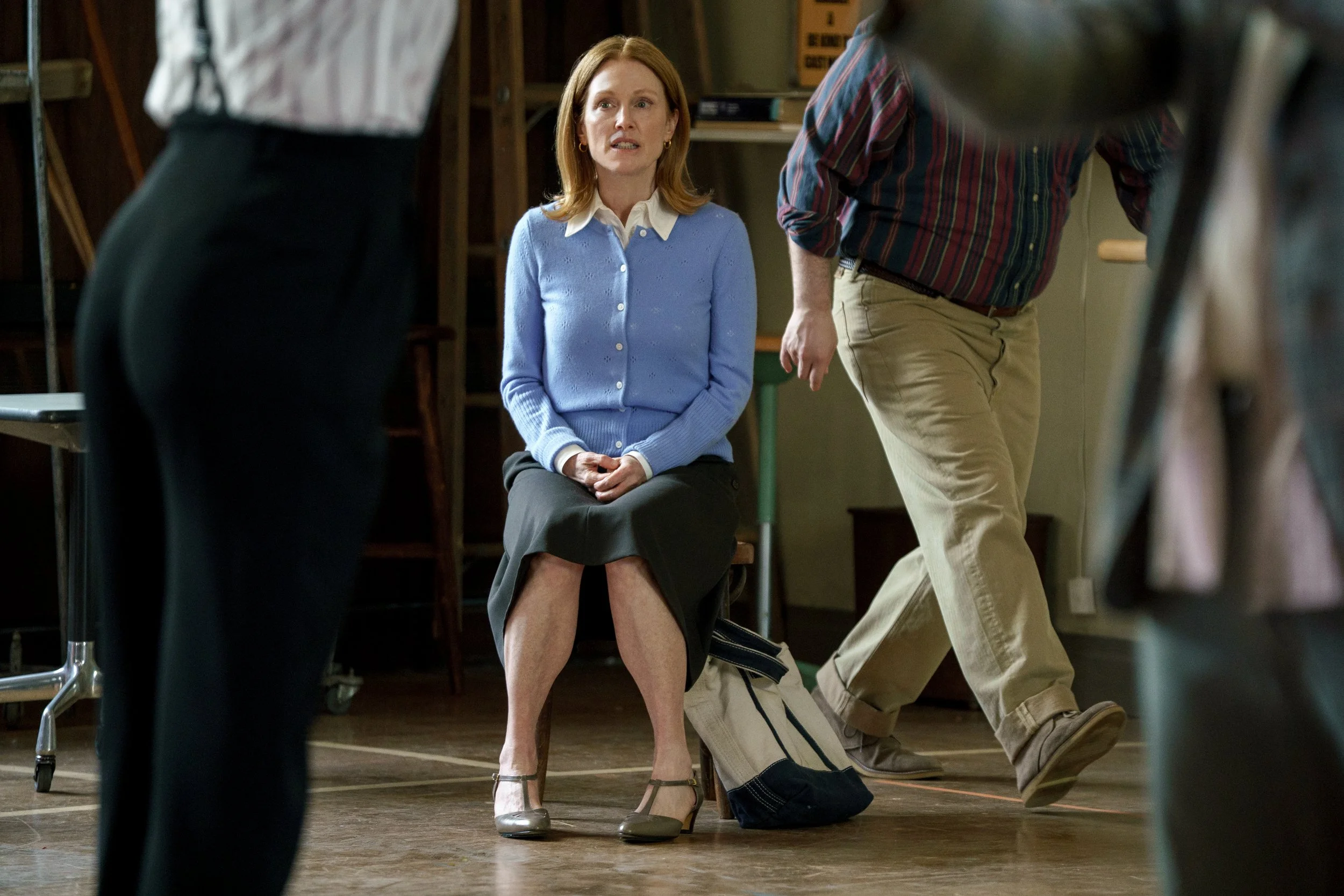
Eylul Guven and Iringó Réti in Blue Heron.
Blue Heron screens at the VIFF Centre to June 7
LAST YEAR, FILMMAKER Sophy Romvari received the best-ever Christmas present: an admiring email from David Cronenberg about her feature debut, Blue Heron.
When Stir reaches Romvari in a Montreal restaurant, it’s been less than two weeks since the film screened in Toronto with a Q&A hosted by the Canadian legend.
“I know, it’s crazy,” she says. “He seems to have genuinely loved it. We were looking for Q&A hosts and he was very, very happy to oblige. It was genuinely so moving because it’s such a gesture of good faith for him to put himself out there. I’ve never seen him do that before.”
With a grin, she adds: “I’m still processing.”
For those who don’t know, “Still Processing” is the title of the 2020 short that immediately established the former Vancouverite as a major talent. It’s thematically linked to Blue Heron, which comes to the VIFF Centre on May 8 with an almighty buzz, dubbed by a recent Hollywood Reporter article as “the Most Acclaimed Film of 2026 So Far”. It’s the climax to Romvari’s extended artistic inquiry into her own family history, in this case concerning a brother with profound emotional and mental health problems.
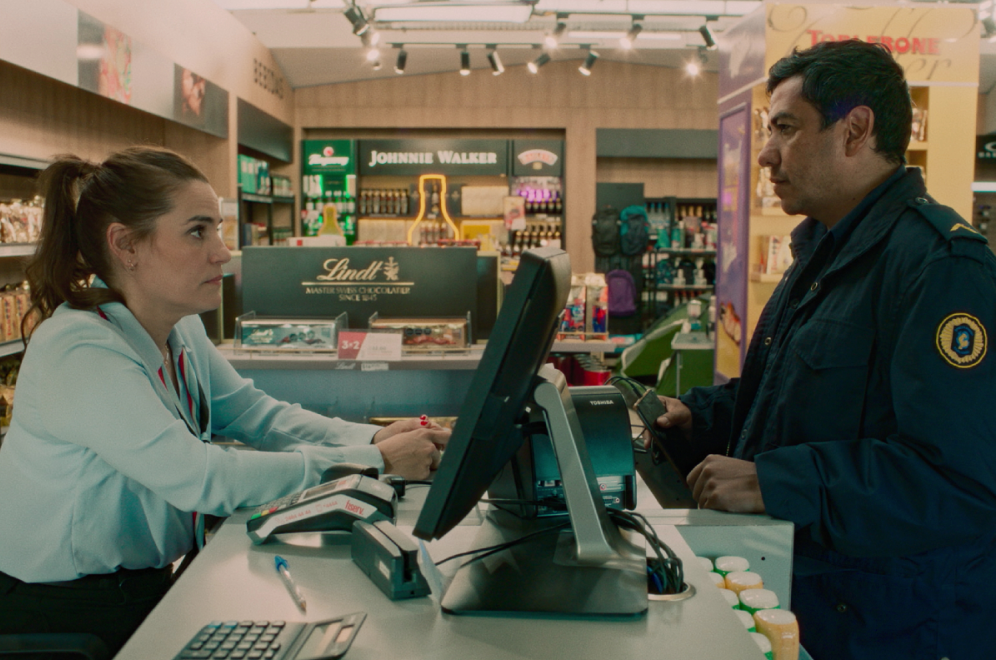
Blue Heron begins in the ’90s with the arrival of a Hungarian family on Vancouver Island, presented as a sun-dappled, suburban paradise for eight-year-old Sasha and her siblings, and captured in long, swoony (and superbly choreographed) takes by cinematographer Maya Bankovic. But trouble is brewing in the shape of older half-brother Jeremy, who exhibits escalating symptoms of mysterious psychic collapse, meekly diagnosed at one point as “oppositional defiant disorder”.
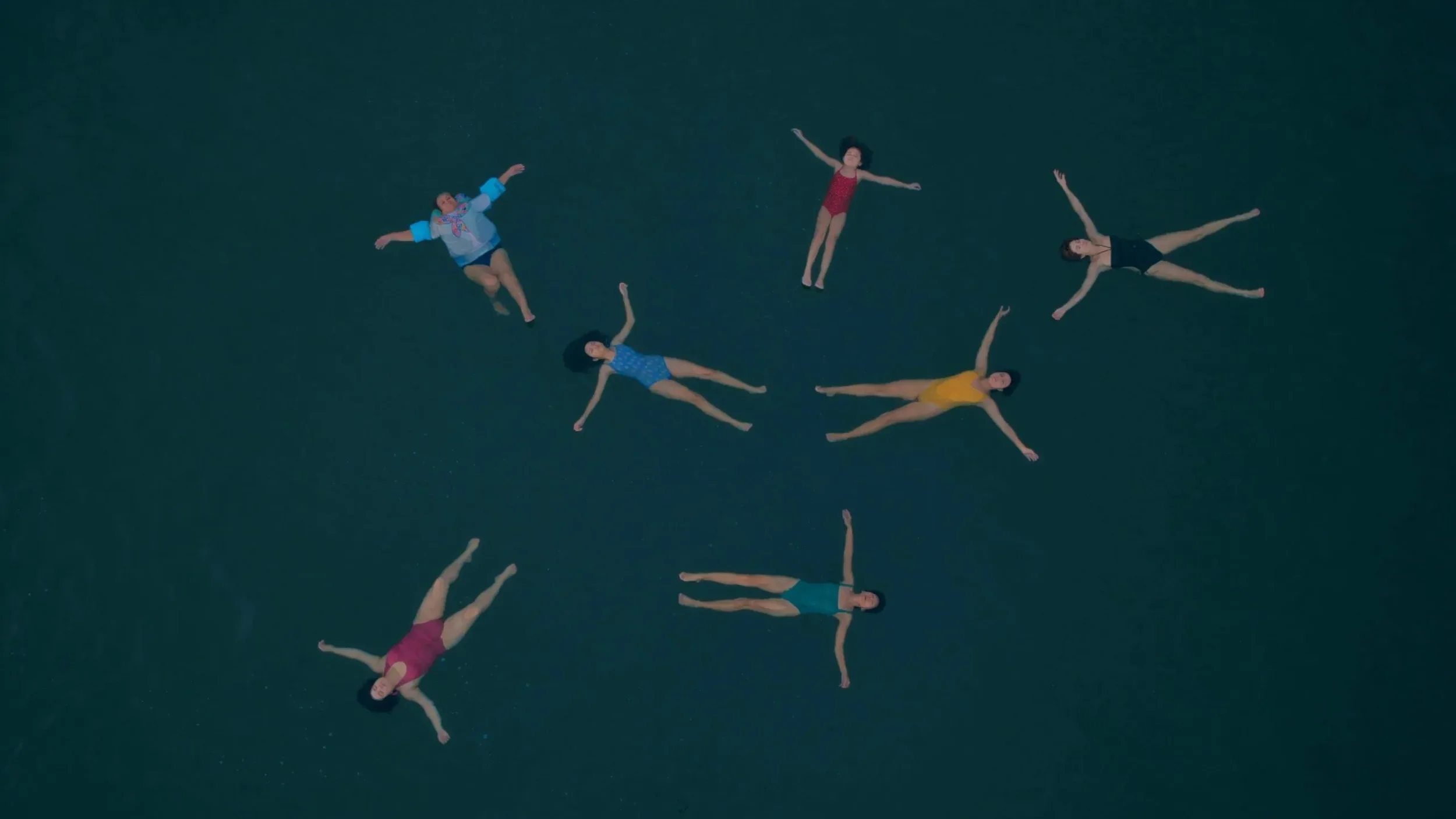
The second half of Blue Heron subsequently mounts an astonishing narrative and artistic coup. In the present, Sasha is now a filmmaker (played by New York–based comedian Amy Zimmer) struggling to make sense of a family tragedy. Here’s where Romvari miraculously splices past and present, shifting from the film’s documentary-realism into something quite different and extremely moving. It’s a dangerous gambit that pays off enormously. Romvari calls it “exactly the film I wanted to make”.
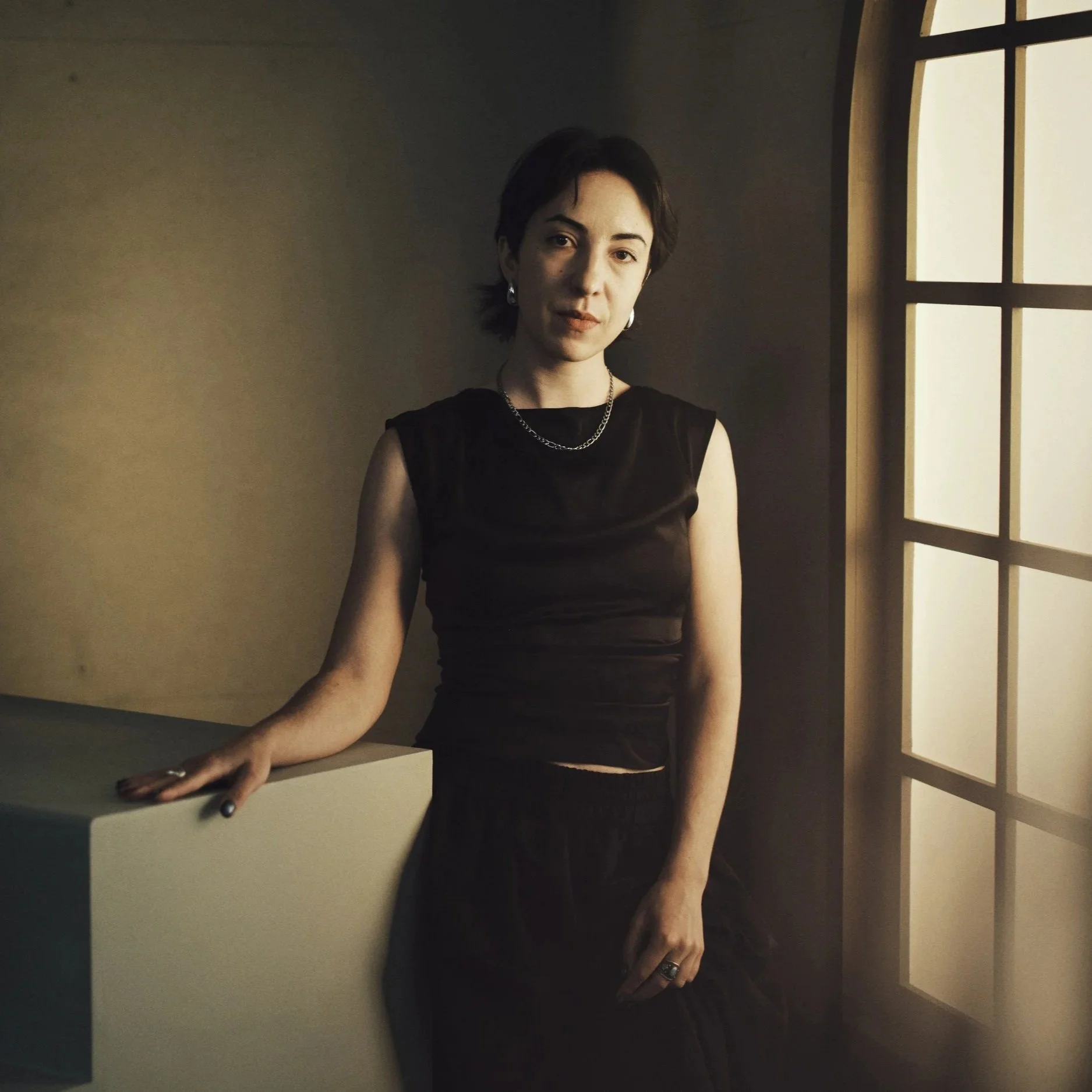
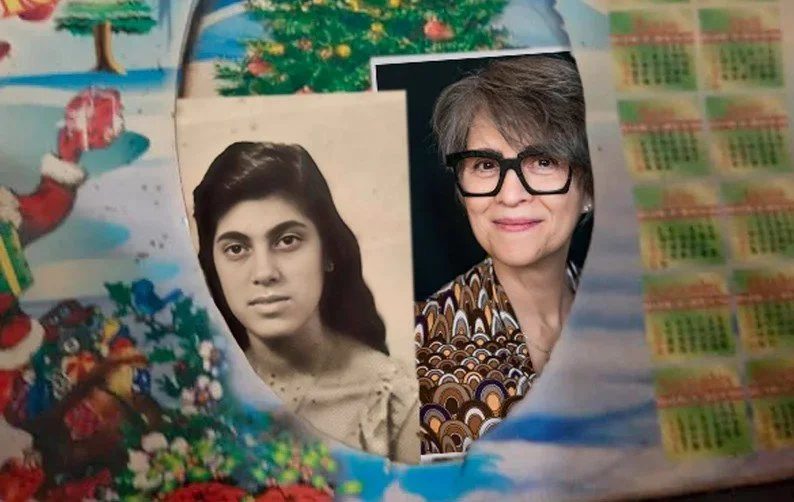
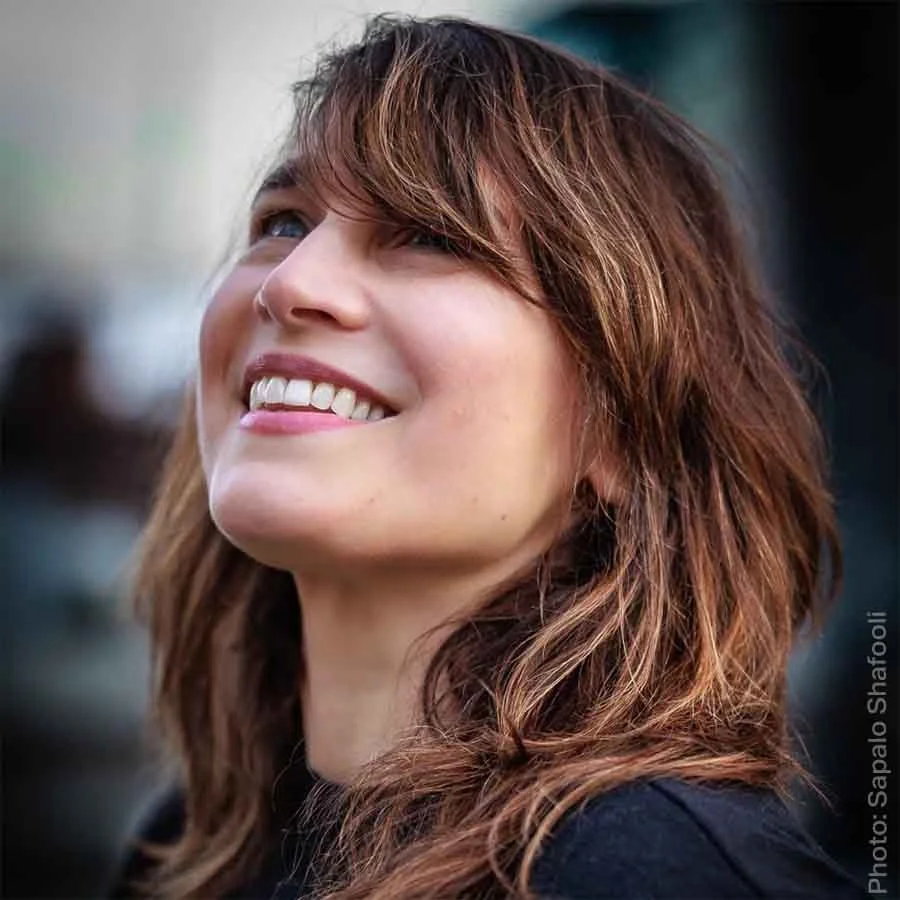
Sophy Romvari
Central to its success is a cast that seems incapable of hitting any wrong notes, principally nine-year-old Eylul Guven as Sasha. “She has a real grasp on the craft of acting,” reports Romvari. “She’s not like this character at all. She’s a very hyperactive, bubbly kid, she’s a professional cheerleader, but I think she really did understand the gravity of the role and she understood that she was doing something very special for me. She would come up to me during production and she would hug me and say, ‘I’m you.’ It was adorable. And I would say, ‘No, you’re playing a character, her name is Sasha.’”
Indeed, Romvari stresses that she wanted to maintain “an emotional creative distance” from the material. “To me, it’s the tip of the iceberg of my own family’s experiences,” she notes, but there are certainly moments in Blue Heron—one scene in particular, which shouldn’t be spoiled here—that surely came with a colossal emotional payload for the film’s author.
“It was emotional, but not because of my inner-child wound or something,” Romvari offers. “It was because I had grown so attached to them as people and I felt so moved by the performances. Like, genuinely, Amy Zimmer, she didn’t have any dramatic experience prior to this, really. When I see that scene, I’m not moved because I‘m thinking of my own child self, I’m moved because I’m so proud of her as a performer—what she’s able to evoke in that moment with just silence and the emotional experience she takes you through. It’s just very nuanced and very difficult to achieve. I think she surprised herself too.”
In total, Romvari and her team have conjured a seductive imaginal space that’s as much “artistic interpretation” of her own past as it is something else, perhaps a time-travel fiction welded to nostalgic sense-memory. Among the film’s many pleasures is a soundtrack crafted from her dad’s taste in music that puts Dvořák, Prokofiev, and Beethoven alongside contemporary raves like the Gandharvas’ 1994 single “The First Day of Spring”.
“These are all songs that I remember him playing when we were growing up,” she says. “I Shazam’d songs that were playing in the background of home videos, or I would find things that were spiritually similar.” Most poignantly, the elaborate hand-drawn maps that we see in Blue Heron and which have a vital talismanic function in the film—they give us a direct link to the source.
“Those maps are real,” reveals the filmmaker. “Those are my brother’s real maps, and they happened to also very, very elegantly supply this metaphor for a character I was trying to depict. The inner world of this character that we can’t access is so quickly communicated by showing these maps of places that don’t exist. For me, it’s a way that I can kind of collaborate with him and have this artwork be represented publicly. Otherwise, they’re just unknown to the world and they’re so unique and bizarre and beautiful.”
If there’s a conscientiousness to the film’s balance of autobiography and “fictional representation”—she stresses again that the maps are deployed with a necessary “emotional creative distance”—Romvari’s care and precision was finally rewarded with the kind of unexpected gift that you might put down to the supernatural. In the film’s penultimate scene, certainly in its emotional climax, viewers might spot something unusual, for just a moment, in the vast sky above Sasha’s head.
“Unbelievable,” says Romvari. “That’s real. That just occurred. Isn’t that insane? Literally, just… out of… I still don’t know what it is, actually, to be honest. I didn’t even see it until post because it was so small in the frame when we were shooting. And then, during editing, me and my editor were like, ‘What the fuck was that?’ And obviously we had to include it because it’s so metaphorically striking. If I tried to include that, it would be bad. It just occurred. It just occurred and it’s one of my favourite moments.” 

Related Articles