At Vancouver Latin American Film Festival, Mayra Hermosillo discovers empathy on both sides of camera
Mexican actor and first-time feature director reflects on the powers of film to find the universal in the local and reveal new sides of an artist’s personality

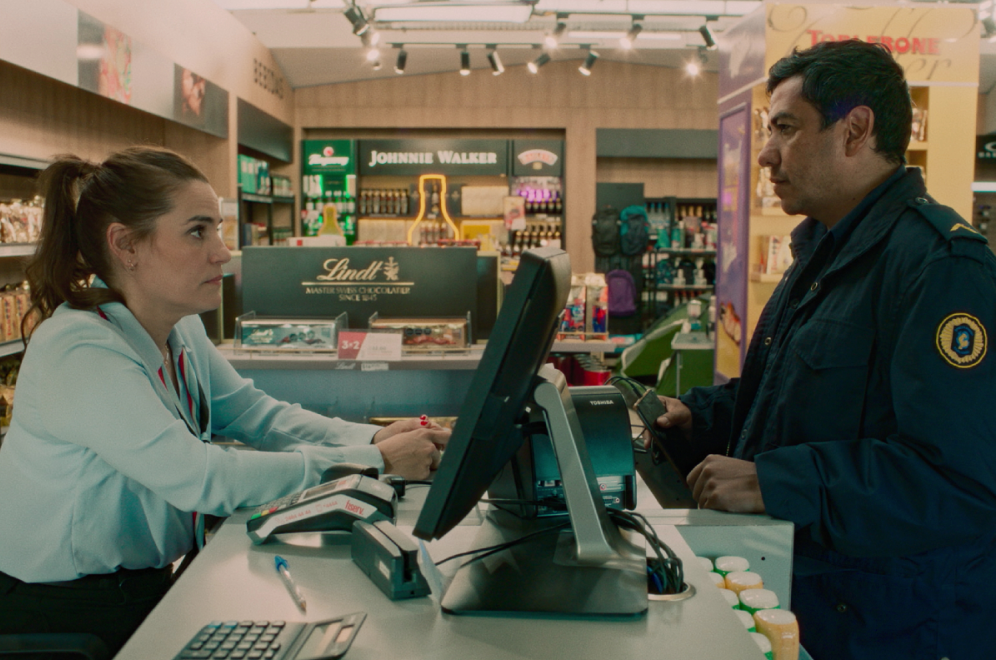
Vainilla
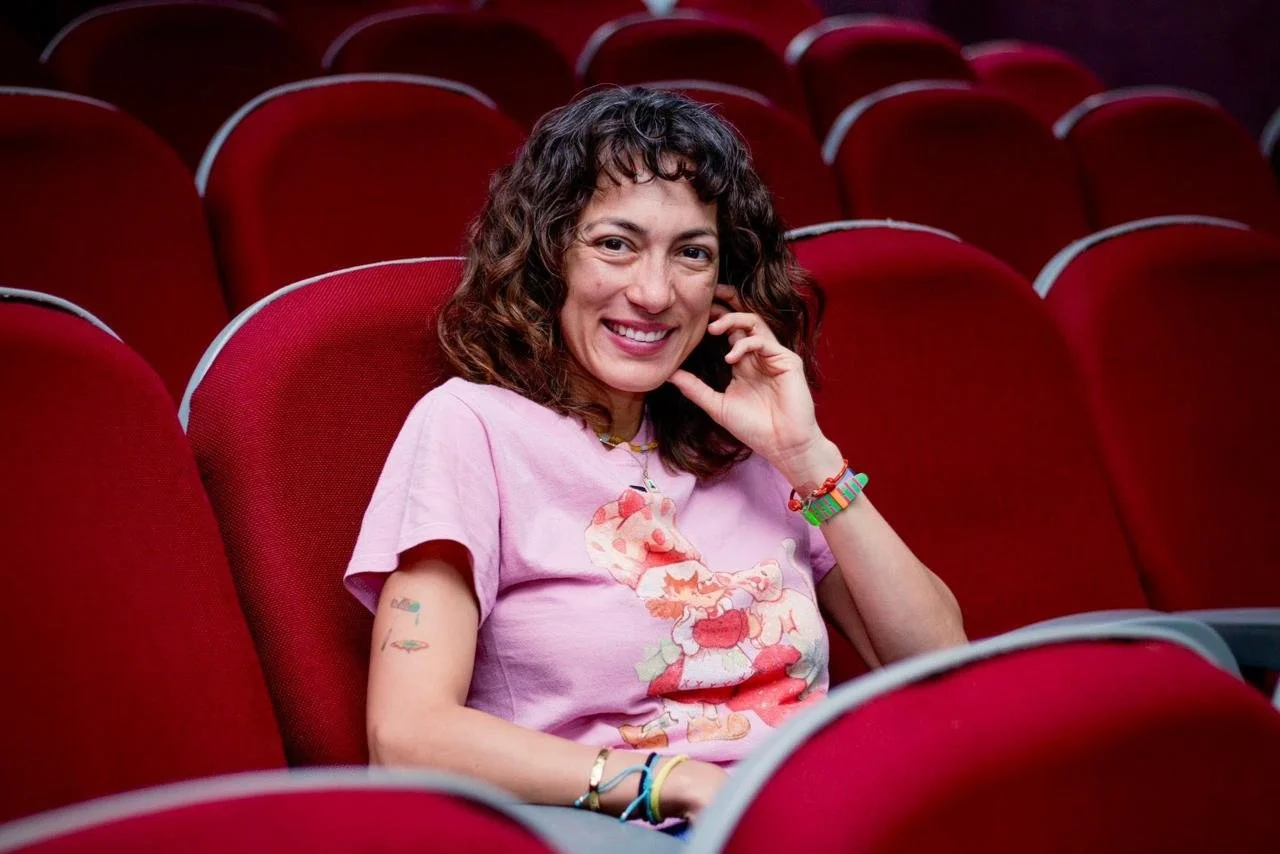
Mayra Hermosillo
The Vancouver Latin American Film Festival presents Spotlight Mayra Hermosillo with a screening of Newborn on September 18 and a closing-night screening of Vainilla on September 20, both at The Cinematheque
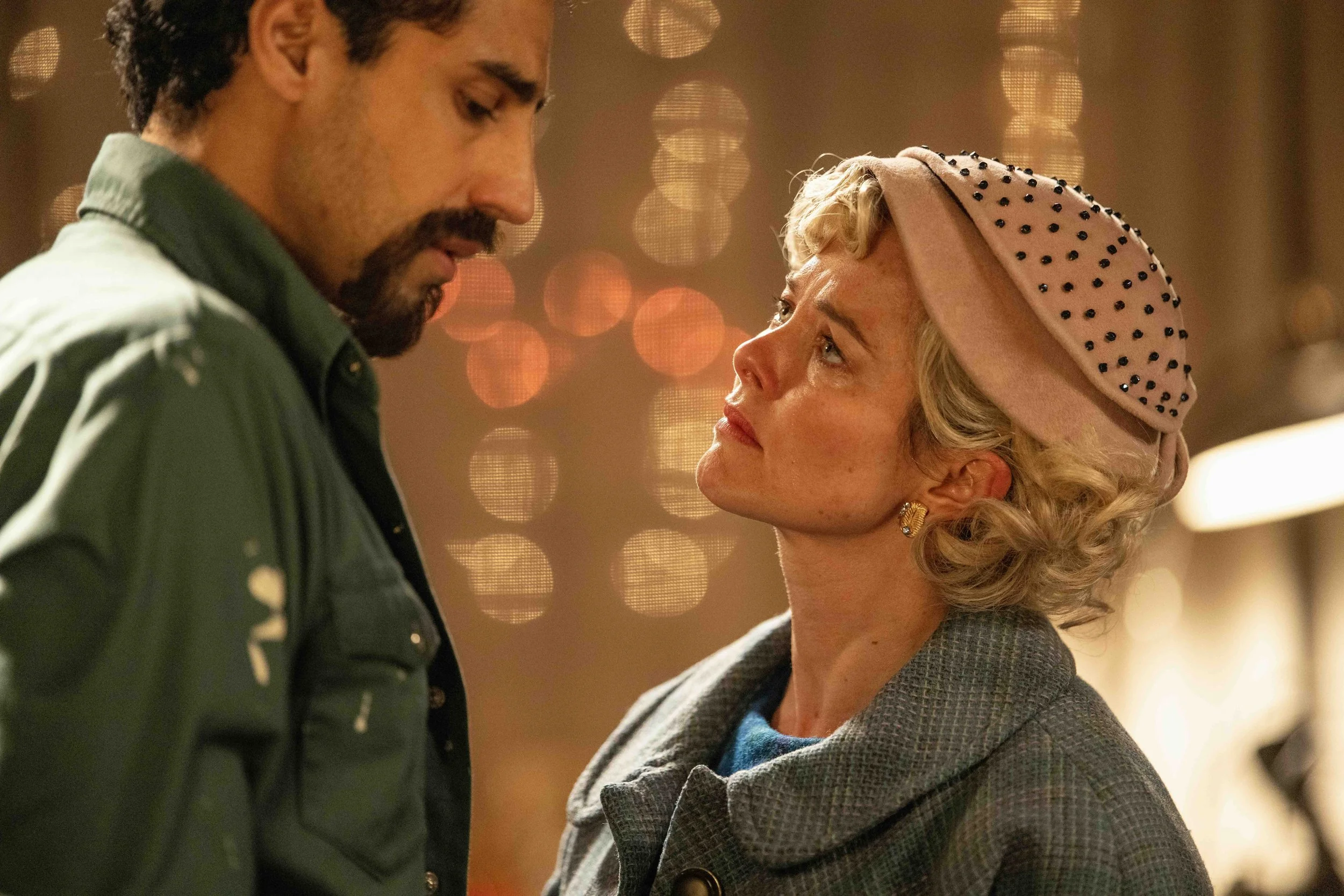
IN VAINILLA, AN AUNT comes home drunk, a great-grandmother gets caught stealing and fakes a fainting spell, an eviction letter arrives and everyone opens it, then glues it back together and pretends they haven’t. From somewhere in the house, a pet parrot swears.
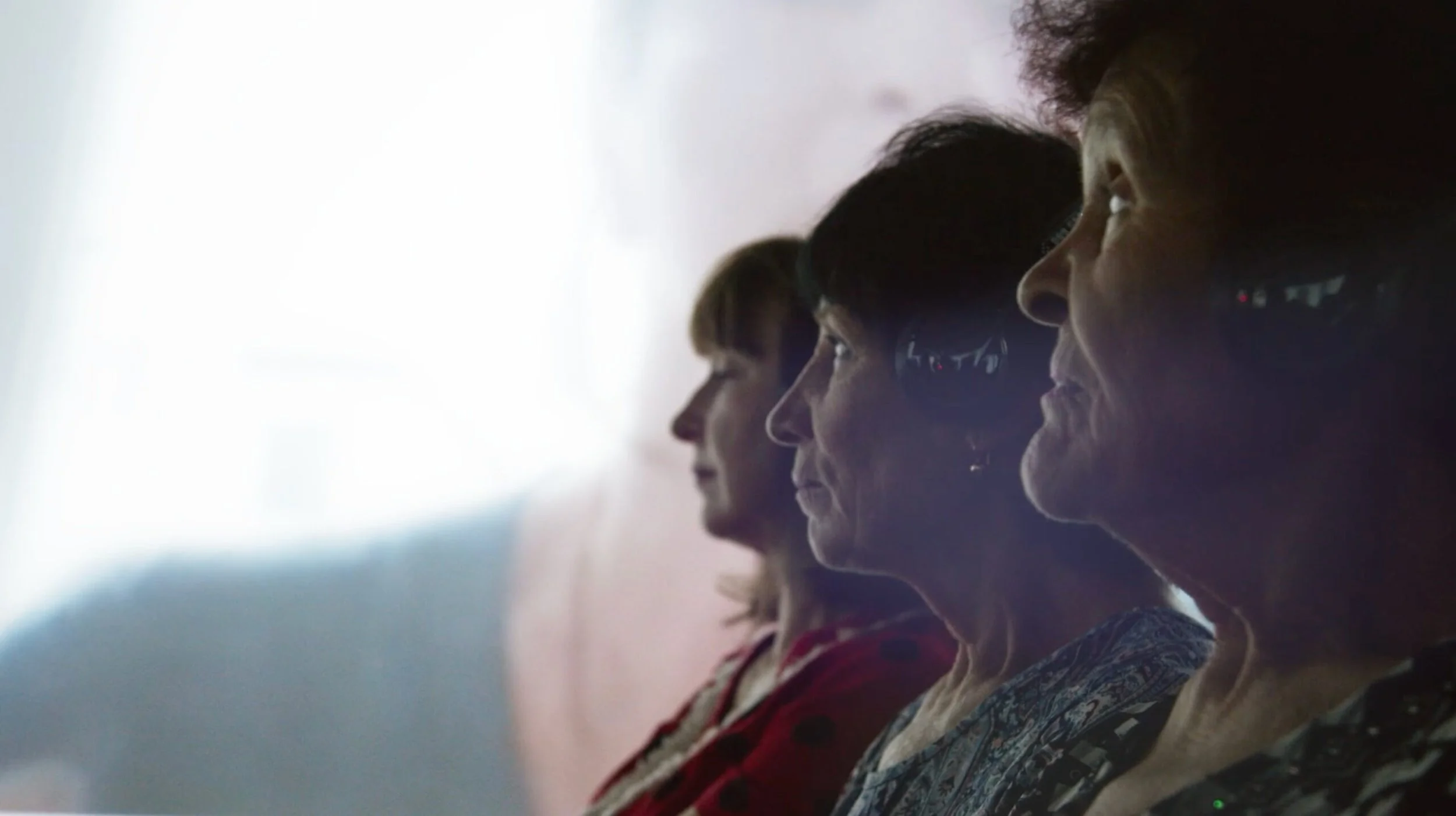
Days pass this way: between meals, arguments, money worries, joking, crying. Women getting on each other’s nerves and taking care of one another. At the centre is Roberta (Aurora Dávila), the young protagonist of Vainilla, moving through a world that is, for now, simply home. Beyond its walls, another version of her family begins to emerge: one without a father, short on money, vulgar and strange in the eyes of other people.
The crowded, multigenerational household draws closely from Mayra Hermosillo’s own childhood in Coahuila, Mexico, in the 1980s. The actor and director from Torreón based the women of Vainilla, her 2025 feature directorial debut, on the women who raised her.
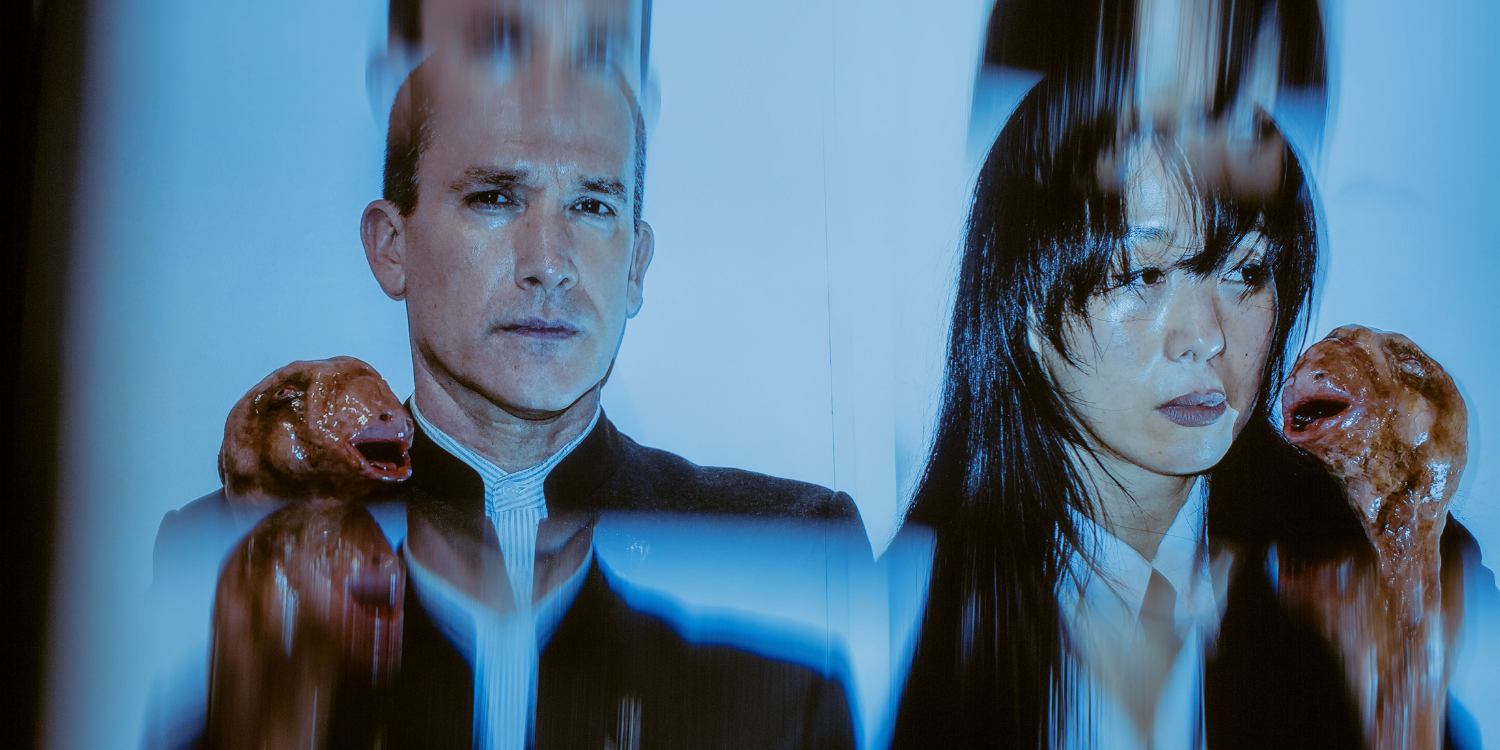
Hermosillo is one of two artists in the spotlight at this year’s Vancouver Latin American Film Festival, where her feature screens alongside Alejandro Zuno’s 2024 drama Newborn, in which she stars.
The sense of a life already in motion wasn’t entirely fictional. “Everything that happened behind the camera, you can see on camera,” Hermosillo tells Stir about directing Vainilla. Half the cast, she explains, are among her closest friends, including Natalia Plascencia, who plays the alcoholic aunt Limbania, and María Castellá, who plays Roberta’s young mother. They knew Hermosillo—and the family that inspired the film—long before shooting began.
“We were able to work from a place of real closeness and intimacy, and I think the affection between us spread to the other actors too.”
For Aurora Dávila and Fernanda Baca, the youngest in the cast, it was the first time on a film set, and Hermosillo and friends turned preparation into play. At a picnic before the shoot, they played with the two girls at being on set, interruptions and all: action, cut, a microphone adjusted, a lens changed, then the same thing all over again. “We were very honest with them about how tiring it is. But we also wanted it to be fun.”
The playfulness followed them onto set, as much as it could. Music filled the pauses between setups; each morning, cast and crew gathered in a circle and someone would say a few words or lead a small exercise. The idea, Hermosillo says, was simply “to give us that feeling that we were a family.”
Sometimes the overlap between “real” and “work” family became almost comically literal. While casting Baca as Manuela (Roberta’s teenage cousin), Hermosillo became convinced she had found the right actor. Because of a complicated relationship with her father, she hadn’t realized the young woman she chose for the role was actually her niece.
“I remember telling my mom, ‘I found Manuela. I’ve got her. Her name is Fer Baca.’ And my mom goes, ‘You dumbass, that’s your niece!’”
“It’s kind of crazy how blood works,” Hermosillo says.
Most of the women Hermosillo was bringing back to life in Vainilla are no longer here. Of the family portrayed in the film, only her mother, Manuela, and herself remain. Watching actors inhabit them offered something stranger than recollection.
“It was as if they had been lent other bodies and other voices so they could come back and speak to me,” Hermosillo says.
The actors would come to the director with their own interpretations of the women they were playing, opening possibilities that hadn’t existed in Hermosillo’s childhood memories. “It was almost like hearing my family tell me, ‘What you thought, what you perceived, it’s got other shades to it, too. You thought something was green, but maybe it could have been blue.’”
Reconsidering those memories also meant reconsidering what she had taken from them. One of the beliefs she carried into adulthood was that men always leave. Only after making Vainilla did she recognize how closely her own relationships had followed that pattern: “I’ve been choosing my partners according to this family rule. After making the movie, I thought, ‘That ends now.’ It was as if I had torn out all the pages and was left with a blank page.”
Vainilla also changed something in the work Hermosillo has spent most of her career doing: acting. She is resolute in her intention to keep moving between acting and directing. Being on both sides of the camera has sharpened her sense of what each requires.
“I think all of us could use a little more empathy, a little more practice understanding about what it means, on one hand, to put your emotions in front of a camera, and on the other, what it takes to make it possible for someone to stand in front of that camera.”
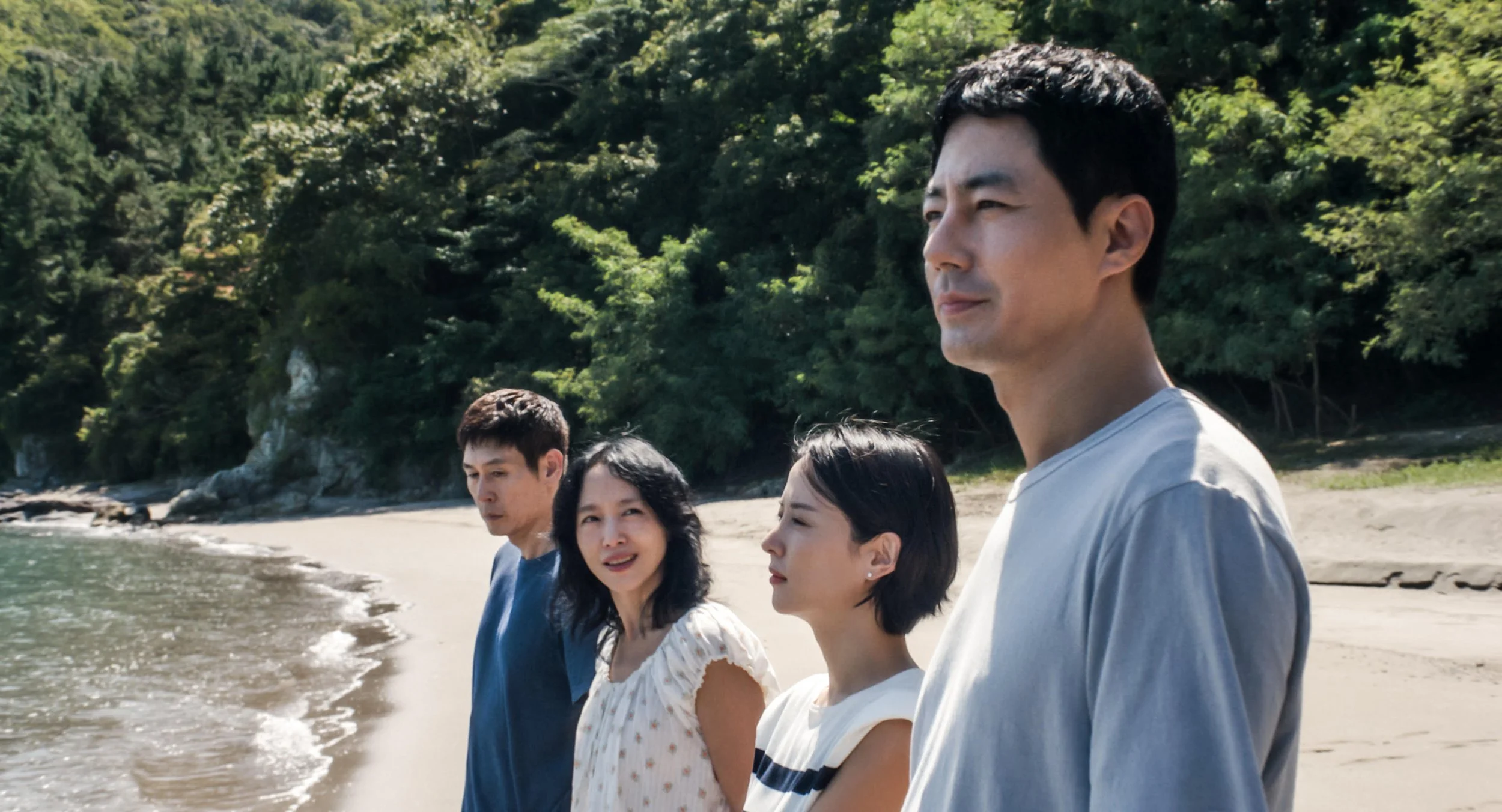
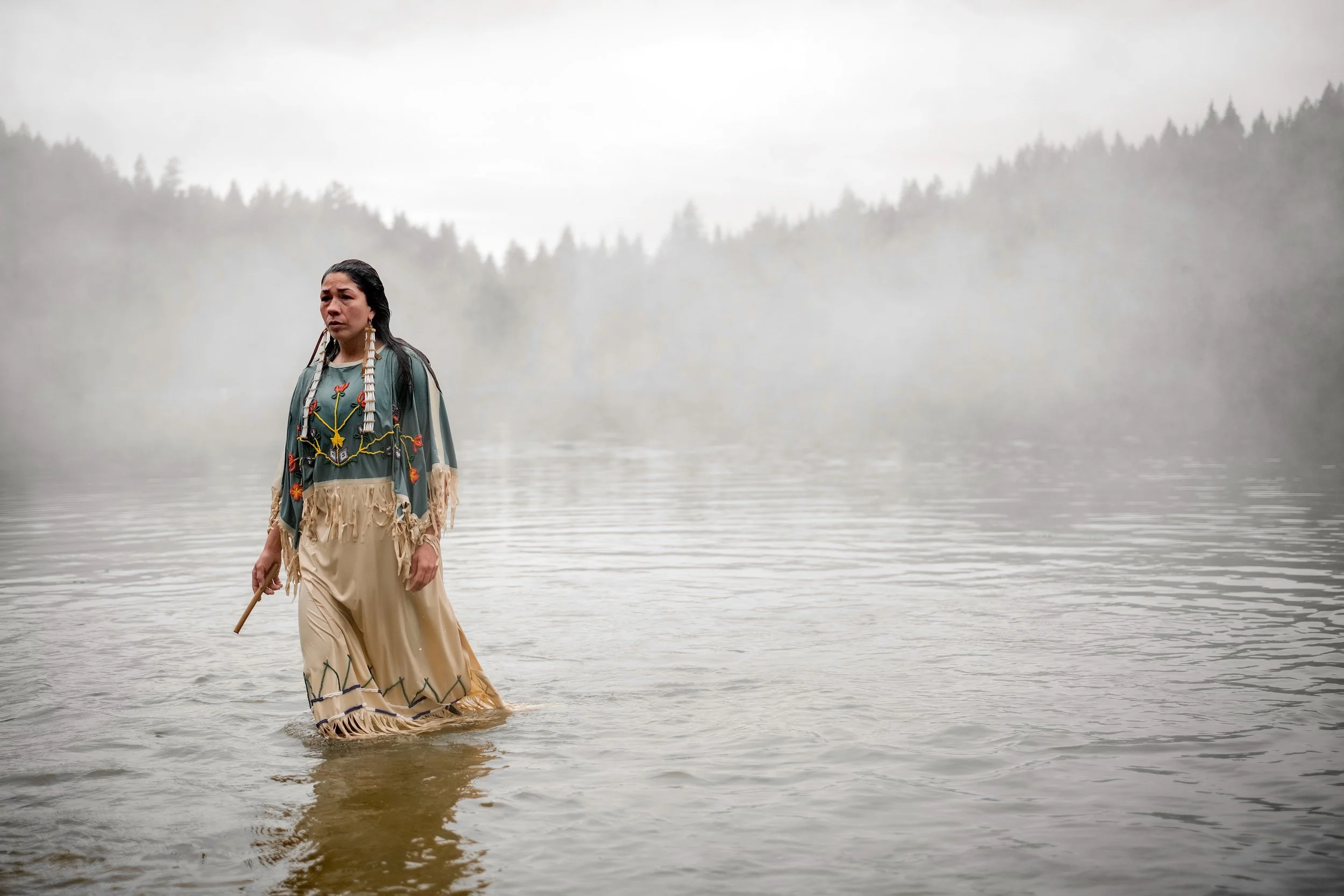
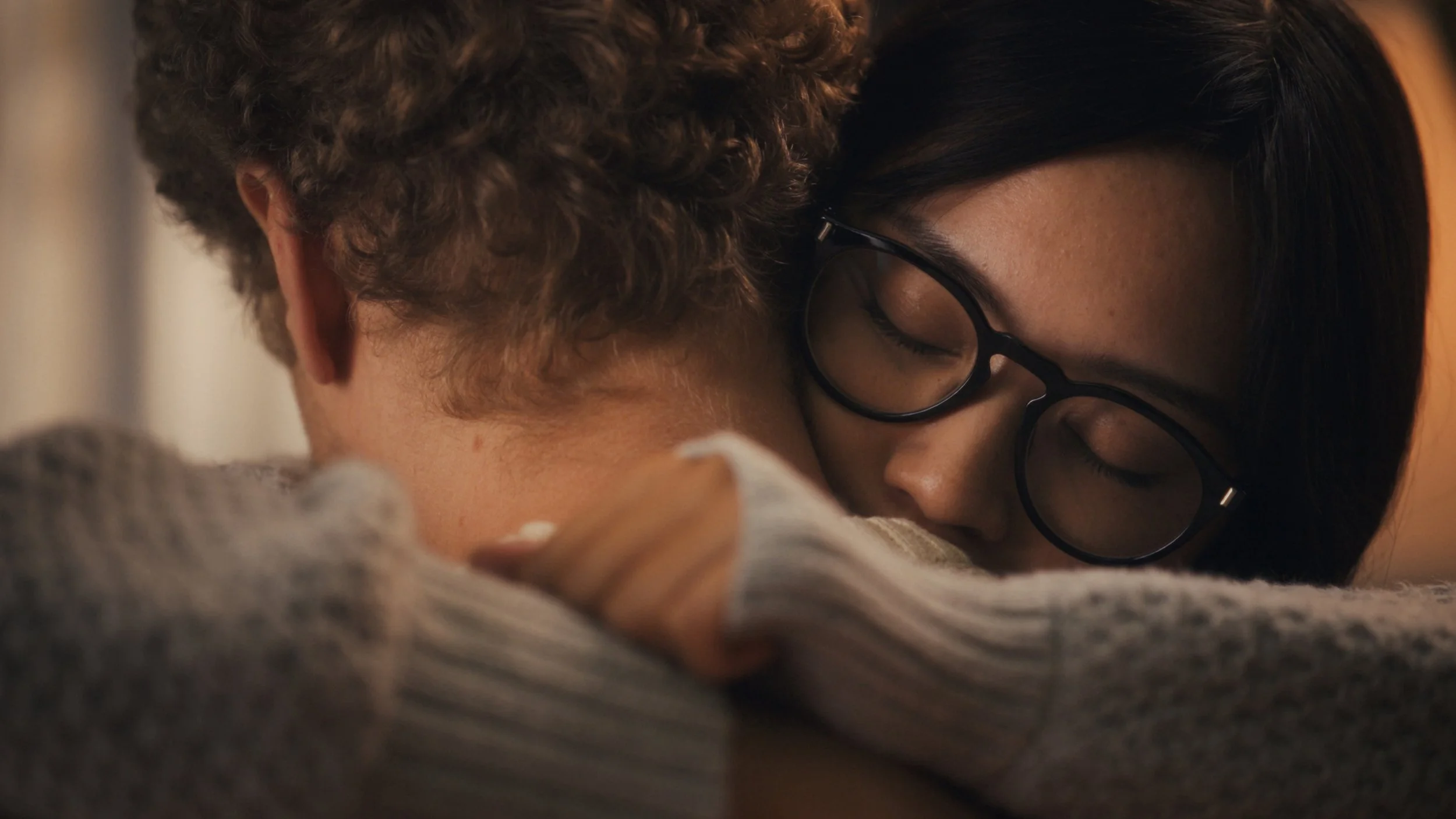
In Alejandro Zuno’s Newborn, Hermosillo is back in front of it. She plays María, a new mother whose expectations of parenthood are upended when her baby is born intersex. Zuno pushed her toward a quality he felt she had kept at a distance in María: tenderness.
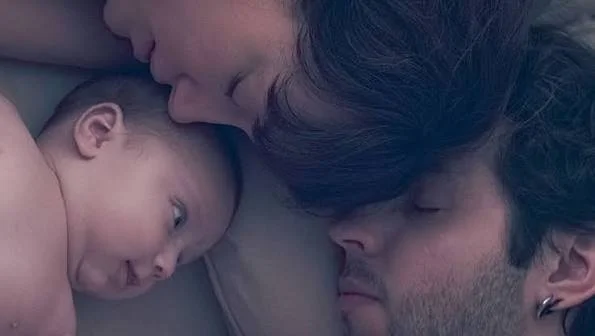
Newborn
“I told him, ‘Man, but I am tender.’ And he said, ‘No, no. You’re strong, but you’re not tender.’ That really hit me.” Following that instinct changed more than the performance. “That became something the character actually gave to me—to Mayra, the person,” Hermosillo says. “María gave me this discovery about myself: I had completely shut off my tenderness.”
The response to Vainilla has also surprised Hermosillo. As the film has travelled beyond Mexico, she has found herself puzzled by the people who see their own lives in such a personal story.
“I think a lot of people around the world grew up without a father. And that isn’t something specifically Mexican,” she says. “People come up to me all the time now to tell me they also grew up with their aunts and grandmother and single mom.”
Nearly a year into the film’s festival run, its arrival in Vancouver is a return of another kind: VLAFF was one of the first festivals to program Hermosillo’s first short. “They took a chance on me,” she says. “So it feels like coming full circle.” Hermosillo readily admits that Vainilla is a first feature, made without formal training in directing, and that she can see its technical flaws. Yet it is audiences who have repeatedly rewarded the film.
“I don’t know what the hell they’re connecting with, but they’re connecting with something. It’s not about the cinematography being perfect, or the direction being perfect.” Perhaps, she thinks, it’s simpler than that. “I think it’s because the film gives them a kind of embrace.” 

Related Articles