People, Places & Things tackles addiction, despair, and hope at The Cultch
Director Mindy Parfitt finds inspiration with local implications in the darkness, wit, and honesty of Duncan Macmillan’s acclaimed play

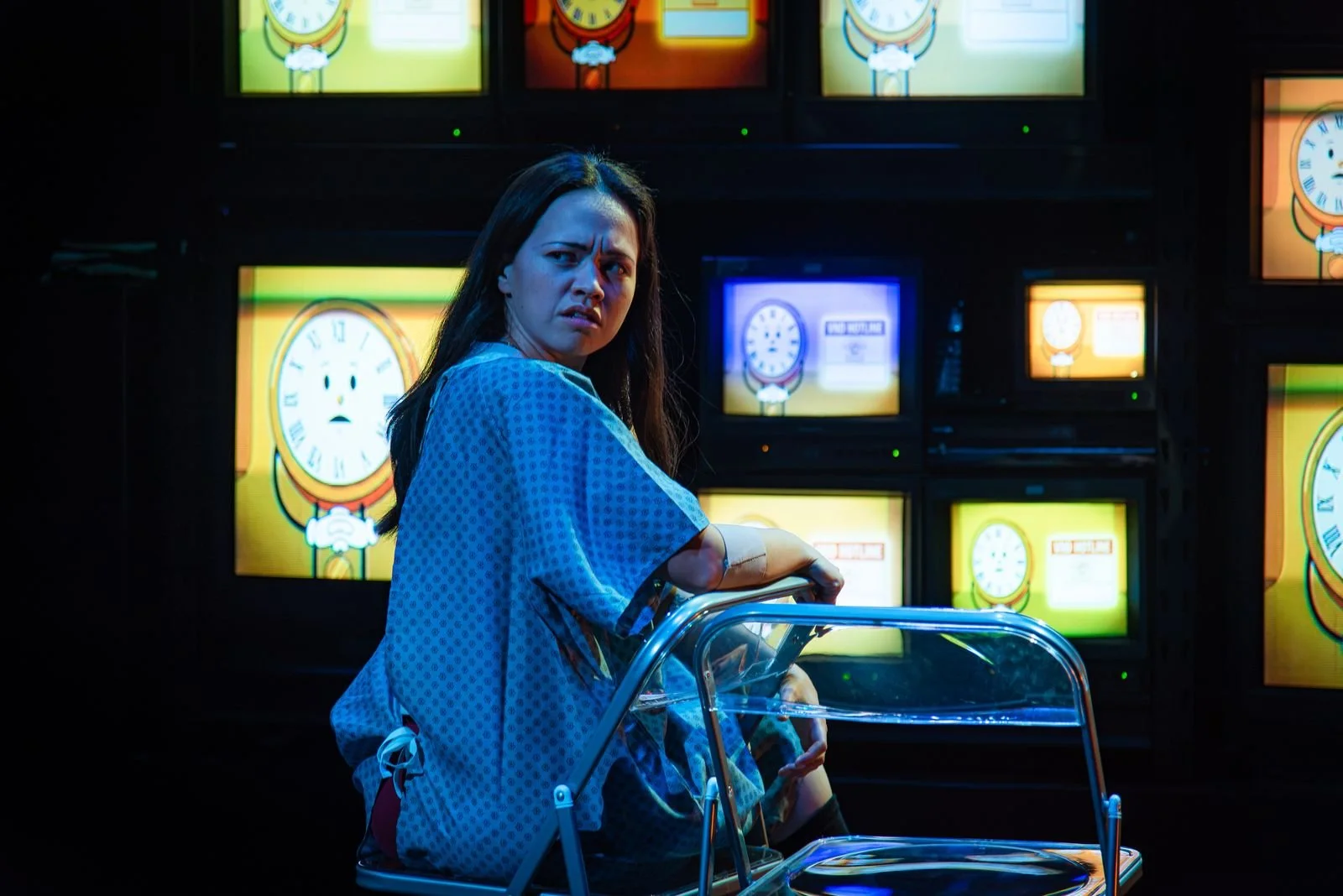
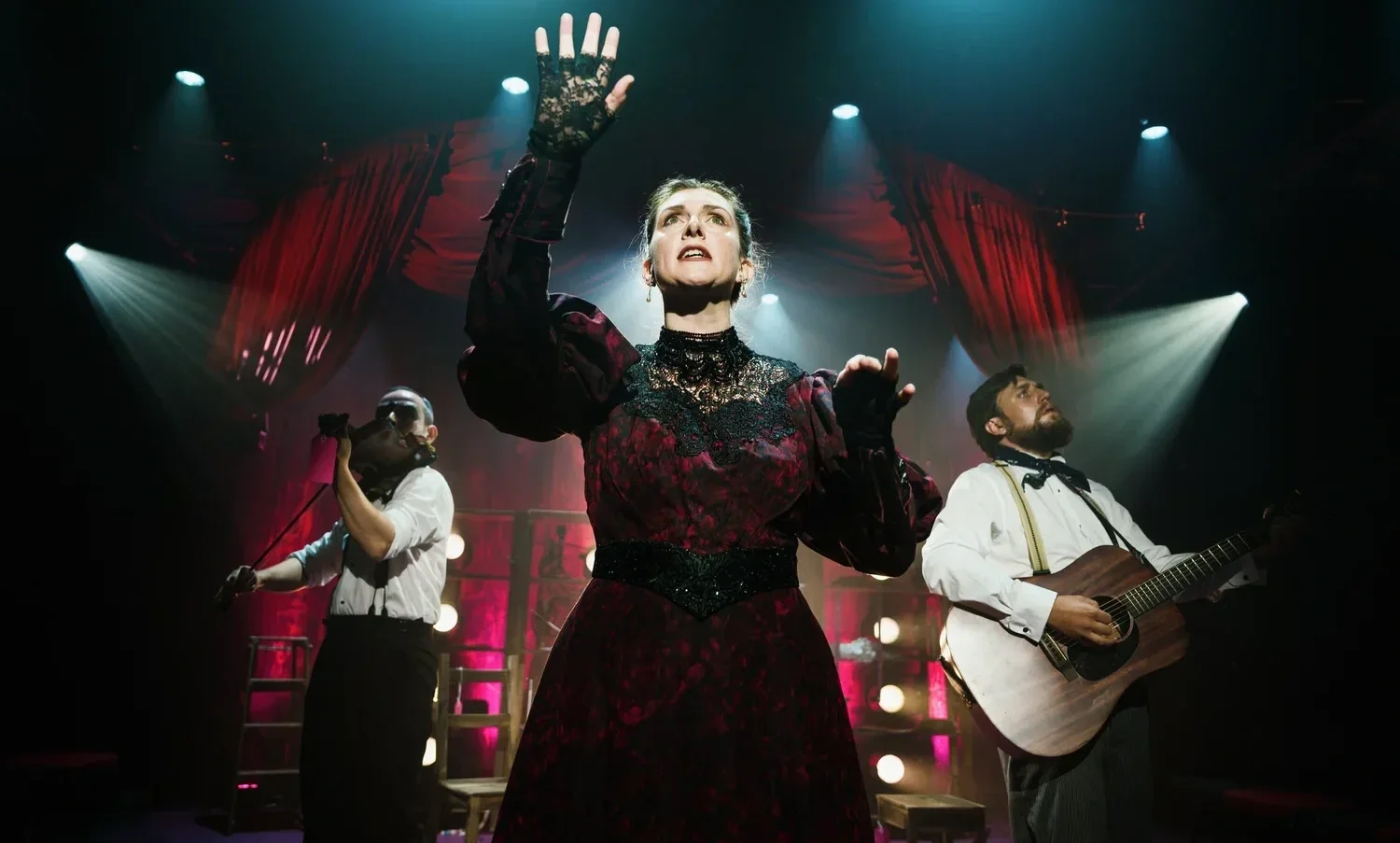
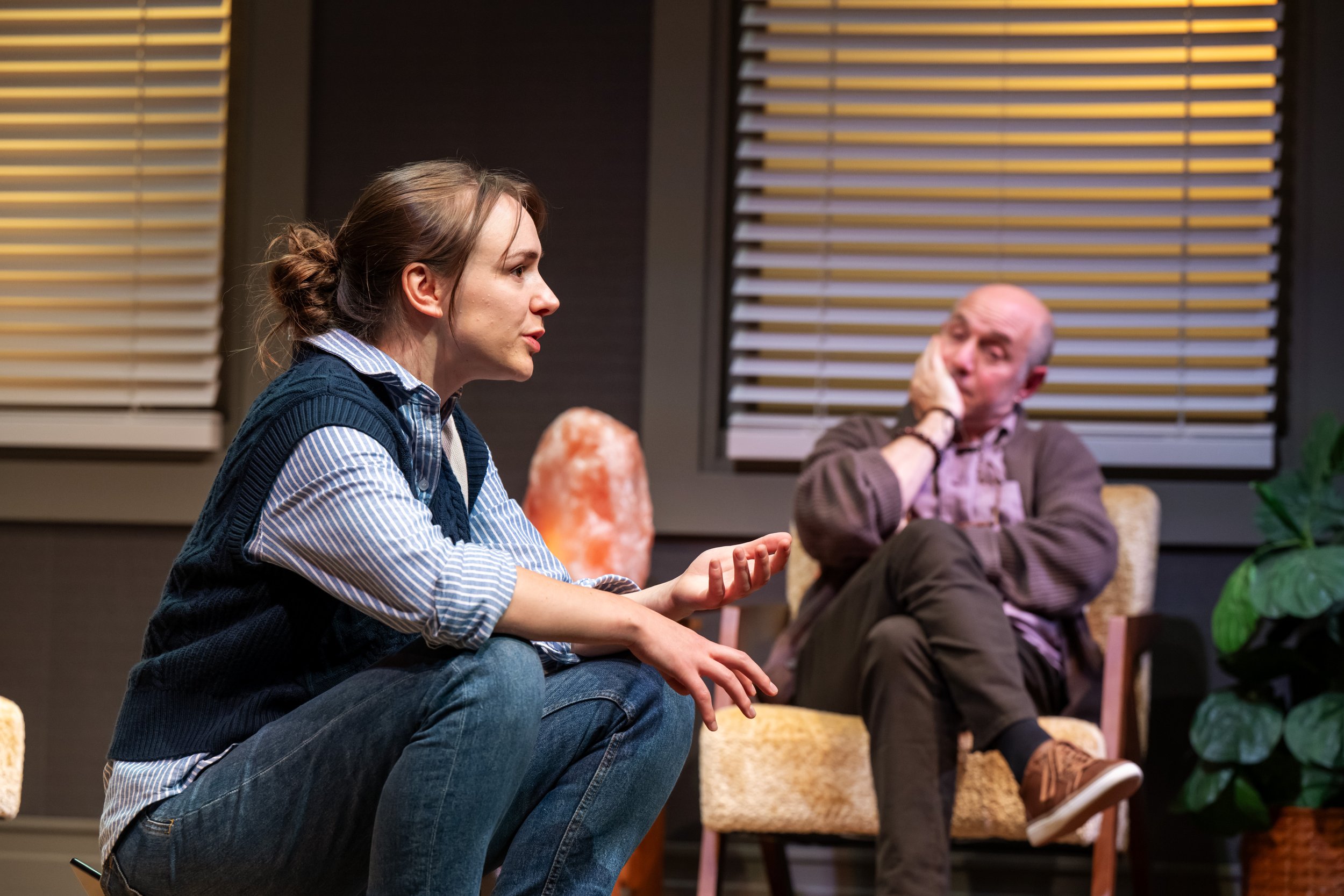
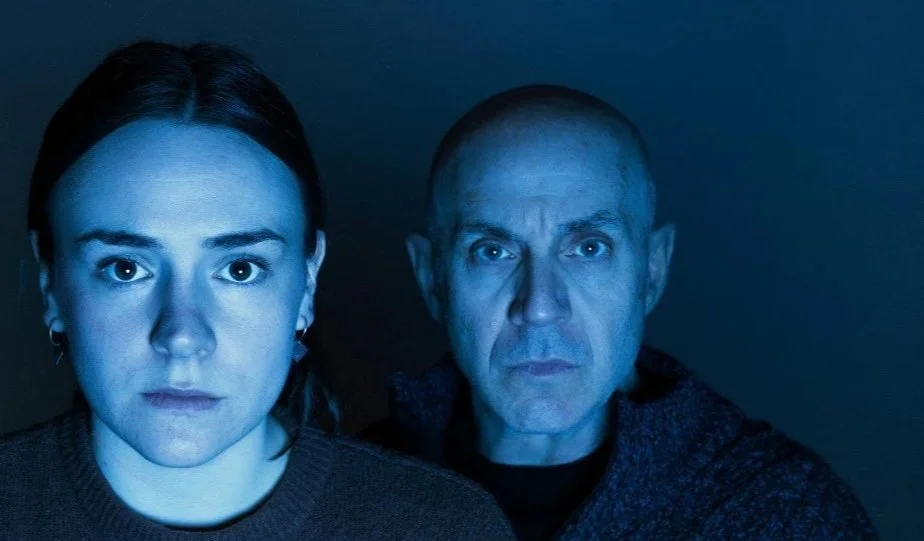
Tess Degenstein. Photo by Emily Cooper
The Cultch presents People, Places & Things at the Historic Theatre from March 10 to 22
MINDY PARFITT ONLY DIRECTS plays that terrify her. It’s not about the genre, necessarily—her upcoming production of Duncan Macmillan’s People, Places & Things is no horror show, though it does plumb heavy depths at times. Instead, it’s the daunting prospect of weighing in on addiction, performance, and recovery that scares Parfitt, and it’s that fear that makes producing the play irresistible.
People, Places & Things follows actor-in-crisis Emma as she spirals headlong through a 12-step recovery program. Addicted to drugs and alcohol, she breaks down onstage during a production of Chekhov’s The Seagull and checks herself into a rehab clinic. Macmillan’s script cuts through the glamour and romantic tragedy often associated with addiction and recovery—for Emma, getting better is a journey without a final destination.
“This play is about recovery, and recovery doesn’t have an ending,” Parfitt tells Stir in an interview by Zoom. “The challenge that Duncan Macmillan has set out for himself is to explore something that doesn’t have an ending in a structure that has an ending.”
Parfitt has always been drawn to uneasy resolutions. Other plays she’s put on with her self-starter production company The Search Party—Clare Barron’s Dance Nation, Florian Zeller’s The Father—end on similarly unsettled notes. With People, Places & Things, she says, “we get to explore this place and time in [Emma’s] life without knowing where it’s going to end up.”
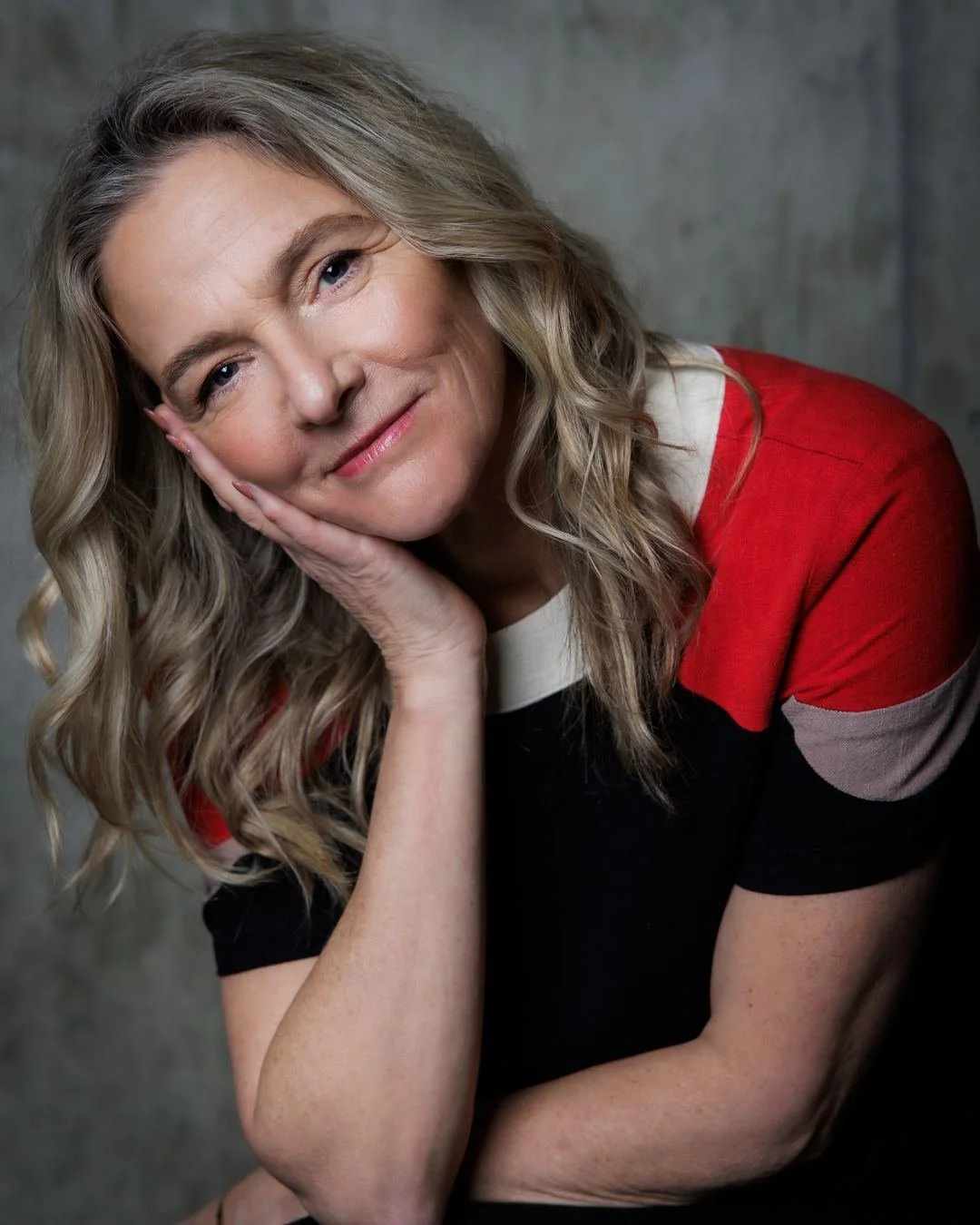
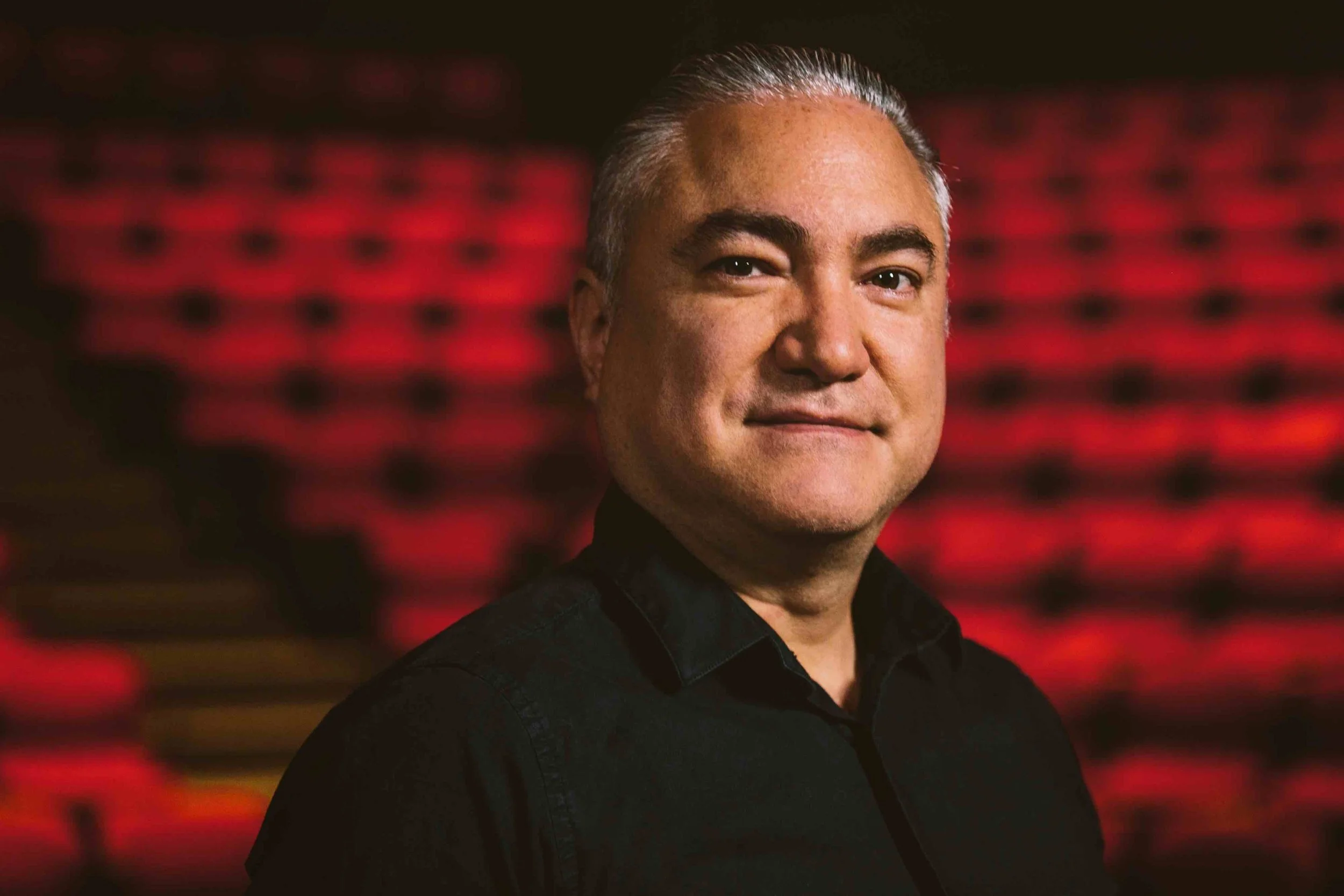
Mindy Parfitt. Photo by Kristine Cofsky Photography
This uncertainty in the face of addiction may ring even truer in Vancouver than in Macmillan’s London, where People, Places & Things debuted at the National Theatre in 2015. In 2025, more than 1,800 people died as a result of toxic drugs in B.C., the leading cause of death for British Columbians aged 10 to 59.
The toxic drug crisis was “a huge backdrop” in Parfitt’s decision to produce the play. “I lost my childhood best friend to addiction,” she says. “I think talking about how addiction affects people who aren’t street-based is really important.”
The consequences of addiction, stigmatization, and the toxic drug supply may be most visible among Vancouver’s unhoused population, but Parfitt recognizes that the crisis affects every area of society. She hopes the empathy People, Places & Things inspires among audiences for its protagonist will translate to their friends, families, and neighbours both on and off the streets.
“It’s really important for us to talk about the crisis our city is in, and the people who are unhoused and living with addiction in a really critical way,” she says. She added she thinks there’s an important conversation to be had around people who are living with addiction who are housed and who seem like they are more highly functioning.
Producing People, Places & Things in Vancouver may lend it a sense of grim relevance, but The Search Party still has big shoes to fill in living up to the play’s lauded legacy. An Olivier-winning performance from the original production’s lead, Denise Gough, looms especially large, but Parfitt thinks she and her lead actor, Tess Degenstein, are up to the challenge.
“I feel pressure,” she says, “but I think that pressure is good for me…I have an incredible cast of people.” She adds of Degenstein: “She is an incredible actor, and I’m so excited to see what she does with the part.”
That faith in her cast and crew is built on years of collaboration. The Search Party is Parfitt’s company, through and through. Technically, she’s the only constant member, handling all the administrative work like casting and grant applications since founding the company in 2019—but that doesn’t mean she can’t rely on colleagues. Degenstein, for instance, first worked with The Search Party in last year’s Dance Nation.
Parfitt’s closest collaborator is veteran set designer Amir Ofek. People, Places & Things marks the pair’s 10th show together, and Parfitt says Ofek’s work is an important part of the company’s artistic identity. Whenever she decides on a new script, the first thing she does is sit down with Ofek to hash out the practicalities.
“[Amir and I] are constantly pushing each other outside of our comfort zones,” says Parfitt. “Him and I share an aesthetic—we like to pare things down. We like things that…have a minimalist approach to them.”
Like Degenstein, Ofek had his work cut out for him with People, Places & Things. The National Theatre production set the play inside a massive tiled frame, the characters starkly lit and exposed against the harsh white background. Ofek and Parfitt are conscious of the gap between their resources and those of the National Theatre, but they’re not interested in putting on a budget version of that show.
“We want to interpret the play in our own way,” she says. “So that’s what we’ve done…It’s an ambitious design. I love that it feels very simple, but in that simplicity, it’s very technically complex.”
Parfitt knows that a night of theatre tackling addiction, depression, and the unending road to recovery may not seem like the perfect way to unwind at the end of a long week. Emma’s story is painful, often bleak and always difficult, but People, Places & Things isn’t interested in a theatre of cruelty: Macmillan’s script is laced with gags and dry humour. He said it himself in an interview with Exeter Northcott Theatre in 2017: “We need to be able to talk about depression and suicide in a way which doesn’t make us want to kill ourselves.” People, Places & Things does just that. 

Related Articles