A music, film, and literary pick for the Powell Street Festival, August 1 and 2 in and around Paueru Gai
Sharon Minemoto Quartet concert, 1910: The Uncovering documentary screening, and Masako Fukawa reading are just a few of the events digging into deeper history amid the celebrations
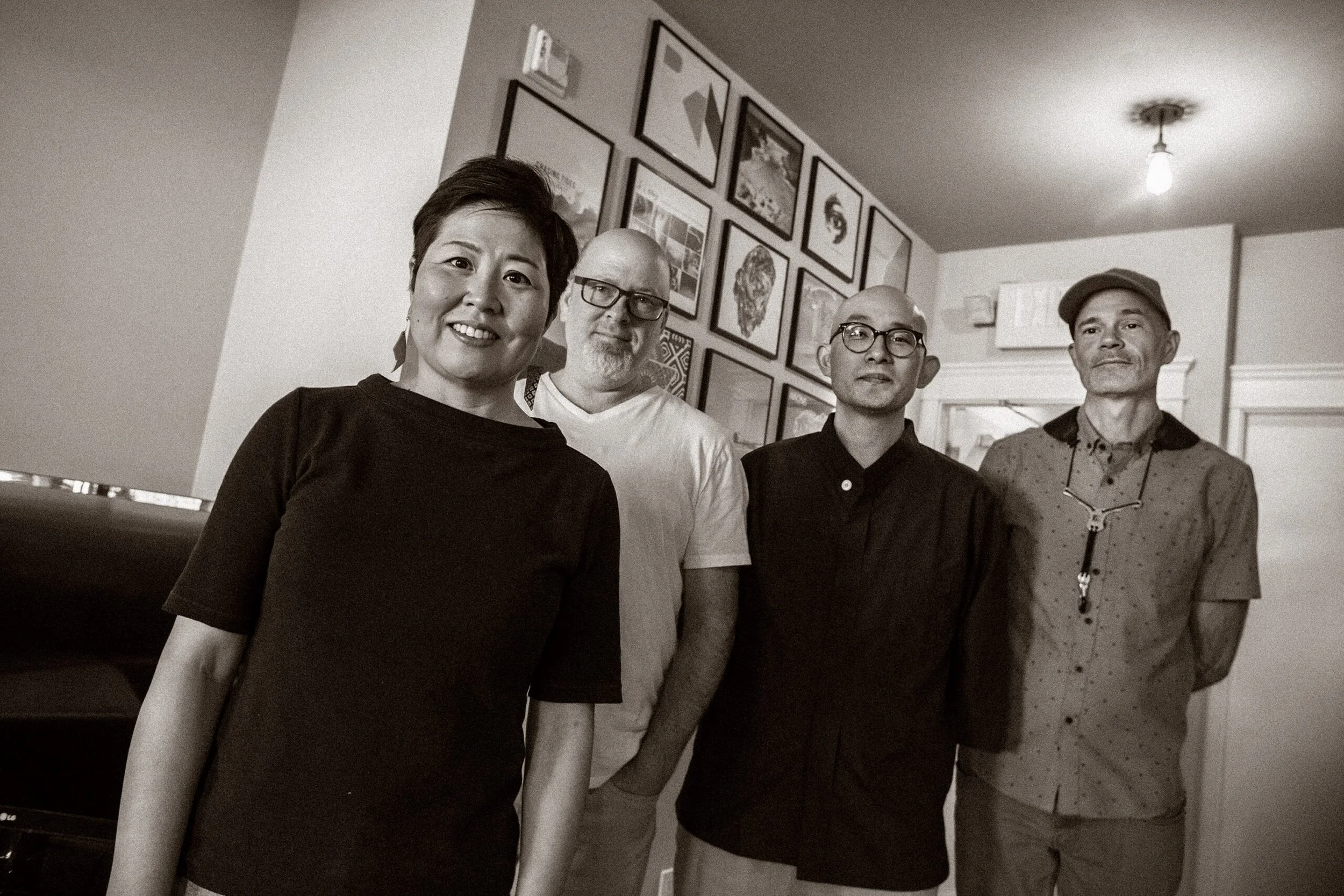
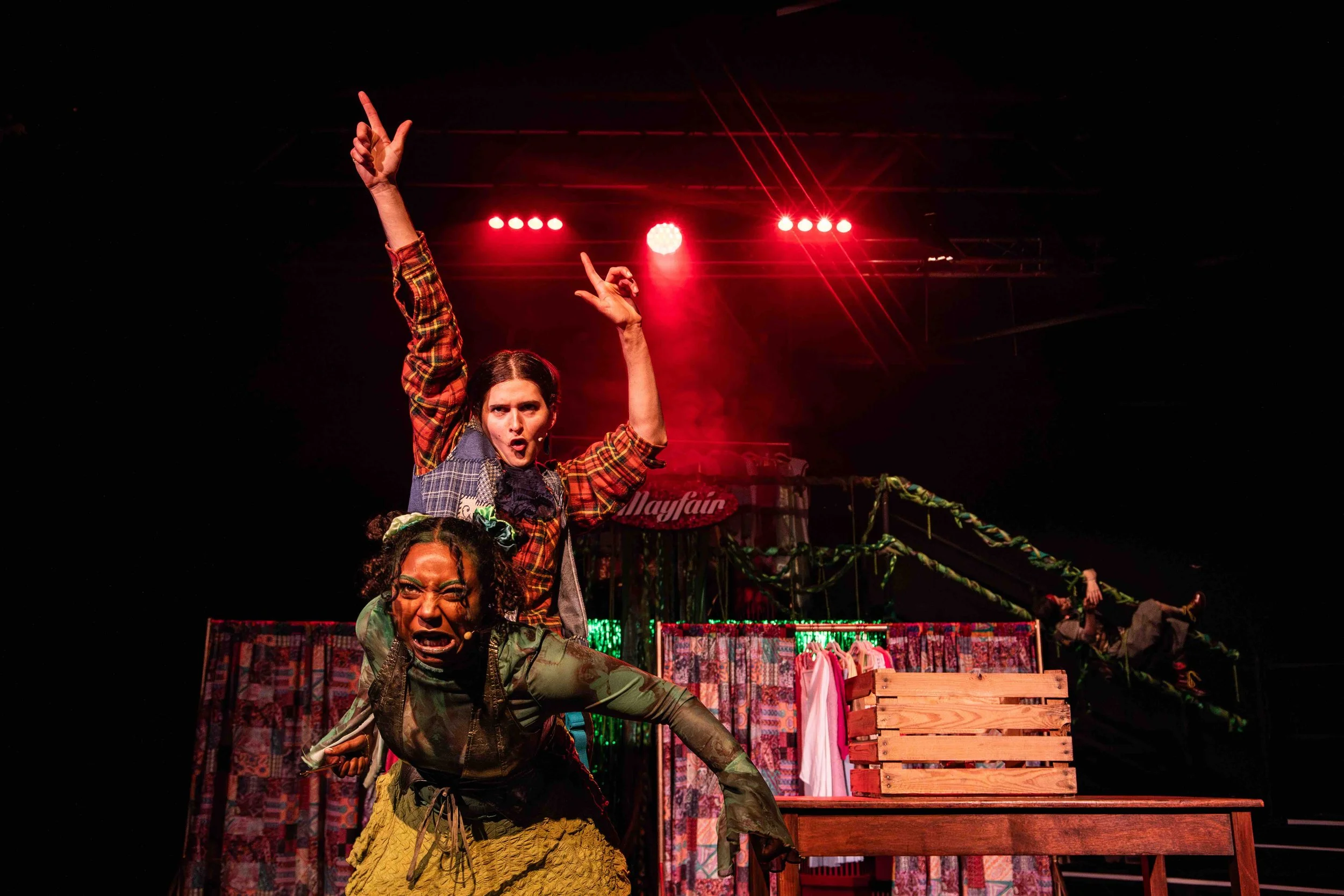
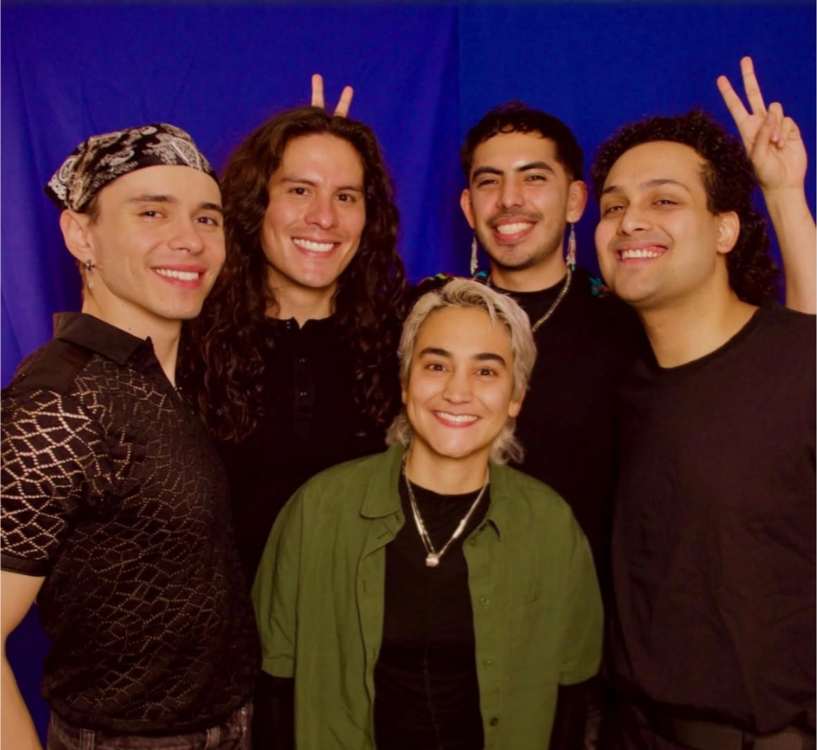
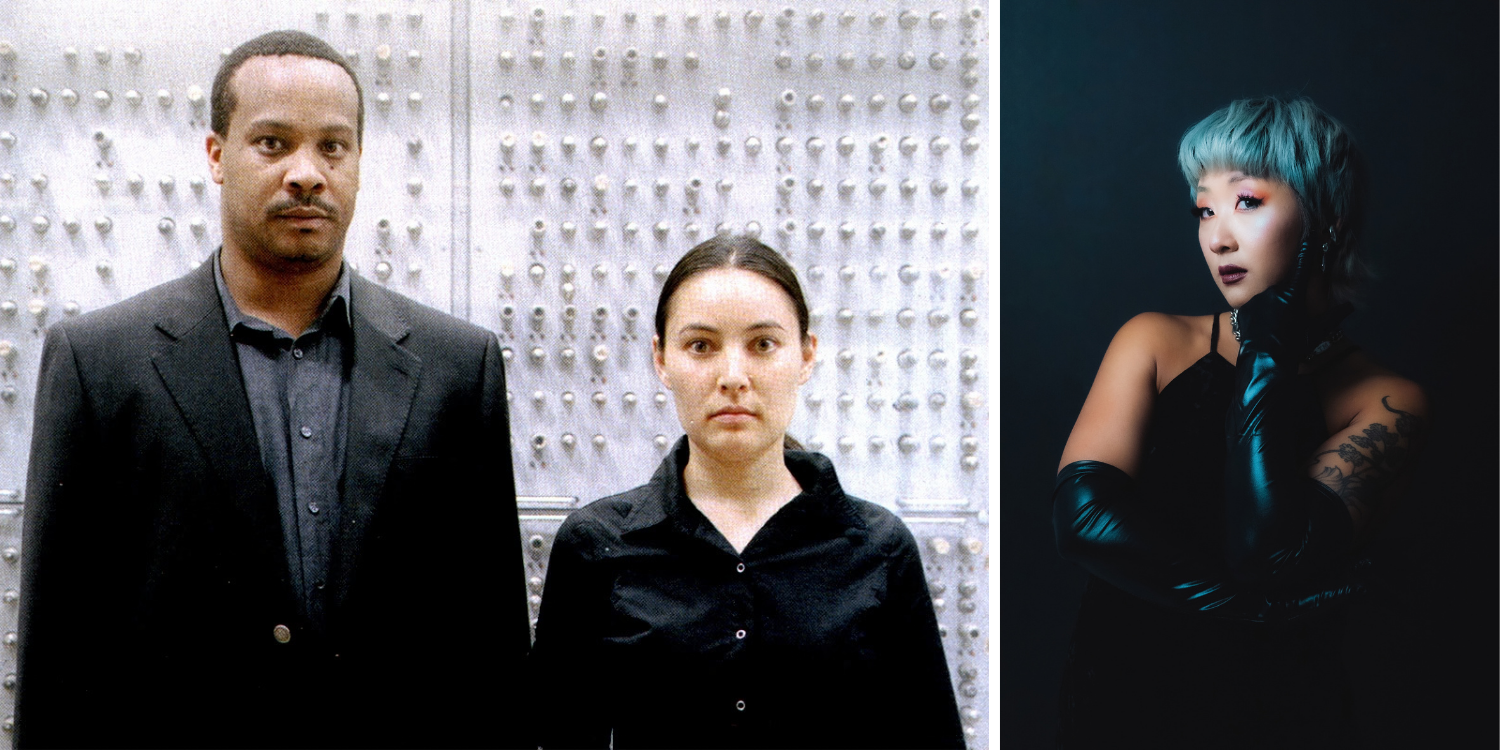
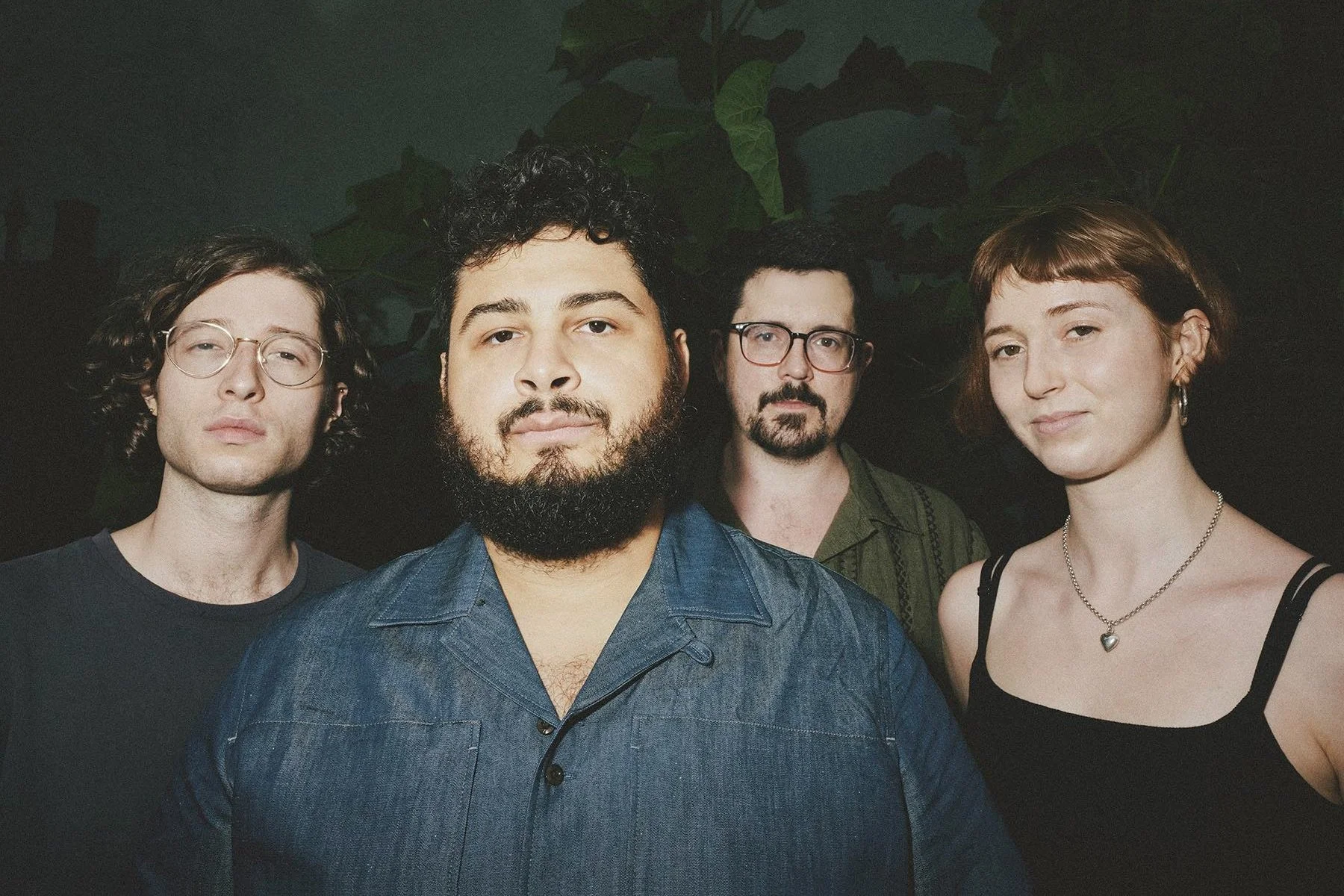
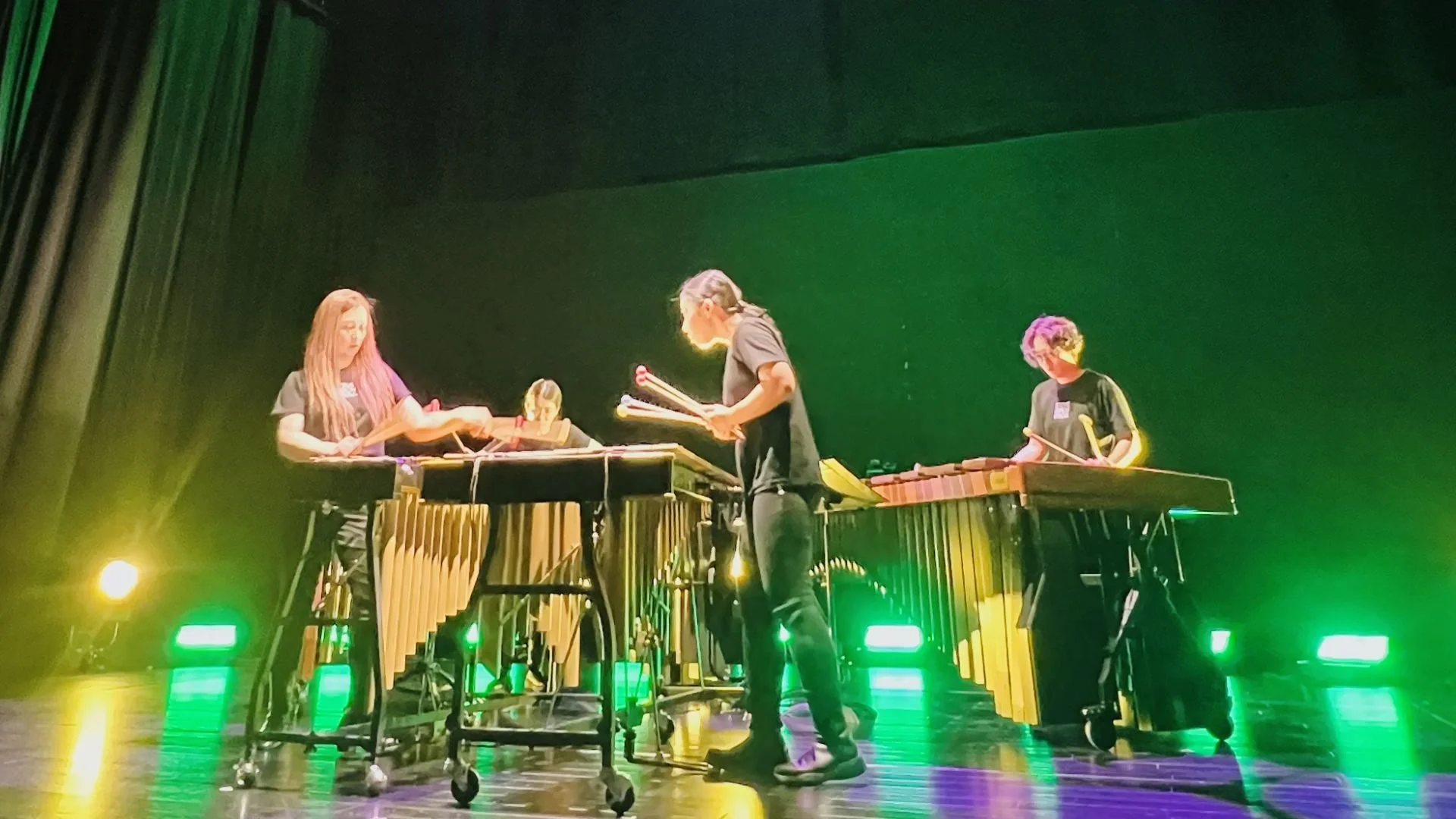
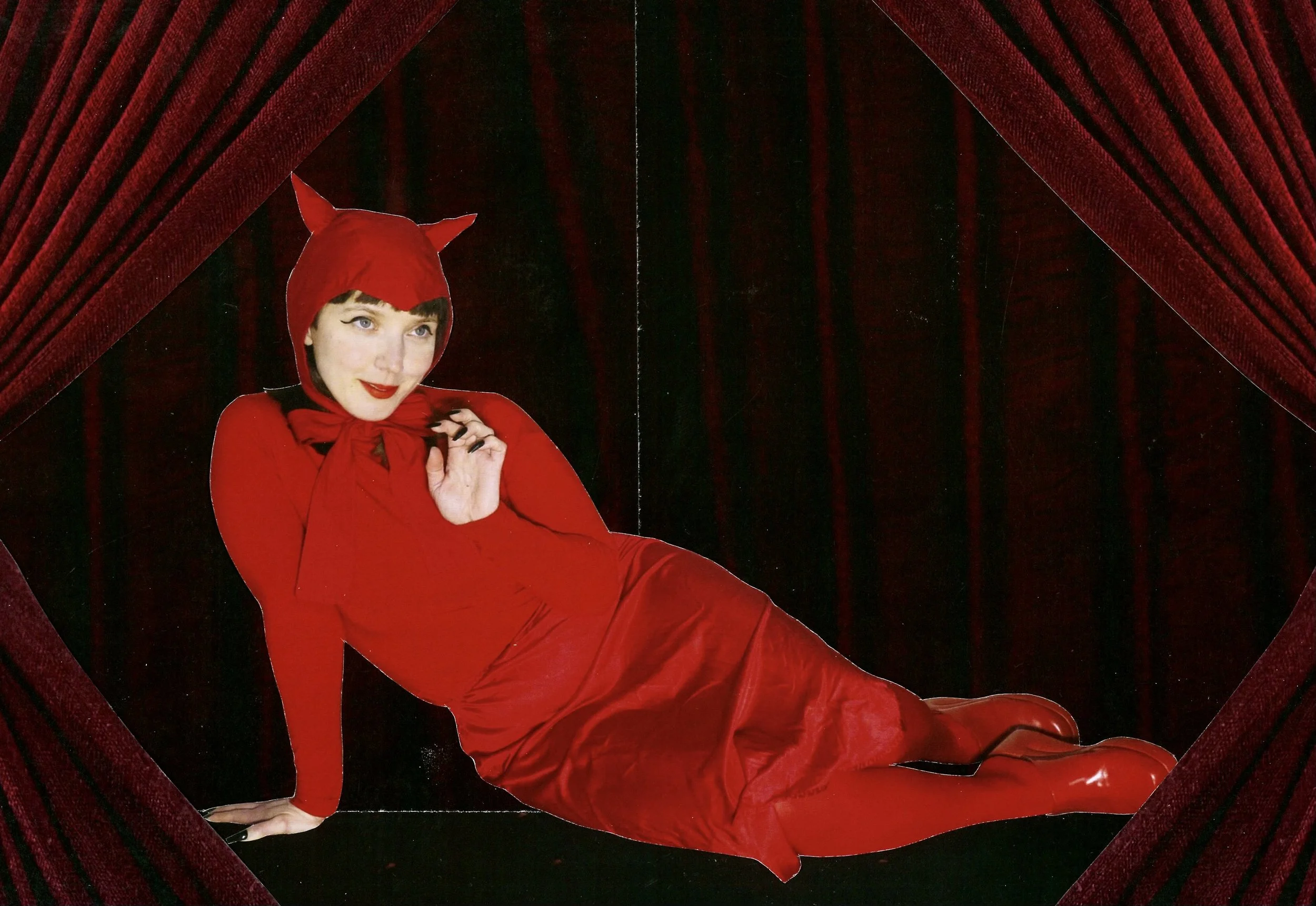
The Sharon Minemoto Quartet
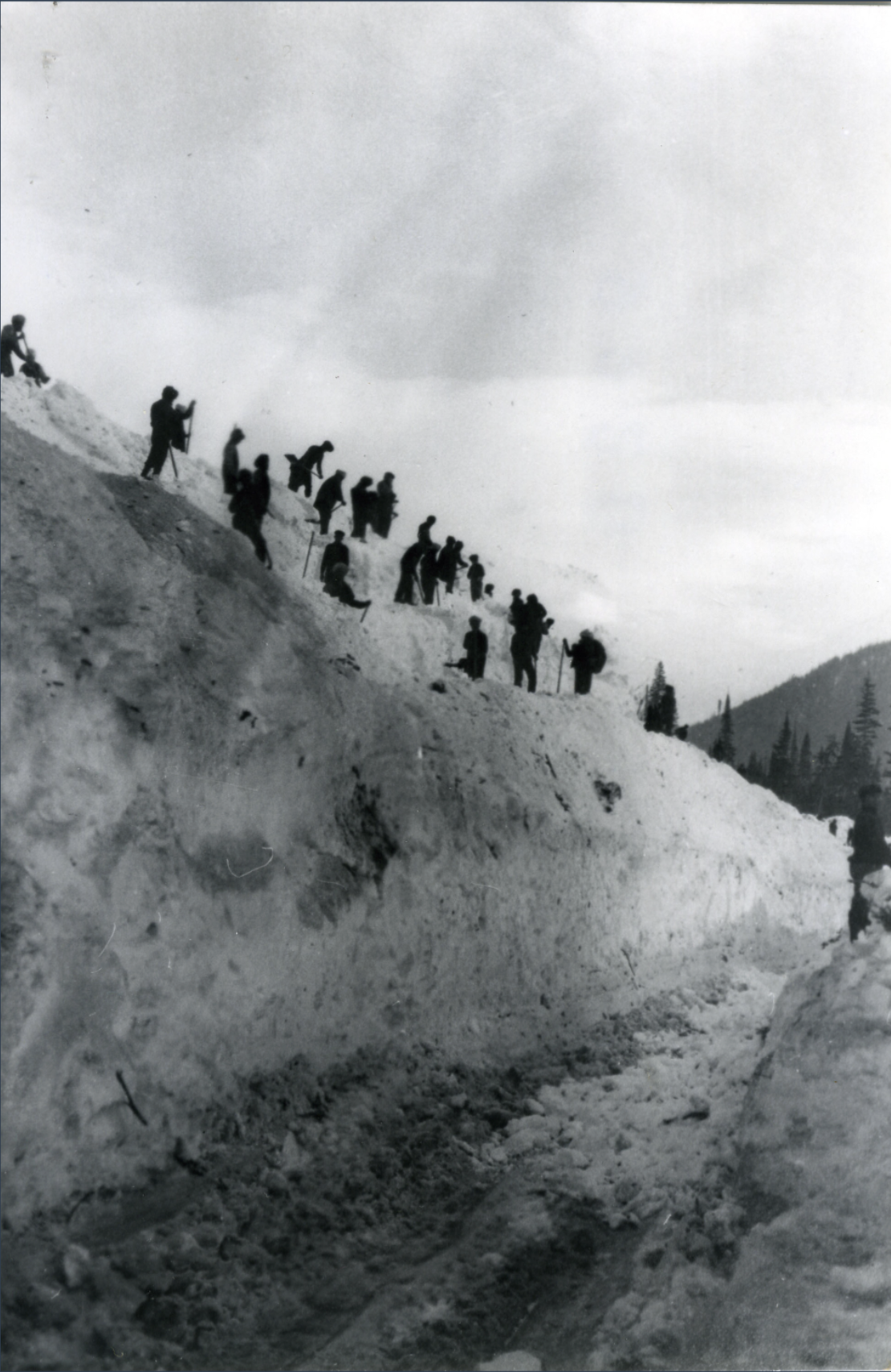
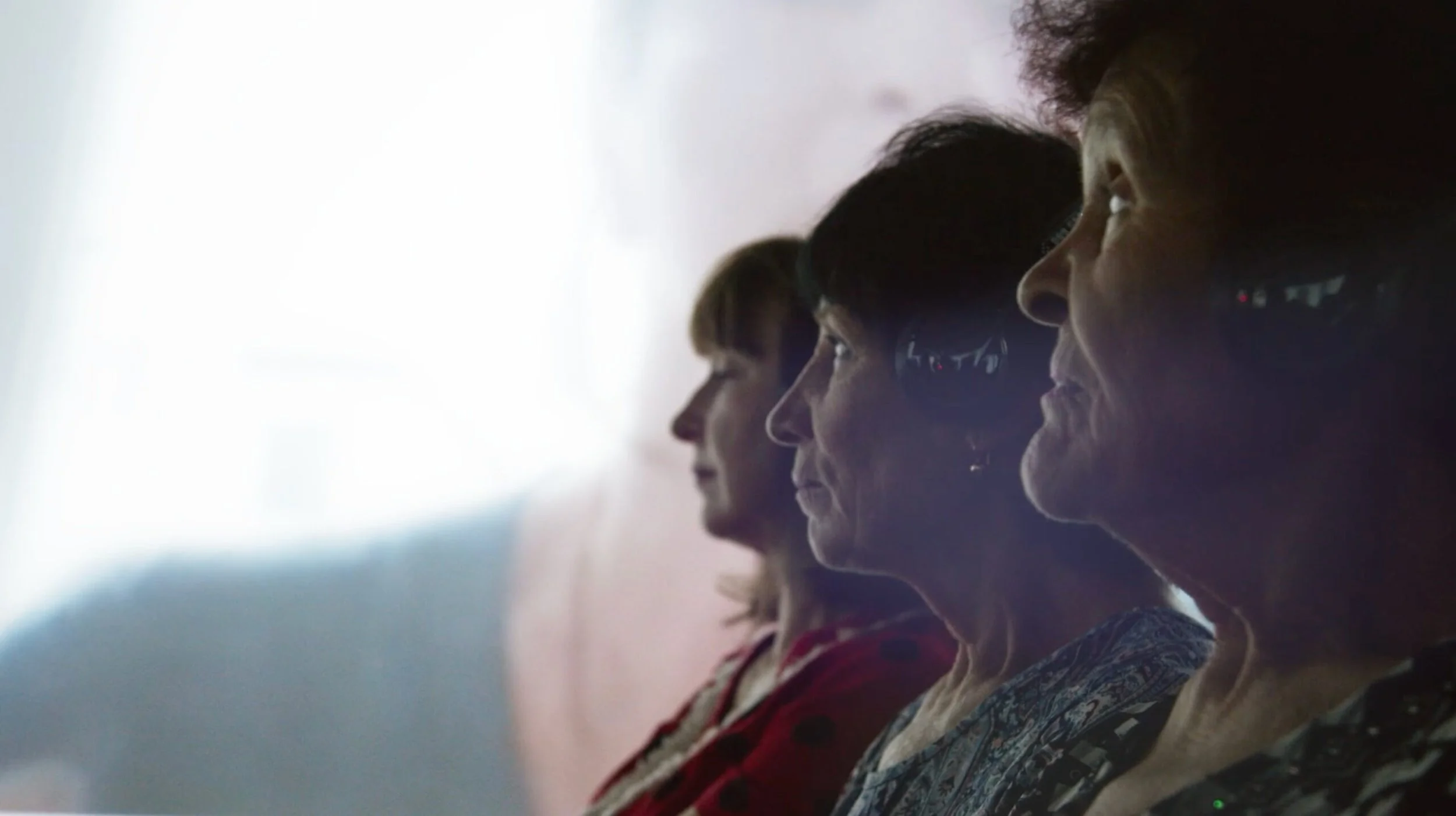
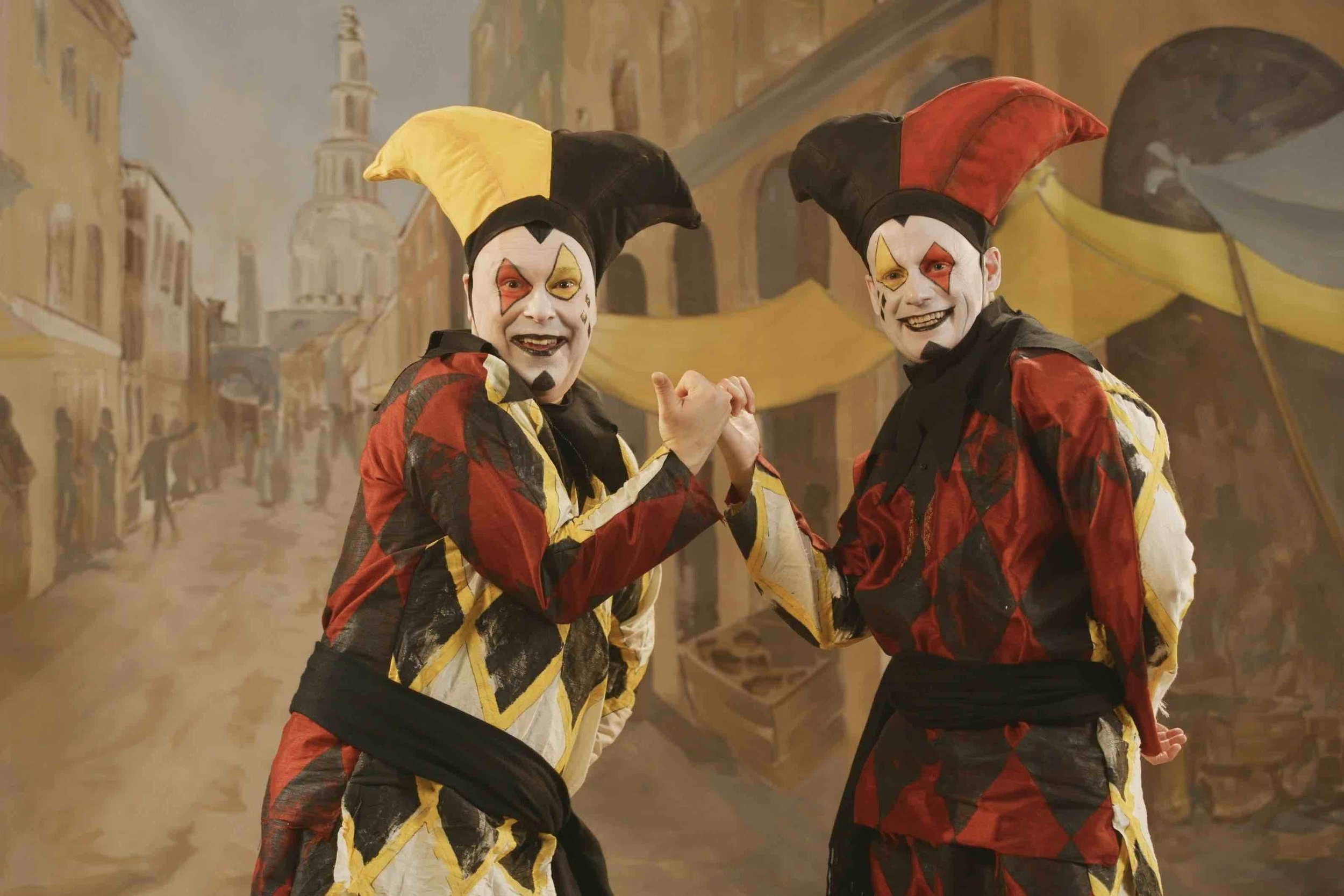
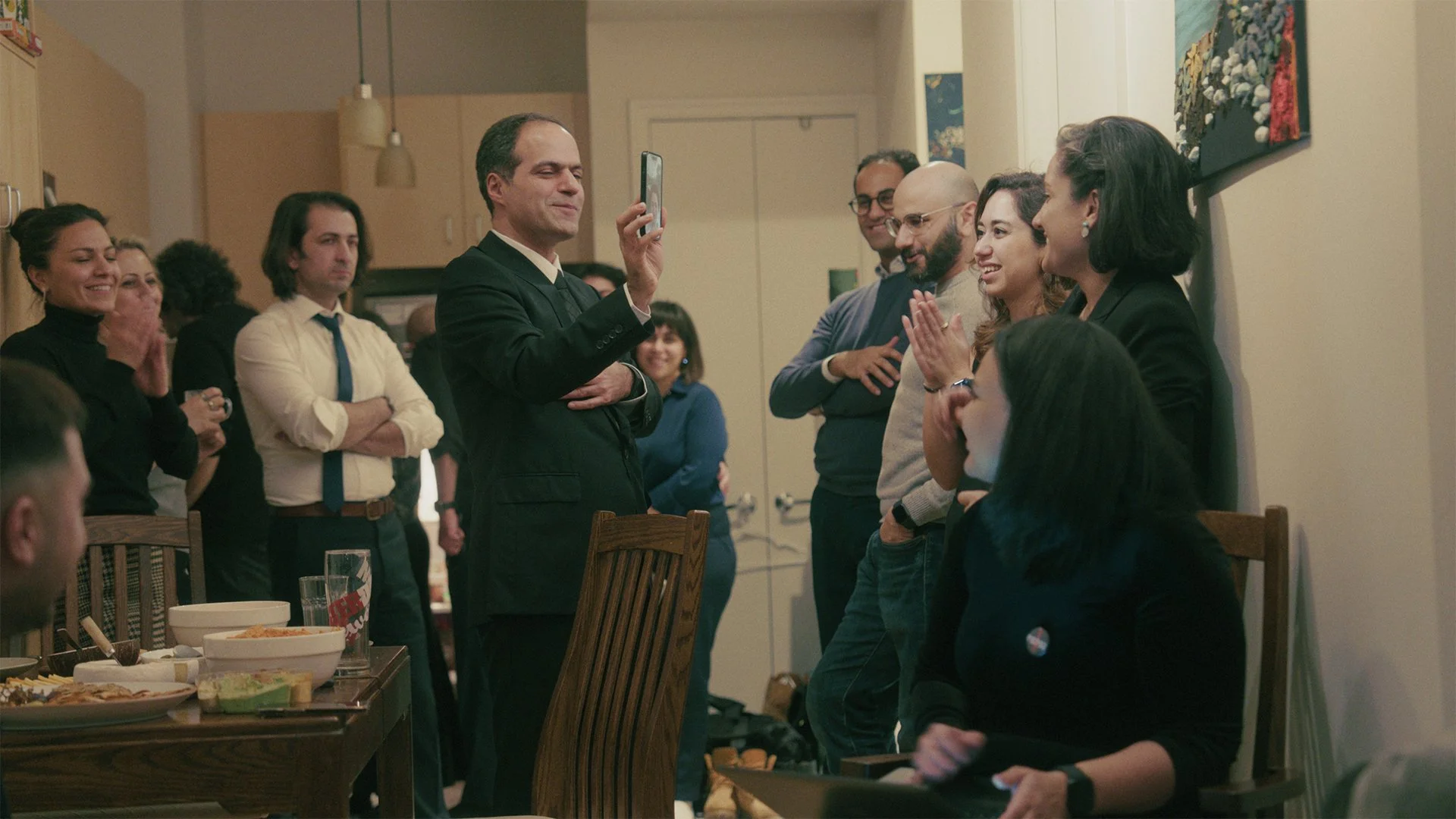
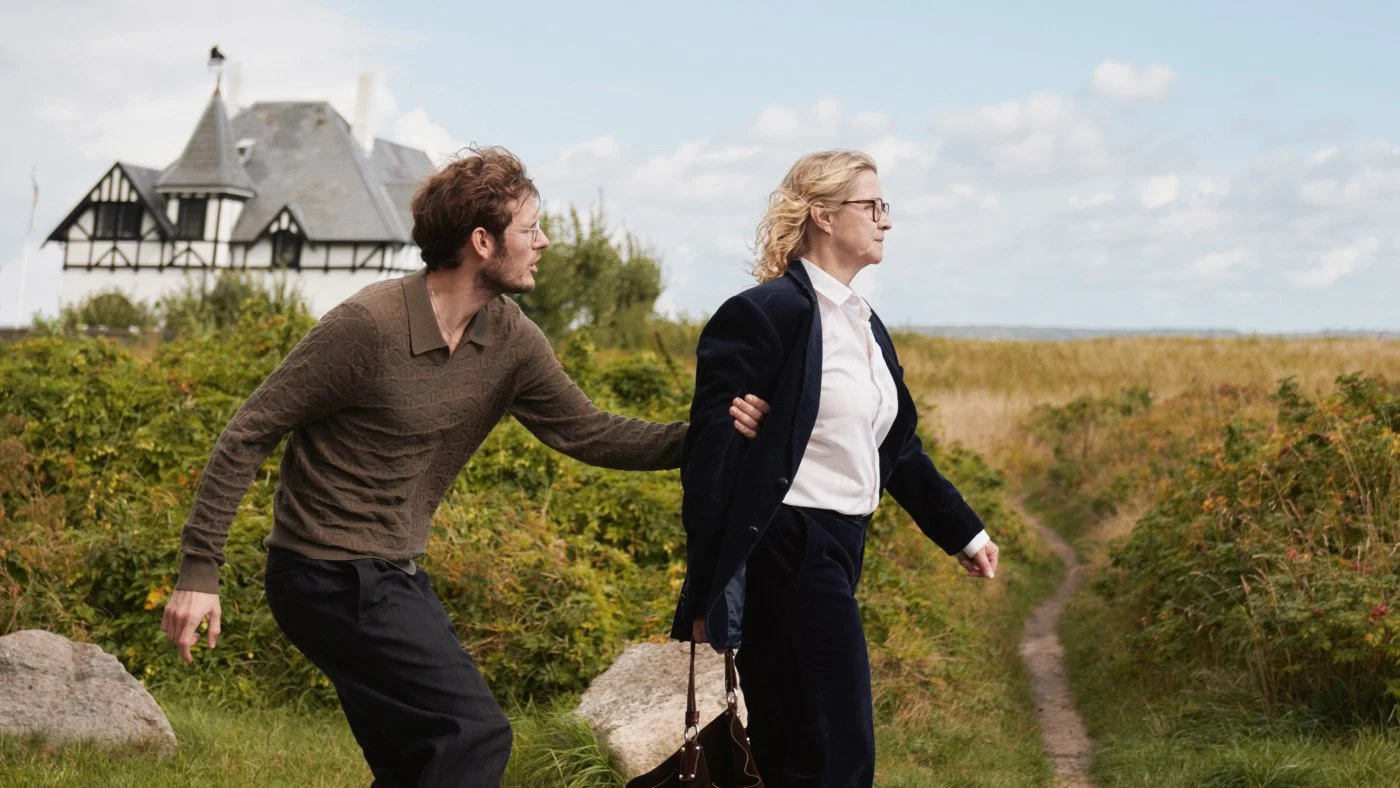
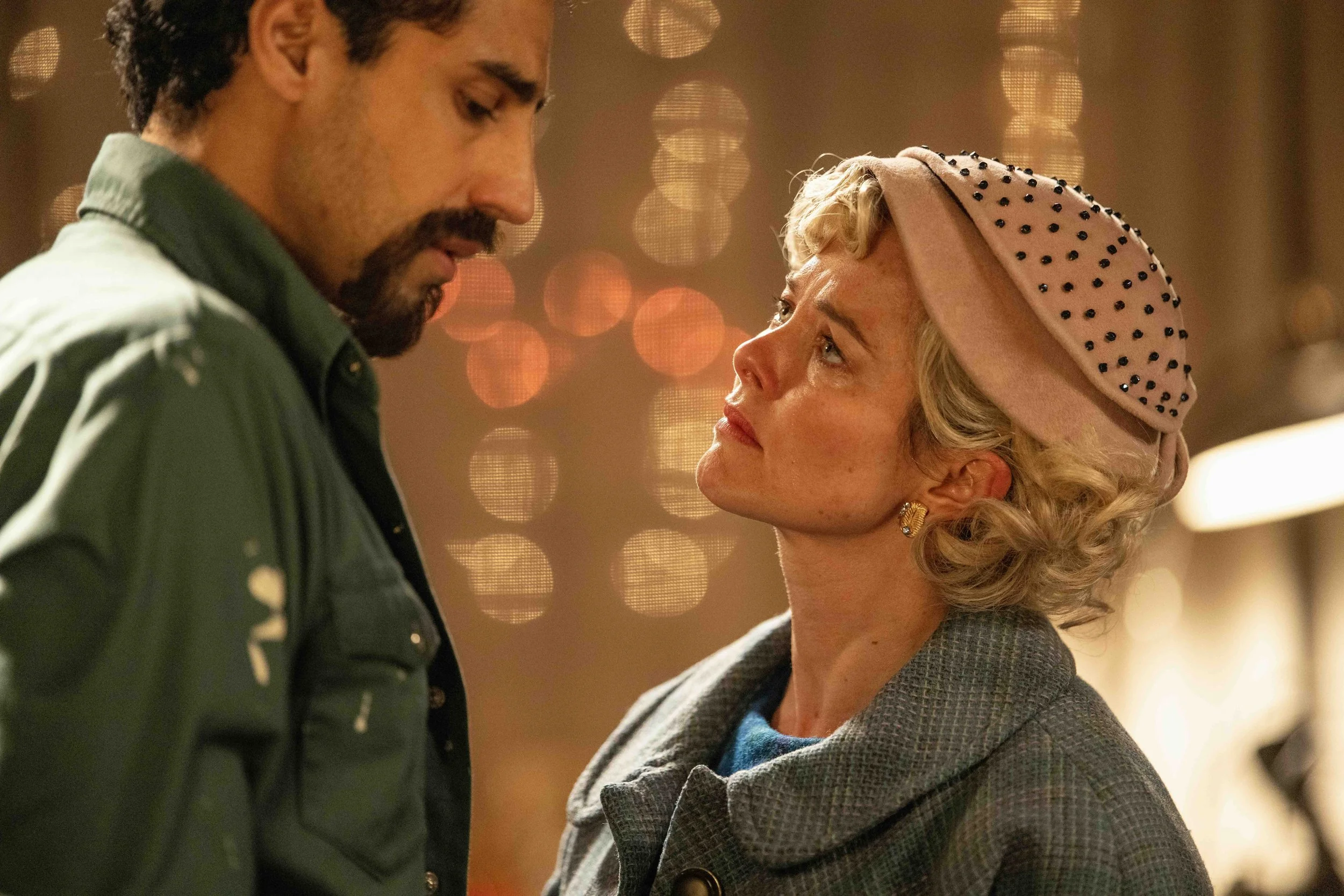
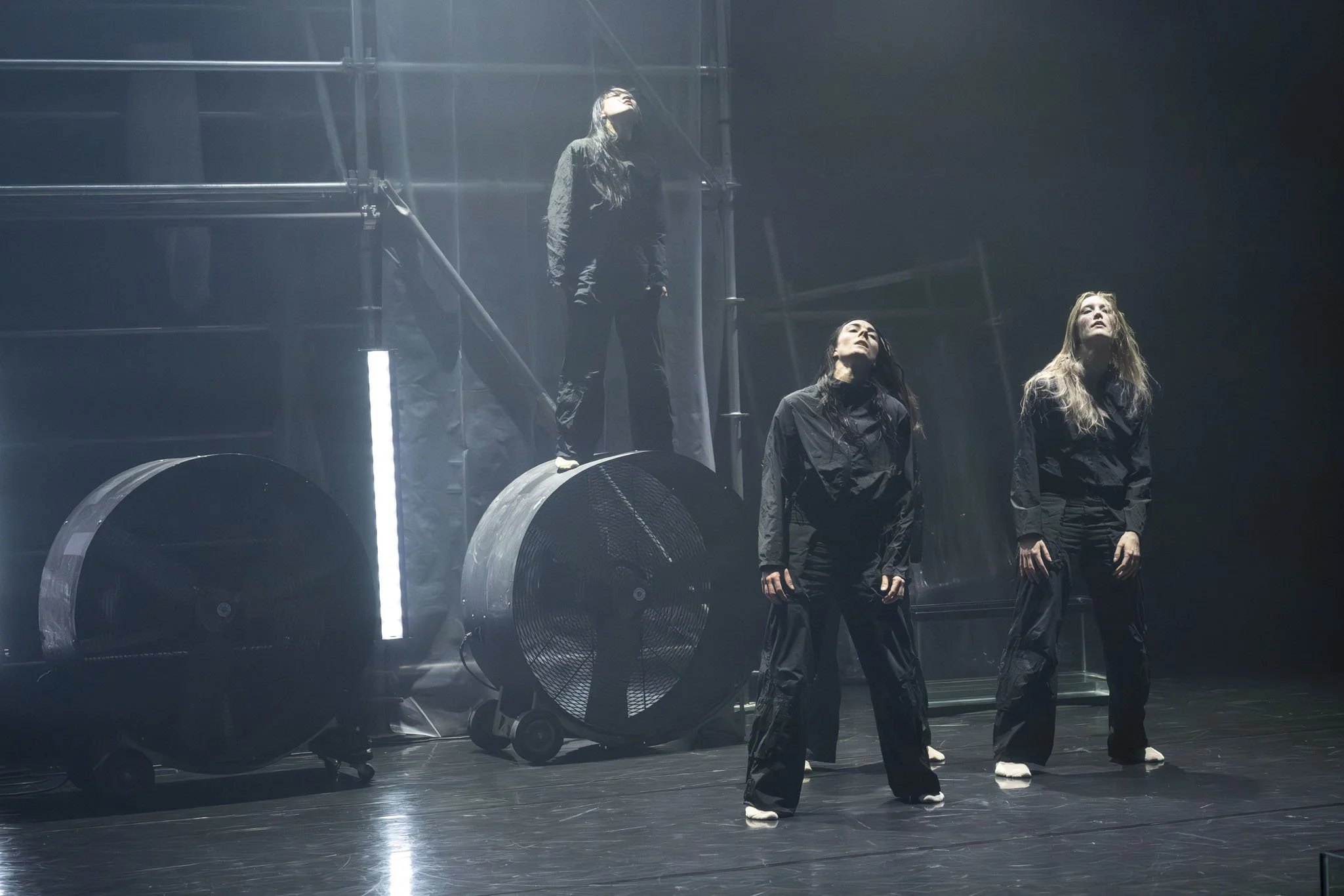
Scene from 1910: The Uncovering
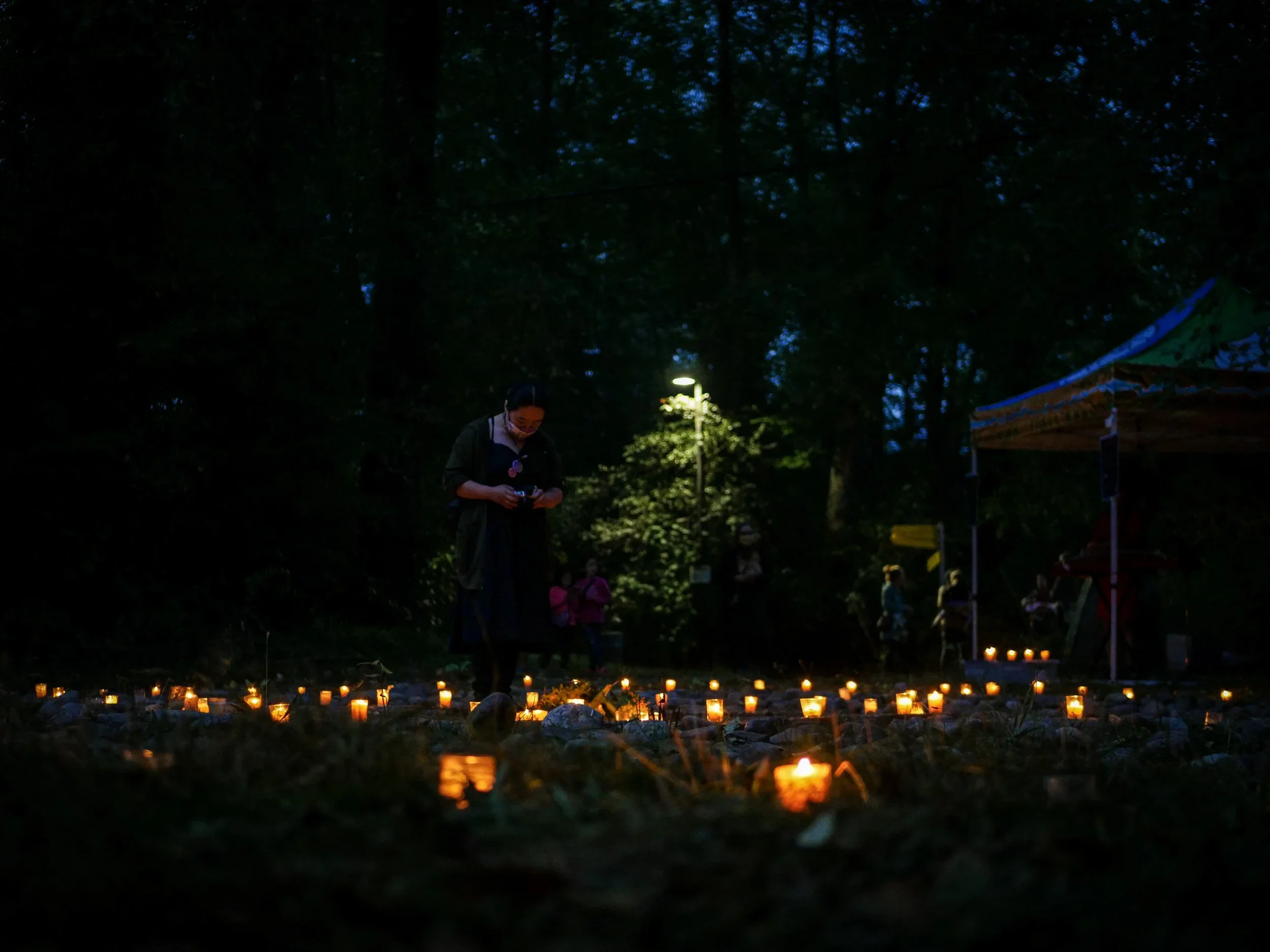
The Powell Street Festival runs August 1 and 2 at Oppenheimer Park and Paueru Gai
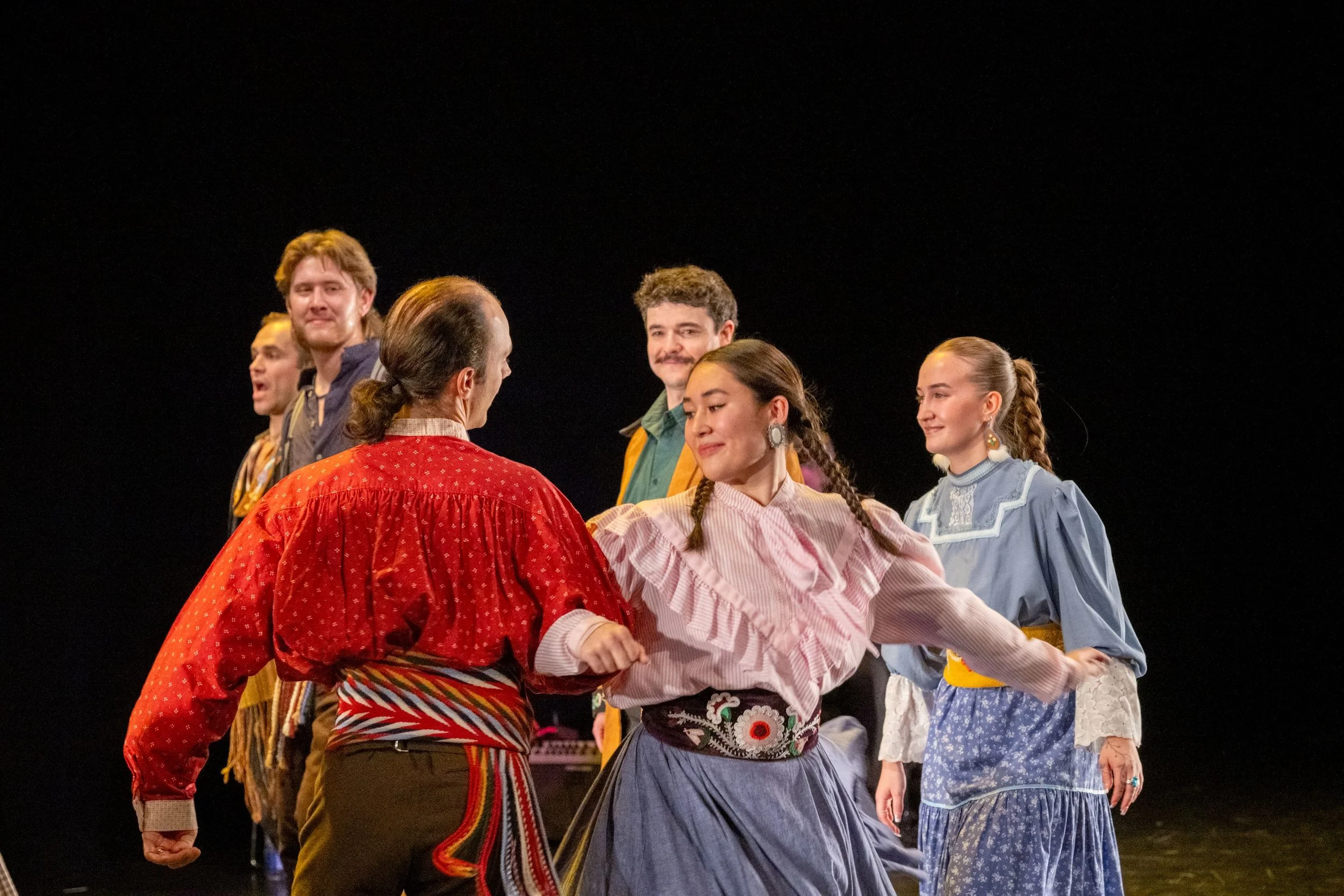
THE POWELL STREET FESTIVAL that happens this weekend around Paueru Gai is full of celebration—a chance to enjoy sumo and karate demonstrations, try your hand at origami, and scarf down korokke and teriyaki burgers at the event’s famous food stalls.
But there’s also an array of performances, art installations, and literary events that dig into the deeper, more difficult history of both the surrounding neighbourhood and the wider Japanese Canadian population. These are subjects that are receiving much more light, with ongoing development of a Hastings Park Interpretive Centre, at the stables where people were once cruelly interned (visit the Vancouver Japanese Language School all day August 1 to take a closer look at the project so far), and restoration of a triplex that housed Japanese Canadians returning after the Internment, at the North Pacific Cannery National Historic Site. (A talk on the latter project is slated for August 2 at 3 pm at the VJLS Japanese Hall.)
Here are a just a few picks from the rich assortment of happenings at the Firehall Arts Centre and VJLS:
The Sharon Minemoto Quartet performs the titular jazz pianist’s music from the Cellar Music album Goodbye Strawberry Hill, telling her own family’s story dating back to 1942, when her mother’s family’s 10-acre strawberry farm in Strawberry Hill (in Surrey-Delta) was confiscated by the government, and the family was then interned in Slocan. Postwar, her maternal grandparents made the difficult choice to take four of their six Canadian-born children by boat to Japan, where they faced years of hardship before returning to Canada. The songs range from resilient to poignant, sometimes integrating Japanese instruments. The solemn "Meditation”, for instance, explores the image of Minemoto’s grandfather and others using prayer beads during their internment, and features the haunting Japanese hotchiku.
Also at the Firehall Arts Centre, the documentary 1910: The Uncovering explores the tragic avalanche at Rogers Pass, when 58 railway workers—most of them Japanese—died while attempting to clear a snow slide from the tracks and another, larger avalanche struck. Chad Townsend’s documentary follows two friends, a Downtown Vancouver businessman and a Japanese-born ski guide, as they try to uncover the the mysteries and injustices around the disaster. It screens August 2 from at 6 p.m.
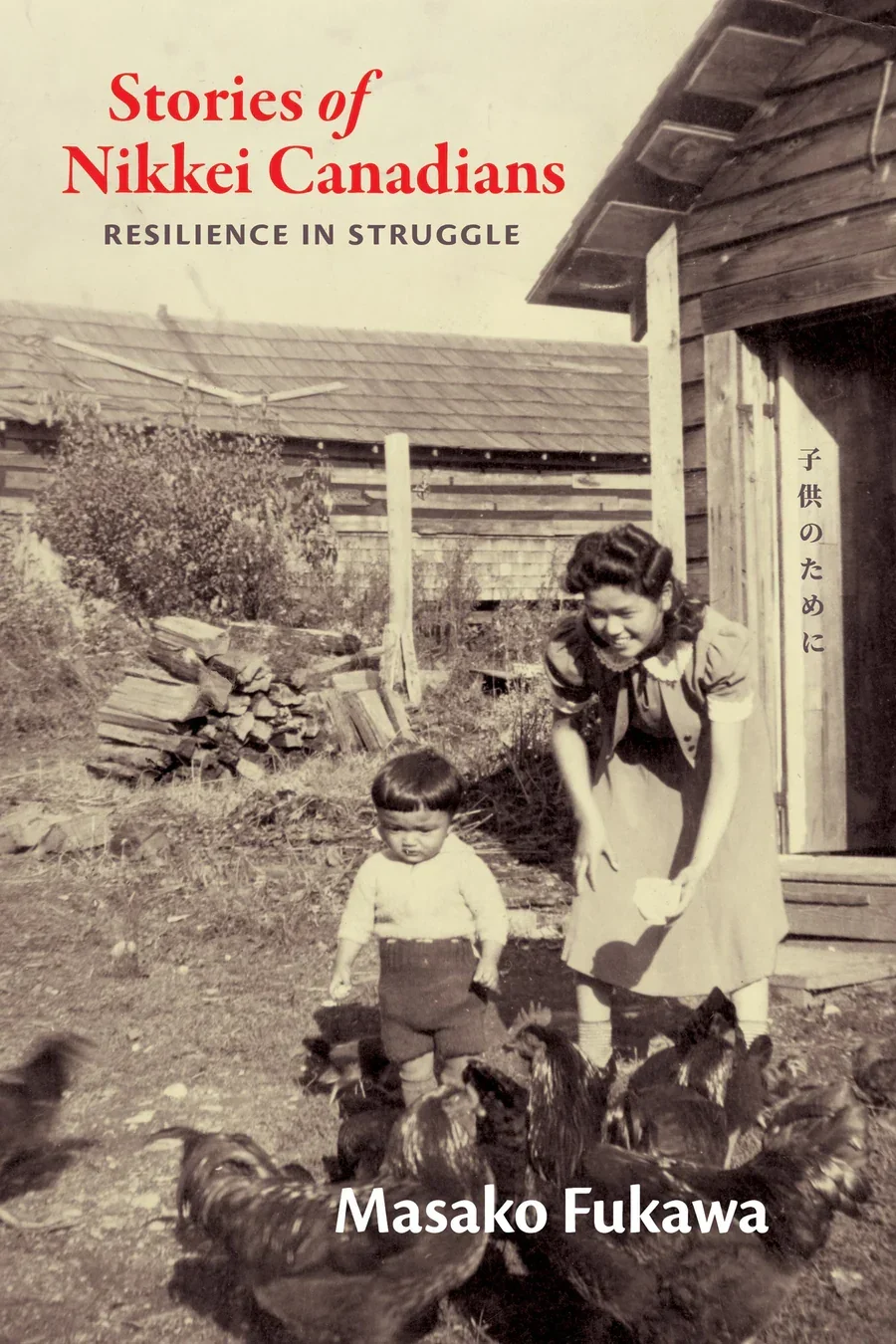
And over at the VJLS at 2 pm on August 2, make sure to hit the talk and reading by Masako Fukawa, author of the engrossing, deeply researched new book Stories of Nikkei Canadians: Resilience in Struggle. In it, the sansei educator and historian rewinds to the story of her paternal grandfather, who arrived in Canada in 1893, and follows both her own family and community members through five generations. She touches on the vibrant early Japanese Canadian communities in B.C.—particularly around the thriving wharves and canneries of Steveston—and their destruction and gradual re-establishment after the Internment era. (She'll be speaking on the third floor of the Japanese Hall.) 

Related Articles