At The Cinematheque’s Film Noir 2026, Niagara’s Marilyn Monroe conjures a full-colour femme fatale
Set on the edge of Horseshoe Falls, the stunningly shot crime thriller with the dangerous femme fatale deserves a new look on the big screen
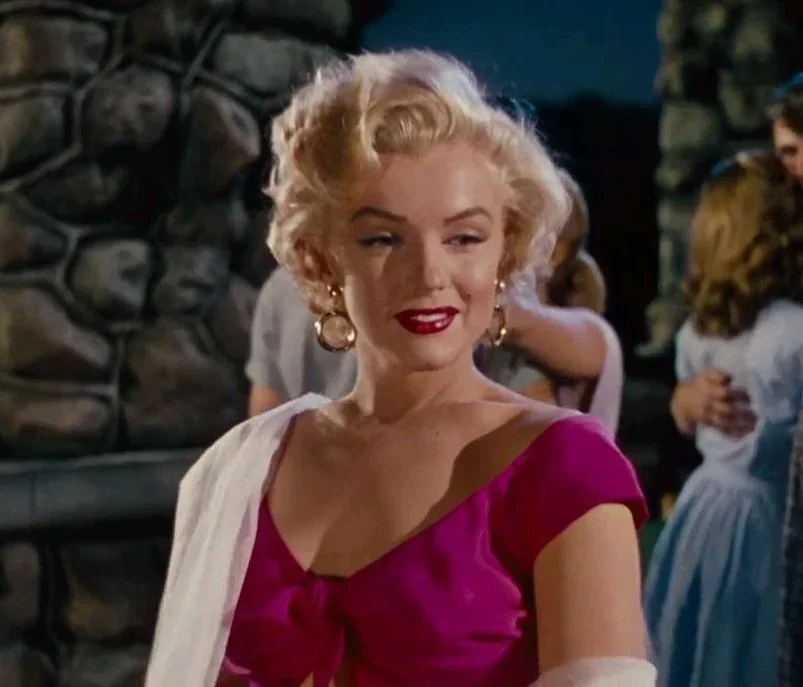
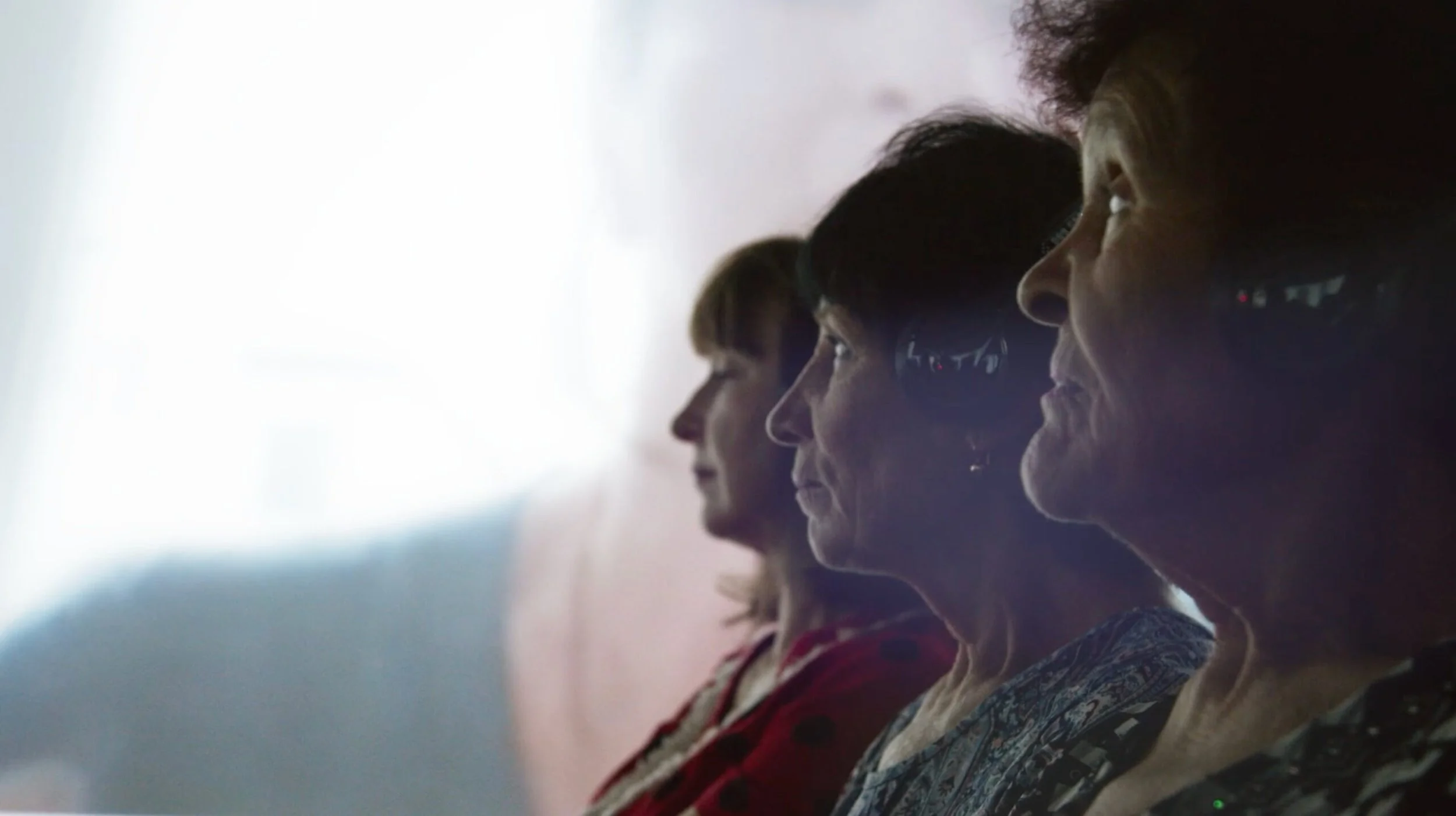
Marilyn Monroe in Niagara.
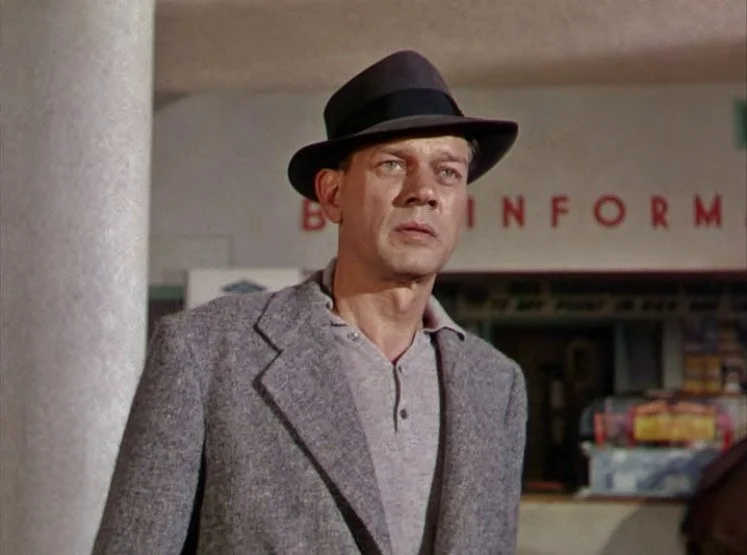
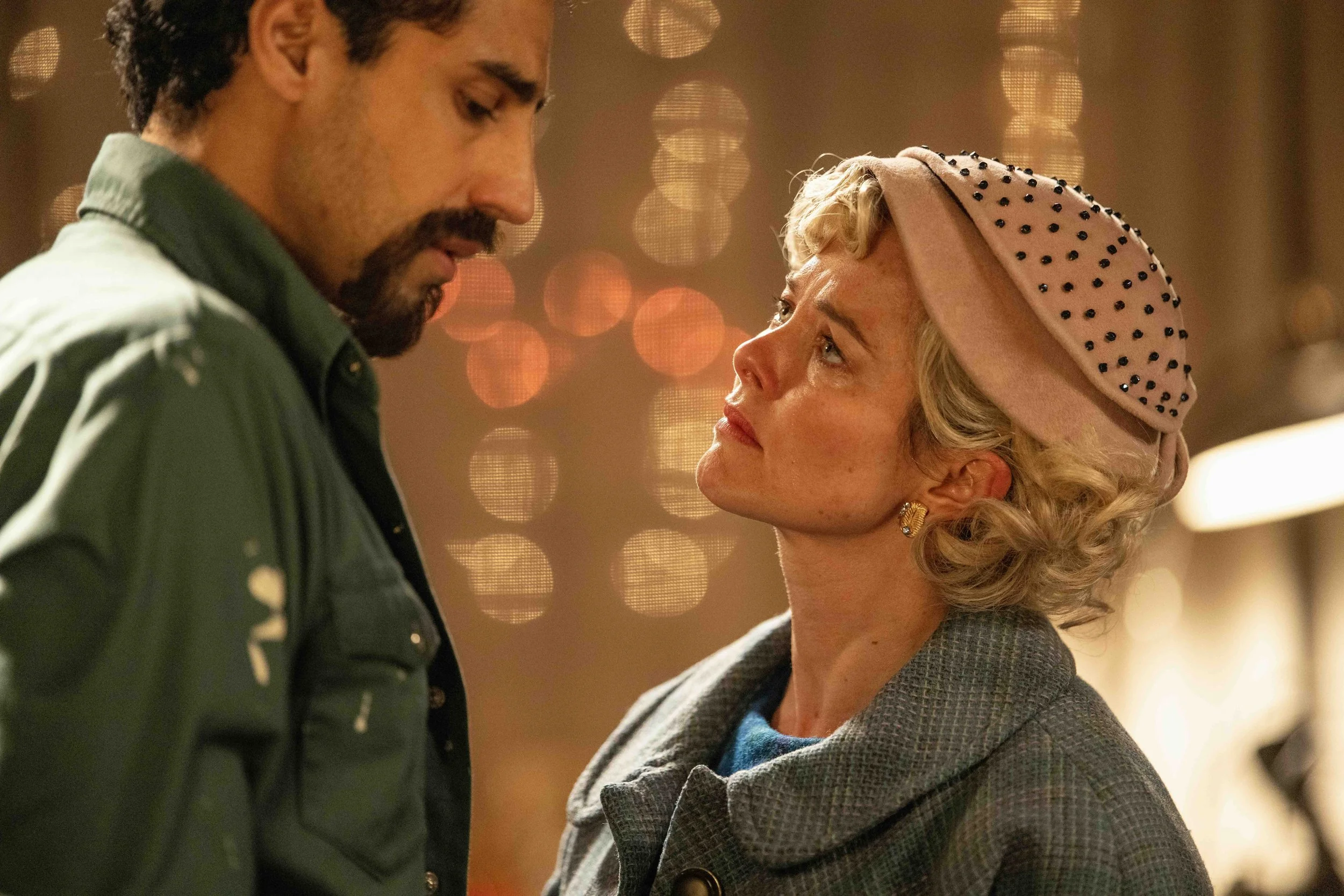
Joseph Cotten in Niagara
The Cinematheque presents Film Noir 2026 from July 30 to August 27. Niagara and The Killers open the festival on July 30, with a noir-themed Courtyard Shindig starting at 6 pm before the screenings. Niagara screens again on August 3 and 23
THE CINEMATHEQUE IS launching its summer-time film noir festival… In vivid Technicolor?
It may seem surprising that a series devoted to an art form so associated with black-and-white film would kick off with Niagara—the vibrantly hued 1953 crime thriller set on the edge of Horseshoe Falls. But consider the elements and it soon becomes obvious why this well-crafted film noir more than deserves another look on the big screen. A luminous Marilyn Monroe plays its “tantalizing temptress”, as the era’s ads promised. So she’s the femme fatale; The Third Man’s Joseph Cotten plays opposite her as a jaded, damaged husband; and director Henry Hathaway shoots it all with ample, geometric shadows and staircases. Yes, the visually stunning classic definitely qualifies as film noir—or “Technicolor noir” or “daylight noir” as cinephiles might call it.
In the story, Monroe’s too-hot-to-handle Rose Loomis, unhappily married to older, troubled Korean War vet George (Cotten), plots his murder by the Falls—their messy drama spilling over into the vacation of wholesome honeymooners Polly and Ray (Jean Peters and Max Showalter), who are staying in a cabin next door.
The metaphors loom large in the majestic imagery, the thundering waterfalls echoing the psychological turmoil of the characters. Style hounds will love the retro setting, with the film making the most of the honeymoon-postcard era of Niagara Falls: the cozy Rainbow Motel and Cabins that sit facing the American Falls never existed—they were built for the film, then demolished. You will, however, see the Rainbow Carillon Bell Tower, the heritage bus station, and still-charming attractions like the Maid of the Mist and the tunnel under the falls (the one where, in the 1950s, at least, the men don black raincoats and the women wear the yellow ones). A lot of old-time Niagara Falls has since been obliterated, of course, by mega-hotels, waterparks, towers with revolving restaurants, gaudy minigolf parks, and Ripley’s Believe It or Not museums.
The setting is woven throughout the plot, right from the opening moments, as Cotten’s George Loomis lurks around the slippery, and utterly guard-rail-free, rocks at the bottom of the falls. There’s even a breathless boat-chase scene on the river rapids above—a sequence whose editing and action shots still hold up shockingly well.
But distracting from all the majestic scenery is one person: Monroe, radiating sexuality, at peak fetishization. When we first meet her, she lies naked under a sheet in bed, apparently just waking up in glistening red lipstick and perfectly styled finger curls. Even as she runs to “the market” to get groceries, she wears high heels and a second-skin pastel-blue suit. But George, suffering “battle fatigue” after the war, has grown tired of her charms and prefers to build model cars.
This was the film that catapulted the doomed star into the Hollywood stratosphere—and it’s easy to see why. Monroe’s Rose owns her sexuality, but also loses herself in it in a way that feels almost vulnerable. Watch her sing along to her favourite song, “Kiss”, and you can practically feel the heat radiating off the screen. (“Get out the firehose!” Ray marvels to his wife when he sees Rose in her clingy pink dress.) And this is what makes Monroe’s conniving Rose so dangerous. She’s disrupting the moral order. Her sexuality is a threat here—the opposite of Howard Hawks’s musical comedy Gentlemen Prefer Blondes, filmed soon after, where her allure is used to empower, gain agency, and, arguably, to subvert. In Niagara, she has to be destroyed to restore propriety. But something else is happening here, too: the women—Monroe and her brunette counterpart, the sharp, principled Polly, who’s one step ahead of the detectives on the case—always seem to know more about what’s going on than the male characters.
It’s fun, beautifully shot, and unabashedly tawdry stuff—the apt launch for a series that, this time around, emphasizes film noir crime thrillers. And this year just happens to mark what would have been Monroe’s 100th year.
Equally recommended at Film Noir 2026: 1946’s unmissable The Killers, with Ava Gardner conjuring another iconic femme fatale opposite Burt Lancaster; and Nicholas Ray’s couple-on-the-run prototype They Live By Night; made in 1948, his astonishing debut feature predated legendary films like In a Lonely Place and, of course, Rebel Without a Cause.
There is much more—the rest of it all in luminous black and white. 

Related Articles