Theatre review: Pacific Theatre’s remount of Wakey, Wakey feels like offbeat celebration of simply being present
With the company’s own circumstances in flux, this quirkily poignant meditation from a realm between life and death takes on new resonance
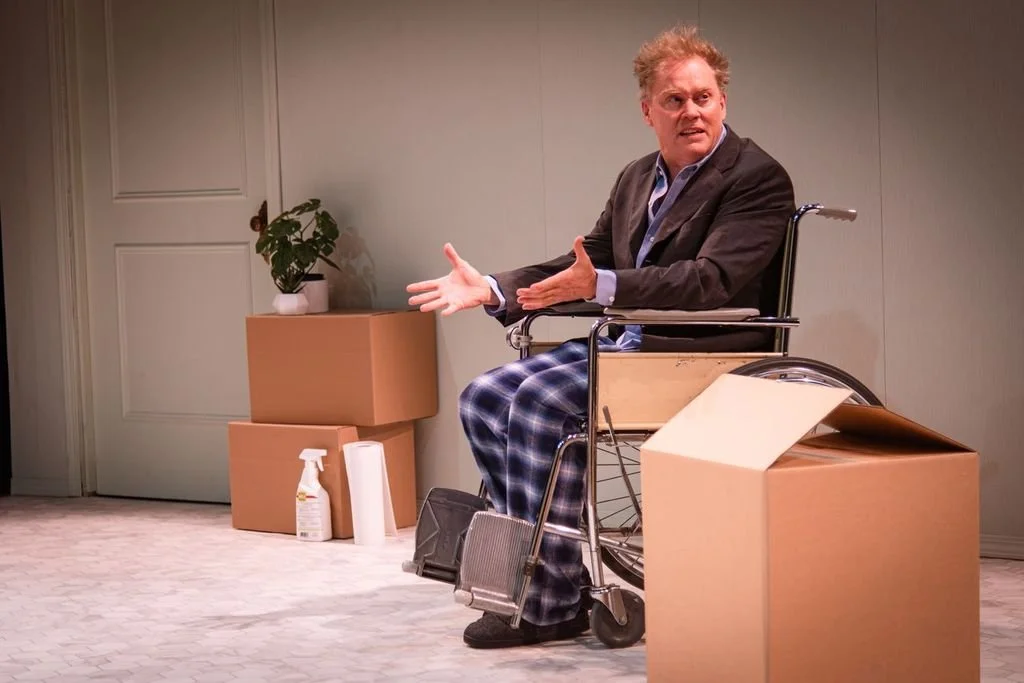
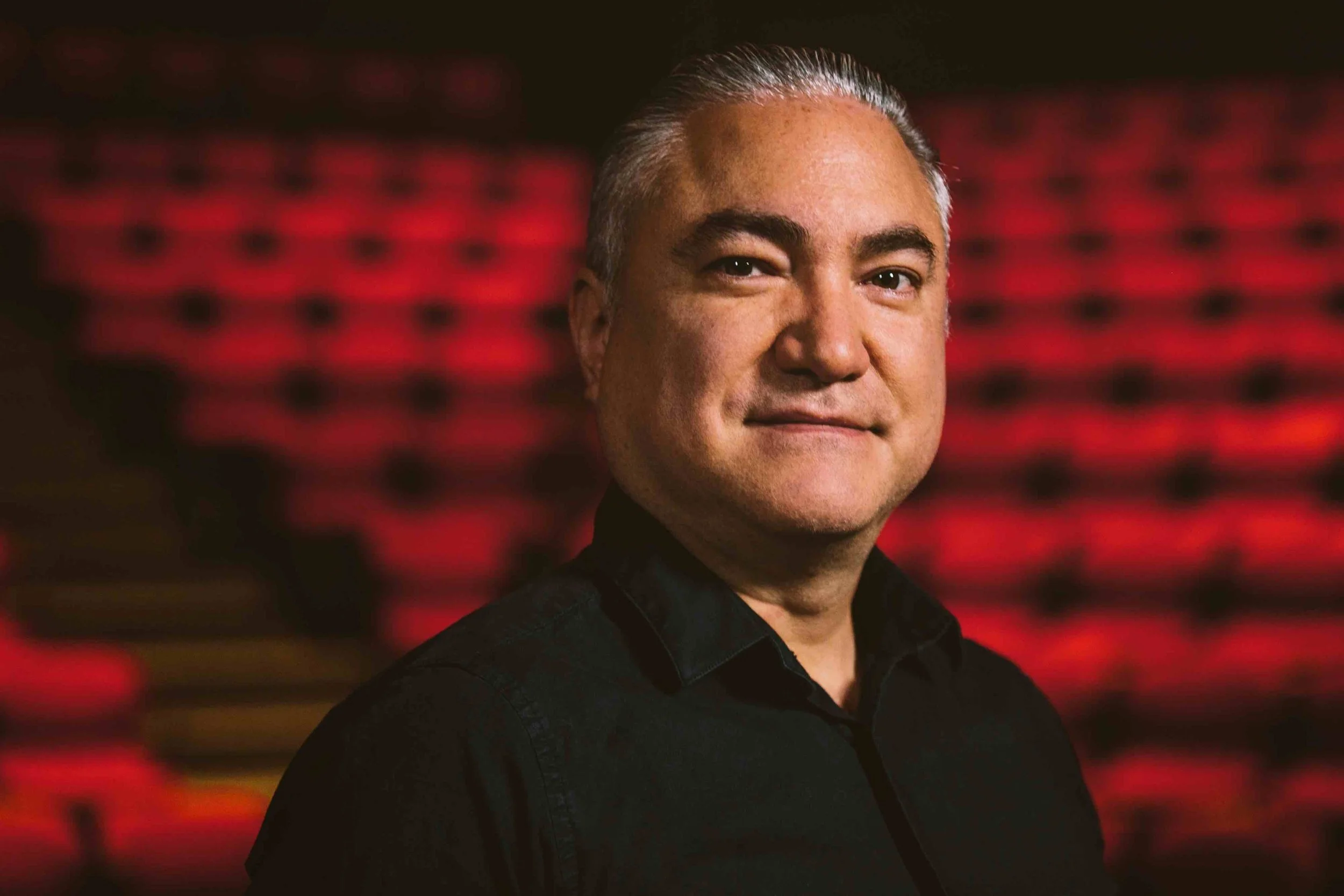
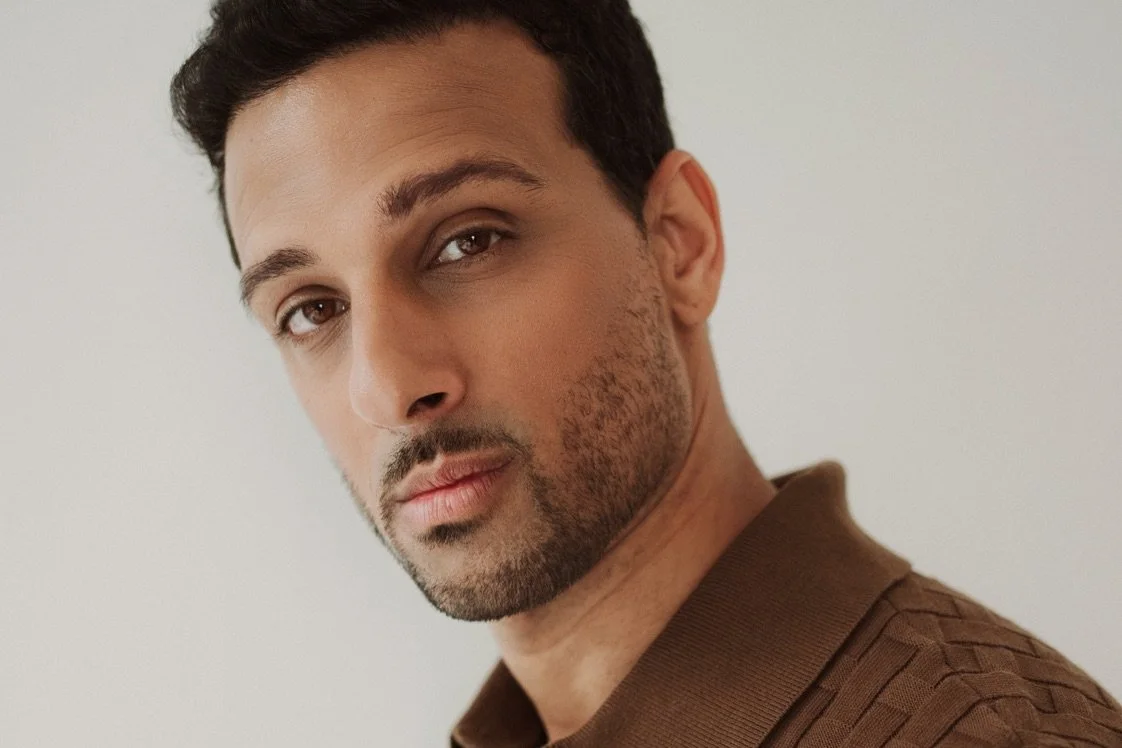
Craig Erickson in Wakey, Wakey. Photo by Chelsea Stuyt
Pacific Theatre presents Wakey, Wakey to November 2
THEATRE IS AN ALIVE thing. Wakey, Wakey wants to hold it still for a minute. Playwright Will Eno’s one-hour play has no intermission, just one man sitting somewhere between life and death, talking to the audience. Pacific Theatre first staged the show in 2020, back when theatremakers and theatregoers were both approaching theatre differently, when things felt suspended and the distance between living and waiting felt more pressingly close.
Its topical pull may feel a little more distant now, though we know that the global sense of crisis hasn’t gone anywhere and only changed shape. This remount highlights less that immediate, shared fear, maybe, and closes in more on how we have kept going in spite of it.
So why stage it again? Why now? Besides the obvious answer that death is always topical, there’s a different, ambient sense of longing in the room this time. Earlier this year, Pacific Theatre announced that it would soon be leaving its long-time home in the Chalmers Heritage Building. Wakey, Wakey lands like an unassuming, meditative farewell, and a kind of balm in the midst of big change.
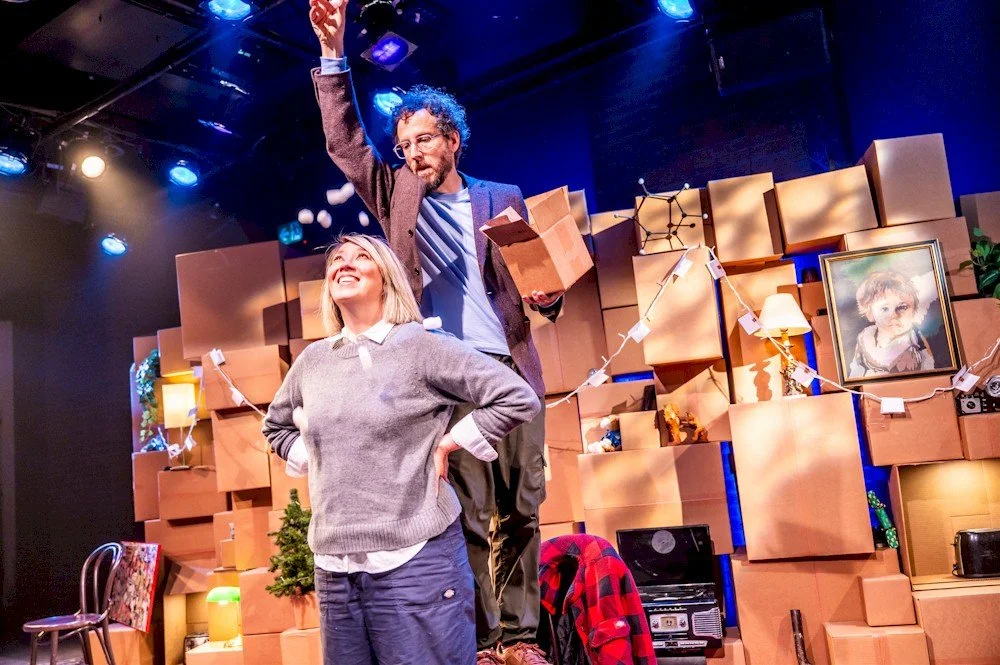
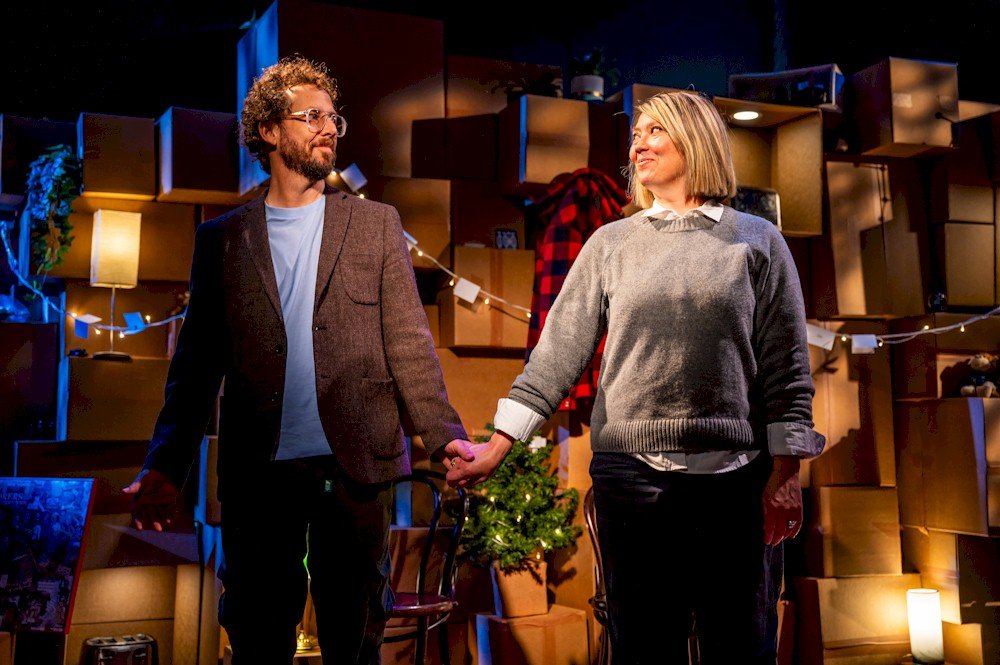
Directed once again by PT artistic director Kaitlin Williams, the show feels right at home in the company’s intimate, familiar space. The setup is minimal: two actors and a few packing boxes. There are no clear details about who the man in pyjama bottoms and a suit jacket is, or why he’s addressing us directly, just a guy (named Guy) rolling across the stage in a wheelchair, circling through his thoughts and talking himself (and us) closer to whatever comes next. What’s next is death, but not much else is as clear.
“Certain feelings are not to be answered with thoughts,” Guy pushes back, inviting pause throughout. “Nothing is being asked of you here,” he reassures. But we aren’t totally off the hook, of course: “Try to push yourself out of your comfort zone a little.”
Pushing yourself out of that comfort zone means following him as he stumbles through heartfelt reflections, jokes, tangents, aphorisms, scientific fun facts, and a nagging doubt about what to do with his remaining time and with the audience sitting through it beside him.
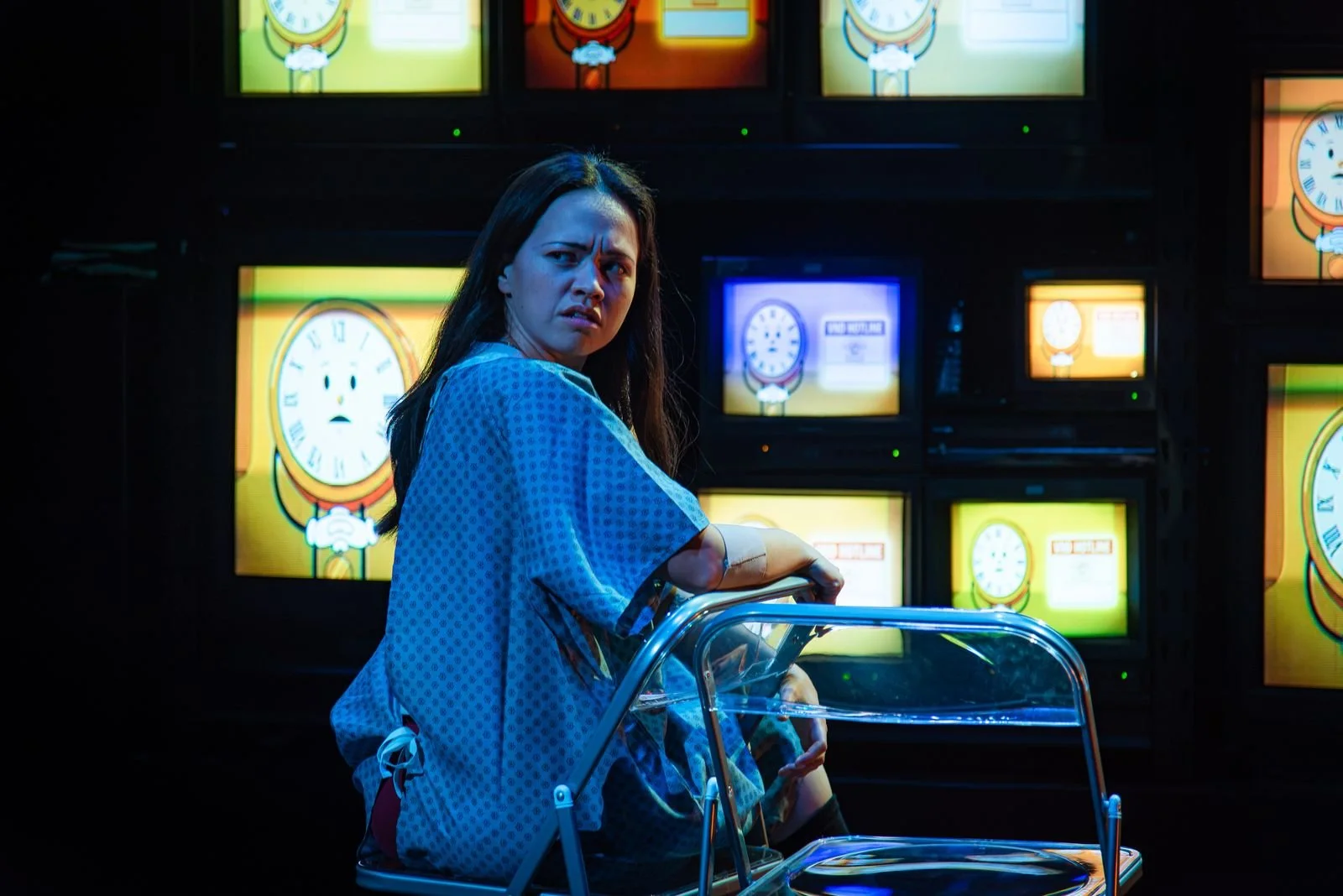
Some of the show’s moments genuinely catch you off guard, like remembering something that makes you laugh while you’re meditating. The faint but annoying beep of a dying fire alarm becomes an auditory reminder of mortality. The show’s projections and sound cues, which Guy attempts, and often fails, to control himself, are part of his meanderings, interjecting with photos, word puzzles, and videos of cute animals. Everything’s intentionally loose.
It takes a certain kind of presence for the looseness (and quirkiness) to work, and actor Craig Erickson has it down. He creates the pauses with believable frailty, and then also sits and moves through them with the resigned dignity of someone approaching an inevitable threshold.
As Lisa, the caregiver who arrives near the end, actor Agnes Tong brings a warm, assured presence, giving Guy (and us) someone to steadily lean on as it all winds down.
Wakey, Wakey ends up feeling like an offbeat, small celebration of simply being here. Instead of a grand final bow, there’s gentle transition, and an acknowledgment of the space the audience and the play have shared together—and that feels relevant. 

Related Articles