Stir Cheat Sheet: 5 things to know about The Phantom of the Opera, screened with a live score to mark 100 years
Lon Chaney’s scary makeup, a vintage pipe organ, and a score by Andrew Downing bring eerie atmosphere to the Orpheum show
The Phantom of the Opera.
Vancouver Civic Theatres presents the The Phantom of the Opera 100th Anniversary Celebration at the Orpheum on October 27, in partnership with the Vancouver Bach Family of Choirs
WHEN THE PHANTOM OF THE OPERA debuted in silent-movie houses a century ago, audiences reportedly screamed and fainted as Lon Chaney’s “monster” revealed his face. Now, to celebrate the film’s 100th anniversary, Vancouver Civic Theatres is screening the horror classic in this city’s classiest heritage cinema: the Orpheum. A six-piece orchestra and an 80-person chorus from the Vancouver Bach Family of Choirs are on hand to perform the score live—complete with Vancouver Civic Organist Michael Dirk on the theatre’s original Wurlitzer organ.
Will audiences be able to hold themselves together a century later? Who knows? But to get you in the mood for this still-scary story, here are five things you need to know about the silent-screen centenarian and this performance:
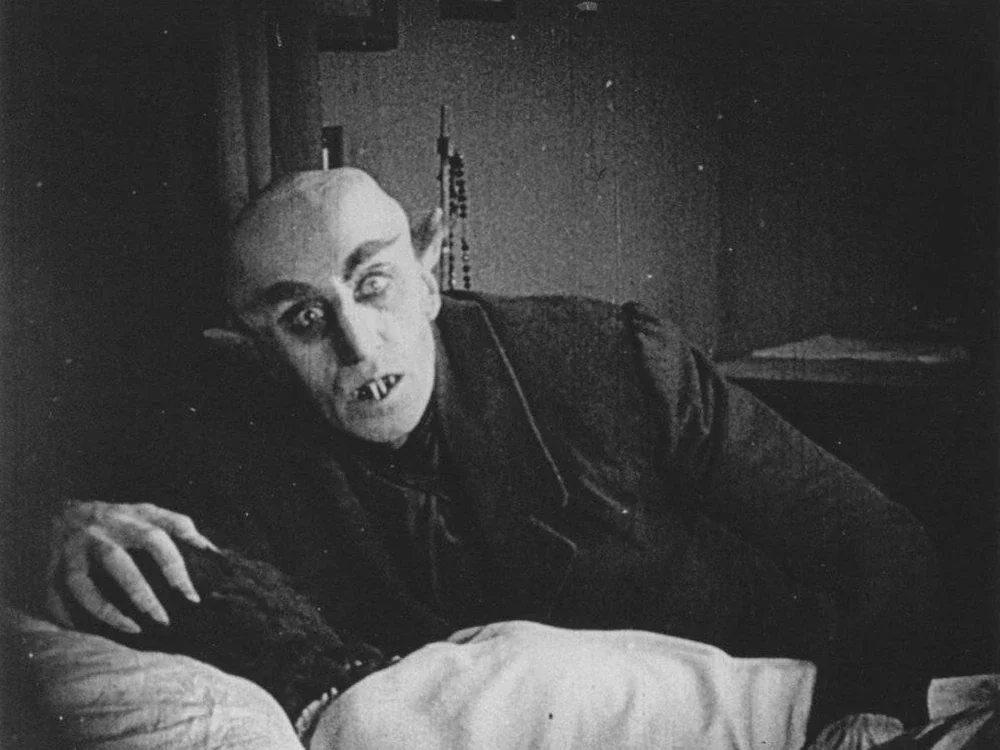
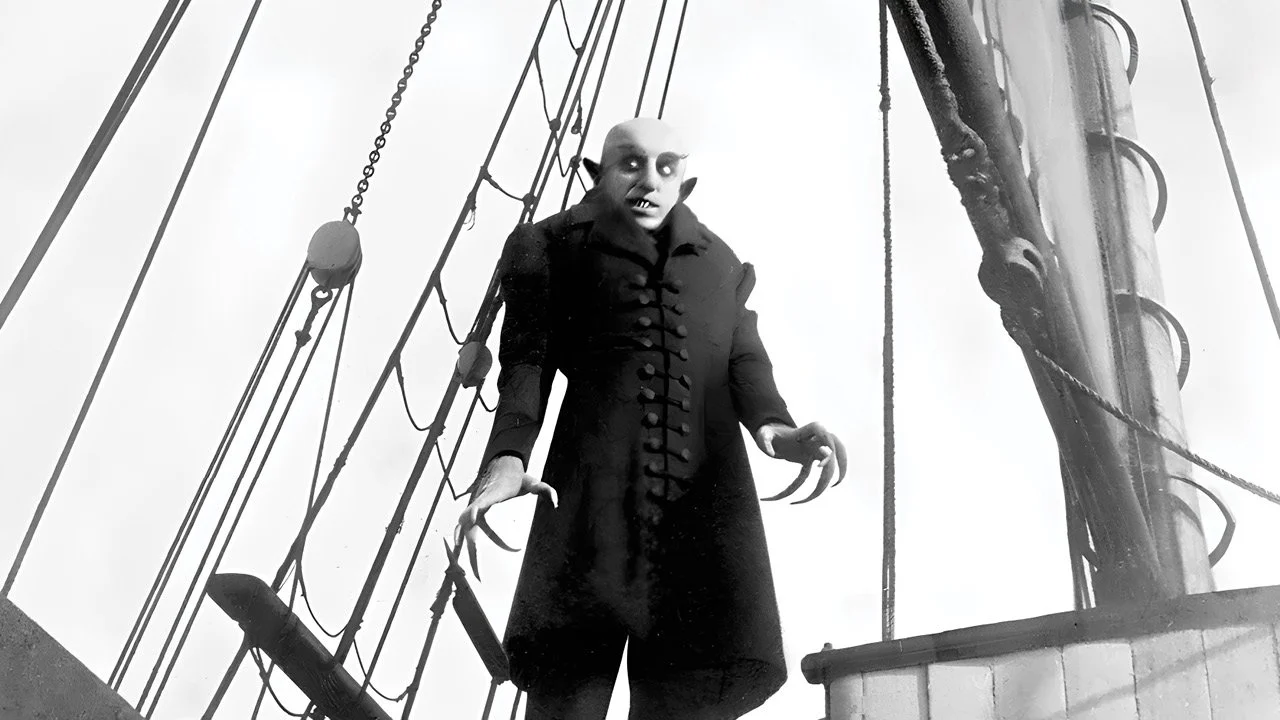
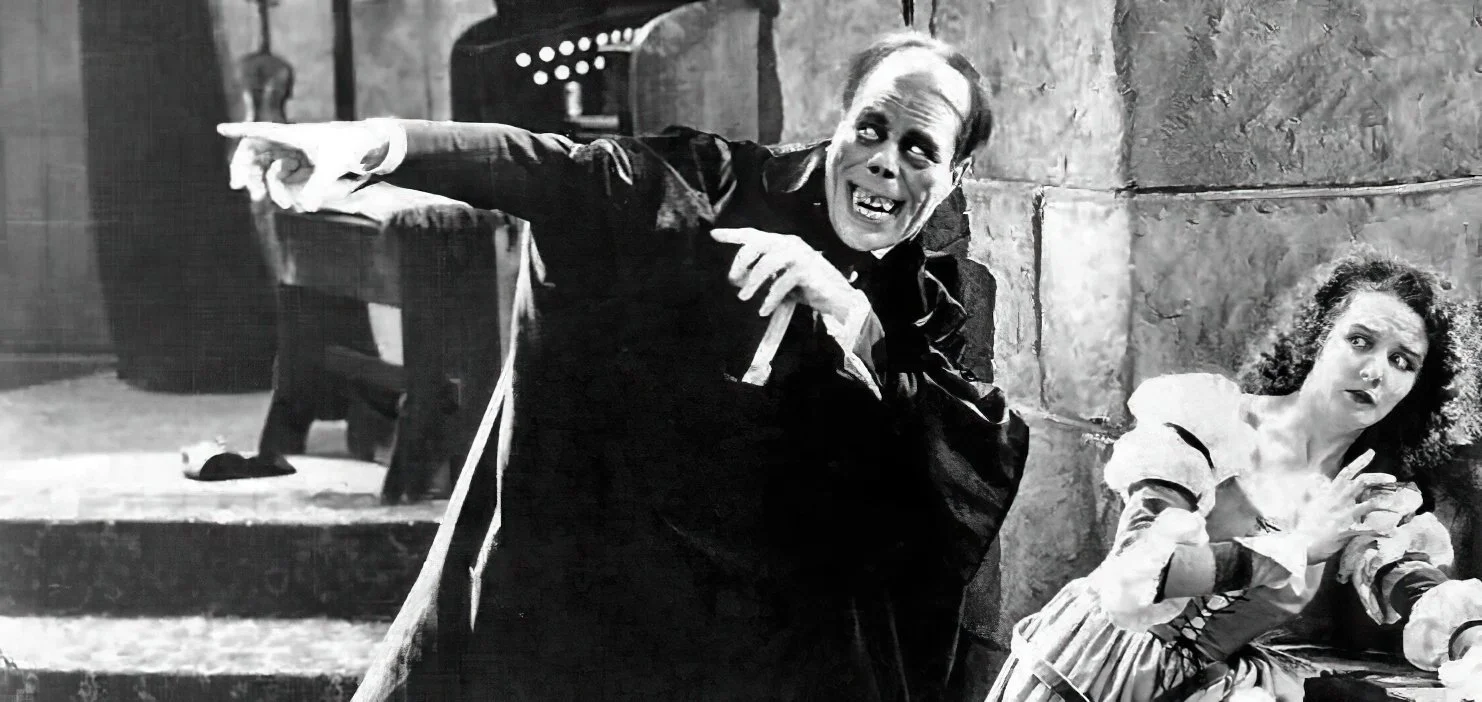
Lon Chaney famously designed the Phantom’s makeup to resemble a skull, partly by attaching thin, translucent fish skin to pull back his skin, yanking up his nose with a wire, and supposedly putting egg membrane on his eyeballs to give them a cloudy look. The moment opera star Christine Daaé (Mary Philbin) pulls the Phantom’s mask off, you’ll see real surprise: Philbin was kept in the dark about just what Chaney had concocted until it was time to shoot the scene.
The Phantom of the Opera.
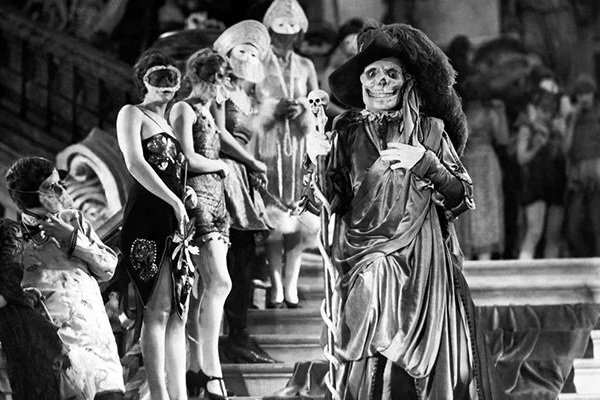
The elaborate Paris Opera House set was constructed at Universal Studios, and it ranked as the world’s oldest surviving structure built specifically for a movie until its demolition in 2014. Until then, it served as the set for hundreds of other productions. Phantom lore includes stories from construction workers about fatal accidents on the set whenever they tried to tear it down; supposedly, it was the ghost of Chaney wreaking havoc.
The Mighty Wurlizter. Photo Martin Knowles
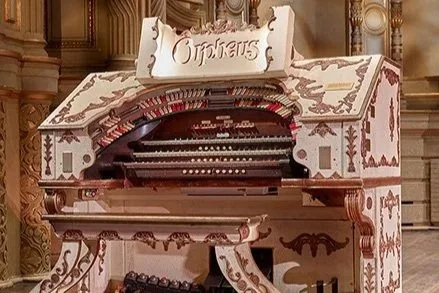
The historic Wurlitzer pipe organ is the last of its kind in Canada still performing in its original home. It was installed when the Orpheum opened in 1927—two years after The Phantom of the Opera’s debut—and it provided musical accompaniment for vaudeville acts and silent films. After being neglected for decades, the organ was restored in 2017 for the Orpheum’s 90th birthday celebration. Spookily, it descends through a trap door into the basement when it’s not in use.
Andrew Downing.
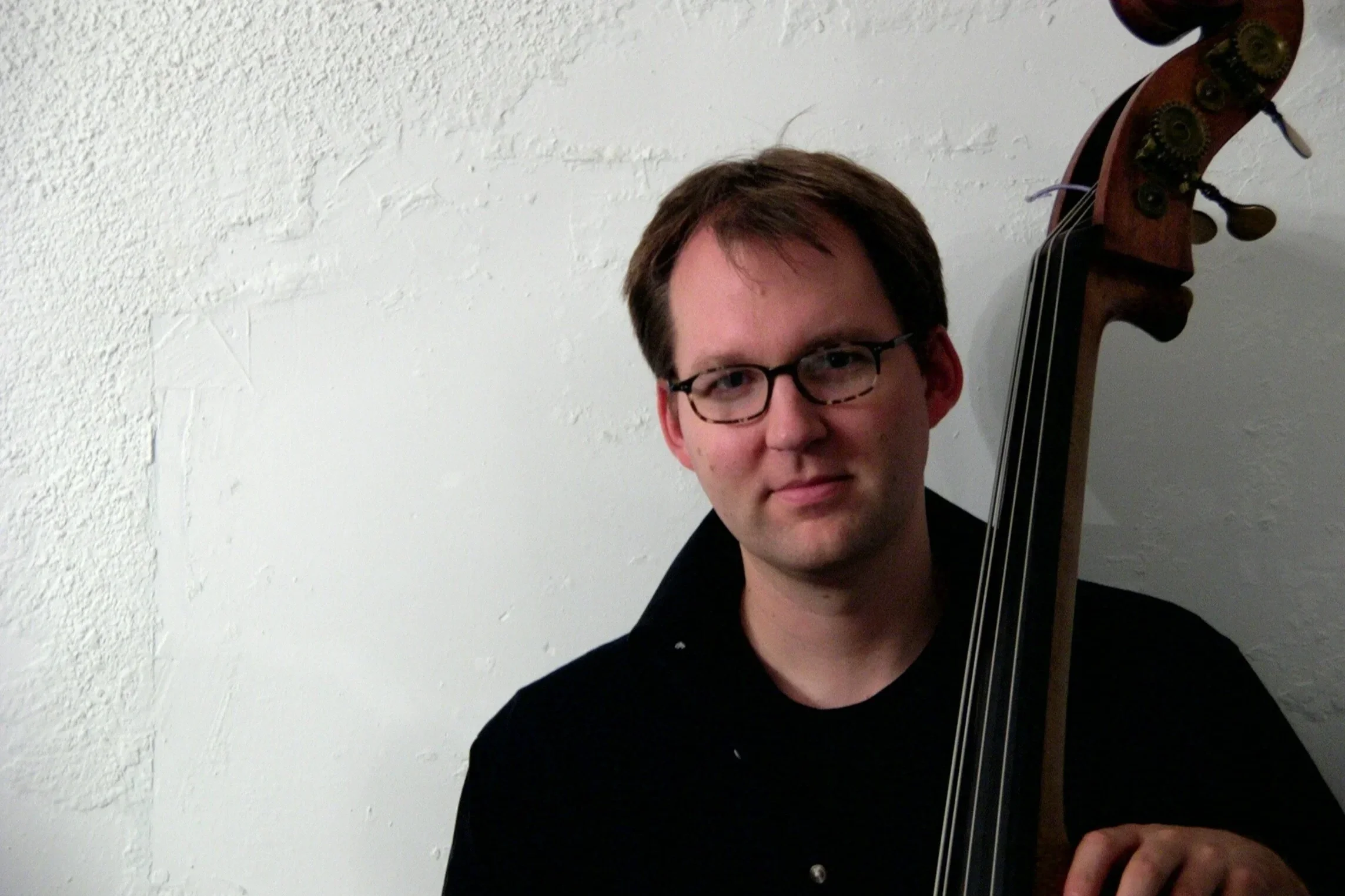
The original score you’ll hear at the event, conducted by Leslie Dala, is one composed by Andrew Downing. It was a commission by the Vancouver Bach Family of Choirs in 2013—and it drew rave reviews for its moody atmospherics. Downing had written scores for other silent classics, such as The Cabinet of Dr. Caligari, The Impossible Voyage, and The Shock. Downing, who had previously improvised a score for a live accompaniment of The Phantom of the Opera, drew upon the original intertitles for the libretto.
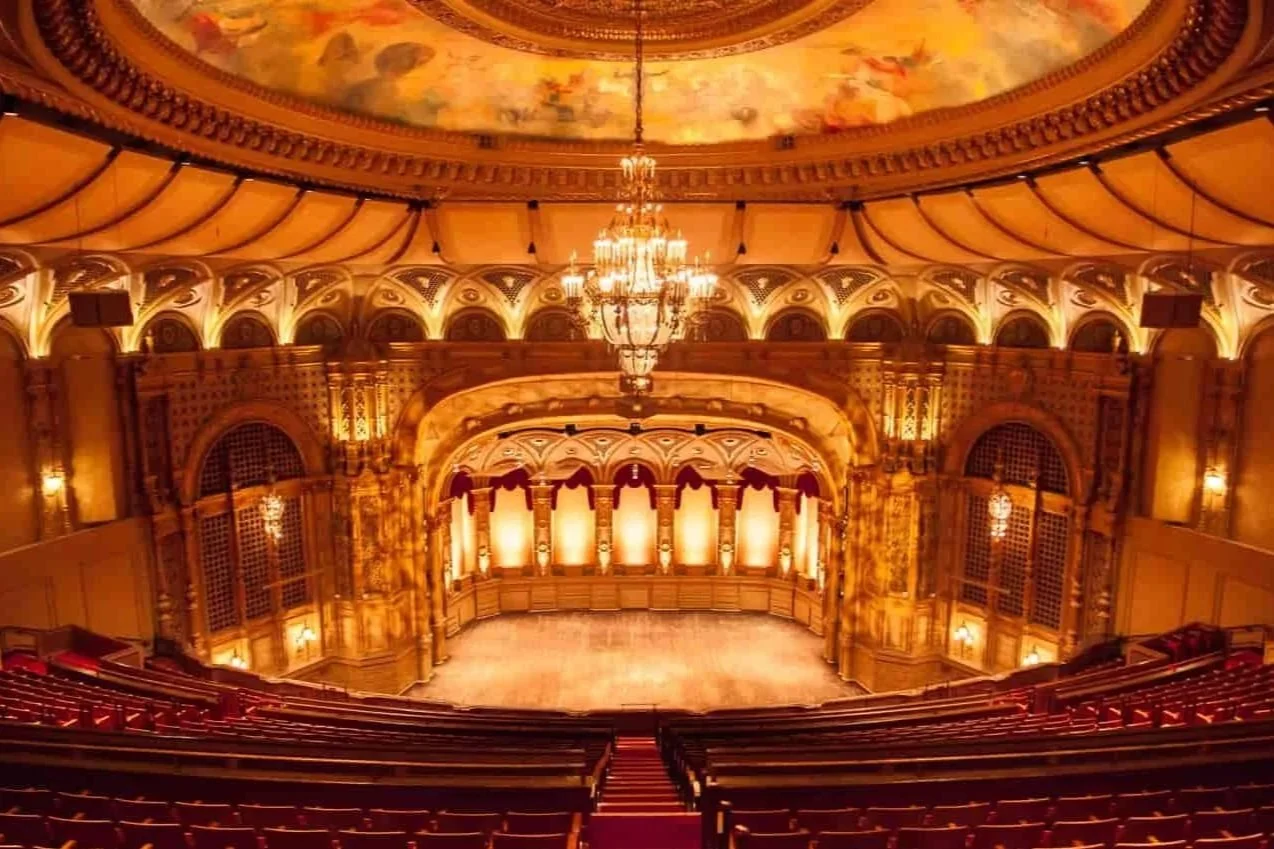
The Orpheum.
The Orpheum is said to be haunted by “phantoms” of its own. According to the book and website Ghosts of Vancouver, “the first and best-known is of a man who appears on stage. He’s mostly seen by staff members during closing hours. Others have seen a ball of light floating near the stage, which quickly vanishes. Some say the phantom was a high-flying acrobat who fell to his death while performing a vaudeville act during the theatre’s early years.” Others have spoken about seeing the ghost of a woman who sits in the audience and watches rehearsals—even giving standing ovations to her favourite performers. And there is also supposed to be a male ghost who haunts the men’s washrooms; he’s believed to be a former bathroom attendant. None of them, as far as we know, inhabit any tunnels or moats underneath the theatre.

Related Articles