La Venue de l’avenir (Colours of Time) takes a lighthearted trip back to 1895 Paris, at VIFF Centre to January 5
Four relatives converge on an old house, discovering the story of an ancestor who journeyed to the City of Light during the Impressionist era
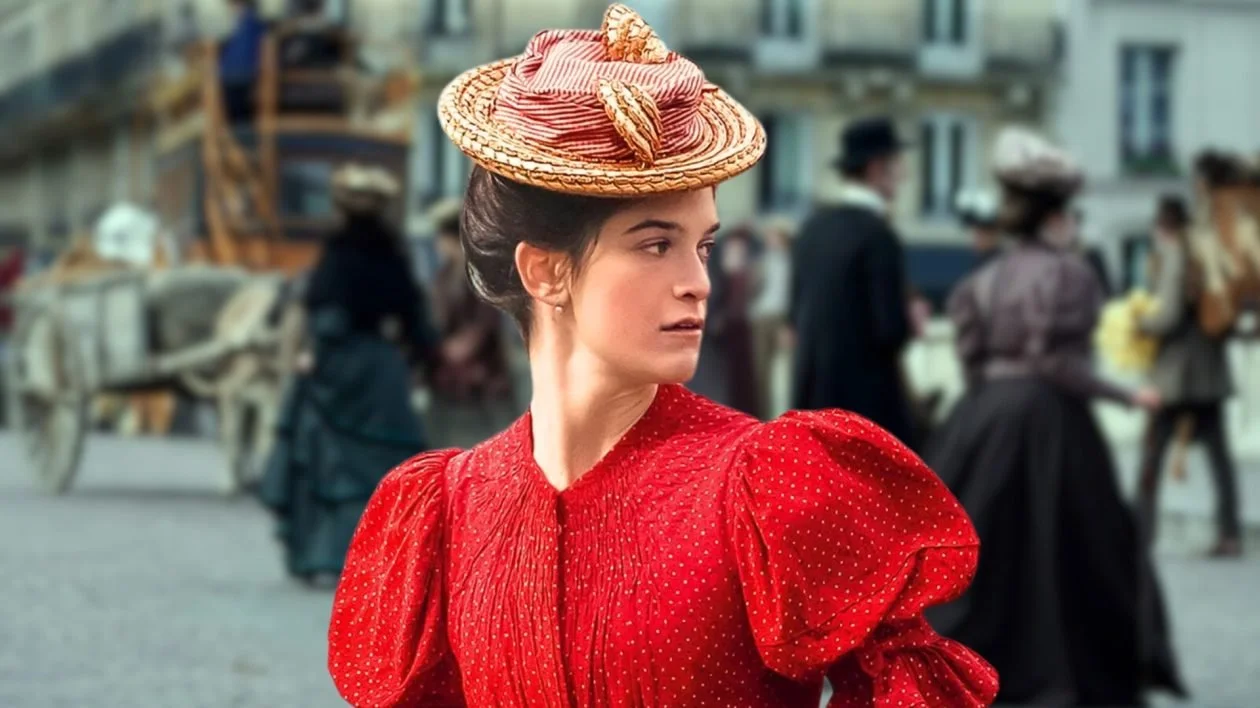
La Venue de l’avenir (Colours of Time).
La Venue de l’avenir (Colours of Time) is at VIFF Centre to January 5
FRENCH DIRECTOR CÉDRIC KLAPISCH’S LATEST lighthearted affair contrasts the digital age’s shallow attitude toward art with that of the gorgeous, belle époque Paris of 1895, when Impressionism was at its height.
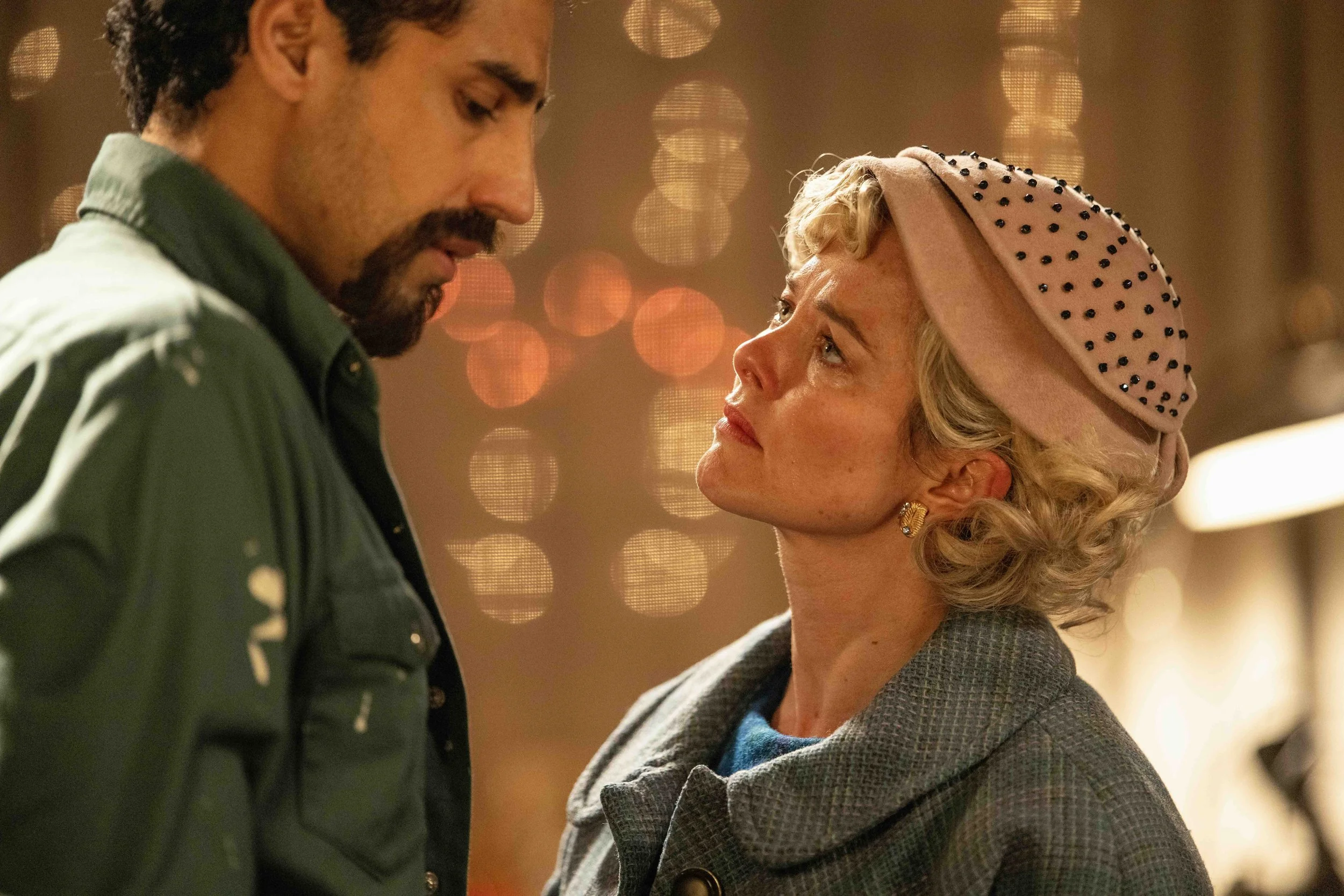
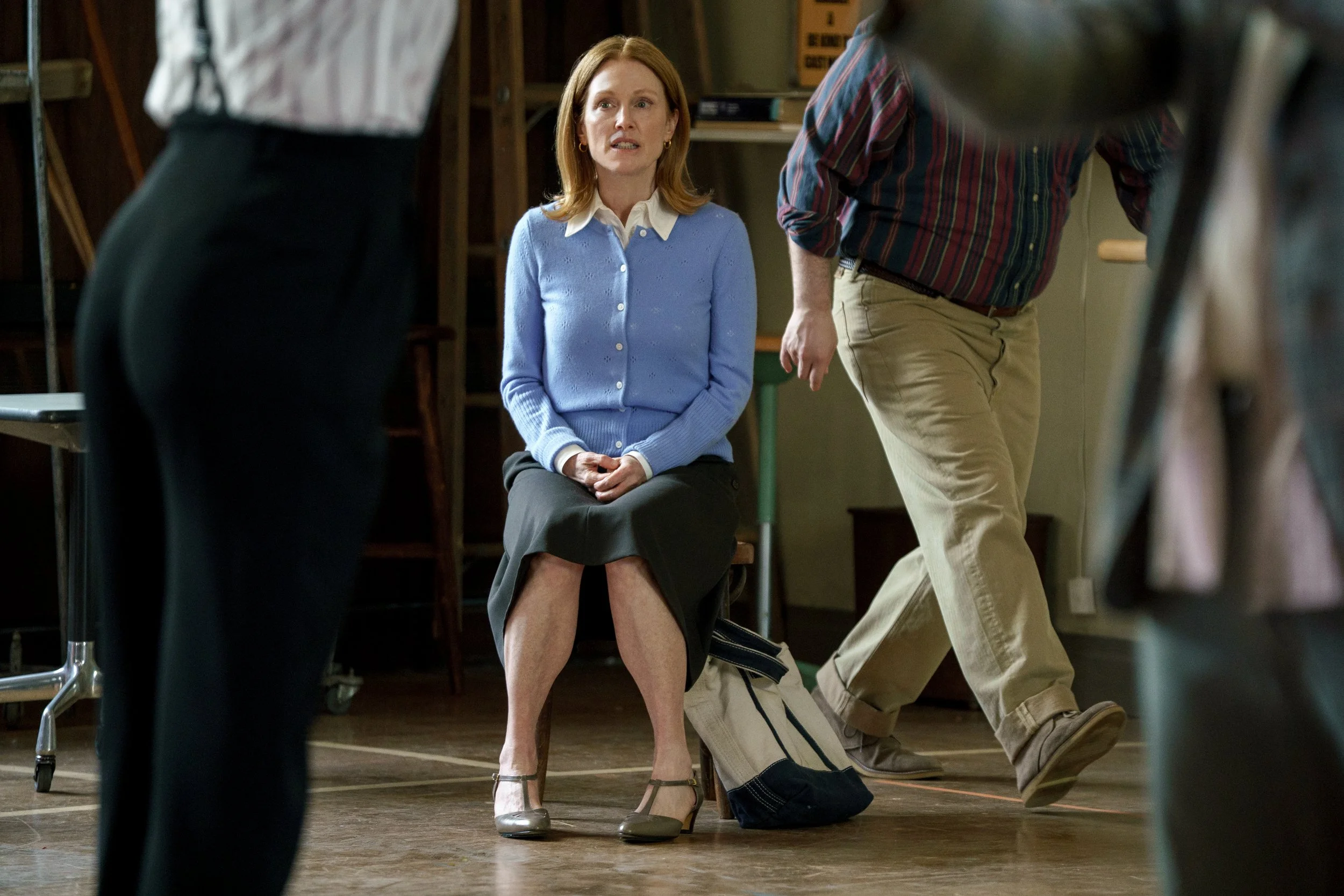
La Venue de l’avenir (Colours of Time) focuses on Seb (Abraham Wapler), who meets up with an eclectic group of estranged cousins—beekeeper Guy (Vincent Macaigne), tightly wound engineer Céline (Julia Piaton), and French teacher Abdel (Zinedine Soualem)—as part of a joint inheritance. They converge on the crumbling estate of a distant ancestor that’s up for redevelopment, using a chainsaw to cut into the country house because it’s so overgrown with vines.
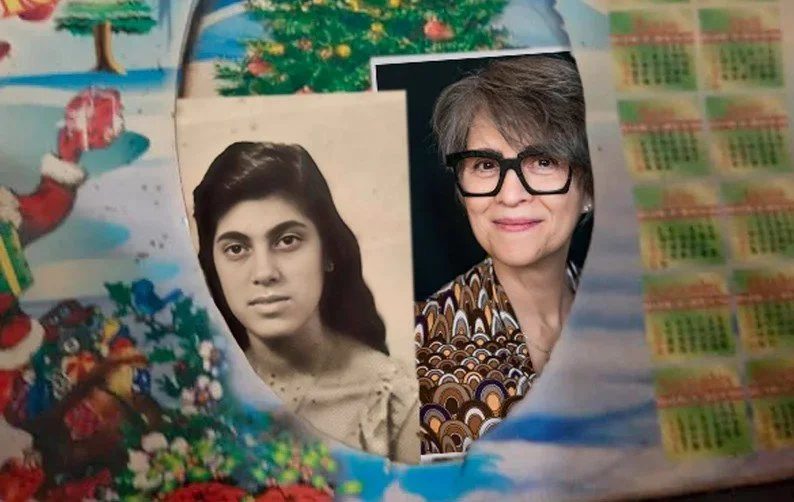
The foursome share a common female ancestor, and from her faded photo on the wall we start to switch over to her late-1800s story: Adèle (the magnetic Suzanne Lindon) is a young woman from the countryside who takes the long journey to the City of Light on a quest to learn more about her who her mother and father were. Along the way, she runs into iconic artists, including one of Impressionism’s most famous masters. Her journey parallels the modern-day Seb’s, as he searches for his own family.
As usual, Klapisch (Back to Burgundy; Russian Dolls; The Spanish Inn) brings a whimsically light touch to his double storyline, poking enormous fun at the smartphone-glued present and revelling in the sumptuous settings of old Par-ee. In one early scene, a contemporary social-media fashion shoot takes place in front of Claude Monet’s famed water-lily murals—the influencer-model complaining her dress doesn’t match the paintings well enough.
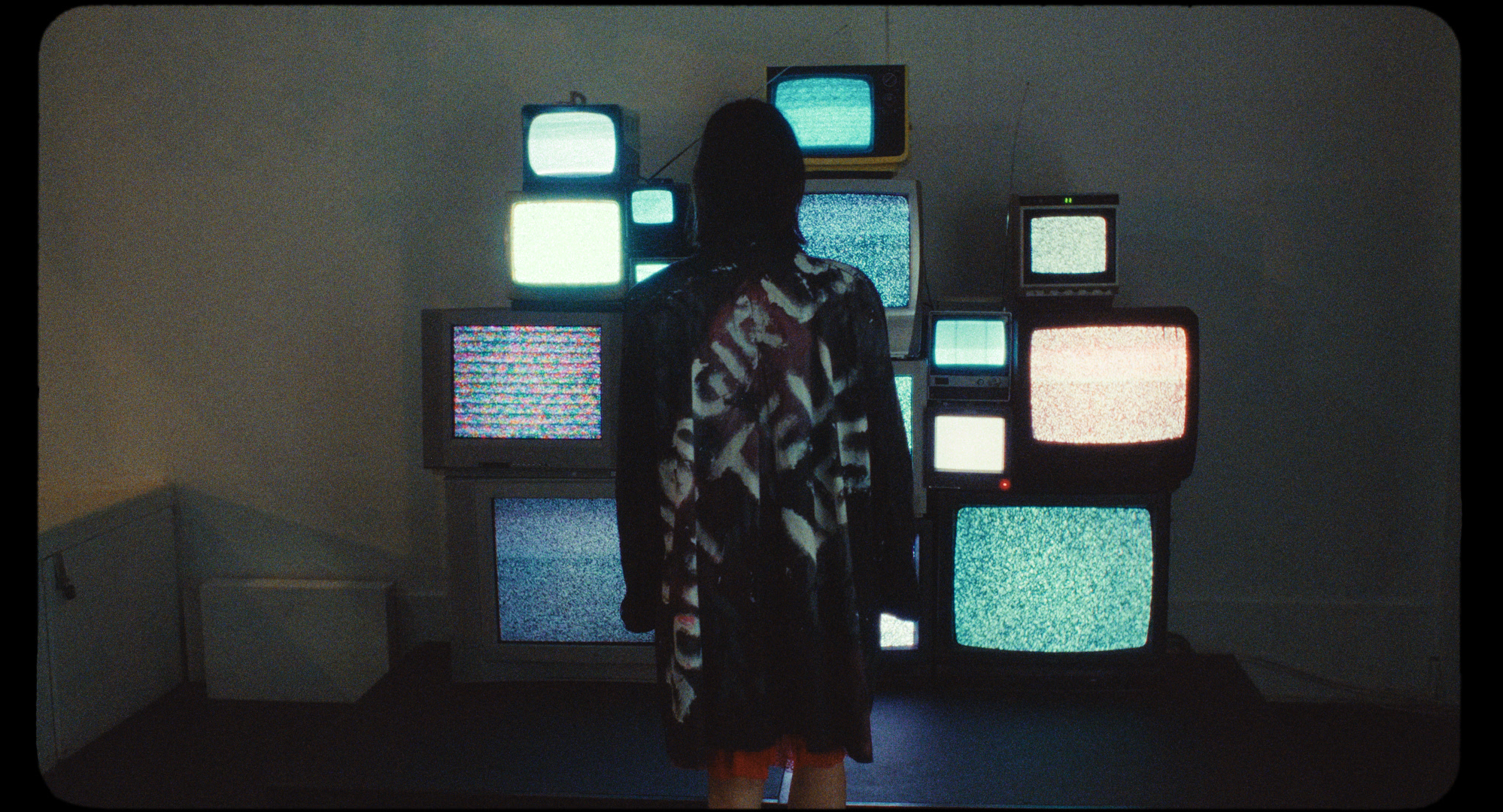
In the film's biggest flight of fancy, there's even a bit of trippy, unlikely time-travelling. But amid all the fun, Klapisch gently prompts us to to consider the way screens have disconnected us from others—and from art. 

Related Articles