Film reviews: European Union Film Festival 2025 travels through folk superstition, trauma, and comedy
Criss-crossing the map from the Lithuanian countryside to a painful Maltese dinner party, this year’s program provokes both chills and laughs
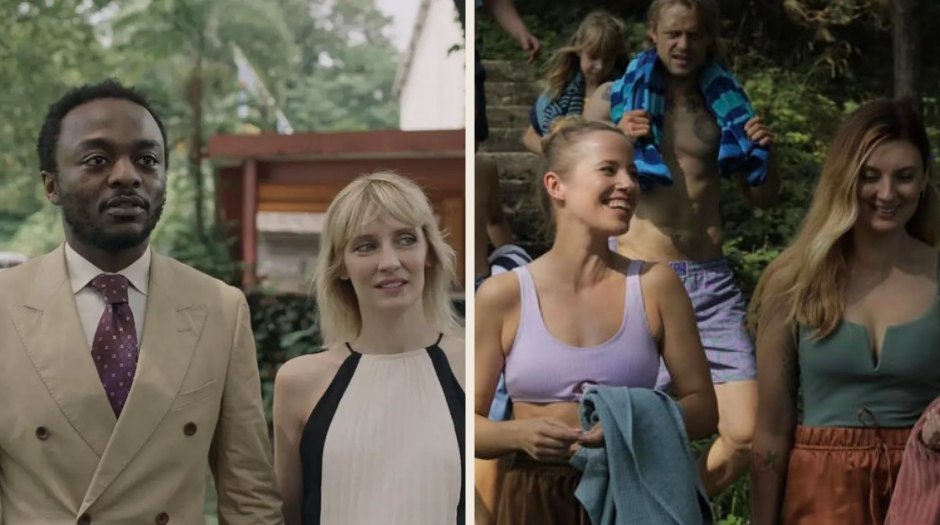
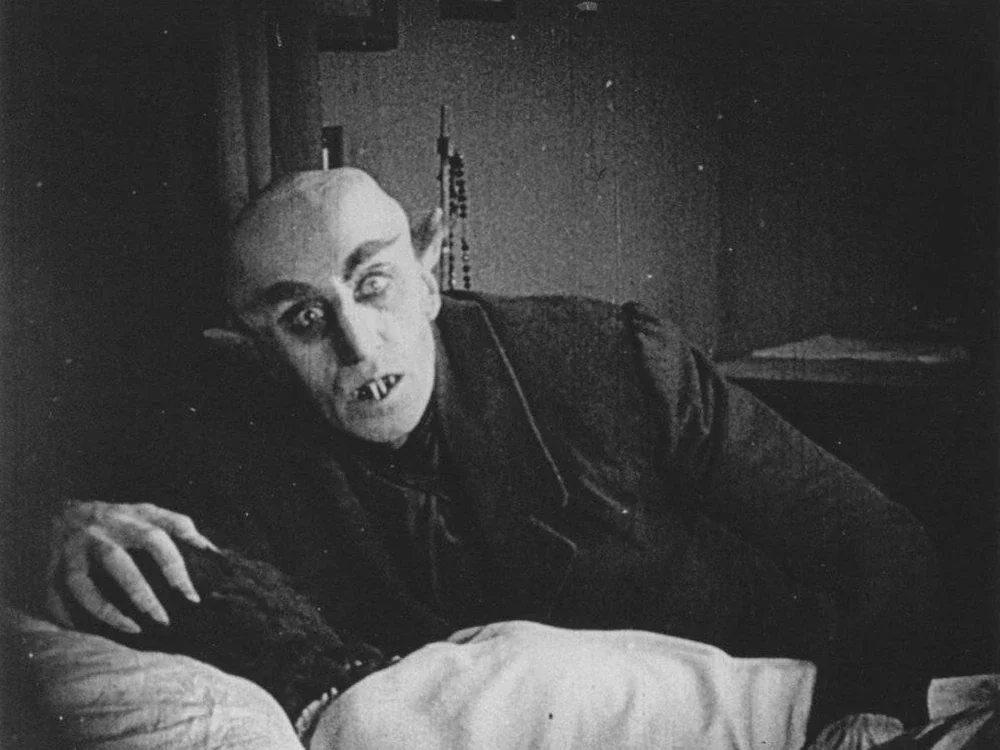
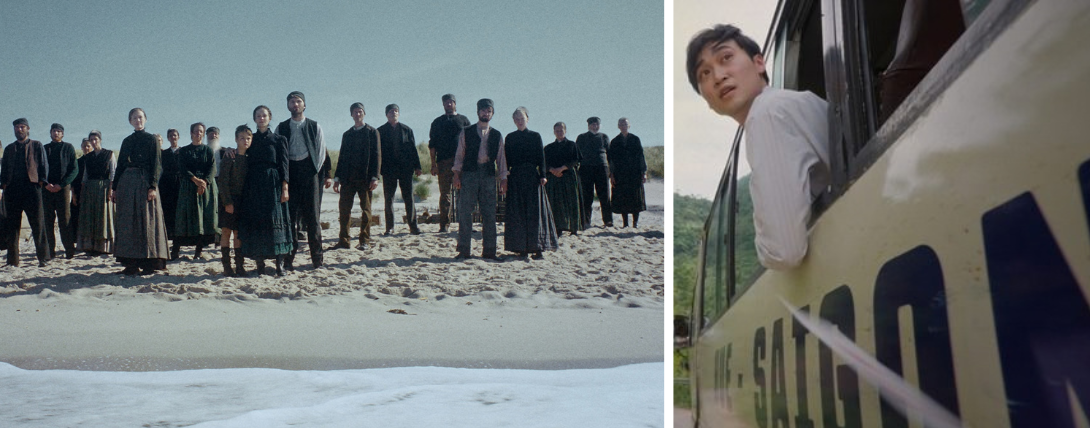
Omen (left); Drowning Dry
NOVEMBER ISN’T the most popular month to travel to Europe, but fortunately we have the European Union Film Festival to take us there—journeying from Ireland to Italy and Lithuania, spanning all 27 countries in the geographic bloc. The 28th annual event at The Cinematheque, presented in partnership with Ottawa’s Canadian Film Institute and Toronto’s European Union Film Festival from November 13 to 26, boasts everything from famed director Agnieszka Holland’s portrait of Franz Kafka (Franz) to Porcelain War, an Oscar-nominated documentary about three defiant Ukrainian artists (screened on November 26 as a fundraiser for the Canada-Ukraine Foundation).
Below, we look at a few other highlights, ranging from a painful Maltese dinner party to a polished Polish thriller, plus a few wildly contrasting looks at the way we process trauma.
OMEN (Belgium/Netherlands/Democratic Republic of the Congo)
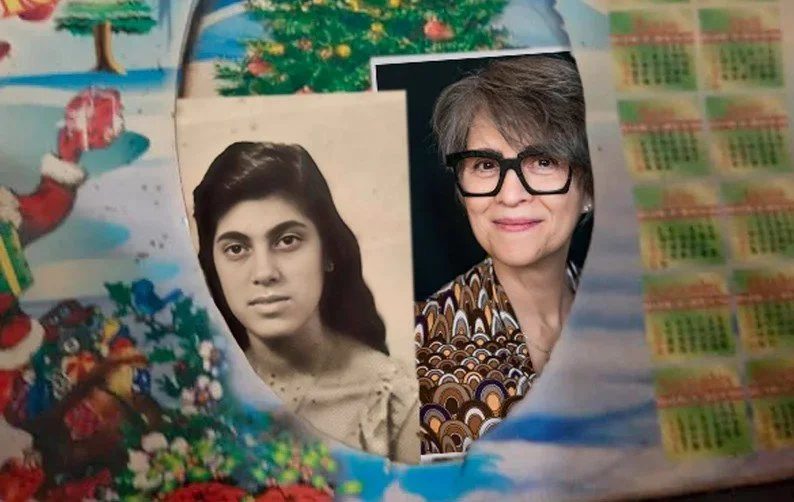
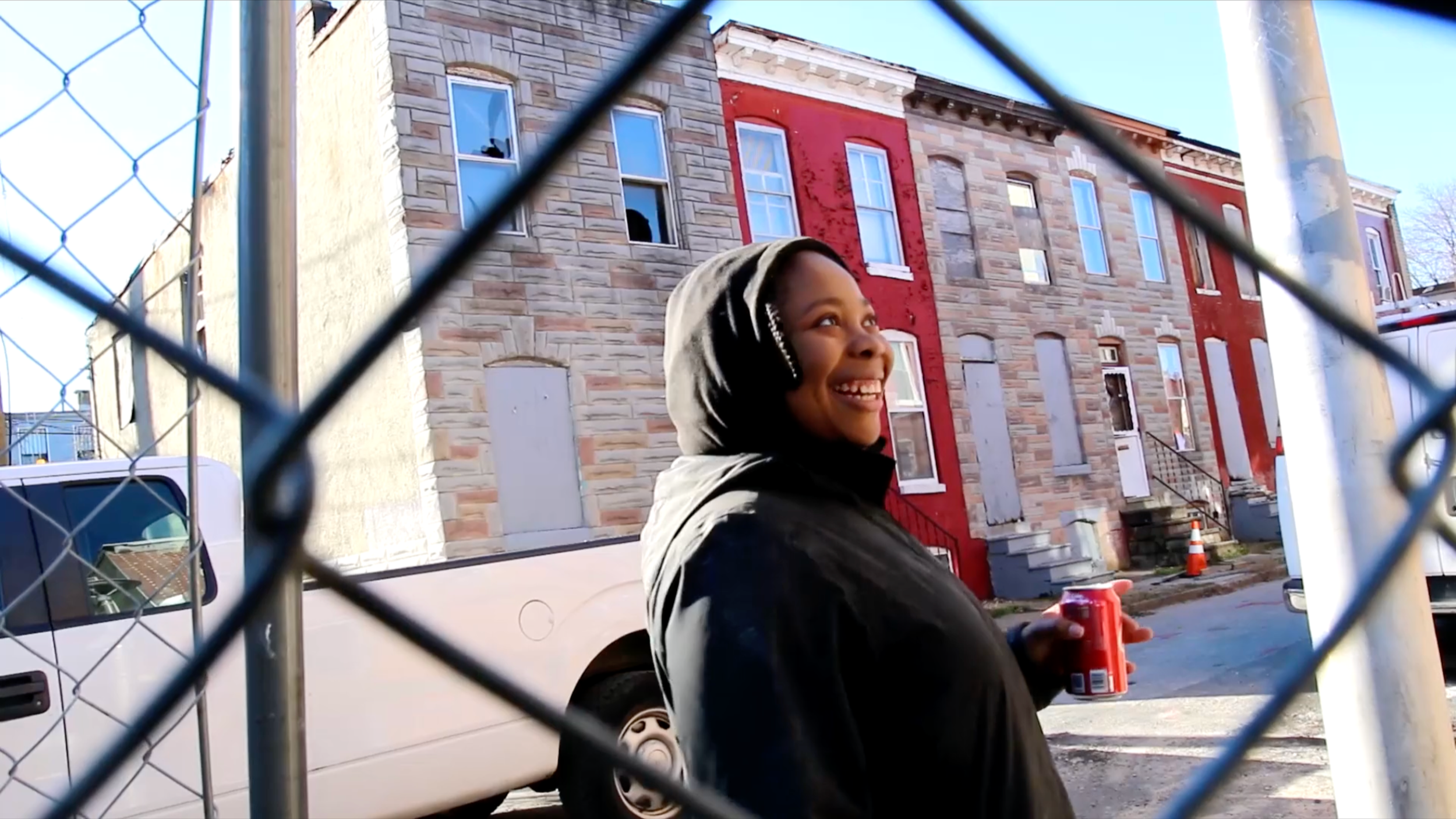
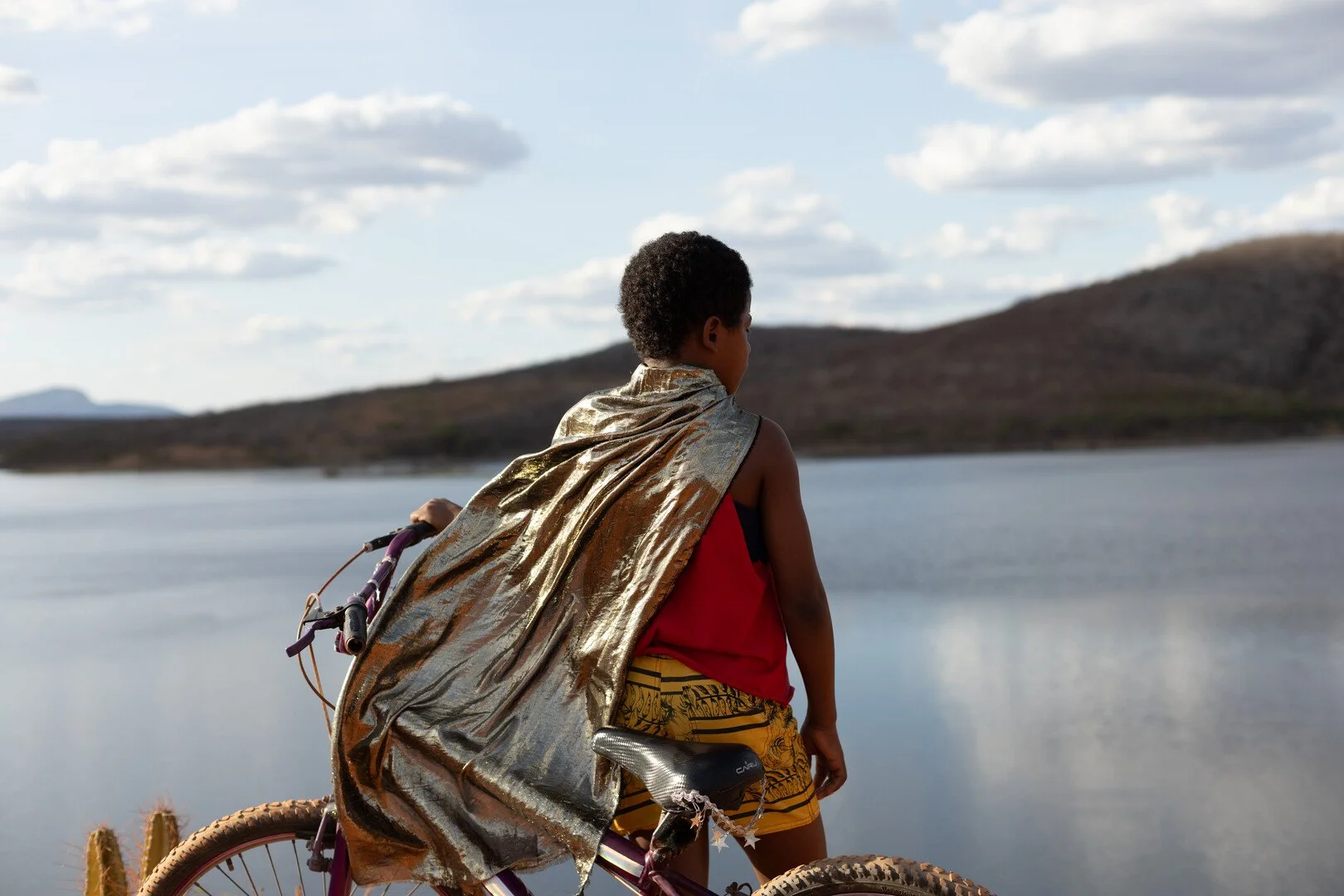
This open-hearted mood piece considers the friction between folk superstition and Western rationalism, though it’s really about the ways we process trauma. It’s an unhappy homecoming for Koffi when he returns from Belgium to Kinshasa with his slightly pregnant and very white partner, Alice. His mother believes her birthmarked son was cursed in the womb, and openly treats him that way. Dad is absent, working in the mines or worse, and Koffi’s sisters and uncle are anything but warm. An ensuing tragedy adds detail and reorganizes the viewer’s sympathies toward Mom in particular. The film’s abstract, mystical sensibility is thereby sacrificed to the Eurocentric POV of its central character, but, still, some haunting images emerge from the DRC’s blanched and alien landscapes while a subplot involving warring street kids in wild gang threads adds to the picturesque weirdness. AM
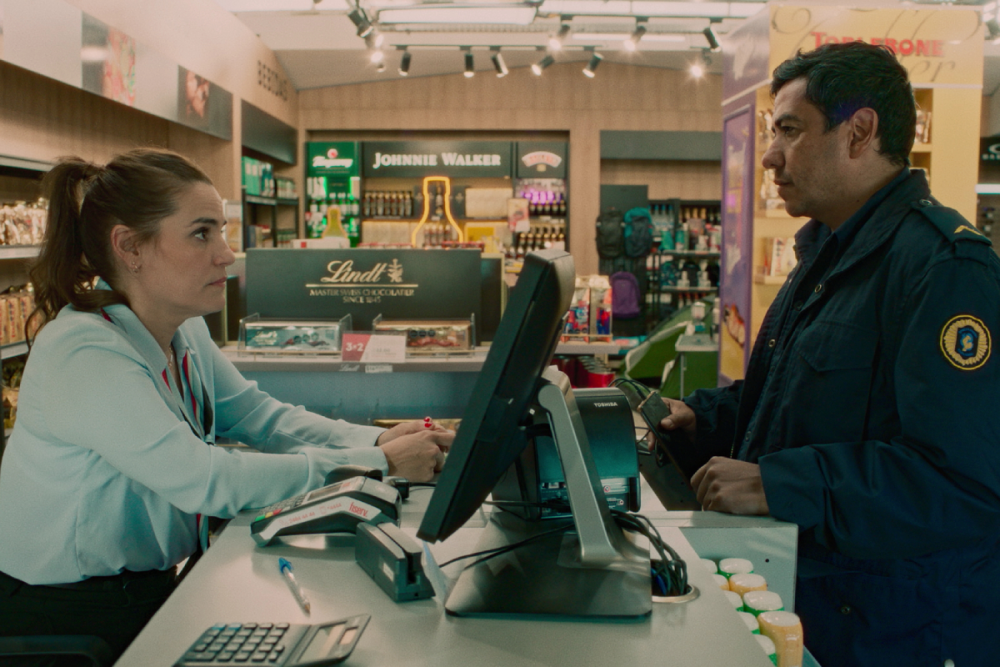
CIAO CIAO (Malta)
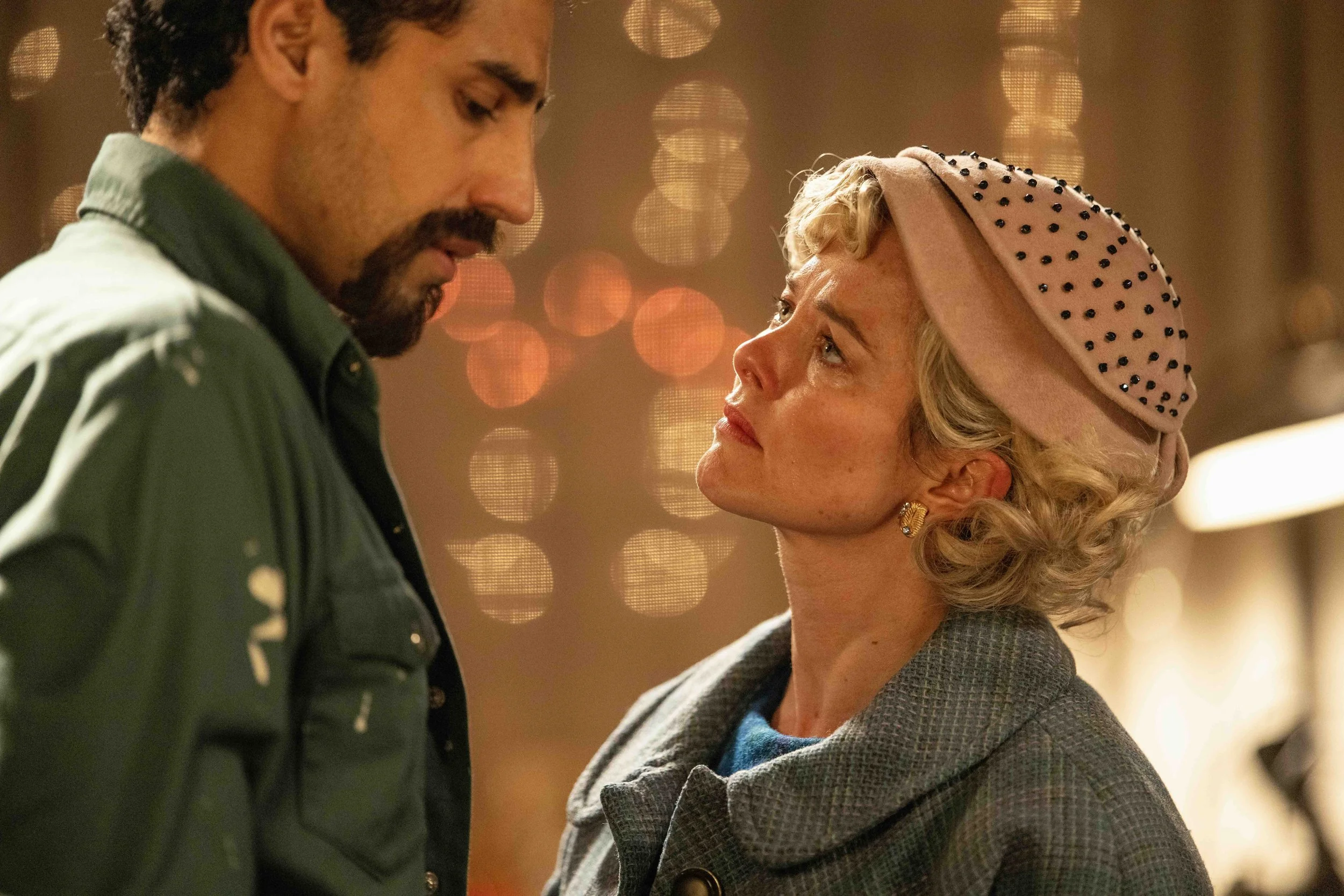
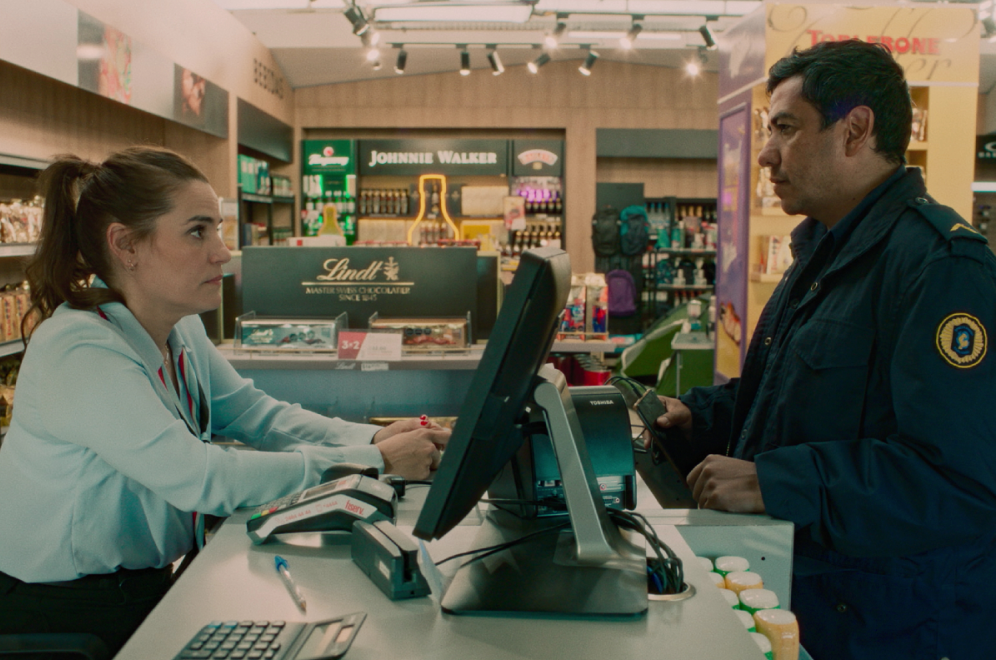
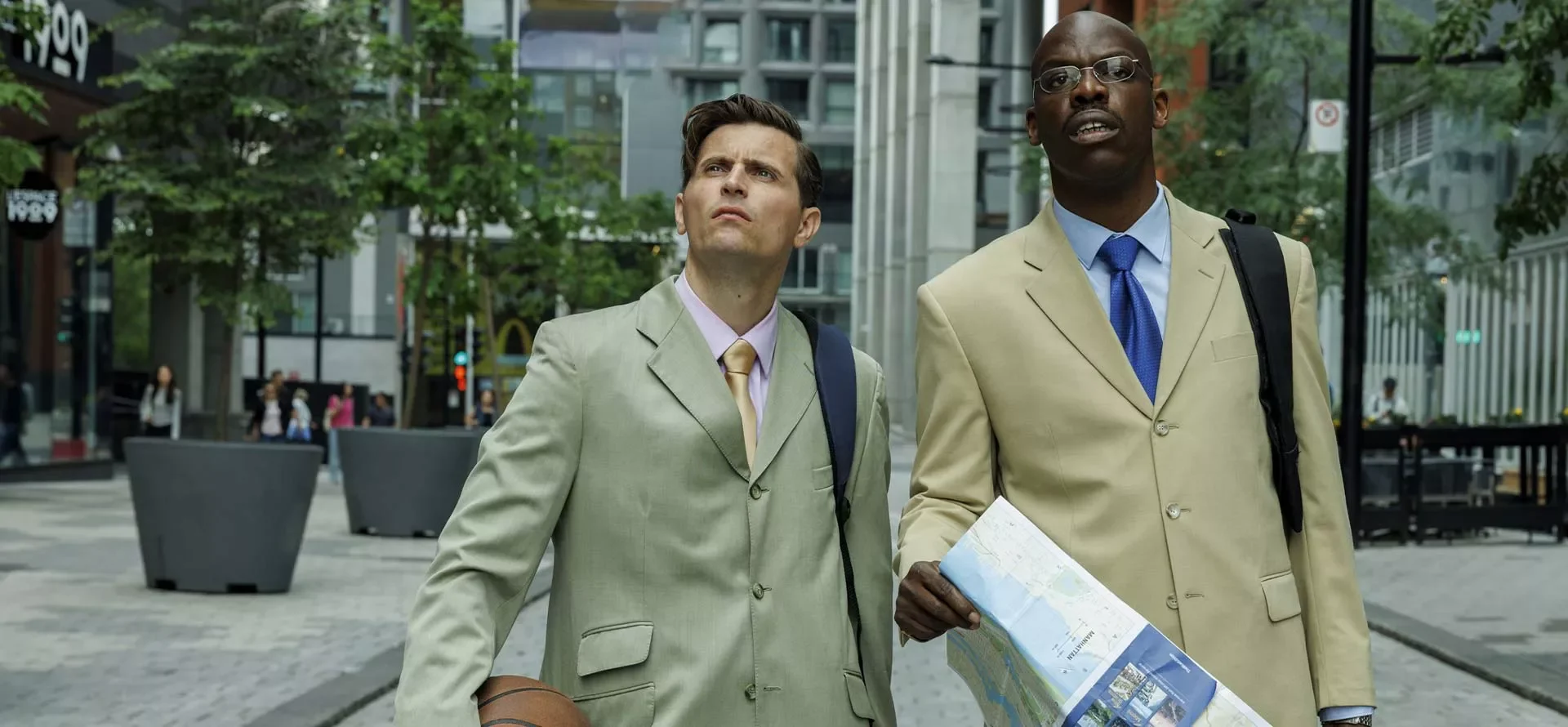
A chance encounter brings two old school friends together and they subsequently catch up, partners in tow, over a painful dinner party that somehow just won’t end. Meanwhile, two youths share a sweet afternoon together after an odd mishap, and a man is rescued from an apparent suicide attempt by a passing jogger with an unlikely name. Of course, these stories are related and finally tie together in this very entertaining effort from Malta. The film’s biggest asset is its vivid characters and winning performances that save everyone, including self-regarding politician Victor, from being completely despicable. On the contrary, we enjoy our time with all of them. But the Buñuelian logic runs deep. Ciao Ciao giddily ridicules social conventions and the bougie ding-dongs trapped inside them, sees the latent violence underneath, and even throws some subtle barbs at pandemic measures. It’s such fun that you may not notice how its fractured structure, more than just flashy, is used to set up some laugh-out-loud punchlines. AM
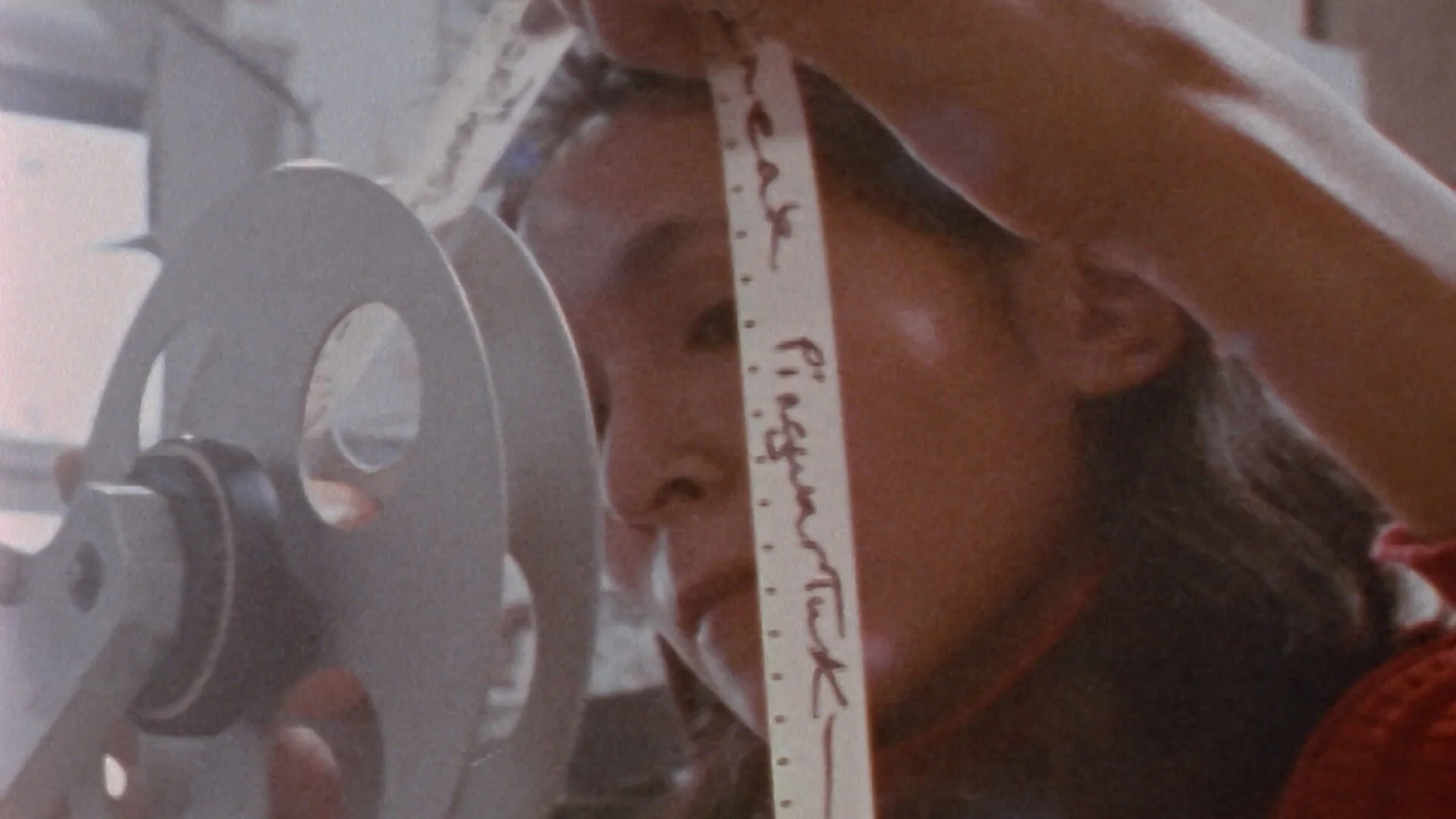
MAKING OF (France)
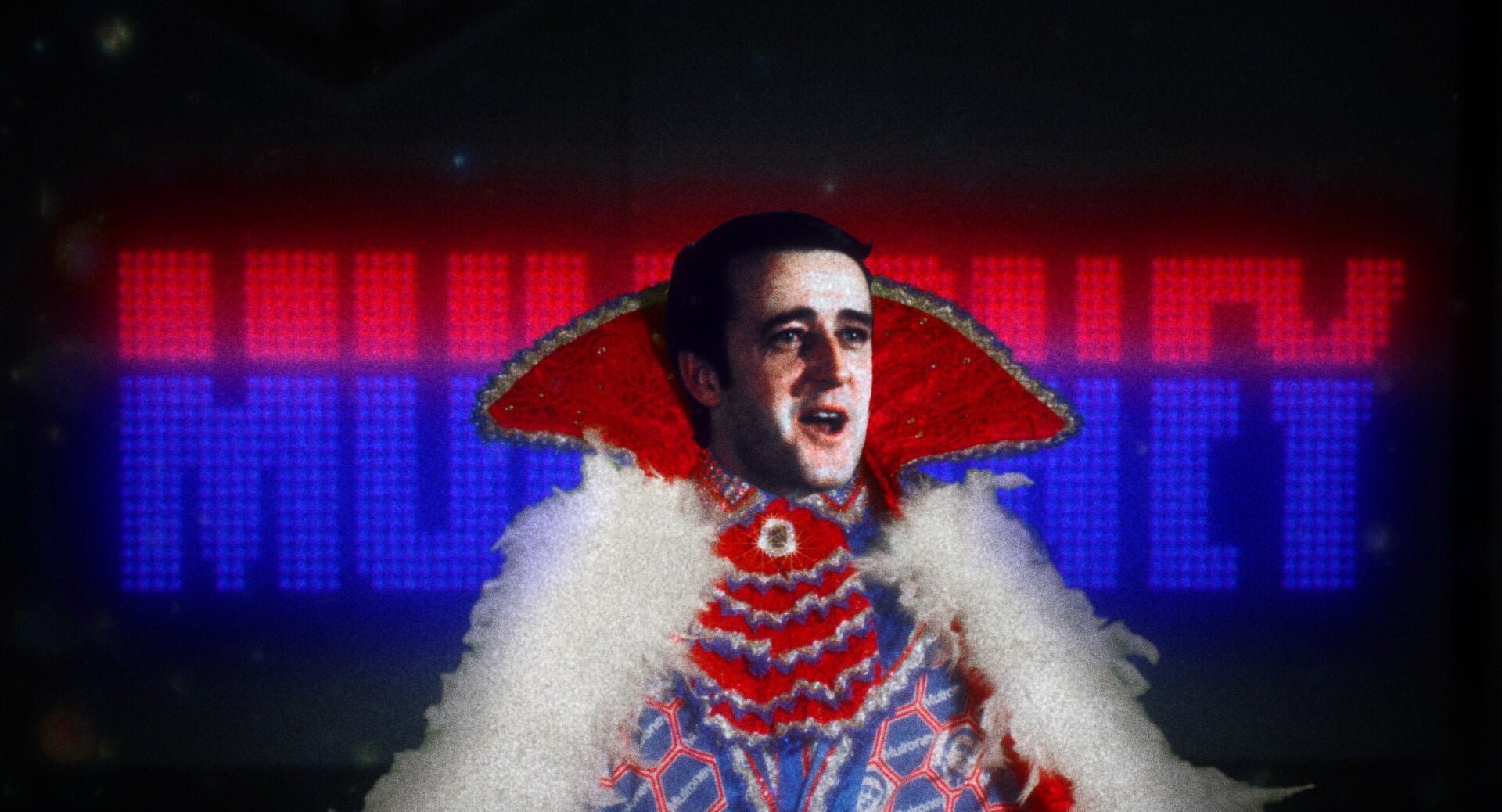
With his private life in free fall, film director Simon struggles to make a social-realist drama about a recent factory uprising. It’s not going well. The film’s vainglorious star undermines his authority and creates endless havoc, while a mendacious producer keeps promising funds that never transpire. Eventually, the film’s plot is mirrored by mutinous labour relations on set, but that’s just one aspect of Cédric Kahn’s love-hate letter to filmmaking. Clever games ensue from the opening minutes when we see the crew working inside a simulated rainstorm. Simon calls “Cut” and then hurriedly mobilizes everyone again when the skies open for real. But, of course, it’s not really for real; it’s a neat joke that establishes the film’s nested realities, which frequently overlap. Fearing career collapse, Simon commandeers an ambitious extra to document everything, which includes on-set romance and health emergencies—a whole world, in fact, inside this intense but temporary community. Filmmaking may be an unbelievable pain in the ass and possibly even fatal, says Making Of, yet here we are anyway, watching these rather wonderful results. AM
DROWNING DRY (Lithuania/Latvia)
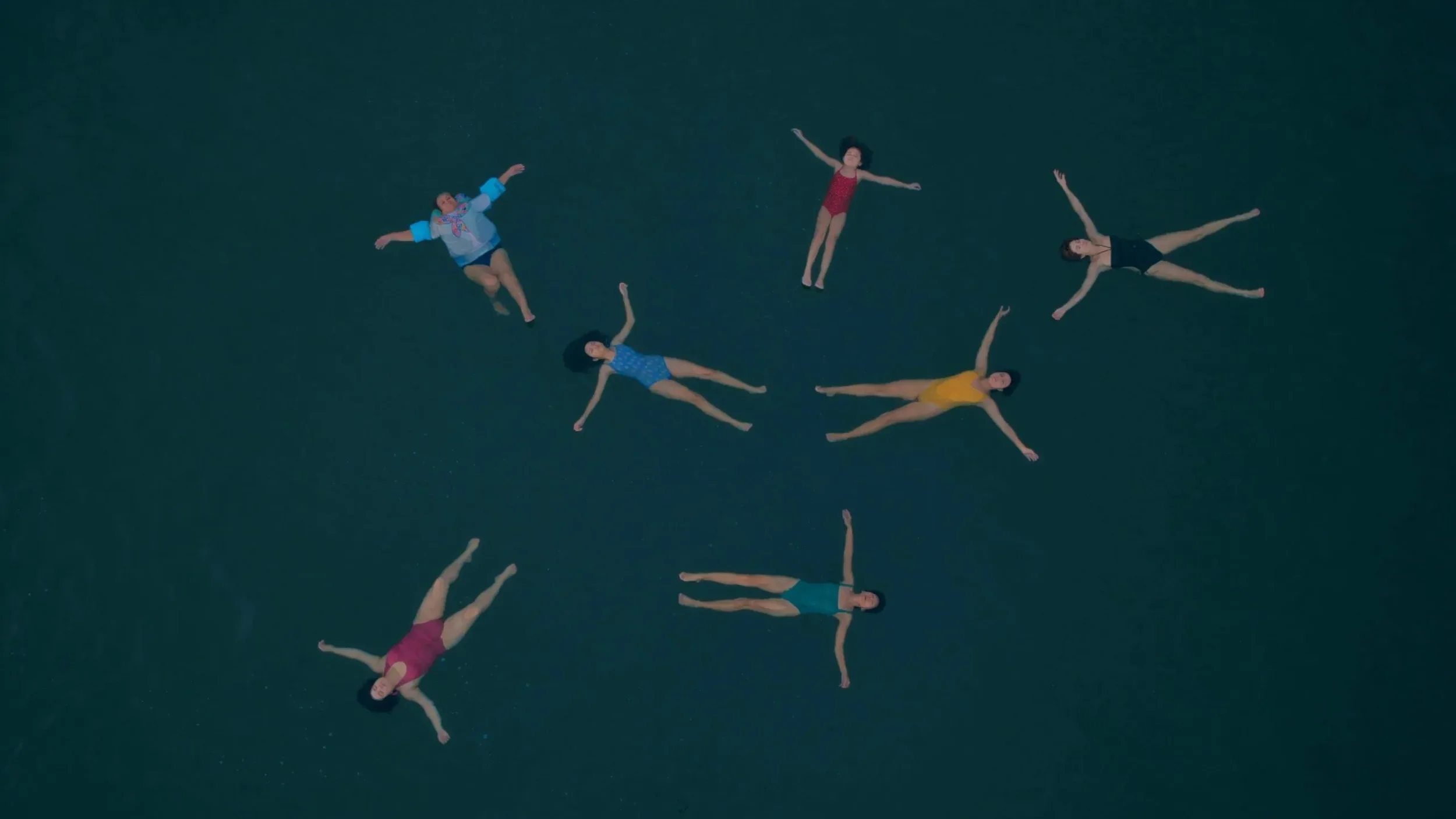
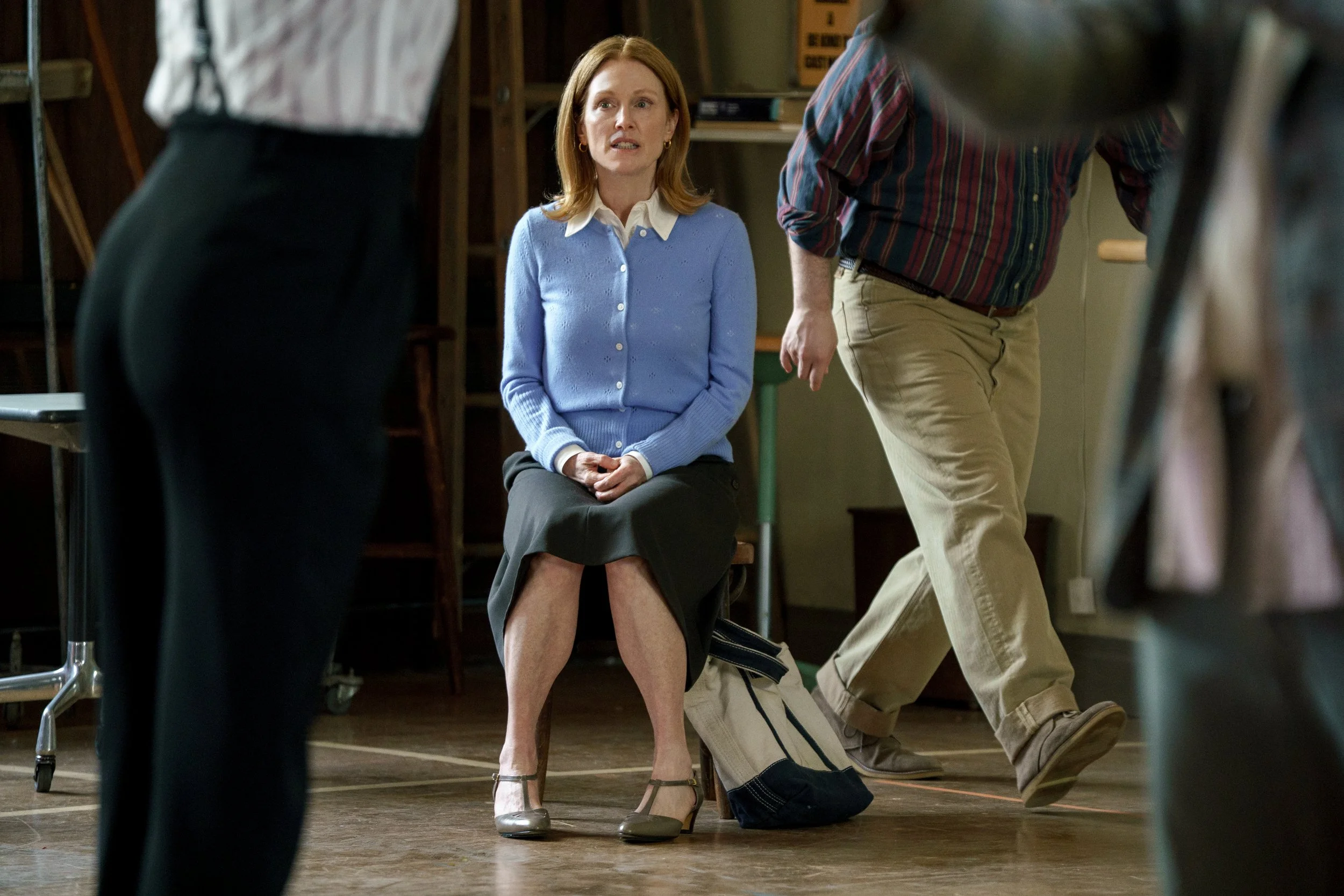
Two adult sisters bring their families to a lake house for a barbecue, a swim, and cake. But as Lithuanian director Laurynas Bareiša shifts abruptly back and forward through time, the events unfolding at the country home take on the fragmented quality of memory and deep, unsettling new meaning. There are vague tensions as we meet Ernesta (Gelminė Glemžaitė) and her mixed-martial-arts fighter husband Lukas (Paulius Markevičius), and her sister Justė (Agnė Kaktaitė) with her spouse Tomas (Giedrius Kiela), each couple with a child about the same elementary-school age. For one thing, the men are competitive, whether it’s over fast-driving cars or the ability to fight; in one uncomfortable, extended scene, they sit silently eating snacks at a table together. The families clearly inhabit different classes: one struggles to secure a mortgage, the other can afford big trucks and expensive ceramic Egg grills. But the most chilling thing about the movie is how it shows the way small rivalries can be rendered meaningless in a single, unfortunate instant. Full of long takes, Drowning Dry reveals how the mundane can give way to the tragic, and how trauma can loop in our minds. The film occasionally circles back to the same scenes at the vacation house, shot with slight differences, Bareiša capturing the subtle ways our memories can shift. From its simple beginning, Drowning Dry grows from an understated study of family dynamics into a disorienting, complicated look at loss, survival, and remembering. JS
BREACHED (Poland)
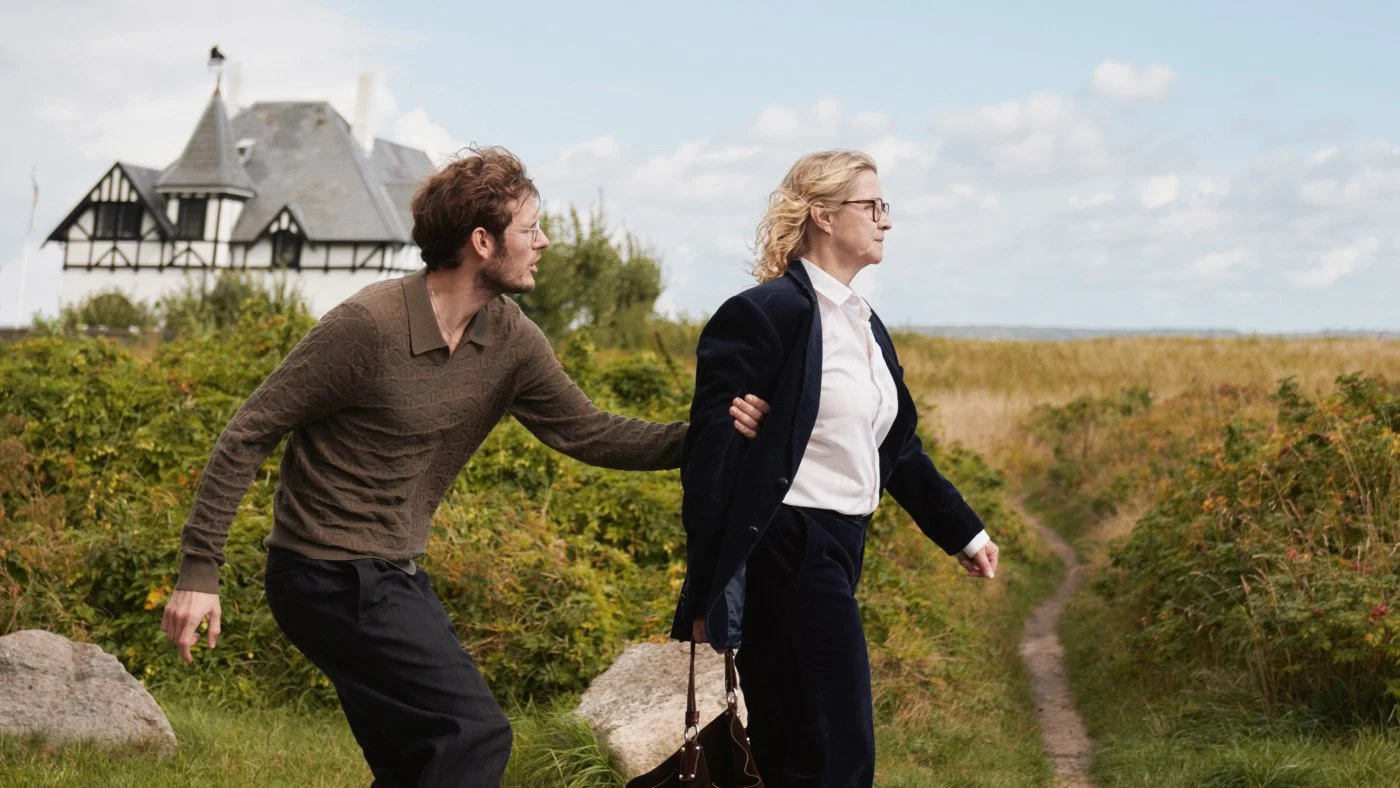
A glossy, noirish thriller from Poland, Breached is totally absorbing while presenting characters who would never act like this in real life. That might explain some odd tonal contradictions in a story that begins with Maciek pondering when and how to announce his wife’s violent death to their child, only for the film to emerge as a comically inclined buddy picture upon the entrance of her secret lover (a reclusive actor peeved that his TV fame eclipses his theatre work). Breached flickers between dark and comic with dizzying speed, but it’s eminently watchable and manages, somehow, to evince affection for Maciek’s dreary pill of a company man, who evidently stood in the way of his partner’s creative ambitions and even gets punched out by his grieving father-in-law. To that end, as Maciek—who finally overcomes lifelong risk aversion to investigate his wife’s mysterious demise—the ungainly, unpretty figure of Tomasz Kot carries the film against all reasonable odds. AM 


Related Articles