Film review: La Cocina captures the chaos, broken dreams, and camaraderie of a Times Square kitchen
Energetically shot new film explores profound—and timely—issues around undocumented immigrants and class divisions in America
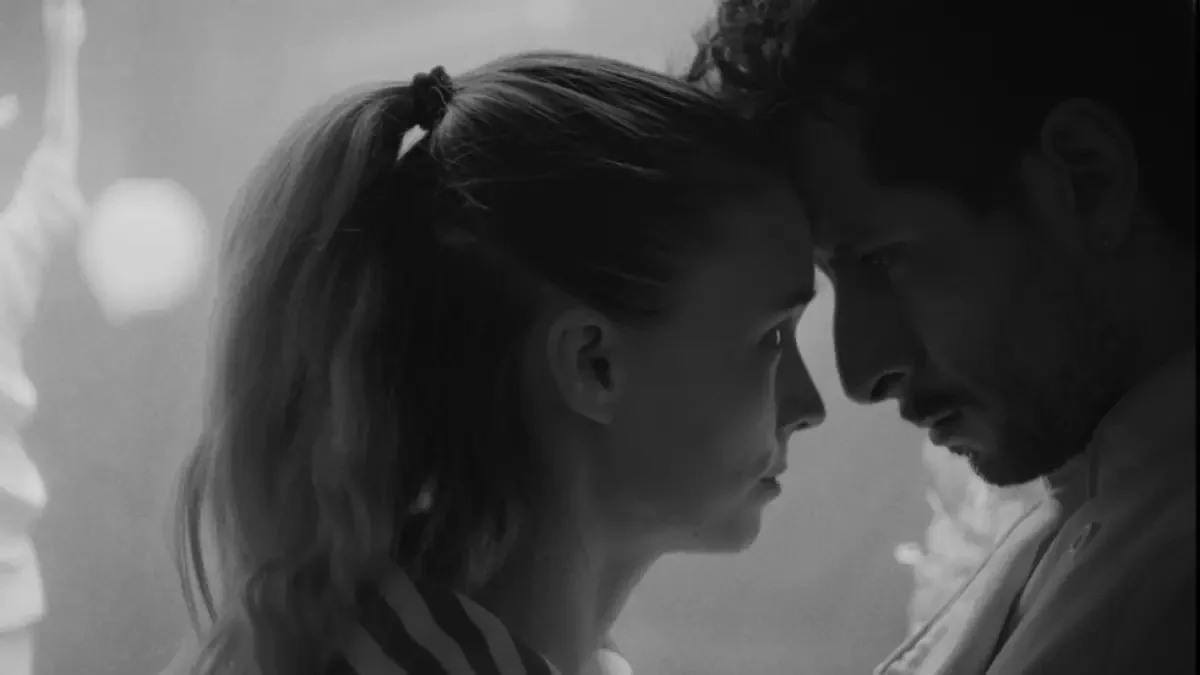
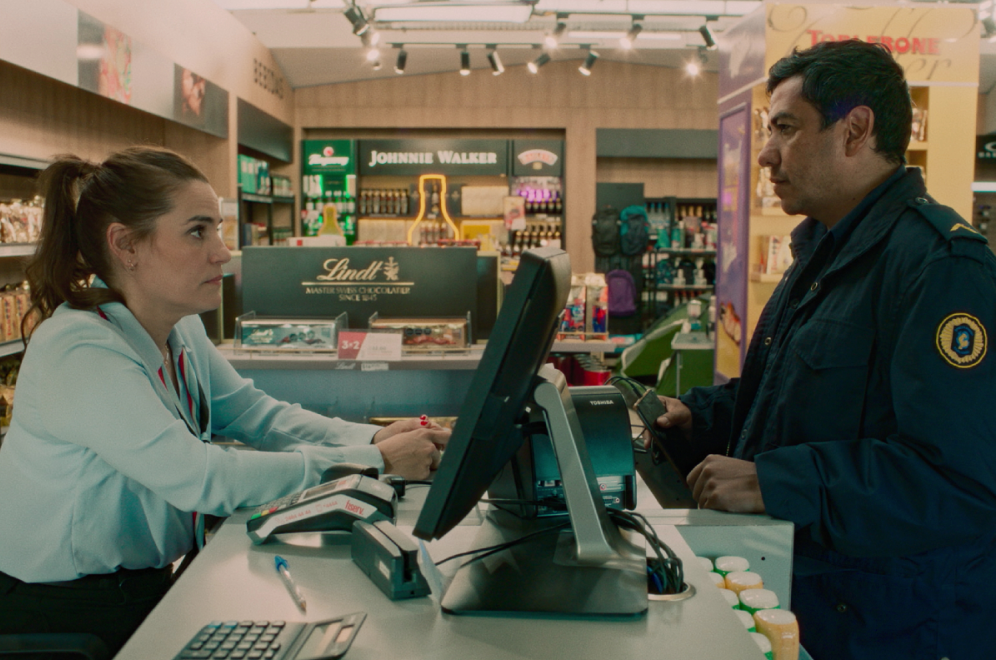
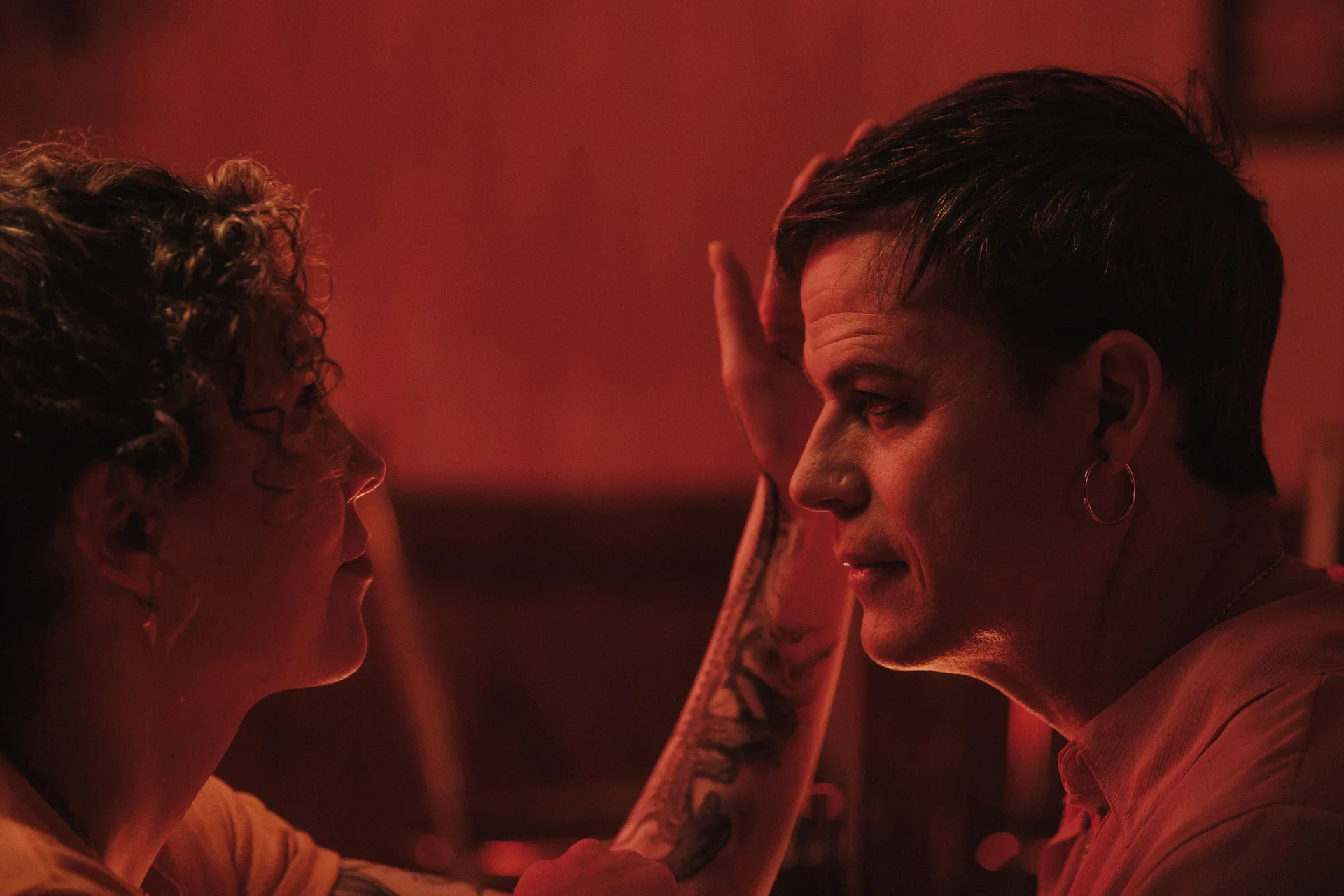
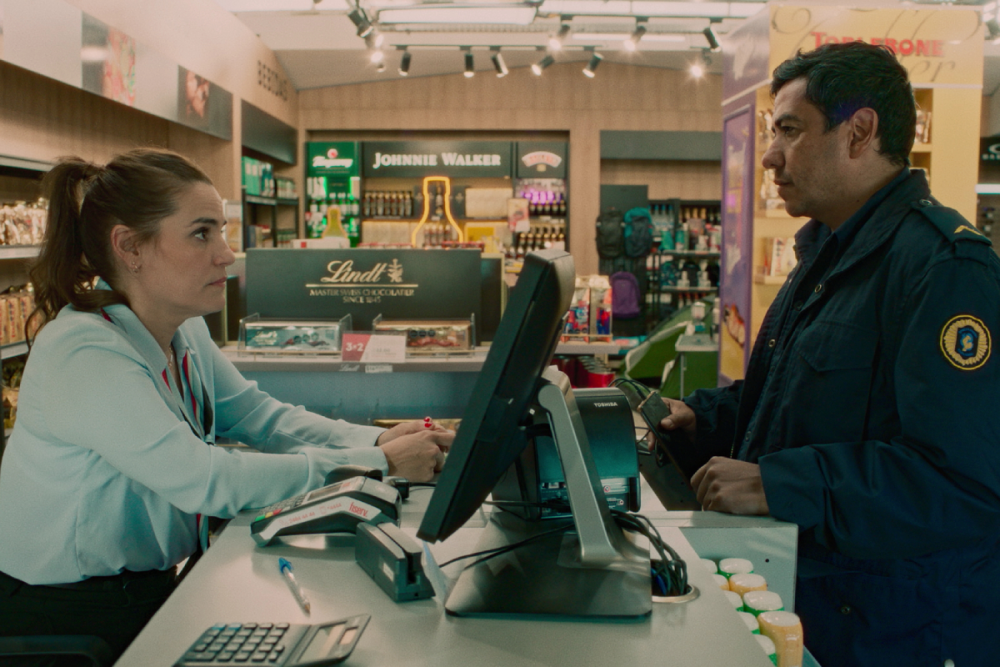
Rooney Mara and Raúl Briones in La Cocina.
La Cocina is at VIFF Centre on December 6 and December 15 to 19
IN LA COCINA, Mexican director Alonso Ruizpalacios plays the shiny tourist haunts of Times Square off the frenzied subterranean world that keeps them running.
He centres the action on The Grill, where the polished floors and glowing lights of the restaurant give way to a hidden labyrinth of dish pits, food-prep lines, caged wine cellars, and shadowy offices.
Shot in poetic black and white, the film moves with striking visual style between the two settings—the camera following employees down corridors and up fire escapes; capturing clattering plates and squeezing lemons; and zooming in on the culturally diverse faces of the new immigrants who pump out pizzas, pastas, and mass quantities of other tourist fare.
The lyrical opening follows young Estela (Anna Díaz), trying to find her way—without speaking a word of English—to The Grill’s side door to apply for work as an assistant cook. She’s our conduit to Pedro (an unforgettable Raúl Briones), the charismatic but burnt-out cook who comes from her small Mexican town. He’s navigating an affair with waitress Julia (an equally remarkable Rooney Mara, almost unrecognizable in her bad bleach job), who he’s gotten pregnant. Pedro wants her to keep the baby as “the only nice thing to ever come out of this place”, but the enigmatic Julia has other plans. At the same time, the jaded office manager (Eduardo Olmos) is on the lookout for $800 that went missing from last night’s shift.
Riffing loosely on Arnold Wesker’s London-set play The Kitchen, Ruizpalacios uses the frantic workplace and the more intimate relationship between Julia and Pedro to explore ideas around undocumented immigrants, class, and racism in America—issues that, obviously, could not be more Trump-timely.
The bosses dangle promises of helping employees with their “papers” one minute, and the next, they threaten that there are hundreds more immigrants lined up for the people’s jobs. A white American chef screams at the kitchen staff to stop speaking Spanish, while one waitress constantly has to correct people that she’s Dominican, not Mexican. “Guys like that are always looking for a way in,” the manager warns Julia about Pedro.
In one intense and moving conversation between Pedro and Julia, he alludes to her privilege in the relationship, and his own vulnerability. But the script, and Mara, are nuanced enough to show how she’s vulnerable, too. The nagging question is whether they can ever really know or understand each other, or whether the cultural divide and the dehumanizing work stand in their way.
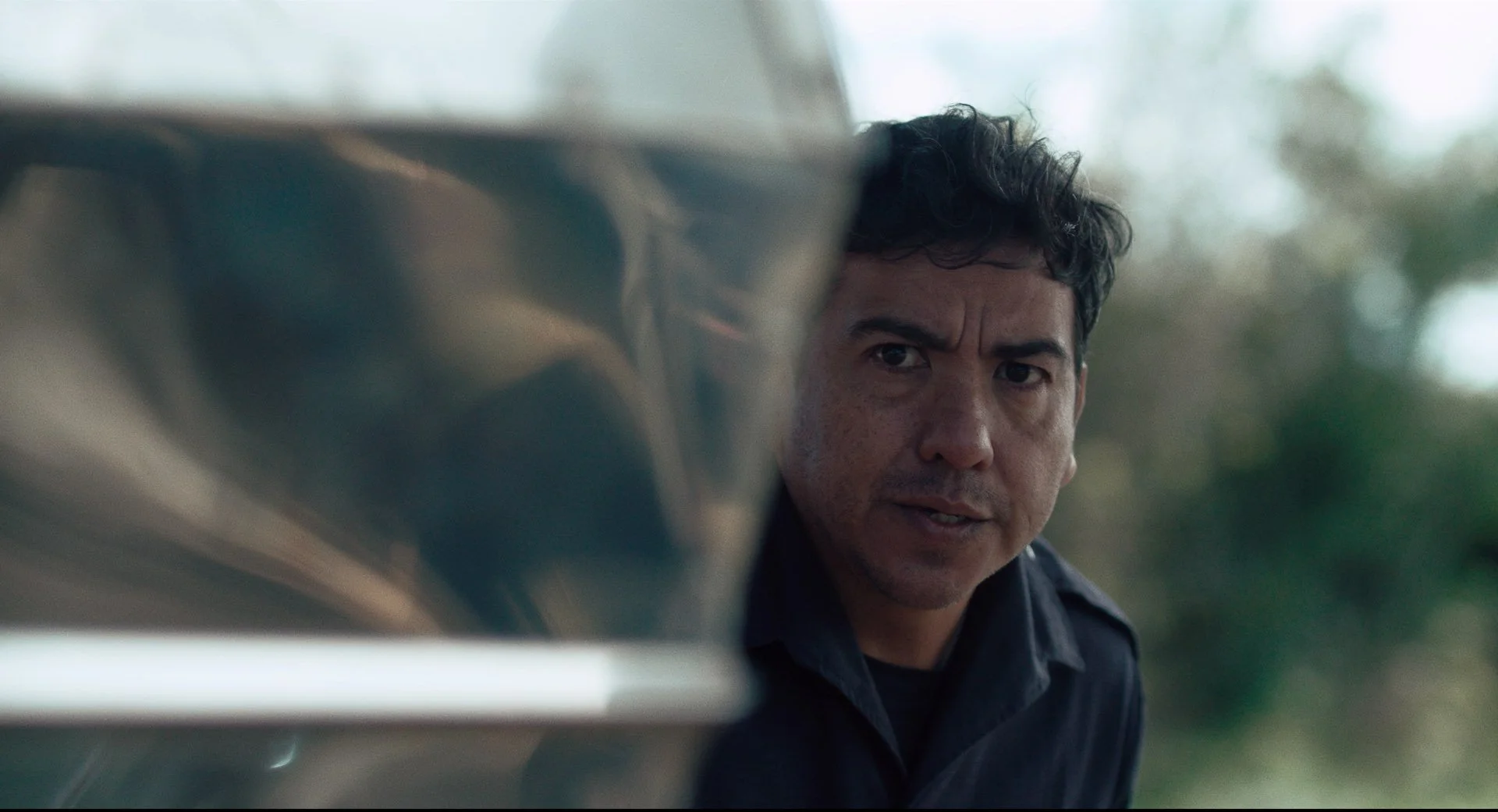
In one of the film’s most inspired scenes, the camera shoots Julia through the glass of the giant, empty aquarium she’s polishing while she talks to Pedro; suddenly, a worker dumps giant lobsters into the water in front of her. As the crustaceans squirm and drop to the bottom, they become metaphors for the human struggle—Pedro pointing out they used to be considered poor man’s food, but now they’re off-limits to anyone but rich tourists.
Yet the mayhem of the kitchen is also so much more interesting than the mundane, manicured tourist world of the restaurant. In one of Ruizpalacios’s most exhilaratingly frenetic sequences, the kitchen staff—whose languages span Haitian French to every Latin American dialect—one-up each other in a swearing match. Sure, everyone’s stuck in a windowless room in a thankless job with broken dreams, but there’s a multicultural underdog camaraderie, work ethic, and friendly chaos that gets somewhere close to what New York City, and America, used to aspire to be. And it’s a credit to Ruizpalacios’s fresh and exciting artistry that he can capture all of that profound stuff in real time, in one cramped cocina. ![]()

Janet Smith is founding partner and editorial director of Stir. She is an award-winning arts journalist who has spent more than two decades immersed in Vancouver’s dance, screen, design, theatre, music, opera, and gallery scenes. She sits on the Vancouver Film Critics’ Circle.
Related Articles
Chandler Levack’s love letter to Montreal and her early 20s offers a new kind of female heroine; Kurtis David Harder unveils a super-energetic sequel; and Wədzįh Nəne’ (Caribou Country) takes viewers to B.C.’s snow-dusted northern reaches
Vancouver visionary behind innovative thrillers like Longlegs and The Monkey is also helping to revive the Park Theatre as a hub for a new generation of cinemagoers
Criss-crossing the map from the Lithuanian countryside to a painful Maltese dinner party, this year’s program provokes both chills and laughs
Titles include Denmark’s The Land of Short Sentences, Ukraine solidarity screening Porcelain War, and more
From Everest Dark’s story of a sherpa’s heroic journey to an all-female project to tackle Spain’s La Rubia, docs dive into adventure
Out of 106 features, more than 60 percent are Canadian; plus, Jay Kelly, a new Knives Out, and more
Event screens The Nest, the writer’s form-pushing NFB documentary re-animating her childhood home’s past, co-directed with Chase Joynt
Featuring more than 70 percent Canadian films, 25th annual fest will close December 7 with The Choral
Filmmakers including Chris Ferguson back plan to save Cambie Street’s Art Deco cinema that Cineplex had shut down Sunday
One of the weirdest Hollywood films ever made helped bring local bandleader Scott McLeod back to shadowy instrumental soundscapes
Visions Ouest and Alliance Française present moving documentary on singer-songwriter behind Kashtin
Lon Chaney’s scary makeup, a vintage pipe organ, and a score by Andrew Downing bring eerie atmosphere to the Orpheum show
Films on offer include Yurii Illienko’s The Eve of Ivan Kupalo and Borys Ivchenko’s The Lost Letter
Her National Geographic Live event From Roots to Canopy lands in the Lower Mainland care of Vancouver Civic Theatres
Director Tod Browning’s 1927 film starring Lon Chaney is characterized by sadomasochistic obsession, deception, murder, and disfigurement
The Cinematheque program proves that digital filmmaking has a future beyond artificial intelligence
Attending VIFF, NFB chair Suzanne Guèvremont has a new strategic plan that strives to reach out to the next generation
Tree canopy ecologist Nalini Nadkarni leads audiences up into the clouds to see the fascinating world of Costa Rican branches with From Roots to Canopy
Quick takes on Dracula, Idiotka, Akashi, and Ma—Cry of Silence, plus documentaries about one family’s scattered heritage and the true cost of global capitalism
The Painted Life of E.J. Hughes reveals quiet life of a master who avoided spotlight; The Art of Adventure tracks a young Robert Bateman’s journey with Bristol Foster across the world in a Land Rover
Centenary screening features live music by seven-piece orchestra and 80-person choir, with Michael Dirk on Wurlitzer organ
Film veteran steps into the role as Shirley Vercruysse begins her retirement after an 11-year term
Kent Donguines’s new documentary journeys to Buscalan, where ancient Kalinga hand-tapped tattooing is thriving again
High-school hell meets a literal demon in the North Vancouver writer-director’s partly autobiographical feature
The artist also known as Neil Fraser will revisit his work with Massive Attack in a VIFF Live show at the Chan Centre
Visions Ouest screens a lighthearted Cannes entry that looks at family, connection, and fine art, bouncing between 1895 and 2025
Five boundary-pushing events mix audio and visual components at the festival, which takes place from October 2 to 12
Through intensely personal perspectives and sharp detail, audacious new features and short films throw light on culture-spanning issues
French videographer and activist Vincent Verzat reconnects with biodiversity in Visions Ouest presentation
Documentary at the Vancouver Queer Film Festival highlights peer-led groups working to overcome a long history of stigma and isolation by creating connection to the broader queer community