National Film Board doubles down on defining what it means to be Canadian for an “elbows up” era
Attending VIFF, NFB chair Suzanne Guèvremont has a new strategic plan that strives to reach out to the next generation
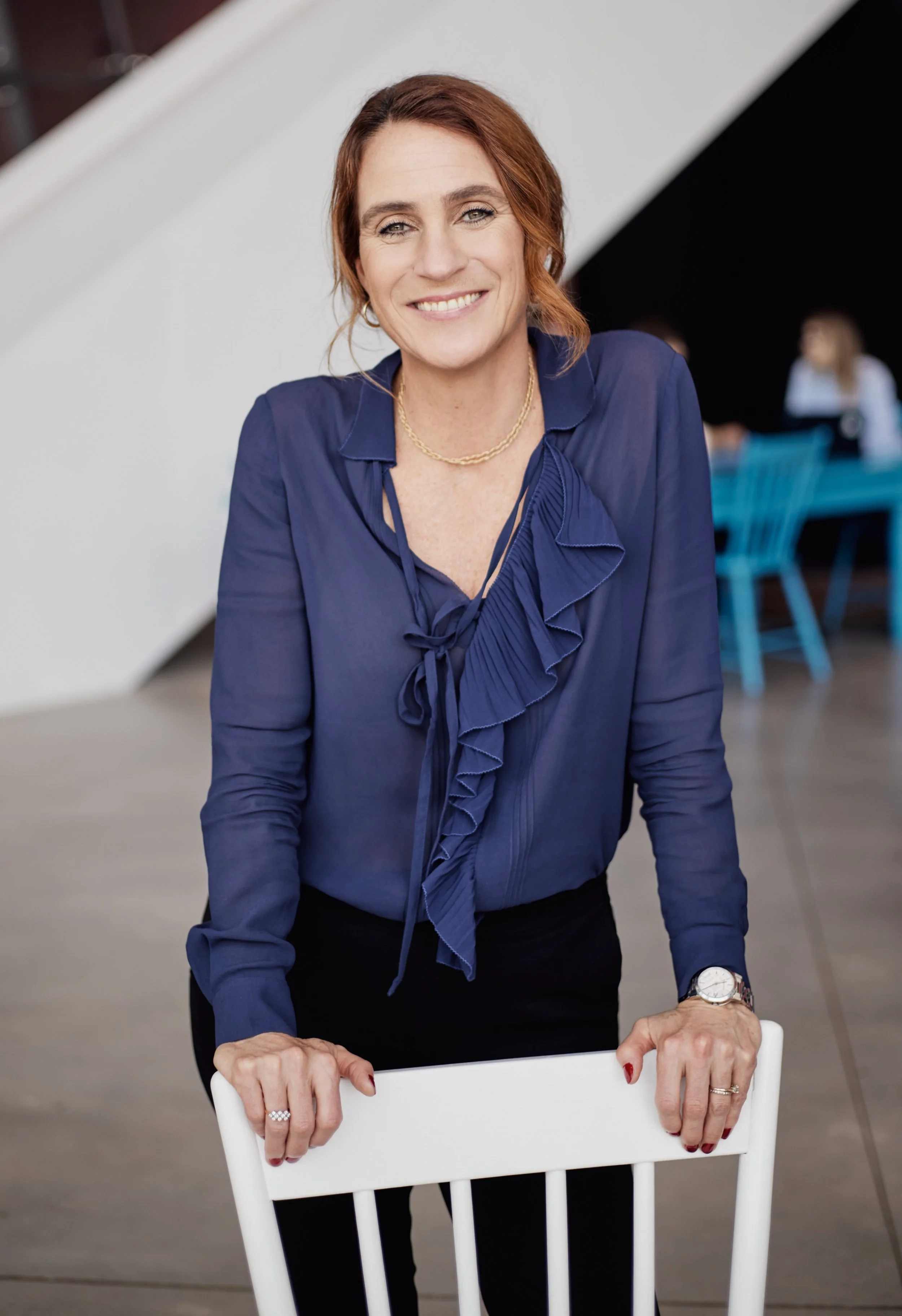
Photo by Bénédicte Brocard
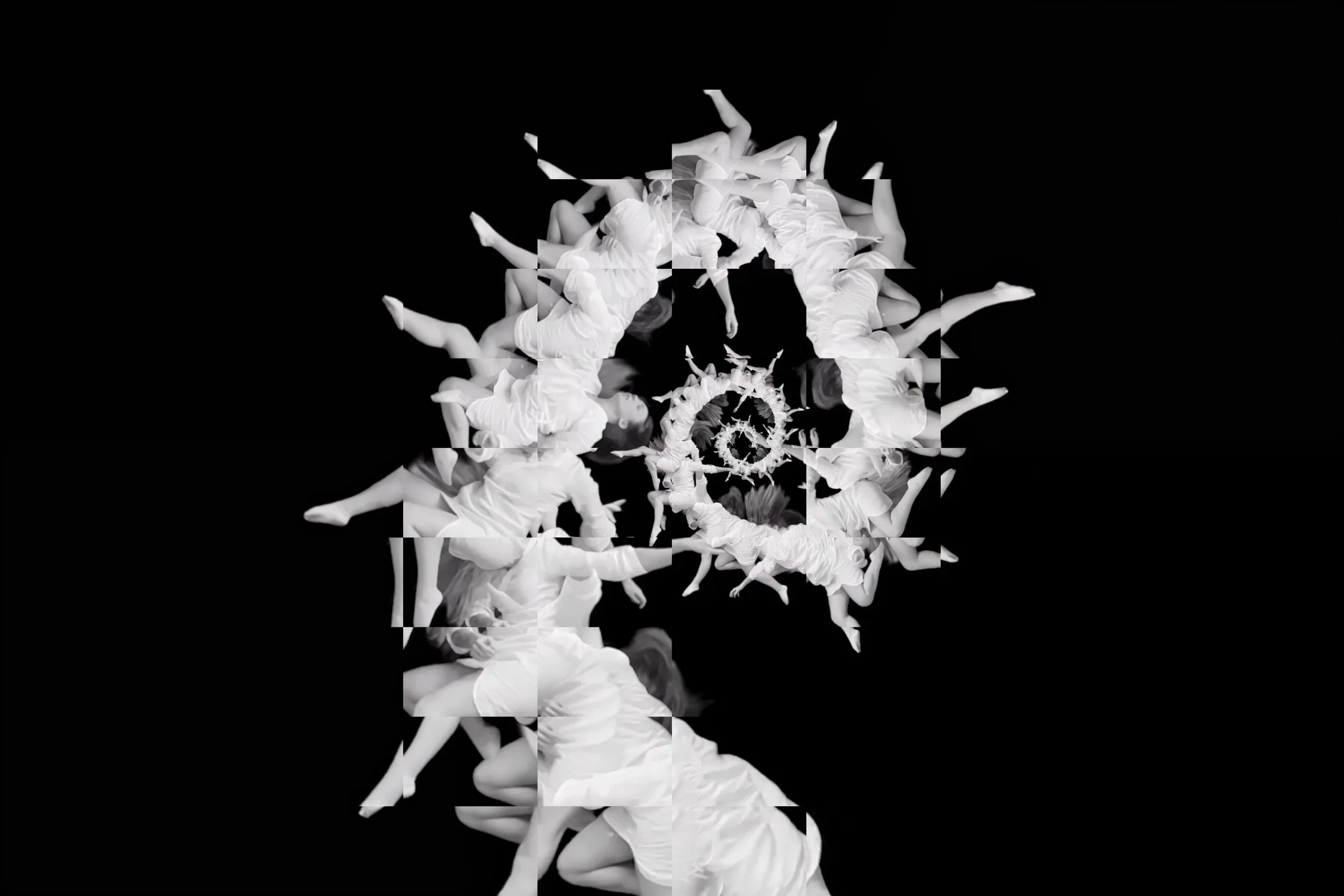
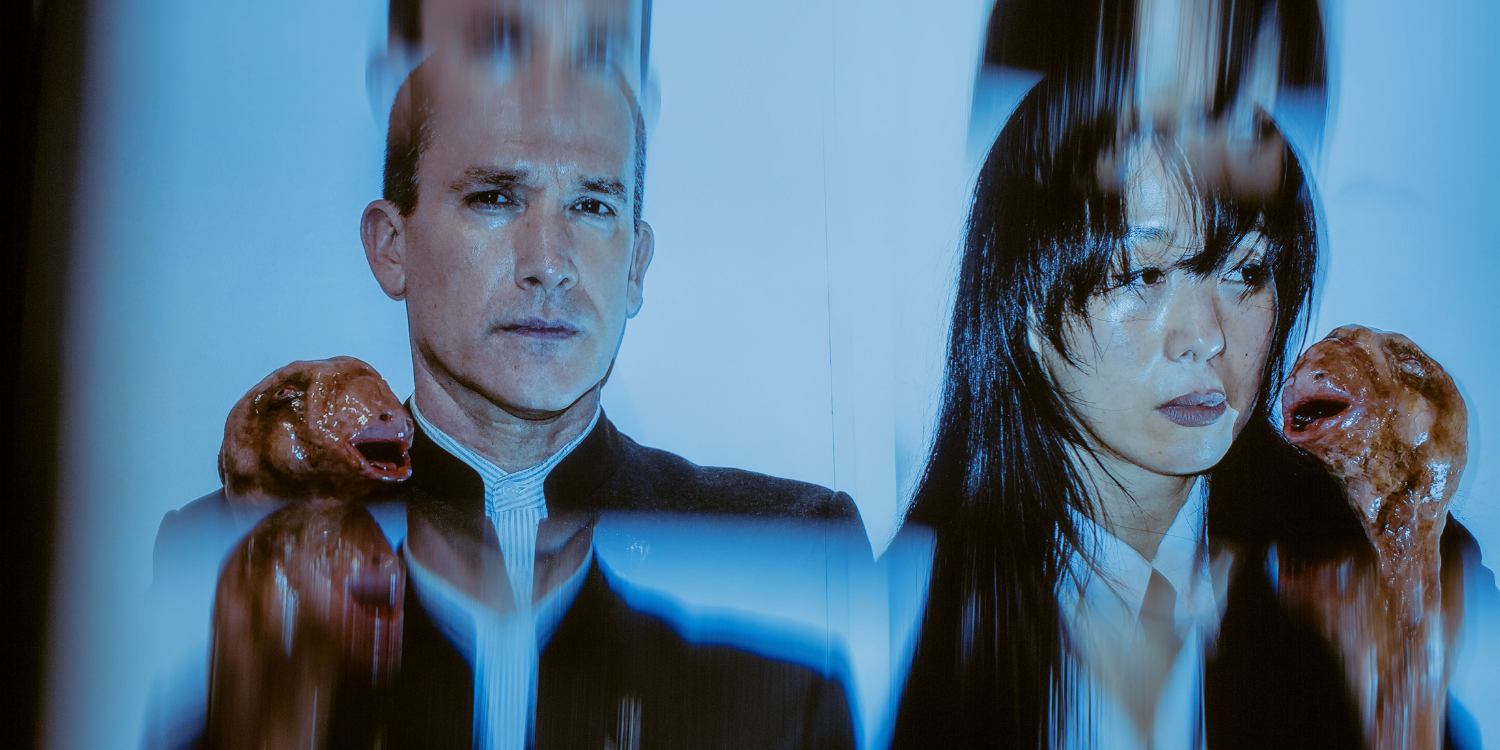
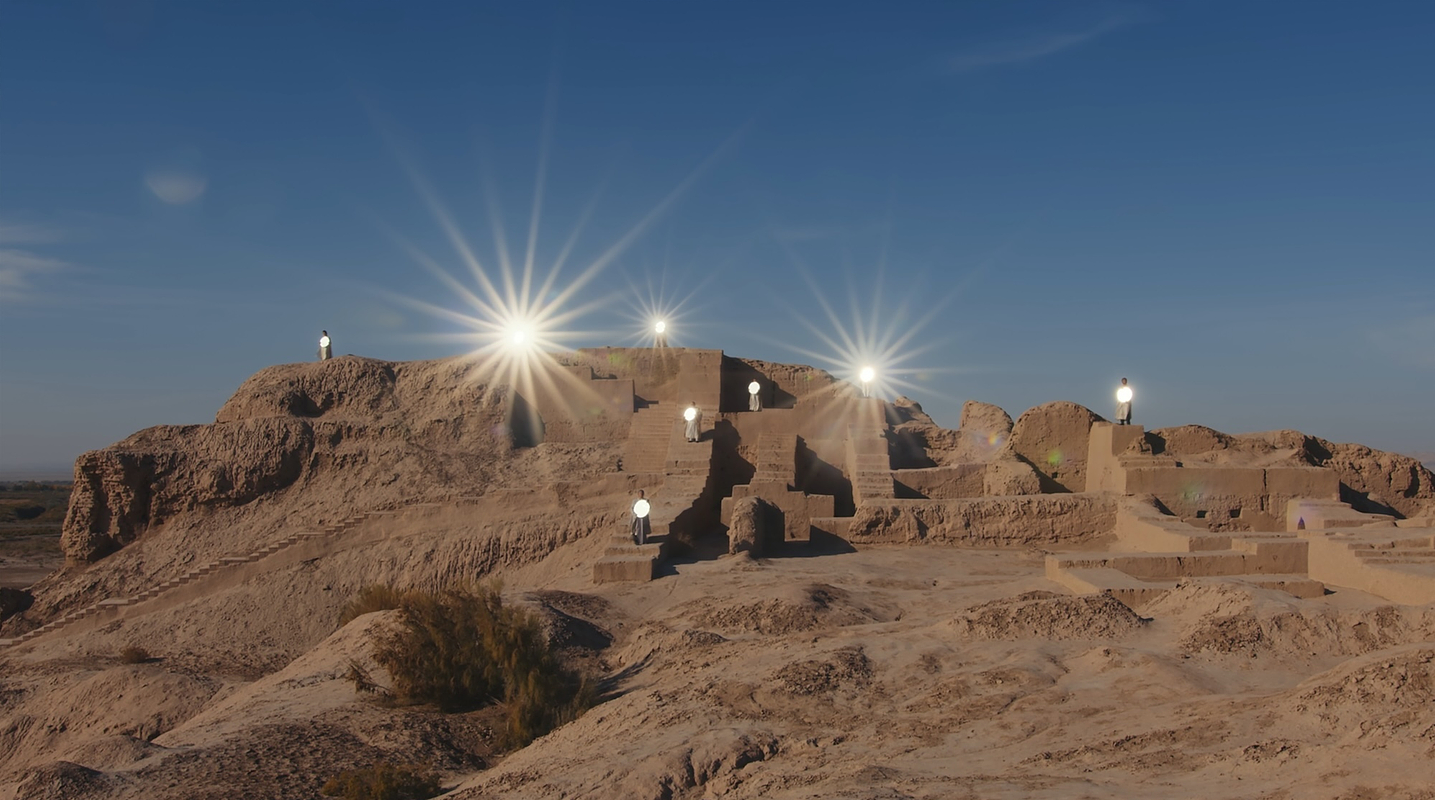
The NFB’s “Corpus and the Wandering”, shot entirely on 50,000 iPhone screens.
BEER COMMERCIALS WOULD have us believe that we’re all a bunch of flannel-wearing, lager-drinking, canoe-paddling hockey players.
But what does it actually mean to be Canadian?
That’s a question that’s top of mind again in an era of “elbows up”, with a certain agitator threatening to swallow us up as a “51st state”.
And it’s a question the National Film Board has been grappling with since it formed 85 years ago, with a mandate to present an image of who Canadians and Canada are—to this country and the rest of the world. Over the decades, that image has been diverse and complex. Sure, there was 1980’s animated “The Sweater”, in which Roch Carrier recounted receiving a Maple Leafs jersey instead of his beloved Canadiens one from the Eaton’s catalogue. But there’s also been Norman McLaren’s groundbreaking 1969 ballet study “Pas De Deux”; the iconic, Oscar-winning anti-nuke plea “If You Love This Planet”; Alanis Obomsawin’s incendiary 1993 Oka-crisis documentary Kanehsatake: 270 Years of Resistance; and thousands more.
Now the NFB is doubling down on its mission in a recently unveiled 2025-28 Strategic Plan that embraces a “country of contrasts” that’s “united through stories”. Titled “Sharing Our Past, Shaping Our Future, Stories for Today”, it reaffirms the NFB’s mission “to promote, preserve and reflect the Canadian sense of self and act as a galvanizing force for Canada’s creative community”.
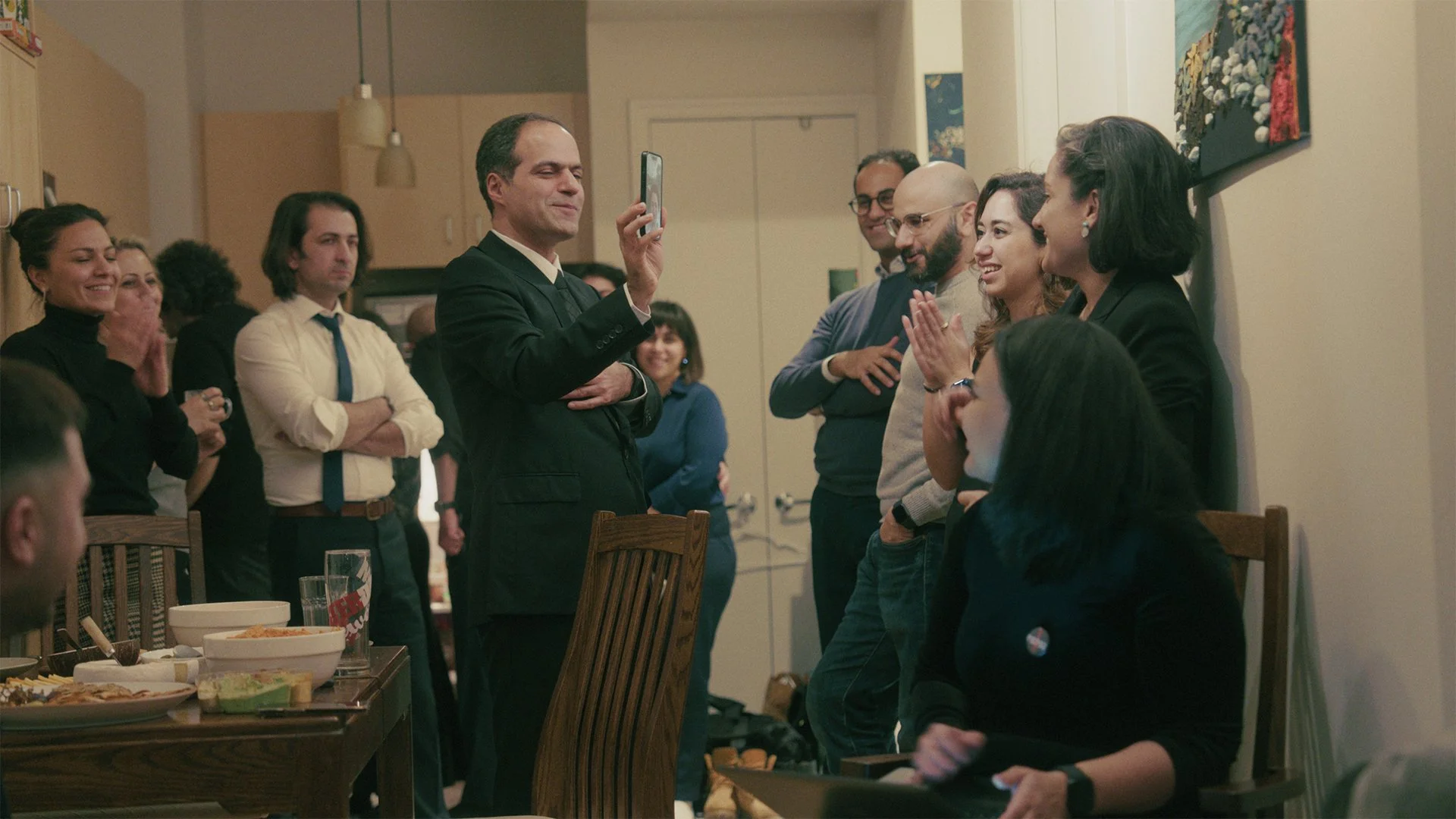
Speaking to Stir in an exclusive interview on the eve of her visit to the Vancouver International Film Festival for the world premiere of the documentary In the Room, Suzanne Guèvremont, the Government Film Commissioner and NFB chair since November 2022, says the timing couldn’t be better.
“I do think that the NFB is more pertinent and more important than ever in this landscape that we have right now,” she tells Stir by Zoom from the organization’s Montreal headquarters before heading to the West Coast. “Our mandate speaks to Canadians and Canadian identity through documentary and animation—and, yes, it's the time to keep our elbows up, for sure.
“We do need to promote, preserve, and to reflect the Canadian sense of self,” she adds. “That's a challenge that our producers have across the country: to find the great projects and develop relationships with filmmakers, so that we can put our expertise and our knowledge to work to help film to be the best that it can be.”
Part of that effort started earlier this year when the board launched its “#StreamCanadian” campaign, pointing audiences to the free NFB.ca streaming service. (That service has grown into the world’s largest noncommercial streaming platform.)
But the strategic priority of “shaping the NFB for a New Generation”, as the plan calls it, and reaching digital-first youth, won’t be easy.
“It's the challenge that all of us are having, not only producers, but broadcasters and everyone. We are trying to reach out to these new audiences,” she says. “It is a challenge because our younger audience has shifted their behaviour in consuming content. And now, you know, it's an open space and there's content from everywhere....So we need new strategies. We need to find new ways to engage with our public, and we do need to make sure that we talk to our younger audiences, because they will continue to grow with us.”
Part of that process means tapping emerging new voices to create animation and documentaries. The new {RE}DEFINED initiative from the NFB with TIFF recently put out a call to filmmakers across the country, 30 years old and under, for five snapshots of what it means to be Canadian. The chosen films will be produced, financed, and distributed by the NFB, with the resulting creations premiering at TIFF.
The NFB is looking for fresh perspectives, but Guévremont is also eager to find new modes of storytelling. “We want to have not only good and interesting stories, but we want to have new ways of telling—you know, disrupting the landscape of documentary a little bit,” she says.
Reaching a new generation also means tapping new technologies. Guèvremont brings extensive experience to the table, having worked as executive director of SYNTHÈSE – Pôle Image Québec, a hub for innovation in computer graphics, and NAD-UQAC, the college of digital arts, animation, and design. It’s made her excited about the new tools creators have at their disposal.
She points to the NFB’s “Corpus and the Wandering”, a pioneering work that recently premiered at the SIGGRAPH 2025’s Computer Animation Festival in Vancouver. In it, filmmaker and dance artist Jo Roy manoeuvred 50,000 iPhone video file layers into an innovative, gridlike “videomosaic” technique to conjure dreamlike, Dalí-esque landscapes, roiling oceans, and spiralling universes. In its own way, it hearkens back to how McLaren’s “Pas de Deux” broke new ground—and how the NFB historically nurtured innovative storytelling.
The Strategic Plan also carries with it a broader approach of “boots on the ground” connection to creators across the country.
Part of that is coming to the West—where film veteran Tina Ouellette has just been named executive director of the Western Documentary Unit—taking over the role of Shirley Vercruysse, who’s retired after an 11-year term.
“We're bringing out the message that we are present in the West, that we want to be here,” Guèvremont says.
The new vision comes after widely acknowledged, chronic underfunding for the NFB. The biggest cuts came in April 2024 when the board eliminated 55 jobs, or roughly 14 percent of its workforce. Those staff losses were painful, but allowed lower administration costs, freeing up millions to reinvest in creation and production, Guèvremont says.
The NFB is in the midst of a huge period of transition. And the Strategic Plan was positioned to forge a new way forward after that reorganization, she adds. “We really hope that we would be able to have a sense of stability in our funding,” she says, while acknowledging the federal government is signalling an era of austerity.
At the same time, tariffs from south of the border are poised to hit the film industry hard. Amid the pending rough ride, the NFB hopes to be a steadying force as the largest producer of documentaries in Canada, and one of the world’s most awarded animation studios.
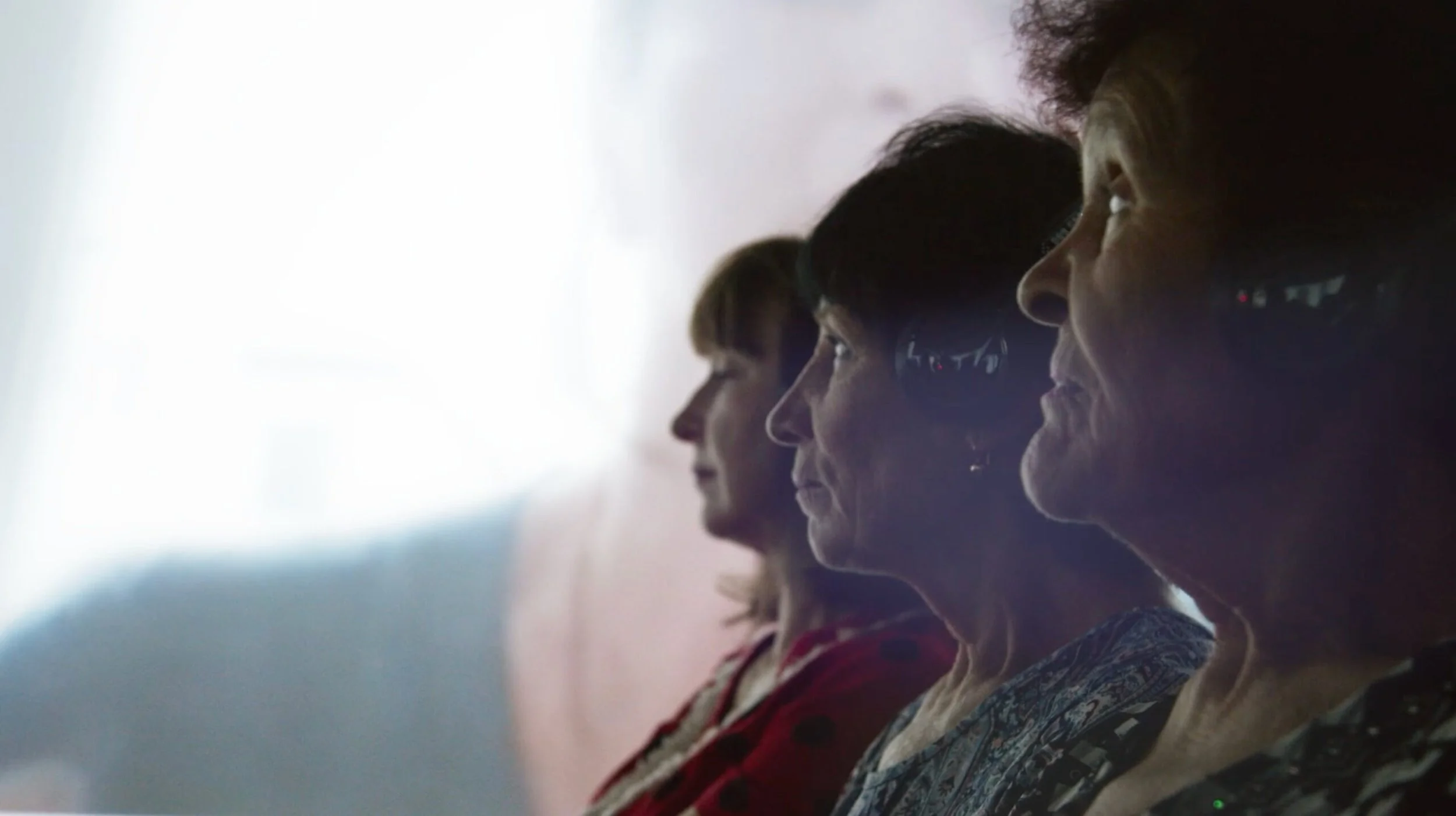
More than anything, it seems, Guèvremont wants to reaffirm the NFB’s role as a creative nucleus for a vast, complex country with a multitude of voices—including that of Afghan women in exile in the In the Room documentary premiering at VIFF (profiled in our magazine here).
“When I speak to some people sometimes across the country, they don't have a sense of what is the NFB really is,” she says. “As an organization, I think we need to reiterate and say again and again that we are a creative hub, and we are a creative space to produce and to engage with filmmakers across the country. It’s a story we need to tell to them again. And the time is now.” 

Related Articles