At TRANSFORM Festival, cellist Cris Derksen brings Indigenous classical musicians to centre stage
Ahead of Where the Rivers Meet, the Juno-nominated artist reflects on a multifaceted career as performer, composer, and advocate
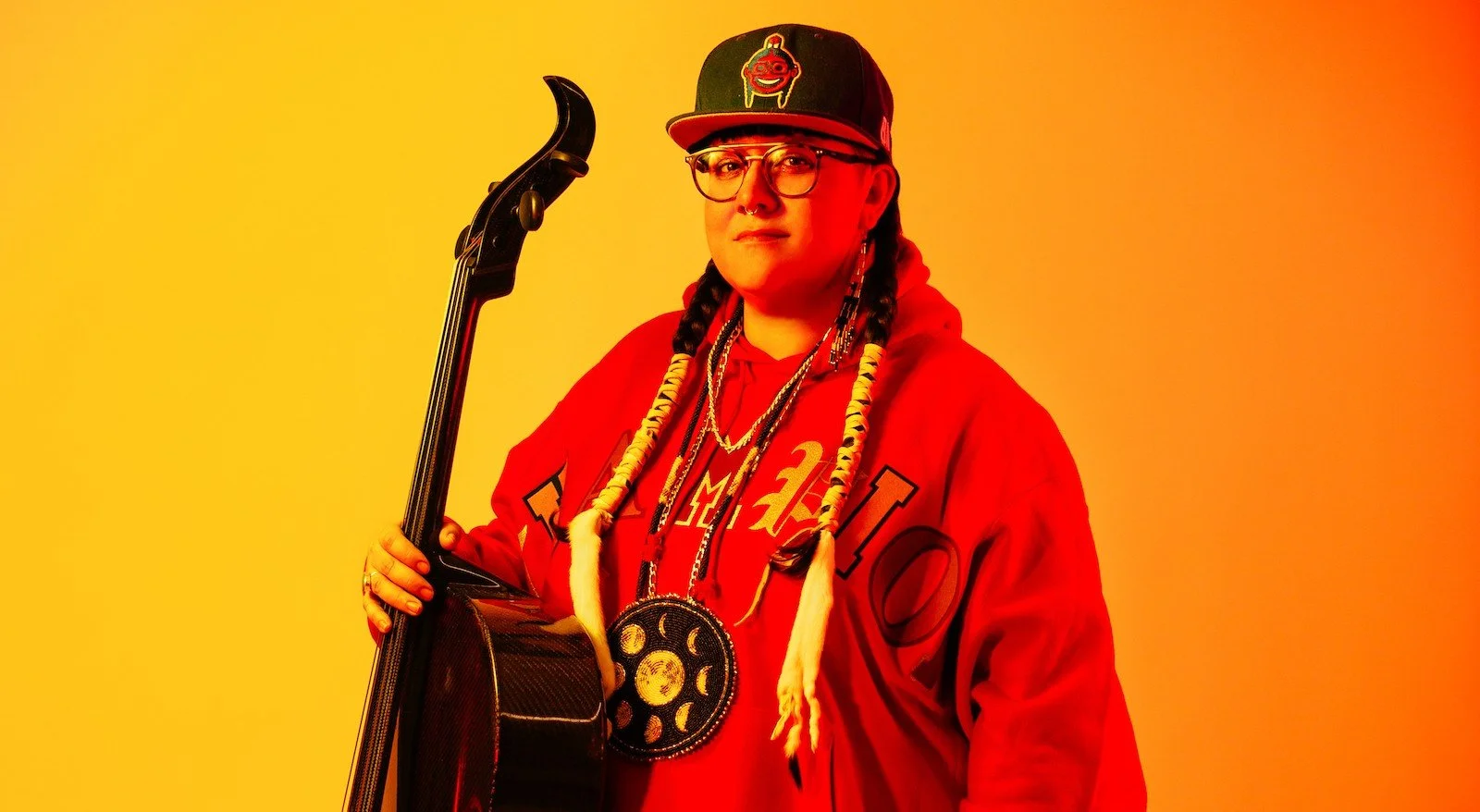
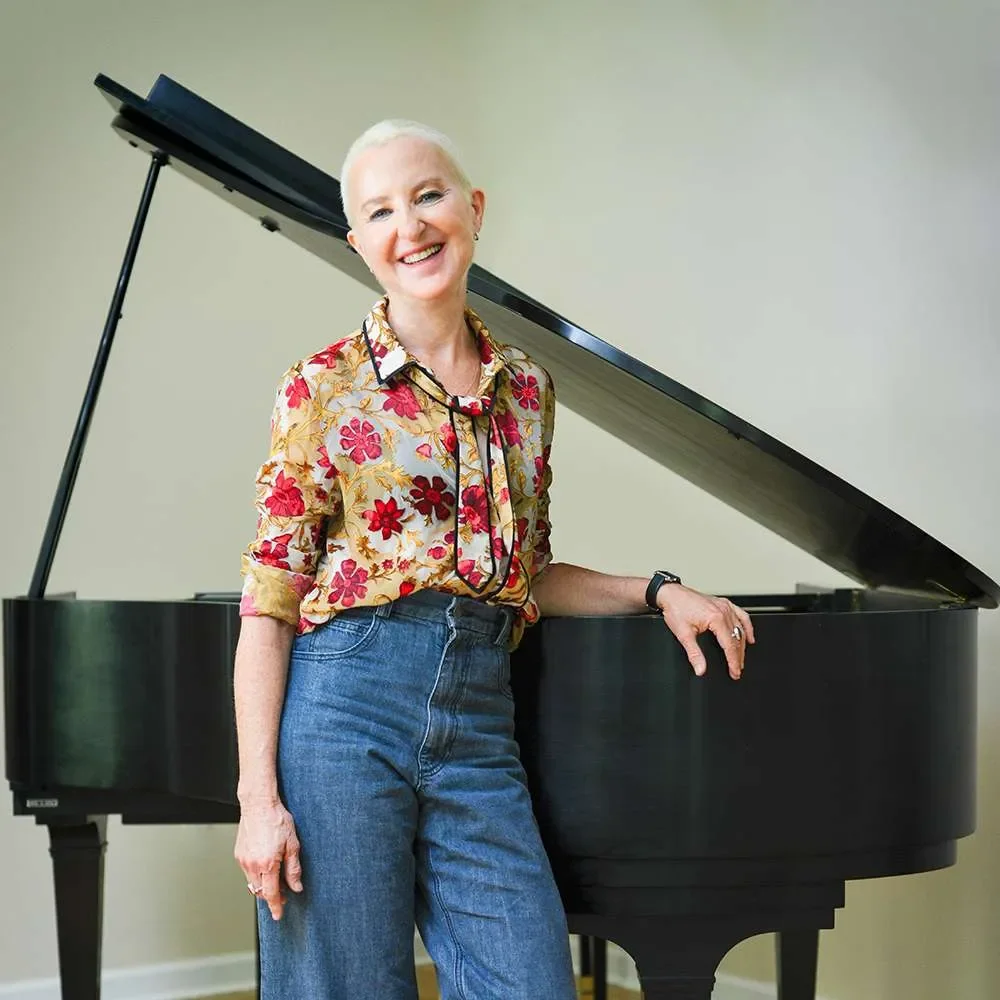
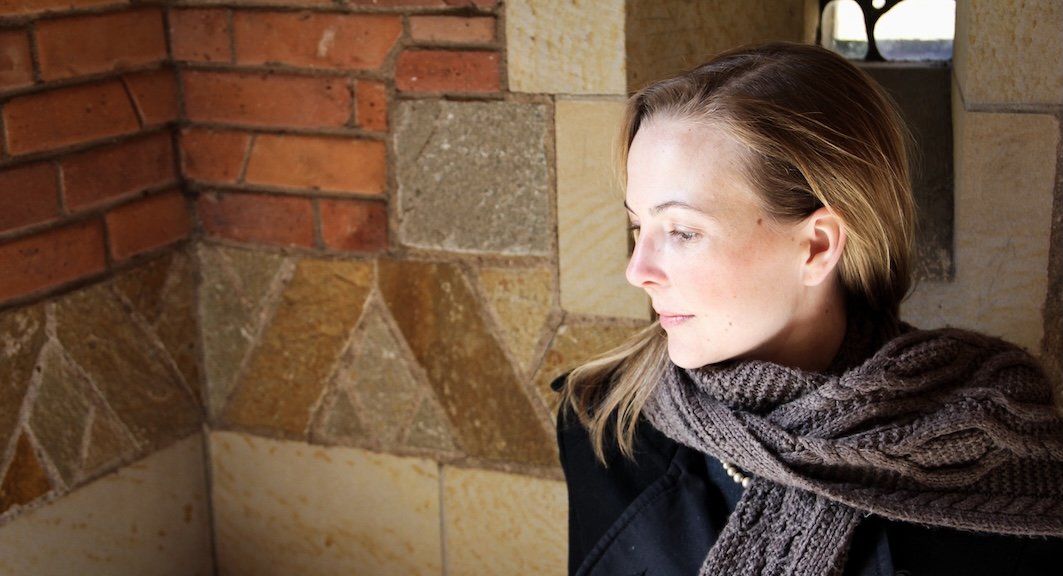
Cris Derksen. Photo courtesy of the artist
TRANSFORM Festival presents Where the Rivers Meet at the Vancouver Playhouse on November 8
RETURNING FOR ITS sixth year, TRANSFORM Festival highlights Indigenous artistic talent from across Canada and fosters collaboration between Indigenous and settler creatives. Taking the Vancouver Playhouse stage for this installment is Juno-nominated cellist Cris Derksen, whose genre-bending compositions honour tradition and fuel cultural evolution.
Originally from Treaty 8 Territory in Northern Alberta, Derksen was raised by a Cree father and Mennonite mother. Growing up in Edmonton, she discovered her passion for cello at age 10 through her elementary school strings program.
“Both my heritages are quite dichotomous from each other,” Derksen says in a Zoom interview with Stir. “The Mennonites are quite religiously strict, and my Indigenous family has a different sort of spirituality, so they’re quite different from each other. Because of my upbringing, I’m able to come to the table with a perspective of being both from the land and a settler to the land.”
Derksen’s childhood love of cello inspired her to move to Vancouver to pursue a bachelor’s degree in music at UBC, where her career began to blossom. During her time in Vancouver, Derksen began performing with iconic Inuk musician Tanya Tagaq and touring the Canadian folk festival circuit with her quartet and various bands and ensembles. After moving to Toronto in 2007, where she now lives, she released her debut album The Cusp in 2010 and her critically acclaimed album Orchestral Powwow in 2015, which scored her a Juno nomination for instrumental album of the year. The album blends traditional powwow songs with symphonic arrangements composed by Derksen, bringing Indigenous voices and stories to the classical music stage.
“I was realizing that there were lots of large symphonic projects that had Indigenous stories but didn’t necessarily have Indigenous creative leads, and I thought that was a problem,” Derksen says of writing Orchestral Powwow. “So I was like, ‘I can do this—I can write classical music.’ This is around the time when the Halluci Nation was really big, and we were pals, so I used their same powwow library. They splice everything up and use samples, but I kept the powwow songs whole and then wrote symphonic music around it.
“Originally, it was just a concept album, but it did really well,” Derksen continues. “We got a Juno nomination for instrumental album of the year, and I’ve been able to tour it across Canada, which is pretty impressive, ’cause it’s a lot of folks flying with the powwow drum and symphony everywhere we go. So it’s a huge project. It really was a turning point in my career to bring me back to the classical concert hall.”
Set ablaze by her passion for Indigenous representation in classical spaces, Derksen founded the Indigenous Classical Music Gathering at the Banff Centre in 2019, which has evolved into an annual mentorship program for Indigenous classical artists.
“I've been around for quite a while as an Indigenous musician, and I realized that I knew so many Indigenous musicians that were a part of the folk or pop world, but I didn’t actually know a lot of my peers in the classical world—we’re all kind of siloed. And I think that’s a problem with classical music anyways, you're pretty on your own. I realized that we needed to build that network and that relationship with each other.
“It was really cool to be in a room full of people like me, unboxing the traumas of classical music, and finding common ground of listening to scores together or doing score study together,” Derksen says of the first Indigenous Classical Music Gathering in 2019. “It was so cool to be in a room jamming out on Stravinsky. It was so nerdy and also so beautiful. And really, what it did was open the door for the Canadian classical community to remind ourselves that if we wanna do Indigenous works, we should hire Indigenous people to do the works.
“It’s been so beneficial for all of us,” Derksen continues. “We’ve all been way busier since the first one, which is so cool. I’ve developed it into a professional development program, so now it’s a three-week program with master classes, and I also bring in classical agents or members of different orchestras so we can build that relationship more. I keep on saying, ‘How do we make Canada’s orchestras look and sound more like Canada?’”
The Indigenous Classical Music Gathering is just one of Derksen’s many accomplishments in her extensive career. She has performed with and composed for ensembles worldwide, including the Toronto Symphony Orchestra, the Thunder Bay Symphony Orchestra, and Orchestre Métropolitain under Yannick Nézet-Séguin. She has also continued her advocacy work for Indigenous representation in classical music, serving as the artistic advisor for the Calgary Philharmonic Orchestra and chairing the Equity Committee for Orchestras Canada.
“I think the rad thing is I don’t work in just one milieu,” Derksen says. “I write music for documentaries and for theatre and for dance, and I’m the composer for the Canadian Pavilion for the World Expo. I do a wide variety of sound work, and I think that really expands my mind and keeps me from getting stuck into one specific sound. The cool thing about it is being able to do all these different things so my brain doesn’t get too bored and I don’t get too stuck.
“Recently, I did this piece called ‘Controlled Burn’,” Derksen recounts. “I got to bring that to Carnegie Hall, which was so epic. I was commissioned by Yannick Nézet-Séguin, who is one of the world’s top conductors, so having him commission me to write a piece was beyond epic, and then to be able to perform it at such an iconic venue—I never thought I would get there. It was kind of humbling.”
Coming to TRANSFORM Festival in Vancouver, where she lived for 12 years, Derksen is excited to see familiar faces, and brings a solo cello performance that is perfectly suited to the rainy November atmosphere.
“I know [writer, composer, and director] Corey Payette quite well from back in the day, and I know quite a few of the other performers,” Derksen says. “The night I’m on is Where the Rivers Meet, so I’ve got a bunch of water songs, and I’m definitely gonna go deep into the water for this show. I’m gonna play solo with my effect pedals and my drum machines and my computer, and we’re gonna get spacey.” 

Related Articles