Stir Q&A: Dark thriller The Effect probes the crossover between authentic feelings and chemical manipulation
Presented by Rumble Theatre and ITSAZOO Productions, Lucy Prebble’s play is about two people who fall in love after testing a dopamine-regulating drug
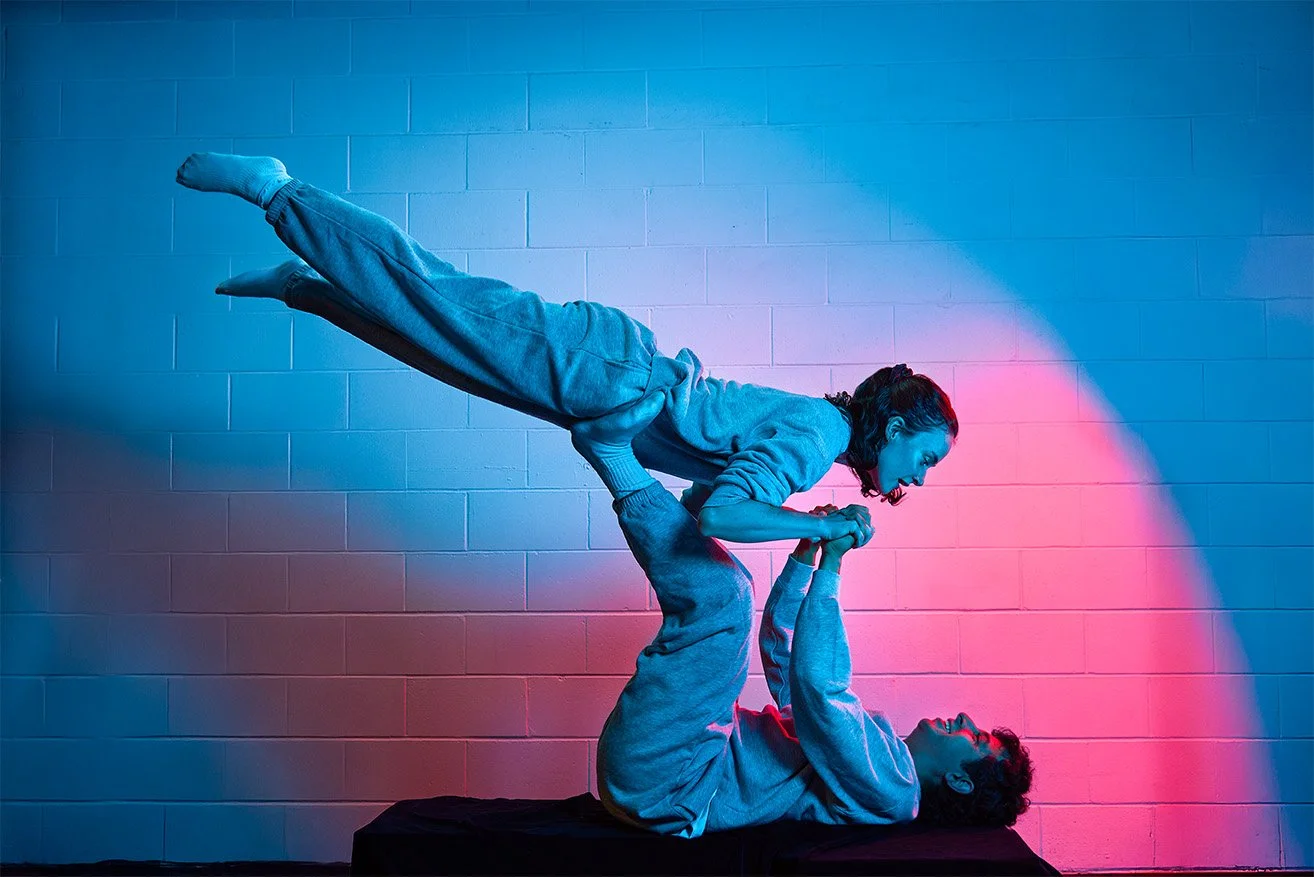
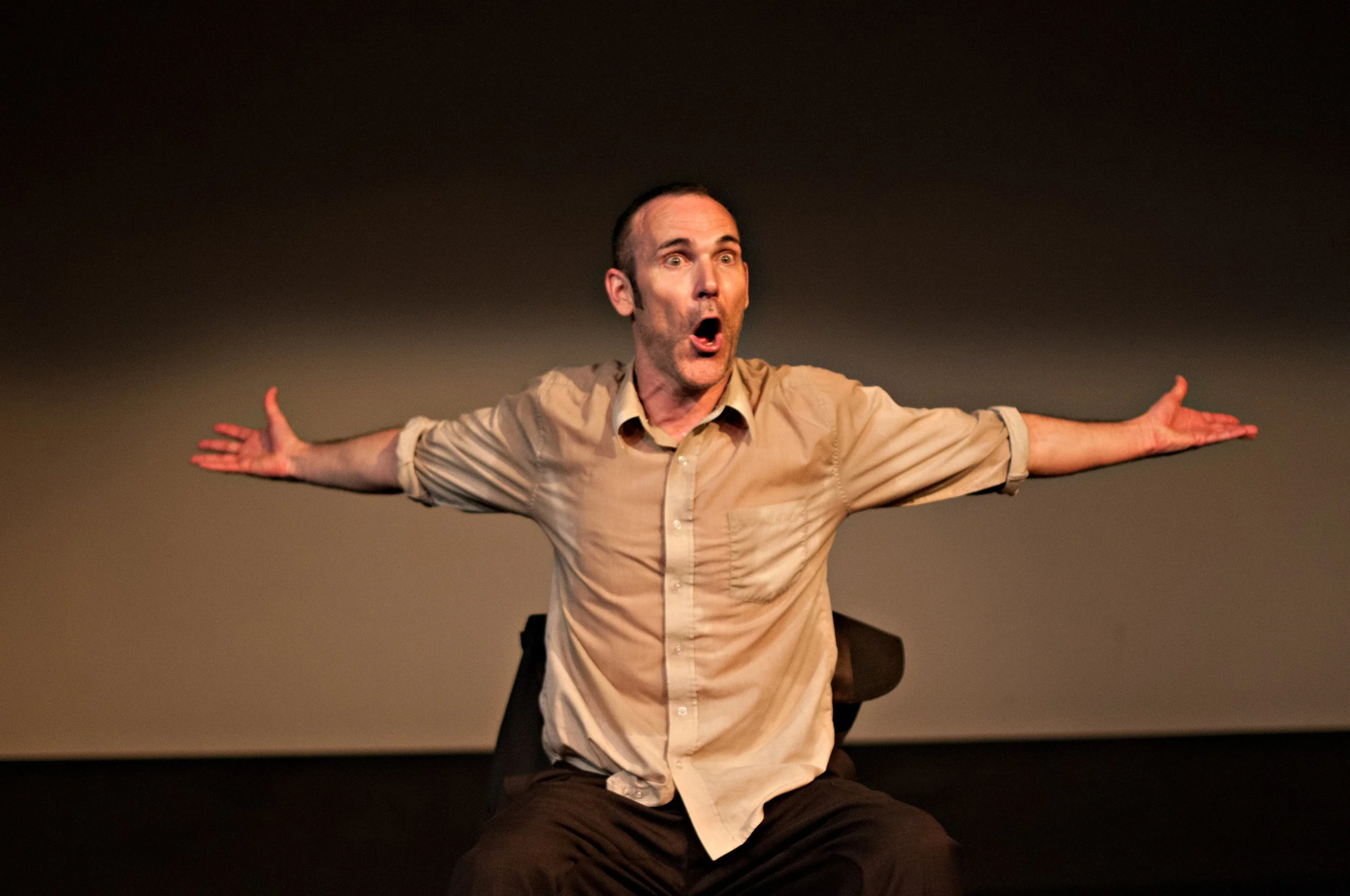
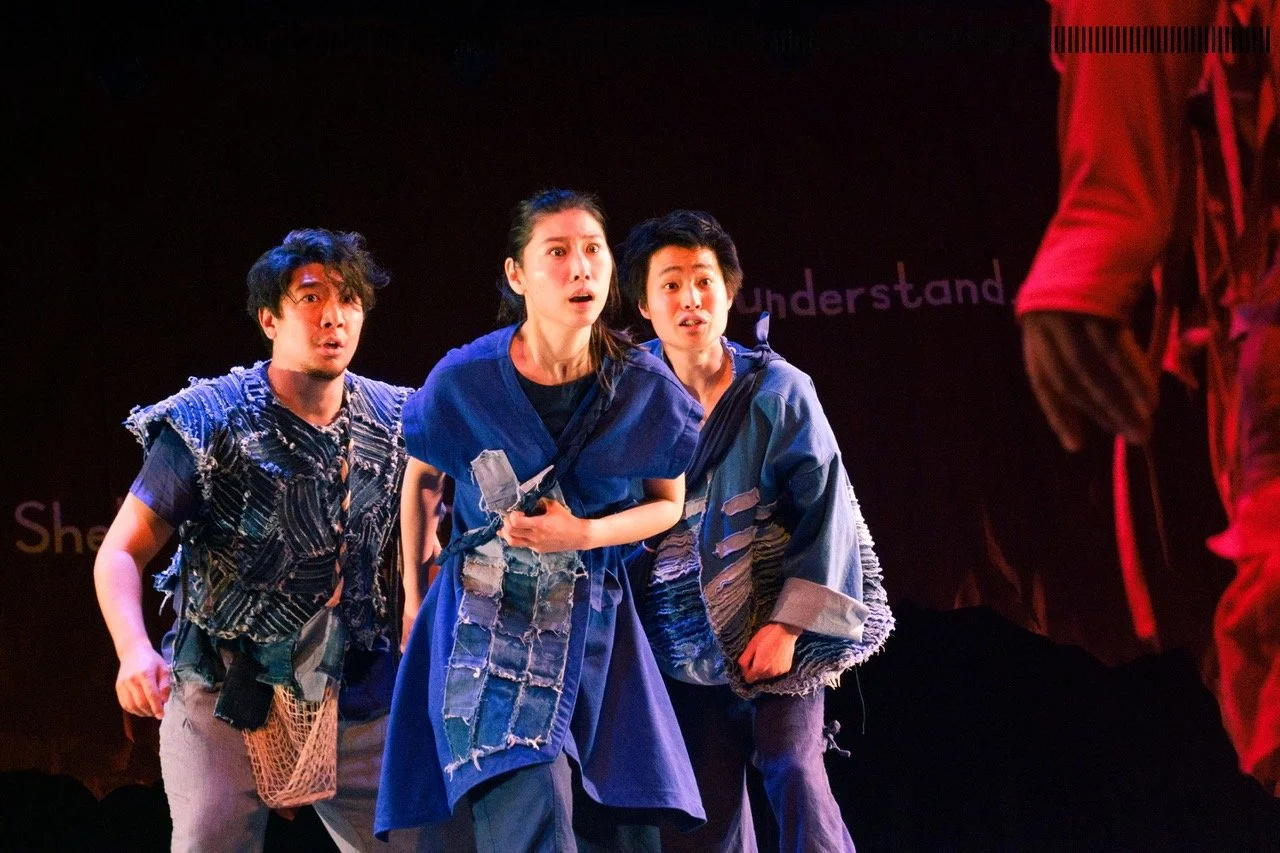
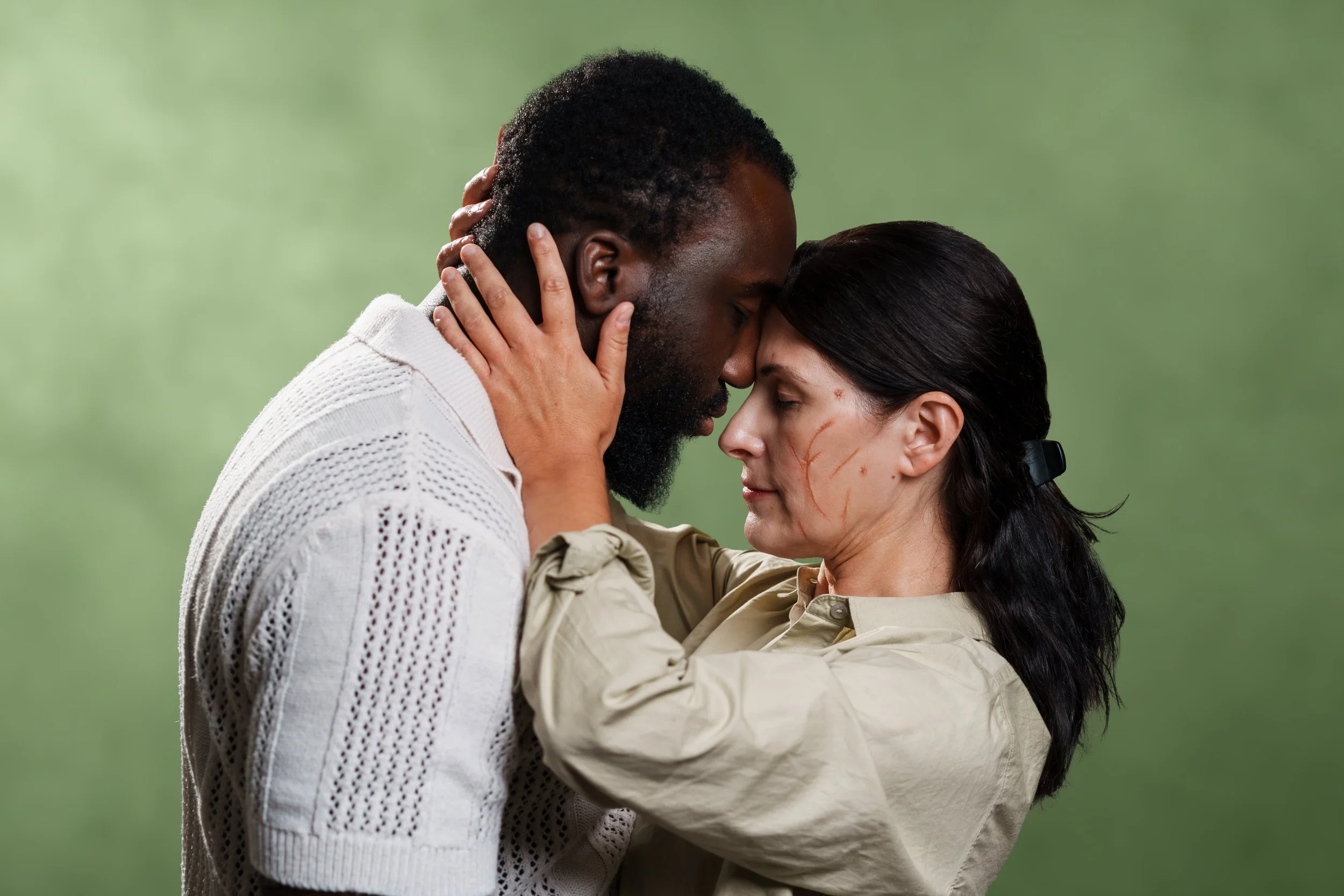
The Effect. Photo by Chelsey Stuyt
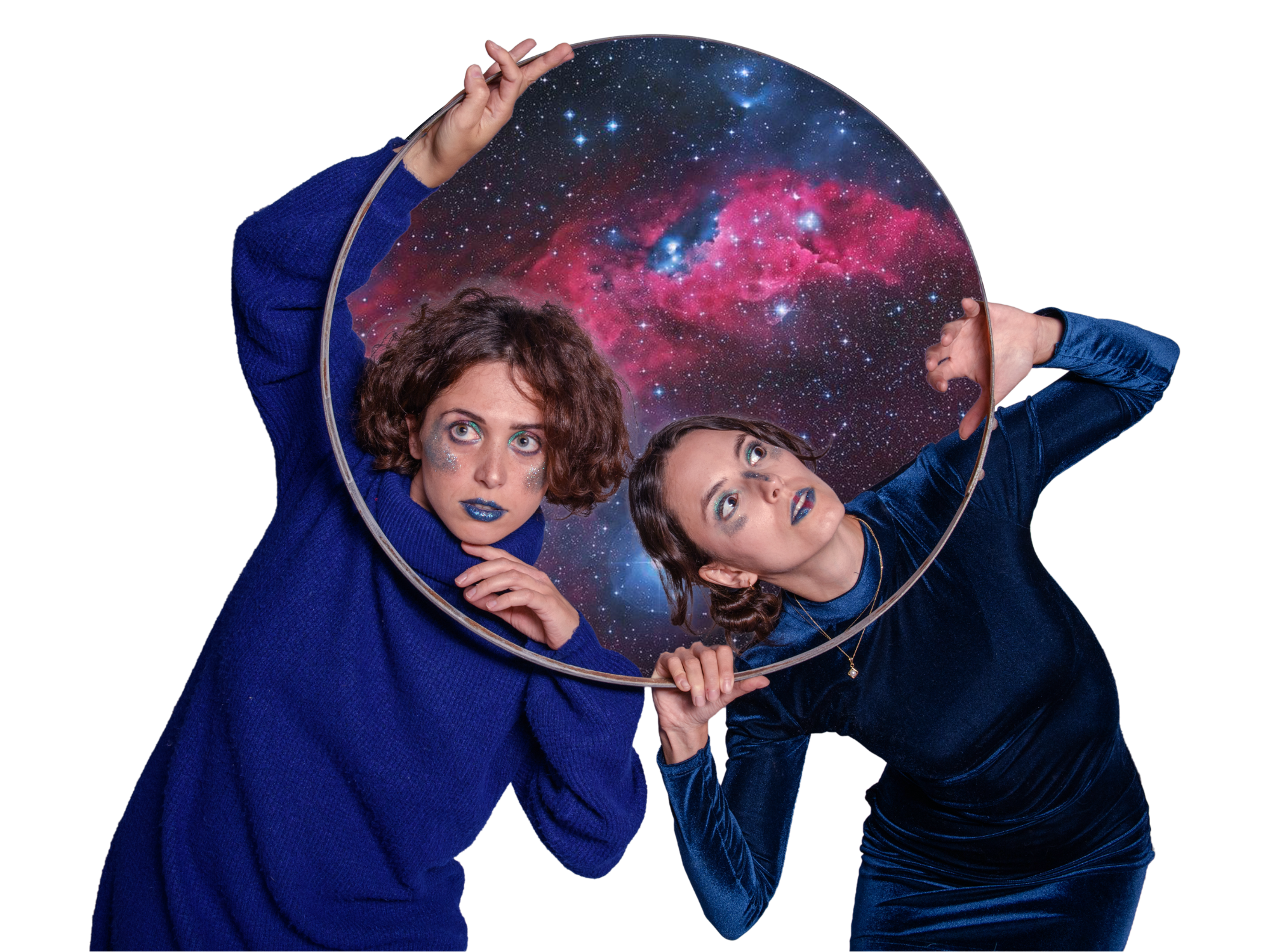
Rumble Theatre and ITSAZOO Productions present The Effect at Progress Lab 1422 from November 7 to 22
BRITISH WRITER LUCY PREBBLE is well versed in the art of crafting stories that peer into the darkest corners of human inquiry. Her first play, The Sugar Syndrome, for instance, centres on a 17-year-old recovering from an eating disorder who strikes up a friendship with a pedophile in his 30s that she meets in an online chatroom. Prebble was also one of the minds behind the Emmy Award–winning HBO series Succession, a blackly satirical dramedy about a family that owns a media conglomerate and must grapple with shifting power dynamics in the face of its patriarch’s declining health.
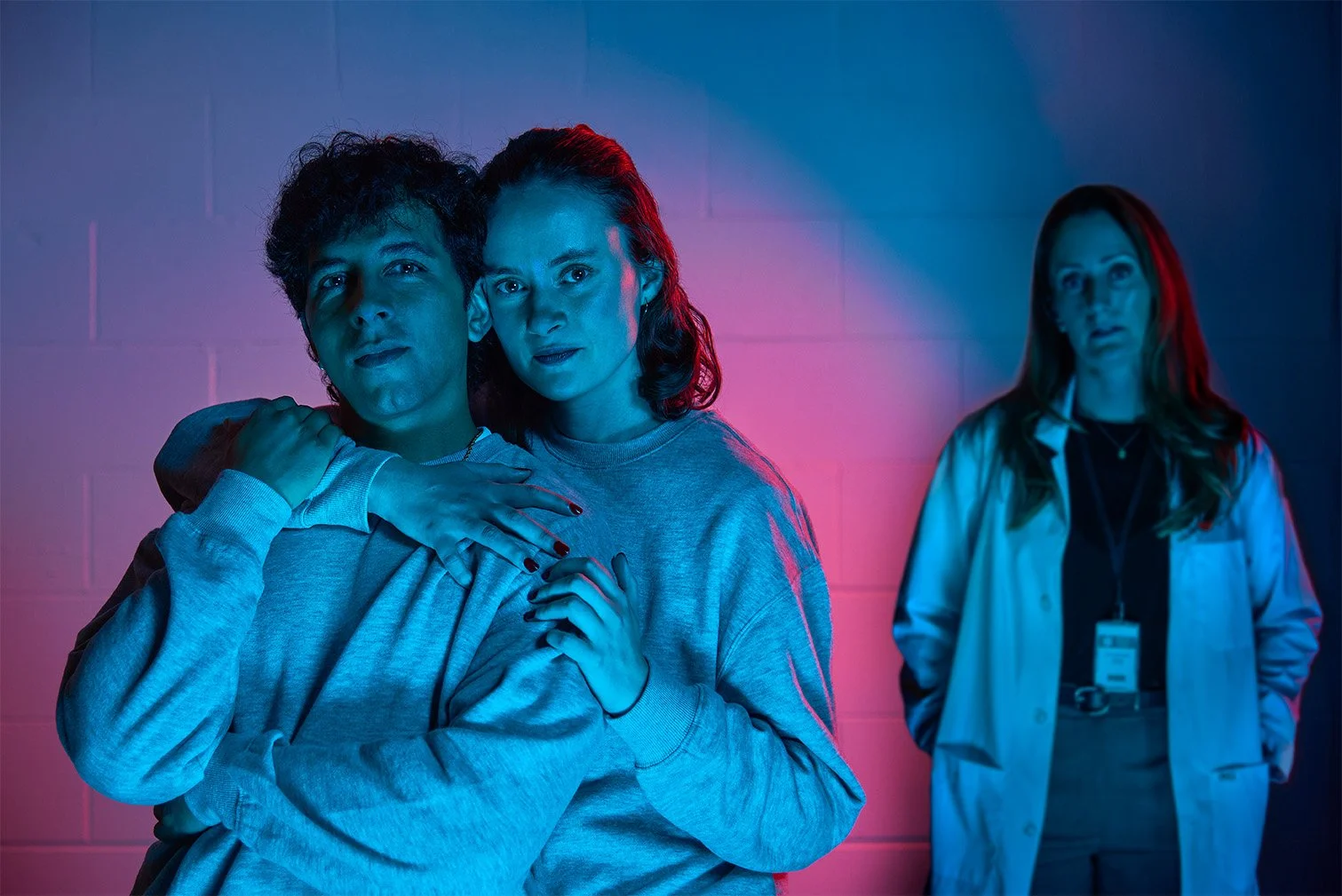
Prebble’s sharp thriller The Effect, which won the Critics’ Circle Theatre Award for best new play after it premiered in 2012, is now coming to Progress Lab 1422, care of Rumble Theatre and ITSAZOO Productions. The play follows two volunteers who sign up for a clinical trial of a new dopamine-regulating drug. But when they start to develop a romantic attraction toward each other, questions arise about consent and pharmaceutical ethics, and whether they’re experiencing genuine feelings or chemical manipulation.
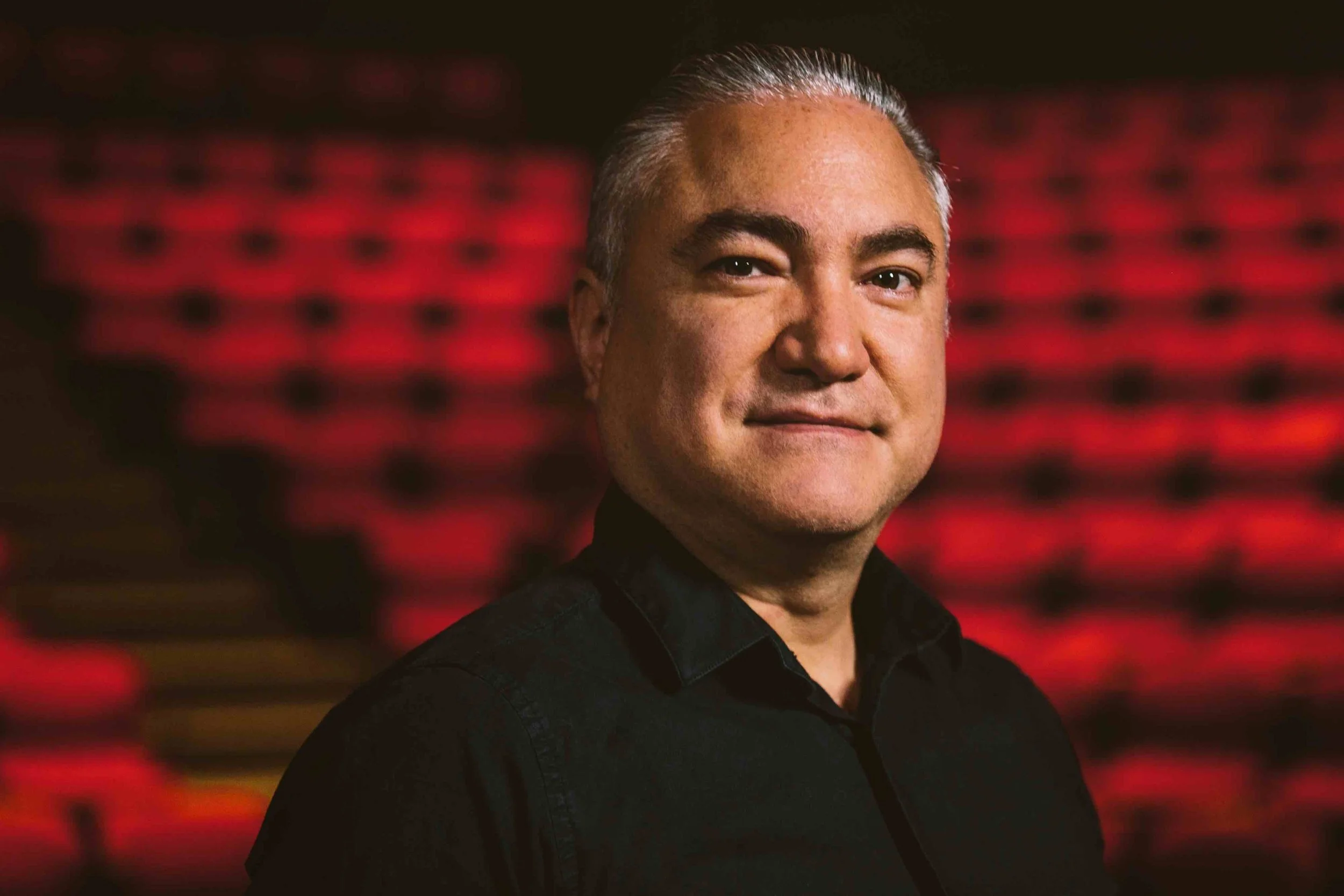
Jivesh Parasram, artistic director of Rumble Theatre, is directing the production. Stir connected with him before its run here to learn a bit more about what’s in store for audiences.
What do you find most compelling about the story being told in The Effect? How would you describe Lucy Prebble’s writing style—and how does it serve the plot here?
I think for me, what’s most compelling about the piece is its fragmented depictions of love in many stages. We see a lot of moments over the lifespan of a romantic relationship—though not all of it is from the same relationship. There’s two love stories running through the piece: one, a new young love; another, a more “mature” pairing years after the romance ended. Once you throw in the fact that the setting is a pharmaceutical trial, there’s a lot going on and the stakes are high. And the structure of the piece is that of escalating tension. I guess a lot of plays are that in principle, but in this case, the plot points include increasing chemical dosing as a clear “next phase” circumstance that starts to bring out irrationality—which also kind of happens when you fall in love. This is a very actor-driven piece. It’s all about the relationships—and they are beautiful and messy and complicated.
What’s great about Lucy Prebble’s style is that she’s very funny. None of these characters are without flaws—in fact, they’ve got some pretty big ones front and centre, and she really collides them all to construct some very funny moments that are still quite grounded in reality. One of the things I really love about her writing is that we can go from quite large, deep philosophic arguments and flip into really human pettiness. I find that contrast very funny in its relatability. I also feel like it adds a certain authenticity to it all.
The comedy is dark, but so is the content—and as someone who lives with severe depression, that capacity for comedy is often the thing that helps the most in coping. If you can’t laugh at the absurdity of the depression, the illness—call it what you will—it would be really hard. And it’s already hard enough! I don’t actually know what her experience with depression and mental illness is; Canadians are much bigger into putting self-identification out there than most. But it feels like she really gets it.
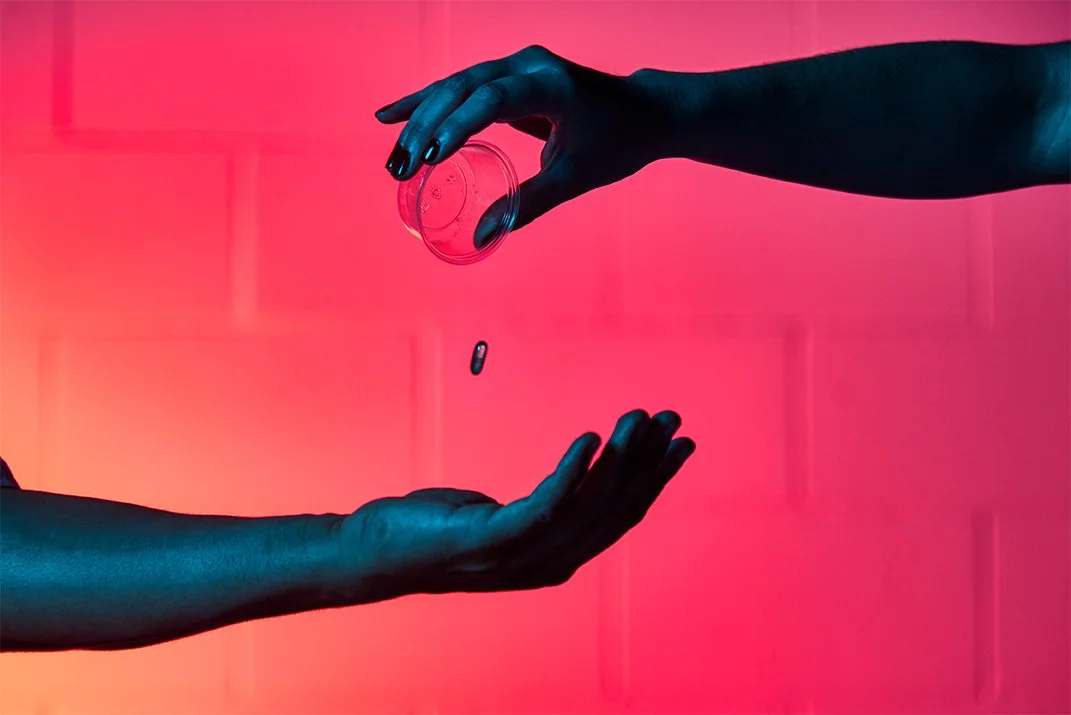
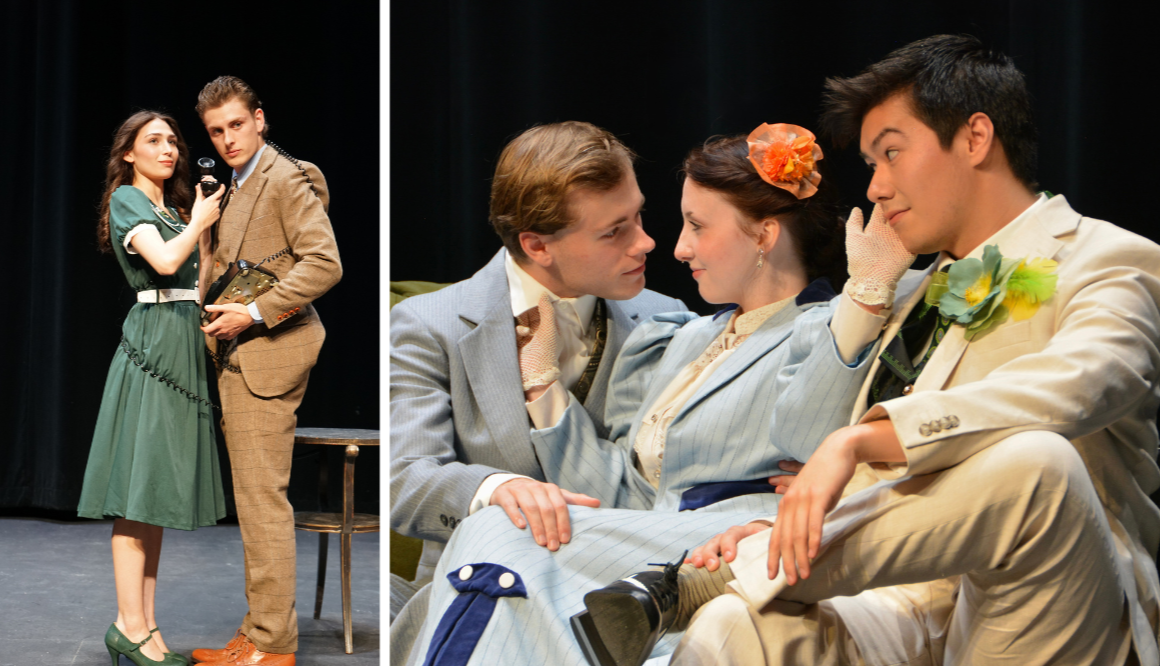
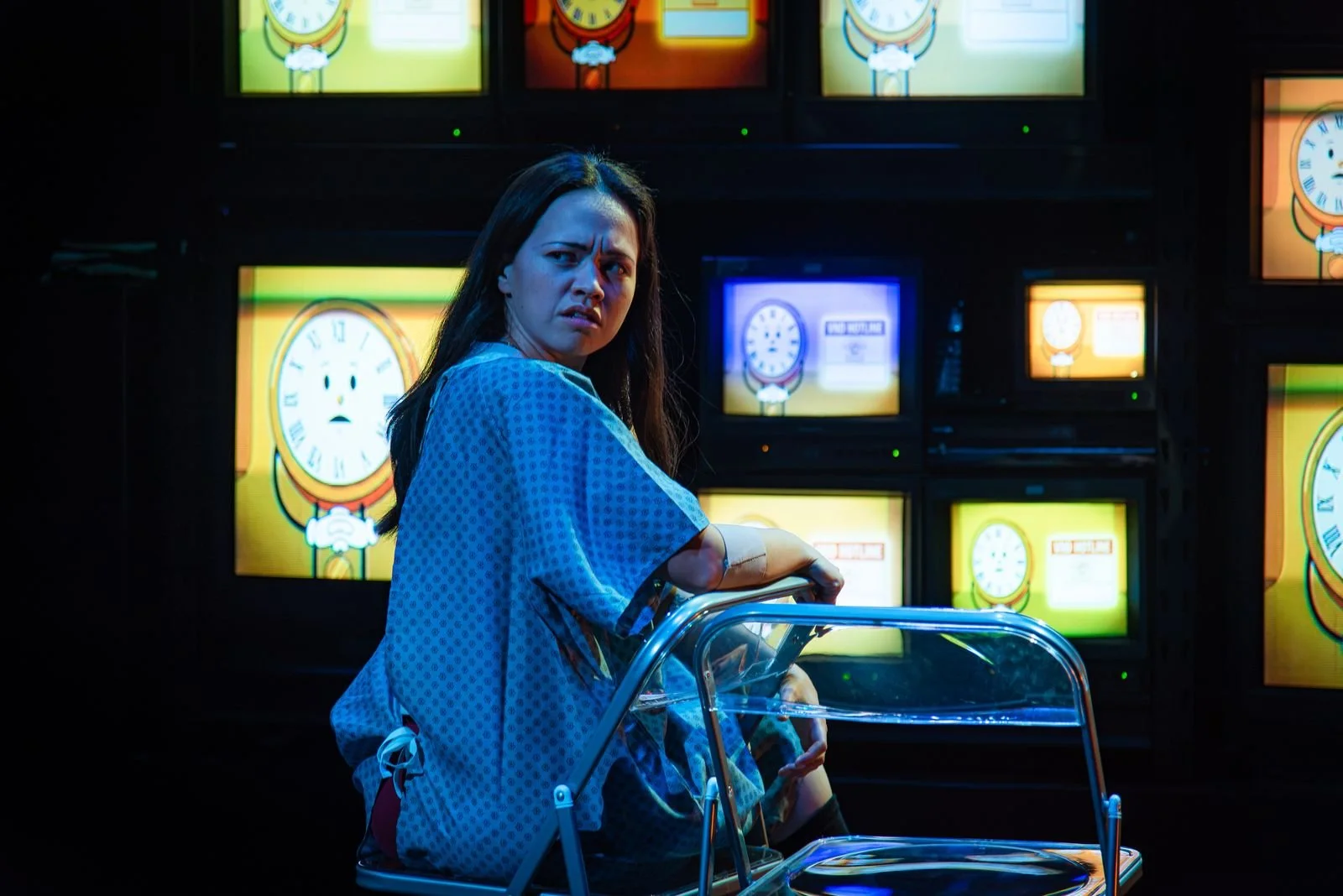
The Effect. Photo by Chelsey Stuyt
A primary theme in The Effect is mental health. What insights does the play offer into pharmaceutical ethics? Would you say the portrayal of dopamine-regulating drugs here is relatively true to life, or is it closer to a science-fiction interpretation—and how so?
While I’m no expert on the inner workings of pharmaceutical testing, I think for sure what we’re seeing should be thought of as a liberal and creative dramatization. The drug that is being tested in the play is fictional, and the play is a work of fiction. I mention this specifically because if anyone’s on the fence about taking a dopamine-regulating medication, this likely isn’t a good indication of what a drug that would have already passed clinical trials would be like. At least, not based on my experience; I’ve been on and off a lot of different psychiatric medication most of my life.
That all said, I think some of the ethical questions that are raised do feel true to life in many ways. The major recurring question has to do with efficacy. Do these drugs actually work? And an extension of that would be: do these drugs actually heal? I think a lot of people would agree that the drug itself (be it an SSRI or a dopamine-related drug) is not a cure. But they might be effective treatments that can assist with healing. When it comes to mental health, it’s often a combination of these drugs that can help people be in a good enough place to do the work of healing, often in combination with other therapies.
I think the argument that feels the widest-reaching is whether or not people are actually suffering from depression at all, or is it that “the world is on fire.” And of course that’s depressing, but pharmaceutical companies are selling us pills to numb ourselves from that reality. I say widest-reaching, because I think that cuts beyond people who may have clinical depressive disorders.
As the director, how are you helping the actors toe the line between portraying authentic feelings and portraying emotions that are caused by chemical manipulation? On a similar note, what differentiates the couple’s journey from a typical love story?
It’s a good question, and actually one of the major questions of the play. Is there actually a difference? If I feel happy because I’ve taken something, is it not actual happiness? Am I not still happy? The thing is, whether it’s because I take a pill and I have a dopamine rush, or I see a box full of puppies and I have a dopamine rush, the thing that’s making me feel happy is the dopamine. Or so I would be led to believe.
The typical love story is “organic” or “unassisted”, so to speak. The lovers meet, and it’s fated. We love that stuff. The unexplainable, intangible nature of it makes it mysterious, intriguing, and beyond our control, defying our rational mind. But somehow if you were to introduce MDMA into the equation, it does feel like it cheapens it in some way, right? I think that’s cultural. Because to flip it another way: If I met the love of my life while on antidepressants, does that cheapen my experience? I wouldn’t feel the exact same without the drugs. I would still feel love, sure, but it would be a slightly different emotional state—or at least I wouldn’t be able to access those emotions with the same ease that I can when medicated.
As a director, I think it’s more about helping the actors know the chemical circumstances than whether the emotion is genuine or not. That much, I think, remains subjective and open to interpretation by both the actor and the audience. And I think it should be a bit blurry. But what we do know is that the body is taking in a new substance which may have side effects. That I can help folks with. I guess you could say I’m less focused on tracking where the heart is at—and more focused on what’s going on with the liver.
Can you tell us a bit about the set, sound, and lighting design for The Effect? How would you say staging this production in an intimate venue like Progress Lab 1422 affects the way it’s perceived?
It’s full of very intimate, very private moments. While overall we’re going quite minimalist in design to put the focus on the interpersonal relationships, Monica Emme’s set incorporates a lot of reflective surfaces. Because, as the viewers, we’re studying these private moments, assessing them, judging them perhaps, and determining for ourselves: Is that real or is that the drug? We want the audience to feel present in the space. By evoking this idea of surveillance without making it too overt, it creates moments of disorientation and also quite literally opens up new angles to interpret the same image.
Phil Miguel’s lights are a big part of that too. The type of materials Monica has incorporated into the set behave differently depending on how they’re lit, so what we see—and what we don’t see—is something at play. Phil’s work also really blends with Jack Goodison’s sound design. Both light and sound are in collaboration to support the emotional journey of the piece; it lets us dip into the surreal at times. The sound set-up itself is a big part of the “immersion” that audiences familiar with ITSAZOO’s work might come to expect out of a show. Without giving too much away, the sound is all around you—and you should be able to physically feel it at times.

Jivesh Parasram
On a personal level, has working on this production changed the way you think about the connection between love and mental health at all?
I wouldn’t necessarily say that the production has changed my thinking, but it’s brought certain aspects into focus. As I’ve mentioned, I have severe depression. I’ve been “mentally ill” or “MAD” basically my whole life. Or actually—for sure my whole life—but diagnosed young. So I’ve thought about this stuff a lot. My “madness” has been a part of every romantic relationship I’ve had, with varying levels of consequence. Technically it’s been part of non-romantic relationships too, but it’s the romantic ones where the stakes feel high. Or maybe I’m just overly romantic! But what I mean is that like many forms of disability, depression and mental illness can be a barrier. Like—hey, depressants can sometimes be downers, we know that! That’s why you need a dark sense of humour to date one of us!
When I was younger, I think some relationships ended because the other person didn’t really want to take that on as part of their life long-term. And you know, those relationships should have ended anyway, because if you can’t love the whole person, then it’s not really ever going to be a forever thing—so it’s for the best. But in terms of questioning what’s actually me versus what’s the me who is medicated, I live with that question every day of my life. And I’ve struggled with the choice to live medicated or not. I still do. When I’ve gone off meds, sometimes I do feel like it’s more my authentic self. But my “authentic self” sometimes can’t get out of bed for days at a time. And then I wonder: Am I just medicating myself to feed the capitalist machine of productivity?! And then I remember I work in the not-for-profit arts sector, so probably not. Or at least I don’t do capitalism well.
I guess there’s this thing that happens when you’re mentally ill or have a disability: Where do I end and my disability begins? And there’s something to that about romance too: Where do I end and the other person begins? But in both, I think it’s about acceptance. I am not my disability, but my disability is part of me. And a true partnership only happens, I think, when you surrender an aspect of your individuality to allow your partner to be part of you and vice versa. To be changed, impacted, maybe even altered.
Overall, what do you anticipate the experience of seeing this play will be like for audiences?
I’m hoping this is a fun, emotional, and intense experience—but, you know, within the safe container of it being theatre. This version of the play (because she has many different versions) is a one-act. It streamlines what is often a longer play into a more intense 90-ish-minute roller coaster. Being packed into our small venue is part of that ride. It’s also got a bit of a suspense-thriller vibe that starts to show later on in the piece, which we don’t often get in live theatre around here. So when I say I hope it’s a lot of fun, I mean it.
I really think it offers us a chance to experience a wide spectrum of emotion in ourselves and also see it onstage. And you know, as per this question of what’s real versus what’s just the medicine: If you see something onstage that makes you feel something, is it any less real? I mean—probably. Well, not even probably—it’s not real, it’s a play, we know that. But I’m not sure if the body knows the difference. And that’s actually the art form of theatre itself. Or the medicinal quality of live performance, maybe. And that’s also why I think this play, through its intimacy and use of the live form, really succeeds. 

Related Articles