UPU speaks poetic language of storytelling created by generations of Pacific Islanders
Samoan poet Grace Iwashita-Taylor describes working with accomplished director Fasitua Amosa to honour the stories, struggles, and joys of a vast and diverse region
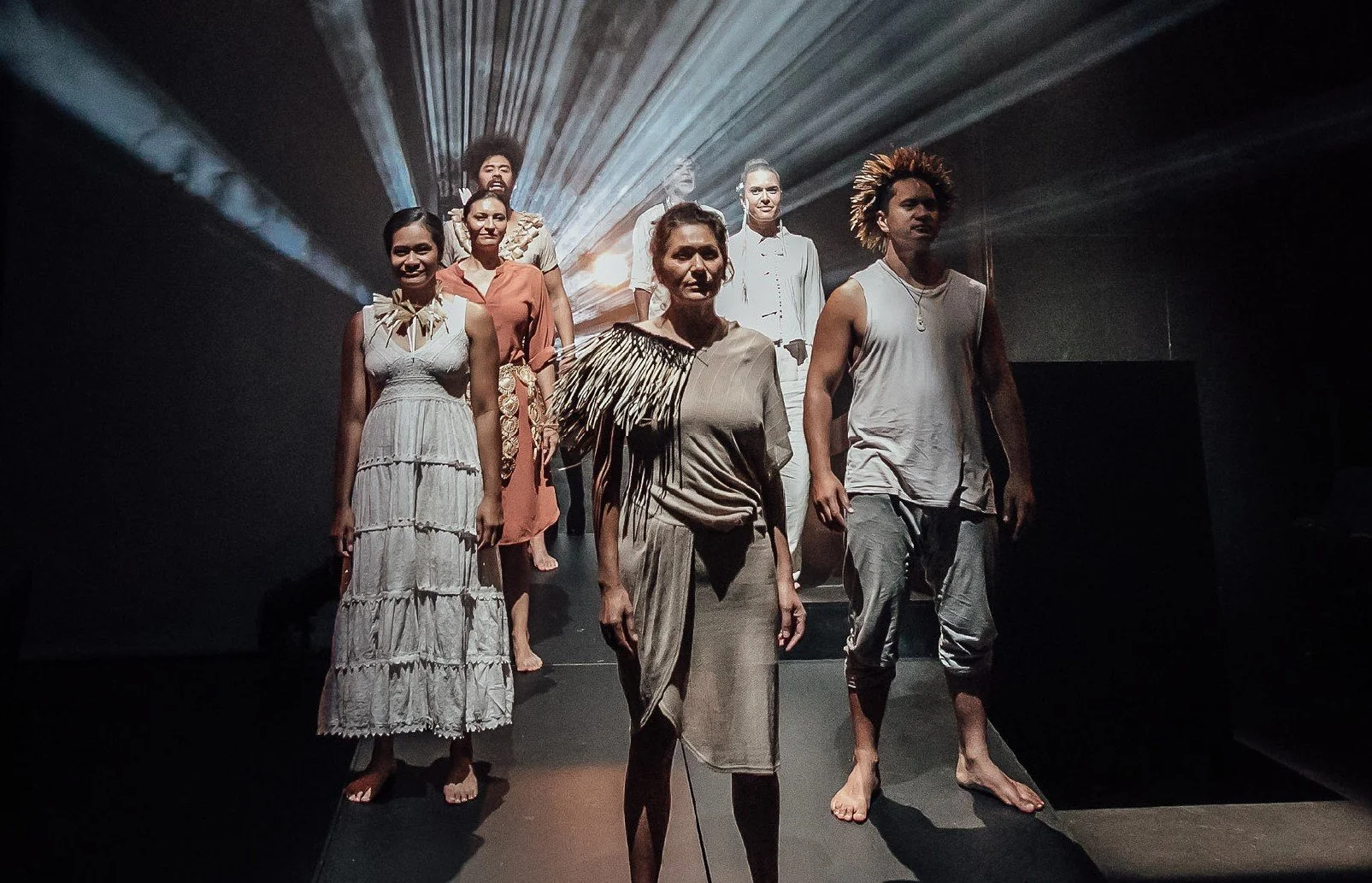
UPU
The Cultch and Full Circle: First Nations Performance present UPU at the York Theatre from February 17 to 21, as part of the Warrior Festival
UPU IS A THEATRICAL celebration of Pacific voices shaped by poetry and deep cultural lineage. Conceived by Aotearoa/New Zealand poet Grace Iwashita-Taylor and director Fasitua Amosa, the production gathers the words of Pacific Islander writers and brings them to life onstage through the immersive language of theatre.
The idea for UPU emerged when Iwashita-Taylor and Amosa, who are both Samoan artists, met in 2015 to collaborate on Iwashita-Taylor’s first theatre production, My Own Darling. What began as a creative spark between two artists has grown into a powerful show that honours the stories, struggles, and joy of Pacific peoples.
“Fasitua saw the huge potential to bring the work of Pacific poets to life through the dynamics that theatre has to offer,” Iwashita-Taylor recalls in a Zoom interview with Stir. “Two worlds collided—the poet and the theatremaker.”
Iwashita-Taylor was tasked with diving into a vast collection of Pacific Islander literature and curating a body of poems for Amosa, which would later evolve into a full-scale theatre production. Upu means “words” in the Samoan language, and the production is rooted in the region’s generational tradition of oral storytelling. By weaving the emotional power of spoken-word poetry with the world-building possibilities of theatre, the work becomes a deeply resonant experience.
“When Fasitua’s skill set came in as a director, he found the thematic thread that made UPU come together,” Iwashita-Taylor says. “As with most theatre work, when you get it on the floor, that’s when shifts and changes happen, because you start seeing it come to life. It’s been a collaboration that’s anchored in a strong passion to see our peoples’ work on the stage so that others can experience it.”

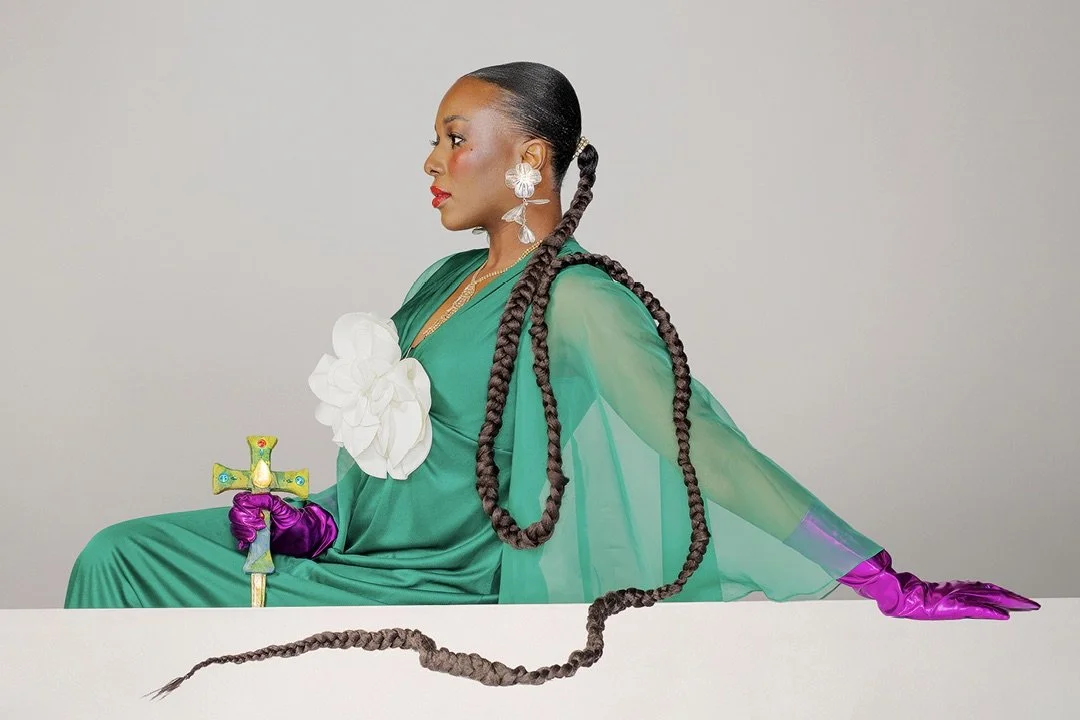
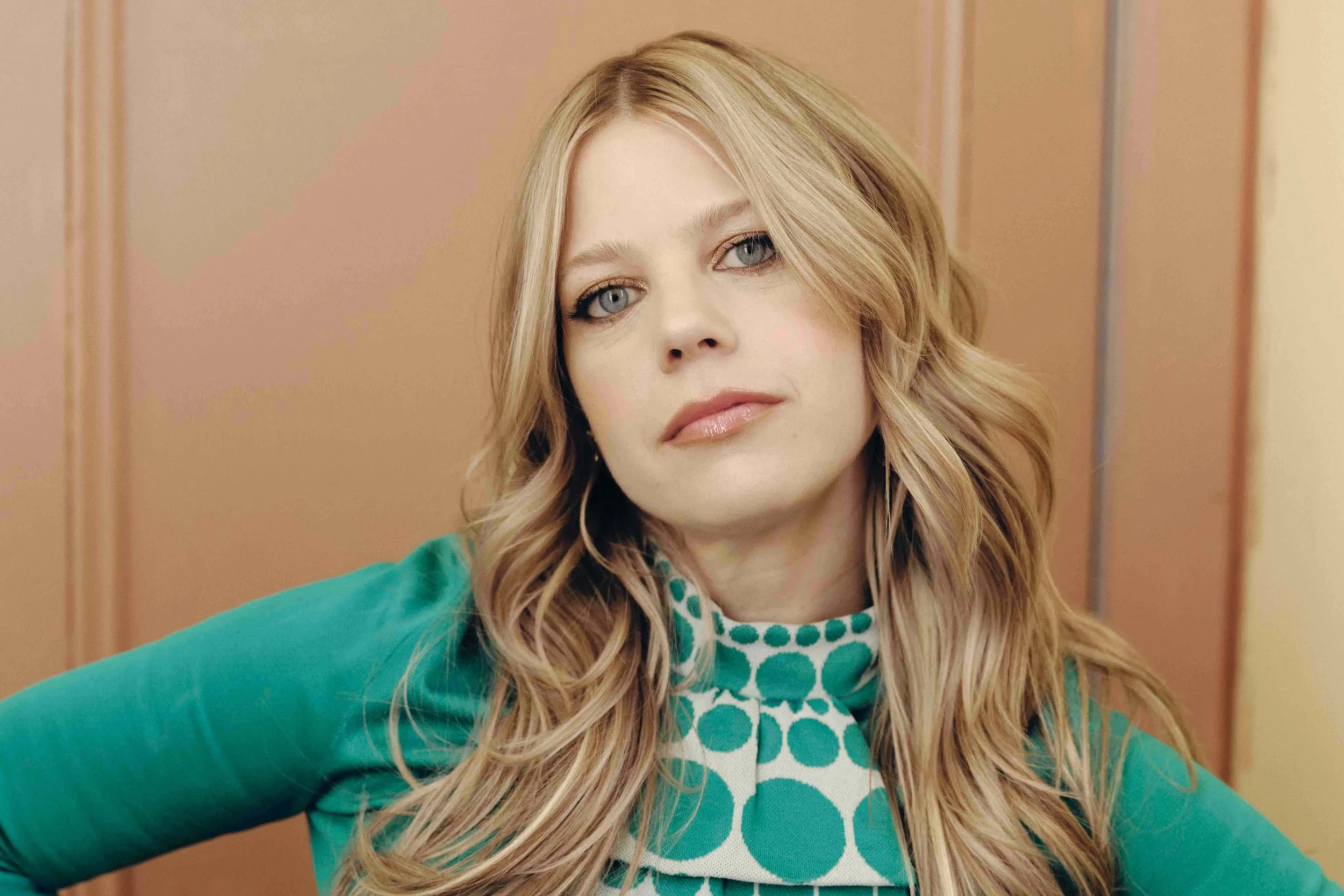
Grace Iwashita-Taylor
Celebrating the diversity of Pacific cultures guided Iwashita-Taylor and Amosa as they selected works for UPU. Iwashita-Taylor emphasized the importance of highlighting works by Micronesian and Melanesian writers in the production, as they are often underrepresented in the canon of Pacific literature, compared with writers from the Polynesian islands. Common themes in selected works included the effects of colonization and climate change, as well as joy and humour as resistance to these destructive forces.
“As a Samoan, I can say that we are really good at making fun of ourselves as a coping mechanism for dealing with hard stuff,” Iwashita-Taylor says. “I think many of the topics discussed within UPU are common themes for many cultures across the world who have had an outsider come into their space and enforce their ideals into those spaces.”
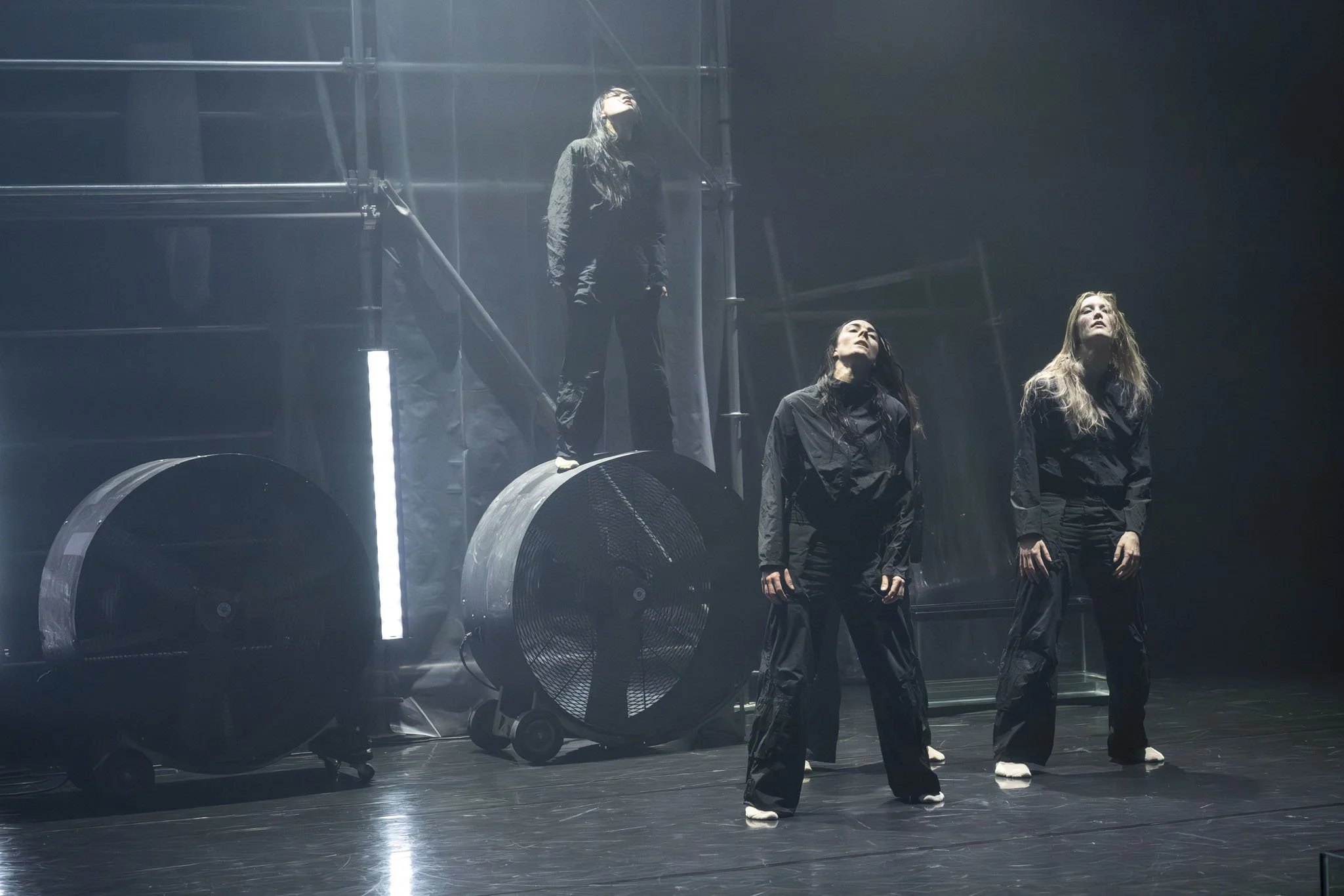
Iwashita-Taylor gushes over Rowan Pierce’s lighting design and Michael McCabe’s set design for this production. She describes a moment in the show when Pierce’s lighting design seems to construct a house that is described in one of the poems.
However, she stresses, the beauty and simplicity of language lie at the heart of UPU’s emotional impact.
“Fasitua really emphasized that the performance must be word-perfect,” Iwashita-Taylor says. “We can have amazing lighting design and set design, but ultimately all of those elements exist to serve the words. If they are taking away from the words, then they have to go. UPU is a theatre work that centres poetry and the word, and then has all the beautiful bells and whistles that theatre provides to bring it to life.
“There’s one particular poem in the show called ‘Inside Us the Dead’, written by Albert Wendt, who is basically the godfather of Pacific literature,” Iwashita-Taylor continues. “The poem is actually split up into three parts within the performance, because the poetry is so dense and every single word is just so potent that you can’t digest it all in one piece. Having his work as part of the show provides that anchor that we need, and also, having our elders present is really important for us, and having his blessing really means a lot to us.”
Iwashita-Taylor hopes that by performing UPU for international audiences, more people will have the chance to discover and appreciate the rich lineage of Pacific storytelling.
“I hope that for some people, the show is an entry point for them to fall in love with the beautiful writers that we have from this ocean,” Iwashita-Taylor concludes. “We’re in a moment where it’s really important for our own humanity that we’re able to find resonance with one another. I hope that the audience will find something in the show that makes them feel seen and heard, and connected to a culture from the other side of the world.” 

Related Articles