Zero Input Enclosure Movement challenges the idea of noise as unwanted sound
AO Roberts’s installation for Vancouver New Music creates oscillating drones that are equal parts comforting and unsettling
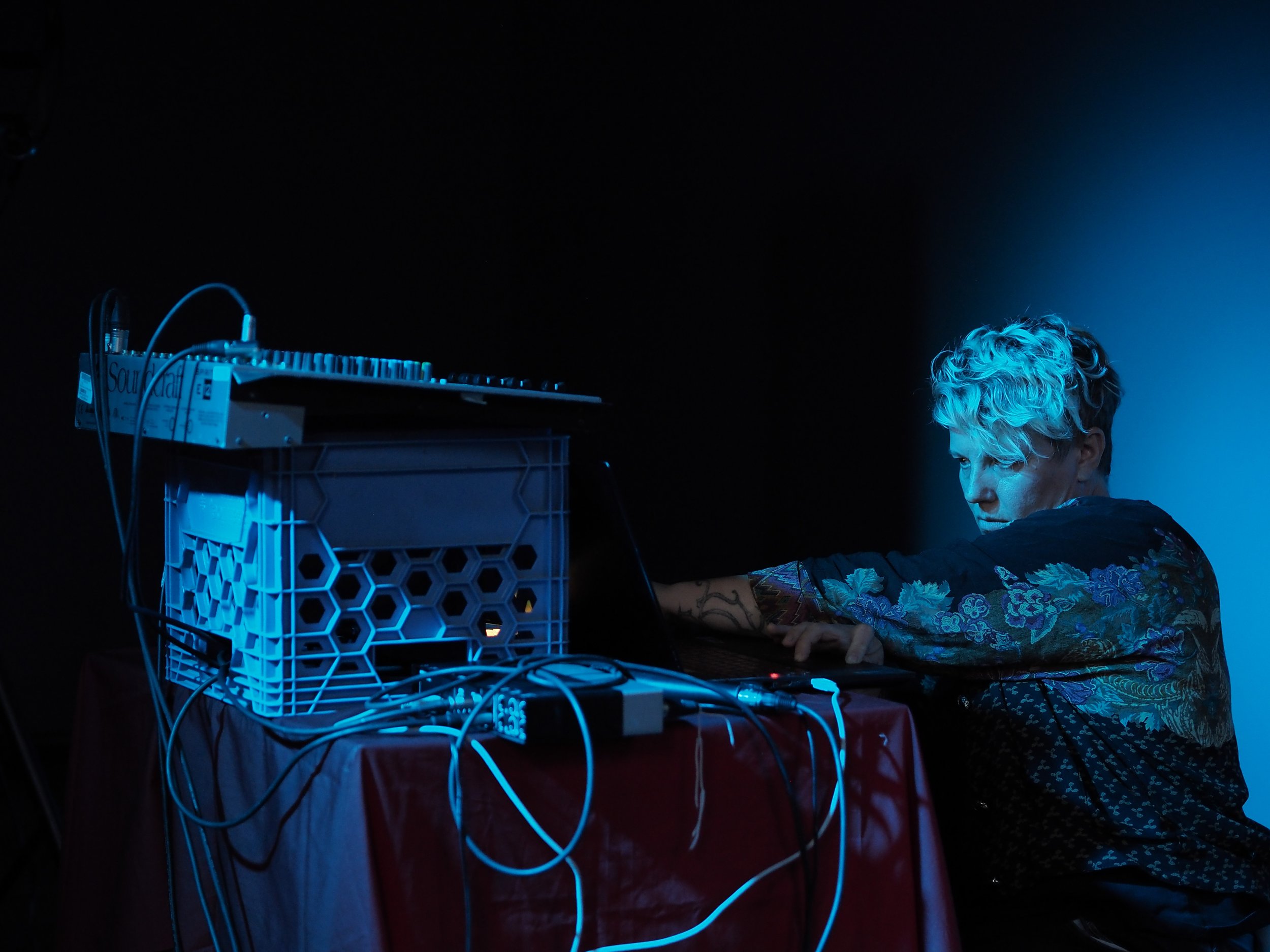
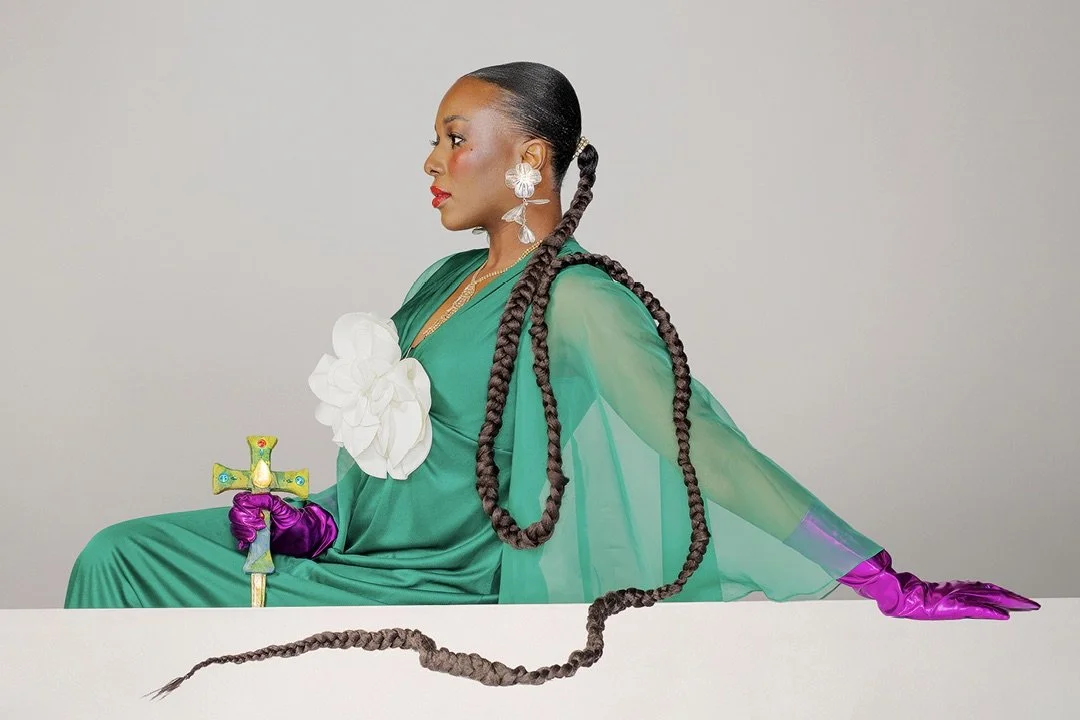
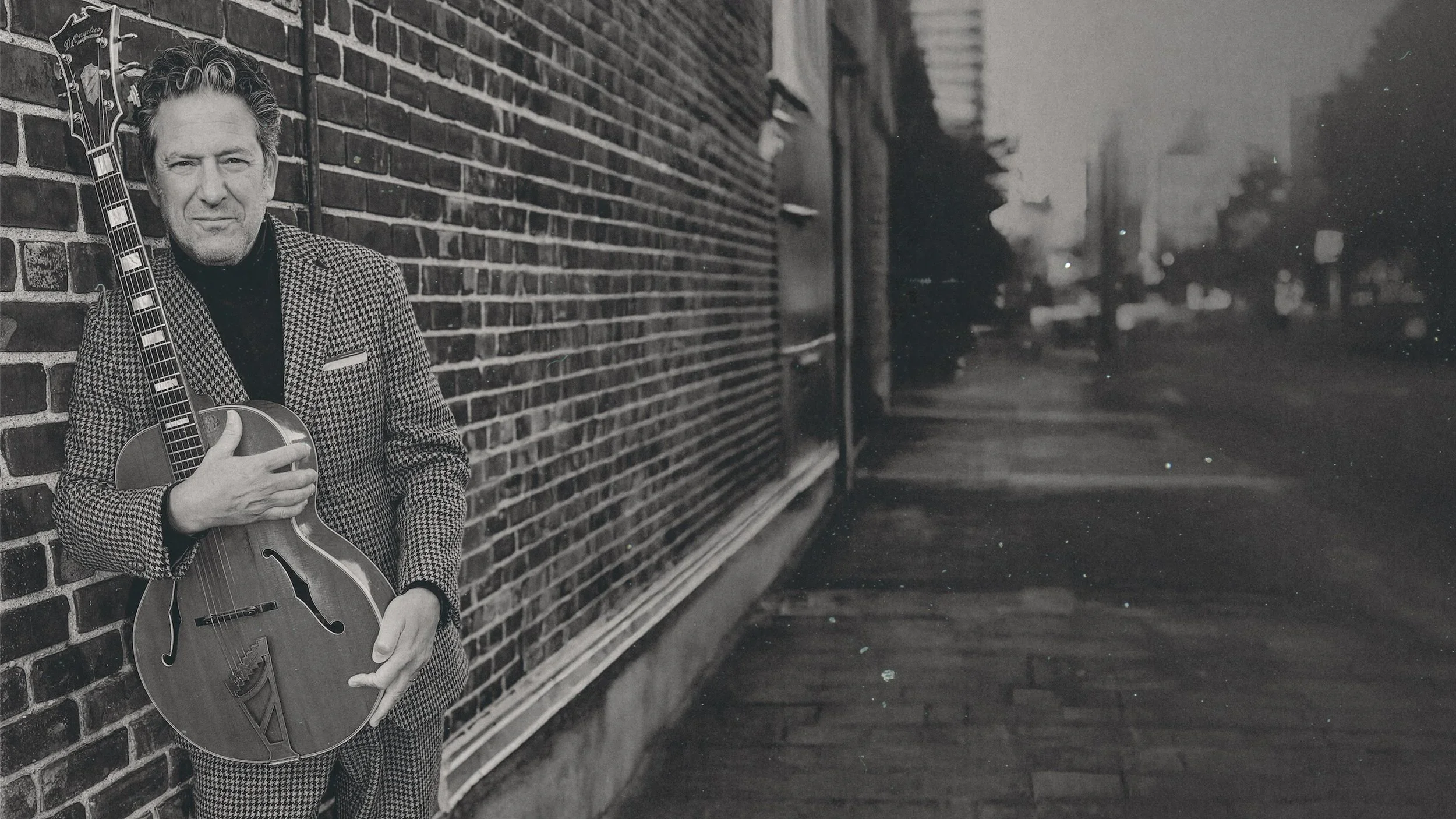
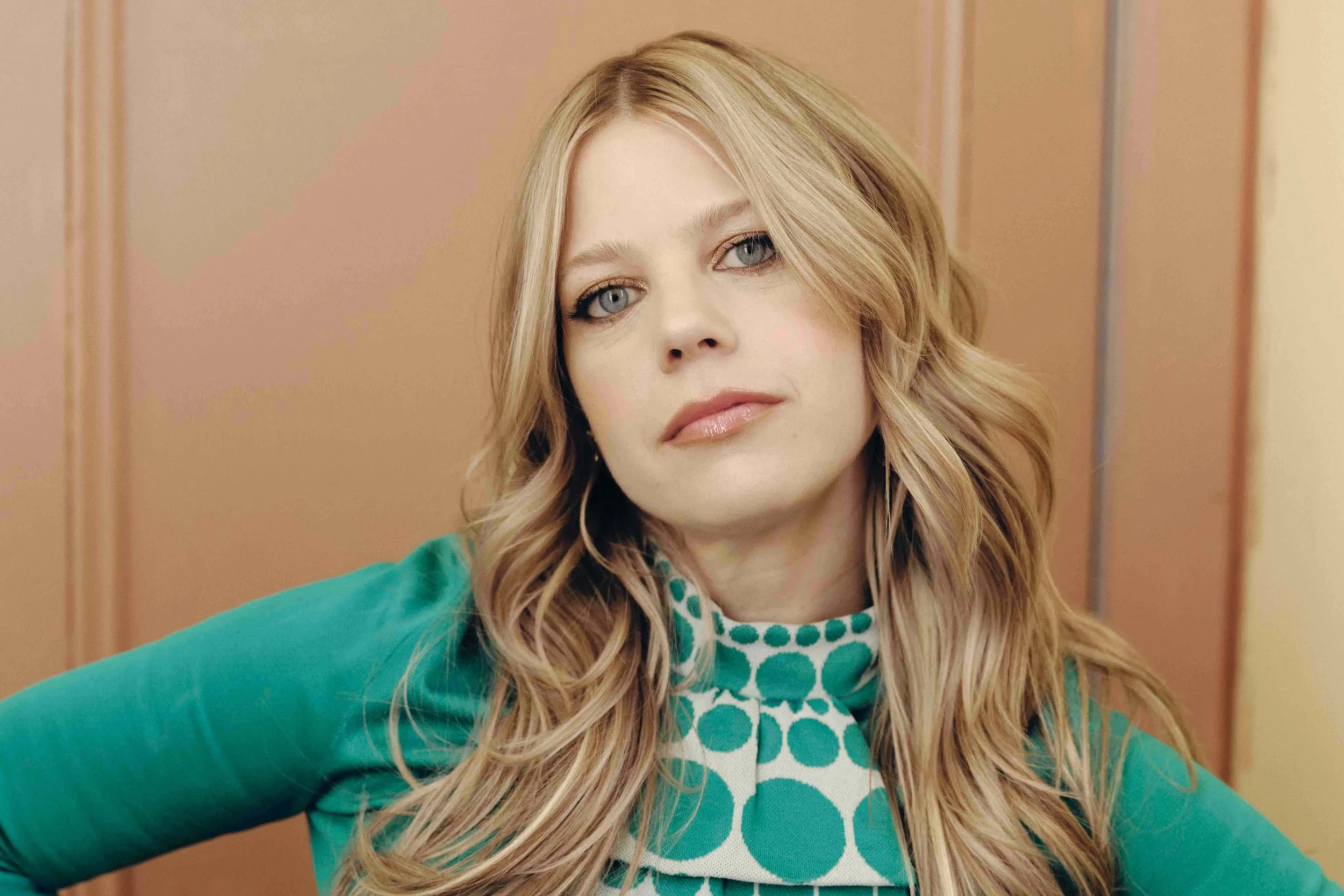
AO Roberts. Photo by Robert Szcolnicki
Vancouver New Music presents AO Roberts’s Artifacts I: Zero Input Enclosure Movement at the Annex on February 14 at 8 pm, with an artist talk at 7:15 pm
WHEN STIR gets AO Roberts on the phone to talk about Zero Input Enclosure Movement—an installation and performance piece that the Winnipeg-based multidisciplinary artist brings to Vancouver on Valentine’s Day—the first question is perhaps an obvious one: What the heck is a Zero Input Enclosure Movement, anyway?
“It is an eight-channel sound installation, at base,” Roberts says. “When you look at it, you would see eight pipes hanging on metal stands, and you would hear sounds being played through speakers that are installed inside the pipes. And then connected to that is a series of mixing boards and pedals, and they’re basically creating sounds that don’t exist.”
Roberts explains that the “zero input” part of the title (which we will henceforth shorten to ZIEM for the sake of our character count) refers to the fact that the sounds generated are fed back into the system, thus creating a feedback loop that evolves over time.
“The sounds change depending on the environment and also the settings that I put on the mixing board,” Roberts says. “I’ve installed it in places that are like black-box galleries with heavy concrete walls and floors, and there’s not a lot of interference. Or I’ve installed it in places where it constantly picks up the radio and other things. Basically, the sounds, the way I usually set it up, are kind of like droning, oscillating, pulsing; they hover somewhere in between a soundbath and medical-technology sounds. I come from a crip- or a disability-sound background, and I know a lot of people have come through it and thought, ‘This reminds me of an MRI’ or ‘It reminds me of a CAT scan,’ or other medical-imaging devices.”
Roberts describes the overall effect as “somewhat comforting and slightly unsettling”. Your mileage may vary based on how you feel about noise—or even how you define “noise” in the first place.
“The whole piece pushes back on the idea of noise as unwanted sound, to think about noise in a different way,” the artist says. “We have so many experiences with noise that we don’t really know how to qualify. It’s not music, but it’s not something that’s unwanted, you know? And coming from a disability lens, I try to think about noise as something that can be harnessed. Disability can sometimes be qualified as noise: if health is the signal that we desire to be clean, then disability is kind of a contamination of that signal. I’m trying to think about purity in that way. How can we harness all types of sound in a way that allows for modulations and errors and messiness?
“So, while it is somewhat contained, and it’s not going to go off the rails and start having wild feedback, it does move in and out,” Roberts says. “And some of the things, like it picking up the radio, is because it’s using unshielded cables for part of it. We have these cultural practices of how to produce clean sound, and using specific types of cables that will shield them from interference is part of that.”
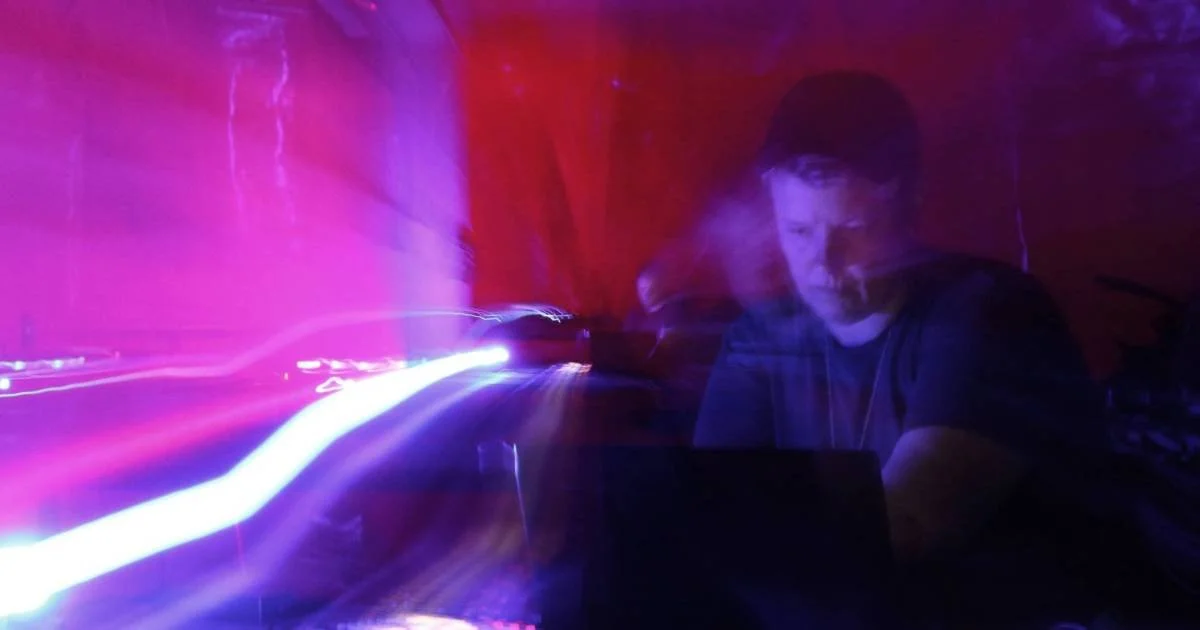
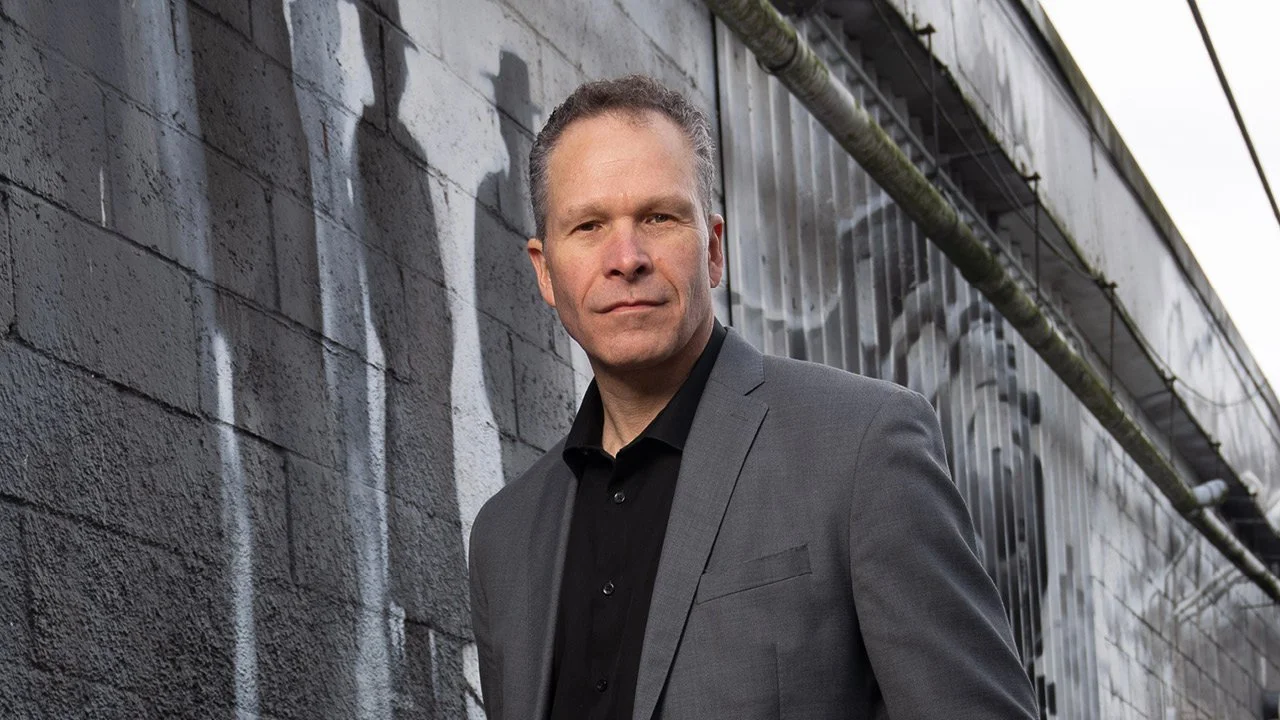
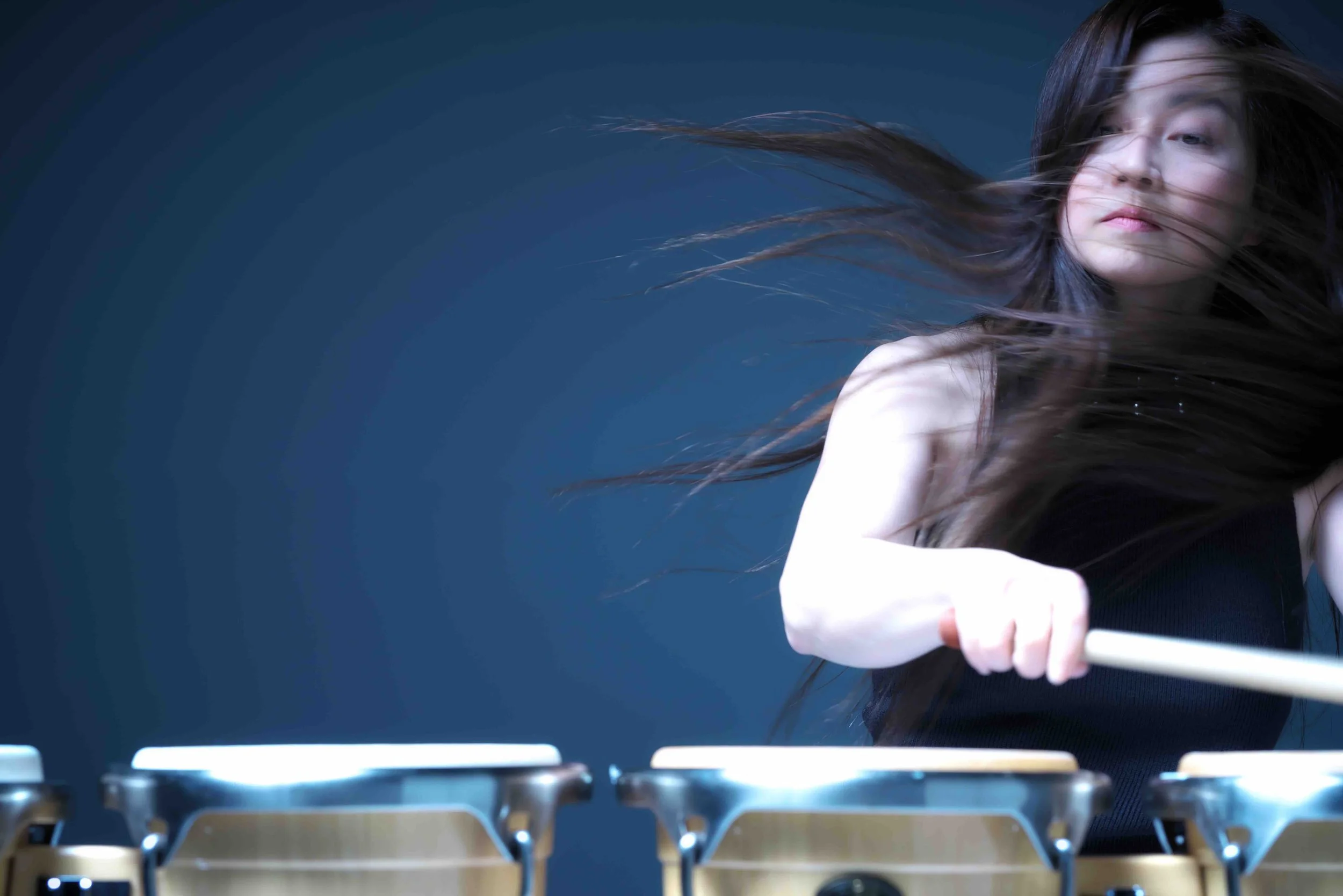
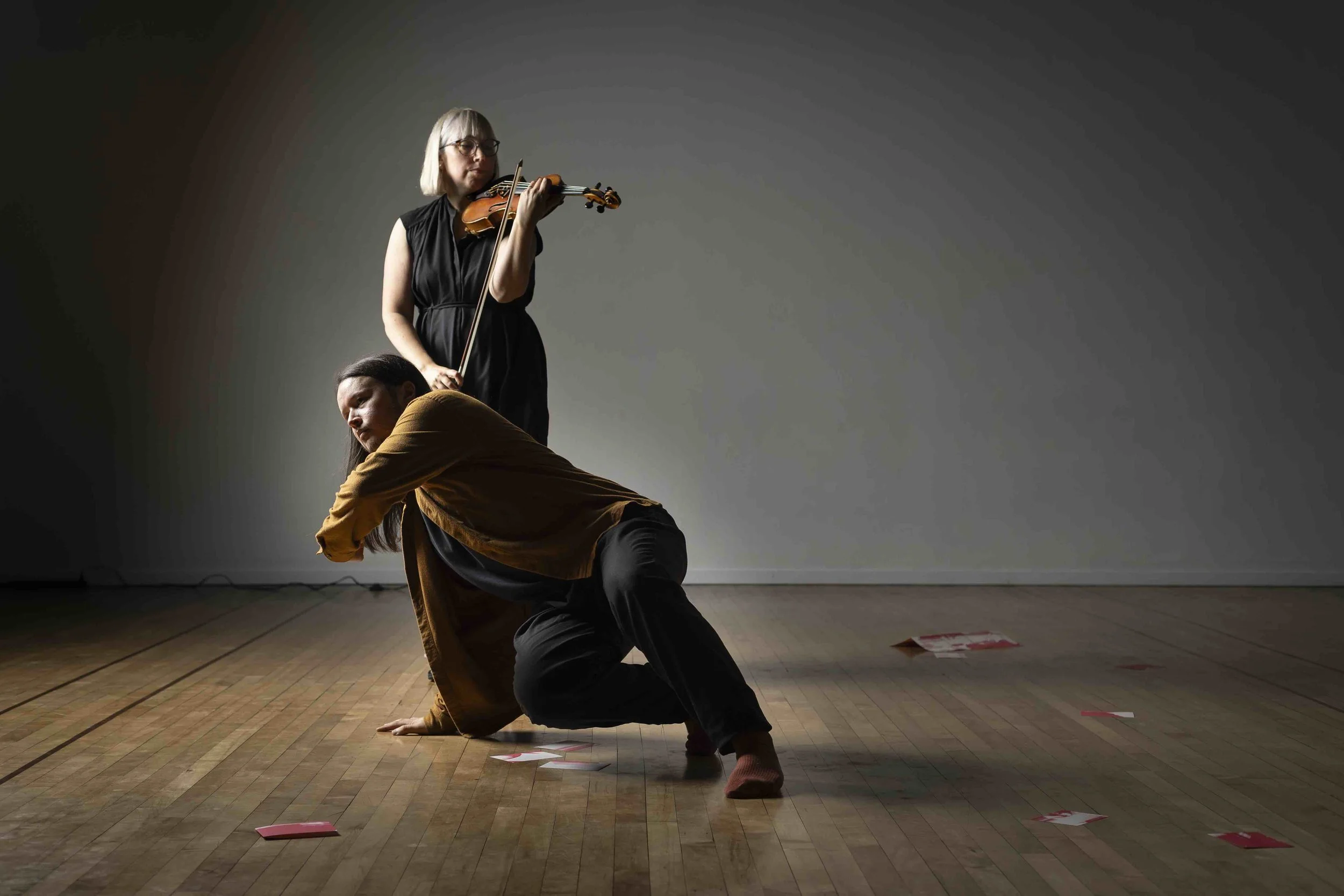
AO Roberts. Photo by Steve Irwin
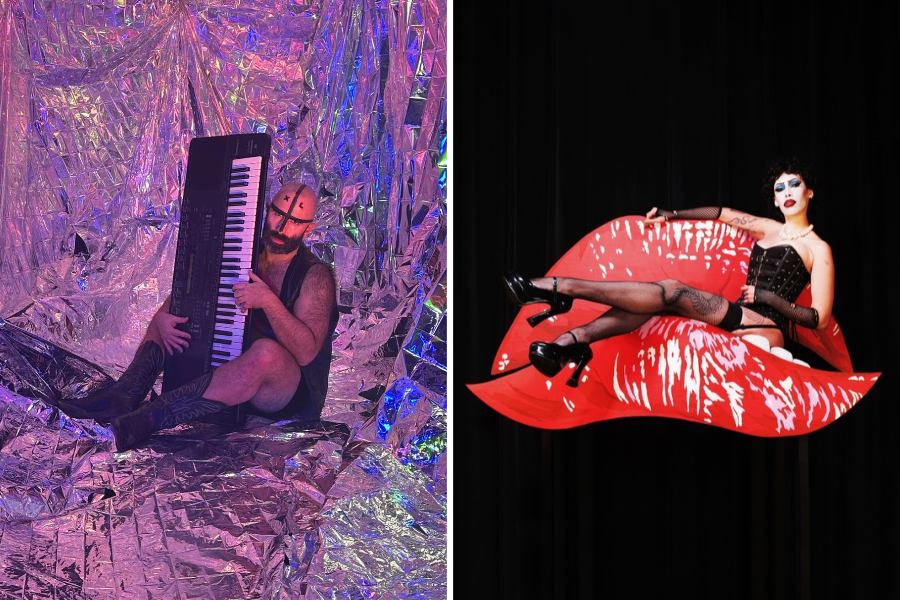
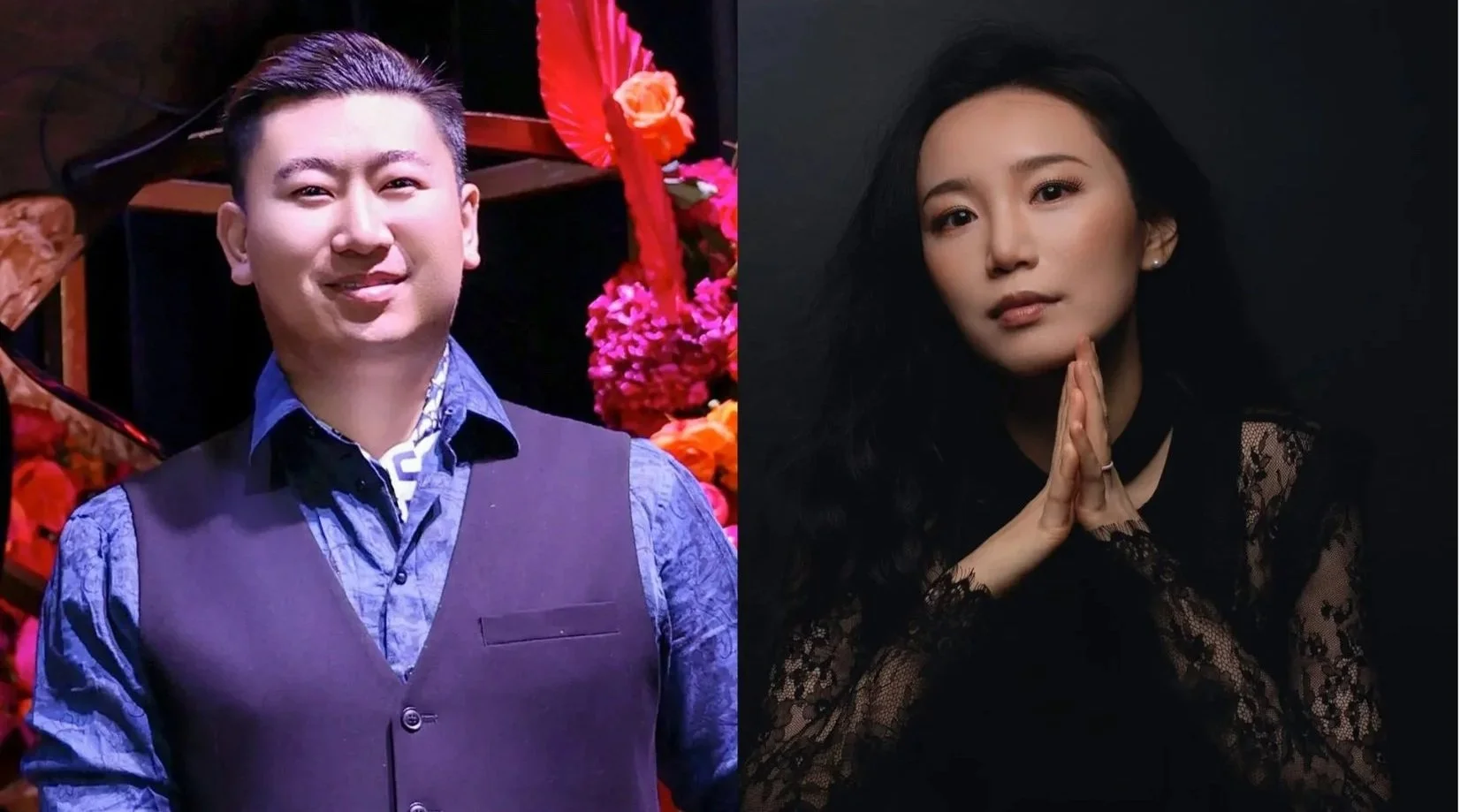
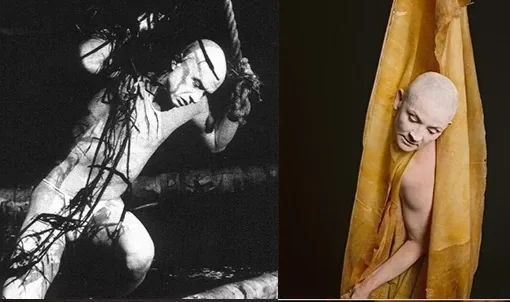
For the West Coast debut of ZIEM, Vancouver New Music curator Anju Singh selected a pair of local artists to collaborate with Roberts. RITUAL PURIFICATION is the moniker of Indigenous (nêhiyaw/Denesuline) sound artist Jarrett Martineau, who is also one half of the electronic music duo CHXMERAS. Sainerine, a.k.a. Katherine Hillson, plays with classical archetypes, and according to her website, her performances combine “opera vocals, experimental electronic sound and auto-mutilation carried out with an industrial staple gun.”
“They’ll be interpreting a graphic and text-based score that I’ve created for the night, and that includes the three players, who are RITUAL PURIFICATION, Sainerine, and the Zero Input Enclosure Movement,” Roberts says. “I see the installation as kind of like an instrument, kind of like an installation, so it’s acting along with them and performing along with them.”
Roberts seems to be assigning volition to their creation, and it’s hard not to think of it as a living thing, in some sense. Once the entire setup has been installed in a space, after all, it no longer requires any additional input from a human operator. In fact, it ran continuously for four months in 2022, as part of a larger exhibition called SICKROOM at the University of Manitoba School of Art Gallery.
“You turn it on and it just runs, and it’s somewhat consistent,” Roberts says. “When I do it for an installation, I put limiters and compressors and other technology to kind of contain it a little bit. For the live performance it might be a little more freed up to do its own thing.”
Show ’em what you’ve got, ZIEM! 

Related Articles