Andrew Staniland’s Songs From the Lytton Fire heralds hope in the aftermath of a climate disaster
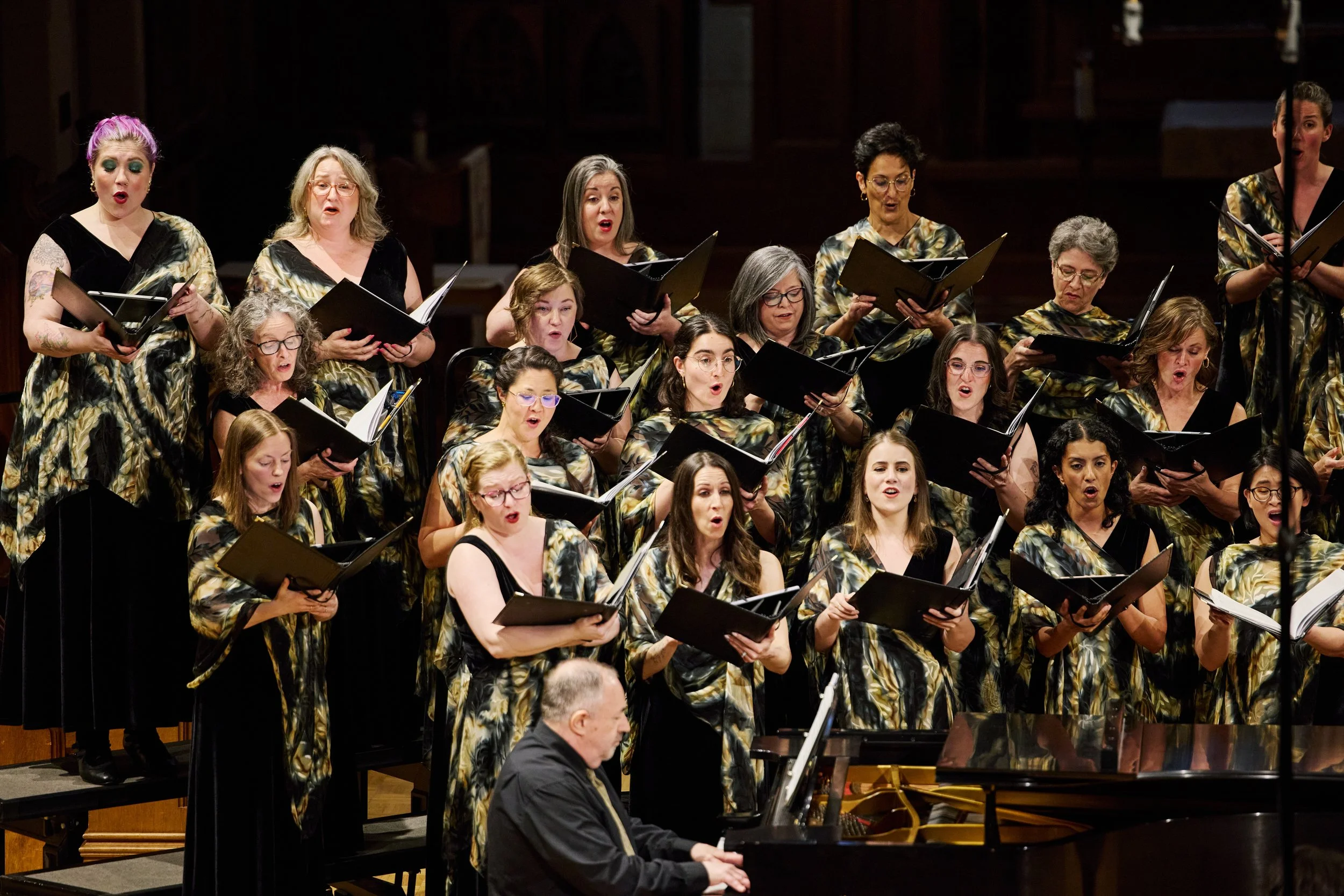
Piece drawing on the poetry of wildfire survivor Meghan Fandrich makes its world premiere on Elektra’s choral-driven program If the Earth Could Sing
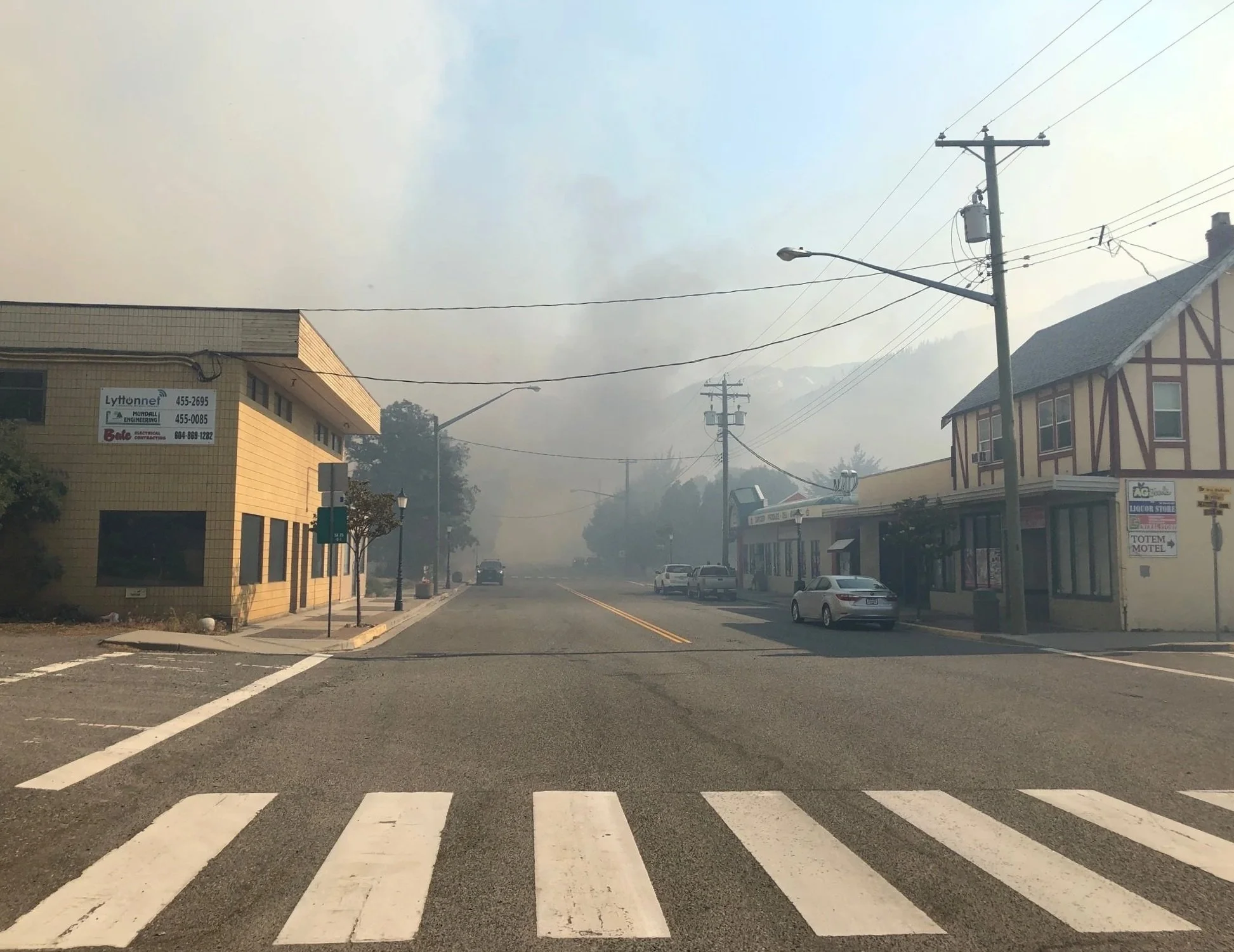
Wildfire approaching Lytton’s Main Street in 2021. Photo by Bernie Fandrich
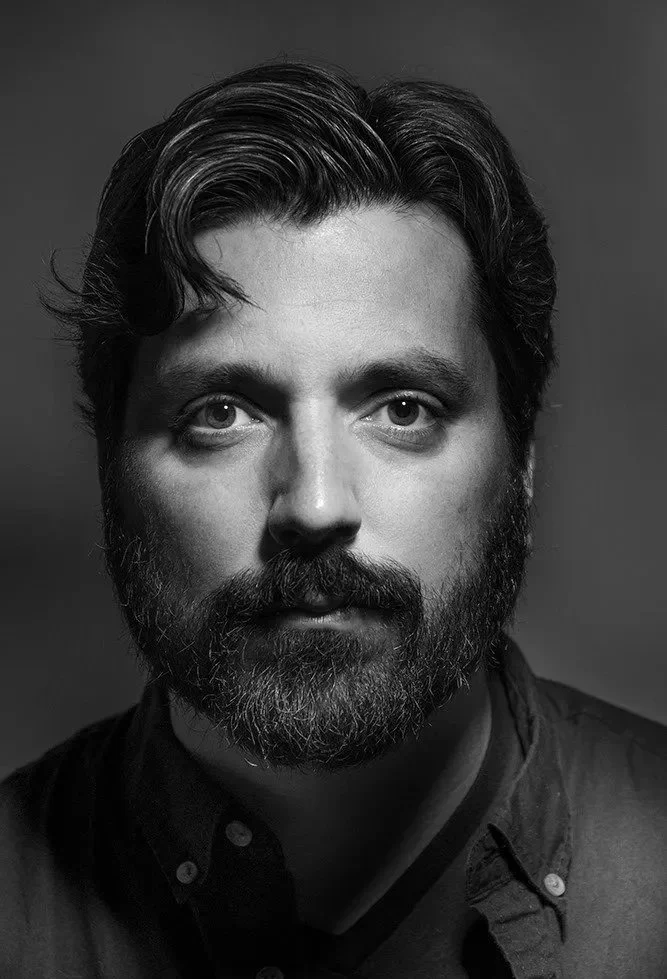
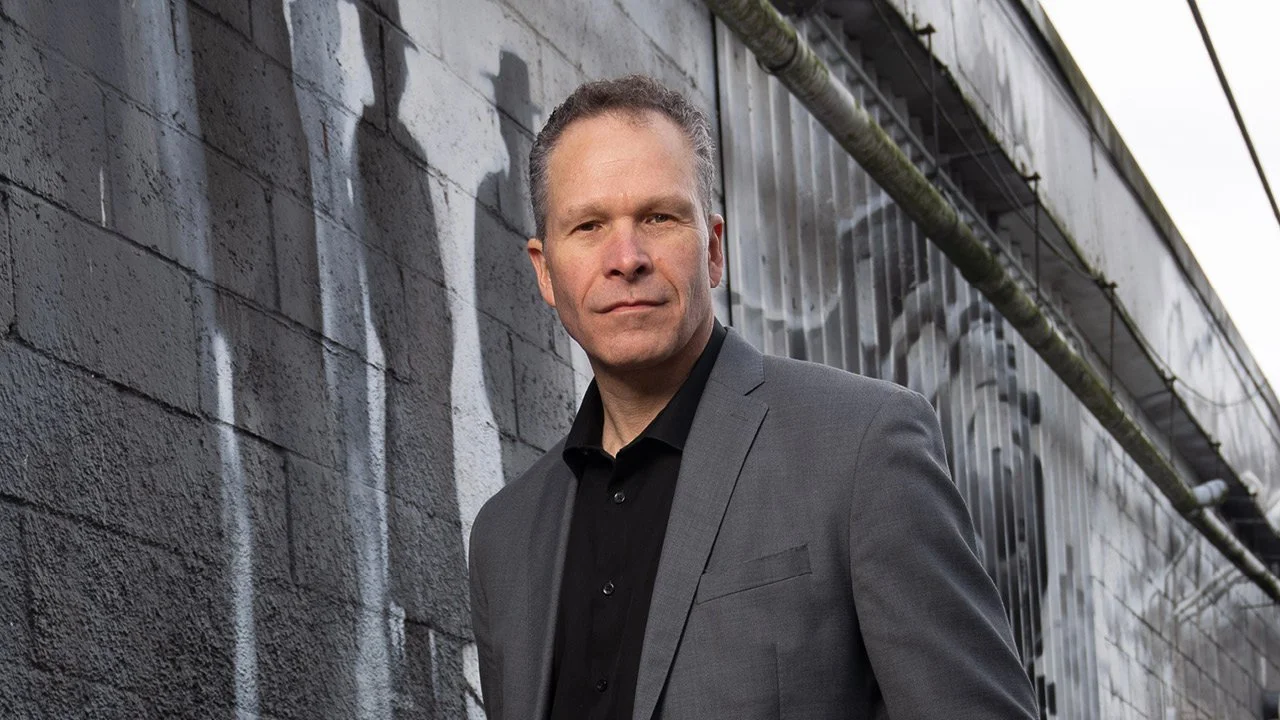
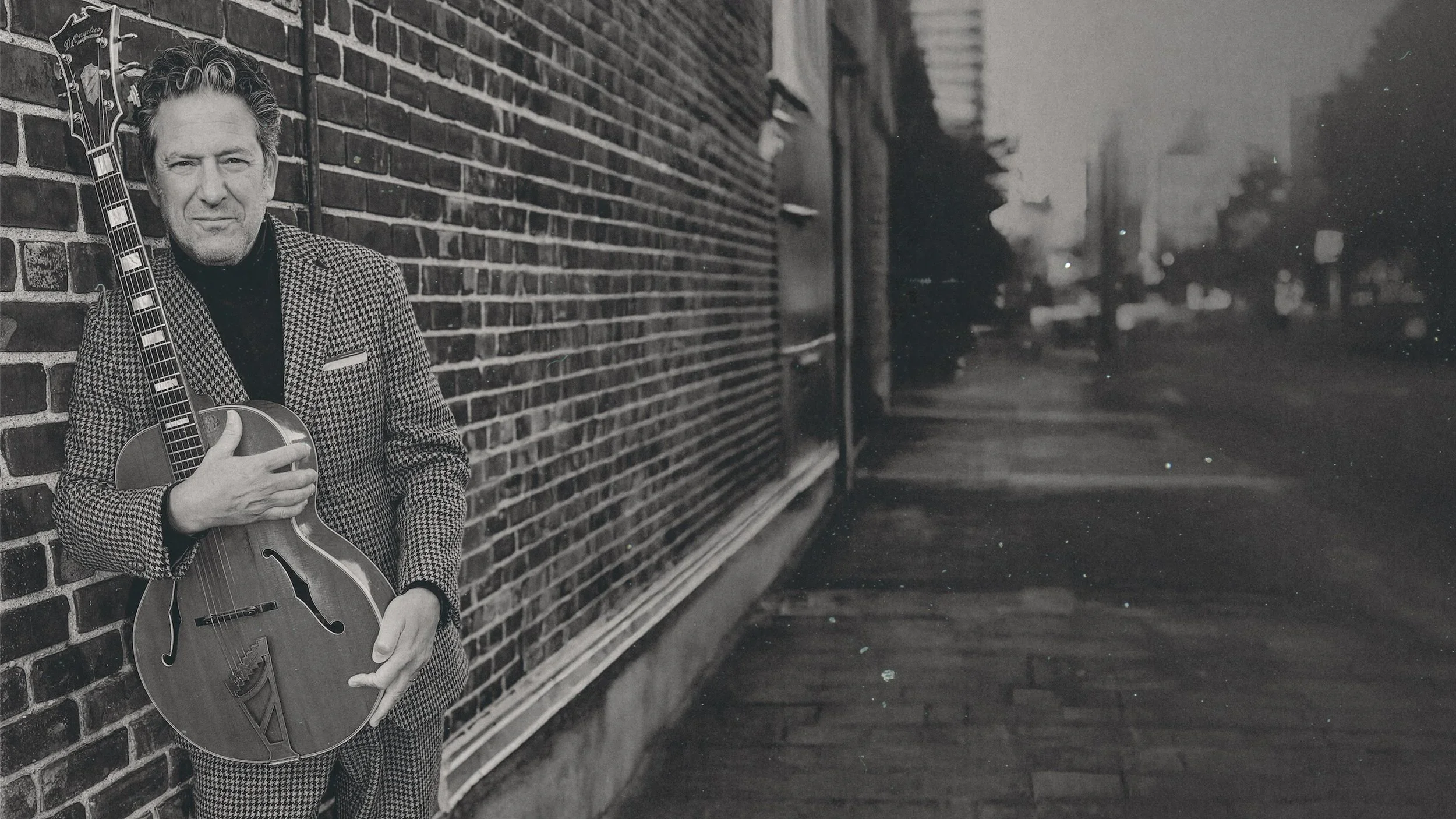
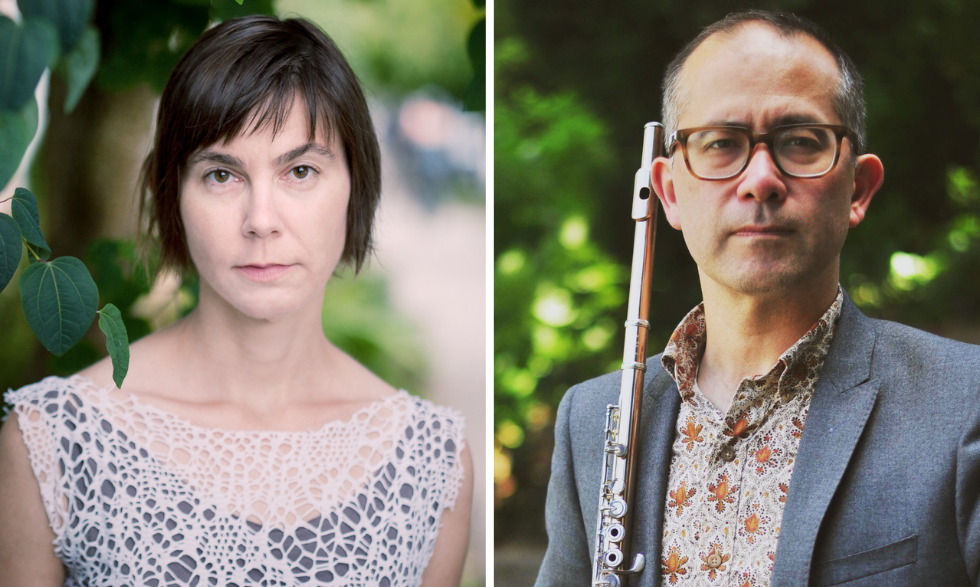
Andrew Staniland. Photo by Raoul Manuel Schnell
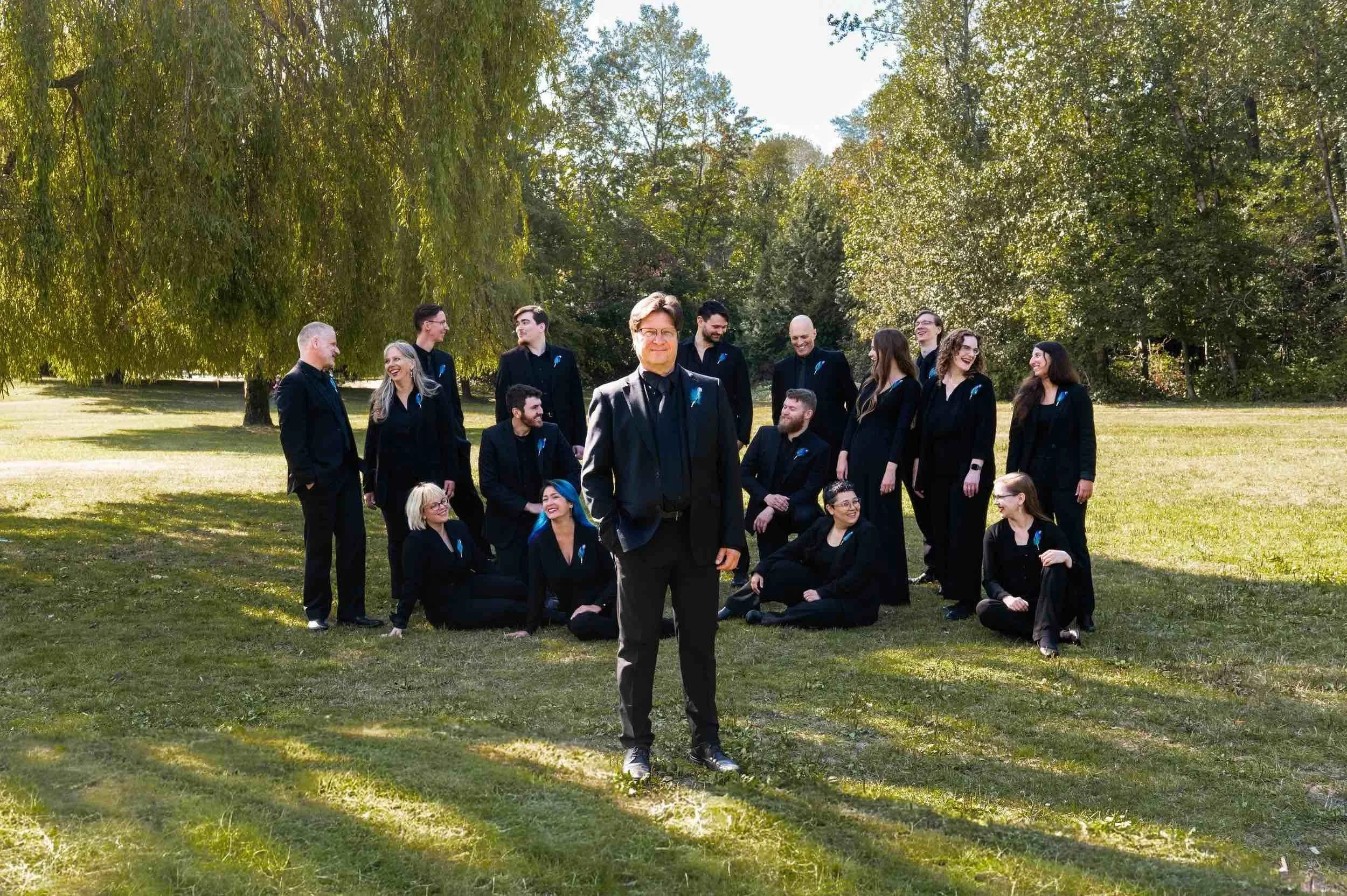
Elektra presents If the Earth Could Sing at Pacific Spirit United Church on March 28 at 7:30 pm and March 29 at 4 pm
WHEN STIR REACHES composer Andrew Staniland by Zoom, he’s sitting in his Newfoundland home on a sunny March afternoon. He pans the camera over to the window, showing a cloudless blue sky. Birds flit past, chirping melodiously, as rays of light illuminate the room.
While a sunny day at this time of year is a welcome surprise for most Canadians, an unseasonably warm spring can presage a blisteringly hot summer—as was the case for Lytton, the B.C. village that was consumed by wildfire in 2021. The area had hit 49.6 degrees Celsius, the highest temperature ever recorded in Canada, the day before the fire started.
Staniland’s new composition, Songs From the Lytton Fire, details the destruction that occurred that summer, with lyrics that draw on survivor Meghan Fandrich’s book Burning Sage: Poems From the Lytton Fire. A lifelong Lytton resident, Fandrich evacuated her home as flames engulfed 90 percent of the houses and businesses in her community, including her own coffee shop, Klowa Art Café. Five years later, most of those structures have yet to be rebuilt.
Staniland says that when Elektra commissioned him to write a new piece about climate change, Fandrich’s poems about the devastation really resonated with him.
“When I was working on this piece while living here in Newfoundland, I started to sort of look at the forests a little differently,” the composer reflects. “We had an awful wildfire season last summer. I don’t know if it was quite unprecedented—I know that there have been fires in the past—but I think certainly in recent memory, nobody remembers a summer quite so bad. It was so dry and so hot, and I knew a lot of people that were displaced with evacuation orders. And it really became real, in a way. Having written this piece and lived in that world, I wouldn’t say I felt prepared—but changed, for sure.”
Elektra will perform the world premiere of Songs From the Lytton Fire as part of an upcoming climate change–focused program called If the Earth Could Sing, hitting Pacific Spirit United Church on March 28 and 29. In three movements written for vocalists and cello, the piece tells a story of survival, community, and perhaps most important, hope.
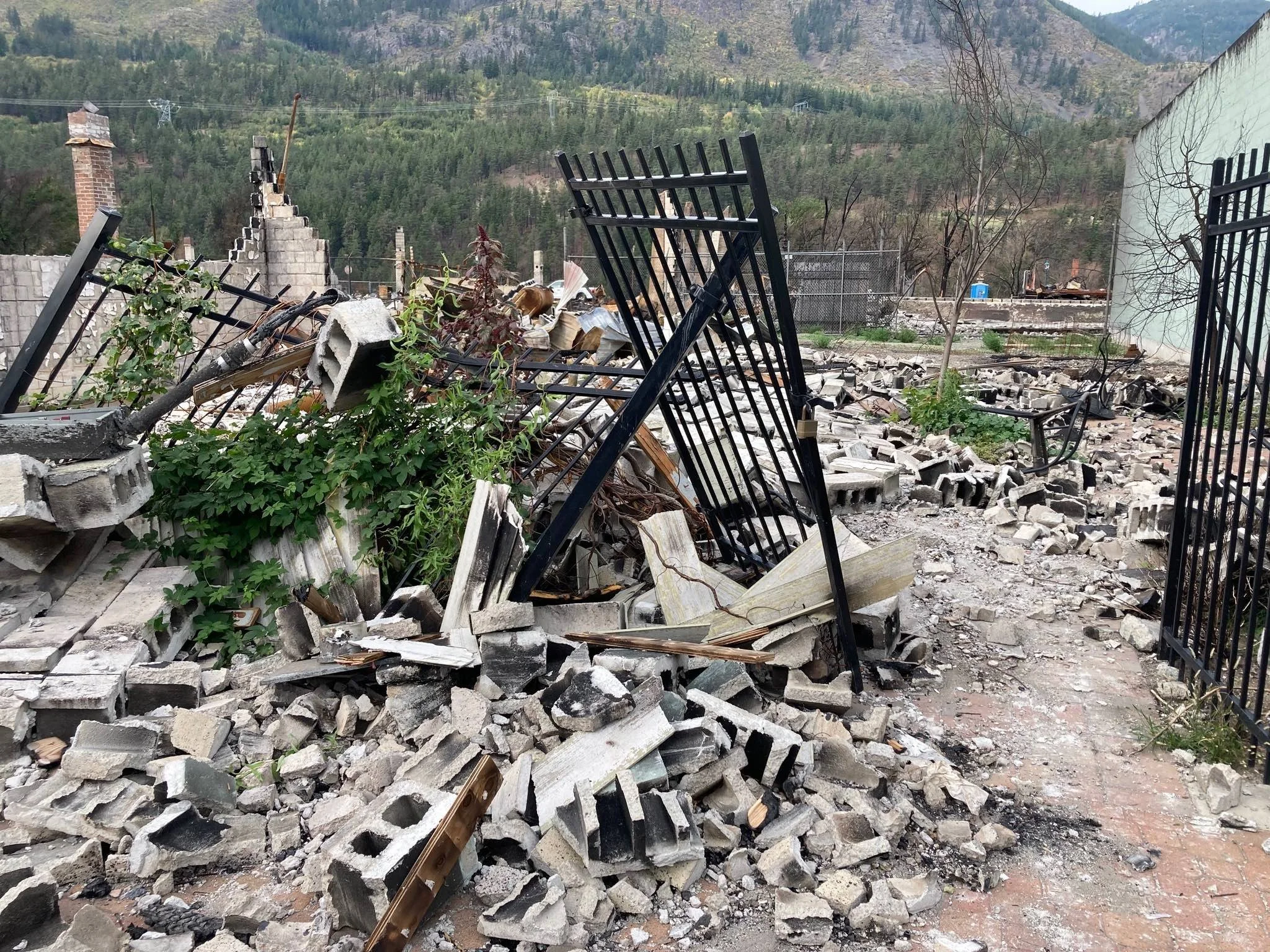
The ruins of Meghan Fandrich’s coffee shop, Klowa Art Café, three months after the Lytton fire. Photo by Meghan Fandrich
Born and raised in Alberta, Staniland lived in Ontario for a decade before moving out to Newfoundland, where he’s been based for the last 15 years. He is a music professor at Memorial University of Newfoundland, where he founded the interdisciplinary Memorial Electroacoustic Research Lab.
Staniland notes that his process for choosing a poem to set to music goes beyond simply liking an author’s work. Upon reading Fandrich’s words, he was able to picture a collaboration between writer and composer that would translate well to an audience. In the opening lines of her book, for instance, Fandrich writes of breathing in morning air, listening to wind chimes tinkling, and sipping a coffee before the disaster struck. Those topics go beyond the wildfire, instantly allowing readers to connect to her experience.
“They’re very specific to Meghan’s world, you know—they’re her people, her places, her café,” Staniland says. “But through that hyperspecificity comes an ability to relate more generally. I think that when we go into Meghan’s Lytton, it kind of helps us enter our own fragile spaces and our own vulnerabilities. We all are so very vulnerable in the world and exposed to all these dangers—not only wildfires, but all manner of weather and threats. And in some cases, we’re just sort of precariously placed on the cliff.”
The cello in Songs From the Lytton Fire helps conjure that imagery. As Staniland points out, the instrument is often referred to as the vox humana, which is Latin for “human voice”. At times in the piece, cellist Jonathan Lo acts as a distinct soloist, his notes emerging above the choir; elsewhere, he blends in among the voices, and at other times, he is simply a pulsing accompaniment for Elektra’s singers.
Fandrich’s own photos, which were taken during and after the fire, will be projected above the stage throughout the piece. And the emotions the music takes on will vary greatly throughout composition, says Staniland.
“It takes you through the gamut,” he acknowledges. “And it ends on an intense note of hope and optimism, which I think is really important. Especially as an artist who wants to engage in anything political or ecological—all this kind of advocacy—it’s not really enough to just say, ‘Things are really bad, and it’s an emergency.’ There needs to be something else as well. There’s definitely notes of hope in there—but also, fire itself holds all these things. It’s mesmerizing, it’s mysterious, it’s beautiful; it’s also destructive and terrifying. You’ll hear all that.”
Elektra’s program includes several other environmentally focused works, including Katerina Gimon’s Unsung: If the Earth Could Sing, which sheds light on the Canadian landscapes affected by climate change. The choir will also sing pieces by fellow Canadian artists Don Macdonald, Gerda Blok-Wilson, Sarah Quartel, and Luke Wallace, as well as Mexican-American composer Mari Esabel Valverde’s “A Green Voice”. Projected landscape images by Canadian photographer Mike Grandmaison will accompany all those works.
So, while compositions like Songs From the Lytton Fire can be heavy to receive, they’re also an important way of relaying international climate news from a more personal—and more relatable—angle.
“I don’t think anybody in Vancouver, or anybody in B.C., is going to need reminding about Lytton,” Staniland says. “But it’s just a reminder that these big events that we all know about happen to real people, you know, that have these specific experiences. So I think it just helps you see the world through somebody else’s eyes—which can be powerful.” 

Related Articles