New from Glitch Theatre, Faye’s Room shines the spotlight on lived experiences of autism
Emerging playwright Alex K. Masse depicts challenges and changing views of neurodivergence with a story that is both deeply personal and reflective of society-wide shifts

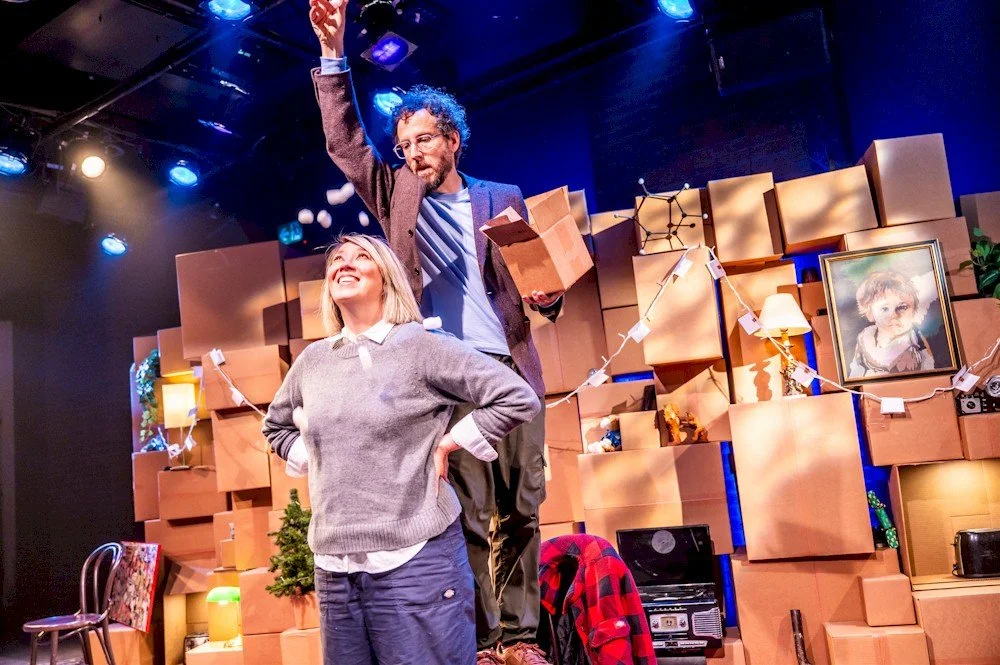
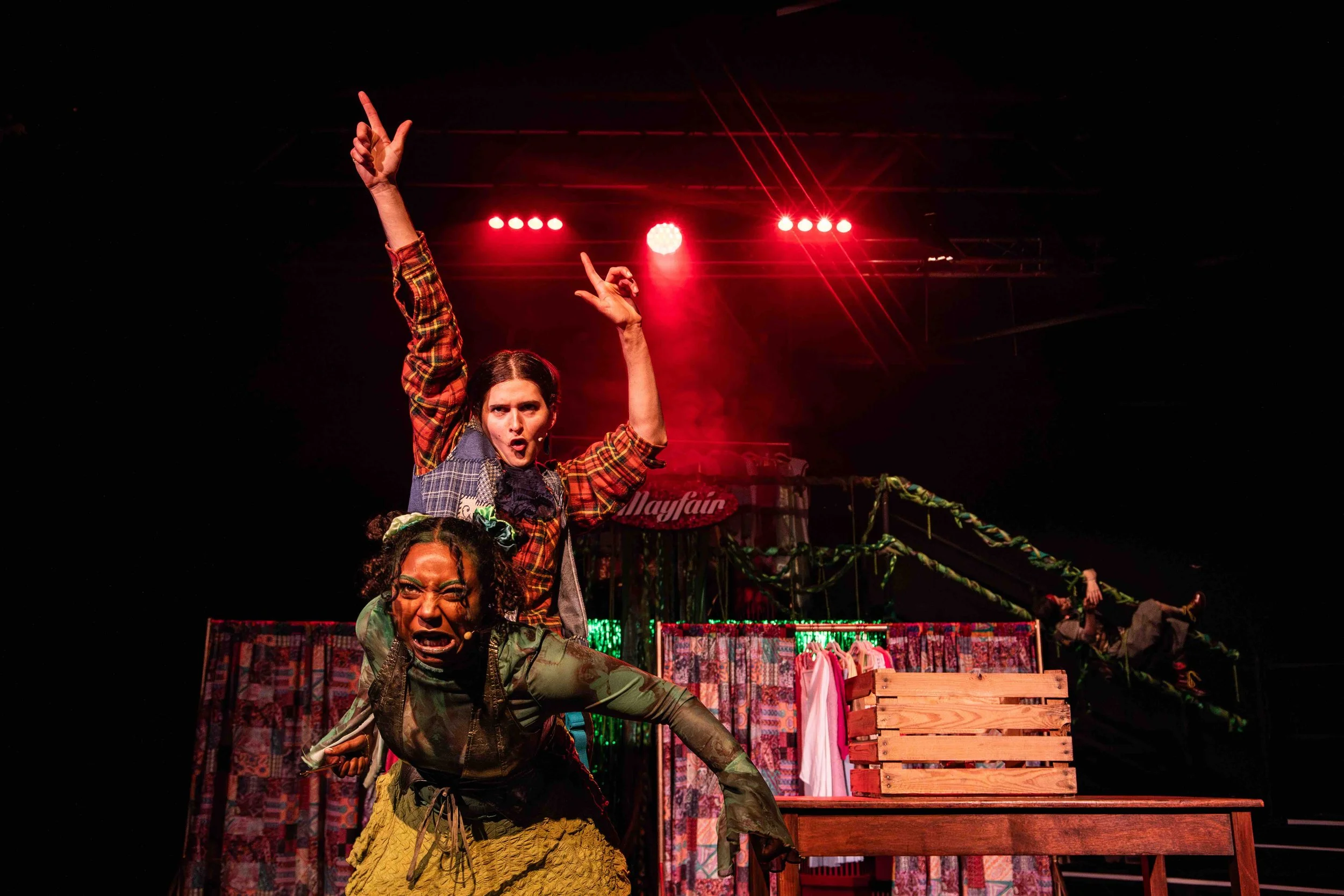
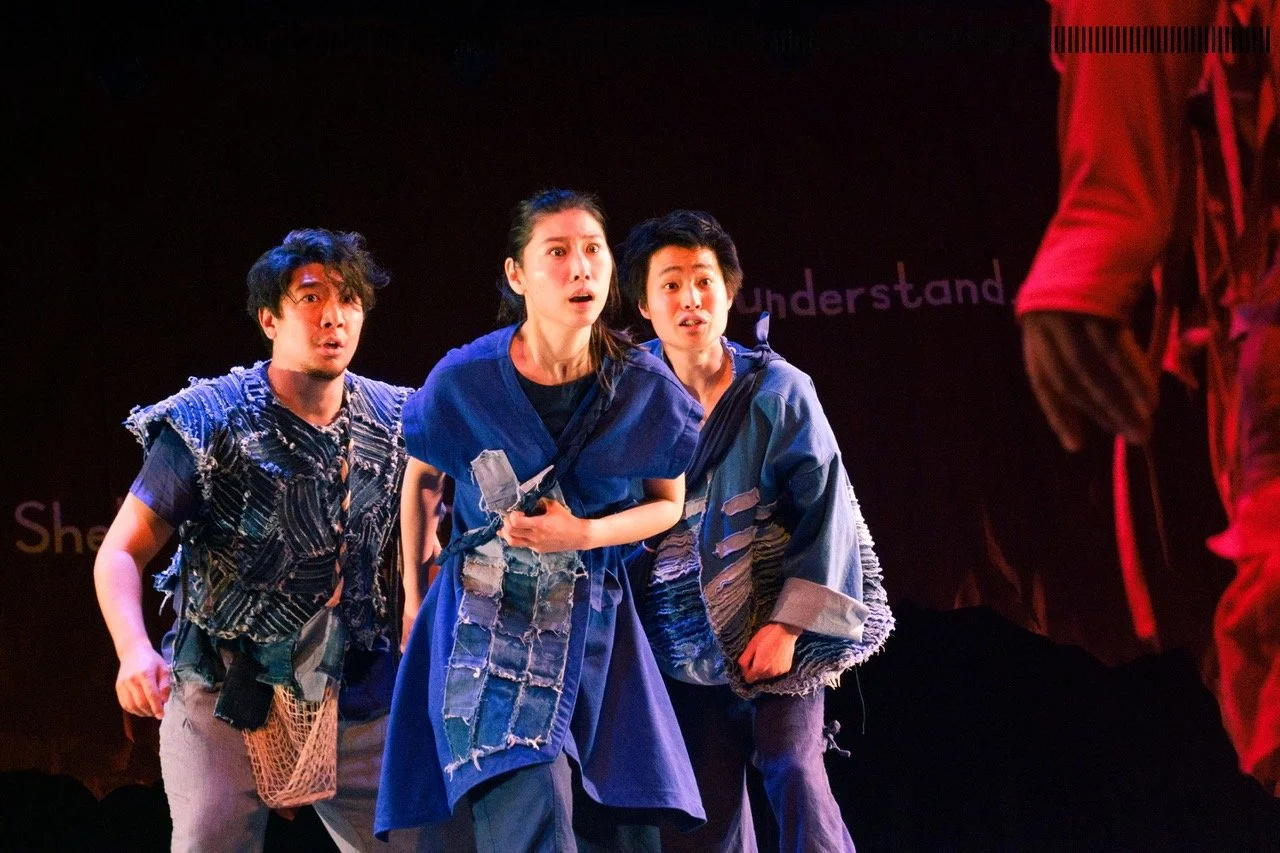
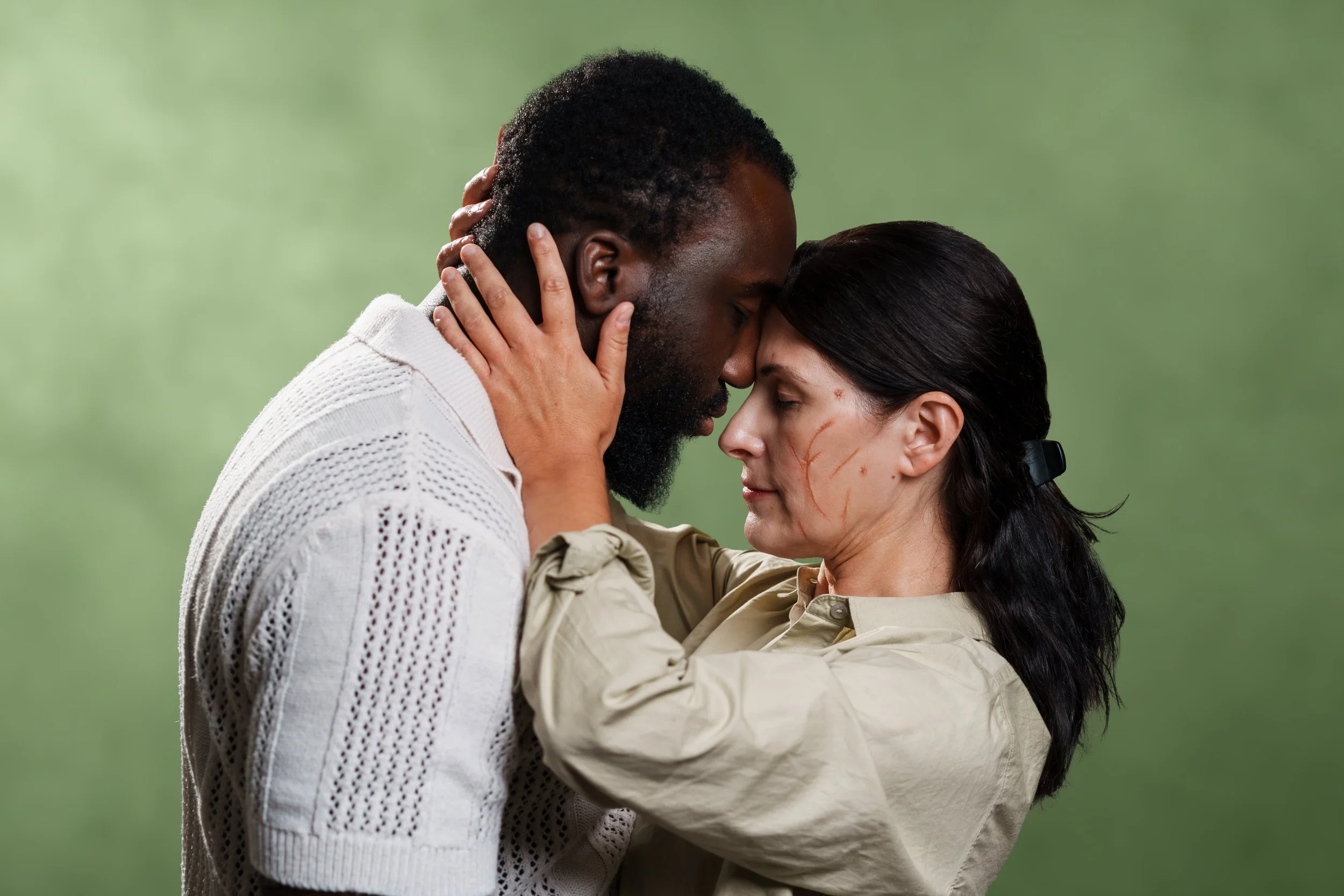
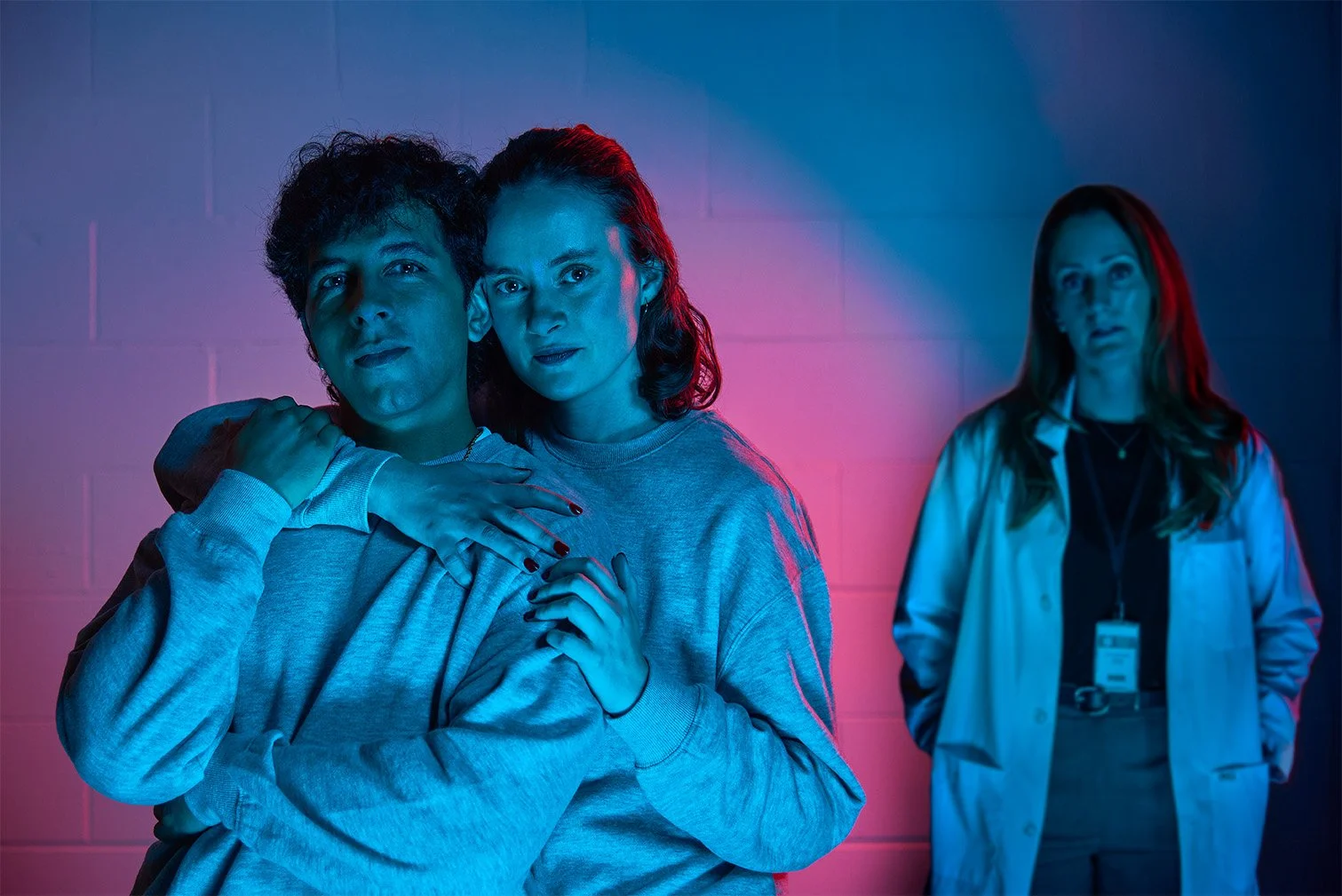
Hailey Conner (left) and Mason Temple in Faye's Room. Photo by Chelsey Stuyt
Glitch Theatre presents Faye’s Room at The Cultch’s Vancity Culture Lab from November 8 to 23
WHEN ALEX K. MASSE was studying journalism at Kwantlen Polytechnic University, they used to put on their noise-cancelling headphones and walk laps around the campus. For the autistic playwright, who also lives with OCD and PTSD, it was a way to self-regulate when they were going through a tough time in public.
As a young person, Masse often dreamed about how helpful it would be to have the power to conjure a magical sensory room for those instances. So when they began conceptualizing their first full-length play, basing it on that idea felt like a natural first step.
Speaking to Stir by phone, Masse says that sensory-soothing tools are indispensable for many neurodivergent folks.
“I don’t get overwhelmed as often as I used to, but I’m always going to be disabled,” the playwright shares. “This is always going to be a part of me. And that’s okay, because I know what I need to self-regulate. To just be able to withdraw into something that’s a little bit comforting—and can really ground me, help me get back my energy, help me come back to myself—is really valuable.”
Faye’s Room will have its world premiere from November 8 to 23 at The Cultch’s Vancity Culture Lab, presented by Glitch Theatre (formerly Realwheels Theatre). It tells the story of Faye, an autistic lesbian who works at a queer café and is capable of summoning a magic sensory room to hide in at will, just like the one Masse dreamed of. But when Faye is accidentally trapped inside the room with her least-favourite co-worker, a heterosexual man named Chase McLure, honest conversation leads to an unexpected discovery.
Faye’s Room marks the first full-length production hosted by Glitch Theatre since its name-change from Realwheels. Adam Grant Warren, the company’s co–artistic director, tells Stir in a separate phone call that the story perfectly encapsulates Glitch’s values.
“We’re really about representation of disability and lived disability experience at every level of production,” Warren says. “We’re about creating processes to allow disability-identified artists to lead, and not necessarily to just be present and be led from outside the community.”
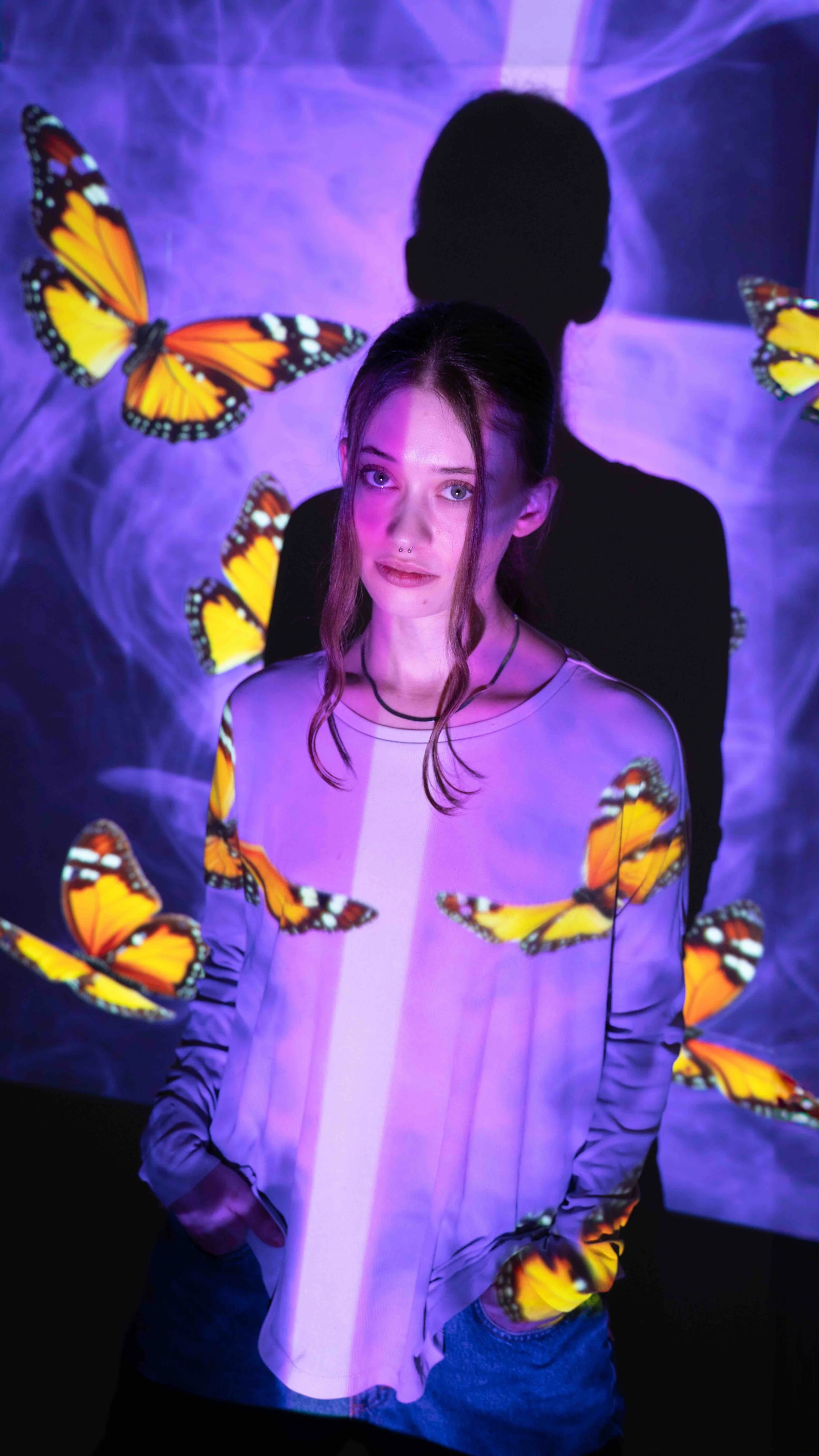
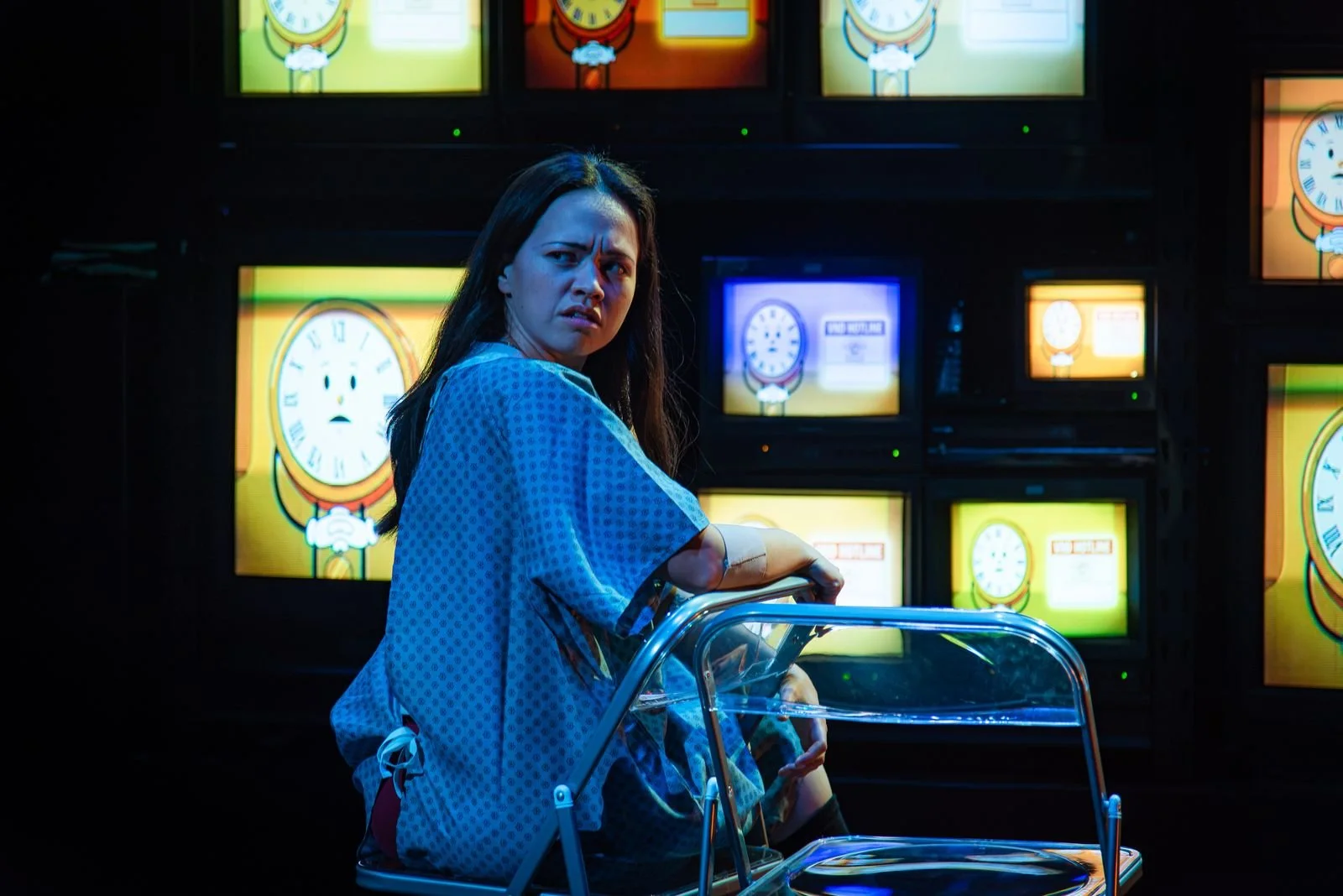
Hailey Conner in Faye’s Room. Photo by Kimberly Ho
Realwheels Theatre was founded in 2003 by James Sanders, who became quadriplegic from a spinal cord injury in 1990. His mission was to change society’s perceptions of disability by ensuring the characters in his play who used wheelchairs were also wheelchair users in real life.
More than two decades later, societal views of disability have evolved significantly. Glitch is now run by Warren, who is a wheelchair user; managing co–artistic director Shawn Macdonald; and company producer Jordyn Wood, who has lived experience with neurodivergence, madness, and chronic illness. The trio started having conversations about including invisible disabilities in the company’s ethos.
“A lot of the people that we were working with at the time, even folks on our board, were like, ‘You know, Realwheels doesn’t really resonate with me. It doesn’t identify me. I don’t see myself there,’” Warren recalls. “So we really wanted to broaden that lens.”
Masse echoes that sentiment, noting that Glitch’s expansion of its definition of disability reflects shifts that are happening in the broader community.
“The conversation around autism, even in just the last five years, has changed radically,” they say. “We went from ‘autistic’ being used as an insult to suddenly everyone says that they have a ‘touch of the ’tism’ or are ‘neuro-spicy’. And I don’t doubt that there are a lot of neurodiverse people out there who are discovering themselves. But as someone who was first sat down and told, ‘Hey, Alex, you’re on the spectrum’ at age 11, which would have been 14 years ago now, it’s just been really interesting seeing the changing ideas around autism. And I think that Faye gets to grow and embrace a lot of that.”
Masse is primarily community- and self-taught; they dropped out of the journalism program at Kwantlen to pursue communications and publishing at Simon Fraser University. They developed Faye’s Room at the LEAP intensive for young writers, which Macdonald was leading at the time—and when he joined Glitch’s leadership team a year later, he felt that Faye’s Room would be a perfect fit for the company. It was first presented at the staged reading Zombies, Mannequins, and Talking Heads last spring.
Faye’s magical sensory room, Masse says, shows the huge variety of ways that autistic people can self-soothe. Those range from using fidget tools to sitting on a big fuzzy rug, to engaging in special interests. Faye’s special interest is butterflies, which will be represented in the room.
Ultimately, Masse says, Faye’s Room is an opportunity to take their writing career to the next level—and to share some of their own lived experiences, from Faye’s perspective.
“I think that she goes from seeing autism as a disability, or a part of her that she wishes she could hide or get rid of, to something that she is rather than something that she has,” Masse says. “It’s a part of her, and it always will be. It’s not just something that holds her back—it’s something that makes her who she is.” 

Related Articles