Film review: Make Me Famous travels back to 1980s East Village to rediscover artist Edward Brezinski
Documentary screening at VIFF Centre uncovers a driven artist, and immerses viewer in an art scene that included Jean-Michel Basquiat and Keith Haring
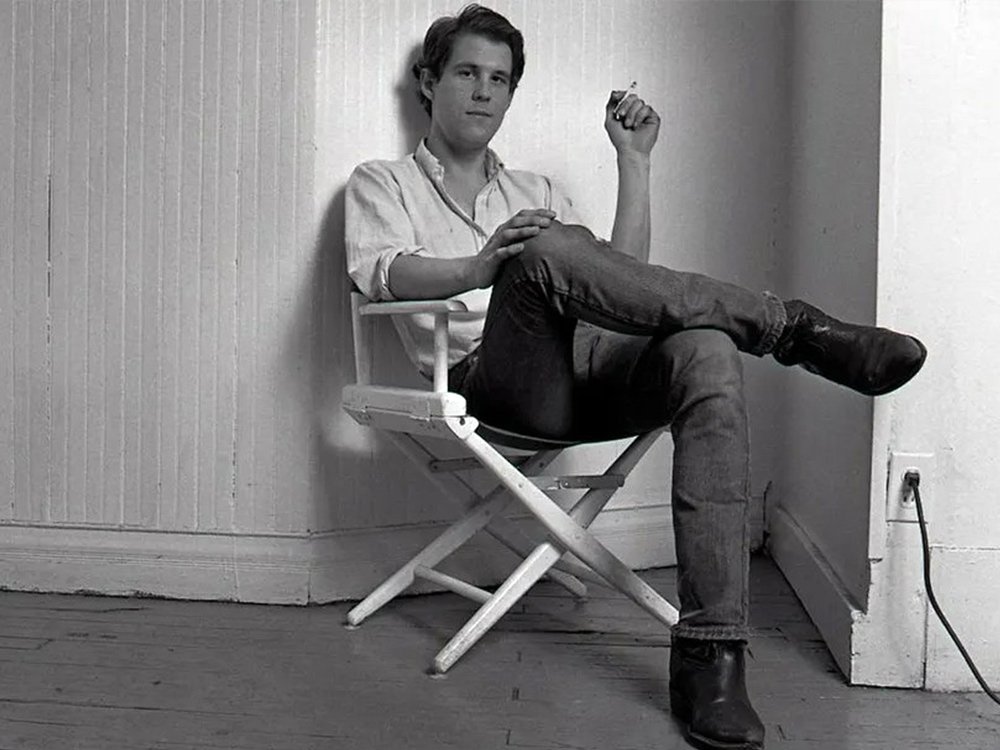
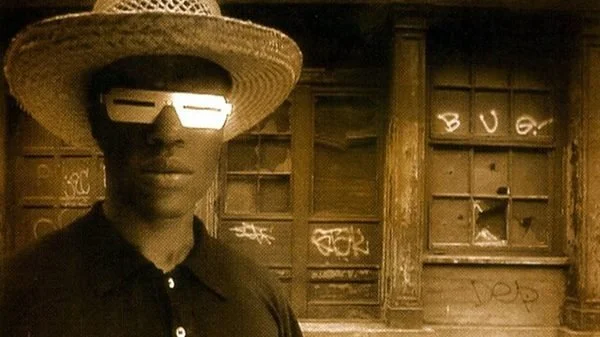
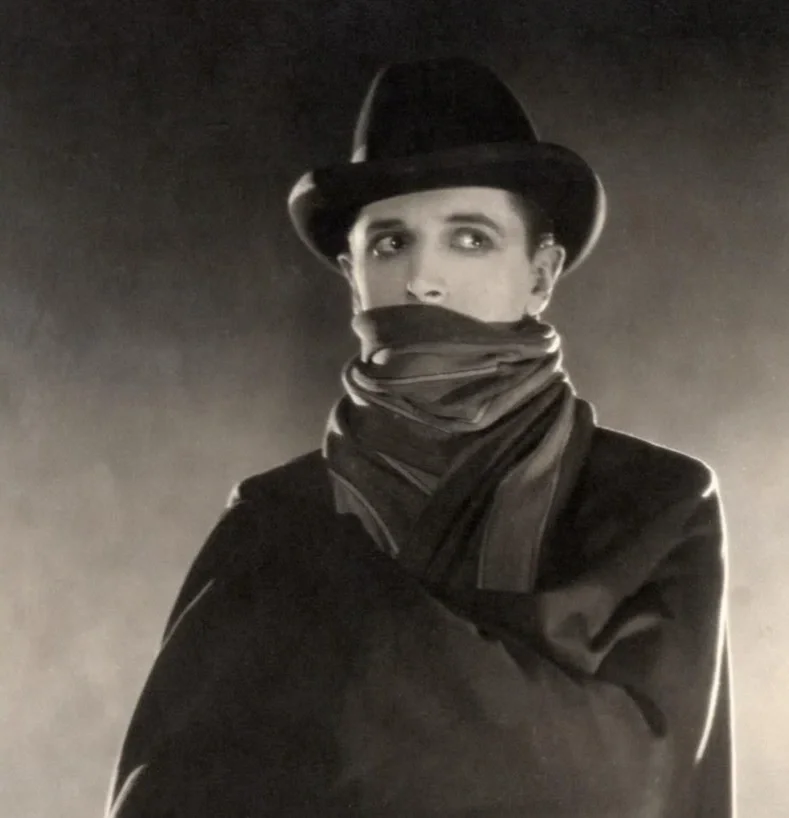
Edward Brezinski in Make Me Famous.
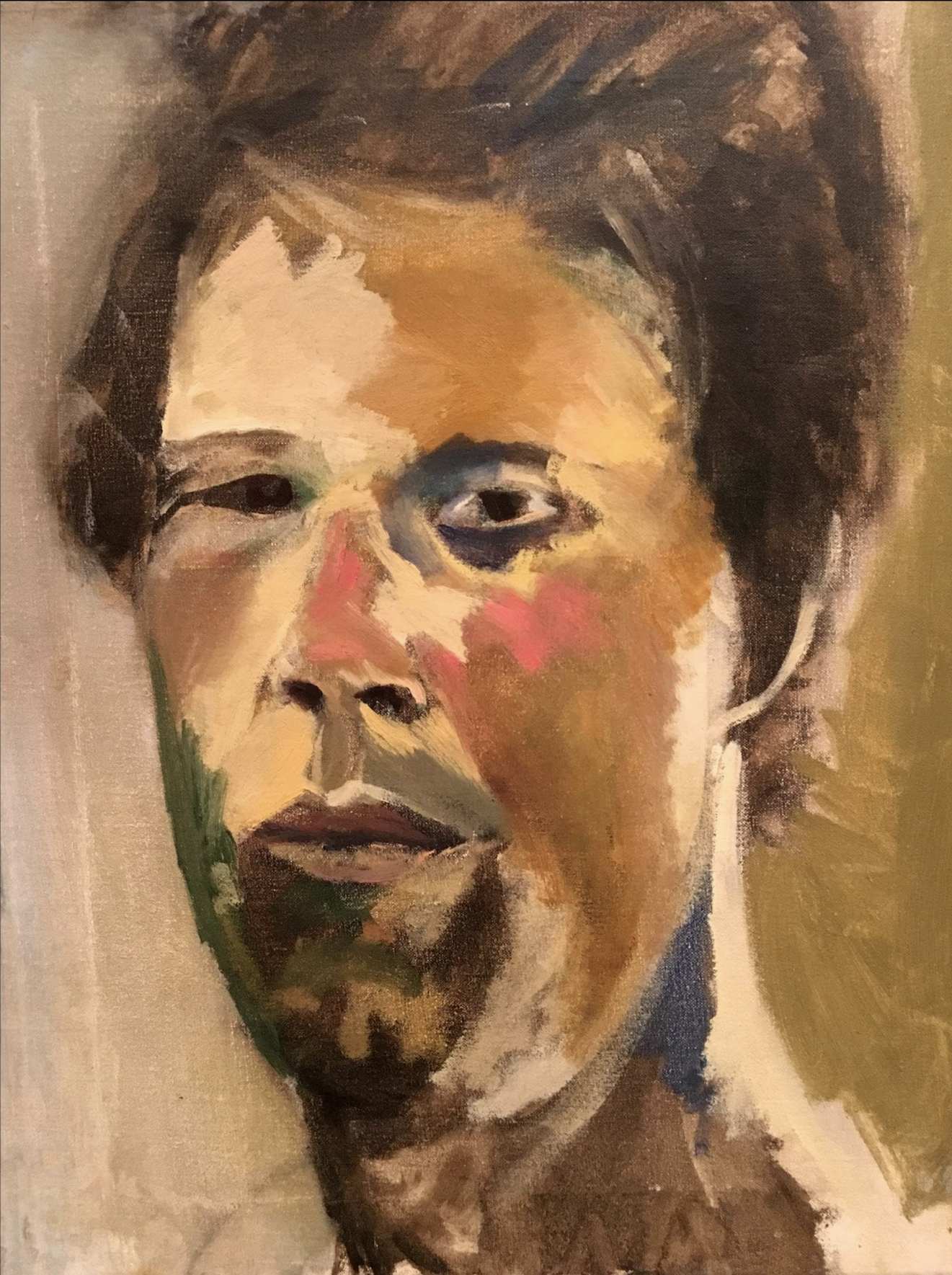
A self-portrait by Edward Brezinski, from Make Me Famous. Photo ©red splat productions
Make Me Famous screens at the VIFF Centre from August 1 to 6
FOR ALL THE BASQUIATS, Scharfs, and Harings who built fame from the squalor of New York’s East Village, there are hundreds of others lost to history.
Mysterious, reckless, and driven, painter Edward Brezinski might have been largely forgotten, beyond a few sharp-eyed collectors. It’s gratifying, then, that the documentary Make Me Famous resurrects his work with a new appreciation. Along the way, the expansive film—full of eccentric, bitchy characters, fascinating tangents, and ’80s-vintage neon intertitles and synth music—immerses the viewer in the beyond-gritty art scene of 1980s New York.
Much of Brezinski’s existence on the Lower East Side was the warehouse art-party circuit, and a wealth of video and photographs from that era capture celebs like Debbie Harry, Robert Mapplethorpe, Andy Warhol, and, yes, Haring and Basquiat in the background of that scene.
The film begins in the early-’80s Bowery, where brooding, charismatic Brezinski inhabits a rundown studio in a building that is literally crumbling, with a homeless shelter across the street. In his rough, expressionistic style, the young, gay artist captures those down-and-out figures on canvas, while creating other haunting portraits that reveal the torment and angst of their subjects—and the times.
An impressive array of the artists who survived the era—Kenny Scharf, Marguerite Van Cook, James Romberger, Claudia Summers, and former Vancouverite and “Shadowman” creator Richard Hambleton, not to mention Brezinski’s dapper, straight-outta-the-Victorian-era ex David McDermott—dish dirt on Brezinski’s own chaotic Magic Gallery and legendary night spots like Club 57. Soon a tragic trifecta of AIDS, heroin, and mental illness takes a toll on the community—but not before it’s discovered by SoHo galleries. (In one of his most infamous acts, the frustrated Brezinski threw a glass of wine on famed gallerist and Basquiat discoverer Annina Nosei, on hand here with her side of the story; in another, he chomped on one of artist Robert Gober’s resin doughnuts—and was rushed to hospital as a result.)
The film’s title refers to the fact that, as one interviewee puts it, Brezinski had a “mania to be noticed” as an artist. But he lived in grinding poverty, often spending the only money he received from selling his works on more paints. In the long tradition of artists unappreciated in their lifetime, he went into self-imposed exile in Europe, experienced homelessness and alcoholism, and died alone, in obscurity, in 2007.
Poignantly, it’s in the posthumous final act of the film that director Brian Vincent retraces Brezinski’s rural Michigan upbringing and interviews art experts who discuss the way Brezinski exemplified the New York Expressionist movement. His cutting portrait of Nancy Reagan, her face skull-like in her signature blood-red suit, now hangs at MoMA (which finally staged a show called Club 57 in 2017, in tribute to the era). Those images and countless anecdotes help you get to know the real Brezinski—but, to the film's credit, not so much that they detract from his enduring mystique. ![]()

Janet Smith is founding partner and editorial director of Stir. She is an award-winning arts journalist who has spent more than two decades immersed in Vancouver’s dance, screen, design, theatre, music, opera, and gallery scenes. She sits on the Vancouver Film Critics’ Circle.
Related Articles
Chandler Levack’s love letter to Montreal and her early 20s offers a new kind of female heroine; Kurtis David Harder unveils a super-energetic sequel; and Wədzįh Nəne’ (Caribou Country) takes viewers to B.C.’s snow-dusted northern reaches
Vancouver visionary behind innovative thrillers like Longlegs and The Monkey is also helping to revive the Park Theatre as a hub for a new generation of cinemagoers
Criss-crossing the map from the Lithuanian countryside to a painful Maltese dinner party, this year’s program provokes both chills and laughs
Titles include Denmark’s The Land of Short Sentences, Ukraine solidarity screening Porcelain War, and more
From Everest Dark’s story of a sherpa’s heroic journey to an all-female project to tackle Spain’s La Rubia, docs dive into adventure
Out of 106 features, more than 60 percent are Canadian; plus, Jay Kelly, a new Knives Out, and more
Event screens The Nest, the writer’s form-pushing NFB documentary re-animating her childhood home’s past, co-directed with Chase Joynt
Featuring more than 70 percent Canadian films, 25th annual fest will close December 7 with The Choral
Filmmakers including Chris Ferguson back plan to save Cambie Street’s Art Deco cinema that Cineplex had shut down Sunday
One of the weirdest Hollywood films ever made helped bring local bandleader Scott McLeod back to shadowy instrumental soundscapes
Visions Ouest and Alliance Française present moving documentary on singer-songwriter behind Kashtin
Lon Chaney’s scary makeup, a vintage pipe organ, and a score by Andrew Downing bring eerie atmosphere to the Orpheum show
Films on offer include Yurii Illienko’s The Eve of Ivan Kupalo and Borys Ivchenko’s The Lost Letter
Her National Geographic Live event From Roots to Canopy lands in the Lower Mainland care of Vancouver Civic Theatres
Director Tod Browning’s 1927 film starring Lon Chaney is characterized by sadomasochistic obsession, deception, murder, and disfigurement
The Cinematheque program proves that digital filmmaking has a future beyond artificial intelligence
Attending VIFF, NFB chair Suzanne Guèvremont has a new strategic plan that strives to reach out to the next generation
Tree canopy ecologist Nalini Nadkarni leads audiences up into the clouds to see the fascinating world of Costa Rican branches with From Roots to Canopy
Quick takes on Dracula, Idiotka, Akashi, and Ma—Cry of Silence, plus documentaries about one family’s scattered heritage and the true cost of global capitalism
The Painted Life of E.J. Hughes reveals quiet life of a master who avoided spotlight; The Art of Adventure tracks a young Robert Bateman’s journey with Bristol Foster across the world in a Land Rover
Centenary screening features live music by seven-piece orchestra and 80-person choir, with Michael Dirk on Wurlitzer organ
Film veteran steps into the role as Shirley Vercruysse begins her retirement after an 11-year term
Kent Donguines’s new documentary journeys to Buscalan, where ancient Kalinga hand-tapped tattooing is thriving again
High-school hell meets a literal demon in the North Vancouver writer-director’s partly autobiographical feature
The artist also known as Neil Fraser will revisit his work with Massive Attack in a VIFF Live show at the Chan Centre
Visions Ouest screens a lighthearted Cannes entry that looks at family, connection, and fine art, bouncing between 1895 and 2025
Five boundary-pushing events mix audio and visual components at the festival, which takes place from October 2 to 12
Through intensely personal perspectives and sharp detail, audacious new features and short films throw light on culture-spanning issues
French videographer and activist Vincent Verzat reconnects with biodiversity in Visions Ouest presentation
Documentary at the Vancouver Queer Film Festival highlights peer-led groups working to overcome a long history of stigma and isolation by creating connection to the broader queer community