Film reviews: Powerful documentaries and dimsum pleasures at Vancouver Queer Film Festival
Saving Etting Street looks at an inspiring building project in Baltimore; “Egg Yolk Custard Bun (奶黃包)” features full-bodied food performances; and What Will I Become takes a moving look behind the statistics of trans suicide
Saving Etting Street
What Will I Become?
Out on Screen presents Vancouver Queer Film Festival at various venues from September 10 to 20
AS VANCOUVER QUEER FILM FESTIVAL kicks into gear this week, here are a few quick takes on its diverse array of films—from a documentary about restoring buildings and community to a dimsum-happy celebration of sexuality.
SAVING ETTING STREET
September 12 at 1:30 pm at International Village
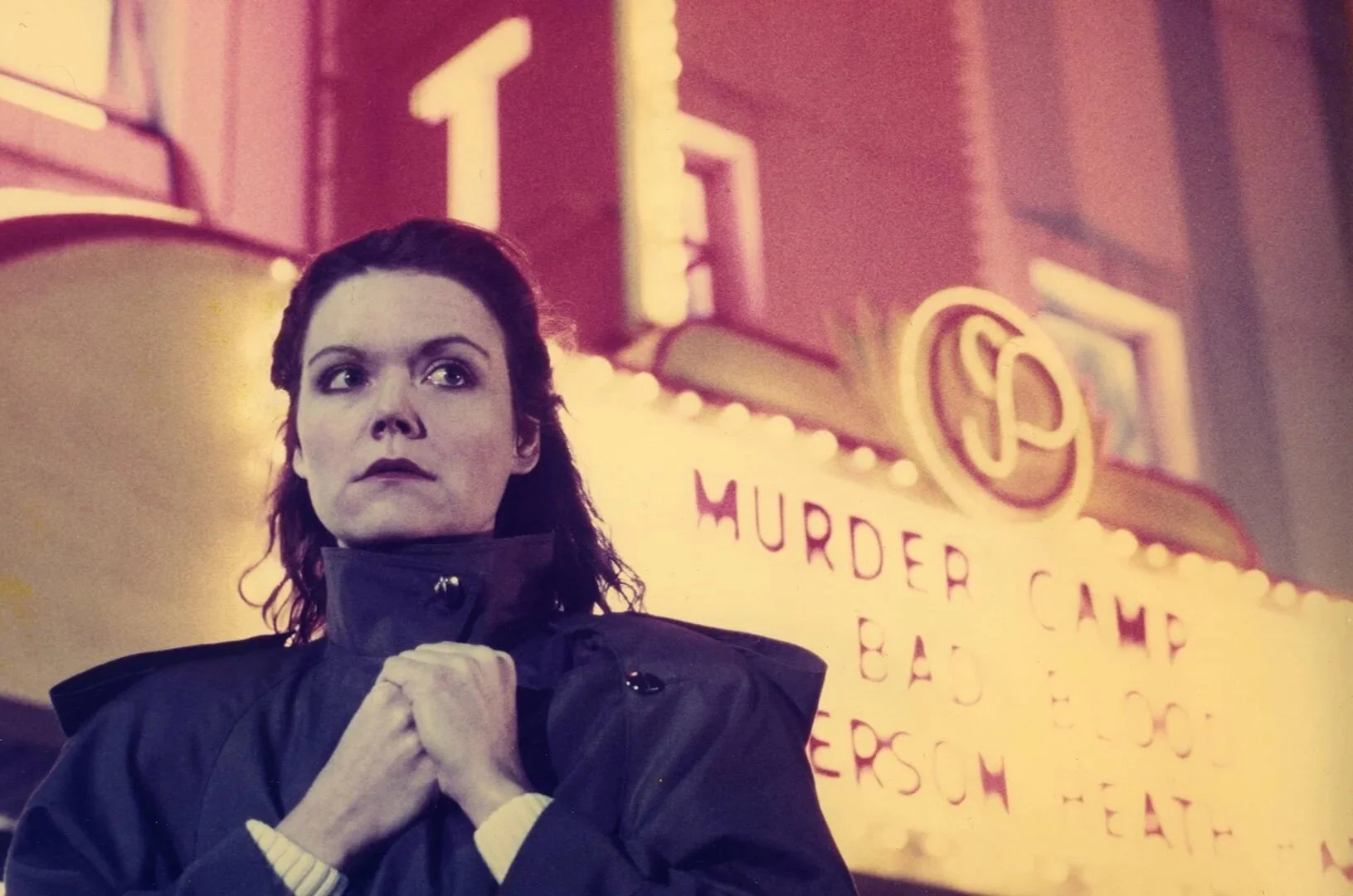
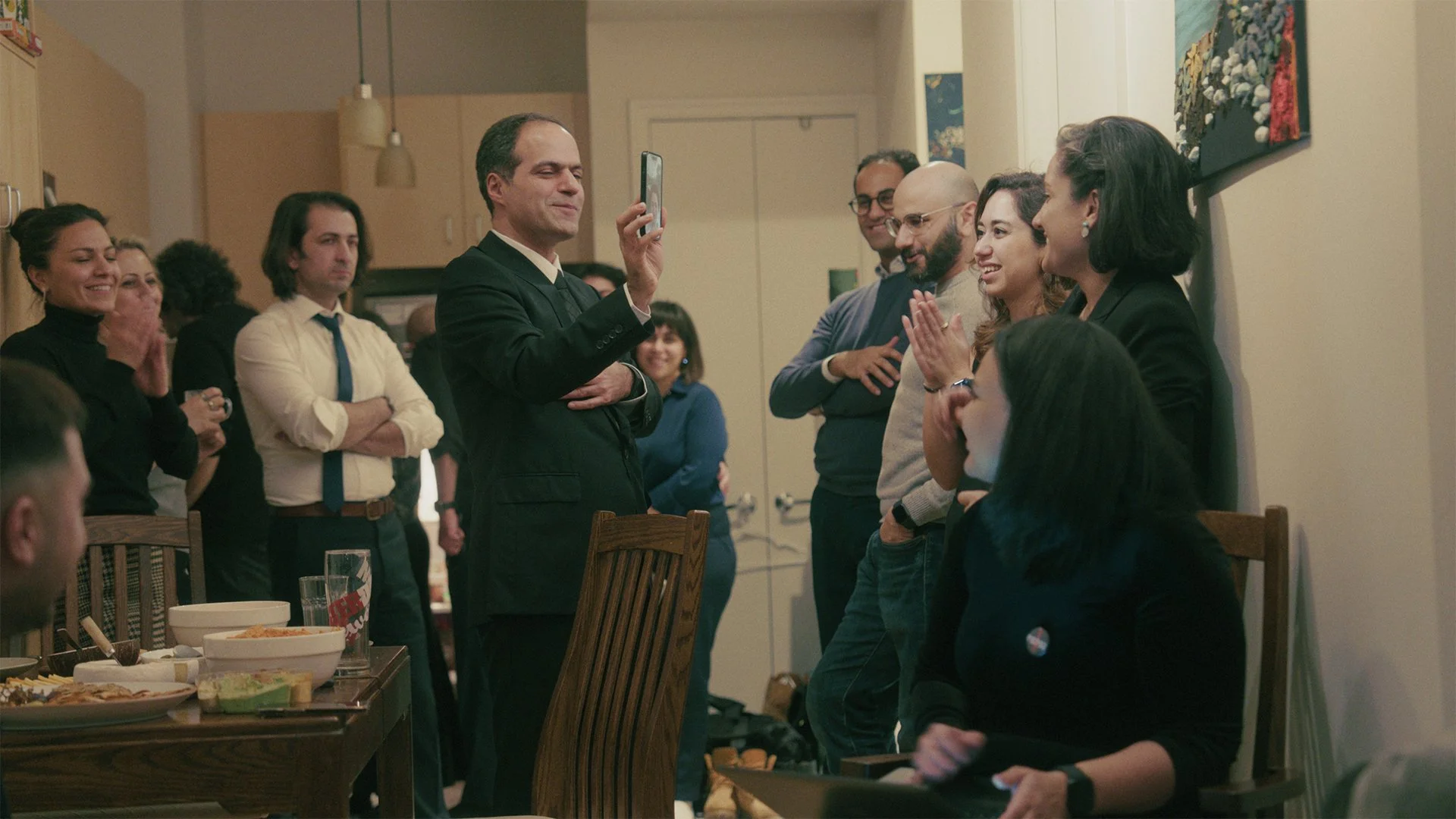
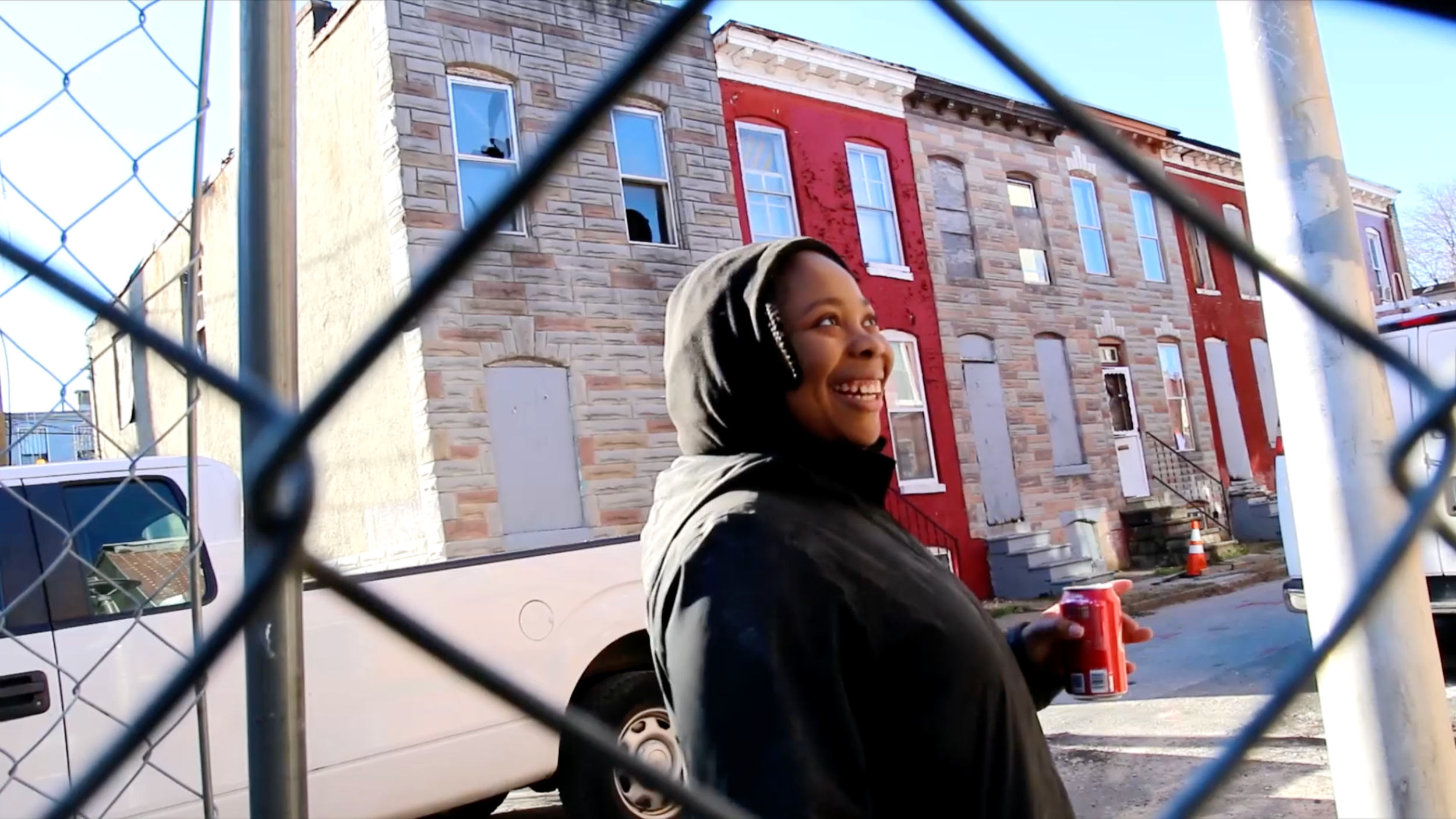
In this international premiere, directors Dena Fisher and Amy Scott shine a spotlight on the women behind Black Women Build - Baltimore, illuminating the history and systems of discrimination that continue to impact communities like Etting Street.
Through a program of restoring buildings in historically disenfranchised neighbourhoods, the nonprofit takes an intersectional approach to empowering home ownership, skills training, and community. The film does the work to share Baltimore’s history and provide educational framing so viewers can better appreciate the organizing behind the labour. Best of all, the documentary team understands that the weight and meaning of the program participants’ work is felt through Etting Street’s growing cast of characters. As Etting Street slowly transforms over the course of the documentary, so too do the people working to restore it to its former glory.
Master carpenter Shelley Halstead and the program’s pilot participants anchor the film’s exploration of complex and difficult topics through their everyday triumphs and setbacks. As a black queer woman, the sexism, racism, and homophobia Halstead recounts (and faces during the documentary) provides an on-the-ground view of how these issues affect community and prosperity.
Fisher and Scott avoid inserting their own dramatic flairs and have us take in the daily grind of hammering floorboards and resolving arguments. The culmination of their labour becomes a rewarding reminder that building power requires community, even when Saving Etting Street makes it clear that the work needs to continue.
“Egg Yolk Custard Bun”
EGG YOLK CUSTARD BUN (奶黃包)
September 18 at 7 pm at Emily Carr University’s Reliance Theatre, as part of Shorts: The Coast is Queer
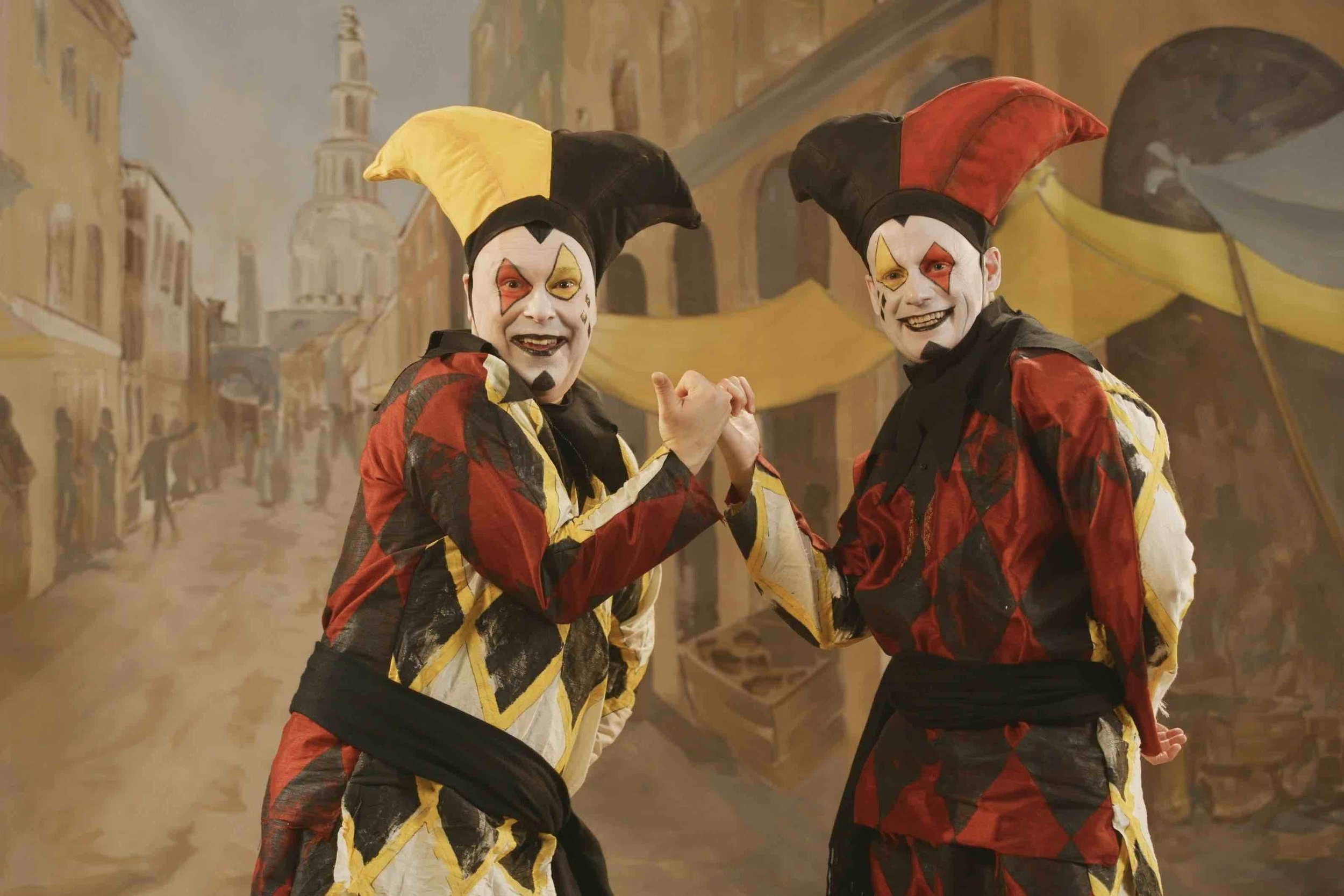
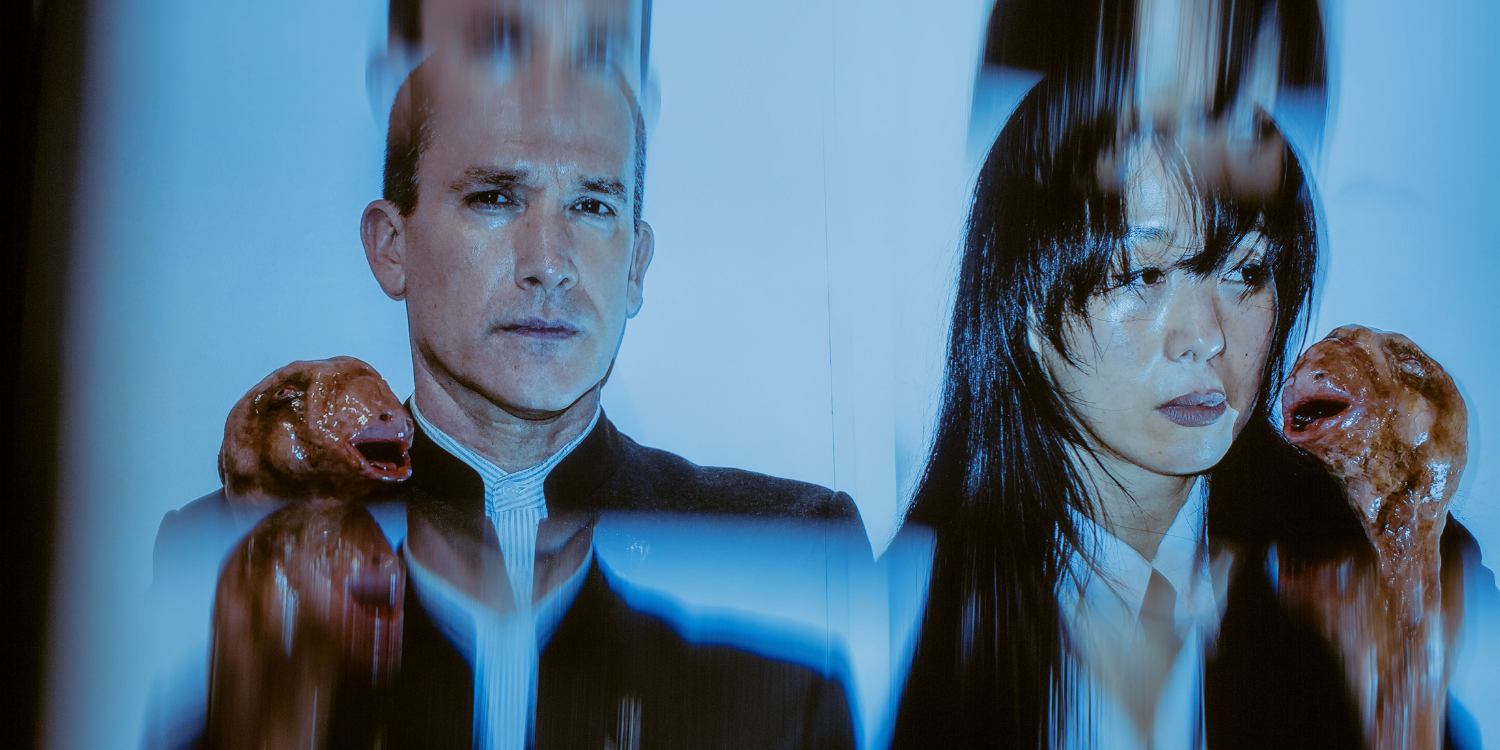
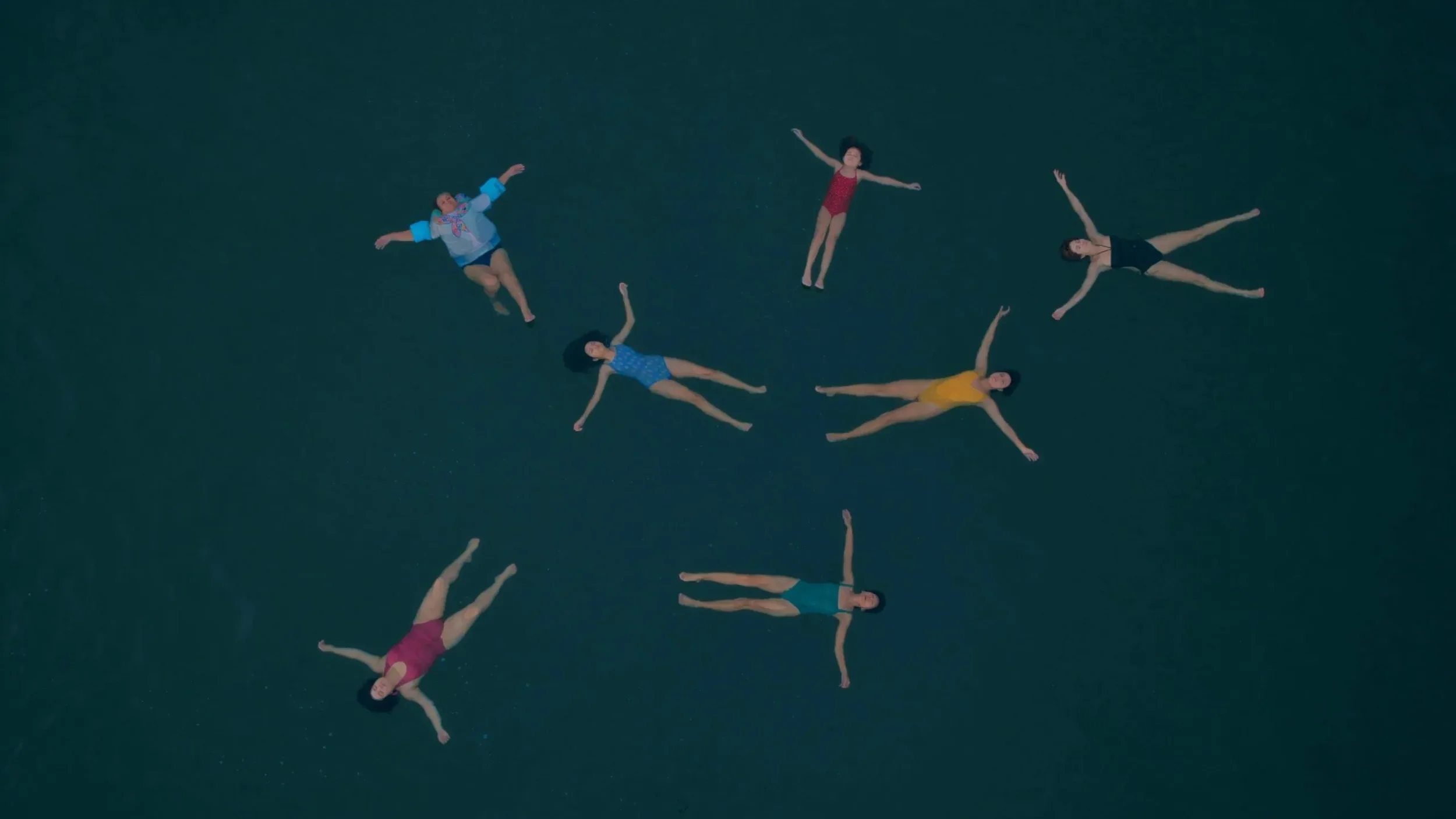
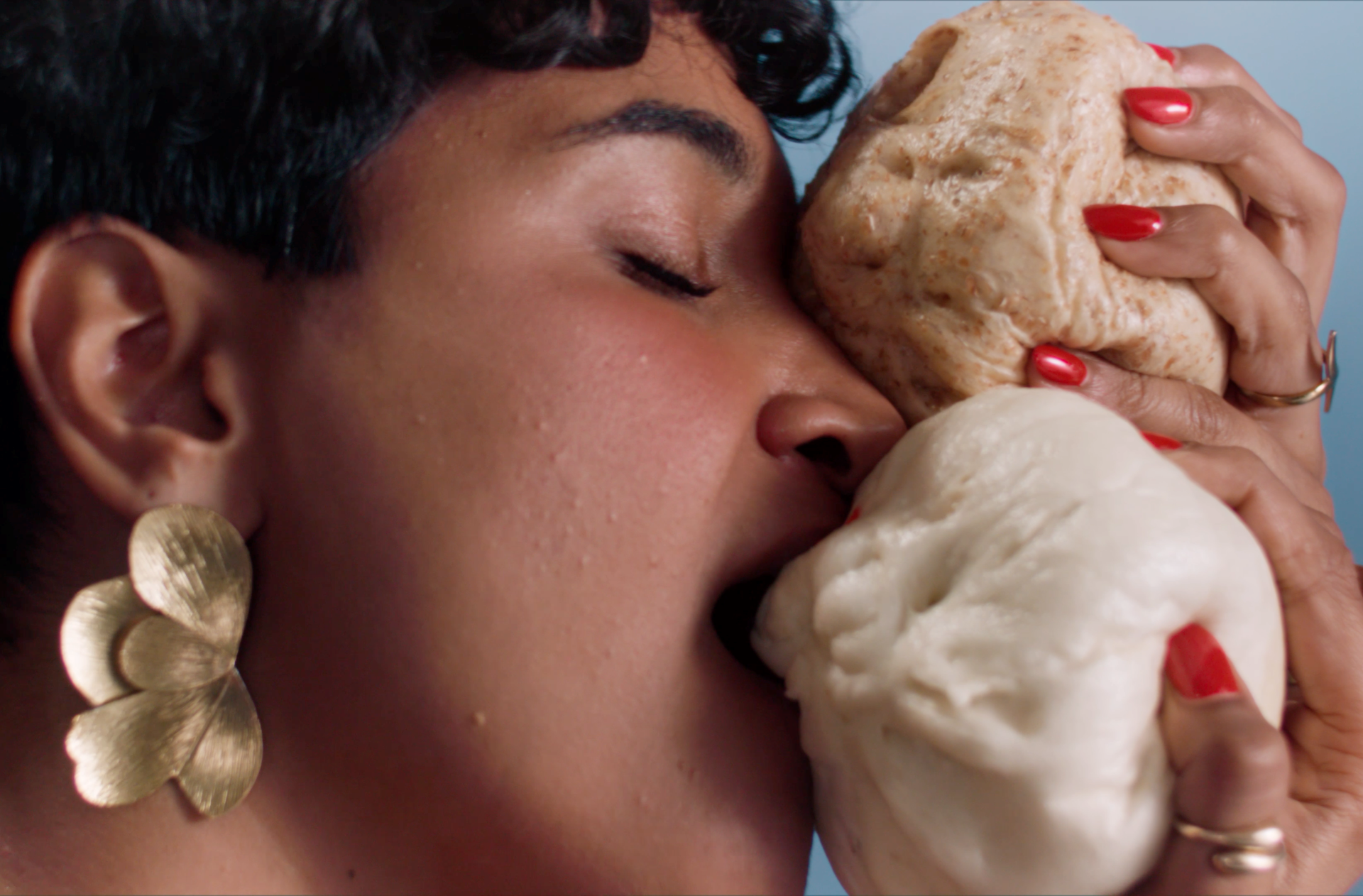
Described as a short film where food meets kink, “Egg Yolk Custard Bun (奶黃包)” transforms the familiar setting of a dimsum restaurant into an unabashed celebration of queerness, pleasure, and the reclamation of a succulent Chinese meal. Performers Kamiya Iwamoto, Anjalica Solomon, and Kevyn Hu commit to their full-bodied performances even when the food onscreen competes for our attention. Despite its two-minute runtime, the film complicates the imagery of kink by presenting it through the lens of diasporic, generational, and class tension.
Filmmaker and ecoqueer artist Soya Wu gives nods to performance artists like Patty Chang, while adding their own parodic flavour to a splashy piece of film art. Wu presents an interesting blurring of boundaries between good food and politics by spotlighting the people and culture that facilitate these experiences. As an artist based in B.C. whose work features other local talents and performers, Wu brings a cultural specificity that should feel right at home as part of Vancouver Queer Film Festival’s B.C.–focused short film program, The Coast Is Clear.
WHAT WILL I BECOME
September 20 at 1:15 pm at International Village
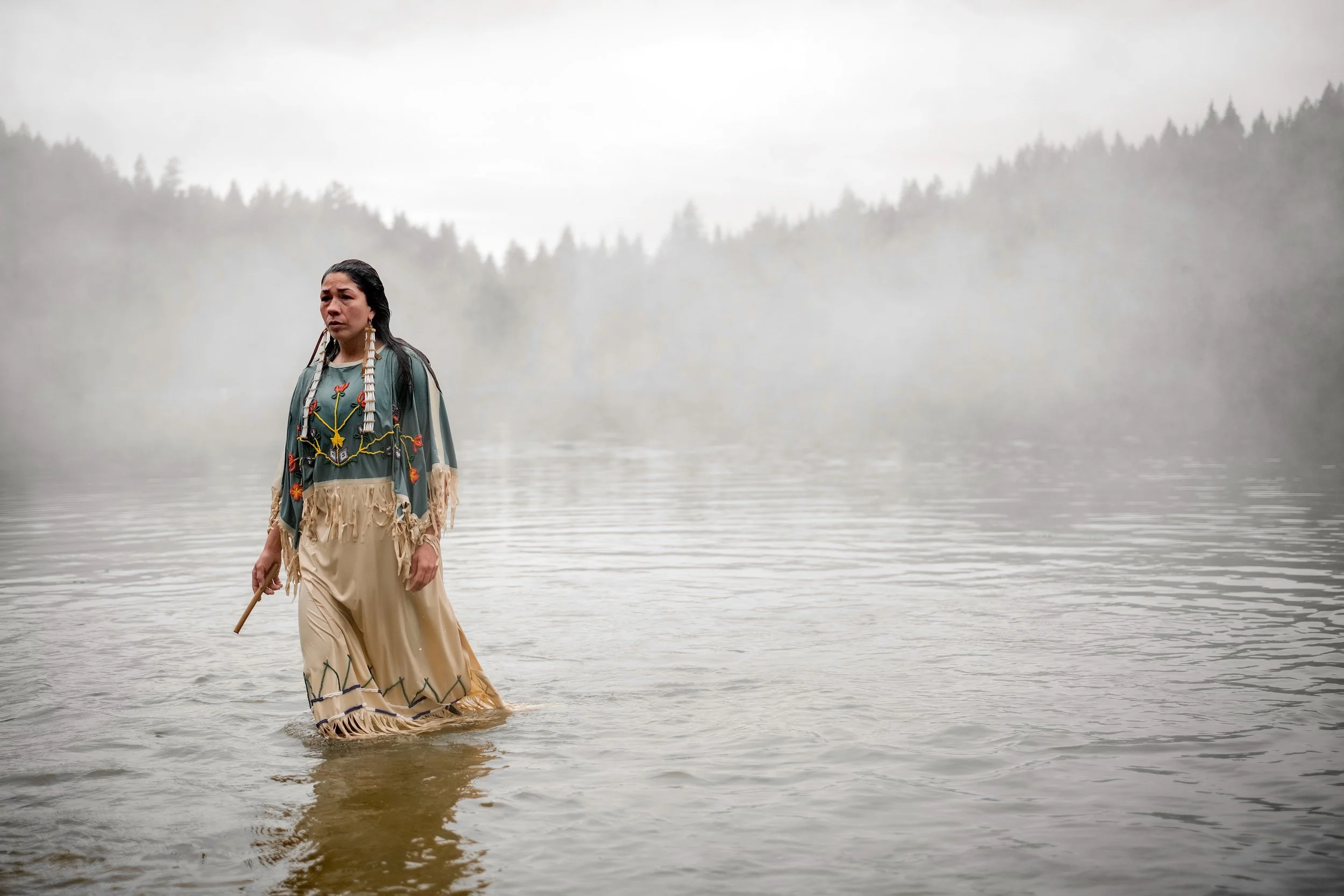
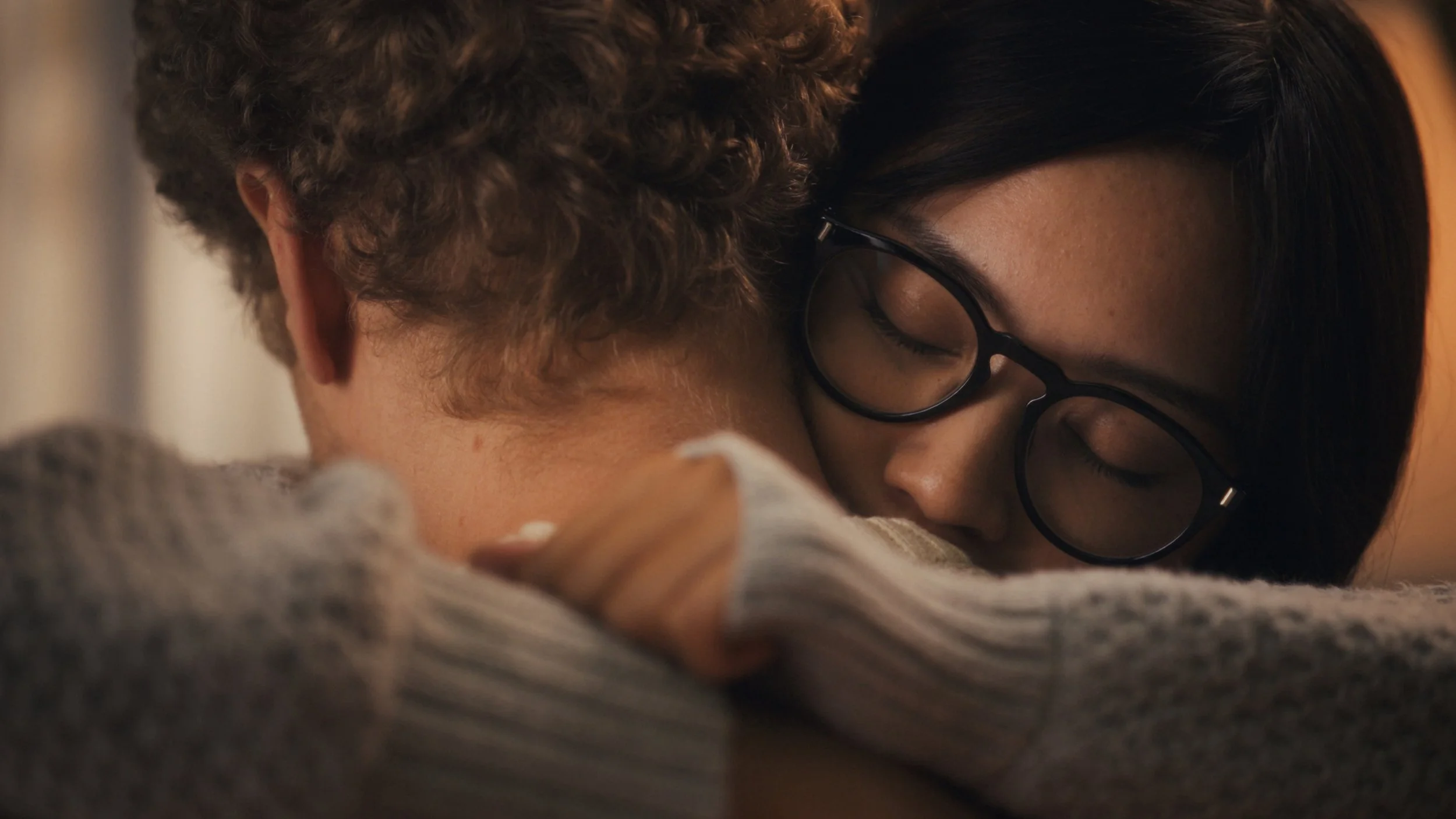
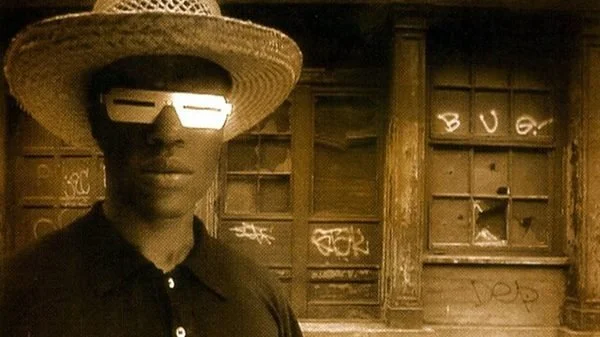
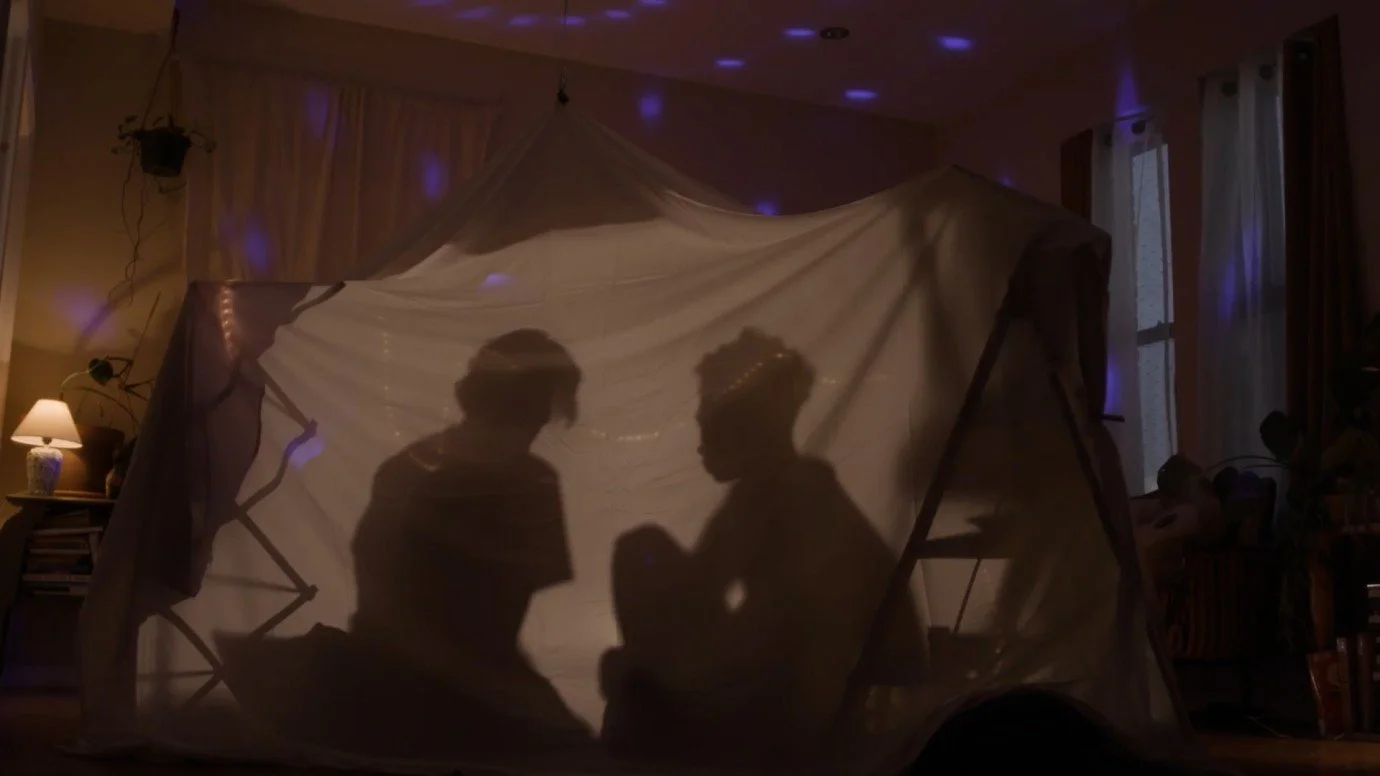
In this B.C. premiere, What Will I Become takes a gentle approach to honour the lives of two trans boys, and in doing so, provides a compassionate beacon for an often-overlooked community. The documentary serves as a memorial dedicated to two trans teens, Blake Brockington, the first Prom King at his North Carolina high school, and Kyler Prescott, a soft-spoken San Diego resident; both died by suicide and their stories attracted significant media attention. The film is led by transmasculine co-directors Lexie Bean and Logan Rozos.With the support of Blake and Kyler’s families and communities, the film’s exploration of suicide and transphobia is buoyed by a tender display of the teens’ positive impact on people.
What Will I Become navigates the difficult balance of portraying what has been lost and what remains through a combination of footage filmed by Bean and Rozos, archival footage, and community-led art montages dedicated to Blake and Kyler. Interspersed throughout the documentary, the art sequences give viewers room to process as Blake and Kyler’s stories are revealed through interviews and news footage.
Despite the injected authorship in certain design choices, the co-directors’ decision to weave their own experiences into the narrative feels more additive than disruptive, particularly in sharing their perspectives as suicide survivors. Their journey of connecting with Blake and Kyler’s loved ones becomes an organic entry point for the audience, while a plurality of perspectives helps to illustrate systemic issues across different sectors. There is heaviness in confronting dire statistics and violent bigotry, but they are presented alongside life-saving resources like Trans Lifeline, and spaces that prioritize trans health and safety.
What is clear from beginning to end is that the film is made by and for trans people, and equally as important, made to honour suicide survivors. What Will I Become is a bittersweet yet affirming addition to the 2SLQGBTQIA+ documentary canon.

Related Articles