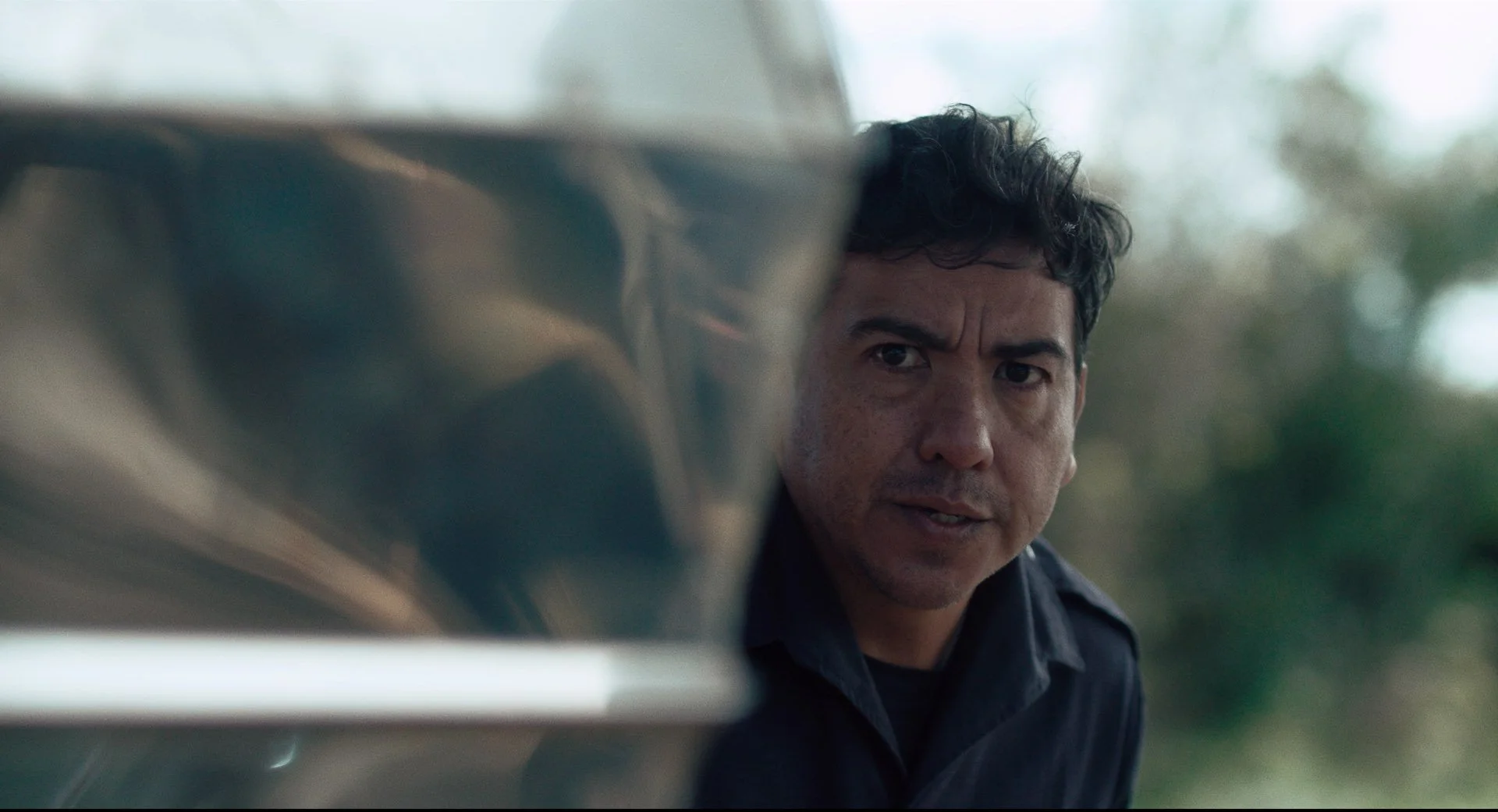
Film review: Vingt Dieux (Holy Cow) mixes coming-of-age story with the fine art of French cheesemaking
Visions Ouest screens earthy charmer set in Jura agricultural region
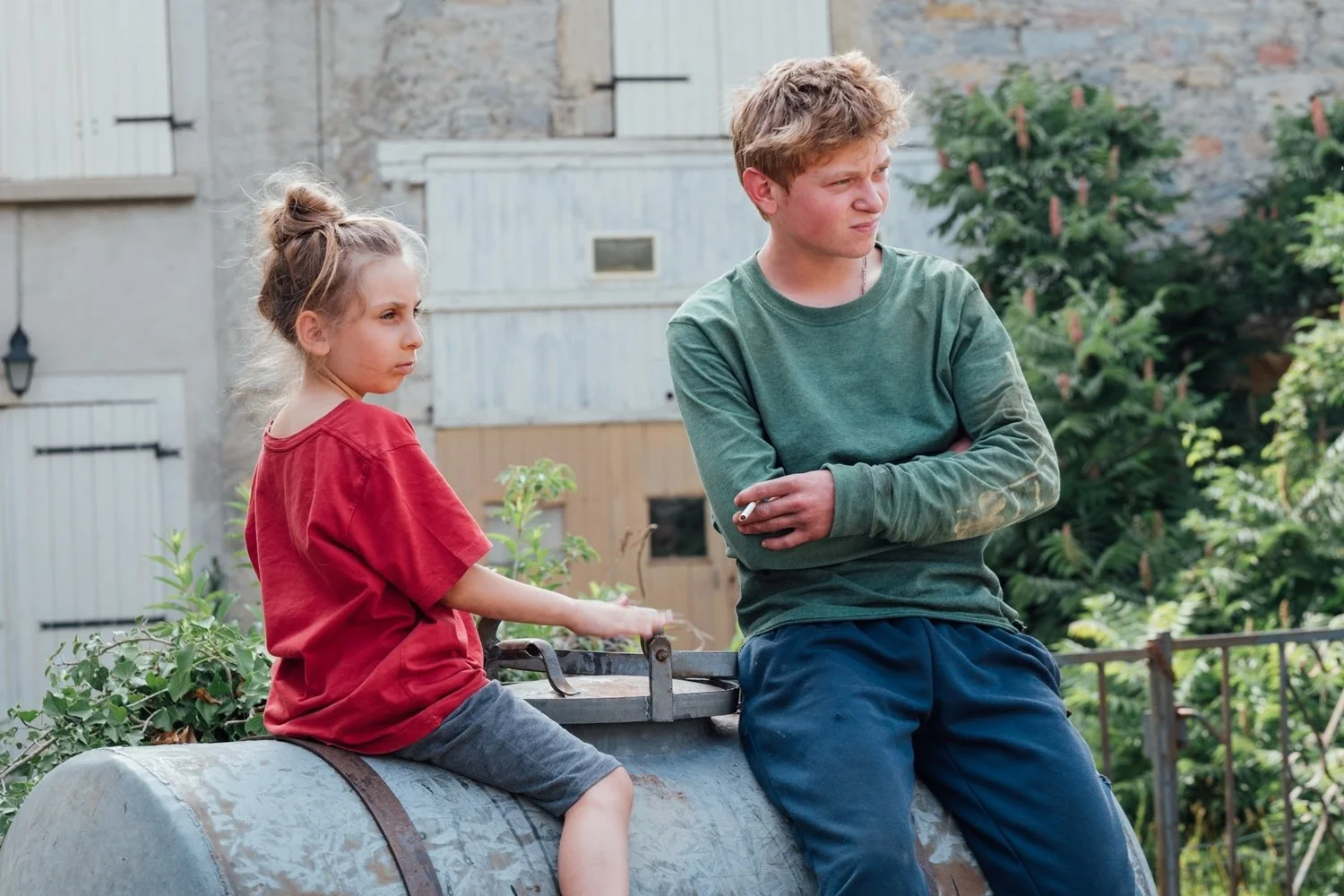
Vingt Dieux.
Visions Ouest screens Vingt Dieux at Alliance Française Vancouver on August 27, with English subtitles
WITH A CONSTANT FACIAL expression that hits somewhere between a sneer, a smirk, and a sulk, Totone (Clément Faveau) is not the typical, endearing male movie lead. And that’s only part of the appeal of the Cannes Youth Prize winner Vingt Dieux (Holy Cow, in English).
Nothing is going right for the 18-year-old: he gets drunk at the local fairs and barn dances, can’t be bothered to help his father with chores, and loses his girlfriend because he’s too hammered to get it on. He’s going nowhere in the Jura region, west of the French Alps, where the dairy industry demands hard work and getting up well before dawn.
But a family tragedy leaves Totone in charge of a household and his little sister—and he’s going to have to get his act together. In this offbeat charmer by director Louise Courvoisier, that means selling his dad’s tractor and learning the time-worn art of fromage—the region’s beloved comté, to be specific—adding up to an unlikely but utterly engrossing mix of coming-of-age tale and fine cheesemaking. Does film get any more French than that?
Courvoisier builds a bucolic sense of place, whether through beautiful, lingering shots of misty fields and Holstein grazing, or by simply capturing the rhythms of rural life. Sometimes that means driving a truck at 4:30 in the morning to collect milk; sometimes it means scalding your hands on a vat of hot cream; and sometimes it means lending a hand to birth a breeched calf. It’s the kind of portrait that only someone who has lived and breathed that country air could capture—and apparently Courvoisier spends her hours farming when she’s not filmmaking.
In fact, her Totone, Faveau, is a real-life farmer too—and not once does this nonactor feel inauthentic. In his inscrutable expression, so off-putting to the adults and teen bullies he encounters, he conveys complex layers of insecurity, melancholy, and vulnerability. Maïwène Barthélémy, the blunt, hard-working dairy farmer that Totone learns to love and make love to, is equally unaffected. “You look like shit,” she tells him early on.
In other hands, the story of Totone trying "to adult" might come off too sentimentally. Here, Courvoisier’s wry humour keeps everything wonderfully earthbound and unsyrupy. Rough-and-tumble Totone can’t help but mess up, again and again, and it will all feel achingly, relatably familiar even if you've never set foot in a French dairy. 

Related Articles