Dance review: At Ballet BC's INFINITY, Jiří Kylián and Crystal Pite take viewers into strange, subconscious limbos
Contemporary-art-like 27’52” makes elaborate play with shadows and time, while Frontier reveals new narrative and thematic complexity

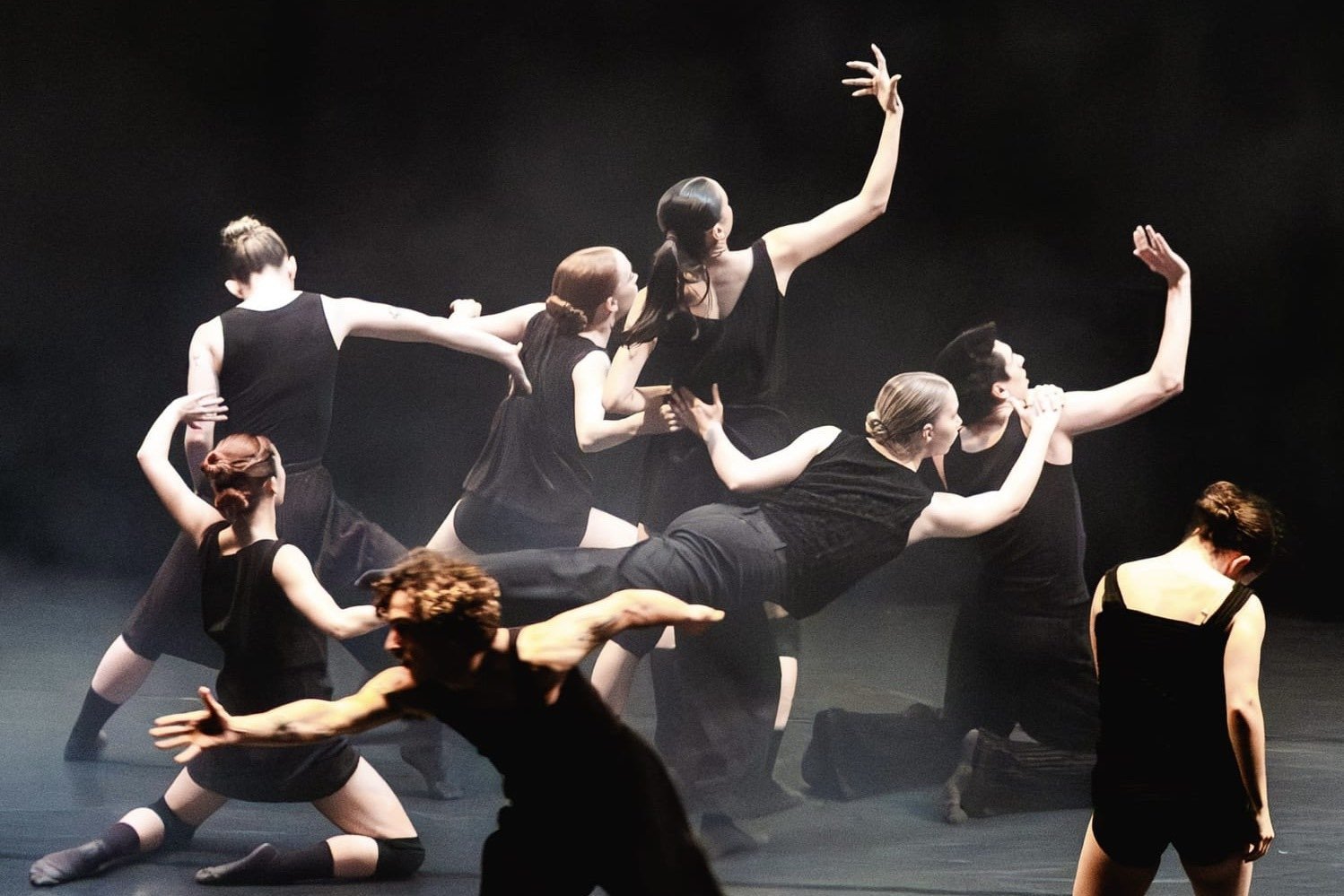
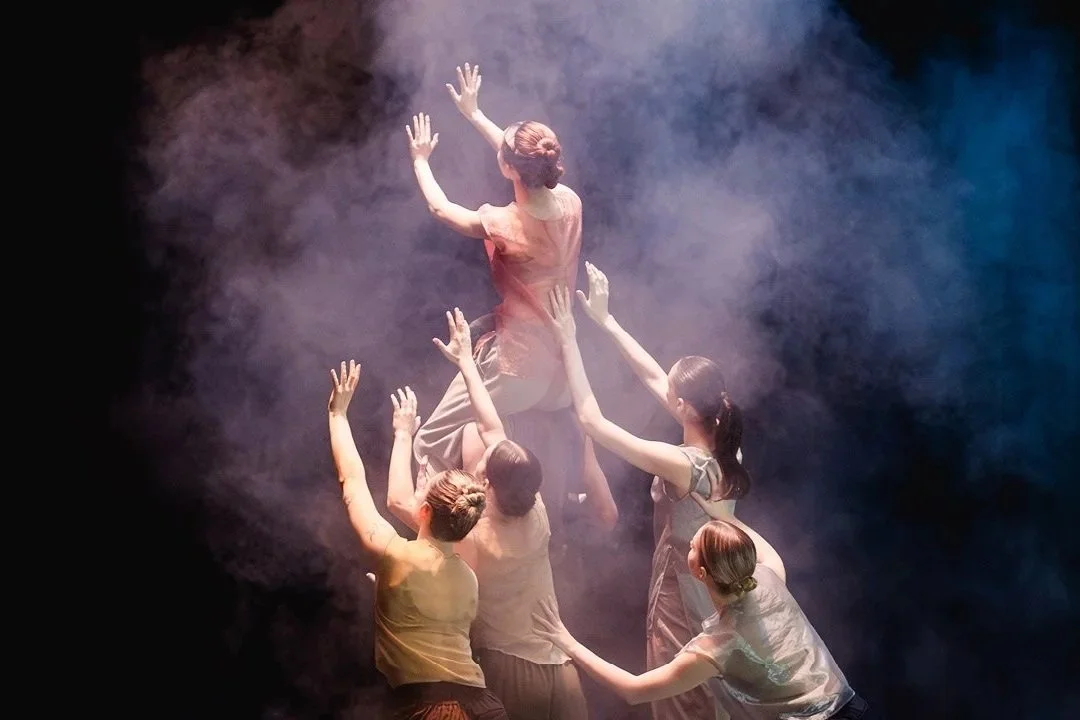
Artists of Ballet BC in Frontier by Crystal Pite. Photo by Millissa Martin

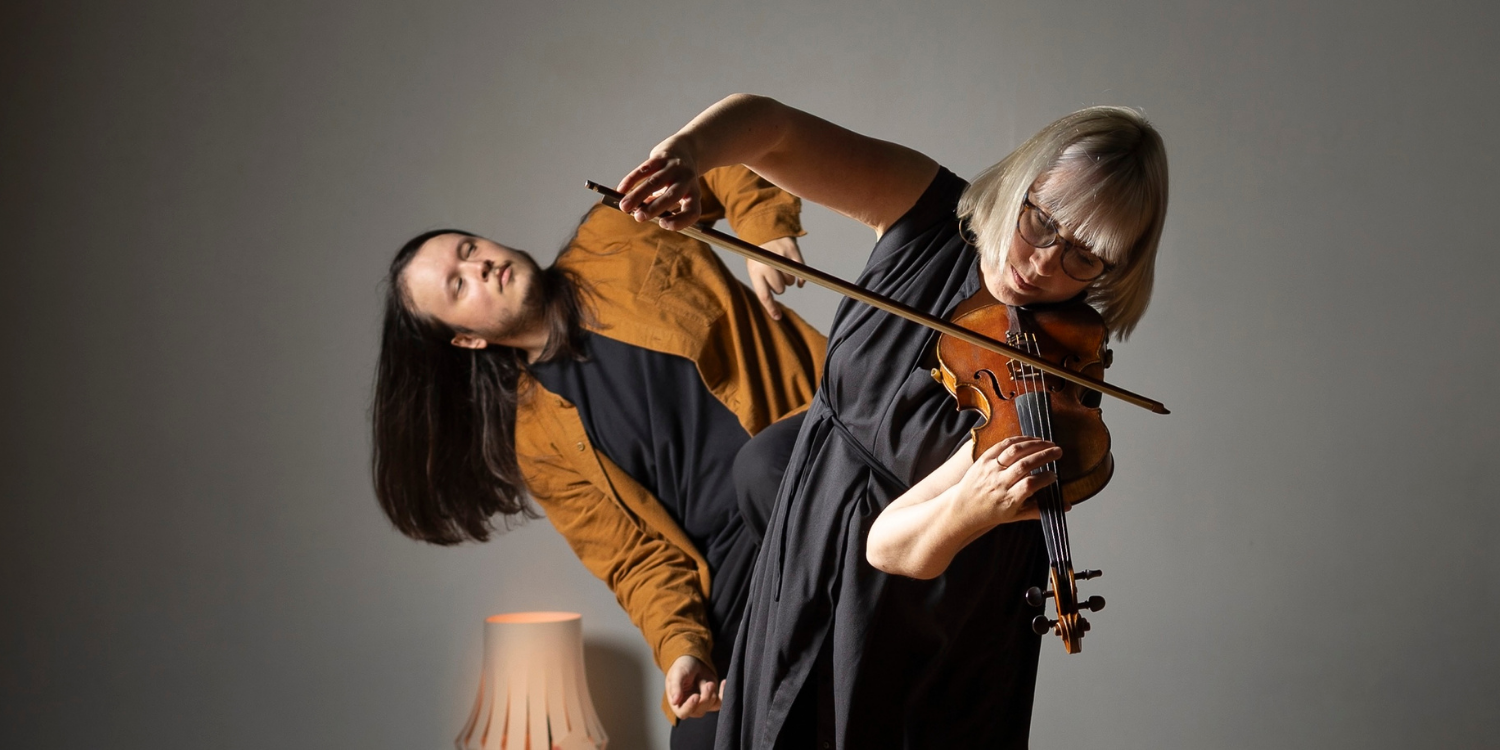
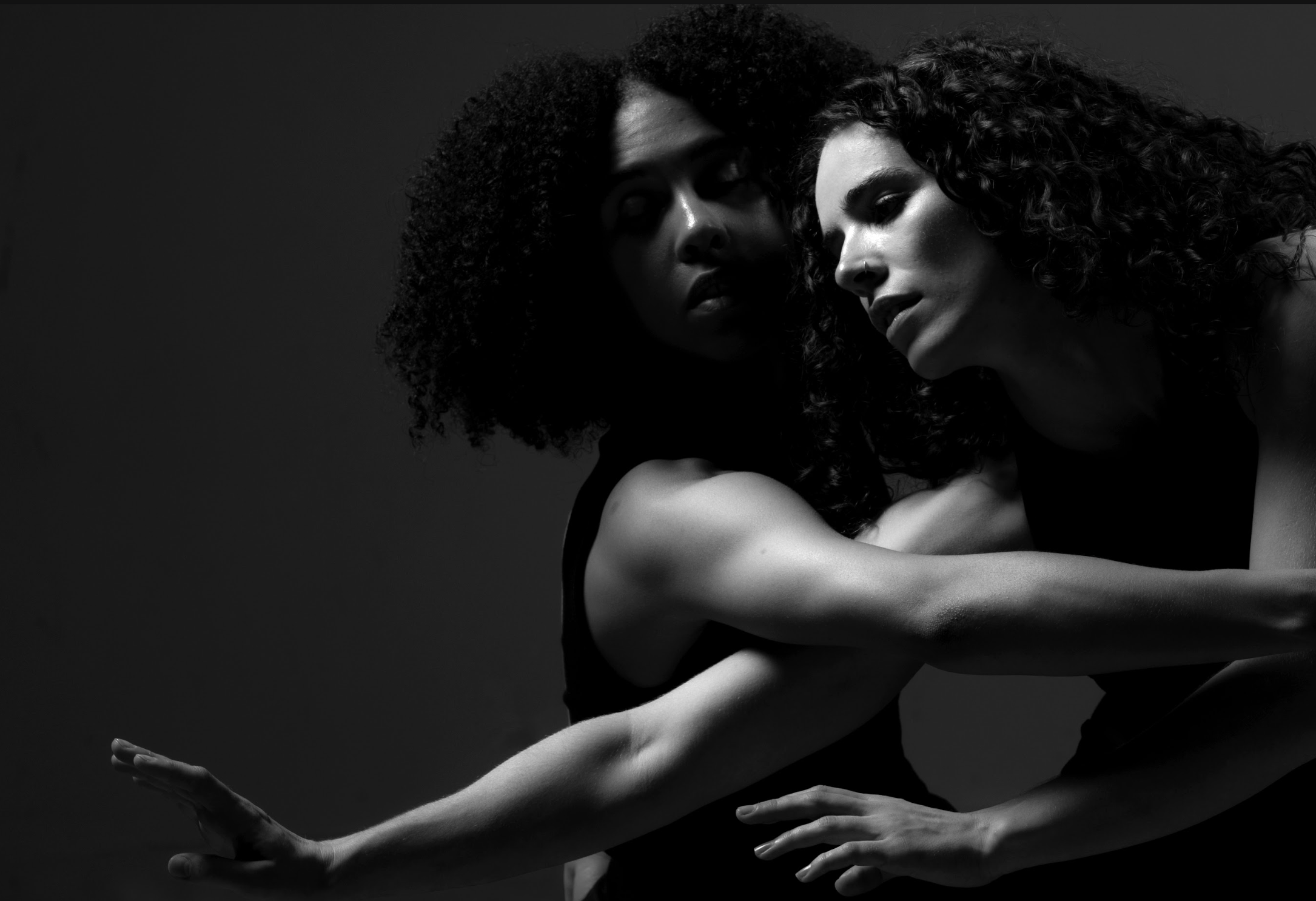
Ballet BC artists Emanuel Dostine and Vivian Ruiz in 27'52 by Jiří Kylián. Photo by Millissa Martin
Ballet BC presents INFINITY at the Queen Elizabeth Theatre to February 28
SHADOW PLAY, THEMES of the subconscious, and dazzling, ultra-detailed choreography combine in a striking double bill this weekend that shows Ballet BC continuing to up its game.
While Jiří Kylián’s 27’52” is wonderfully bracing in its abstraction, Crystal Pite’s Frontier, returning here in its second showing, reveals new narrative and thematic complexity with every viewing.
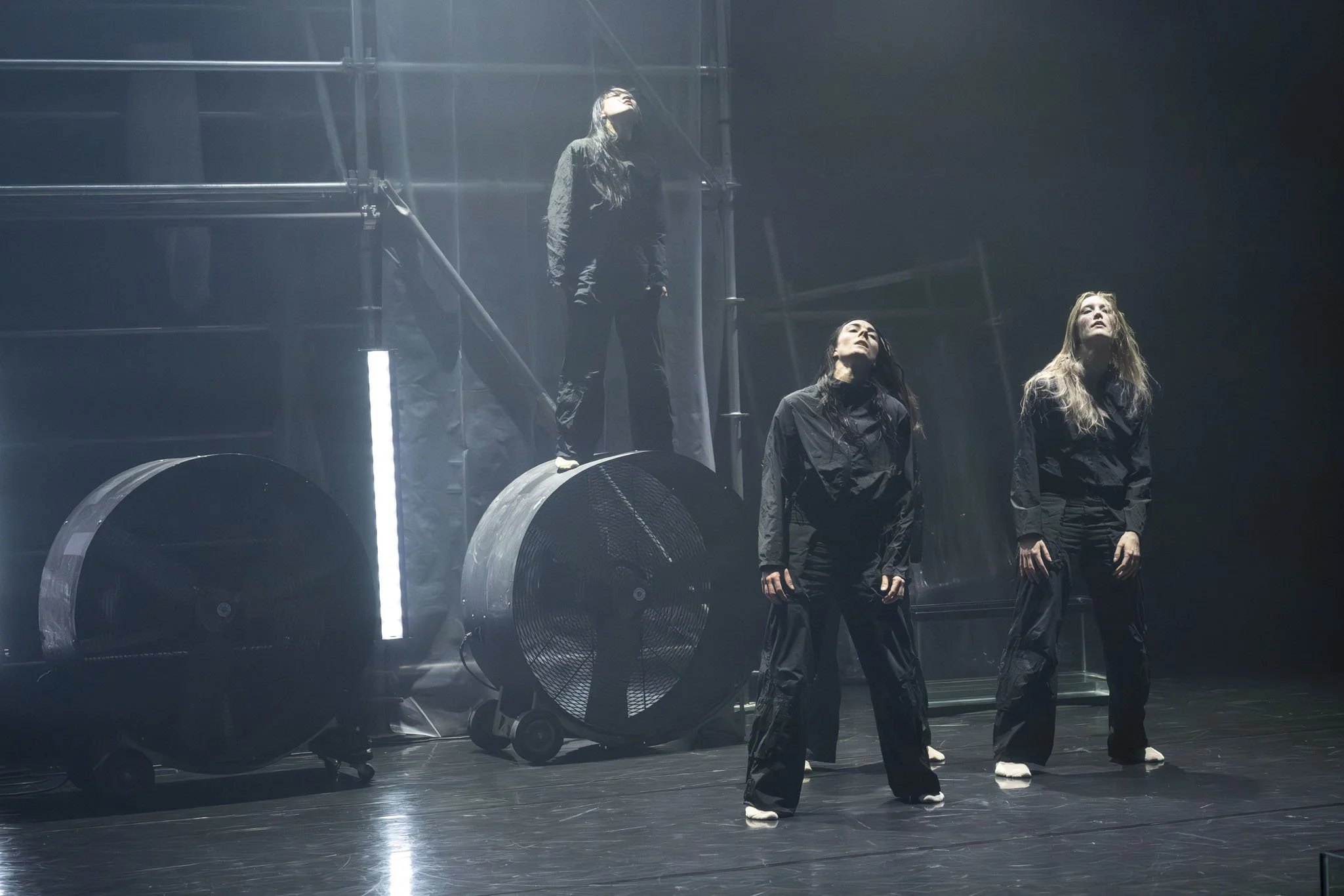
Making its West Coast premiere, 27’52” incorporates long swaths of white tarp. To kick things off, one obscures the dancers’ faces, so all we can see are flailing, headless bodies. Another is laid across the floor, and figures alternately disappear and roll out from under it, setting off waves. It also slides at one point, carrying the dancers along with it like an unearthly treadmill.
Kylián shows how dance can slow, stop, and rewind time. On that front, 27’52” sometimes feels like an elaborate game. There’s a signature surreal quality to the choreographer’s abstract exploration of life’s passage; at times we feel like we’ve entered a dream limbo, figures and the spoken voices on the soundtrack sometimes woozily moving in reverse. The movement, set to the blurps, bashes, and metallic clangs from German composer Dirk Haubrich, is a study in sharp contrasts—poker-straight limbs suddenly turn to wiggly jelly, and arms scoop and grasp.
The pas de deux are inventive and eclectic; Ballet BC is alternating the cast across four shows, but on this night Eduardo Jiménez Cabrera and Kiana Jung, and Luca Afflitto and Jacalyn Tatro, captured the mix of electric technical prowess and the piece’s strange mood. The absolute highlight of 27’52” is its transfixing final act, in which Orlando Harbutt and Pei Lun Lai, both half-naked, escape the tarp enclosures, passionately partnering in a blue-grey void. The overall effect is of a kinetic conceptual-art installation.
On its first return to Ballet BC since November 2024, Pite’s Frontier continues to reveal fascinating new layers and intricate details. Unfortunately, on opening night a technical issue abruptly halted the work early on. For the first time I’ve seen at the Q.E. in 30-plus years, the curtain had to be shut for a reset. But to its absolute credit, the corps started the piece again and recaptured its dark magic.

Ballet BC artists Jacalyn Tatro and Emanuel Dostine in Frontier by Crystal Pite. Photo by Millissa Martin
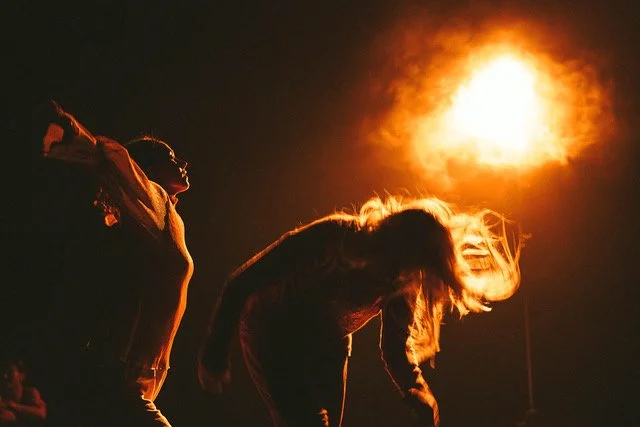
Frontier kicks off stunningly, with kabuki-like, black-hooded figures slithering onto the stage from the orchestra area, and going on to manipulate lithe figures in white. In these segments, Vancouver’s Pite has carved the movement to such a degree that, on second viewing, even black-gloved fingers clasping and lifting pale limbs and torsos seem to be choreographed to perfection. The shadowy figures emerge and disappear into a void at the back of the stage; at one point, a “puppetmaster” drags the flailing and consistently excellent Jiménez Cabrera along the floor and into the darkness by his foot.
This new look at the piece, which Ballet BC has since toured around North America and Europe, reveals Pite’s mastery of group work—especially when the hooded figure coalesce in the final sequences. Sometimes they are sinister, scrambling around and lurching up like nightmare monsters. At other times, they hunch low to flap ominous wings behind them. Their faces are covered and they’re all in black, but thanks to Pite’s precision and Tom Visser’s nuanced lighting, they work as individuals; figures pull out of the black mass in slightly different inflections, creating a rippling and pulsing group organism.
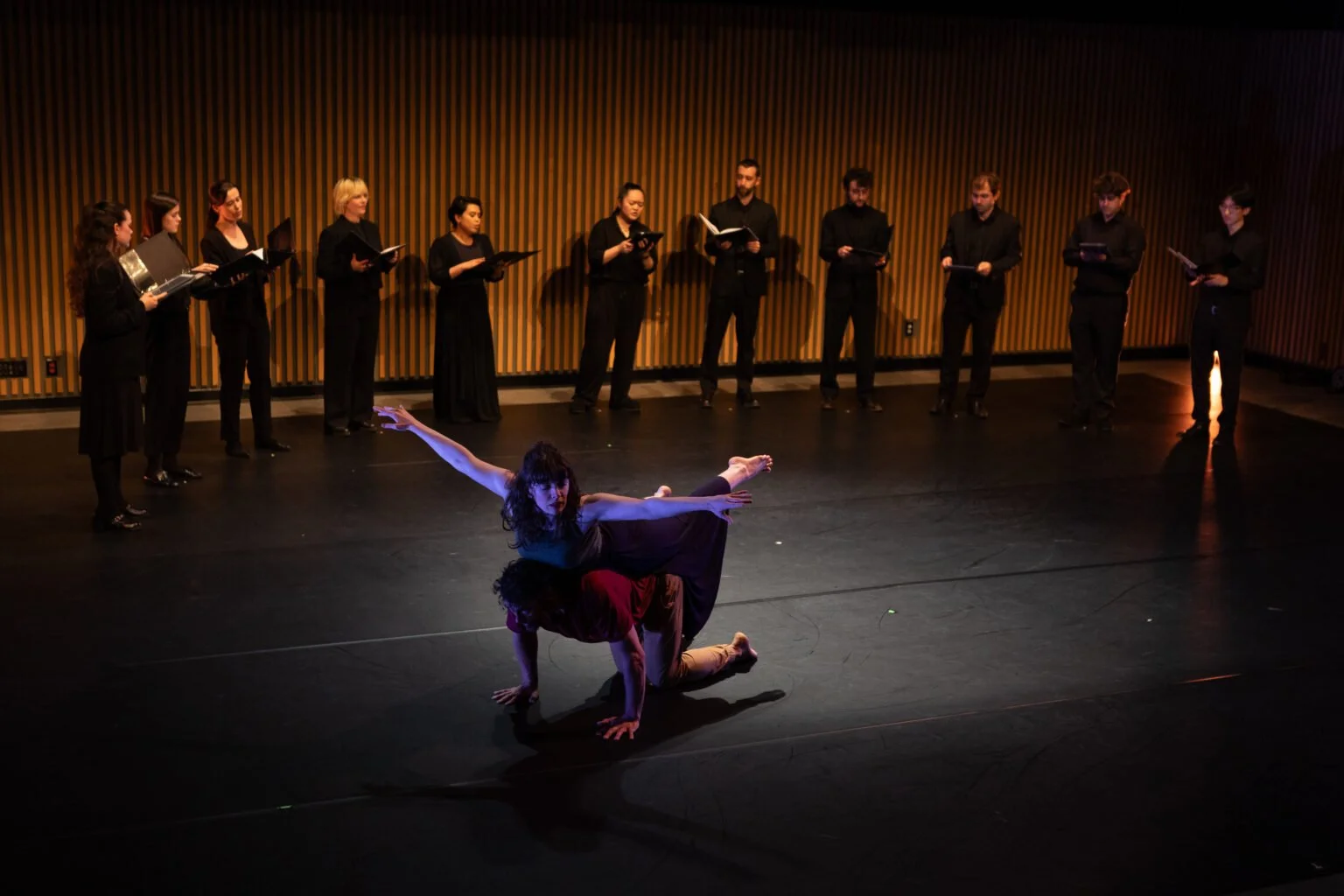
While Frontier’s midsection, set to Owen Belton’s skittering, whisper-filled soundscape, is full of struggle, the work is bookended by composer Eric Whitacre’s rousing choral voices. The finale is spectacular, the heavens opening up like a vaulted cathedral ceiling, and two-dozen dancers in black—representing the unknown, the unconscious, the creative force—find a sort of transcendent, unified fulfillment.
Both Frontier and 27’52” give a chance to travel to a different world—not so much one outside ourselves, but an interior one that sits in a space between the conscious and the unconscious. And sometimes, there’s more to discover there than anywhere else. 

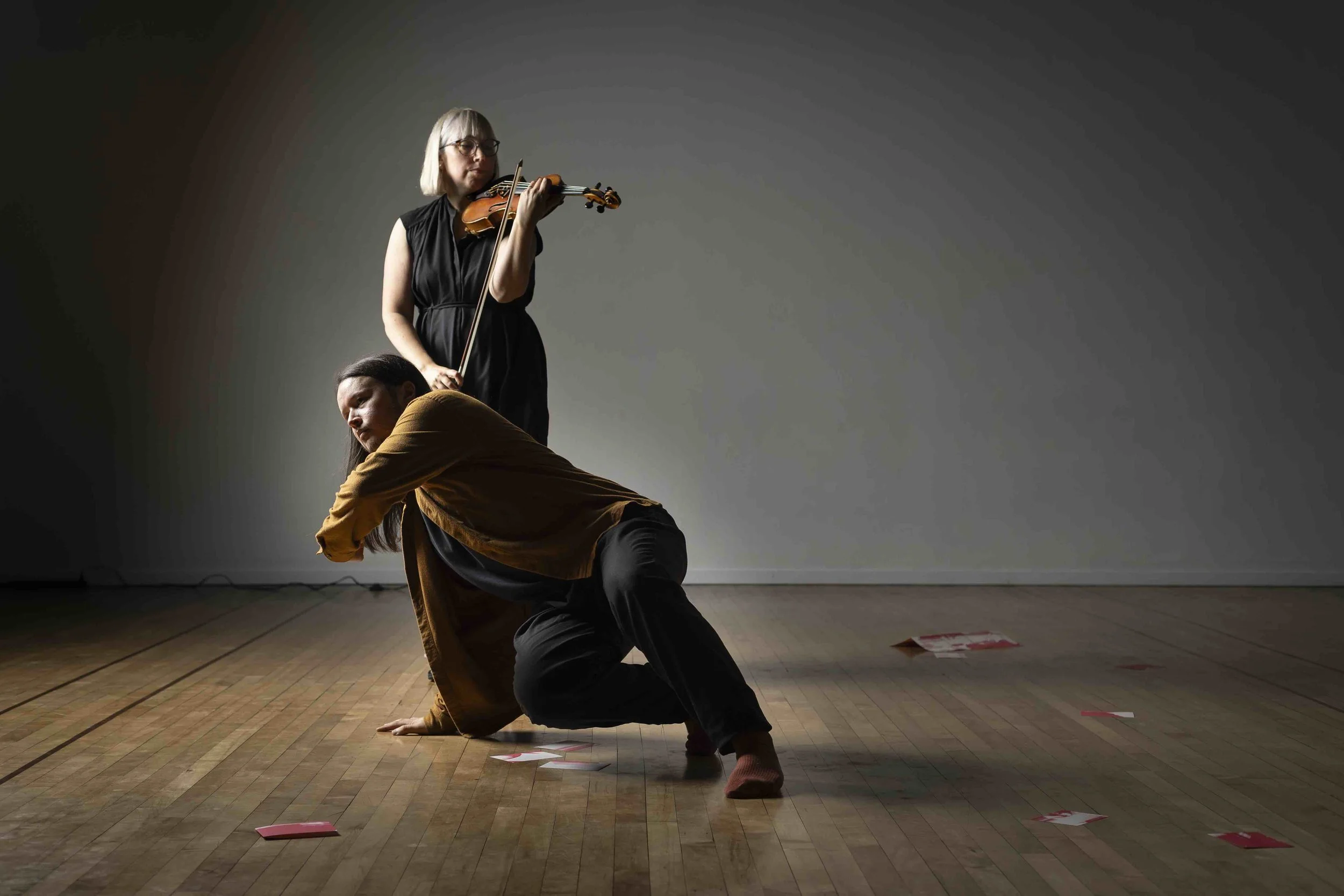
Ballet BC artists Kelsey Lewis and Benjamin Peralta in 27'52 by Jiří Kylián. Photo by Millissa Martin

Related Articles