At interplay_2026, artists blur the lines between digital and physical realms
Chimerik 似不像 and New Works XR partner to continue the online festival with new artistic producer Caroline Chien-MacCaull

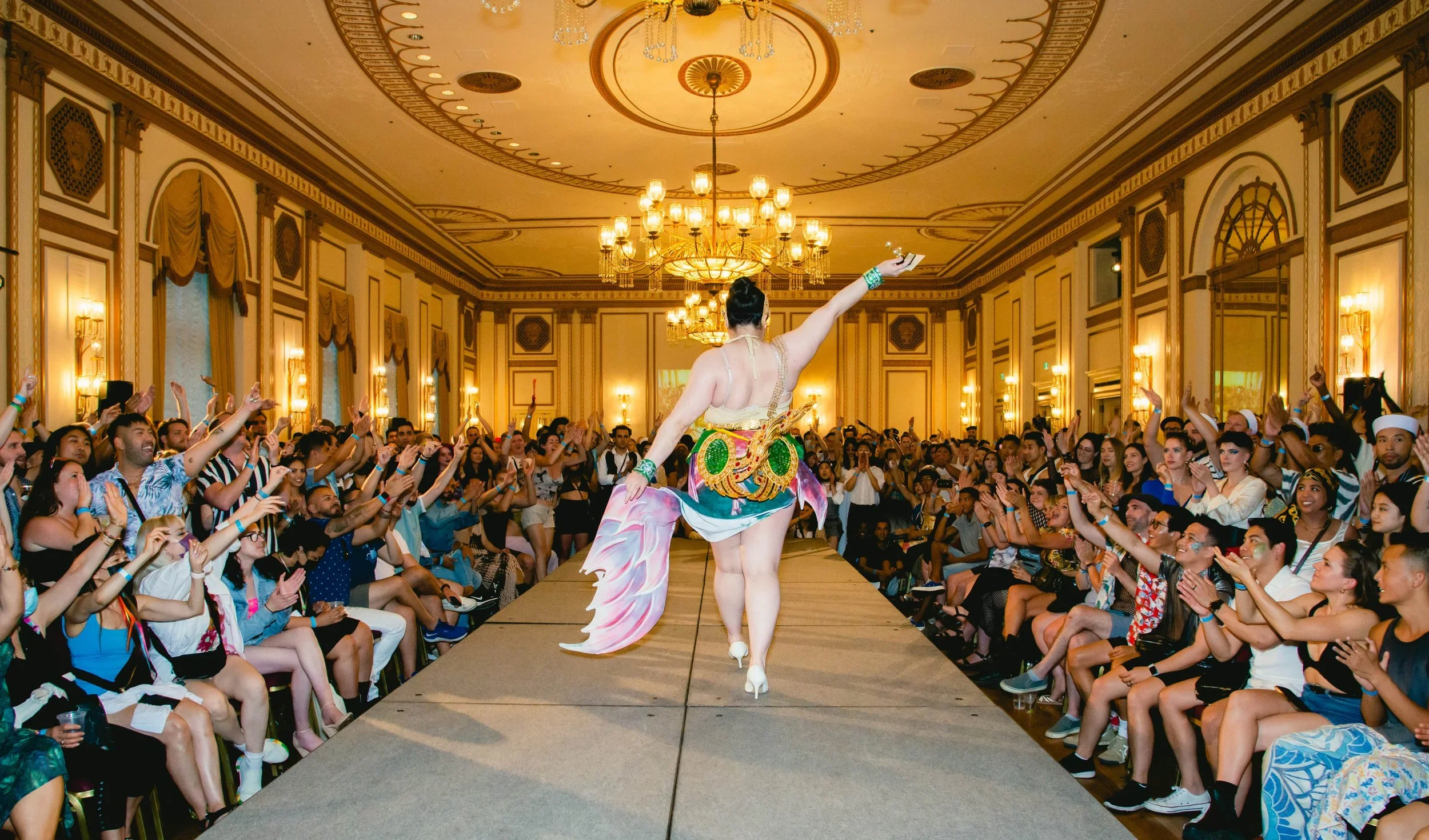
Still from Chantal & Choo’s Seed Sanctuary.
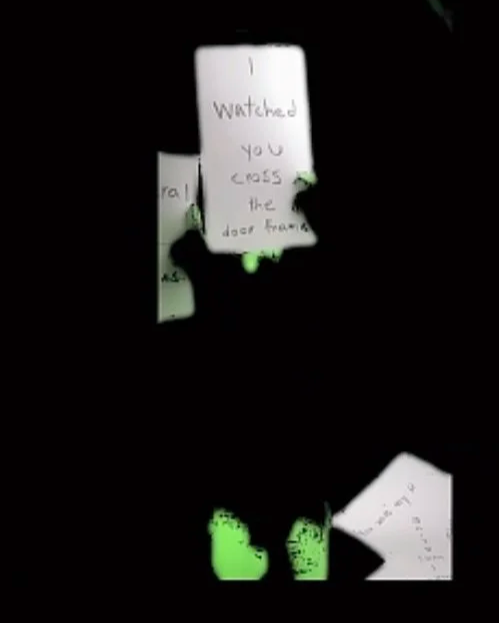
Still from Niloufar Samadi’s Glitch Under the Skin.
Chimerik 似不像 presents interplay_2026 online from January 8 to 11 in partnership with New Works XR
CAROLINE CHIEN-MACCAULL AND Sammy Chien-MacCaull are constantly questioning boundaries within their artistic practices. When do pedestrian movements become dance? When does sound become music? When does an online meeting become a live performance?
Those are just a few of the inquiries that the two—who are partners in both life and art—tell Stir they’re always considering. And with their keenness for expanding disciplinary frameworks, it seems especially fitting that the Chien-MacCaulls are the minds behind interplay_2026, an online performance festival of live interdisciplinary works.
Connecting with Stir by Zoom ahead of the festival, the pair reflects on the nature of delivering art over the very same video platform we’re using to talk.
“I think you have to be courageous to present work live online,” Caroline says. “You have to be able to think outside of the box. And rather than just the in-person experience that the artist is witnessing while they’re creating the work, you’re thinking about how that is translating through the online space, and knowing that you’re not going to be able to control the environment that people are experiencing the work in, [at least not] in the same way that you might be able to in a theatre or gallery setting. So I feel that everyone is really curious with that kind of exploration.”
The interplay_ festival was founded in 2012 by Vanessa Goodman and Jane Osborne, and began as a multidisciplinary group show held at the Moberly Arts and Cultural Centre. In 2016, Deanna Peters became artistic producer, and after pausing operations in 2020 because of the pandemic, the festival moved online the following year. It was a change that made sense in terms of fostering truly unique new performances—so much so that the digital format stuck.
When Peters became artistic director of the Vancouver International Dance Festival last year, Caroline stepped in as artistic producer of interplay_. She and Sammy curated this year’s festival alongside Peters, Gemma Crowe, and Michael Caldwell.
The Chien-MacCaulls’ own award-winning interdisciplinary collective Chimerik 似不像—which is behind innovative works like Inner Sublimity, which set sound resonators throughout a Vancouver Art Gallery exhibition—is co-presenting the festival alongside New Works XR. Joining the team as associate producer is the latter company’s program coordinator, Joanna Orr.
“There were lots of throughlines of existentialism, spirituality, connection to ancestry, connection to self,” Caroline says of the artists chosen for interplay_. “And it felt like this way of exploring deeper storytelling while using technology was a really clear theme that came together—rather than using technology as something that was flashy or added on top.”
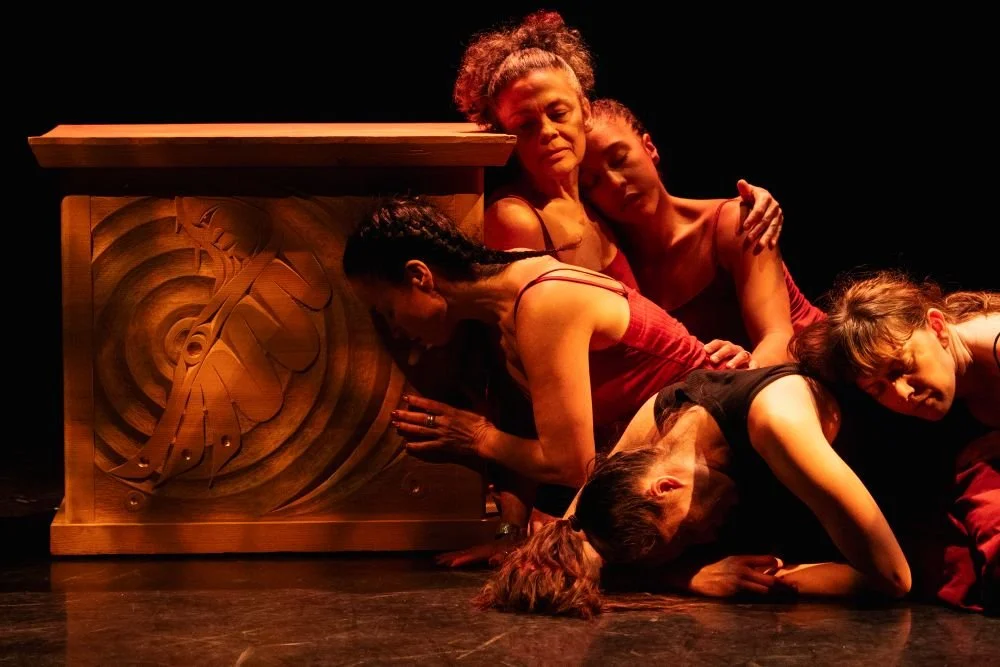
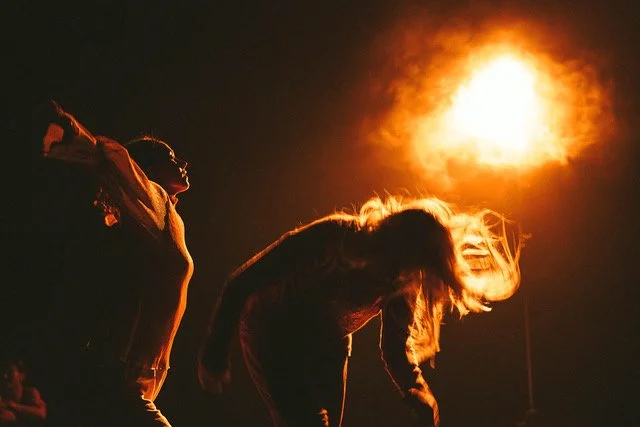
Among the six works on the festival program is Seed Sanctuary by local duo Chantal & Choo, a collaboration between movement artist Chantal Dobles Gering and music producer–visual artist Choo-Kien Kua. Seed Sanctuary is set in an ambient apocalyptic world where the line between physical and digital realms are blurred. Movement alters the light that is projected onto a seed sanctuary, with sound elements gathered from online viewers and the performers’ meditative chanting.
“Their bodies are moving, and then you can see the reaction that’s happening through that digital atmosphere,” Caroline says. “And what I think is quite beautiful about this is it feels very organic in the way that they’re approaching this. It doesn’t feel like technology.”
On a similar wavelength of blurring physical and digital worlds, Arya Hawker’s Ghorboonit (Sacrifice) follows the artist—who is a third culture kid of Iranian Canadian heritage—as he throws spices into a ceremonial bowl filled with water while speaking about his memories and sharing family stories. In real time, he uses software to transform the spices into digitally rendered smoke and flames.
Another work, Elliot Vaughan’s Existential Hotline, goes back to the basics of the telephone in a radical departure from advanced technology. Over the course of interplay_, Vaughan invites folks to call his hotline with their questions about life; he’ll flip through a book on philosophy with words by the likes of Simone de Beauvoir and Albert Camus, and then read a page to each person at random in a fortune-telling exercise of sorts. His Zoom performance will effectively be a creative report detailing what happened during his conversations (with all callers kept anonymous).
Then there’s celebrated dance-technology artist Freya Björg Olafson’s excerpts of CPA [Consistent Partial Attention], which is really grounded in movement. The backbone of the piece is found footage of people improvising dance moves in their homes, which Olafson uses to create her own dance vernacular informed by the digital age.
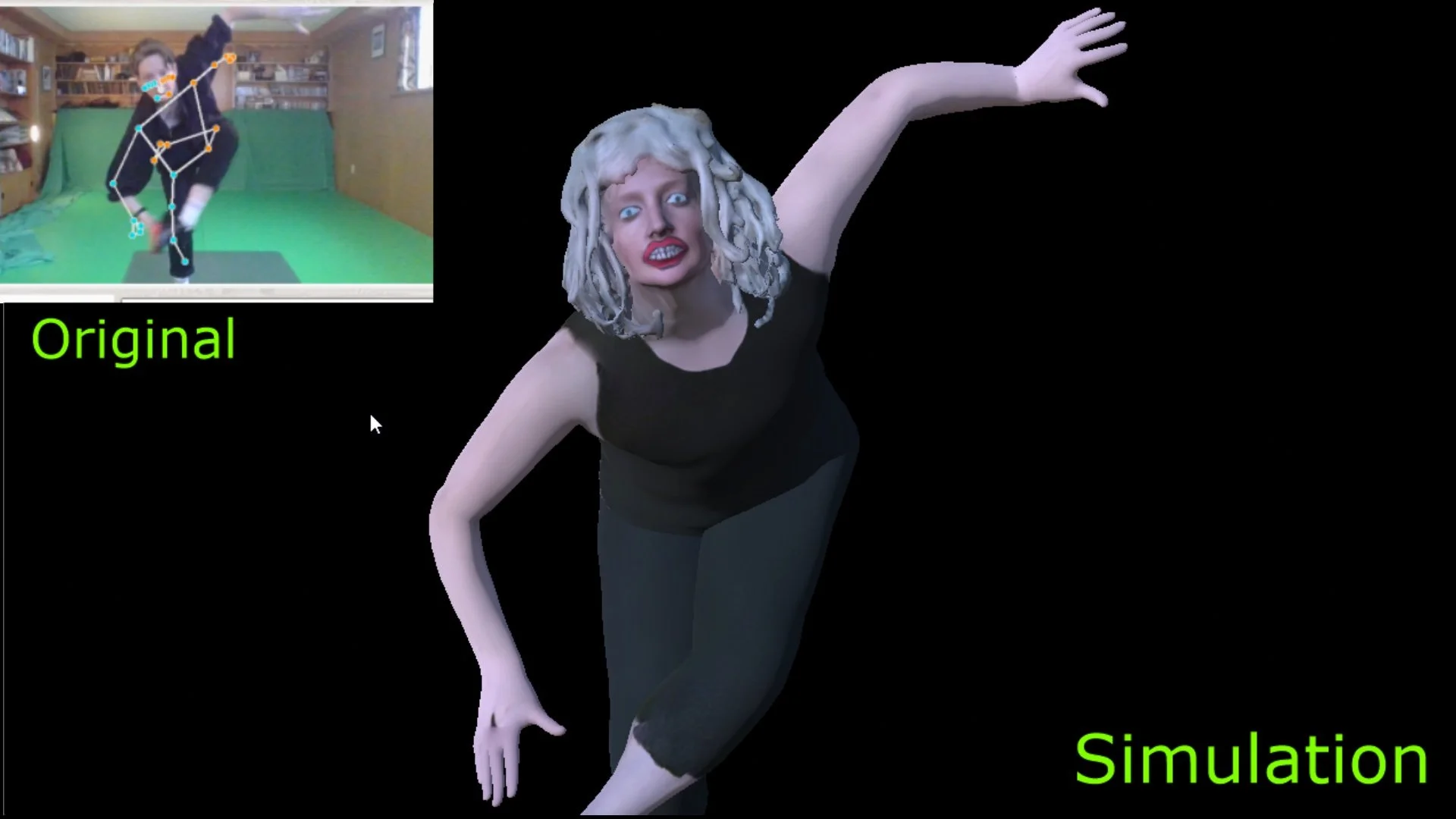
Freya Björg Olafson’s excerpts of CPA [Consistent Partial Attention].
“I think there is a different type of stake that the artists have to understand, embody, and execute,” Sammy reflects. “There is a different type of freedom as well, a liberty that comes with the virtual or online space. You really dismantle the distance and the physical space—those limitations kind of dissolve and transform in different ways. And so [what] we are excited about in this virtual online space [is] how then can you create something that you wouldn’t be able to in the physical space because of the limitation of that? So it comes with restrictions, but also freedom at the same time.”
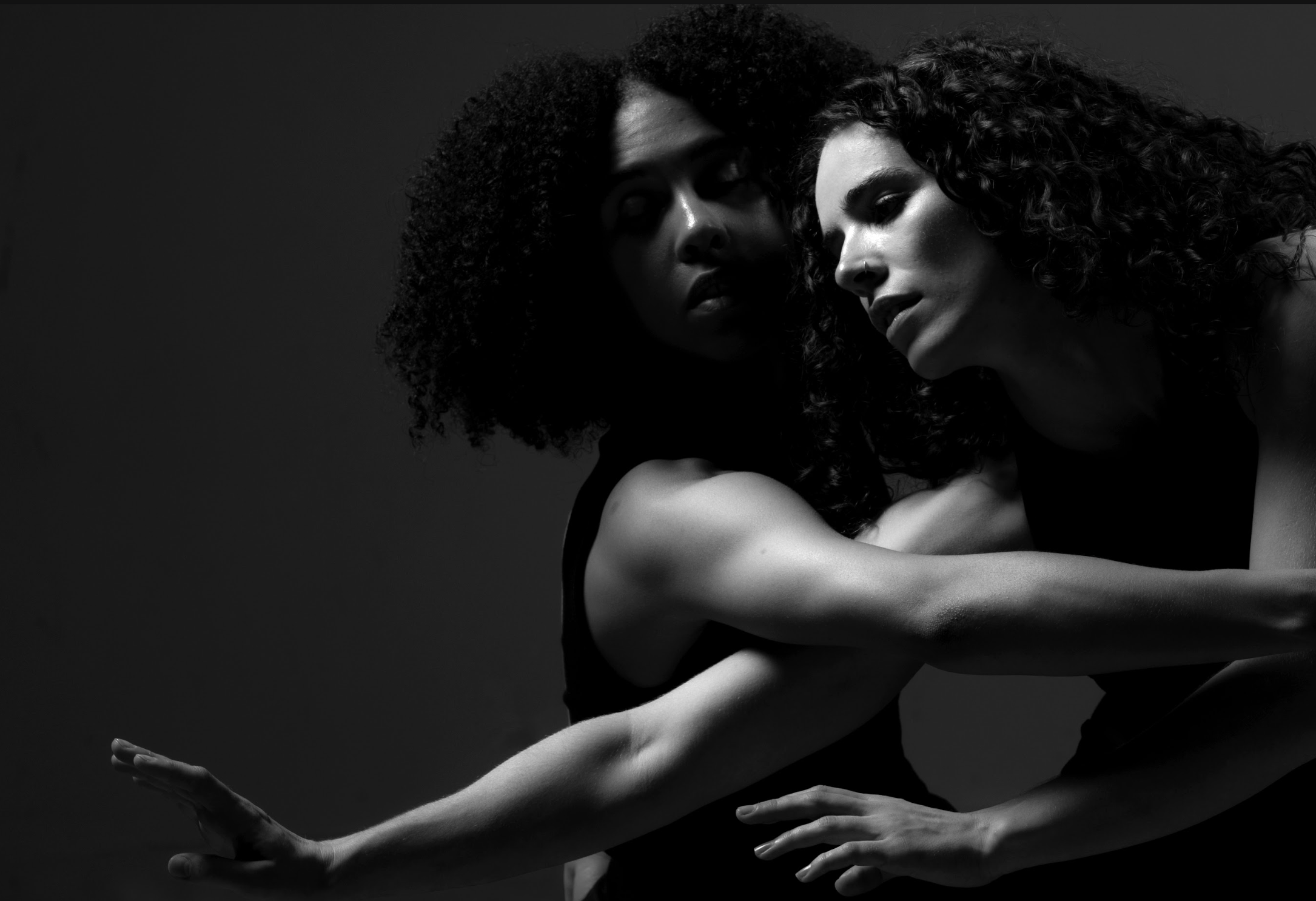
In Glitch Under the Skin, Niloufar Samadi draws on her lived experience of migration and displacement with gestural movements, layered projections, and analogue and digital puppetry. And in a sixth piece at interplay_, Empathie infonctionnelle [sound observations], Vincent Isabel uses biosensors, circuitry, and artisanal materials to create sound instruments with his home appliances.
After the online festival, a few of the artists will be hosting in-person workshops on January 17, 18, and 25 at Q7. And on January 24 at The Cinematheque, there’ll be a special screening of Ying Wang’s THE BORDER, a feature film that documents how Peace Arch State Park remained open and active during the pandemic-forced Canada–U.S. border shutdown.
In all, say the Chien-MacCaulls, the grassroots festival serves as a way of providing the arts community with connection and digital resources in a changing presentation landscape.
“With a lot of technology, you try to revisit it a couple years after you’ve created a project and it’s completely changed,” Caroline reflects. “You have to re-navigate how to use a similar or different pathway to get to the kind of artistic expression that you were exploring before. So I’m really curious about how we can continue to share this knowledge and also expand as a community together.” 

Related Articles