Recirquel’s postapocalyptic Paradisum conjures visual worlds out of fabric and light
Producer Natália Fábics says the Hungarian work, co-presented by DanceHouse and The Cultch, is as much a contemporary artwork and philosophical epic as a fusion of circus and dance
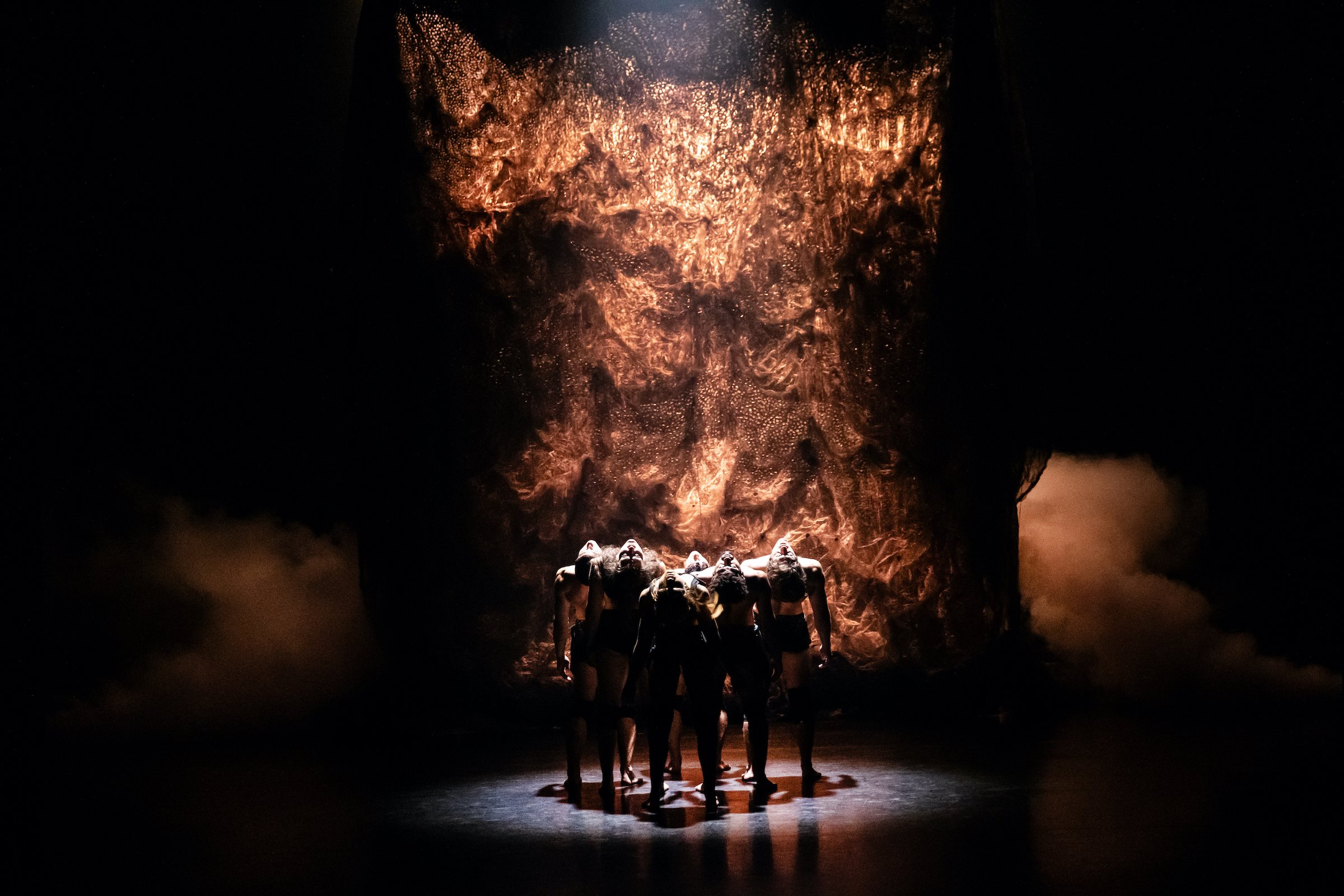
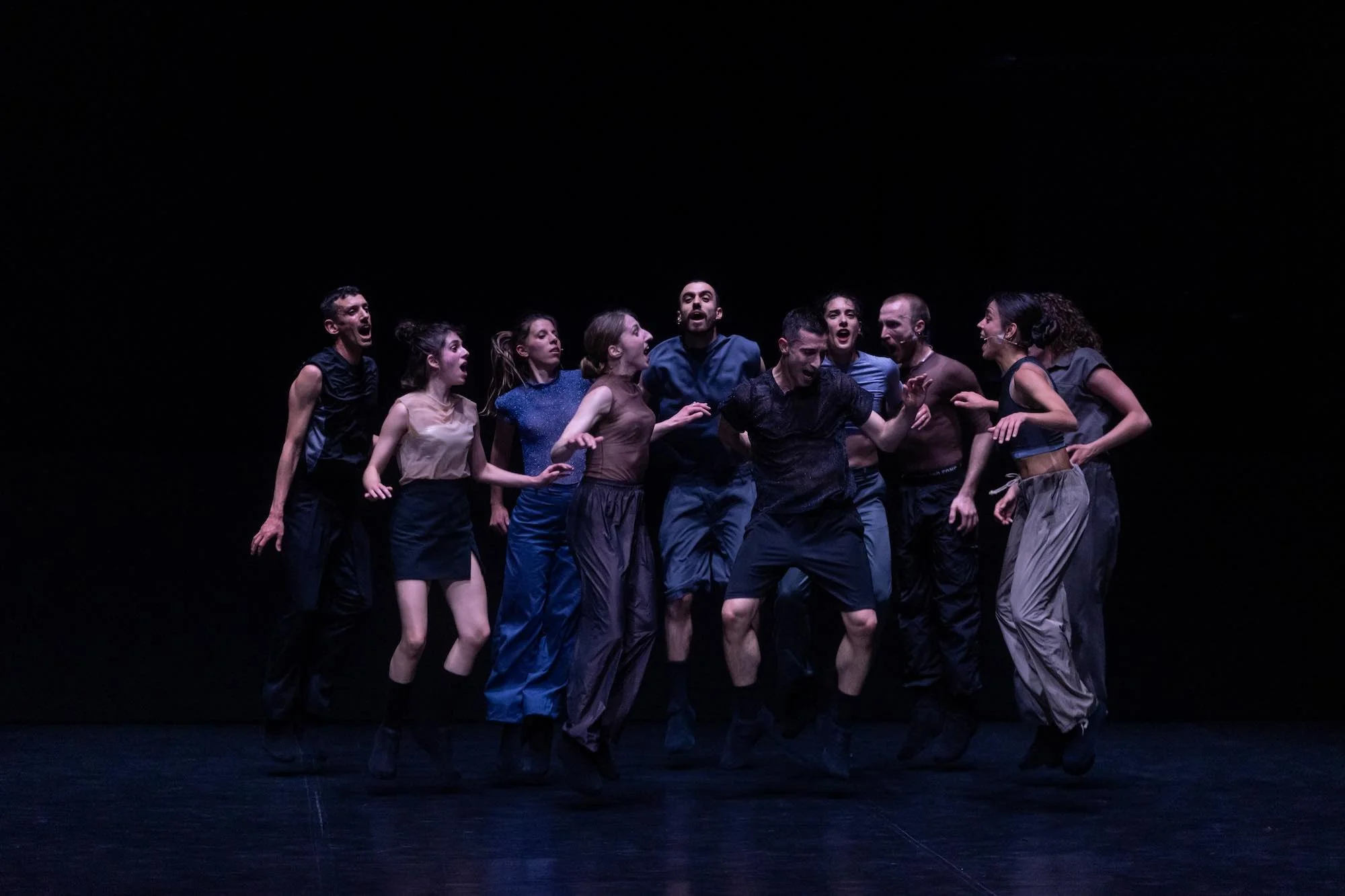
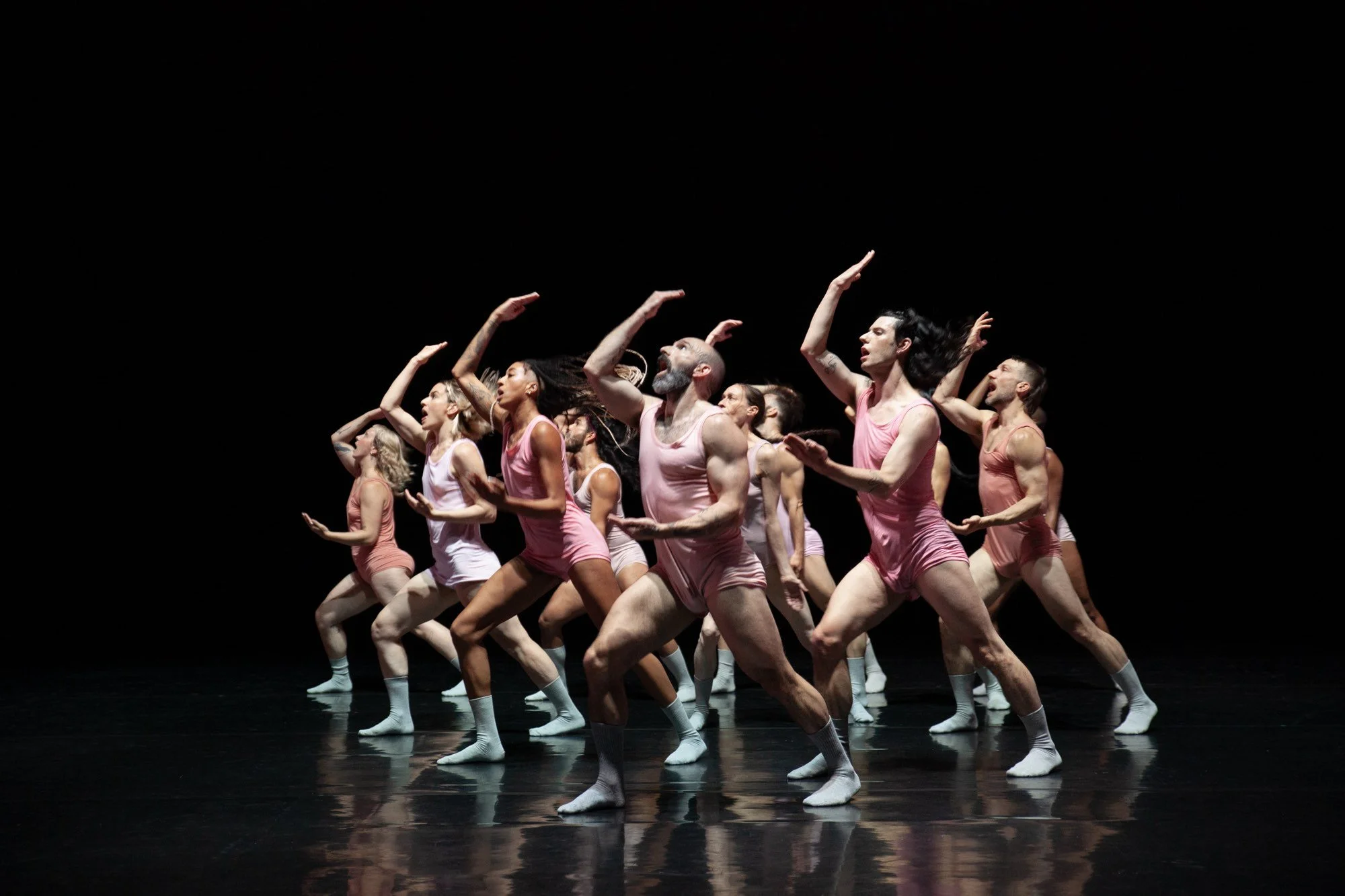
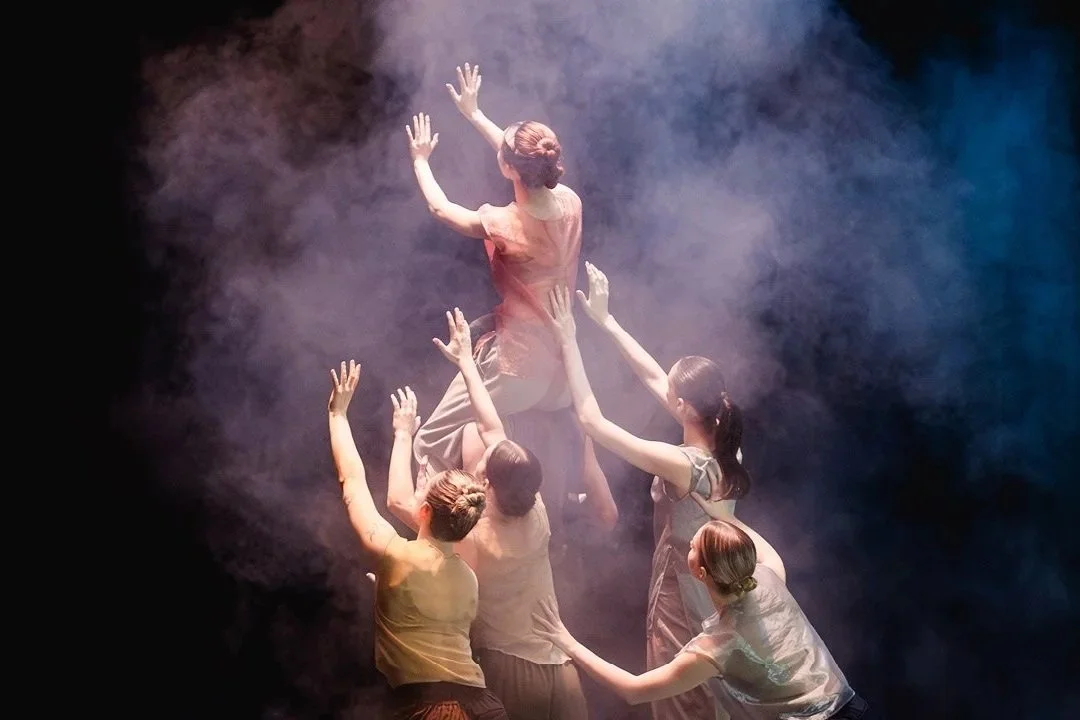
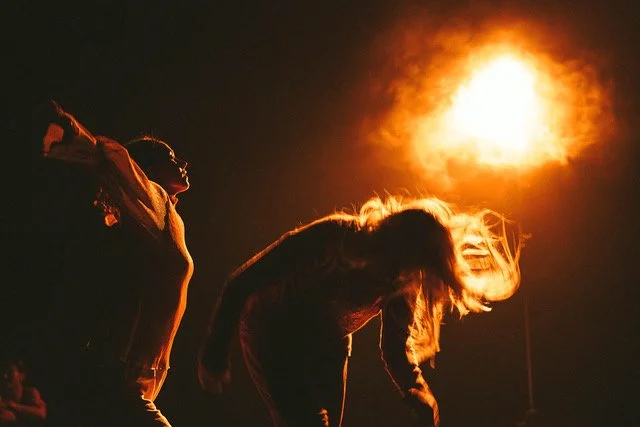
Recirquel’s Paradisum. Photo by Balint Hirling
DanceHouse and The Cultch present Paradisum at the Vancouver Playhouse from January 21 to 24
IN HUNGARIAN TROUPE Recirquel’s otherworldly Paradisum, a giant, billowy blue-black fabric is much more than a set piece.
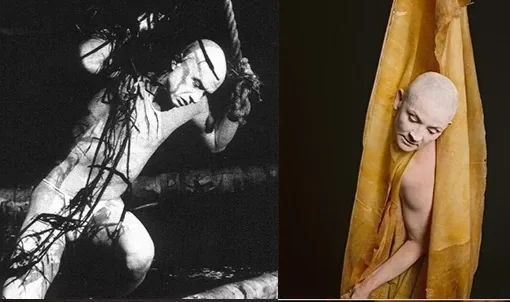
Textured and semi-luminous, it becomes a living entity all its own, alternately engulfing and embracing acrobats who are carved out against the dark mass by shards of light.
“The material is fabric—but I prefer to say the fabric of life,” says long-time company producer Natália Fábics, speaking to Stir over Zoom from Budapest before Recirquel heads to Canada for an extended tour that will hit DanceHouse and Cultch programs. “The fabric is the source of new life, but at other times, it’s a frightening monster, a serpent. At other times, it becomes the sea, it becomes the mountains, it becomes a cave. So it floats and moves all around.”
As much a contemporary artwork and philosophical epic as a fusion of circus and dance, Paradisum exemplifies the way artistic director Bence Vági conjures imagery using three-dimensional techniques, rather than digital technology.
“Funnily enough, people always think that there is some projections, and when they see the show, they are always like, ‘Okay, it's impossible that you did that only with the fabrics and the lights,’” explains Fábics. “But Bence is a very, very visual person. It always starts out from him having something very strong in his mind—something he can see. And then the entire work is towards creating that strong visuality. In many cases, at the end of the day, it turns out to be a living part of the entire production.”
Apparently, these visions come to Vági on extended vacations when he’s sequestered alone, usually close to nature, without a cellphone—which is where he happens to be, creating his next show, while Fábics speaks to Stir.
His intense creative process, which comes to its fruition in a large studio tucked into an industrial area of Buda (over the bridge from Pest), seems to be working. The troupe’s latest immersive cirque-dance show, Paradisum—which translates from Latin as “Paradise”—was a hit at the Edinburgh Festival Fringe and elsewhere. The show is set in a postapocalyptic world, and opens with a lone, half-naked man who performs on an aerial pole high in the air. Fábics calls him the last human.
“We destroyed ourselves, we destroyed everything, but nature remained,” she explains. From there, new humans appear, going through a series of trials until they come together in resilience and hope.
Clearly, Recirquel doesn’t create Vegas-style, sequin-studded neo-circus. Expect poetic explorations of rebirth, purification, ritual, existence, and eco-doom, all backed by a dark and searching orchestral score.
“It is beyond politics,” asserts Fábics. “It’s much more than that. And also, I think it’s important that he’s tapping into the ancient or the mythological. He’s working with some things that are eternal. He always does.”
Yes, you will see artful interpretations of everything from hoops to juggling, but what sets Recirquel apart is the way its considerable physical feats flow like contemporary dance.
“It becomes its own fusion—it’s very different from what you experience in contemporary circus, when there are tricks,” Fábics explains. “Everything is used to express philosophical and emotional things. You feel that all the performers are dancing—and sometimes, it just happens in the air.”
Fábics surmises that the unique meld of physical theatre, visual art, acrobatics, and dance may at its heart be something that can only have been birthed in Hungary’s culturally vibrant capital.
“I would say, a very strong Hungarian theatrical tradition is that verbality is always supported by very strong physical presence,” says Fábics. “And although Budapest is a much smaller city, it has as much theatre as London—and everyone goes to the theatre.” It seems like Recirquel has found not only the right mix of low-tech magic, but also its own creative “paradise”. 
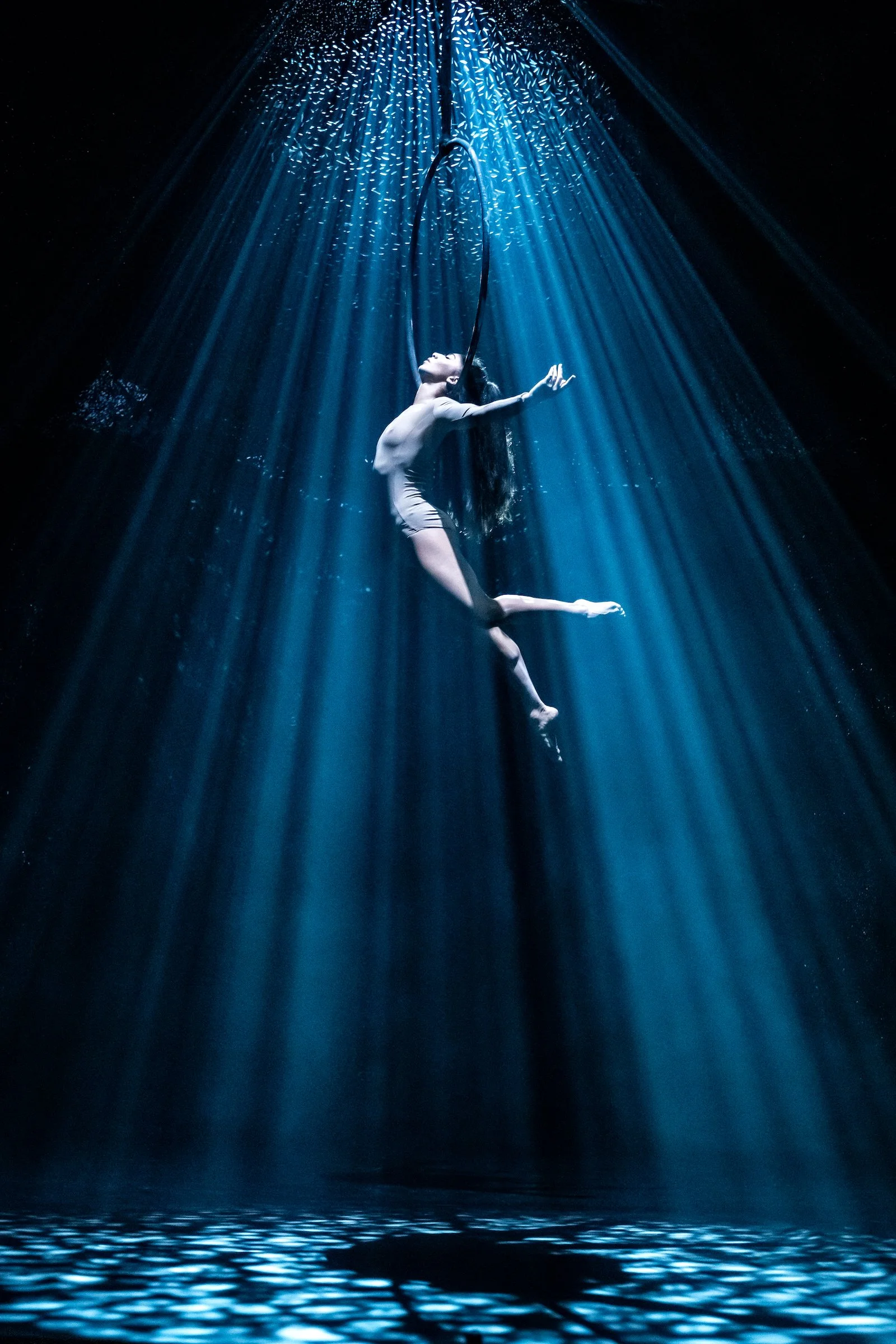
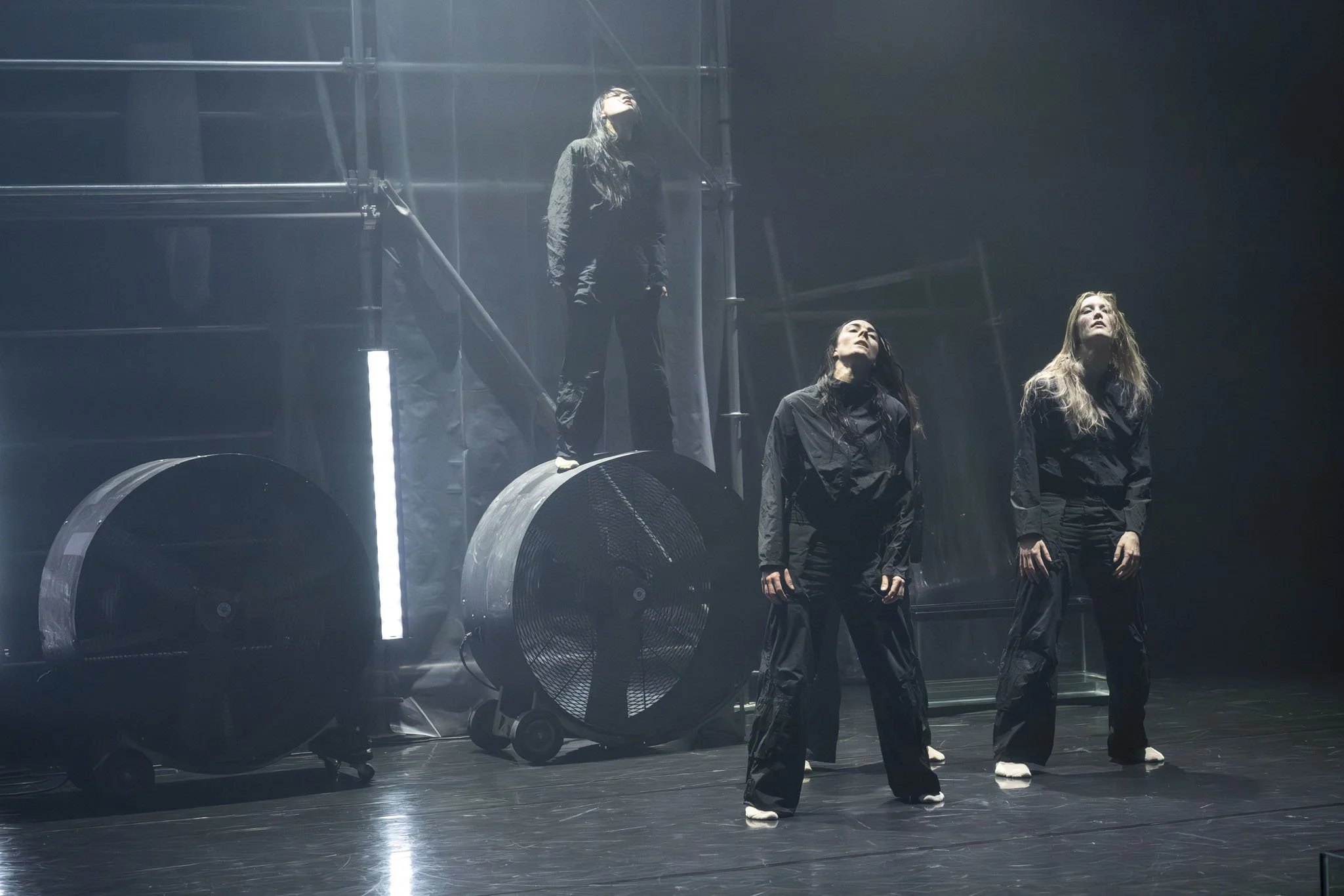
Paradisum. Photo by Balint Hirling

Related Articles