Dance review: Flowing forms and abstract storytelling in Royal Winnipeg Ballet double bill
T’əl: The Wild Man of the Woods heralds an exciting new voice, while Carmina Burana strips the work down to its essence
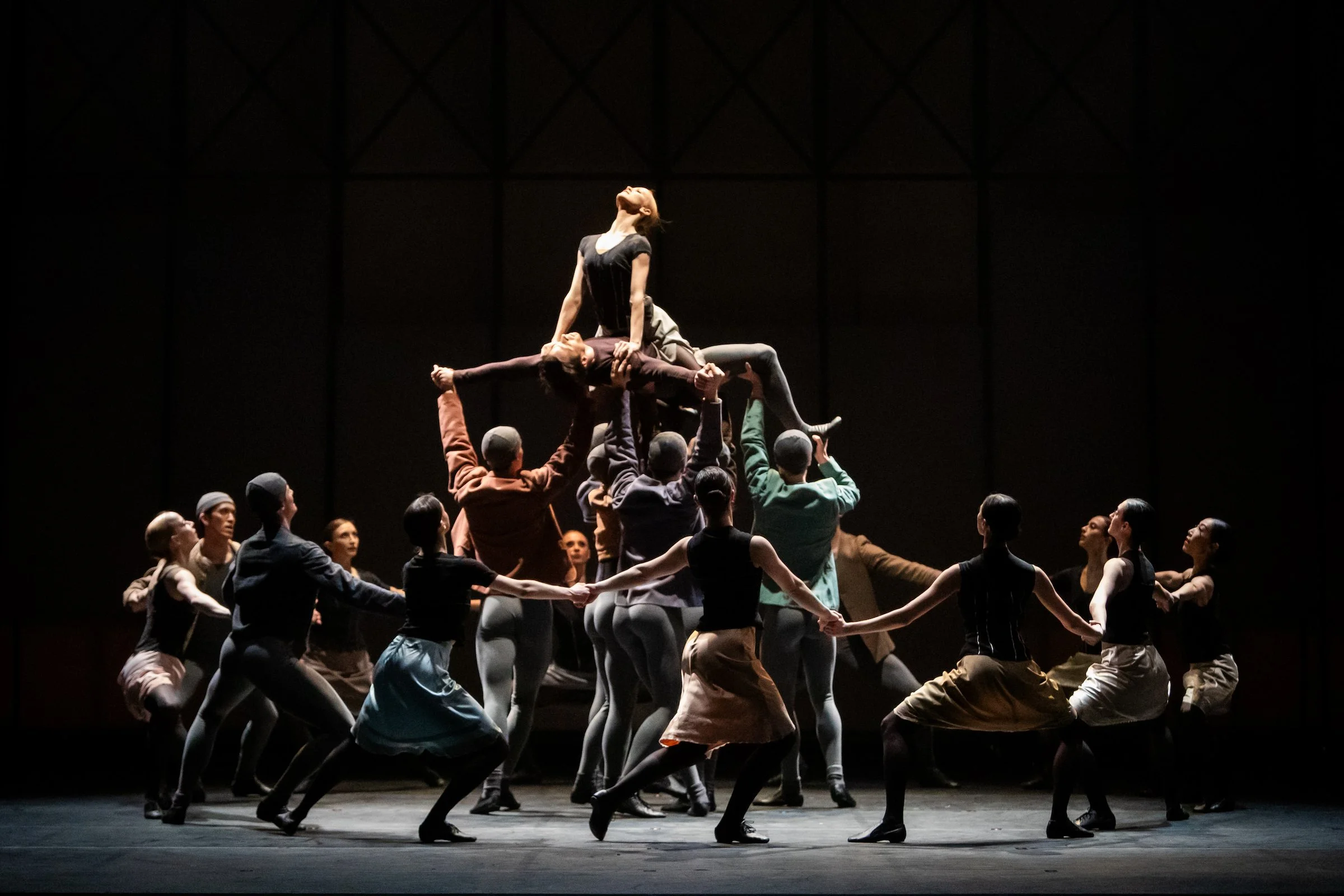
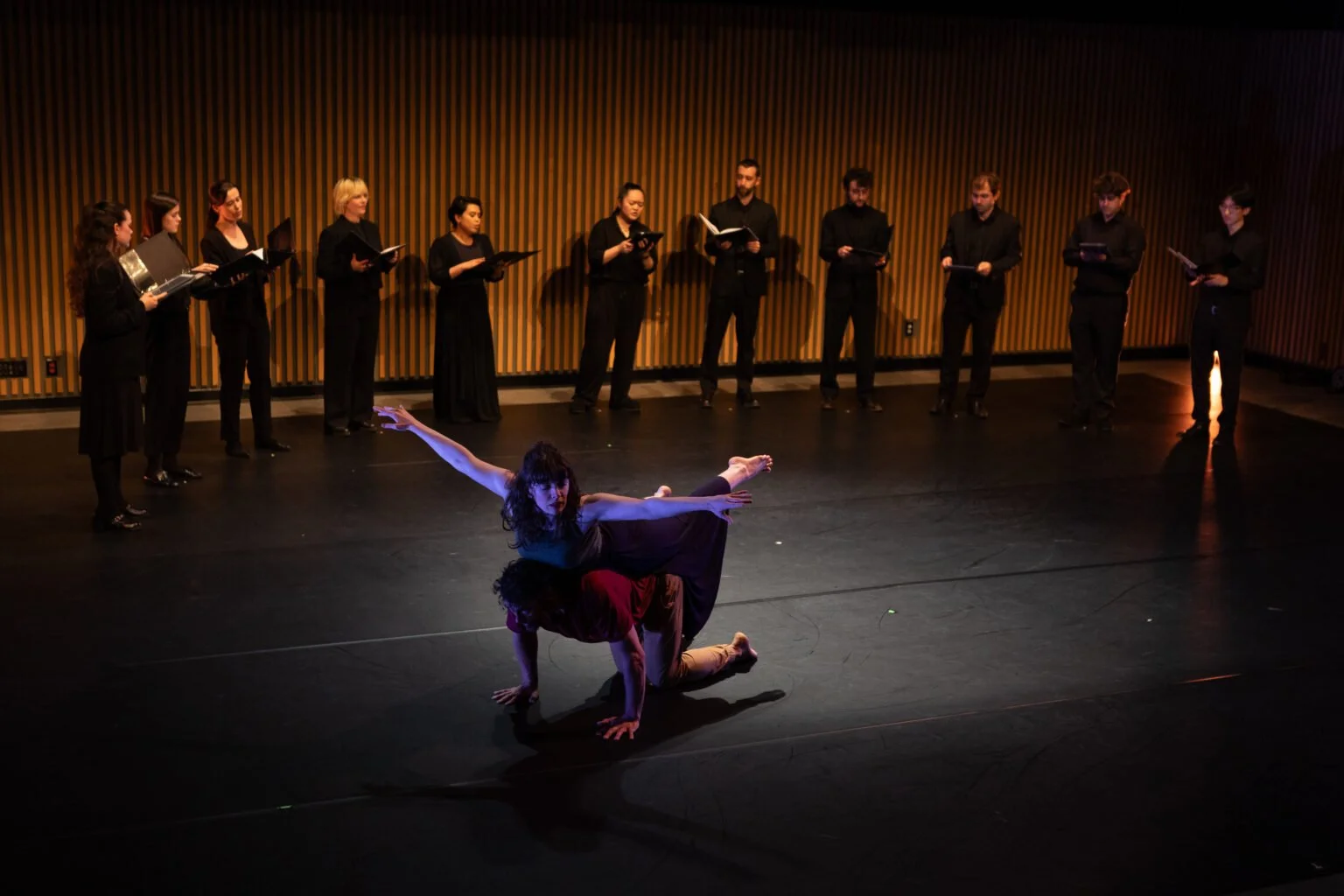
Royal Winnipeg Ballet’s Carmina Burana. Photo by Daniel Crump
Royal Winnipeg Ballet presents Carmina Burana and T’əl: The Wild Man of the Woods at the Centre in Vancouver to February 10
IT’S BEEN A DECADE since the Royal Winnipeg Ballet brought something other than its classic Nutcracker to a Vancouver stage. And the company’s brief appearance this week at the Centre in Vancouver offers a welcome look beyond narrative dance to more abstract works that are strongly rooted in classical technique—a contrast to the edgier, contemporary excellence of our own Ballet BC.
The technically rigorous, polished double bill of T’əl: The Wild Man of the Woods and Carmina Burana opens with an important new work by B.C.–raised Tla’amin artist Cameron sinkʷə Fraser-Monroe.
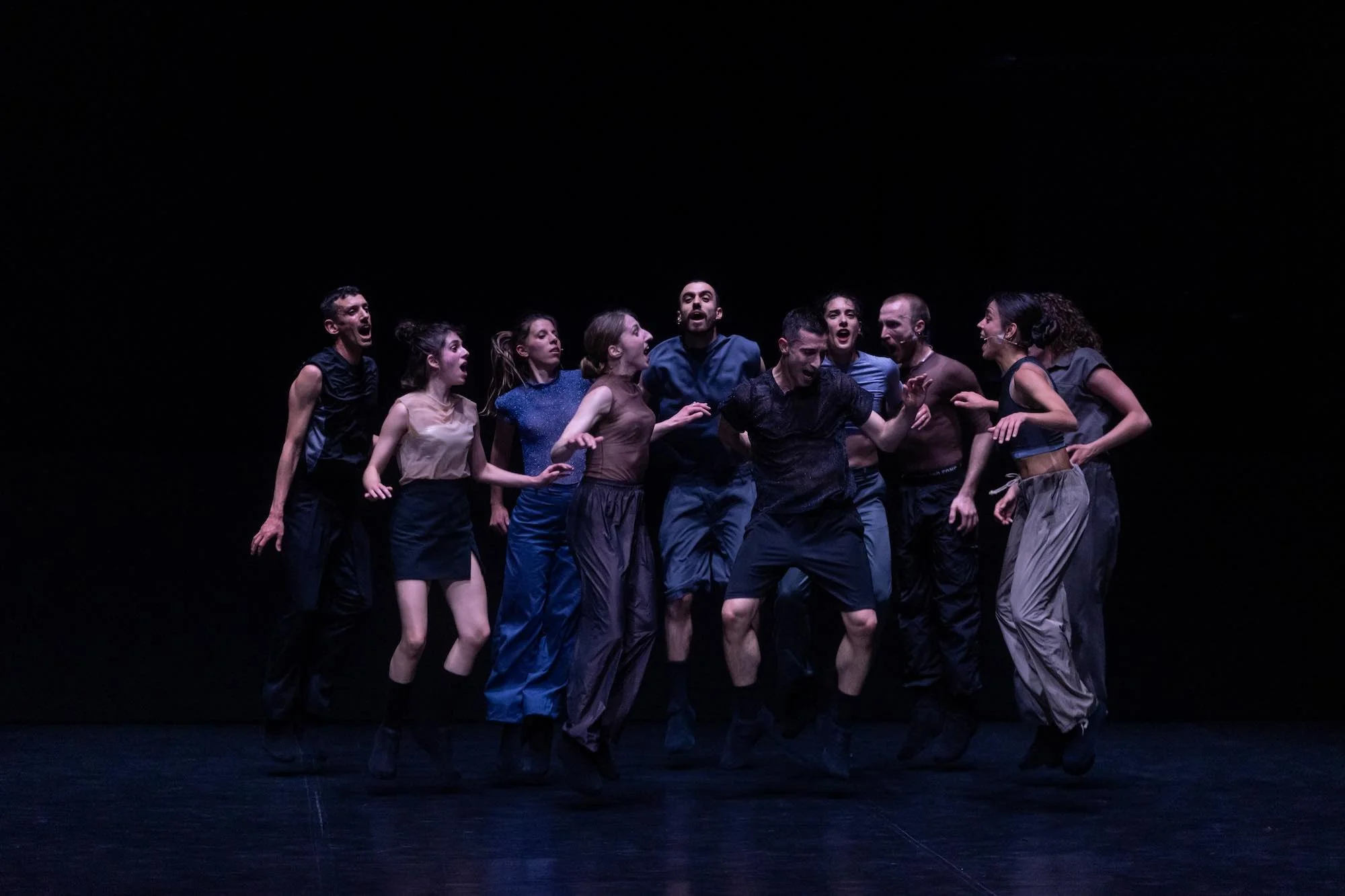
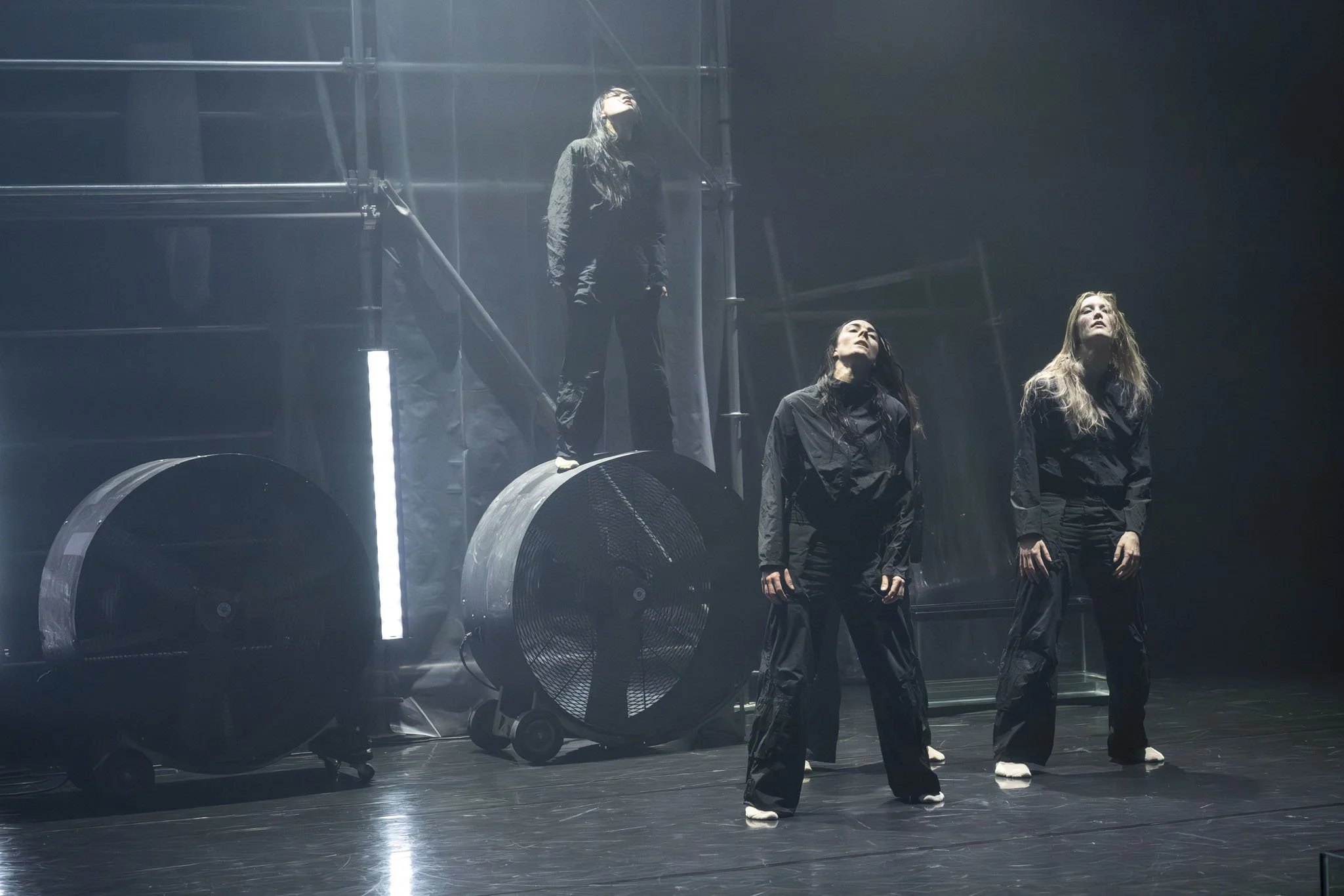
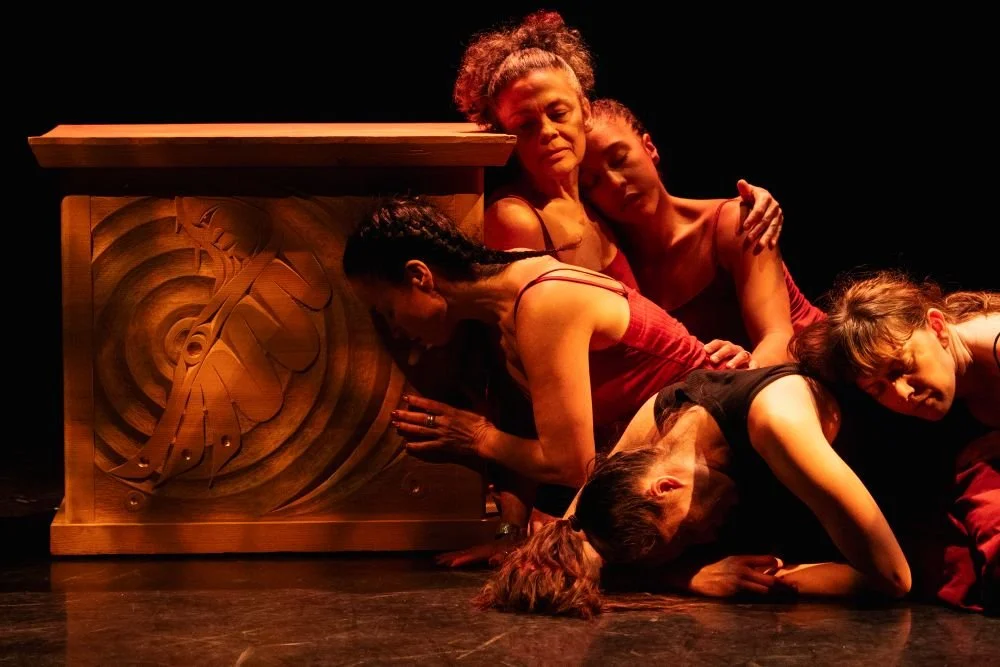
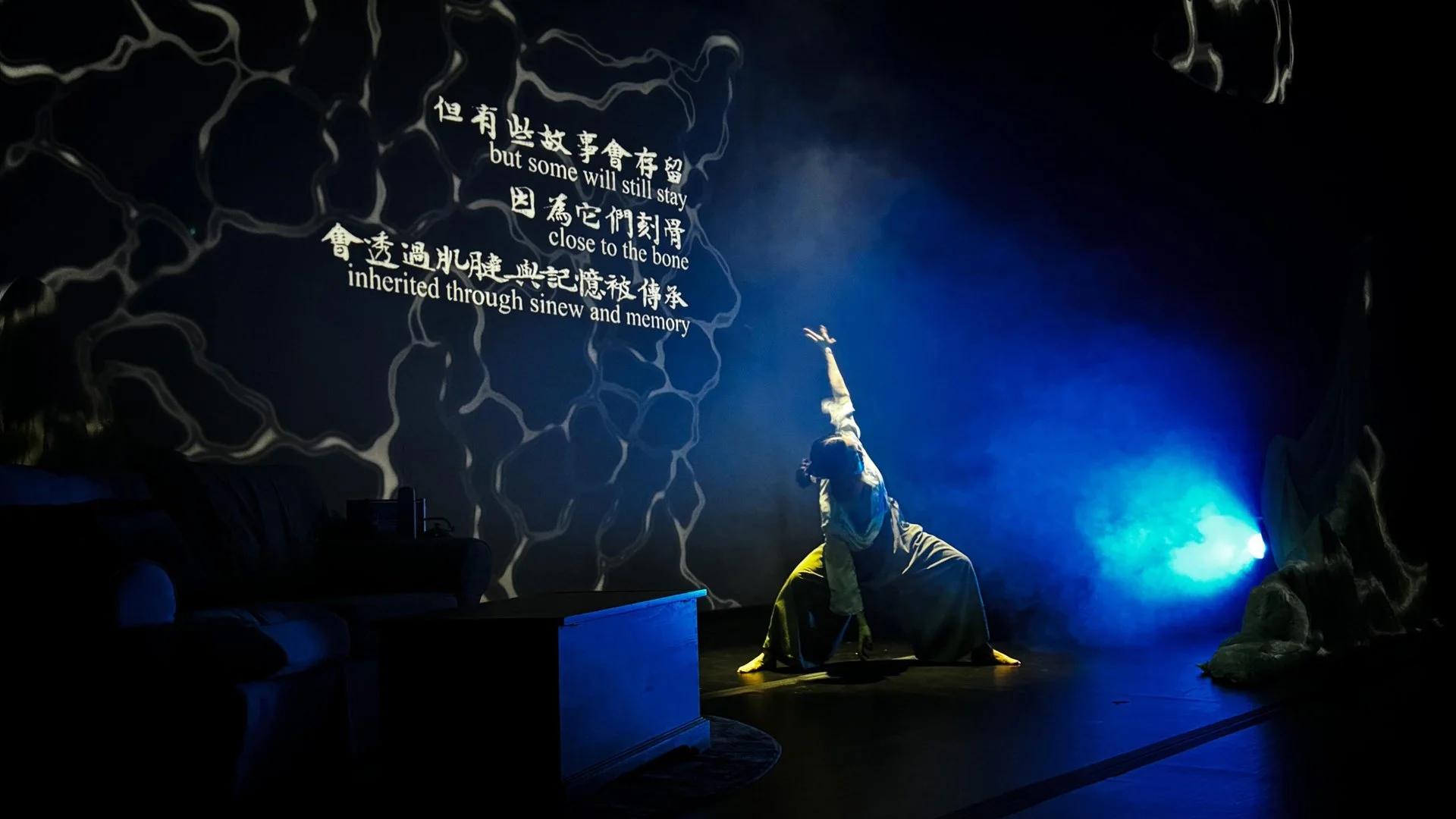
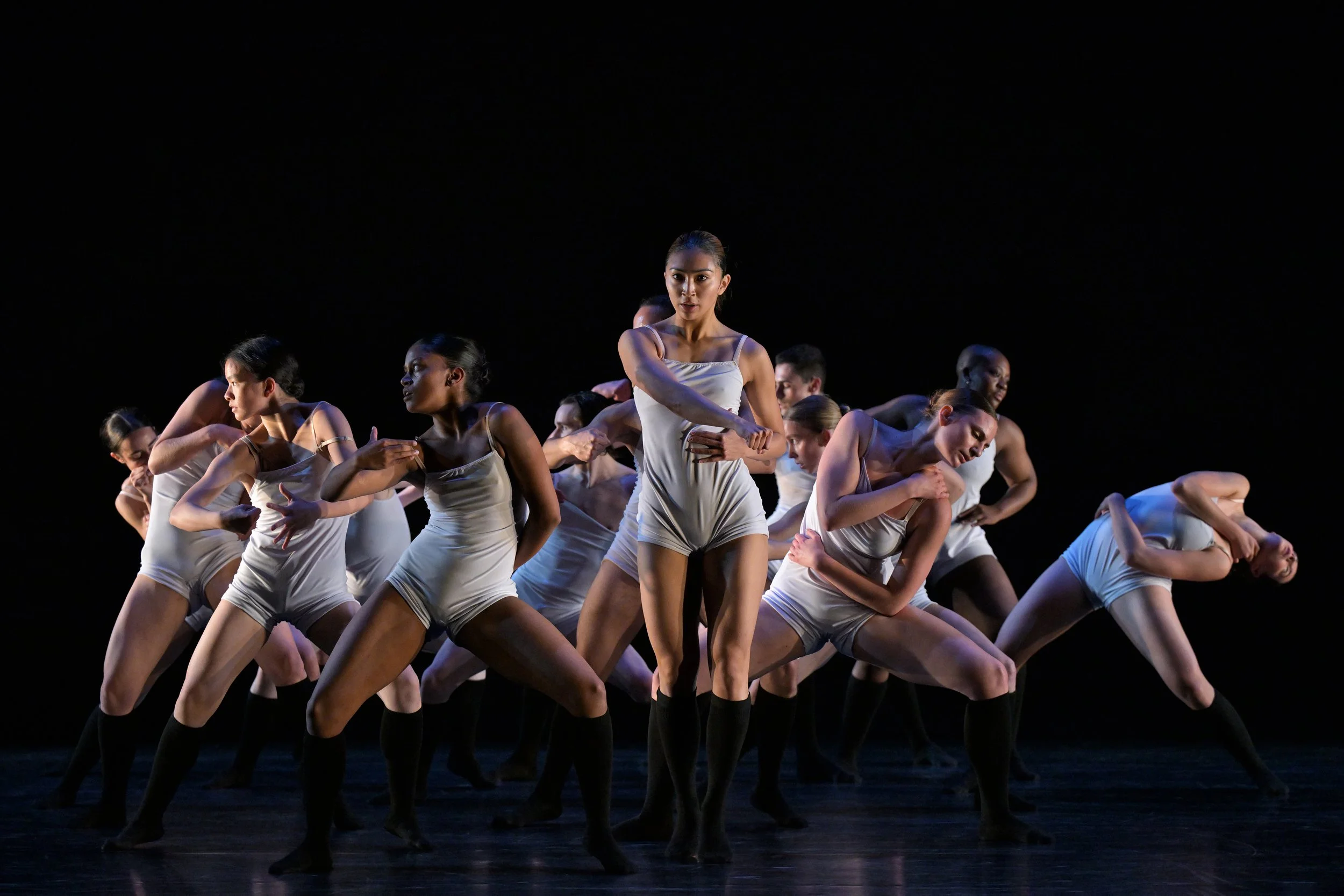
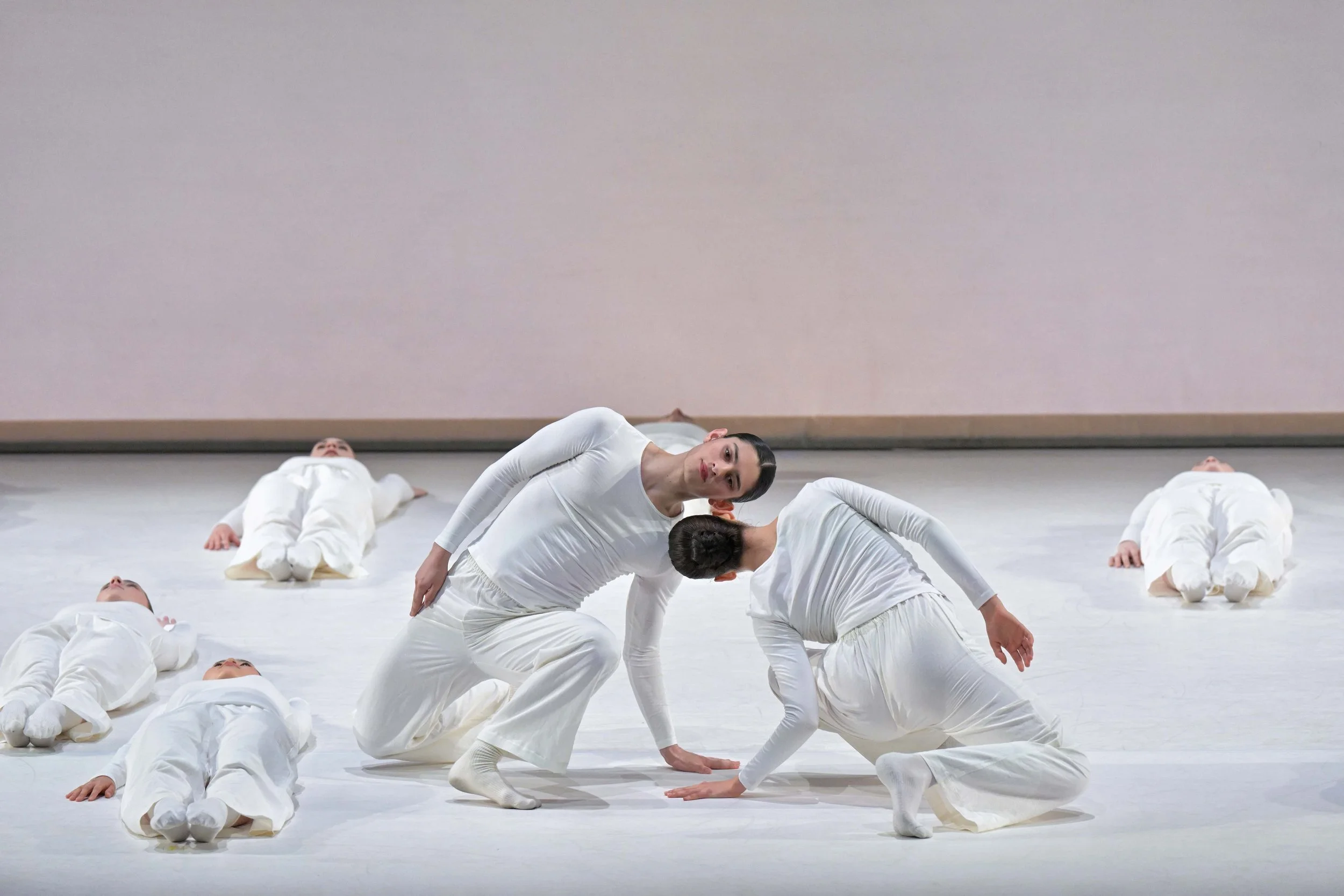
In T’əl, the rising artist reinterprets an age-old Indigenous story through the language of flowing ballet in surprisingly stripped-down, striking form. Passed down through generations, the tale challenges the Grimm brothers for sinister details: T’əl grabs children, totes them off to the forest in a basket made of snakes, sticks them to the ground with tree sap until he’s ready to roast and eat them. In Fraser-Monroe’s execution, many of those details become abstracted—T’əl is less a movie monster than a shadowy presence, and the plot is suggested through flowing dancers dressed in Asa Benally’s warm cedar-tone costumes and carved out by Scott Henderson’s atmospheric lighting.
T’əl’s great strengths are the warm, unaffected voiceover of storytelling Elder Elsie Paul, sometimes in English, sometimes in Ayajuthem, as well as cellist Cris Derksen’s haunting, driving score that mixes ominous strings, pow-wow drums and chants, and electroacoustic flourishes. Highlights of the choreography include Fraser-Monroe’s gorgeous morphing formations—multiple arms folding delicately around each other to create single, fluttering organisms onstage. Other abstracted moments include a troupe of dancers en pointe who transform into a cloud of black, swirling “no-see-ums”.
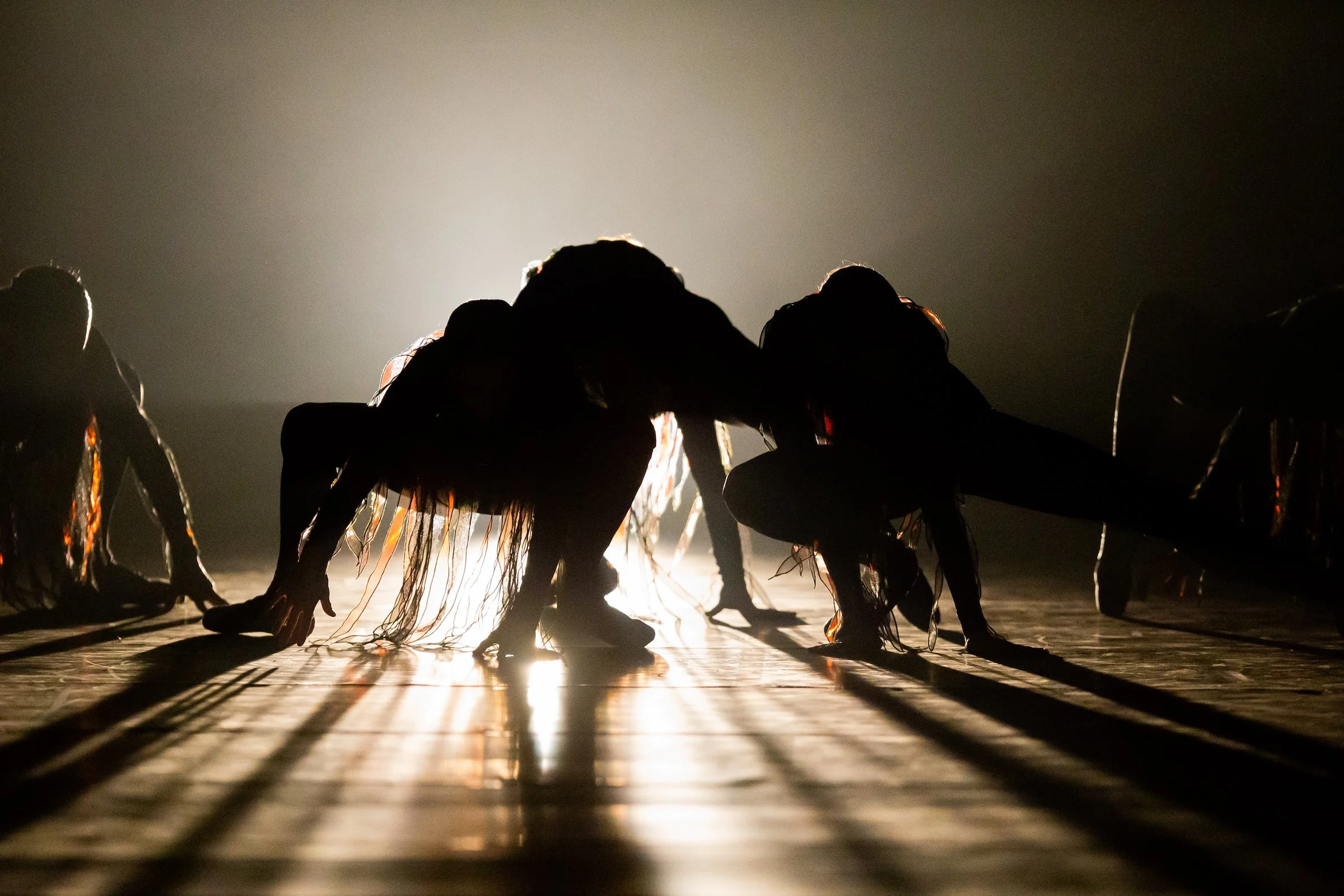
T’əl: The Wild Man of the Woods. Photo by Daniel Crump
It feels like only the beginning of an entire new way of interpreting ballet, and signals a long, rich career to come for Fraser-Monroe.
The RWB’s older work Carmina Burana, by Argentinian choreographer Mauricio Wainrot, takes a similar, stripped-down approach to a piece that often attracts outsized set pieces and bawdy action. (Just over 20 years ago, Ballet BC staged a John Alleyne version that culminated in an apocalyptic downpour of black feathers and dead crows; other stagings have included gargantuan clocks and drunken monks.)
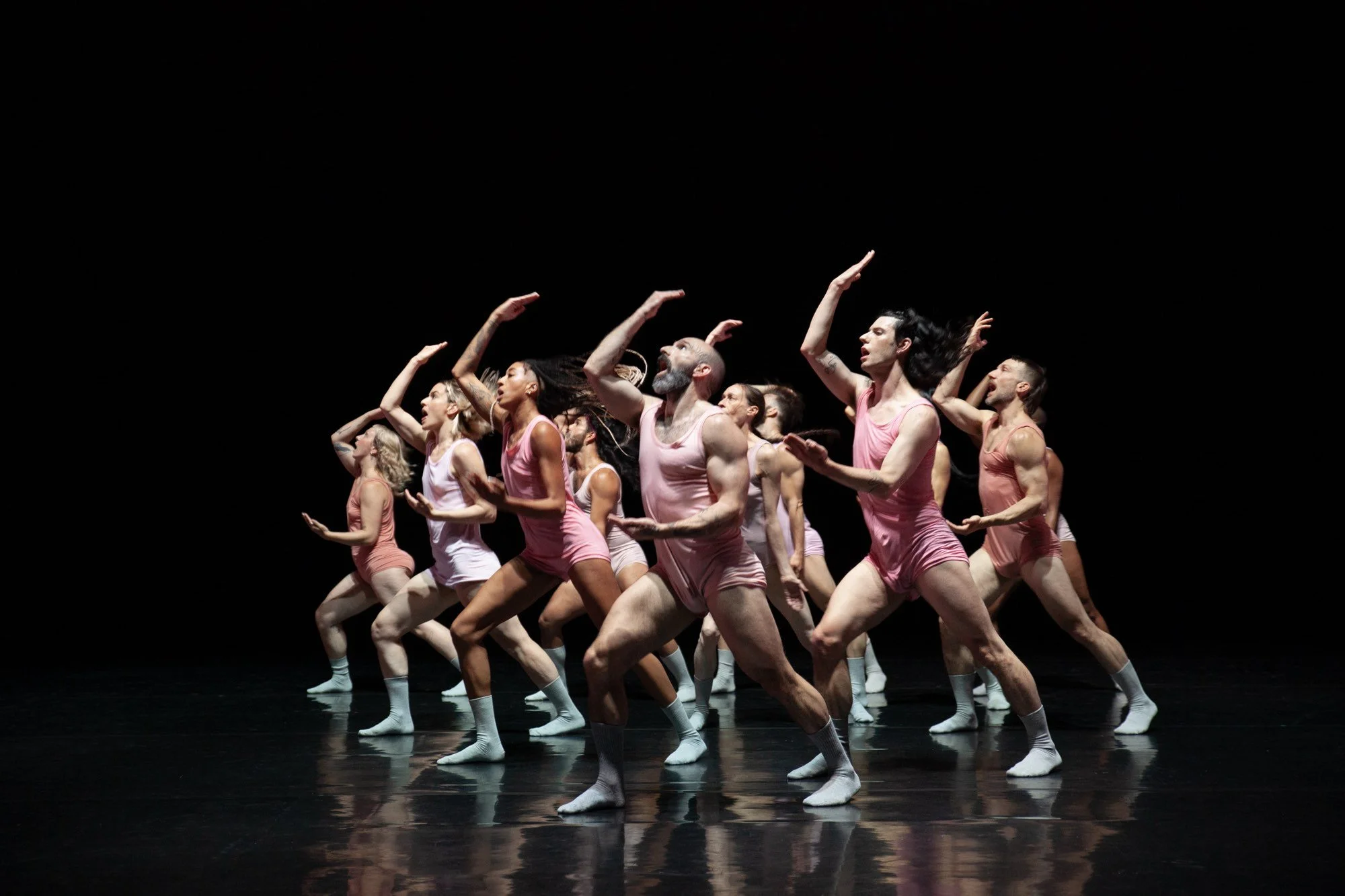
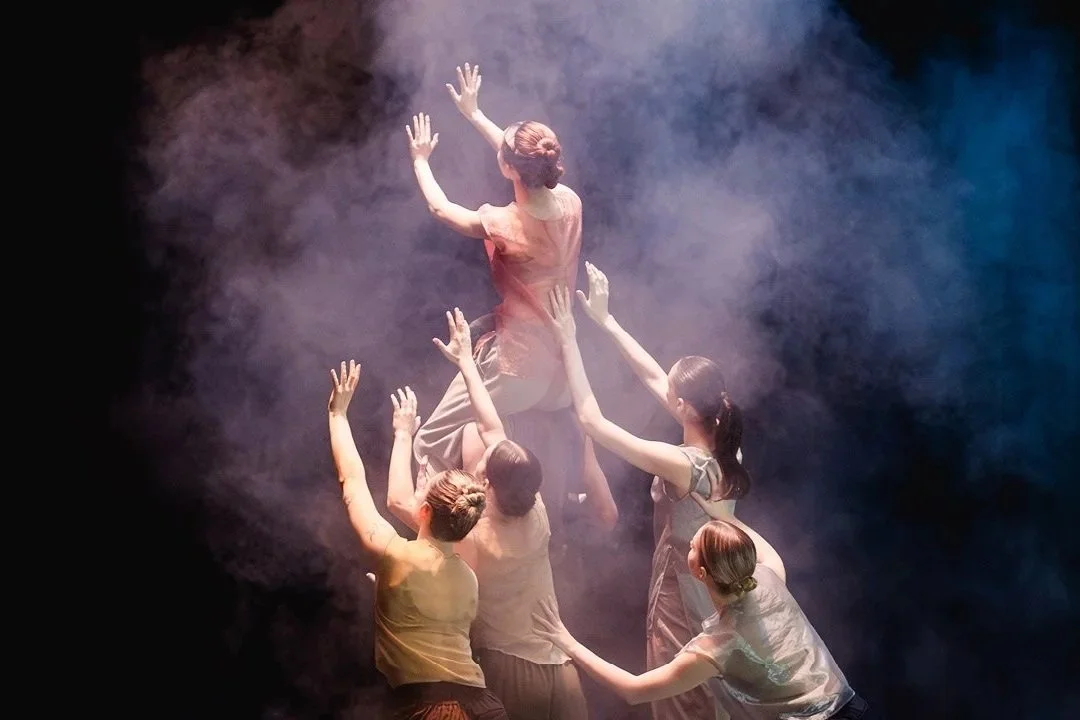
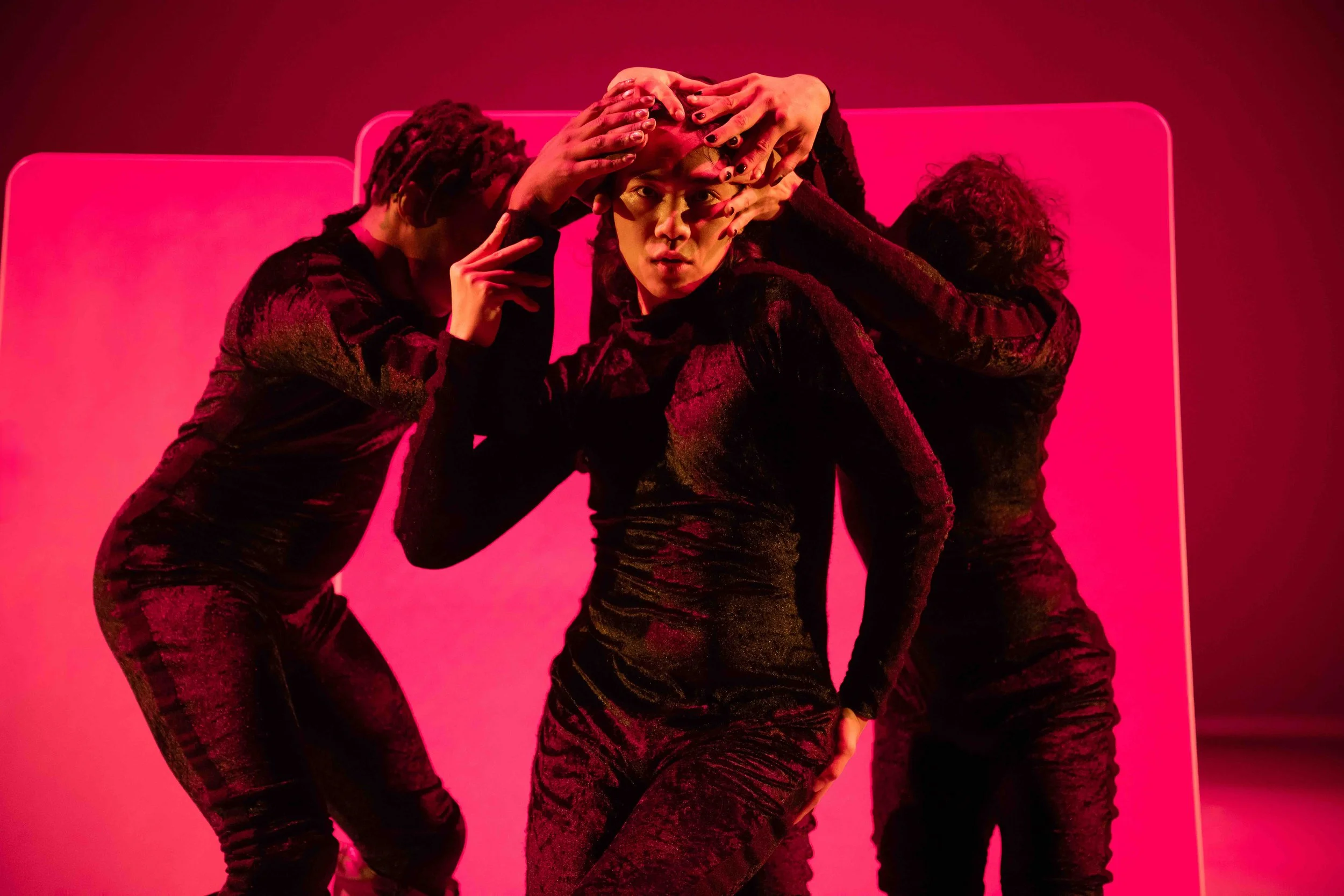
The ritualistic moments find bodies crouching in billowing skirts, straight arms propelling them into endless, powerful turns. Later, athletic lifts suggest crosses and stars. About the only set pieces are a series of contemporary-feeling screens on wheels that cleverly become upright beds for several couples in one memorable moment.
Wainrot is less interested in Carmina’s Latin textual content than in masterfully channelling the rhythms, soaring vocals, and eclectic wind and xylophone bursts into fluid, modern ballet. As for the work’s famous hedonism, it’s toned down. Even one of the most erotically charged moments, of a woman straddling a man, becomes beautiful: a crowd lifts the copulating bodies skyward, while a chorus of dancers circle hand in hand, turning the entire scene in a twirling mobile sculpture.
A note that without a live performance of the music, the ballet can feel slightly less biblically scaled in its intensity. (In a Ballet Estable rendition of Wainrot’s same work I caught a few years ago at the storied Teatro Colón in Buenos Aires, several choirs sang from the balconies and a full orchestra played beneath the dancers.)
Still, especially in its partnering and lifts, there is some thrillingly gorgeous dancing here, the work building to a dizzying finale.
Perhaps the biggest revelation in the evening is how versatile and unifying the nonliteral language of ballet can be, here reinterpreting age-old stories from different parts of the world: the musings of 14th-century monks and the boogey-man stories passed down through generations of Indigenous people. 

Related Articles