Ensemble Made in Canada prizes versatility as it explores new works
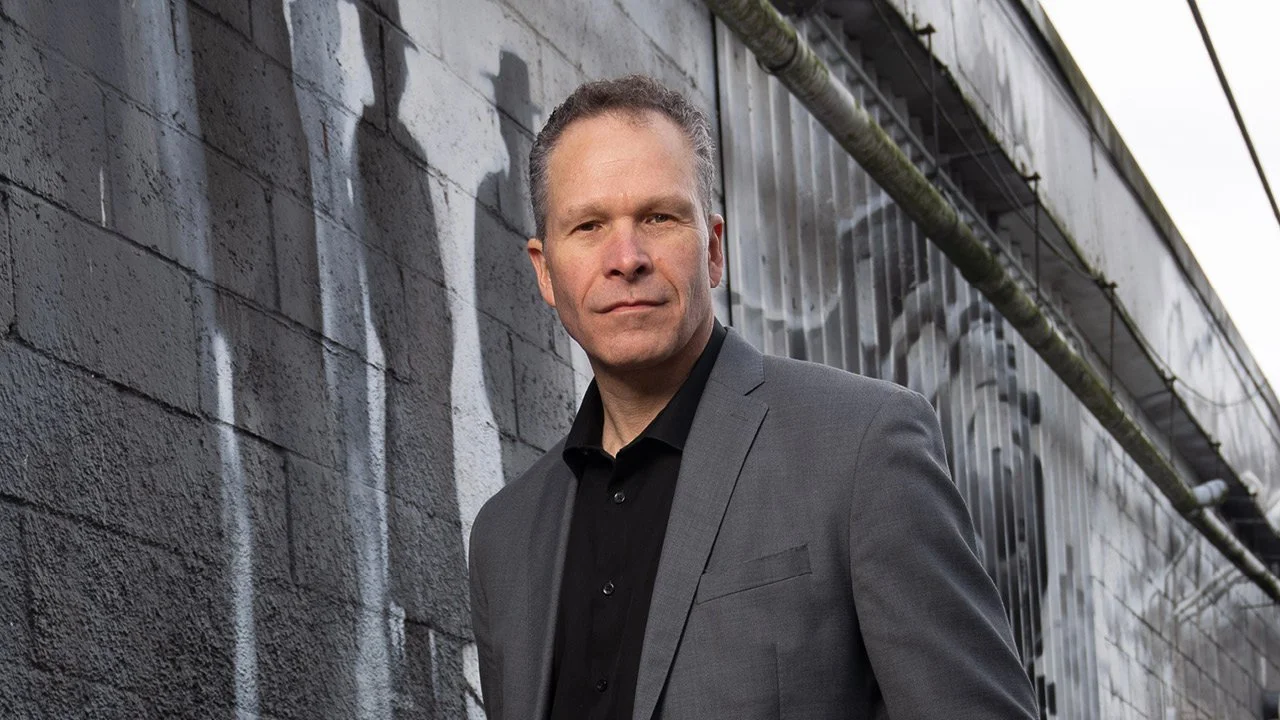
Pianist Philip Chiu stretches his skills as one of the acclaimed quartet’s newest members, appearing at the Chan Centre
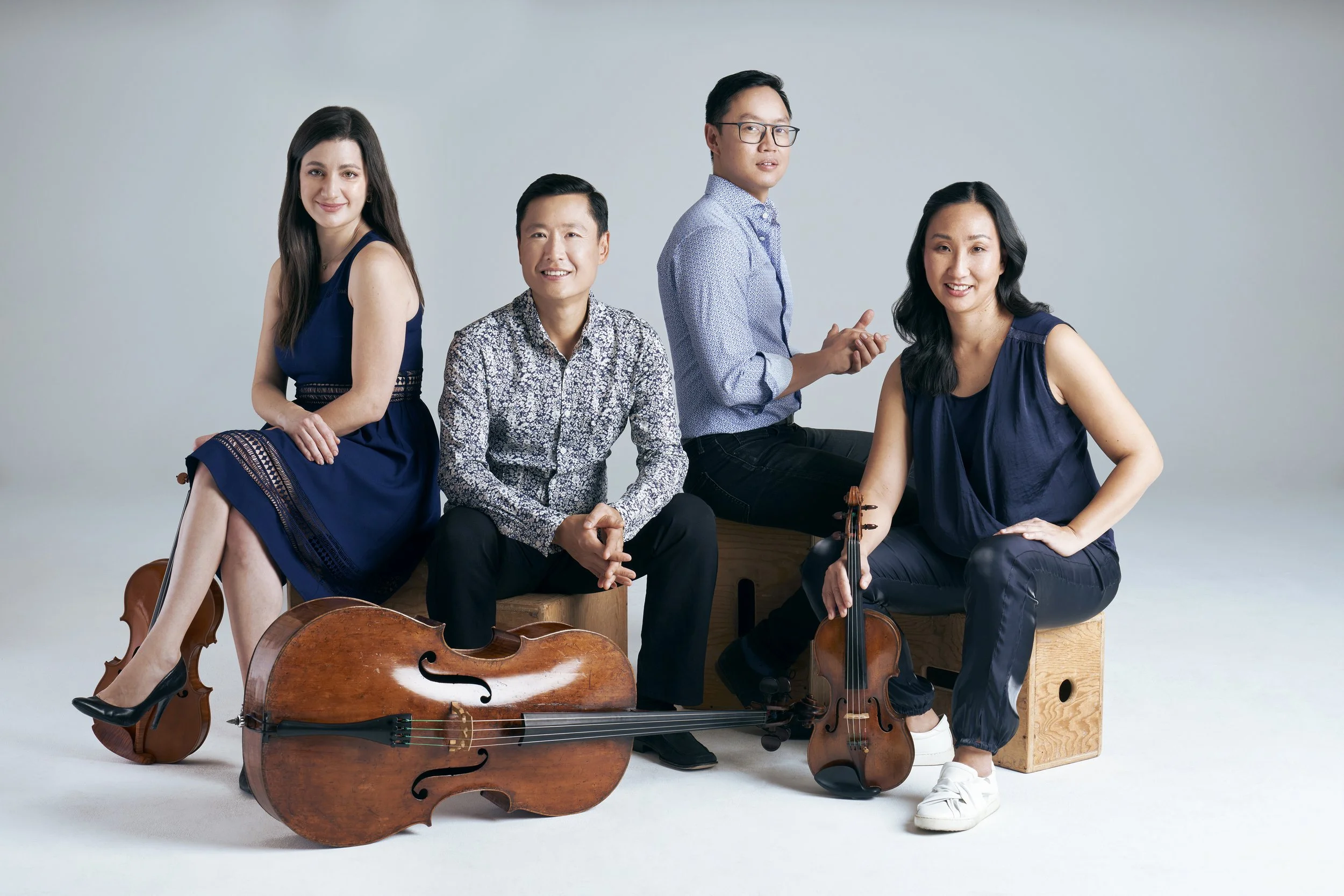
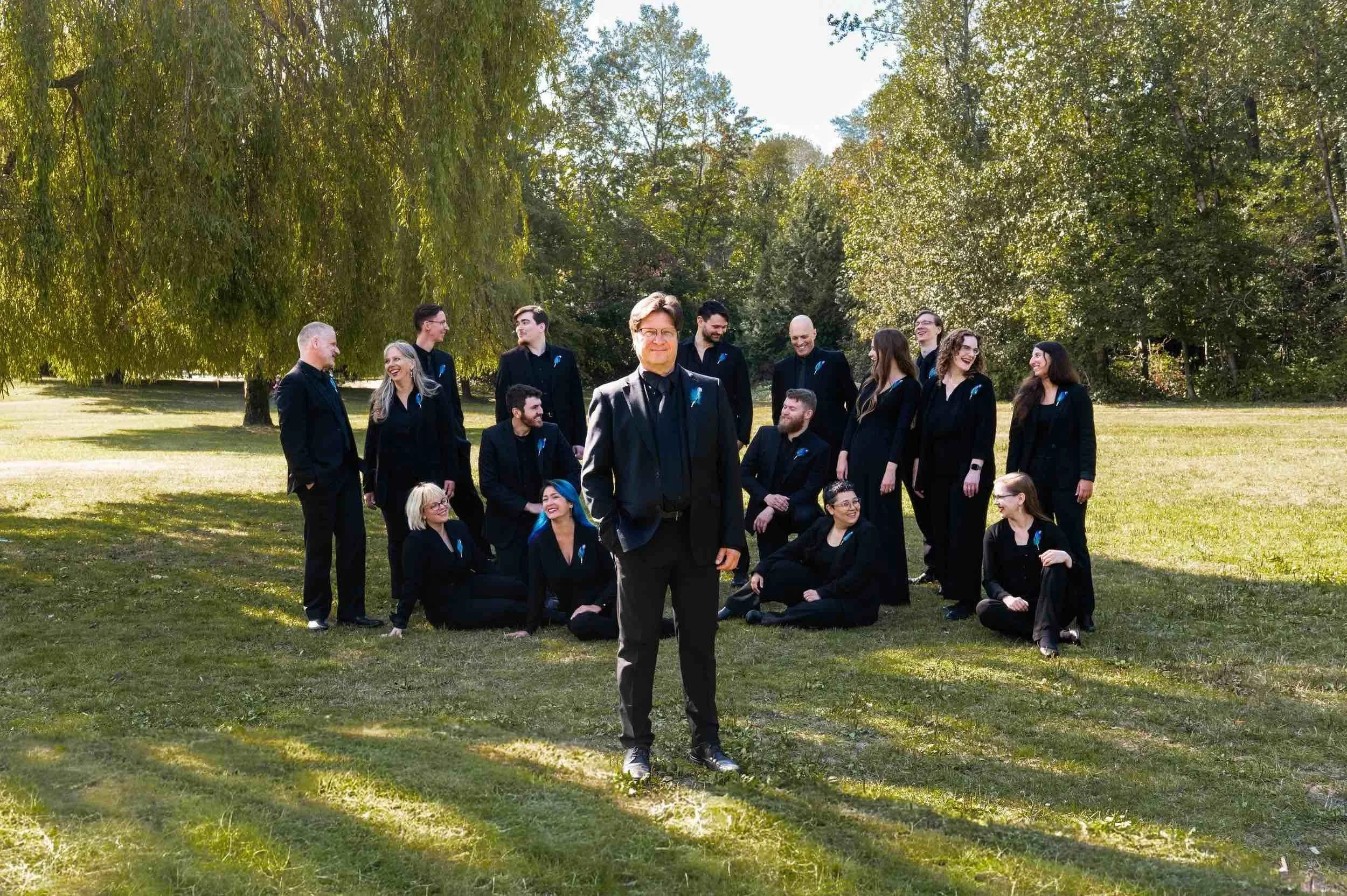
Ensemble Made in Canada
Ensemble Made in Canada is at the Chan Centre for the Performing Arts’ Telus Studio Theatre on March 27 at 7:30 pm
WHAT’S IT LIKE TO join a chamber-music group that’s already had a surprising amount of acclaim for commissioning works by Canadian composers, but is also in the midst of a big transition?
Ensemble Made in Canada’s recent addition, pianist Philip Chiu, says it’s a little bit like becoming roommates.
“Sometimes you’re moving into a house where there’s been long-standing members: individuals with their idiosyncrasies and their way of doing the dishes and their way they keep the bathroom clean and and the way they keep to themselves, or don’t,” says the affable and down-to-earth musician, reached at home in Halifax, Nova Scotia. “It’s such an interesting thing to step in, then, as a new member of that household. You bring in, of course, your own preferences and styles, but you also want to feel out what it is to offer something of yourself and to see how the group coalesces around a different way of approaching a rehearsal, or a different way of approaching music.
“What’s interesting about our case is that when I stepped in, the membership was changing quite a bit,” he continues. “Of the four-person household, three of the members had more or less stepped away at around the same time, for different reasons. And so ours is an unconventional restart, I would say….As far as our music-making and our styles and our individuality, it’s really a whole new household. There’s no other way to put it.”
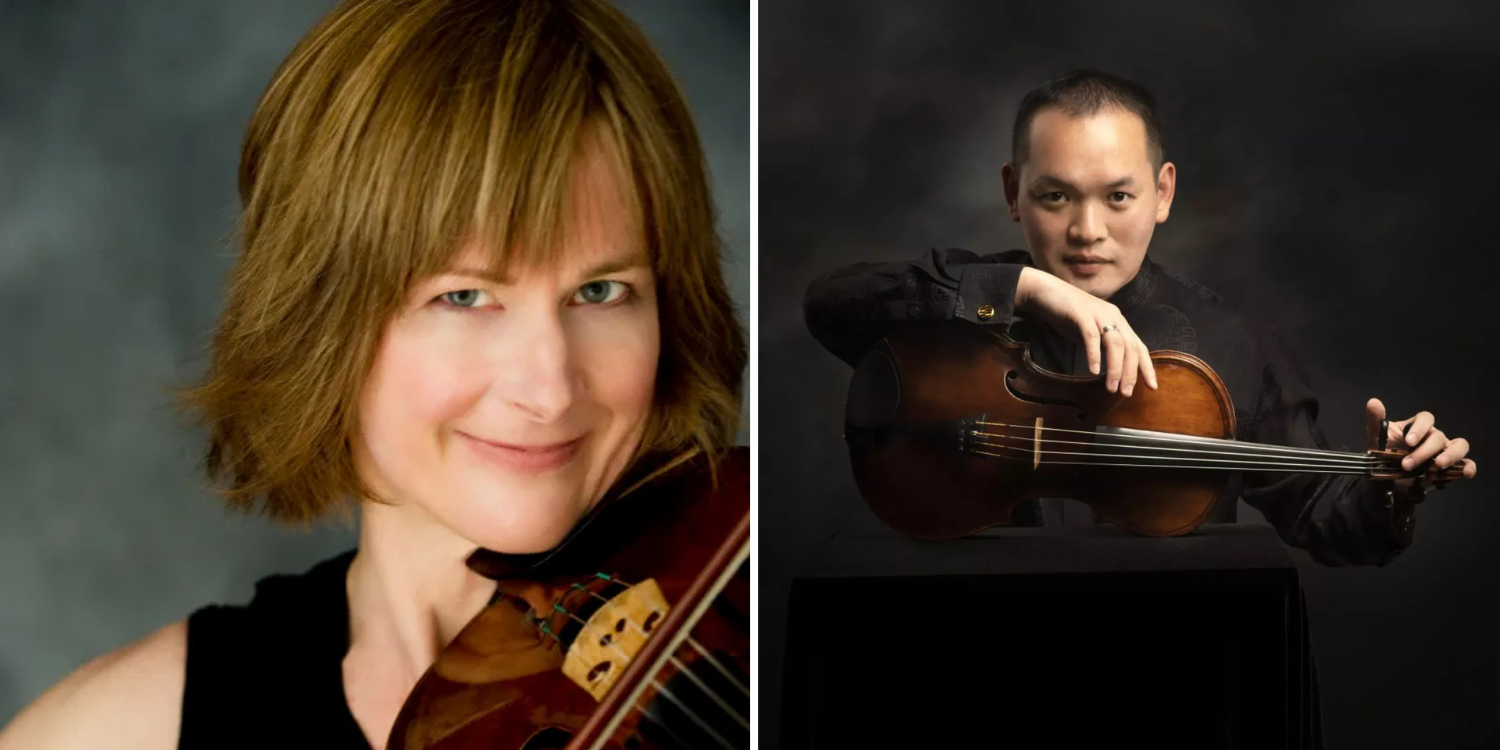
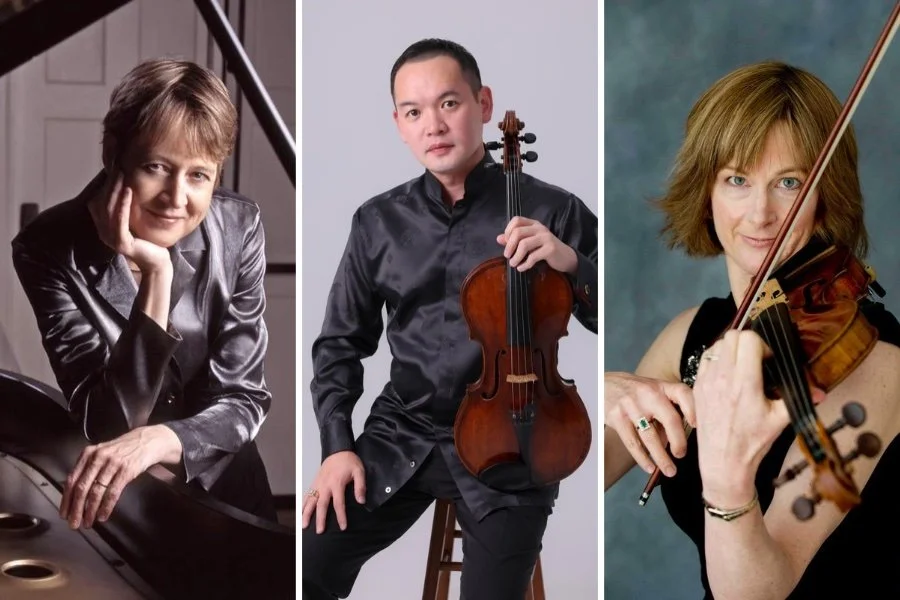
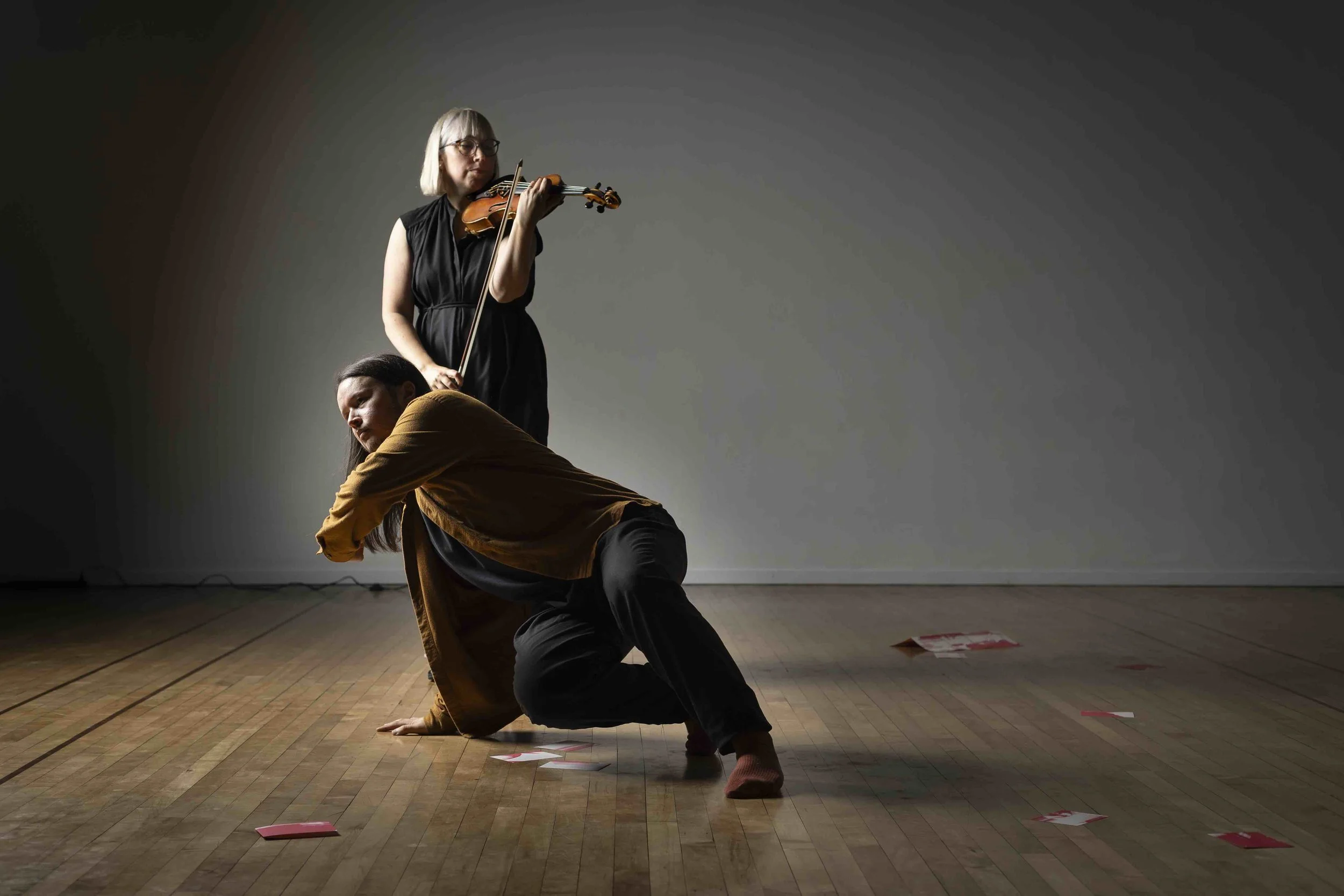
To hear more about Ensemble Made in Canada’s genesis, and especially about its Juno-Award-winning Mosaïque project, it would be best to contact its founder, violinist Elissa Lee—but at press time she’s on holiday and apparently out of cellphone range. Chiu wasn’t in the chamber quartet when it commissioned a 60-minute suite of piano quartets from 14 Canadian composers, inspired by each of Canada's provinces, territories, and Indigenous regions, and didn’t play on the ensuing record. Still, he readily admits that he’s “honoured to champion” the ensemble’s ongoing engagement with a diverse and innovative cast of Canadian composers, and looking forward to joining Lee, violist Sheila Jaffé, cellist Trey Lee, and special guest Wesley Hardisty at the Chan Centre for the Performing Arts on Friday, March 27.
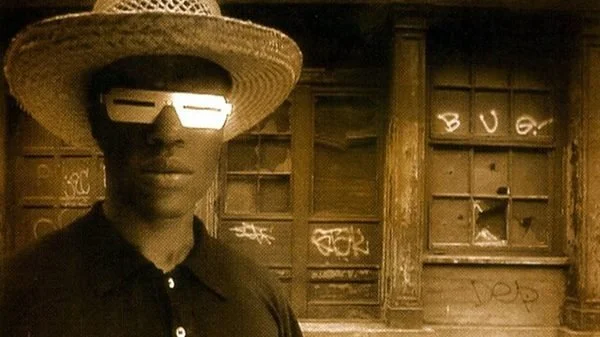
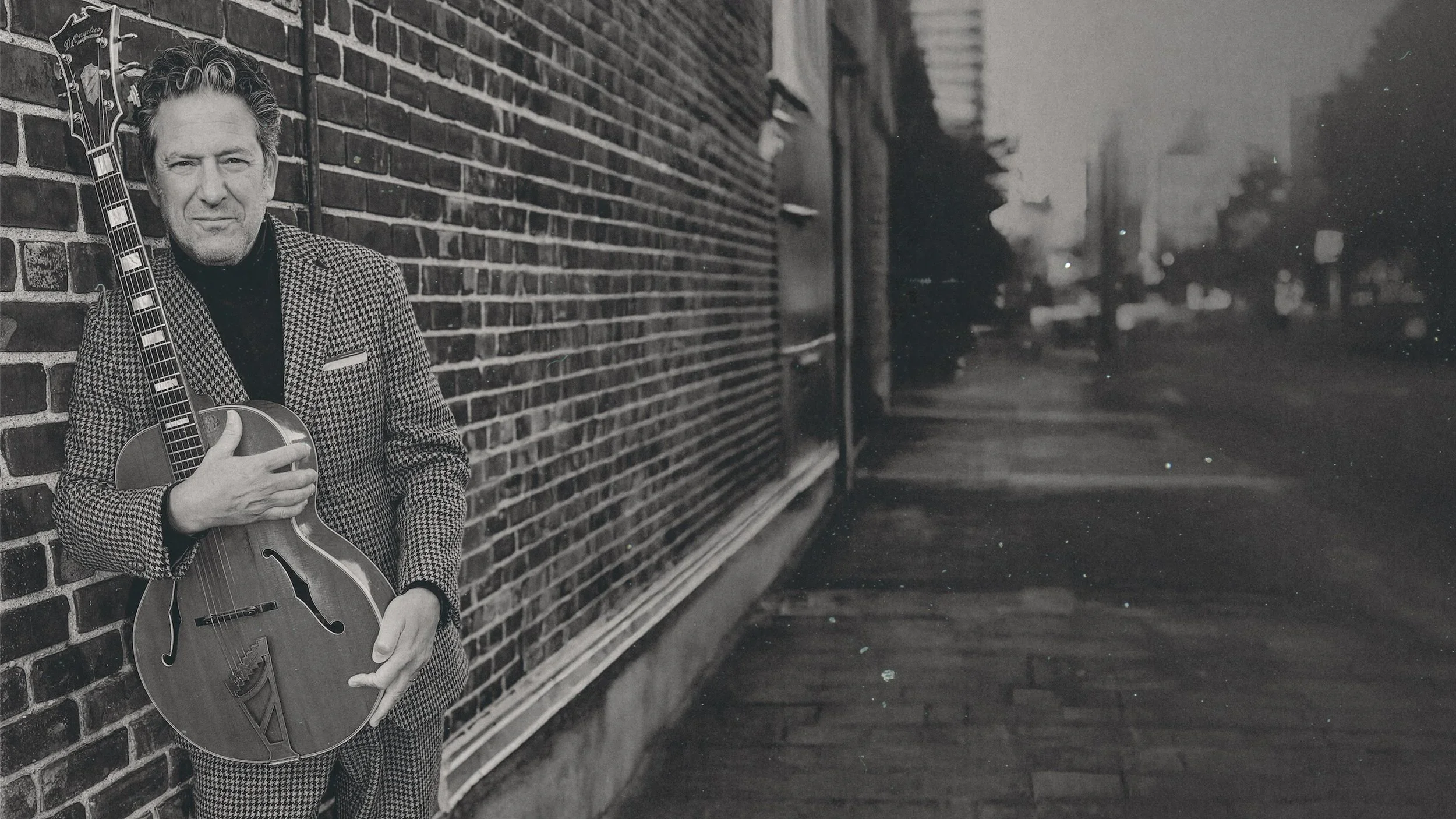
Wesleyville is a stretch for the versatile pianist in more ways than one—especially given that he literally didn’t know what he was in for when he agreed to work with Hardisty, a native of the Northwest Territories now living on Salt Spring Island, and composer Carmen Braden, of Yellowknife. This much is evident from the quartet’s Chan Centre program, which retains only one piece—Andrew Downing’s Red River Fantasy—from Mosaïque. Otherwise, it looks back to the glories of the classical past, in the form of Gabriel Fauré’s gorgeous but rarely heard Piano Quartet No. 2 in G minor; nods to the state of contemporary music south of the border with Caroline Shaw’s A Thousandth Orange; and throws the new kids into the deep end of what might be the group’s next recording project, by way of the collaborative composition The Road to Wesleyville. (Dene fiddler Hardisty is the undeniable star of the latter, and will also perform a short solo set.)
It’s a stretch for the versatile pianist in more ways than one—especially given that he literally didn’t know what he was in for when he agreed to work with Hardisty, a native of the Northwest Territories now living on Salt Spring Island, and composer Carmen Braden, of Yellowknife.
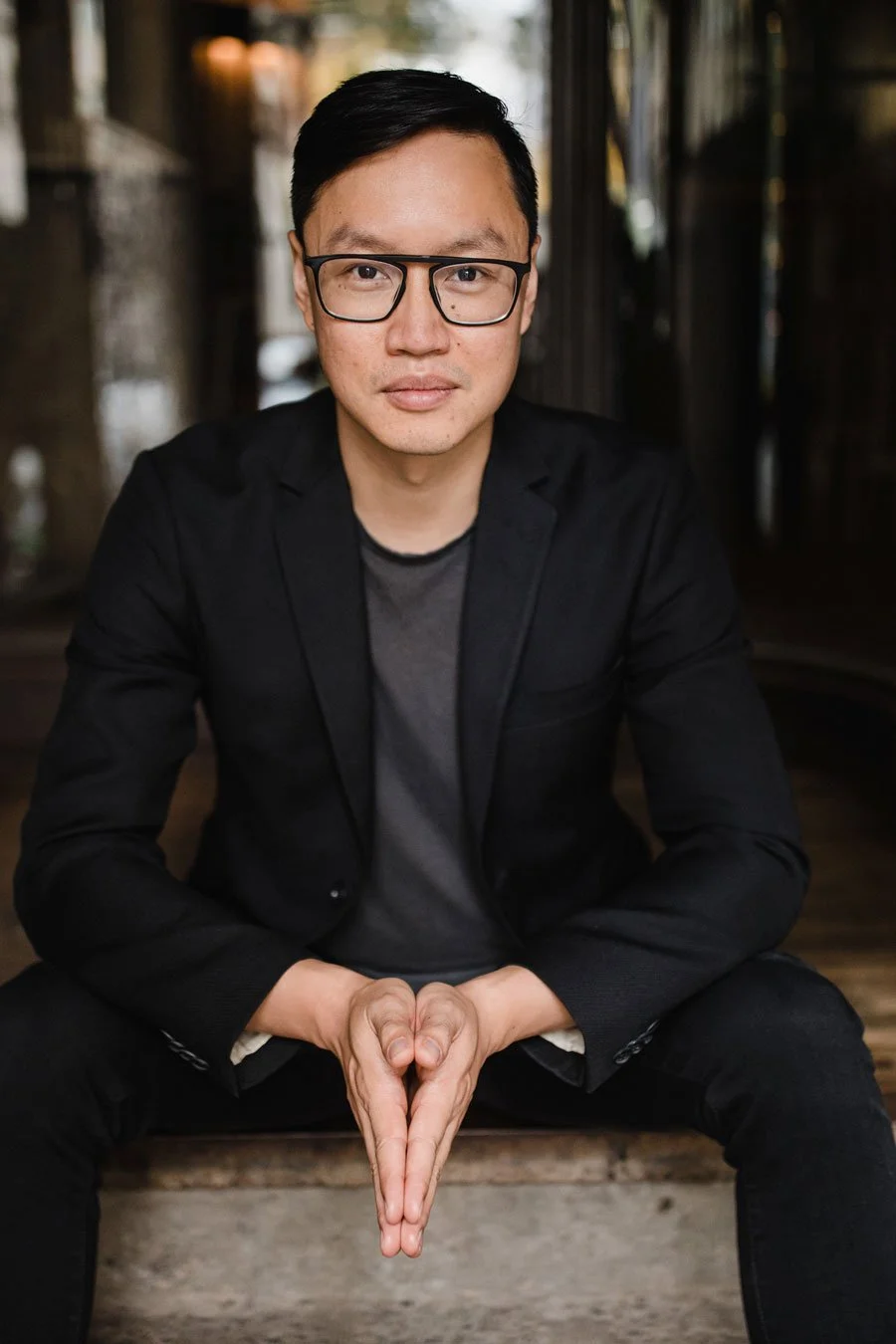
Philip Chiu
“We thought we were showing up to work on a piece that Carmen had written,” Chiu says, laughing at the misunderstanding. “You commission a work from a composer, the performers show up, and then you all work on it. And I was a bit surprised that we didn’t get the score ahead of time. I was just a little bit confused, but then when I got out there I realized that, basically, not a single bar had been written, and I went ‘What’s going on?’ And that was my mistake. I hadn’t really taken it seriously enough that this was an exploration. Wes had taken some time to write a few tunes, and Carmen had transcribed them, but otherwise we were there to see what could come of it.
“It became this kind of collaborative compositional process, where we just decided together what was possible, and how we could come together in a way where we would all be comfortable enough in our own styes that we could write a work that people would want to listen to—and that’s where we’ve landed!”
It was an entirely new way of working for Chiu—and a kind of personal liberation.
“There are plenty of talented classical musicians with really strong improvisatory chops, but I’m just not one of them,” he allows. “And as one of those it just took so long to drop my guard about feeling embarrassed about offering something that might not be a good idea—or to offer something that might end up being a great idea. It was funny how scared I was to offer something, because I just assumed that it was going to be stupid, or that it was dumb, or that it wouldn’t work.
“As interpreters,” he adds, “we stand on the shoulders of tried and tested and true music. Like, in so many ways the hardest work is already done. I don’t have to worry if the Moonlight Sonata is a good piece of music. I don’t have to worry about whether Prokofiev 7 or this or that is a good piece of music. I’m not putting myself out there in a way that really puts me on the line. So an experience like what we’ve had with Wes and Carmen has opened my eyes to how we could all try way more things.”
Further collaborations with Hardisty and Braden are in the cards, and Chiu has already begun to teach courage to his Dalhousie University students. “Don’t start with the rules of what is right or wrong,” he says. “Start with what feels right, with what could be cool or what pulls your attention. Then follow that to its logical conclusion—and avoid self-censorship before it’s even begun.” 

Related Articles