Stir Q&A: Mireille Lebel and Rachel Fenlon dish on new dance-opera meld Pierrot entre 3 lunes
Vancouver team that includes Ne.Sans Opera & Dance reimagines the clown in Schoenberg's Pierrot lunaire at Festival d’opéra de Québec
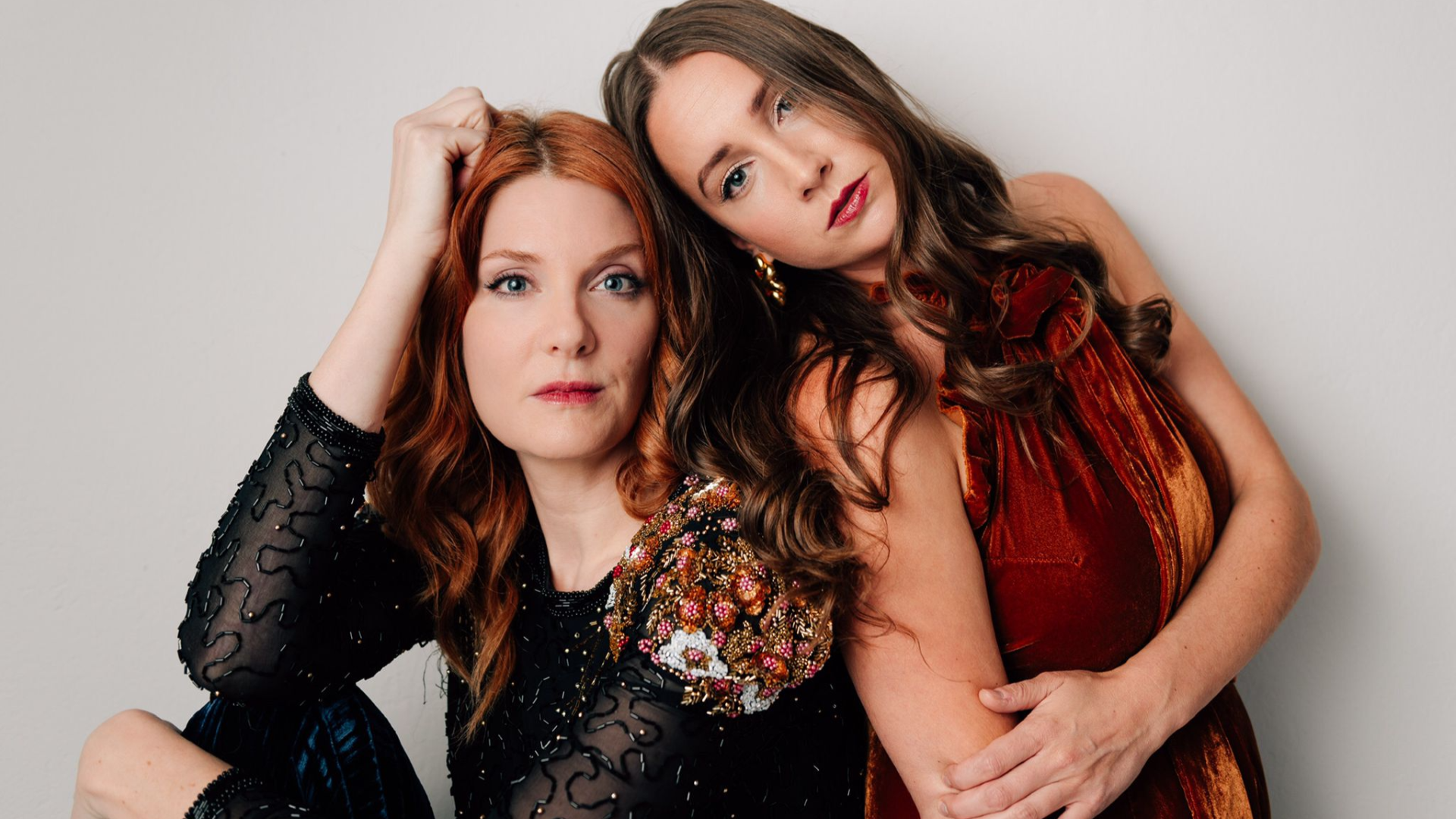
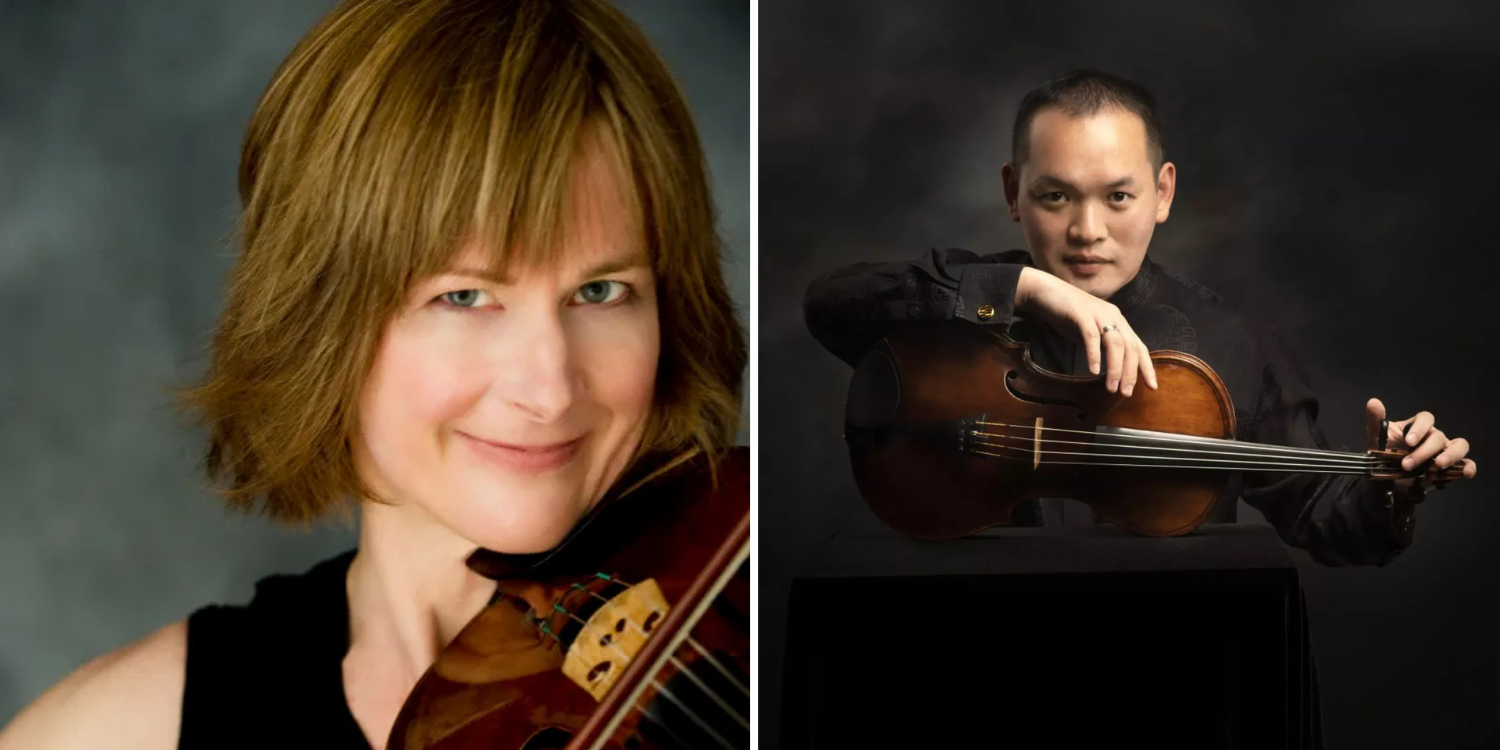
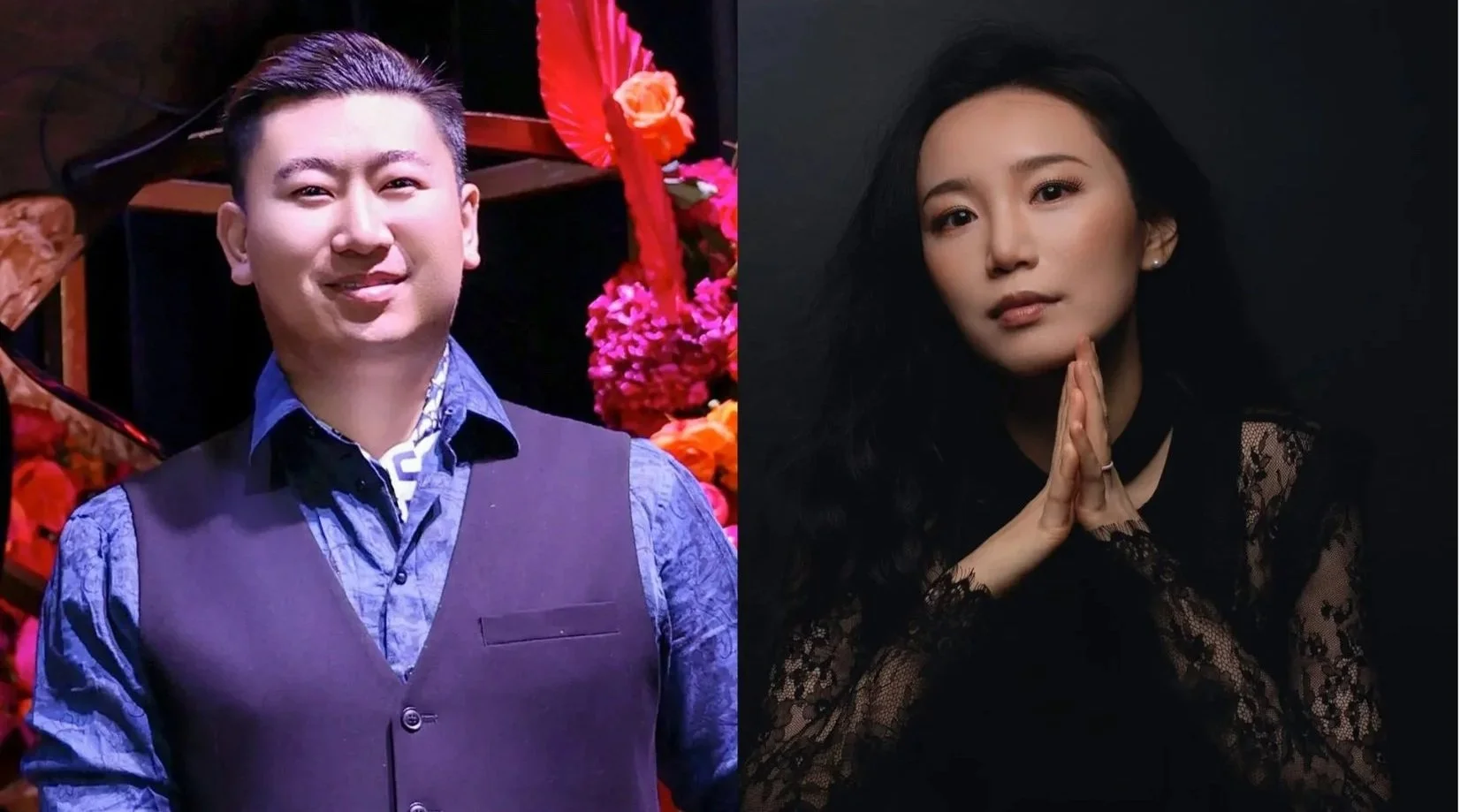
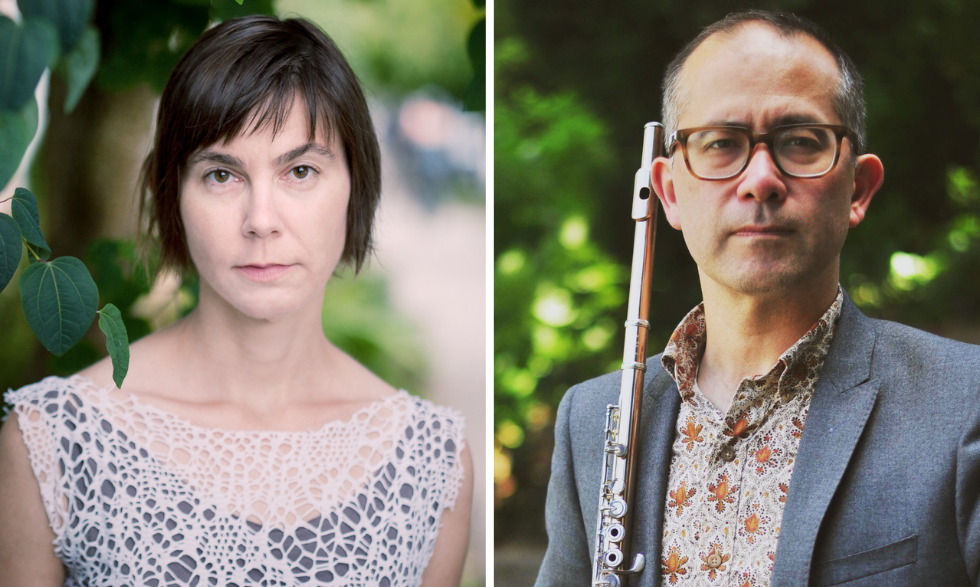
Crown the Muse’s Mireille Lebel and Rachel Fenlon.
VANCOUVER IS MAKING a splash at Festival d’opéra de Québec this summer.
All five of the main artists behind the form-pushing staging of Pierrot entre 3 lunes—a bold, female-led reimagining of Arnold Schoenberg’s Pierrot lunaire—have deep B.C. connections. It’s the brainchild of operatic singers Mireille Lebel and Rachel Fenlon, cofounders of Crown the Muse, who have collaborated with Israeli-Canadian choreographer Idan Cohen, of Vancouver’s Ne.Sans Opera & Dance, on the project.
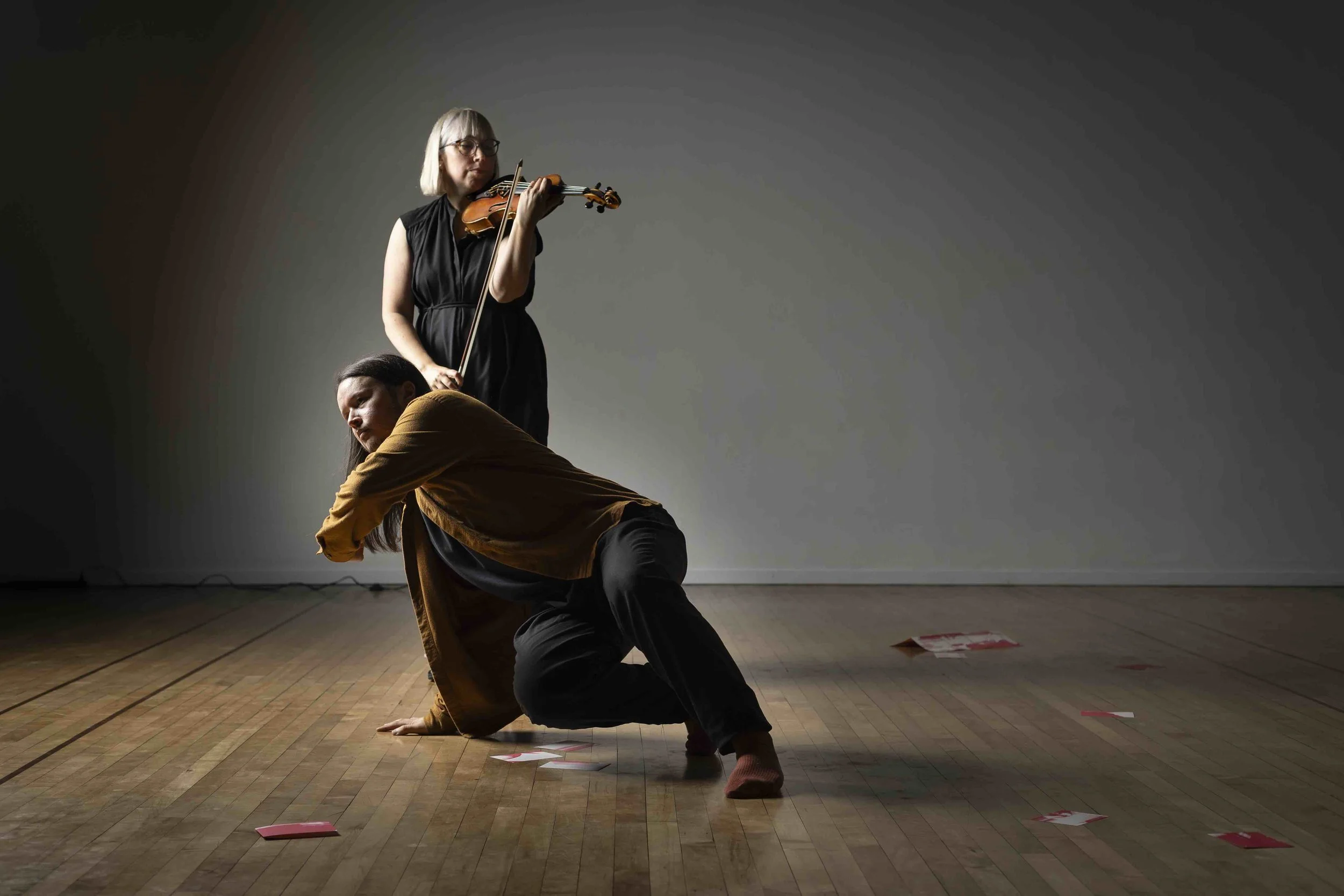
In the poetic work, which blends original electro-pop compositions and contemporary dance, mezzo Lebel and soprano Fenlon share the role of Pierrot, joining Vancouver dancer Will Jessup onstage. Fenlon, who is also a pianist, composed the new music to poems by the French writer Albert Giraud, from his collection Pierrot lunaire: Rondels bergamasques.
Pierrot entre 3 lunes debuts July 31 and August 2 at Quebec City’s Théâtre Périscope.
Stir caught up with these operatic innovators to ask them about the form-melding project and the complexity of the iconic clown character, Pierrot.
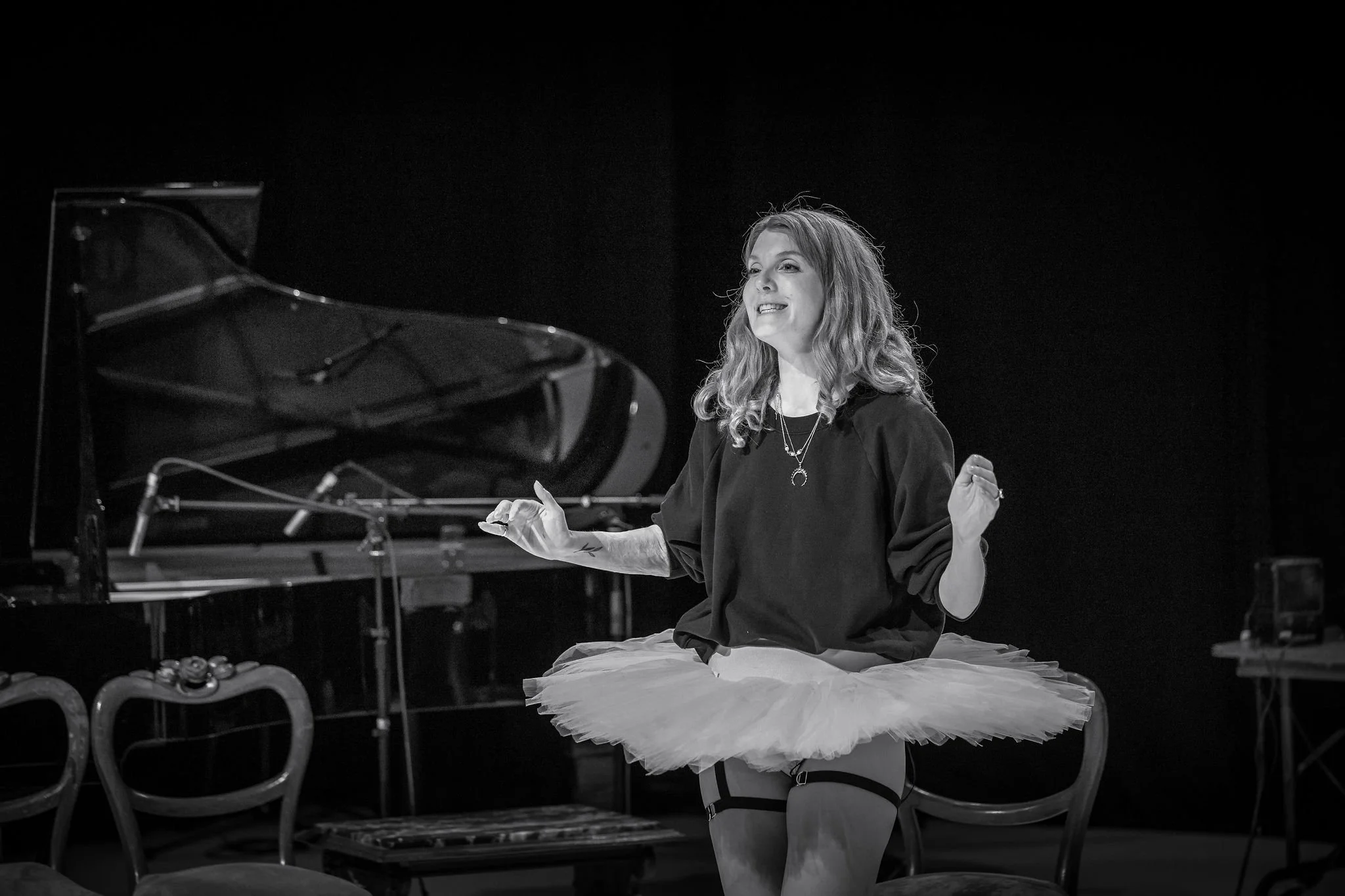
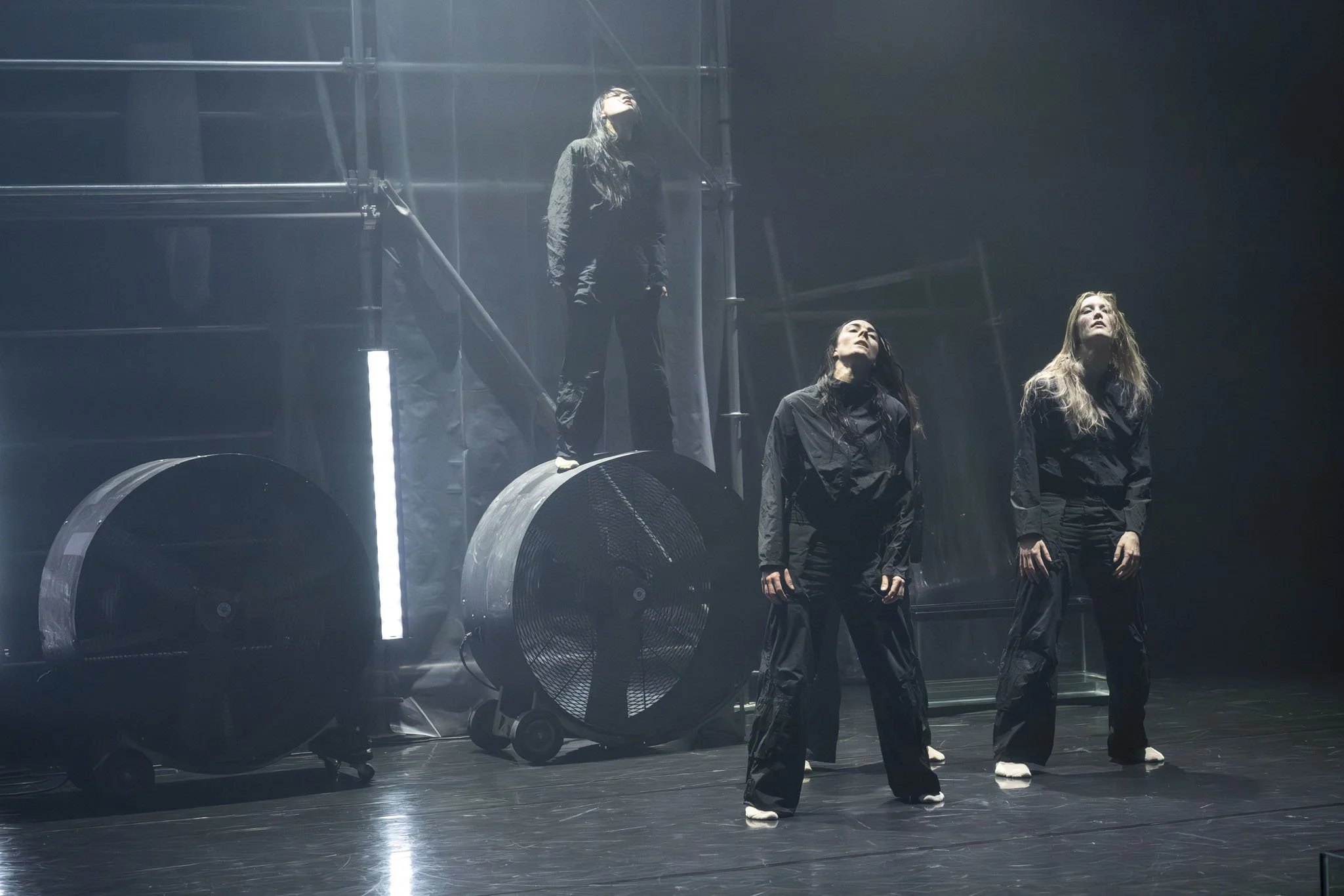
Mireille Lebel in rehearsal for Pierrot entre 3 lunes. Photo by Jessica Latouche
What drew you to Schoenberg’s Pierrot lunaire, and where are you taking it musically with the new compositions and electronic touches?
Rachel Fenlon: When composing Pierrot entre 3 lunes, I found myself simultaneously drawn toward and away from Schoenberg’s Pierrot lunaire. Schoenberg’s Pierrot shattered musical convention in 1912. Especially through his treatment of the voice, with Sprechstimme (spoken singing), he opened up an entirely new expressive register. This fracture still vibrates today. More than a century later, we live in a world of voices glitched, sampled, synthesized, and fluid between genres. I wanted to play with writing music that reflects our current musical world, and chose poems which Schoenberg did not set from Albert Giraud’s Pierrot lunaire.
Working with Idan's choreography, there must be a lot more movement than in a traditional opera. How has he integrated dance and did that feel new for you both?
Mireille Lebel: Oh yes. We are far from park-and-bark. The wonderful Vancouver-based dancer Will Jessup is dancing in the show and is always onstage with us. Idan has choreographed almost all of the movements Rachel and I execute. The physical language is sustained and minimal and takes a lot of concentration while singing. It’s a bit like the exercise of doing circles on the stomach with one hand and patting on the head with the other! When you are working with minimal movement, every single part of the gesture becomes important. If the fingers are soft or if the fingers are rigid, they tell a completely different story. Both Rachel and I have worked with companies that incorporate dance and singing—me with Ne.Sans, Opera Atelier, and Tanztheater Erfurt, and Rachel with New Chamber Ballet, among others—and we both love to work on productions that combine these mediums.
What is Idan's take on the clown character and how does that develop in the work?
ML: Idan and I collaborated on another clown-infused production, Vancouver Opera’s Orfeo ed Euridice, where I sang Orfeo and he directed. From our ongoing conversations and creative process, I feel Idan views the clown as a kind of truth seeker: a figure who refuses to look away from the raw, often uncomfortable realities of life.
The clown becomes a mirror exposing passions and lusts, hypocrisy, hidden sorrow, and fragility. The clown does not simply entertain, but peels away the mask to reveal what lies beneath: our fears, our sadness, our weakness, and ultimately our shared humanity.
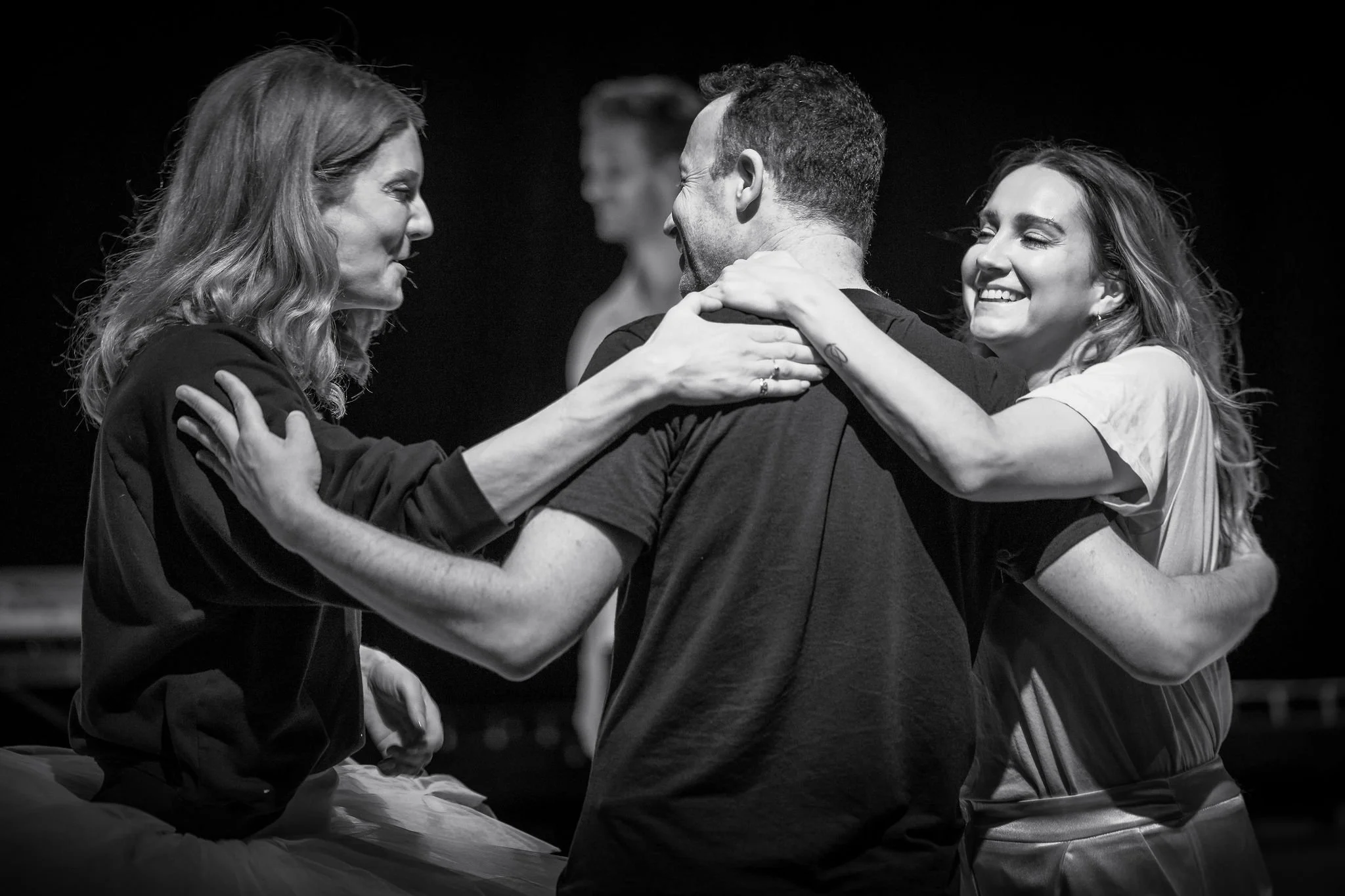
Pierrot entre 3 lunes rehearsal. Photo by Jessica Latouche
Please tell us about Crown the Muse and how this fits within its vision.
RF: Mireille and I founded Crown the Muse in 2021, and our whole mandate of the collective has been to experiment and build productions which might not get funding or be mounted at traditional opera houses, and create shows which are more collaboratively created. It’s been an incredible platform for us to bring together colleagues and create with autonomy.
When Crown the Muse and Ne.Sans Opera first began dreaming up this project, we were drawn to Pierrot as the timeless representation of the wandering troubadour, the tortured artist. We were deeply struck by the multitude of this character. As a composer, I felt a pull toward creating a full-length work in dialogue with Schoenberg’s Pierrot lunaire, which would have a looser sense of genre, and dance between serious and playful in its own multitudes. In our first workshops a few years ago, we called this idea “Pop Pierrot”. Our early vision was to contextualize Schoenberg in a new, fun light through juxtaposing his music with pop songs. There was something about the chaotic energy of “everything everywhere all at once”, which was the heartbeat of the inspiration for creating this new theatrical work together.
Will the work have a life after this fest, and might we see it in Vancouver some day?
ML: Yes! Since the entire Pierrot team either live in Vancouver or have roots there, we are excited for it to have a Vancouver debut. We would love to present it in an informal space with a cabaret feeling where people can drink, mingle, and be close enough to see the sweat on our brows! 
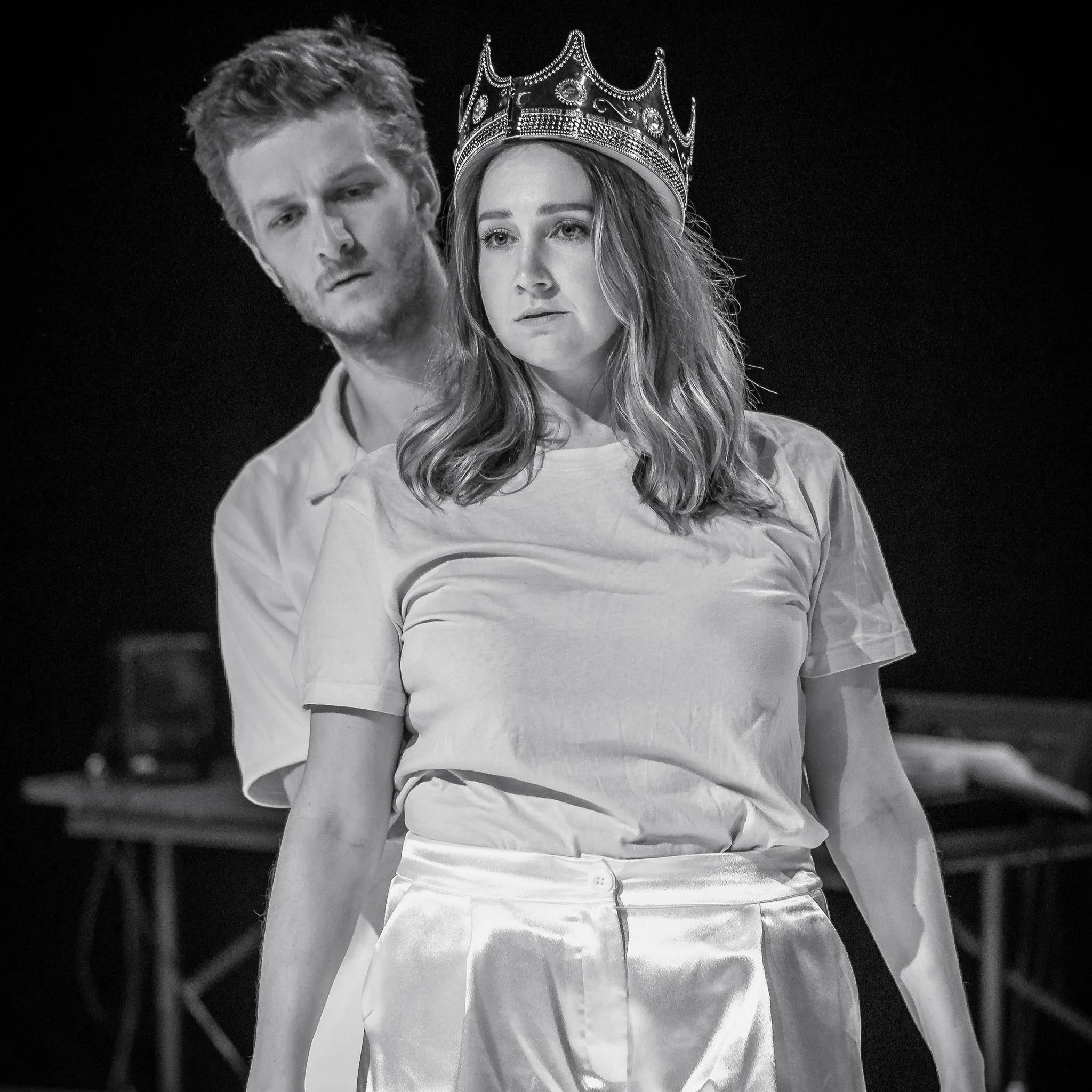
Will Jessup and Rachel Fenlon rehearse Pierrot entre 3 lunes. Photo by Jessica Latouche

Related Articles