The Polygon Gallery goes online with new digital exhibition platform, Parallelogram
The inaugural offering, Volume 1: Interior Infinite Revisited, is a look back at a pandemic-era show that explored costume, transformation, and fluid identity
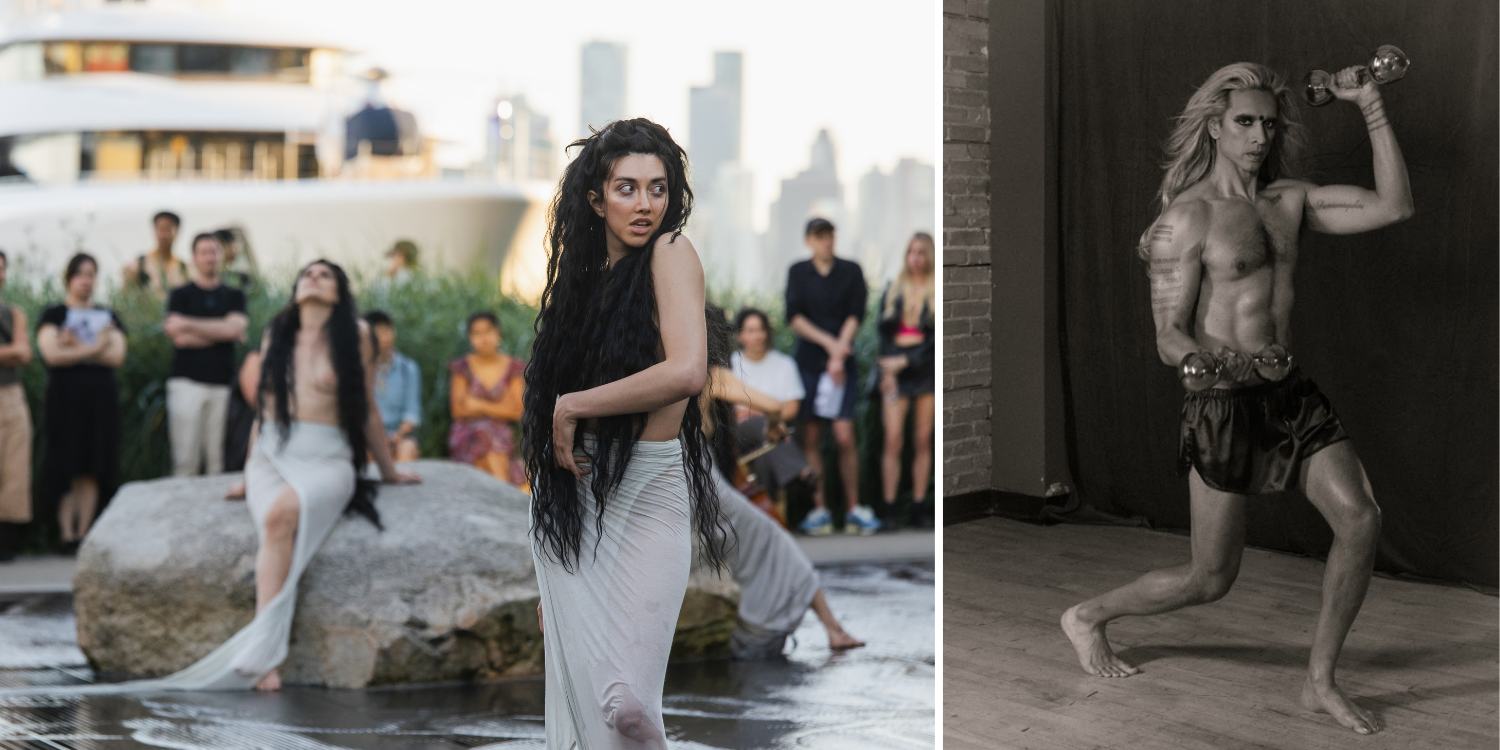
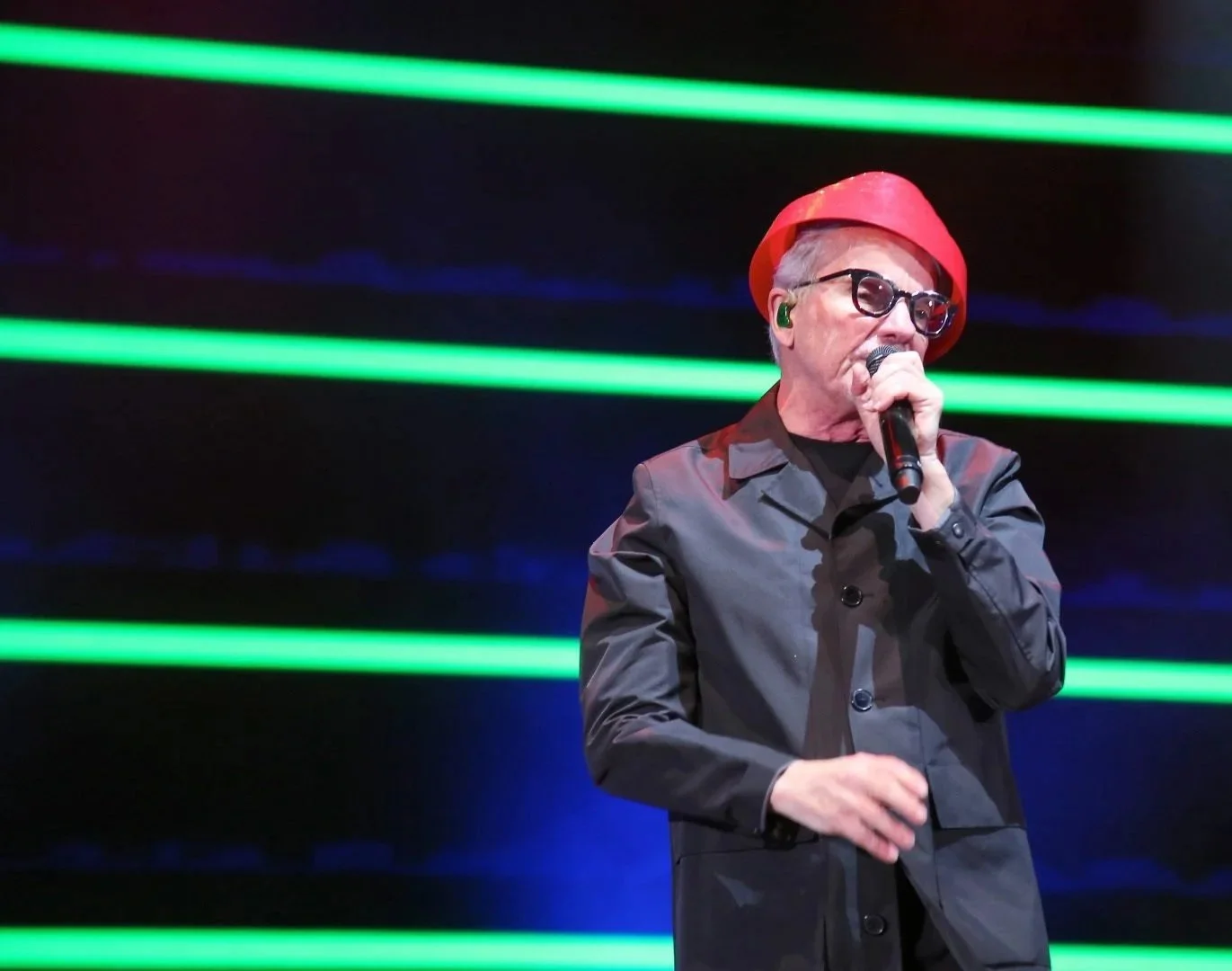
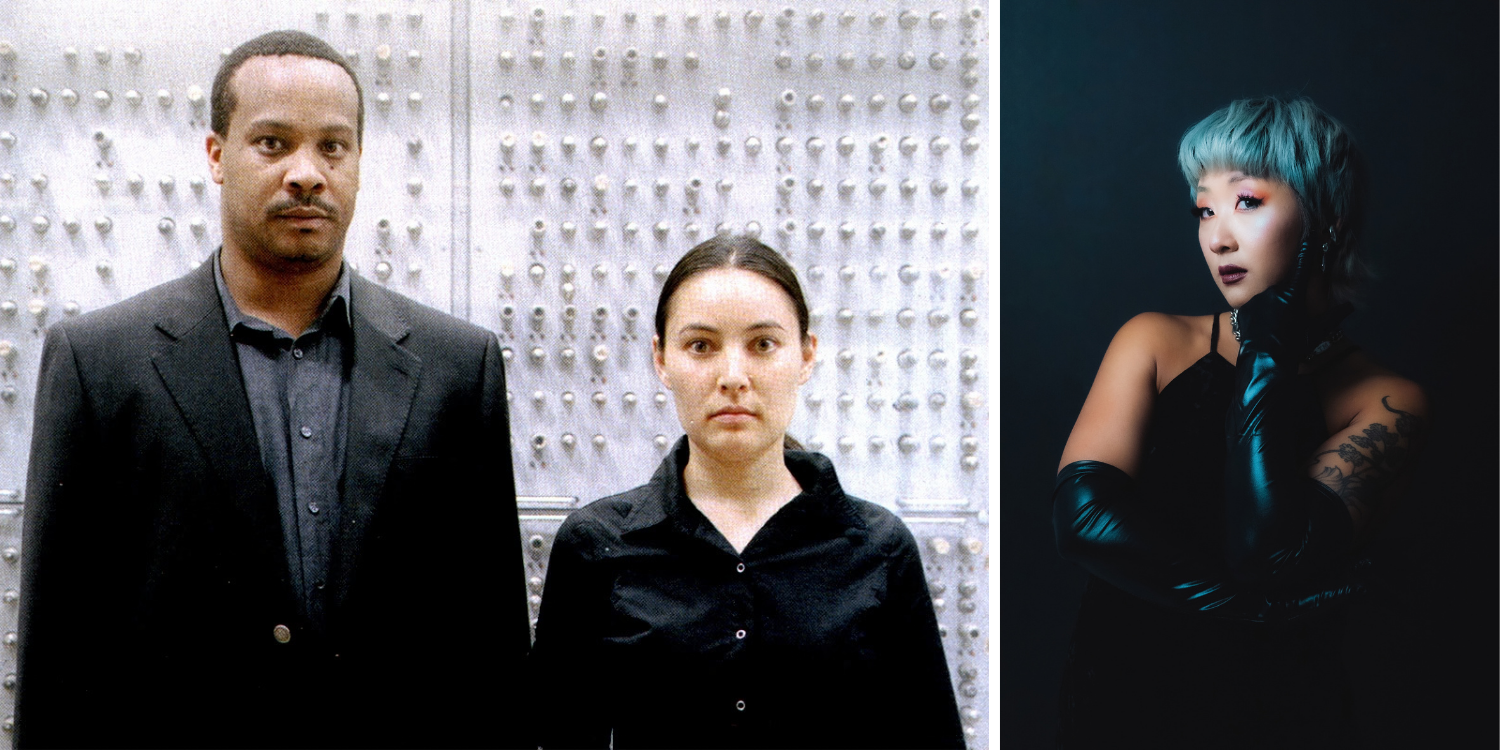
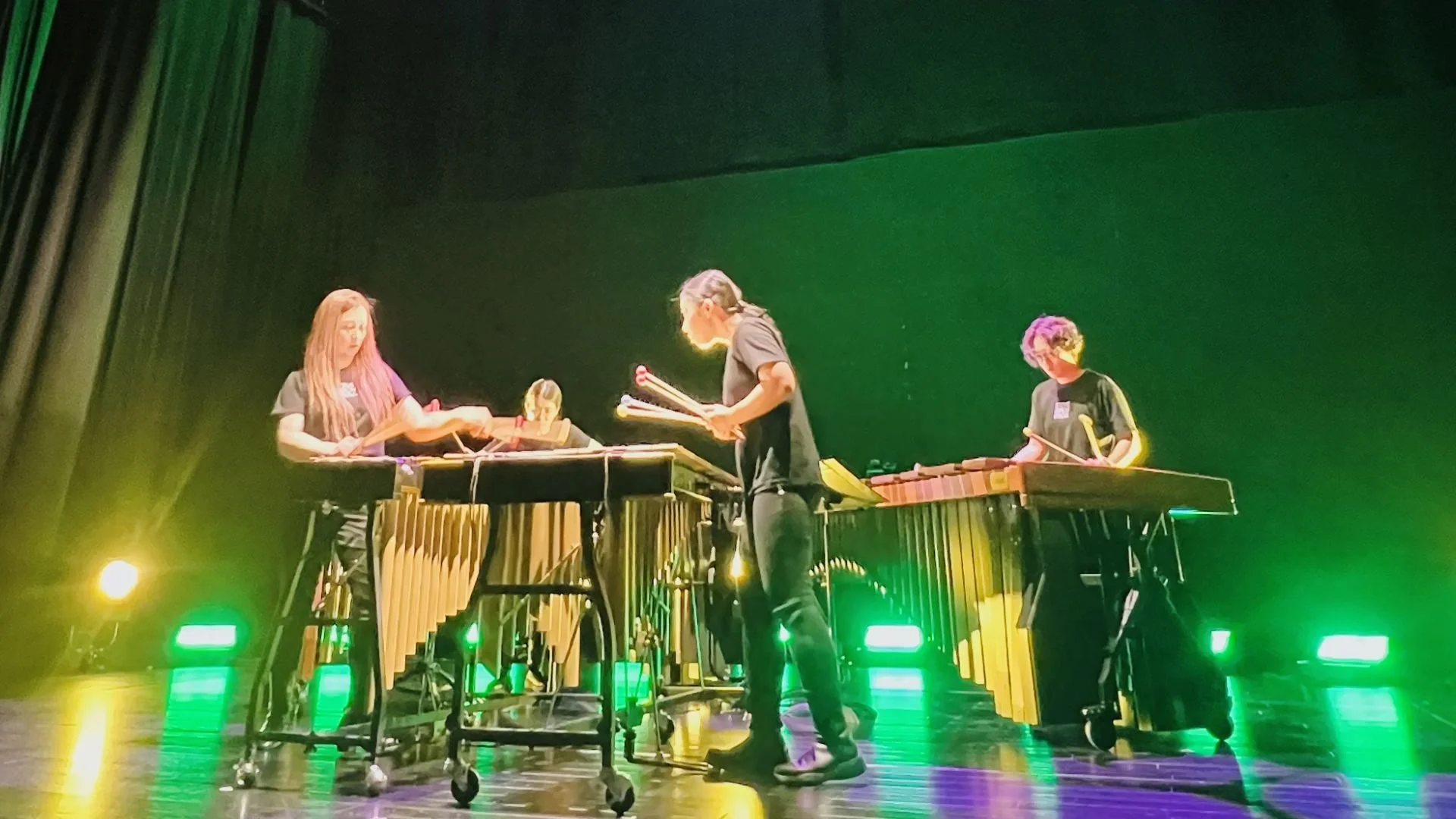
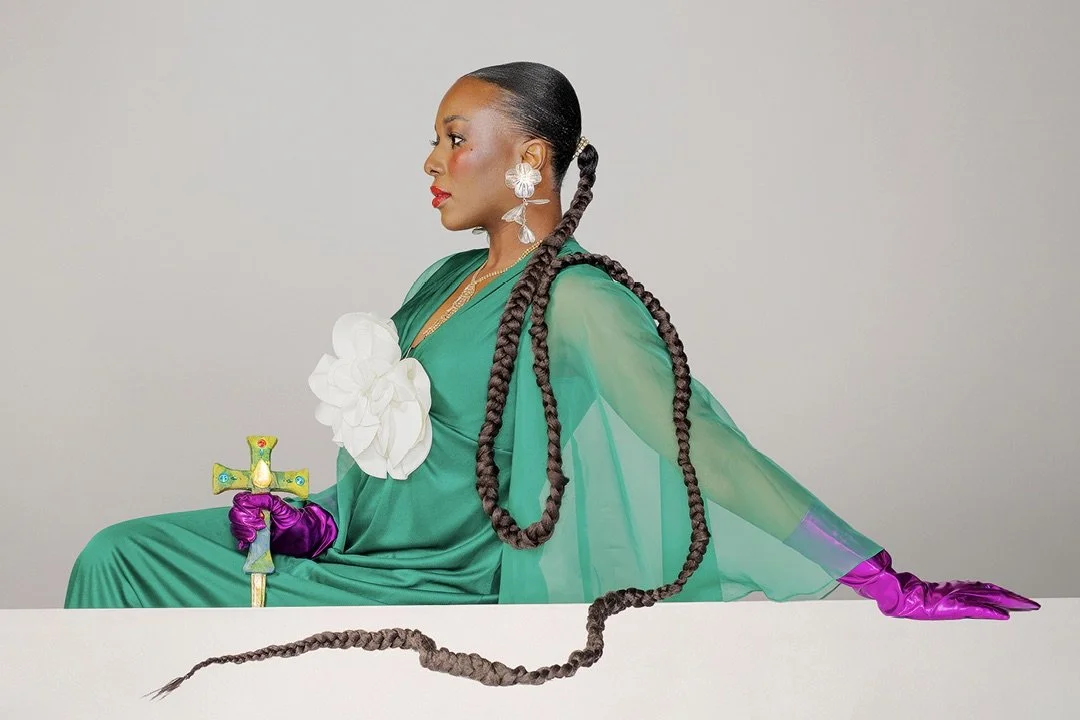
(Left to right) Odysseus and the Sirens by Martine Gutierrez, performed at the Polygon Gallery in 2024 (photo by Alison Boulier); still from “Bodyrebuilding” by Vivek Shraya
Volume 1: Interior Infinite Revisited is online at the Polygon Gallery’s Parallelogram website until September 20
THE COVID-19 PANDEMIC changed our world in ways big and small, but its full impact will likely not be fully apparent for years to come. In the arts, one of the immediate effects of lockdowns and capacity restrictions was a pivot to online offerings. This had mixed success, as some forms of art are more easily transferable to the digital realm. It turns out, for example, that not many people are keen on experiencing a three-hour Italian opera while sitting in front of a computer monitor.
The Polygon Gallery rode out the COVID times without switching to digital programming, but the pandemic did plant the seed for a project that is only now coming to fruition, as curator Elliott Ramsey tells Stir.
“In response to all that happened during 2020, the Canada Council disbursed these Digital Now grants, because as all these cultural organizations were changing course to put material online, a lot of us discovered that we really lacked the digital infrastructure to do this well, and to hold artist projects and visual and audio experiences richly online,” Ramsey says. “And so, these Digital Now grants were meant to build more robust digital infrastructure for cultural organizations, and we were awarded one of these grants. Of course, building a website takes a lot of time and testing, and considerations around accessibility.”
The Polygon’s digital exhibition platform launched just this summer, and while the world is no longer caught in the grip of a public health crisis, the first virtual exhibition at Parallelogram, Volume 1: Interior Infinite Revisited, harks back to a Polygon show from the height of COVID.
“It opened in 2021 and was in some ways responding to the way the world was changing, these calls to go back to normal, and questioning sort of fundamentally who this so-called normality that we were trying to get back to, served—and who it excluded,” Ramsey says of the original Interior Infinite, which focused on the way artists use costumes and masquerade to explore a range of identities.
“It was always in the back of my mind that maybe this would also be a chance to revisit Interior Infinite and to use all of this digital content that we produced during the show and give it a second life,” Ramsey says of Parallelogram’s development. “And it turned out that our finishing the whole back end of the website coincided with not only the five-year anniversary of Interior Infinite, but also the opening of Martine Gutierrez’s major solo show at Huis Marseille in Amsterdam.”
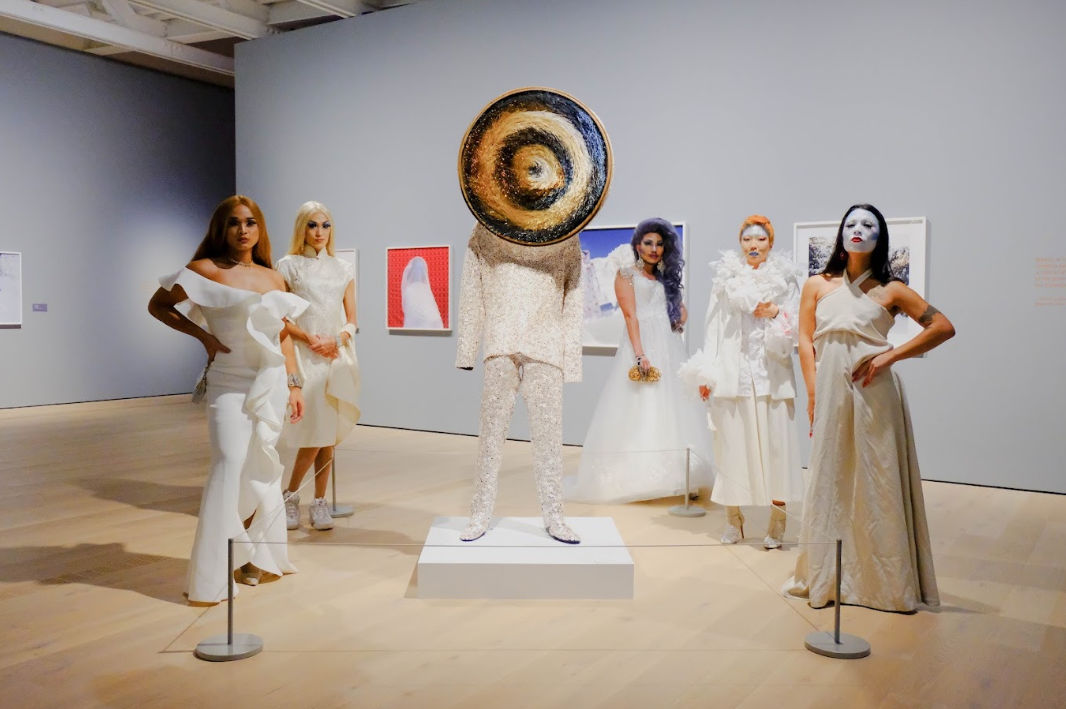
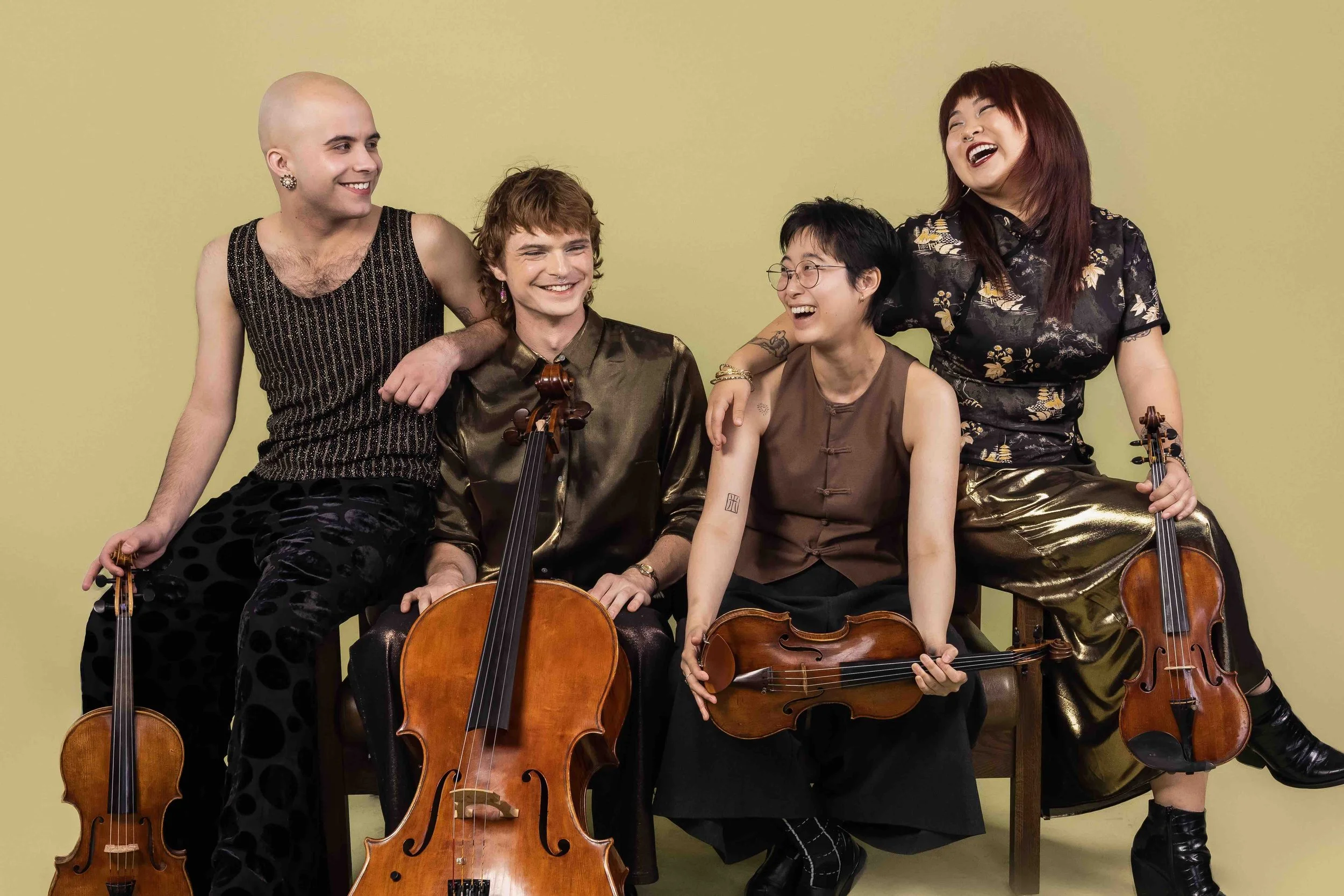
Members of the House of Rice. Photo by Anova Hou
Multidisciplinary artist Gutierrez had been featured in Interior Infinite and was subsequently the subject of a solo exhibition, ANTI-ICON:APOKALYPSIS at the Polygon. As part of that, she presented Odysseus and the Sirens, a performance piece based on Homer’s Odyssey that also featured Ramsey himself as one of the Sirens.
“We made a video document of it that’s never been seen before,” the curator says. “And we thought, you know, let’s roll that together with some of the new stuff and the old stuff from Interior Infinite, and just use the opening of Martine’s show, and the five-year anniversary, as a chance to launch this platform, to kind of look back on on this exhibition five years on as we inhabit this world that’s changed so much and so little, and have a chance to reflect.”
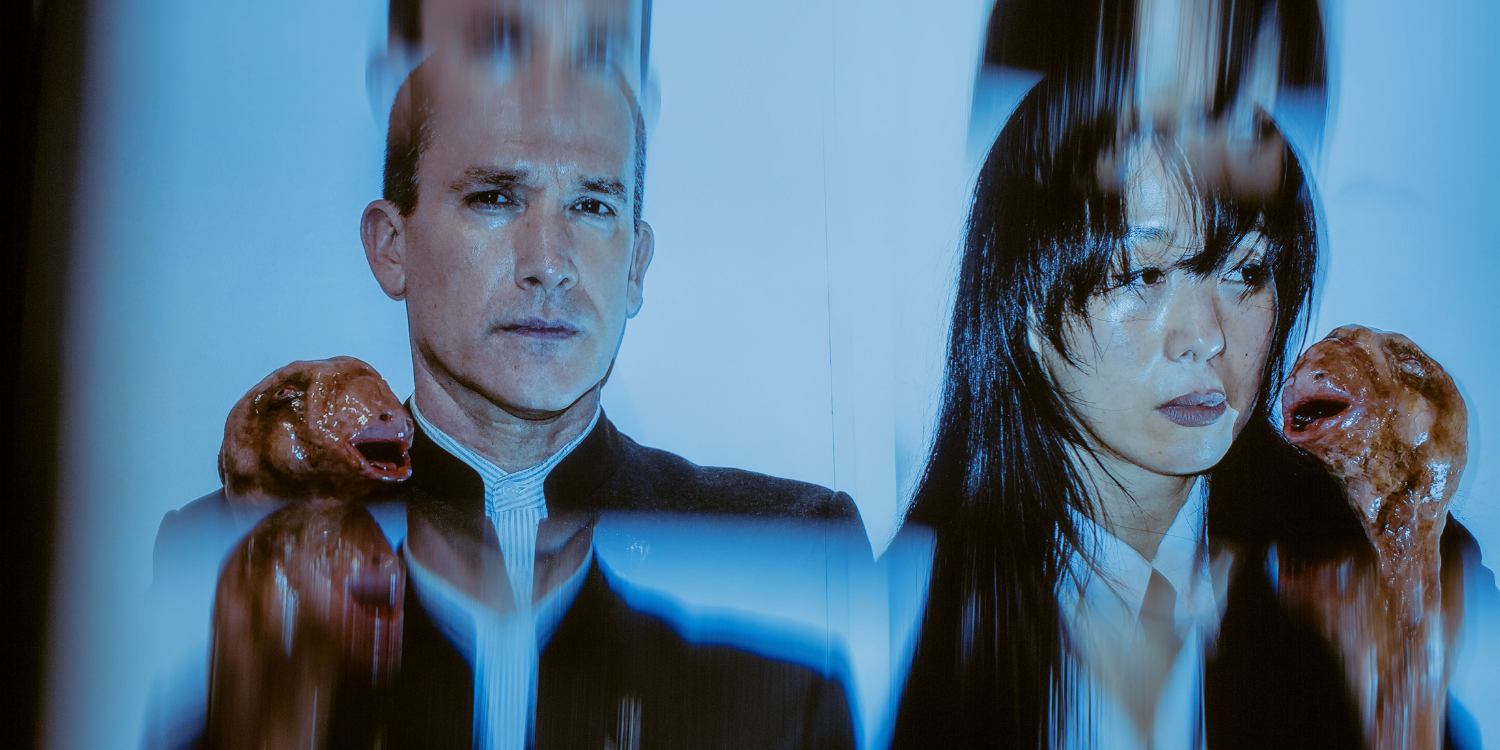
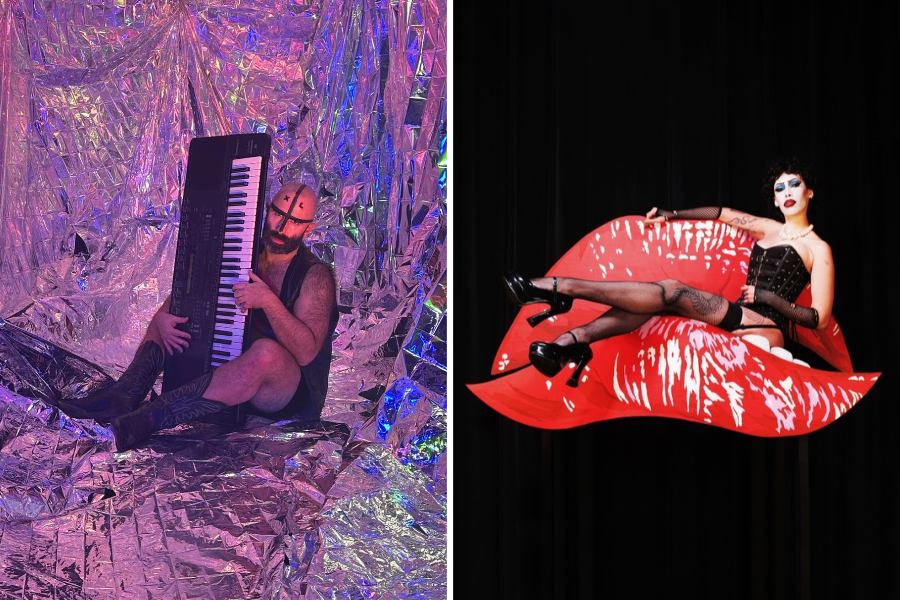
Other works in Volume 1 include “Fauxcasian”, a video short by Skeena Reece in which the B.C.–based Indigenous artist flips the notion of the “Pretendian” on its ear; Lunoryza, a “queer zodiac” by local Asian drag collective House of Rice; and “The Fountaincleaners”, a video by Tycoon filmmaker Charlotte Zhang.
It’s a substantial collection of work, but not an exhaustive archive. Ramsey has cannily avoided the temptation of taking the seemingly limitless capacity of the internet as an opportunity to create a monumentally scaled digital gallery. His concept for Parallelogram, he explains, was that there should be “a little too much to sit down and browse the whole thing in one sitting, but enough that you’d be like, ‘I’m going to bookmark this and read this project tomorrow or watch this video next time.’”
“So, there was this sense of having everything be really rich in content,” he says. “There’s something to watch or listen to or read, and some combination thereof in many of the cases; enough that you can get through it pretty quickly and then revisit it or move on. So having something that was sort of dense and compact in terms of its richness and volume, but not so much that it’s demanding a lot of your time. You can do a deep dive and a slow read or you can kind of just dip in, dip out.”
One thing Parallelogram is most definitely not designed to do is resemble the unrelenting and stultifying engagement of platforms such as Instagram or TikTok.
“I’m not on social media myself because I find that infinite scroll actually really daunting,” Ramsey says. “I read all these reports of these dopamine hits and how addictive it is, but I have the complete opposite reaction to an infinite scroll. It shuts me down and makes me run in the opposite direction. And so as someone working on this, I had no desire to replicate that whatsoever.”
By not overwhelming the viewer with a bottomless well of content, Parallelogram ensures that each work has equal opportunity to be seen and given due consideration. Ramsey points to Vivek Shraya’s short video “Bodyrebuilding” as a case in point.
Inspired by the type of photography found in vintage physique magazines, Shraya uses the piece to delve into both her experiences as a trans woman and her connection with her body as someone who lives with chronic pain.
“Gym culture is aspirational and we kind of celebrate physical transformation,” Ramsey says, noting that “Bodyrebuilding” is “kind of asking, with hope, what that could mean for being trans or changing your gender presentation—you know, if we can celebrate transformation in that way, are there possibilities for also celebrating, instead of shaming, transformation, in other ways? And it kind of came about from her having to rehabilitate an injury and chronic pain and having to go to the gym, to this very kind of male bro space and not only having a chance to re-evaluate her relationship to her own body, but also to gym culture.
“It's a really exquisitely meditative and thought-provoking piece,” Ramsey says. “And it's not the kind of thing that you bury in a glut of content. It's something you actually want people to find.” 

Related Articles