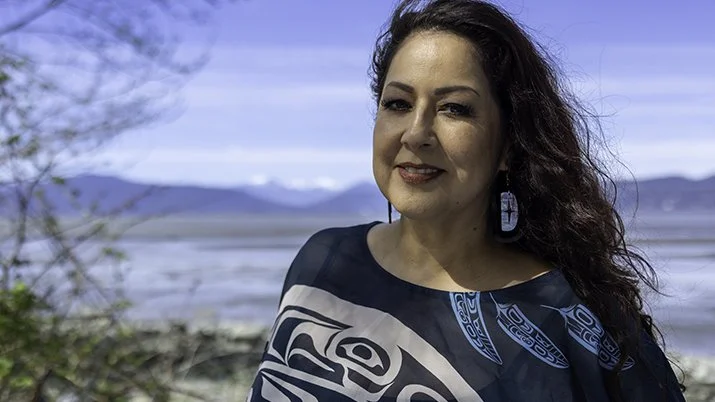
A rare family reunion takes centre stage at Vetta Chamber Music’s Lineage
Violist Jacob van der Sloot and his musical relatives come together for a week of rehearsals, family dinners, and lush performances of Brahms and Dvořák’s string sextets
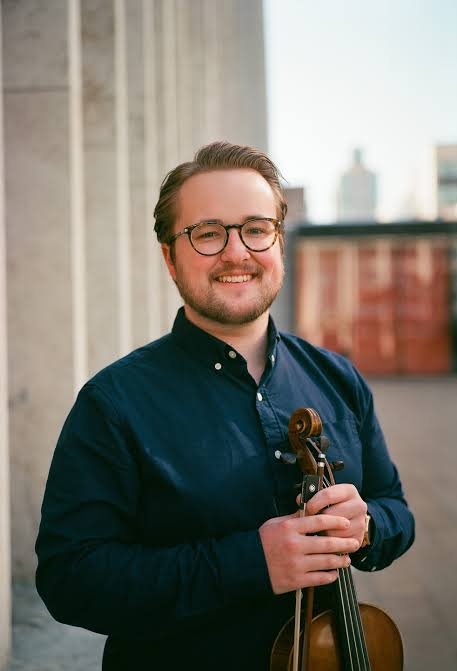
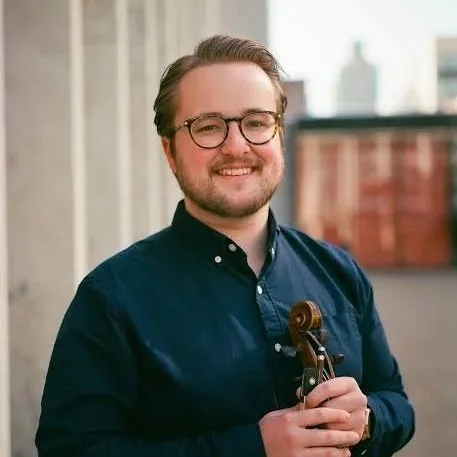
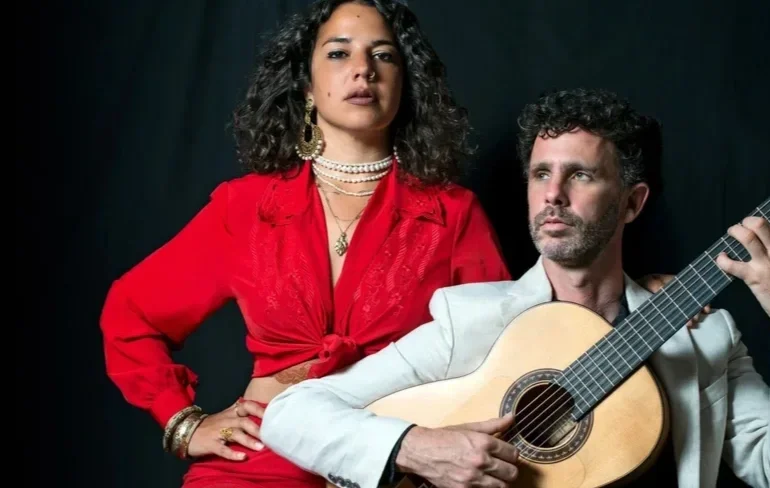
Jacob van der Sloot (viola)
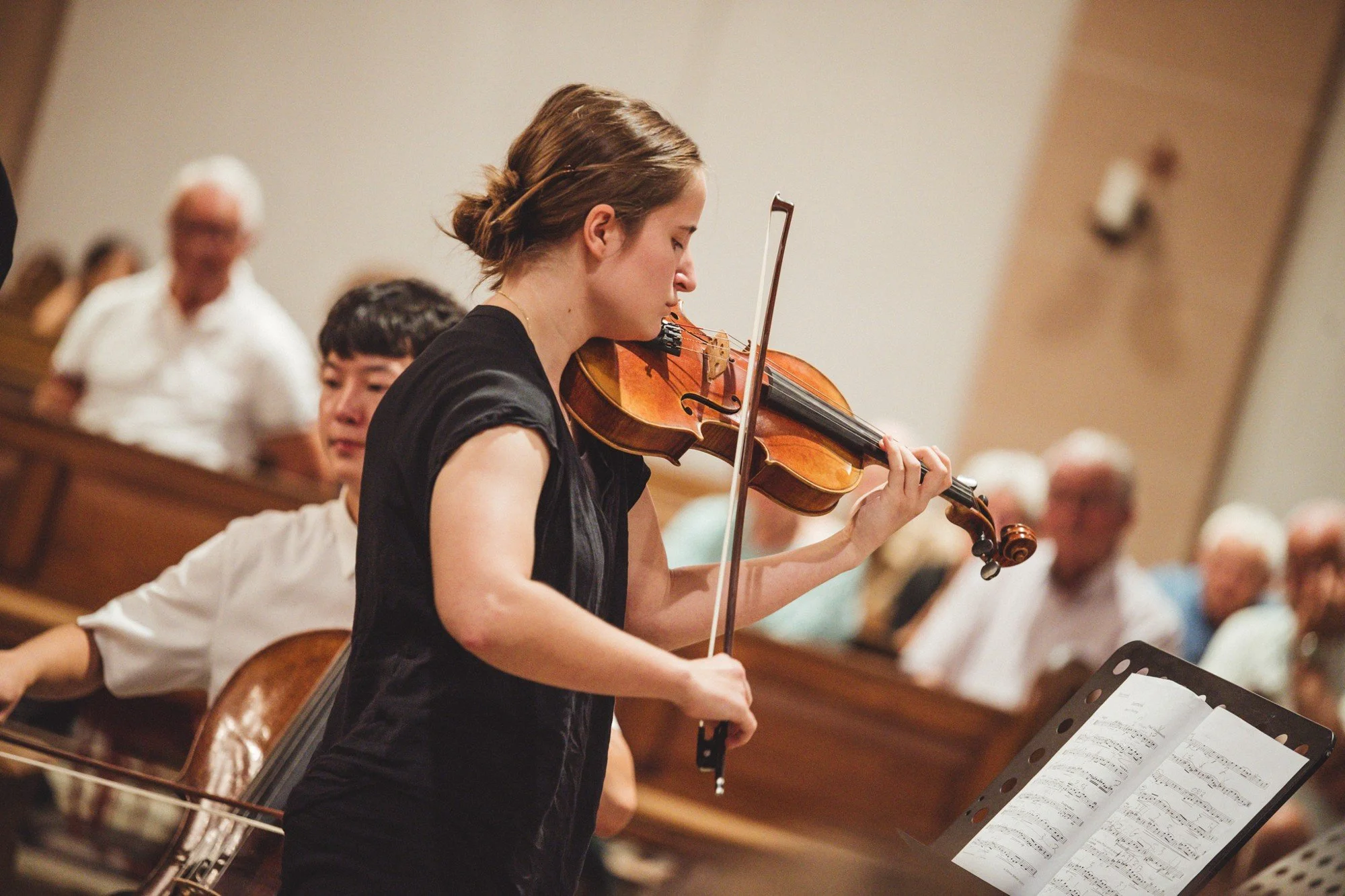
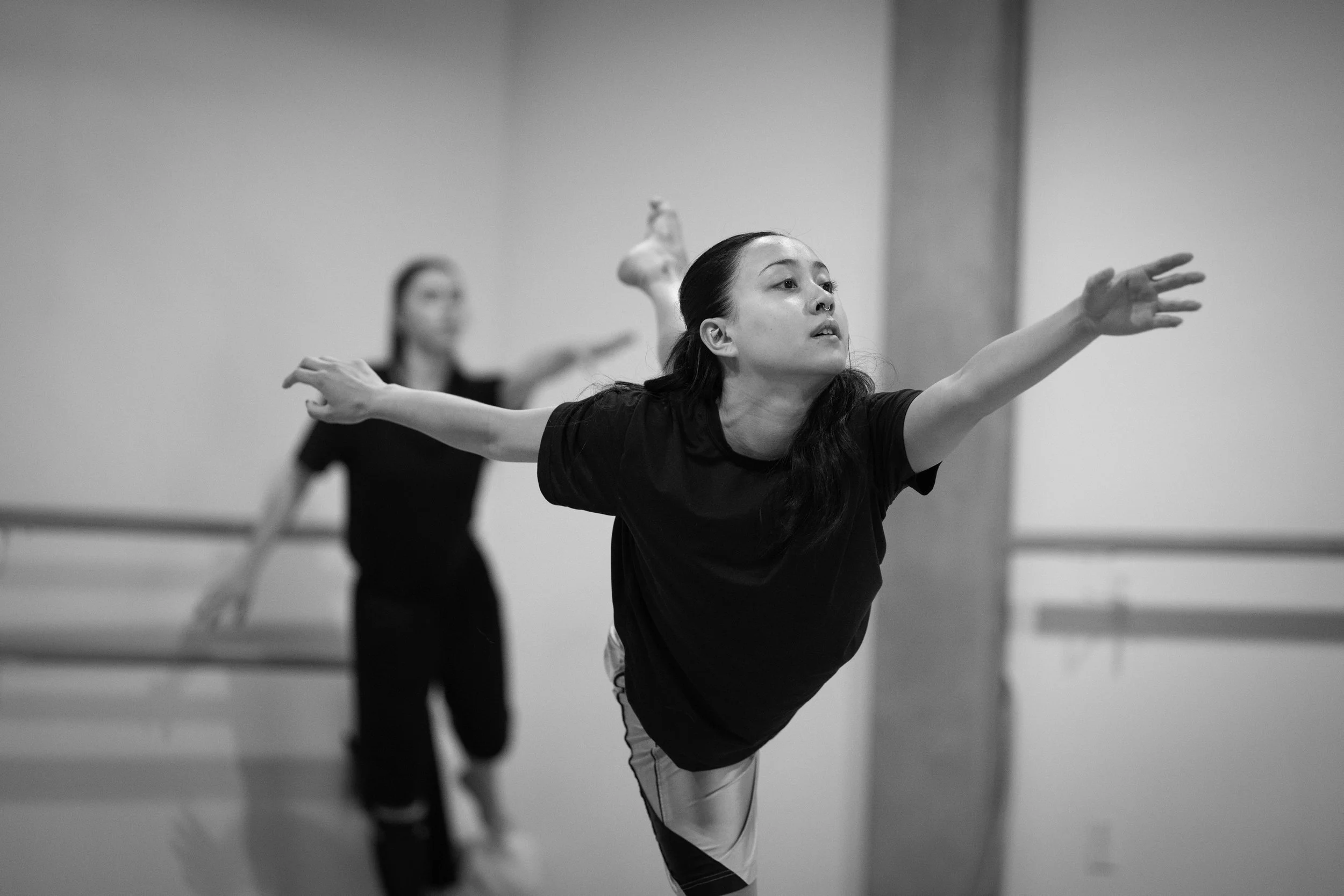
Grace van der Sloot (viola)
Vetta Chamber Music presents Lineage from November 13 to 16 at various locations
UNDER ITS NEWLY APPOINTED artistic director, Hung-Wei Huang, Vetta Chamber Music has rather usefully given each of its five 2026-27 programs a succinct and descriptive one-word title. We’ve already had Legacy, in which longtime artistic director, violinist Joan Blackman, was joined by Huang on viola and pianist Jane Coop, a veteran of many previous Vetta concerts. Still to come are Responsibility, Privilege, and Value. But the next in the series, Lineage, seems especially well-named. Not only will it present a pair of rarely-heard works by two titans of 19th-century music, five out of the six performers share the surname, van der Sloot, with the anomalous violinist Sarah Douglass being a van der Sloot cousin.
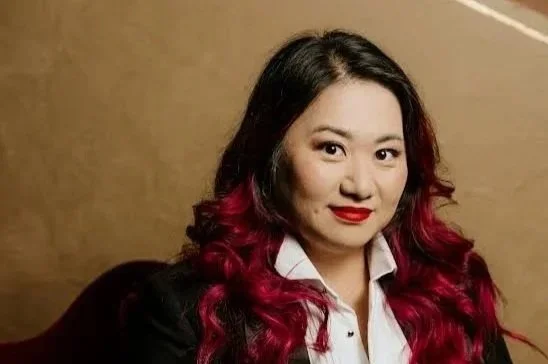
Violist Jacob van der Sloot will be joined by his sisters Grace (viola) and Sophie (violin), alongside cousins Paul (cello), Maria (violin), and Douglass.
Are the links that close between Johannes Brahms and Antonín Dvořák, whose String Sextet No.1 in B-flat major and String Sextet in A major we’ll hear?
Well, yes and no. Although only eight years older than his Czech counterpart, the Hamburg-born Brahms was both a friend and a mentor to Dvořák, championing the younger composer’s work, arranging for patrons, and even occasionally proofreading and editing his manuscript scores. This is well-documented: on first encountering Dvořák’s music in 1875, Brahms wrote that he was impressed by his “seemingly unlimited inventiveness of melodic materials, uncanny sense of time and duration, and dazzling sense of musical lines”.
The two went on to develop a warm friendship. This was unusual for the prickly and critical Brahms, but in many ways reminiscent of the older musician’s professional and personal affiliations with his own mentors, the divinely gifted but troubled Robert Schumann and his pianist wife Clara.
But does that carry over into the two sextet works that we’ll hear at concerts next week?
Maybe not, says Jacob van der Sloot, reached by telephone during a break from his duties as associate principal viola of the Vancouver Symphony Orchestra.
“As far as I’m aware, there’s not a direct connection to tie them together,” he explains. “I’d say it’s just that, musically, they sort of fit nicely together. You know, the Brahms is just so, so rich. It’s heavy in a lot of ways, emotionally, but also just how it’s written. And I think the Dvořák is just one of the rare sextets that manages to have a lot of transparency, I would say. Adding players to a string quartet can easily start to get warm and thick, right? Not that that’s a bad thing, necessarily, but I do think that’s why I wanted to program the Dvořák before the Brahms, because really it’s the only sextet I can think of that has sort of a lightness to it, that doesn’t make the program overbearing in a really Romantic way.”
Nonetheless, he continues, Dvořák “undoubtedly must have been inspired, a little bit, by the texture that Brahms was able to create by having those two lower voices, the additional viola and additional cello. It just kind of gives it a roundness, and maybe that’s what he was taking from Brahms. He wanted a round, warm sound, but with that lovely, folk sort of idea in a lot of those movements—which Brahms does not have a lot of in his sextet. That one is much more technical, and… I won’t say ‘academic’, but it’s so thought out, every bit of it, while Dvořák kind of lets it soar and fly a little bit more.”
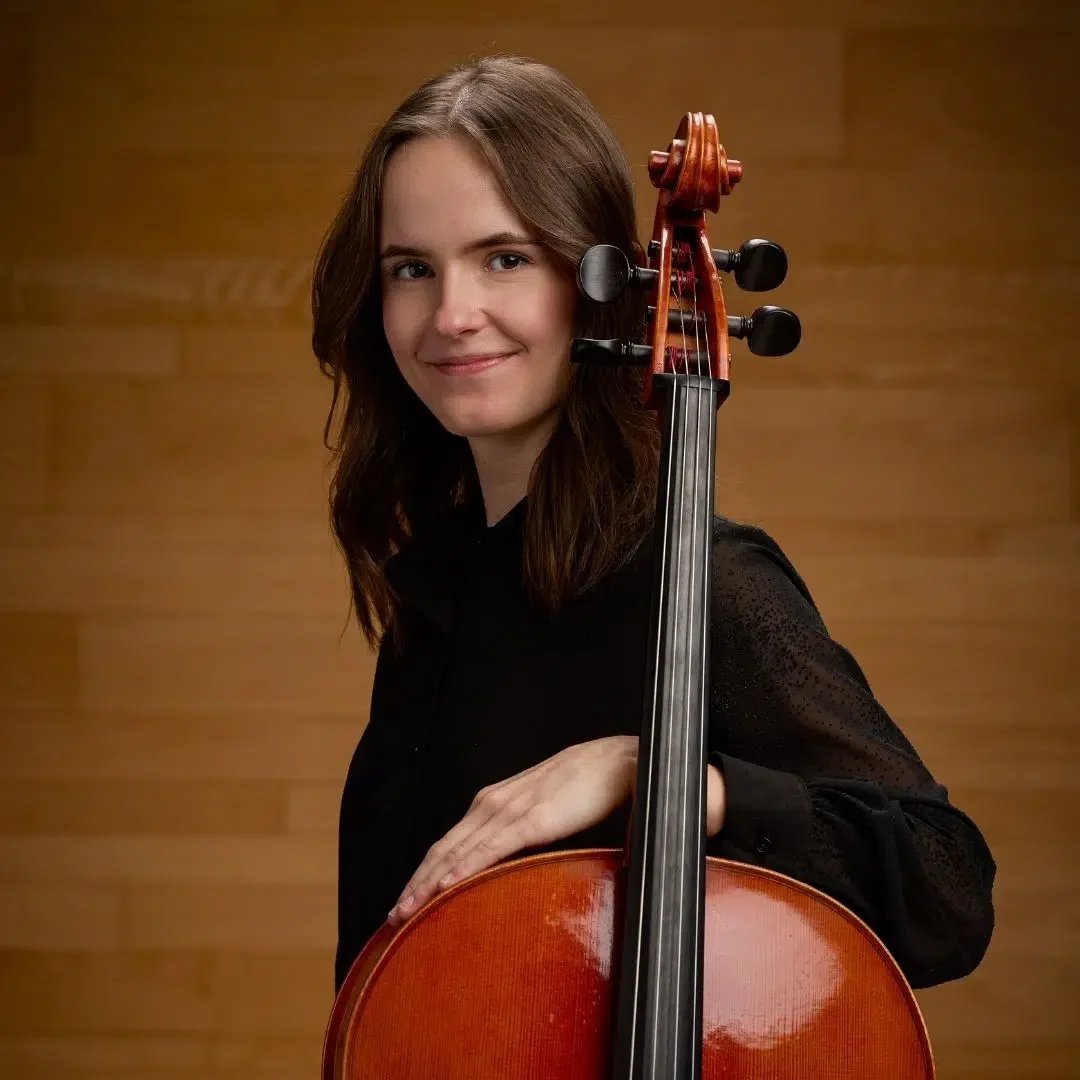
Sophie van der Sloot (cello)
This combination of warmth and intellect seems admirably suited to the small brigade of van der Sloots who will take to Vetta’s various stages, most of whom combine performing careers with academic positions. Perhaps unsurprisingly, so do their parents. It’s that “lineage” thing again.
“My grandparents came over from the Netherlands; they immigrated to rural Alberta and they had 10 kids, and almost all of those kids either became professional musicians or played seriously for a long time,” van der Sloot notes. “So that would be my parents’ generation, and my dad was my teacher. And the other cousins on the program, their dad is now a violin teacher at Carnegie Mellon [University] in Pittsburgh. So it really is multi-generational.”
It’s rare for the cousins to get together in one place, making Lineage a particular treat for audiences and performers alike. Van der Sloot notes that as working musicians, his family members are both busy and scattered across North America—and so they’ve booked a full week for rehearsals and family dinners before their concerts.
“With the classical music world being small, a lot of people come across one of us and say ‘Oh, it must be so fun to play with your family all the time and make all this music!’” he says, laughing. “But we don’t get a lot of opportunities to do this. So I know it’s going to go great, but I’m curious to see if it’s going to bring out a family intensity around rehearsing that you might not have with ‘normal’ colleagues. You talk to your family differently than you would with your colleagues, perhaps in a more comfortable way. My hope is that this kind of family week that we’re going to have together will result in a more magical, more cohesive vision for these pieces.
“It’s going to be a very special moment,” he adds, “and I think the audience is going to feel it.”
One last question: is there a third generation of van der Sloot musicians on the horizon?
“Well, I have a toddler, and I’ve started giving him a few tips,” van der Sloot says, sounding cautiously optimistic. “But learning on a musical instrument with your parents is such an insane dynamic. It works for some, but I have a lot of colleagues with kids, and they say they’d never teach them. It’s just too complicated.” 

Related Articles