Chor Leoni’s Remembrance Day program mixes tradition with the unexpected
According to artistic director Erick Lichte, the choir’s long-running annual event often feels more like a ritual than a concert
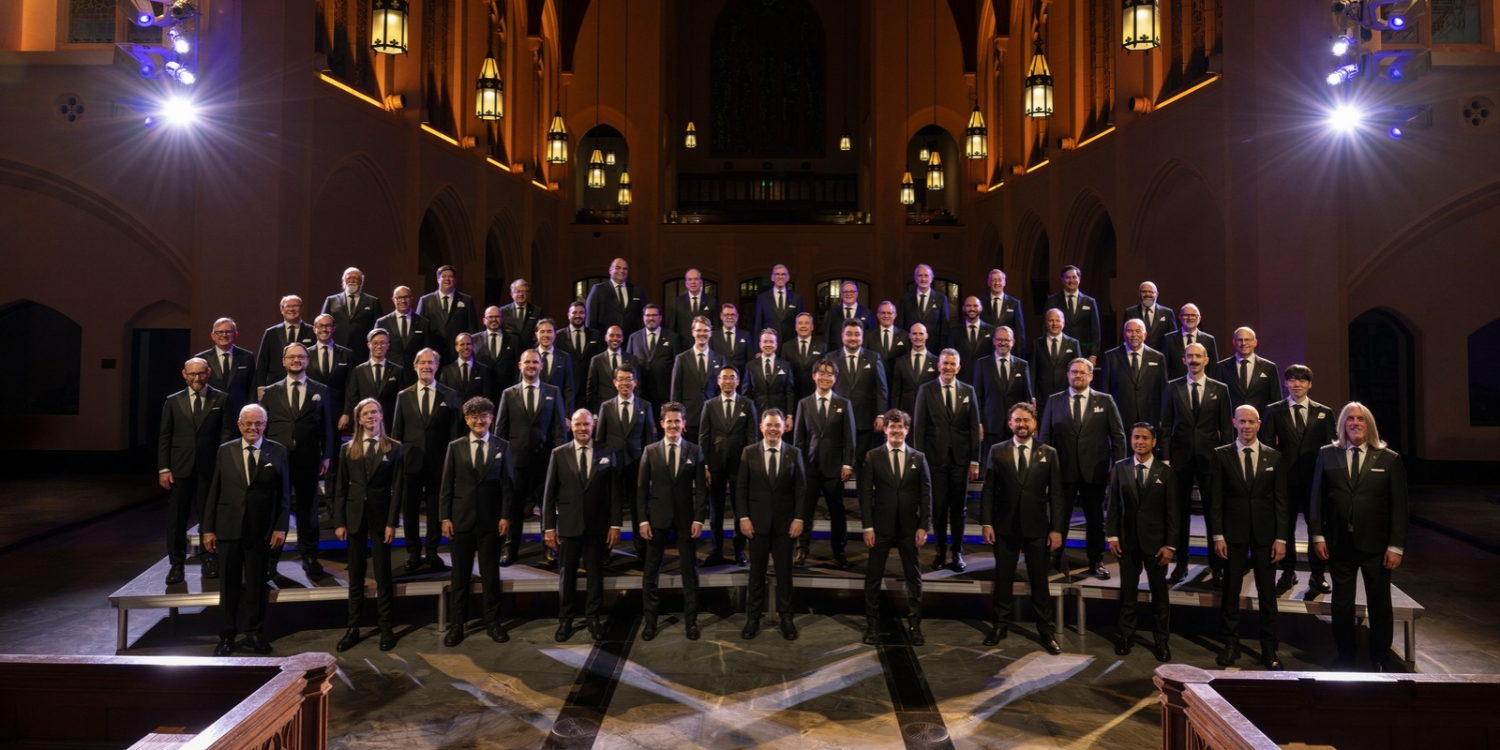
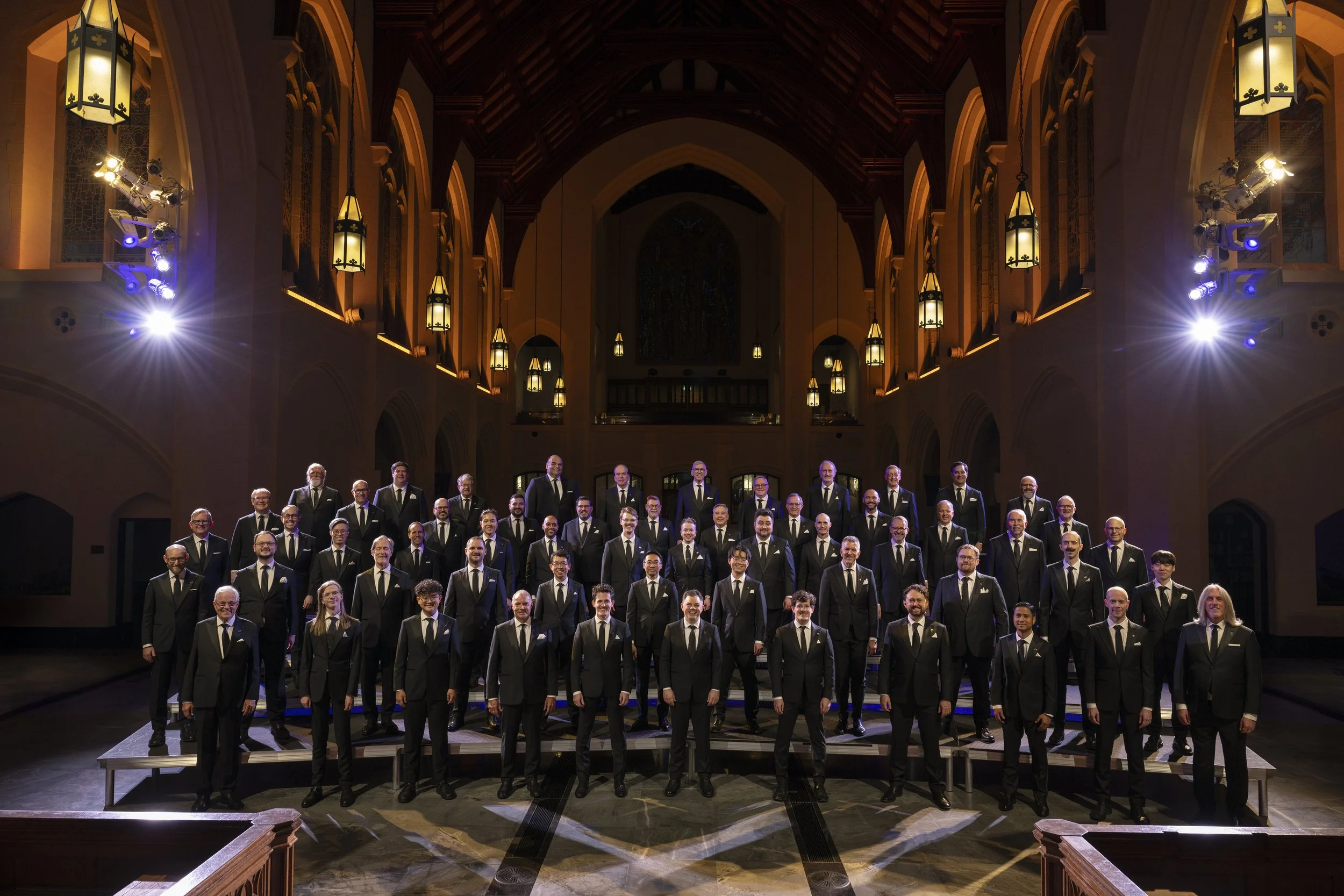
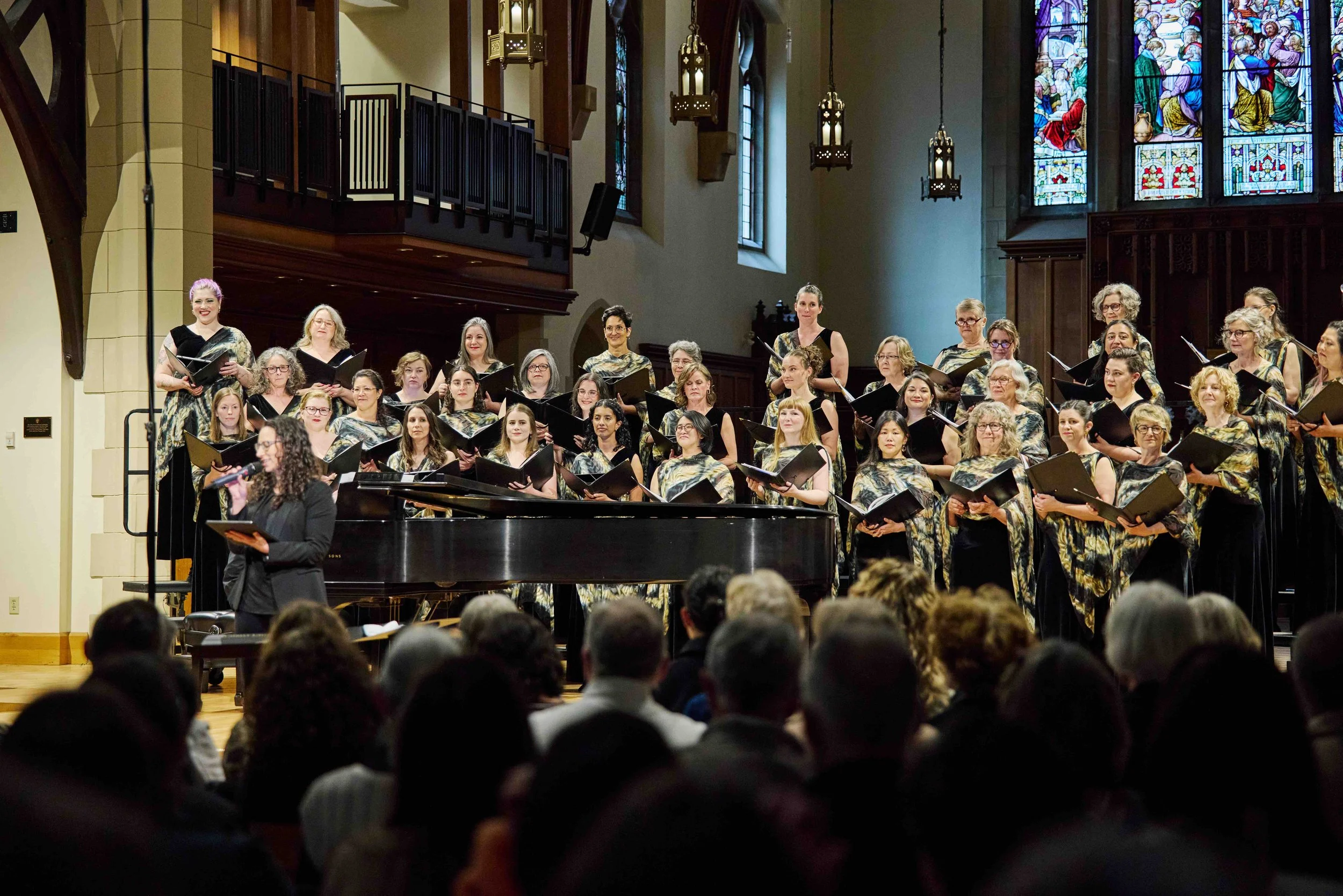
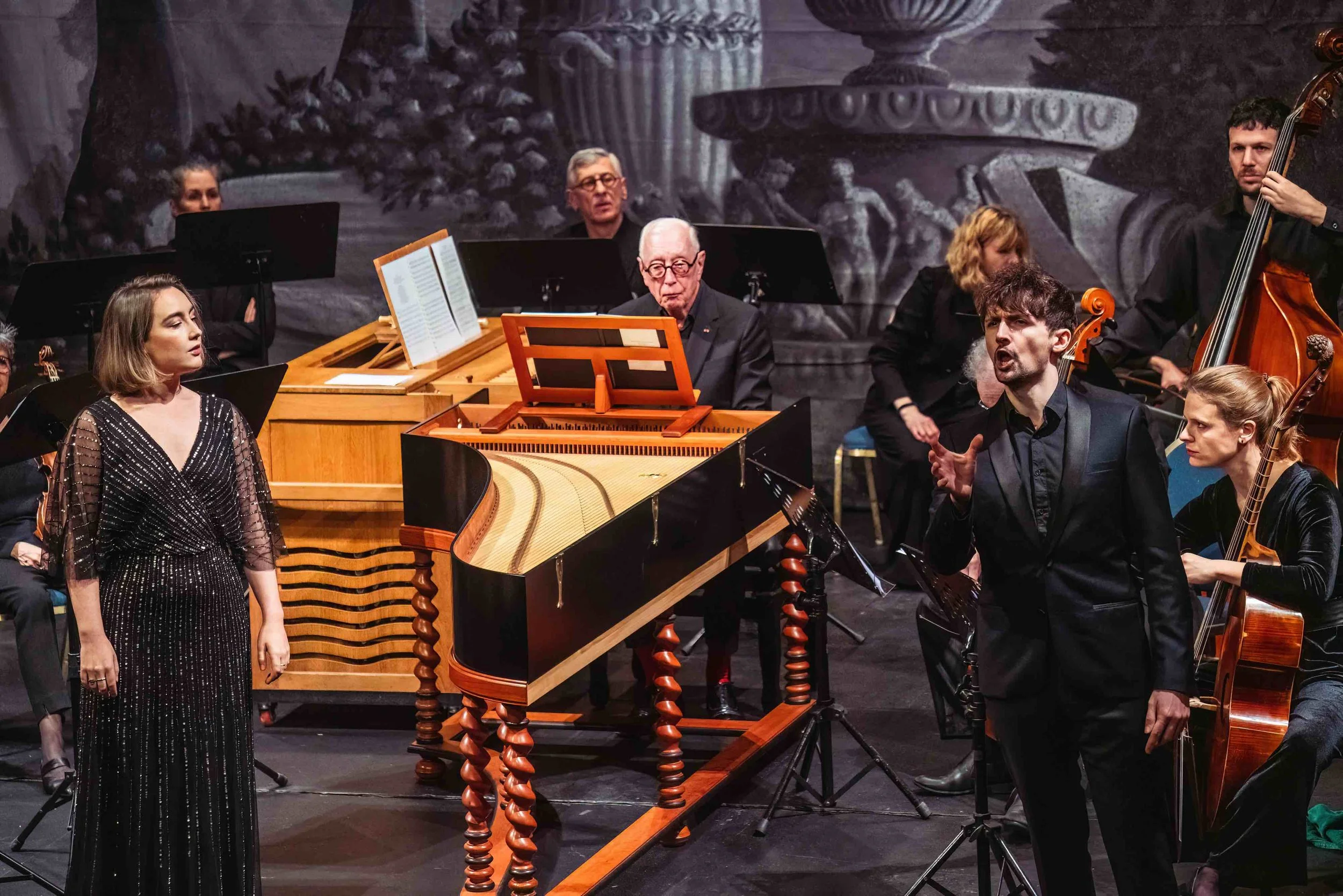
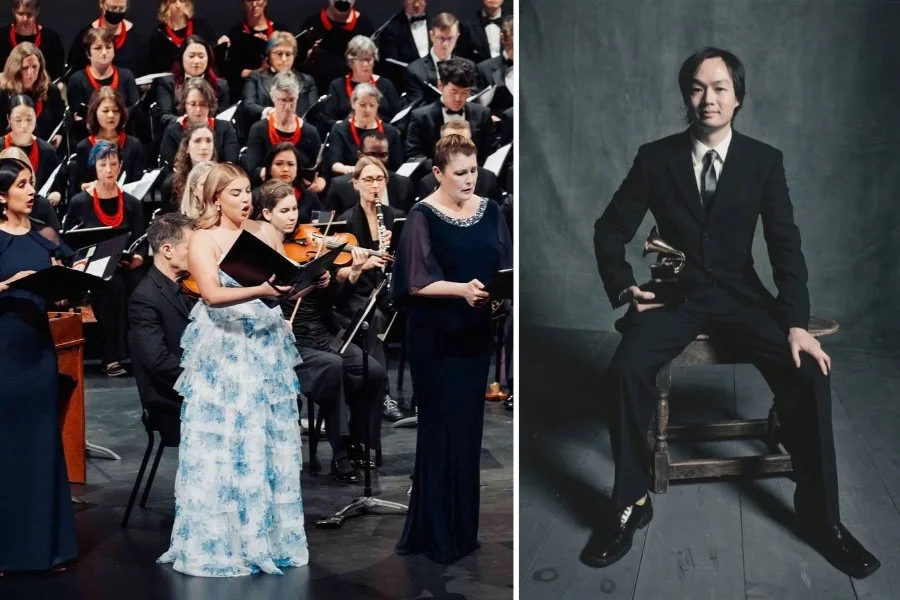
Chor Leoni. Photo by David Cooper
Chor Leoni presents The Soul Flies Away at St. Andrew’s–Wesley United Church on November 11 at 2 and 5 pm
IT’S A SOMBRE piece of music, its tone resolved and reflective rather than cloyingly sentimental, and its plain-spoken lyrics tell the simple but bitter truth about combat: “No victory for either side/When we recall the ones who died.”
It’s not surprising that Chor Leoni has chosen to include “The Soul Flies Away” in its annual Remembrance Day performance, or even that the choir’s artistic director, Erick Lichte, decided to borrow the song’s title for the concert. What might be surprising, to some, is that “The Soul Flies Away” was actually written for a video game.
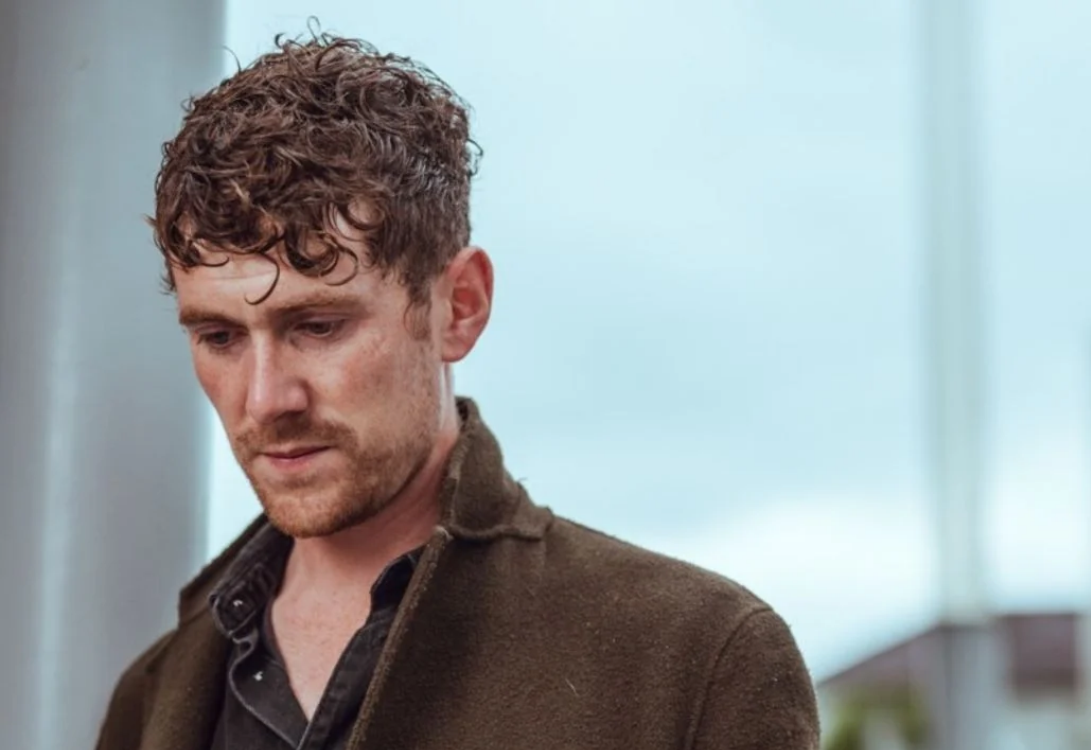
Its author, Montreal-based Seán Dagher, is a composer and performer whose work draws on various traditions, including Celtic and French-Canadian folk, as well as sea shanties. Dagher is a member of several ensembles, including the Skye Consort and La Nef, and he also has an impressive CV as a video-game composer, having created music for Assassin’s Creed IV: Black Flag and the pirate-themed open-world adventure Skull and Bones.
Dagher wrote “The Soul Flies Away” for the latter title, and when he posted the song online, one listen was enough for Lichte to fall in love with it.
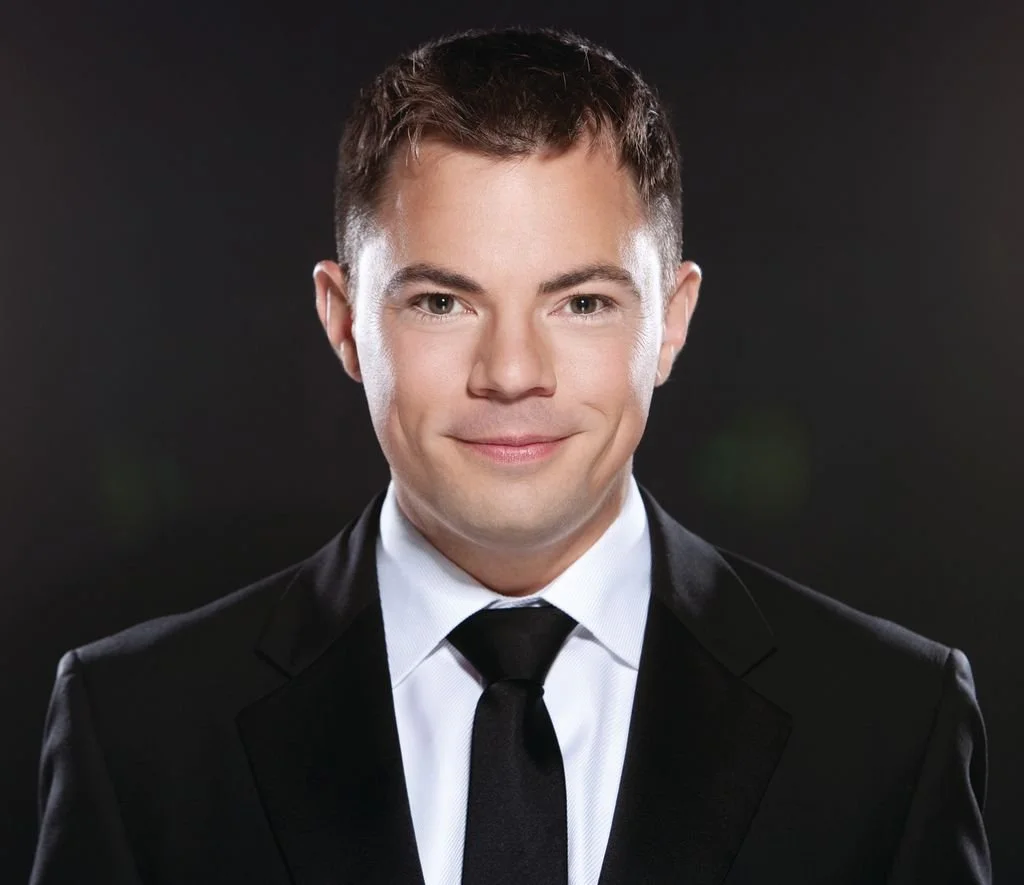
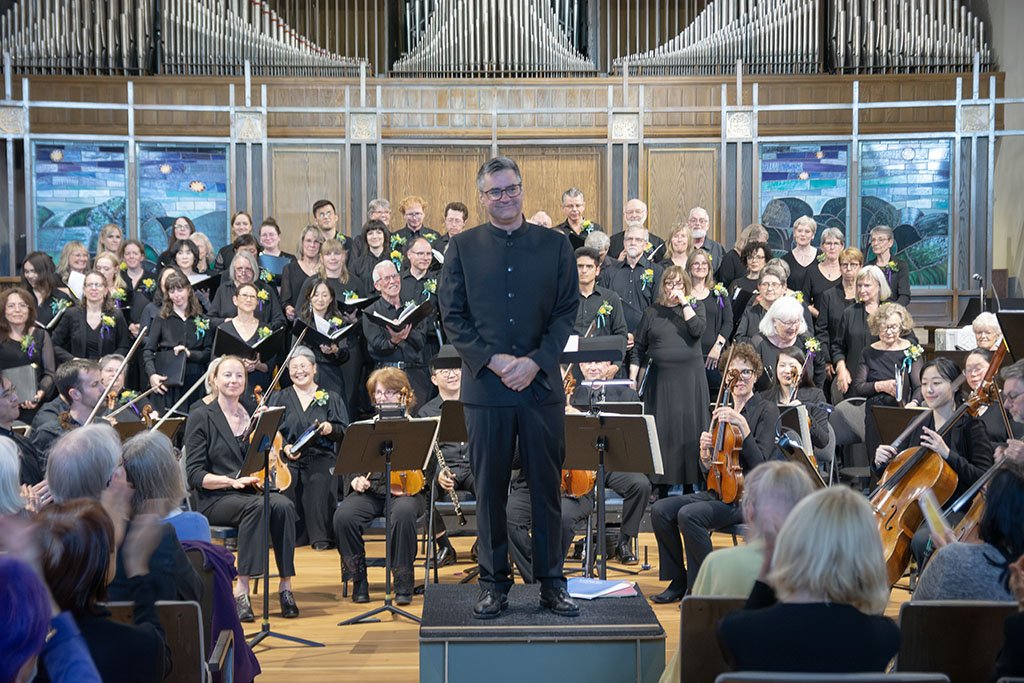
Erick Lichte
“I texted him right away, and I said, ‘Hey, do you think this video-game song would work for Remembrance Day?’” Lichte tells Stir in a phone interview. “And he said, ‘Absolutely.’ So we’ve added a whole other B section to the piece and then scored it for a cappella voices for us.”
Dagher’s name might be familiar to Chor Leoni regulars, and not just the gamers among them.
“He’s become a really good friend,” Lichte says. “Not only have he and La Nef performed with us twice, but they’re coming again in March, and we’re commissioning a 50-minute oratorio with our composer in residence on sea shanties. So it’s going to be a full oratorio, but with more folk instruments and folk singing, but also taking the texts of sea shanties and putting them into more modern music. I think it’s going to be a really interesting thing.”
Dagher isn’t the only Canadian whose music Chor Leoni will perform this Remembrance Day. The program also includes a piece by emerging Toronto-based composer Katharine Petkovski. That work, “Warm Summer Sun”, is a setting of Mark Twain’s short poem of that title, which in turn is an adaptation of a longer one by Robert Richardson.
Richardson’s poem, “Annette”, is an outpouring of grief for a young woman who died before her time, but “Warm Summer Sun” strips the narrative away until it becomes a succinct meditation on loss and acceptance, with the sun and wind carrying on their eternal work above the grave of a departed loved one.
“That piece is, of course, about grief, but it also draws upon nature and it feels quite healing,” Lichte says. “There’s quite a bit of peace found inside of the context of that poem, and her music does that so brilliantly. So, when I came across it, I just knew that I needed to reach out to her and see if she would be interested in working with us. And she is, and we’ve already got a commission ready for next year’s Remembrance Day, of something fully original for us. We don’t know exactly what that’s going to be yet. It’s always wonderful to have a composer that’s new to me, new to the choir, new for our audience here in Vancouver—especially a Canadian one—and begin that process of conversation and building that relationship artistically, and that seems to be where we’re at with this one.”
The selections from Petkovski and Dagher—and others by Li Tai-Xiang (arranged by Saunder Choi), Randall Thompson, and Rani Arbo (arranged by Peter Amidon)—will alternate with the six movements of Don Macdonald’s High Flight. A setting of the poem of the same name by World War II pilot John Gillespie Magee Jr., High Flight is, Lichte says, “one of the greatest pieces I have ever commissioned or conducted.”
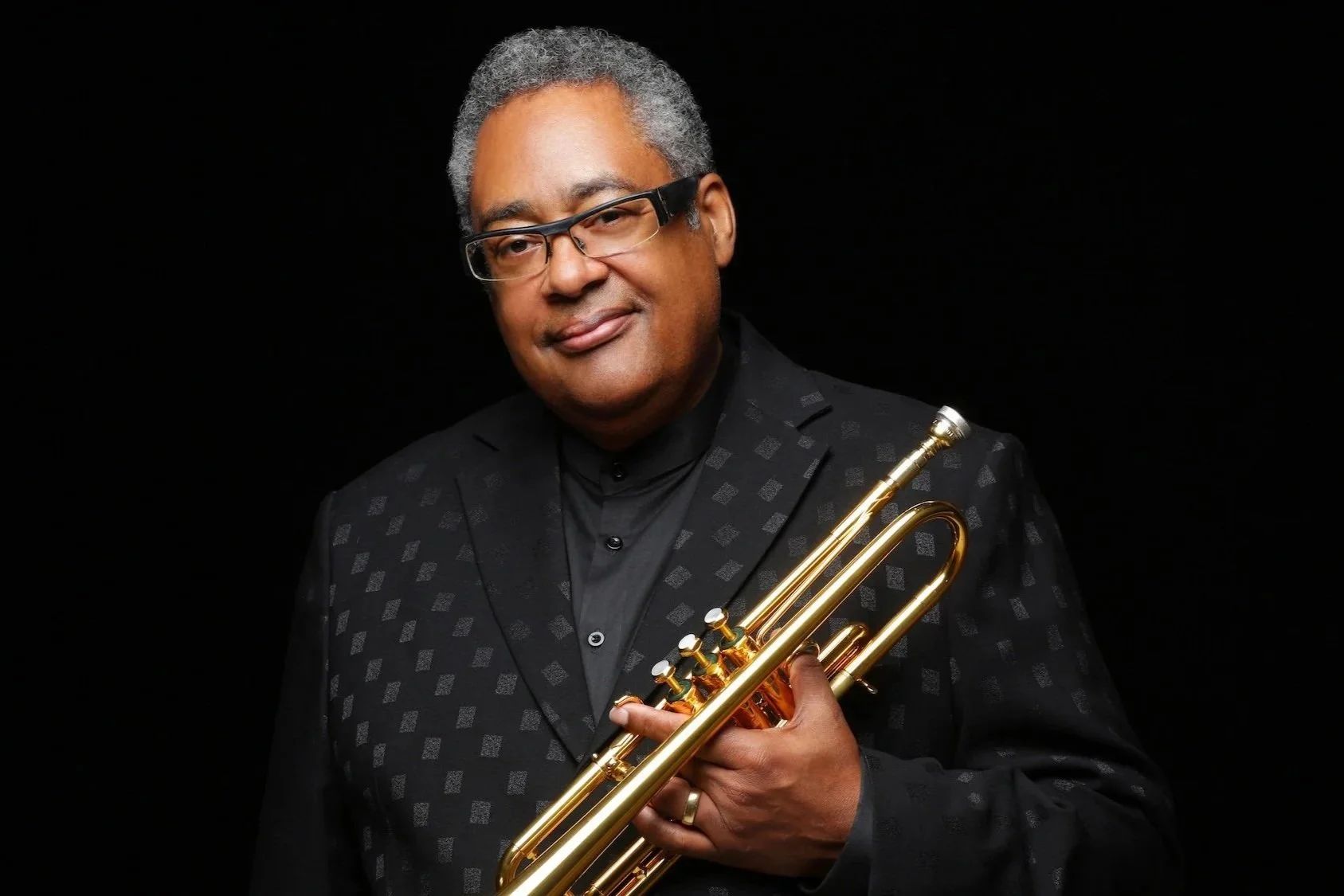
As in years past, another piece by Macdonald, “Boundless and Infinite”, will close the program, which will also include trumpeter Katherine Evans performing “The Last Post”. Lichte’s own composition, “Invocation: We Will Remember Them”, will start the proceedings, establishing an appropriately contemplative frame of mind.
“I think it’s really important that when people come into a concert or come into a space, you have some sort of musical thing that sets the tone and sort of wipes the slate clean, so that we’re then ready to receive the rest of it,” Lichte says. “So that invocation is truly there just for that sort of centring of all of this.
“Because of the way the Remembrance Day program is, there’s almost a sense of ritual about the whole concert. It feels more like a ritual to me, sometimes, than it does a concert or performance or any of those sorts of things. I don’t mean that in a religious sense, but there are some of these things that reoccur every time that we do this. But then it’s new and fresh inside of that, so that we’re hearing the story anew and have open hearts and open ears for what’s happening in our lives and in the world right now—and why Remembrance Day still matters.” 

Related Articles