Pop Up Dances turns Vancouver Public Library into a stage
Two-day festival from New Works Dance allows companies like Generous Mess to find new freedom of movement in non-traditional spaces that include staircases and rooftop gardens

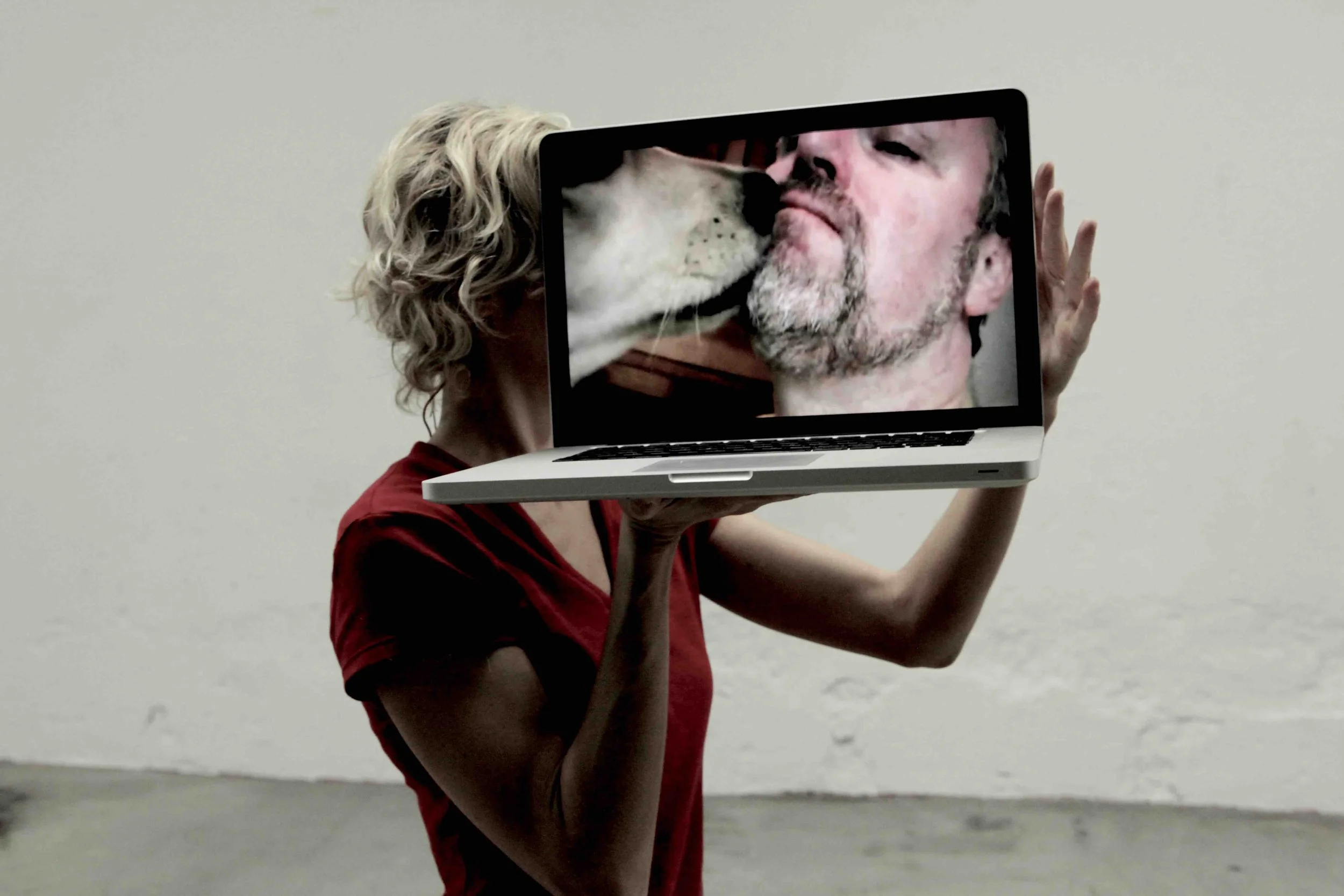
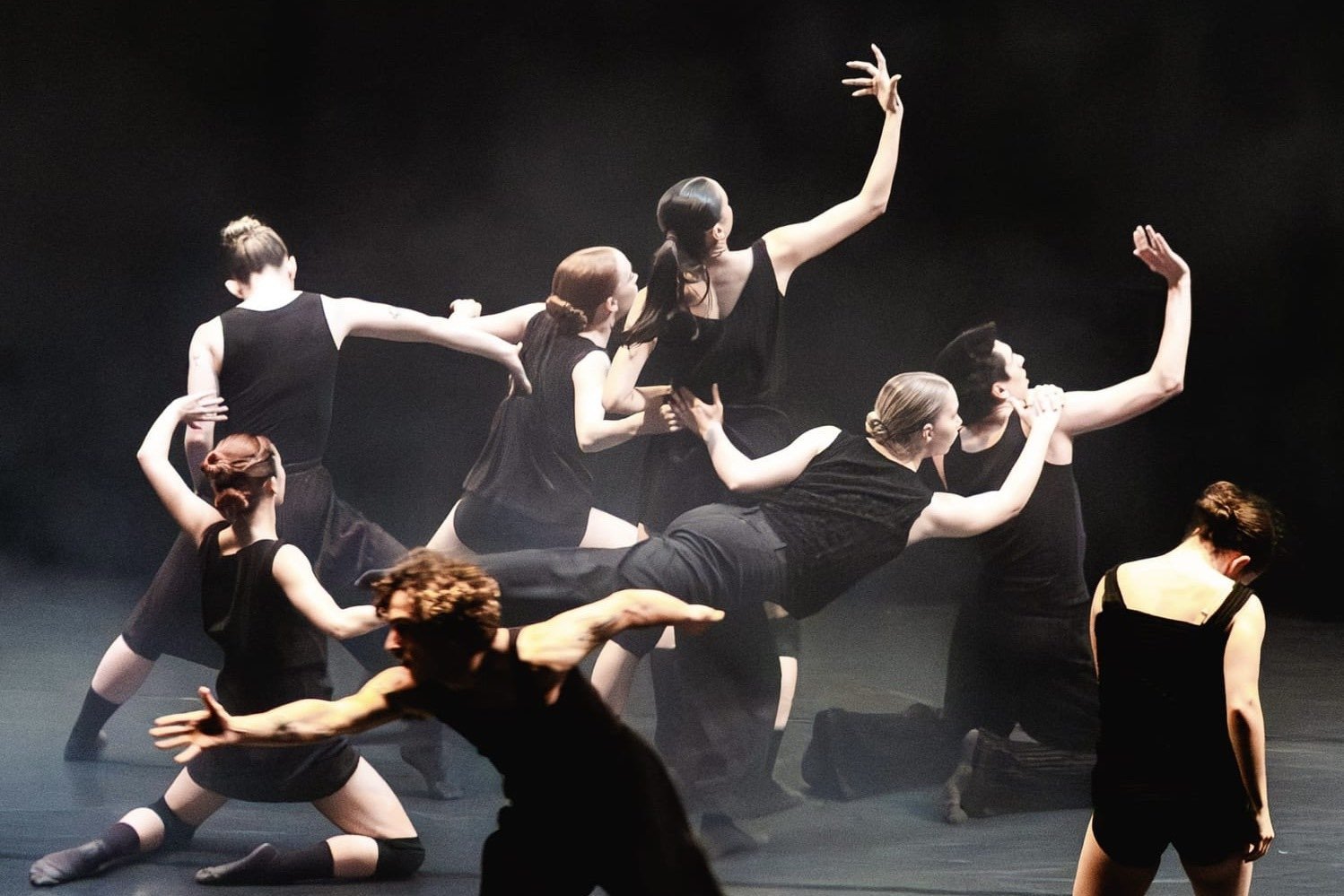
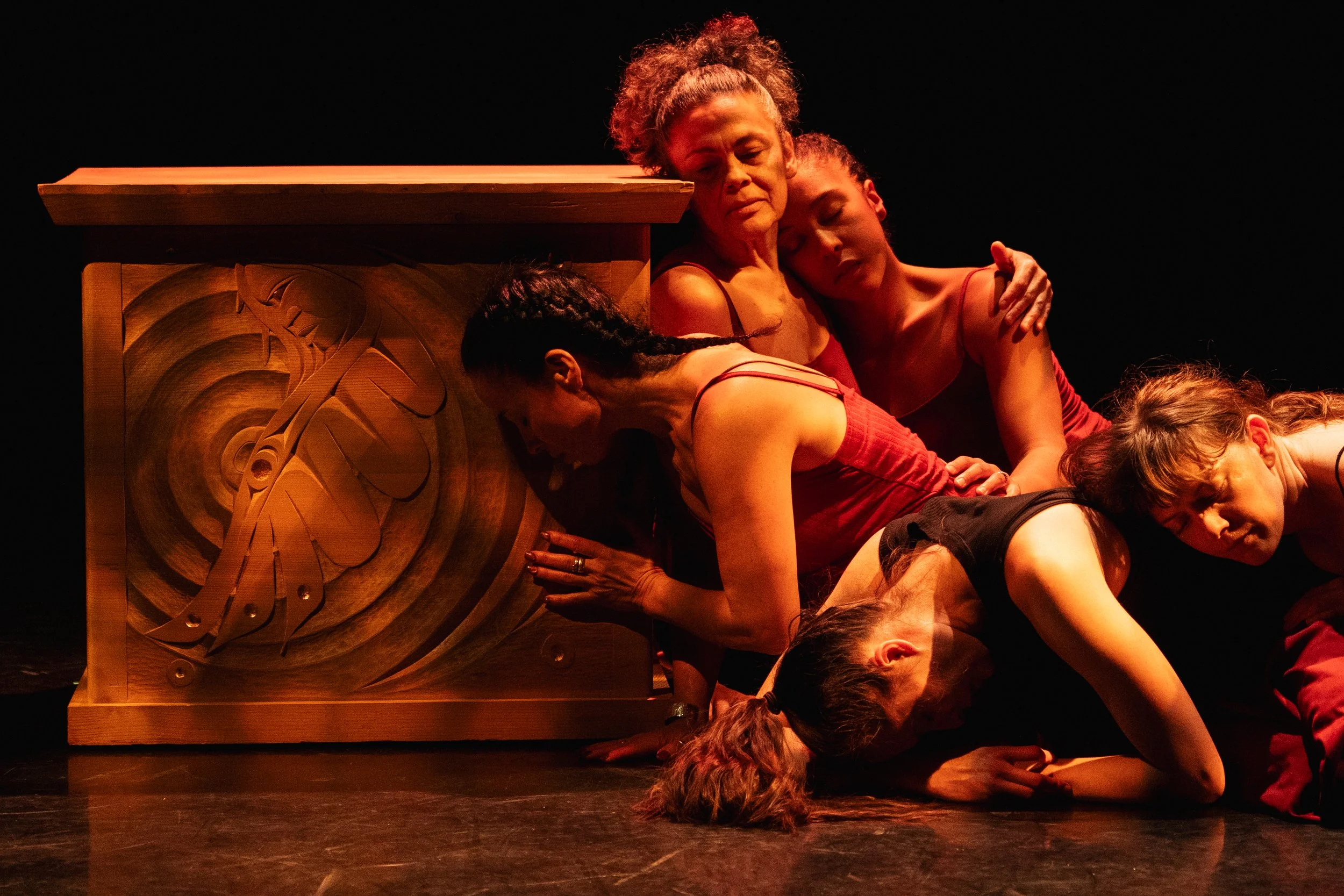
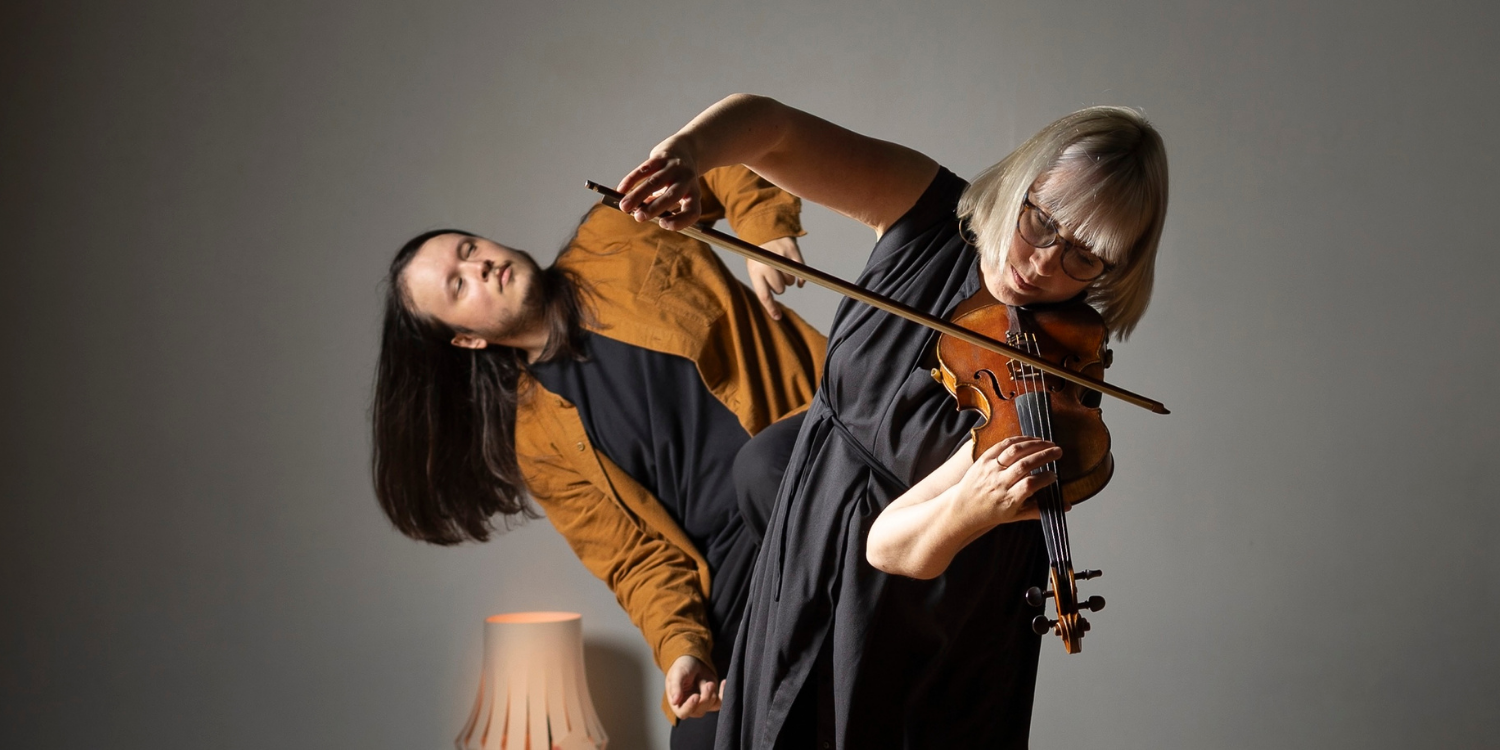
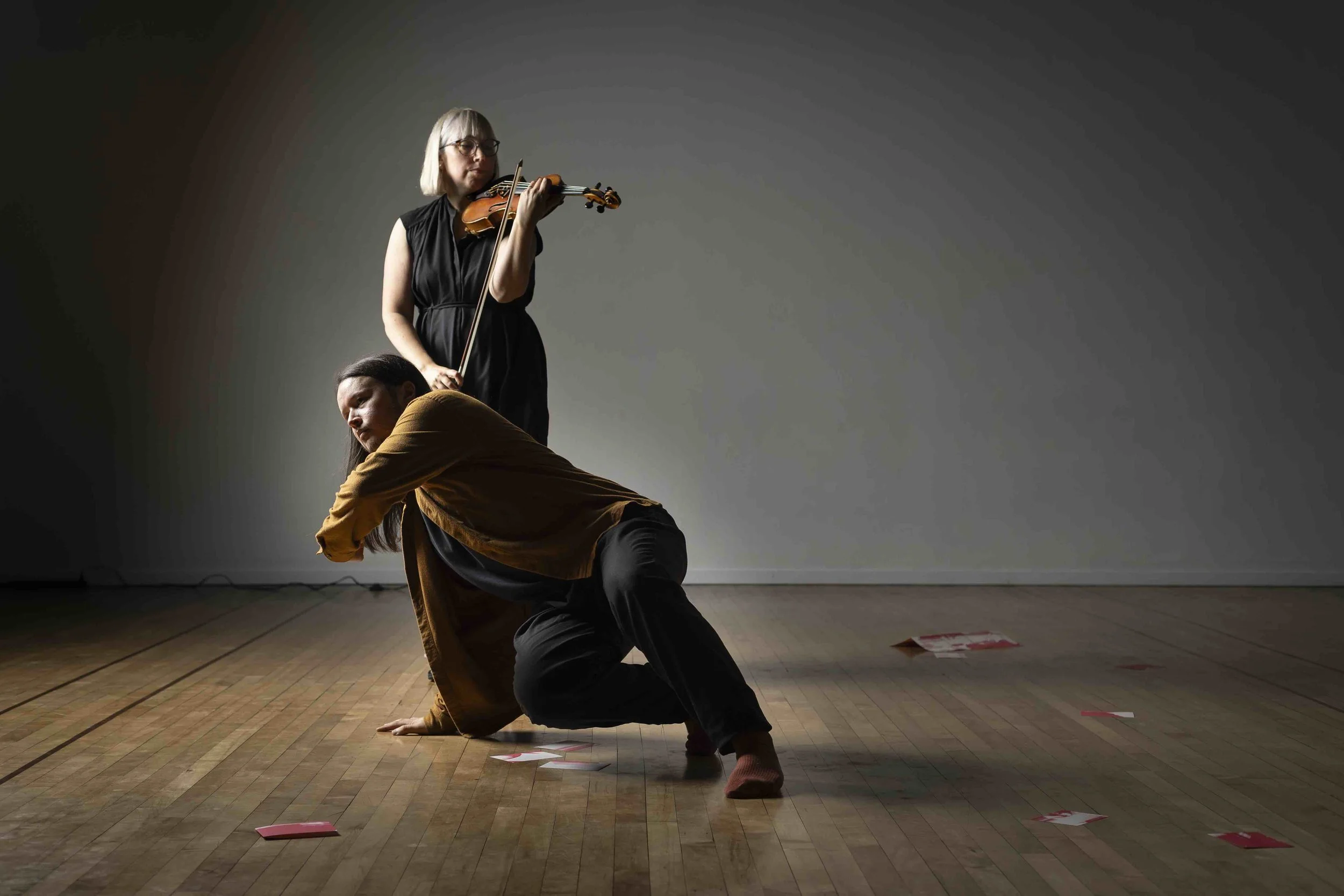
Sarah Hutton and Aiden Cass of Generous Mess. Photo by Kyra Wittkopf

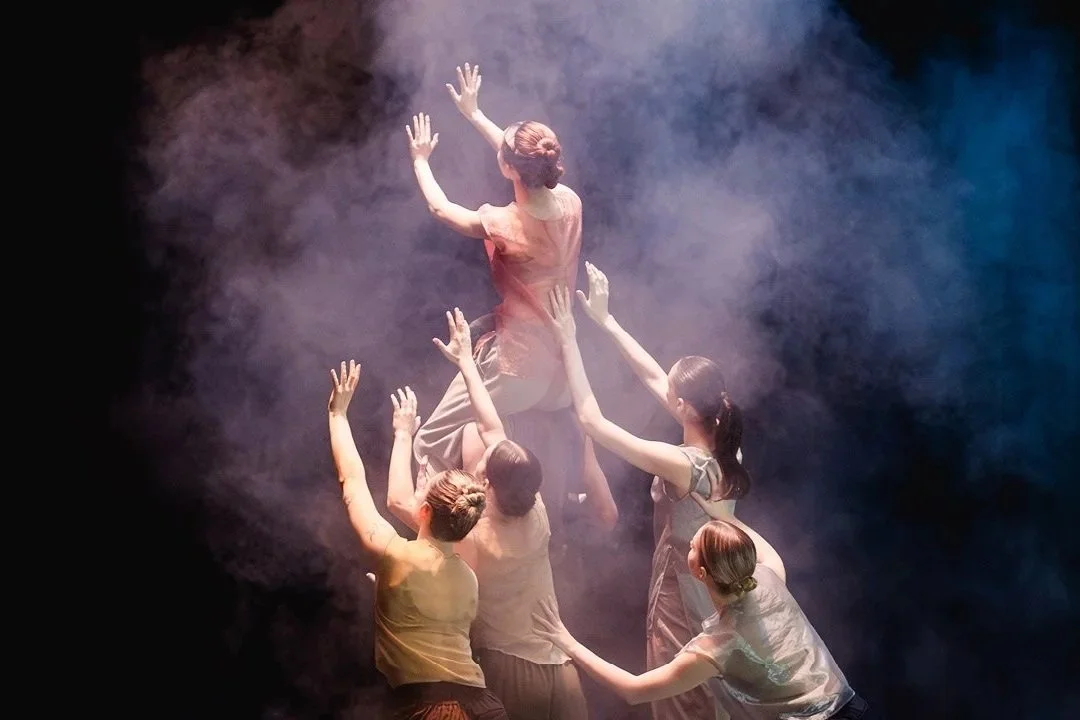
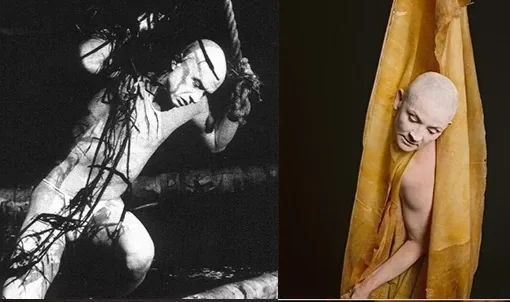
Amber Barton at last year’s Pop Up Dances Festival. Photo by Carla Alcántara
New Works presents the Pop Up Dances Festival at the Vancouver Public Library on September 18 and 19
SOMETHING OTHER THAN books is coming to the Vancouver Public Library this September: dance.
On September 18 and 19, New Works’ Pop Up Dances Festival brings five site-specific performances to unexpected corners of the VPL, arranged as a vertical walking tour that starts on the North Plaza and climbs all the way to the rooftop garden.
Audiences can follow the approximately hourlong guided route or drop in for individual works. Along the way, an escalator landing, terrace, and staircase become stages of their own.
“The space is the theme,” says New Works program director Amber Barton. “It’s really just handing those spaces over to those artists and allowing them to be inspired and to create.”
For Sarah Hutton and Aiden Cass of Generous Mess, that means seeing what happens when a duet meets the Grand Staircase. The contemporary dancers and choreographers have been creating together since 2019, often exploring how two bodies move and respond to each other. Their new work turns that interest toward the small moments of connection that can interrupt everyday city life.
Whether on the SkyTrain, the bus, or a long elevator ride with a neighbour, Hutton and Cass found inspiration in the everyday question of whether to connect with the people around them. Sometimes, it can be as simple as looking up from a phone or slowing down enough to notice what is happening around them.
“We’re experimenting with this idea of people coming, meeting, and it’s kind of the decision whether they’re going to connect or not,” Hutton says. “What kind of joy and curiosity and new experiences happen if we let ourselves be open to that?”
At the library, that question extends beyond the two dancers. Some people will arrive specifically for Pop Up Dances. Others might simply be passing through the building when they encounter a performance and have to make their own decision: stop or keep moving.
“When you are dancing for the public, and you’re not in a theatre, there is an element of having to be okay with the fact that you might not hold their attention—like, they can come and go as they please,” Hutton says. “Ironically, it’s kind of also the concept of the work, like how we hold each other’s attention.”
Then there are the stairs themselves.
Creating for the Grand Staircase means giving up the familiar flat surface of a dance studio and figuring out what the architecture can add instead. Cass says those limitations have pushed the pair to approach their choreography differently.
“We get to have more fun, we get to try new things,” he says. “There’s stairs, we’re going to be falling down them.”
The open staircase offers an almost 360-degree playing field, with the dancers visible from different heights, angles, and perspectives, rather than from one fixed viewpoint. Hutton and Cass are experimenting with how far across the stairs and landing the performance can stretch.
The unconventional setting has changed their creative process too. Hutton says stepping away from mirrors and the expectations of a studio has brought more playfulness into the process.
“There’s something about creating in a non-traditional space or a non dance studio,” she says. “I think we’re a little bit kinder to ourselves, a little bit more open. Our inner critic isn’t as on.”
That freedom to experiment is part of what keeps the festival unpredictable. Barton says the New Works team generally does not watch the pieces as they develop, making the festival’s first run her first chance to see what the artists have made of spaces never intended as stages.
“It’s always unexpected and surprising,” Barton says. “I always have this moment where I think, ‘This is why we do this event.’” 
Related Articles