At The Dance Centre, Tasha Faye Evans’s Cedar Woman honours a legacy of Coast Salish women
Rooted in the cultural teachings of the Ancestor’s Eye, the dance and theatre artist’s work draws on a traditional Coast Salish story of hope and resilience
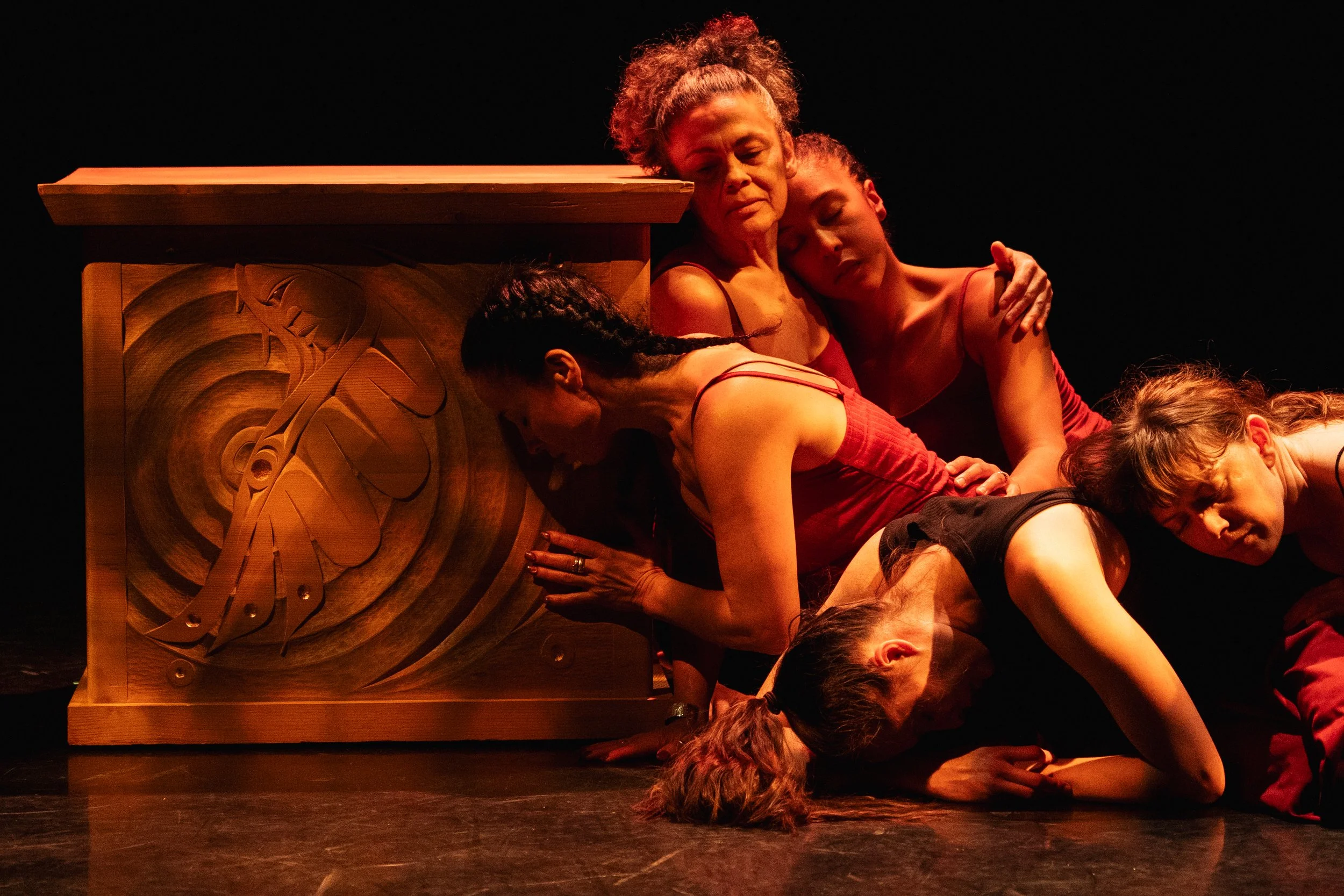
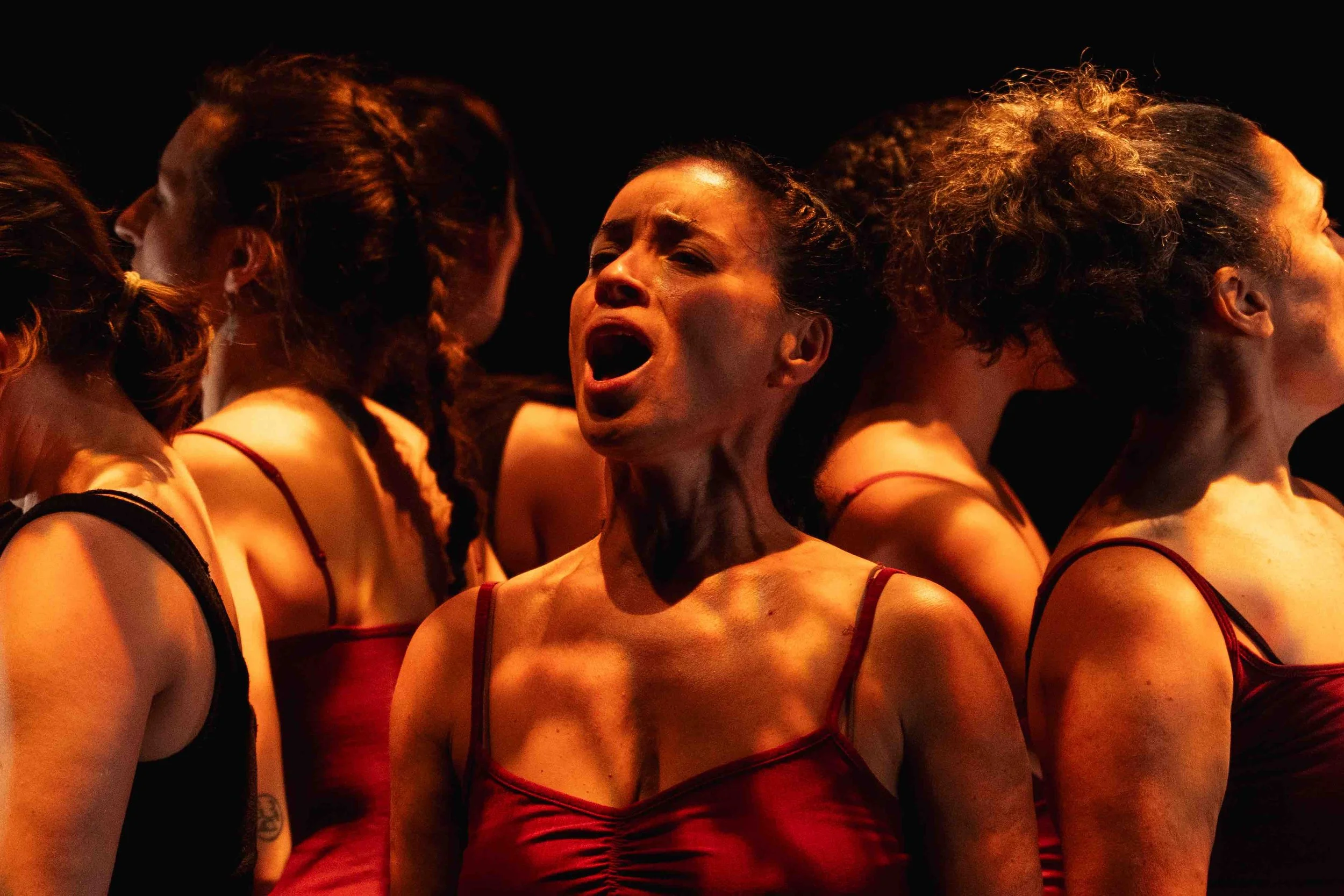
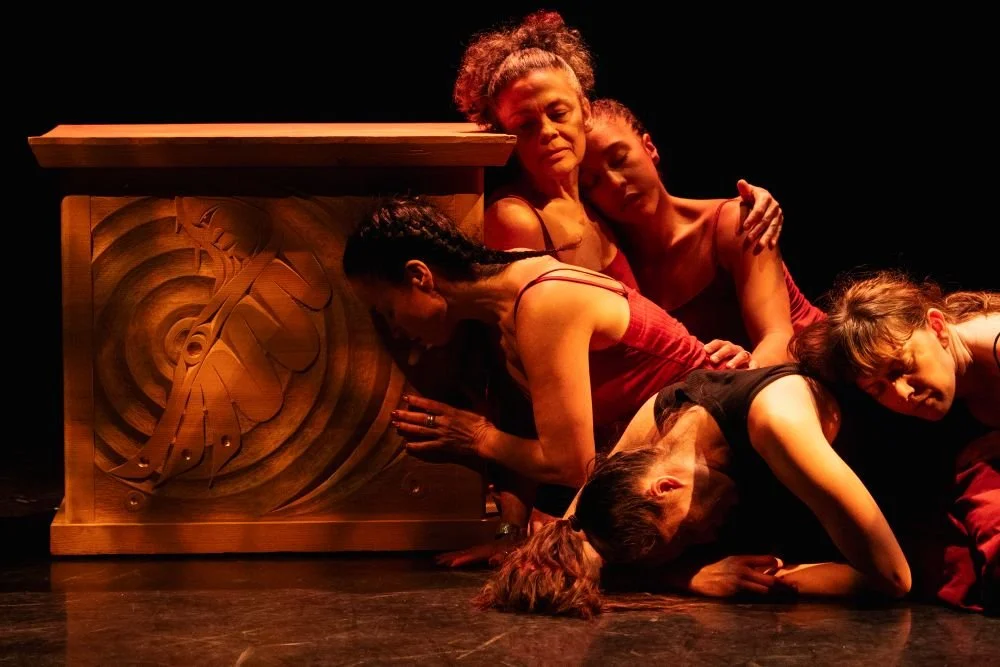
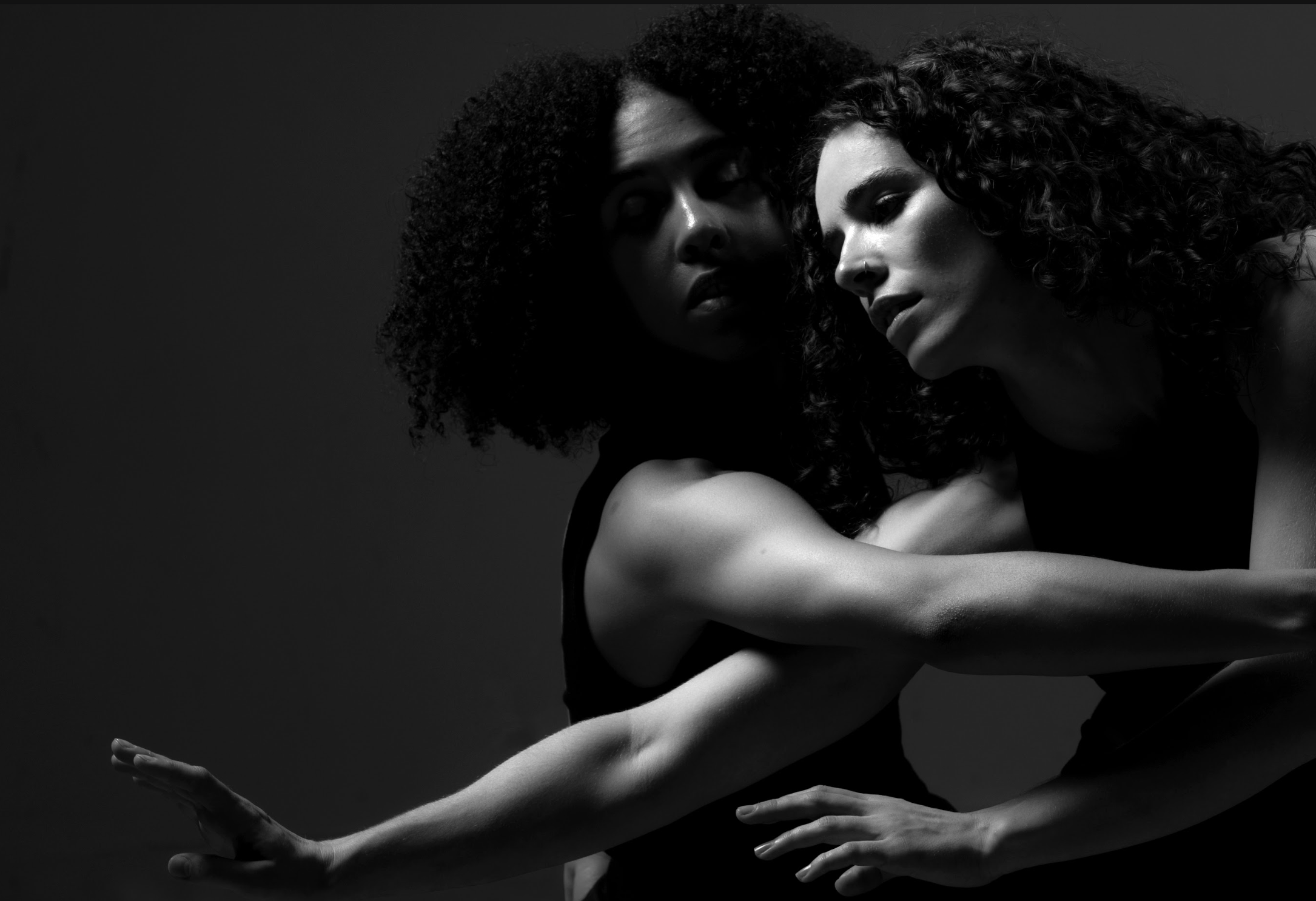
Cedar Woman. Photo by Alger Liang
The Dance Centre presents Cedar Woman from October 1 to 2 at 8 pm and October 3 at 2 pm, as part of the Global Dance Connections series
IN BOTH HER artistic practice and daily life, Tasha Faye Evans is guided by the teachings of the Ancestor’s Eye. Consisting of a circle, crescent, and trigon—the fundamental elements of Coast Salish art and design—the symbol evokes the image of a pebble being dropped in calm water, with the crescent representing the ripples and the trigon reflecting the continuation of movement and energies.
“It teaches you that your ancestors are always watching over you and that you too are an ancestor,” the Coast Salish dance and theatre artist tells Stir over the phone. “So the things that you do, the ripples that you make, you want them to come from your heart and have integrity.”
It is with integrity and that shared sense of community that Evans approaches her latest project, Cedar Woman, opening The Dance Centre’s 2026-27 Global Dance Connections series from October 1 to 3.
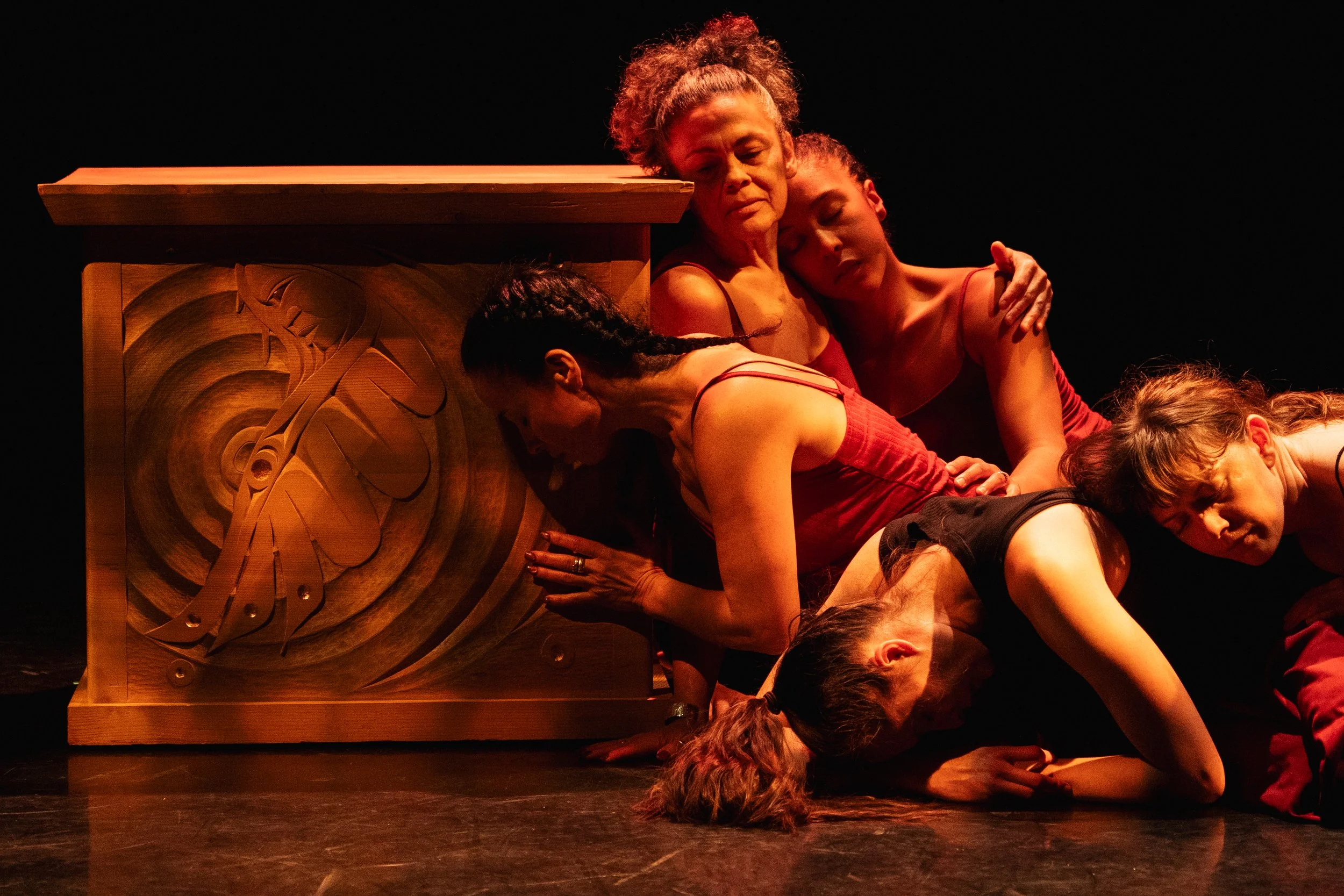
Based on an original Coast Salish story, a sx̌ʷəx̌ʷəy̓em̓, the six-dancer show calls upon one of the first grandmothers who was transformed into a cedar tree to save her loved ones during the Great Flood. Combining ceremony, dance, and song, the performance features a cedar box carved by Xwalacktun and a mask of Cedar Woman carved by Ocean Hyland. As Evans and her all-women ensemble prepare the space and one another for the arrival of the matriarch, viewers can trace elements of the Ancestor’s Eye in their movements.
“You’ll see spheres and crescents and trigons, but also the importance of space between the shapes where life and spirit lie,” she explains. “In Western art, we think of that space as negative space, but there’s nothing negative or empty about it. The space in between us is rich with songs and stories of the Coast Salish people.”
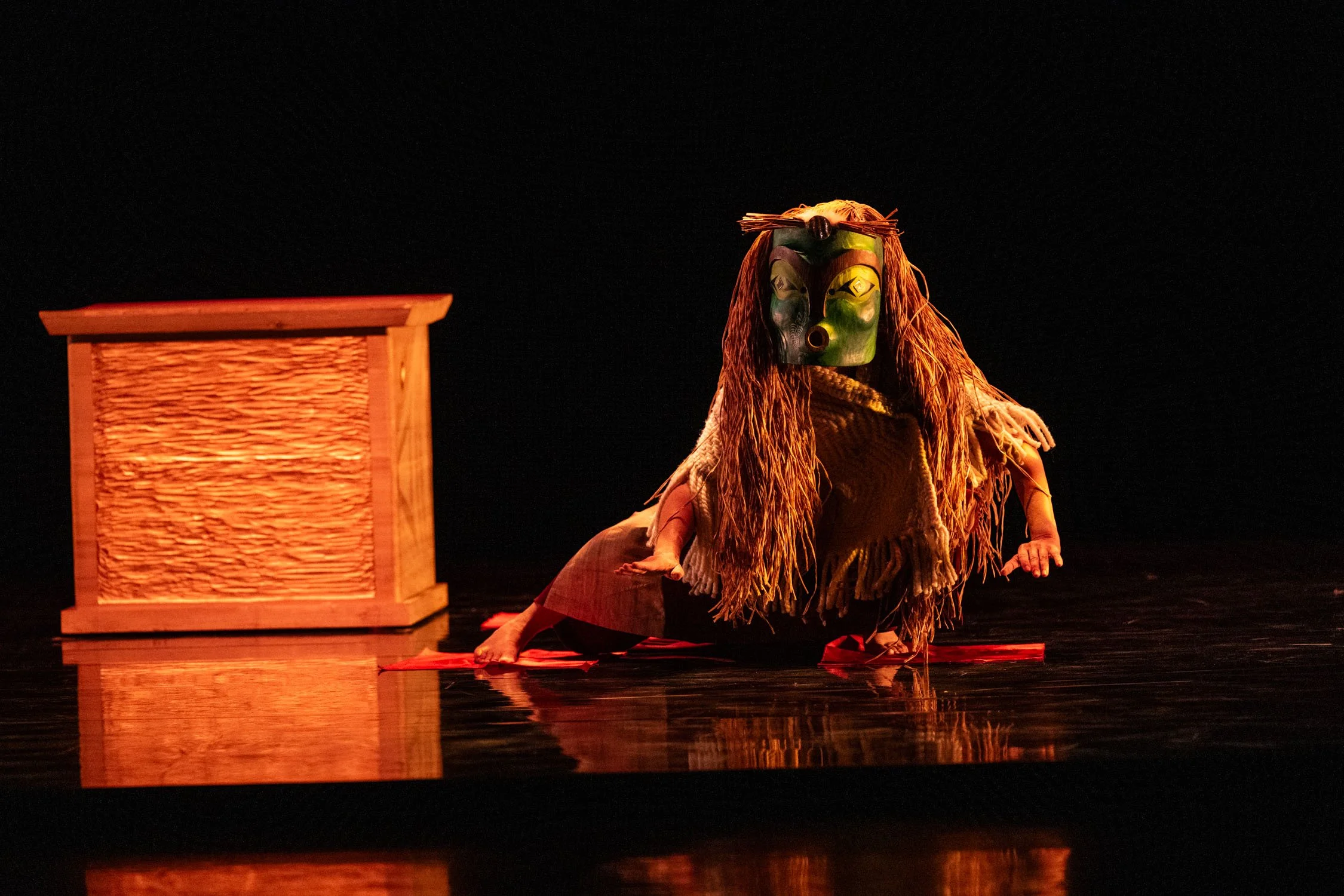
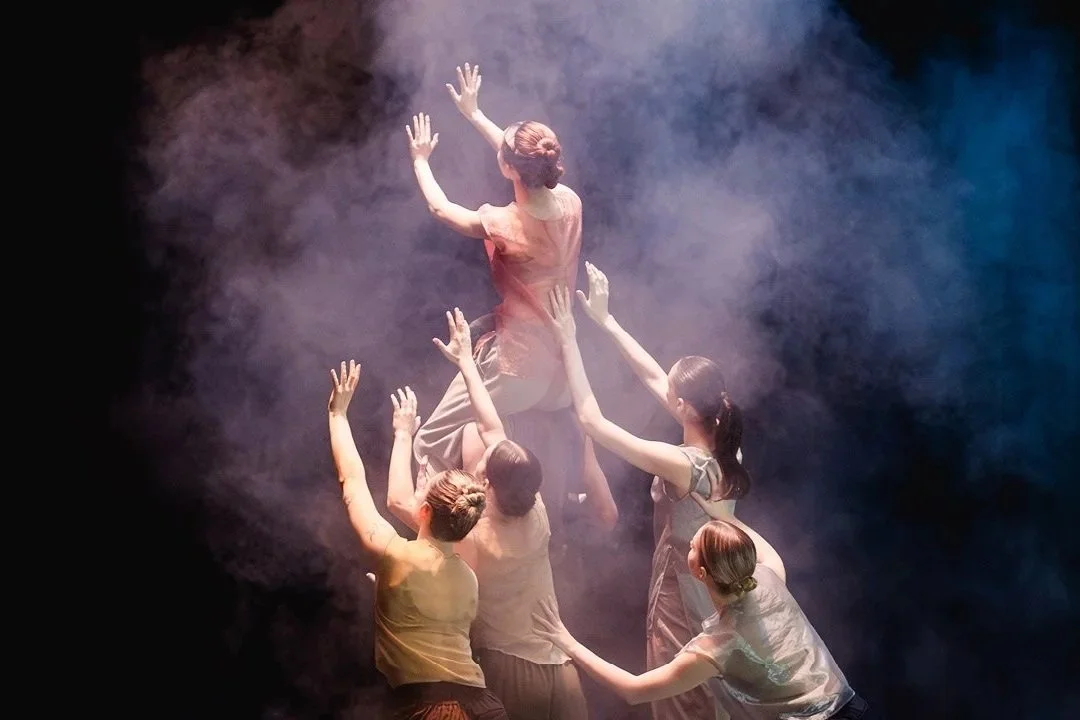
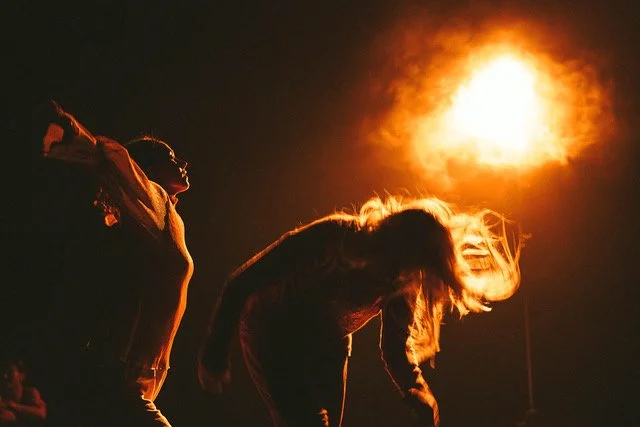
Cedar Woman. Photo by Rita Taylor
Originally developed as a solo piece through the DanceLab interdisciplinary research program in 2020, Cedar Woman celebrates the powerful and resilient legacy of Coast Salish women and their efforts to protect the land. As water levels and temperatures rise, old-growth forests fall to logging, and pipelines threaten local communities and ecosystems, Evans highlights the importance of collective engagement and responsibility.
The sx̌ʷəx̌ʷəy̓em̓ was told to Evans by the late Stó:lō writer, activist, and academic Lee Maracle during their conversation about the need for strong women’s narratives. “When we are faced with devastation, it is our fierce love that keeps us rising, keeps us standing on the front lines, and keeps us having hope for the future,” she stresses.
Nearly seven years later, presented through The Dance Centre’s Artist-in-Residence program, Evans’s six-member dance has grown into a shared vision of hope and remembrance. “There are so many women who also have an urgency for change and to protect what’s sacred,” she says. “I knew I wanted other women to help me tell the story. Every single woman has their own pain and sorrow, and if we all share carrying the weight of the future, then it’s not so heavy.”
In Cedar Woman, the audience will witness this collective storytelling, as six multigenerational women dancers call forward the matriarch’s spirit. Donning Hyland’s contemporary Coast Salish mask is Evans, whose body will aid the spirit as a vessel for expressing her message. “I have so much reverence for this ancestor, I could not be arrogant to think that I could take on her character in my body,” she elaborates. “I’m not performing Cedar Woman like an actor taking on a character—I’m channeling her spirit.”
“The challenge has been bringing in my voice into the room and adding that element of storytelling that goes beyond just a box and the body,” she adds. “There are so many tools for storytelling in Cedar Woman right now because our carvings tell stories, our weavings, our masks, our protocols—and now I’ve layered in my voice to tell that story.”
Beyond the stage, an accompanying exhibition curated by Evans runs to October 12 in The Dance Centre’s main lobby, featuring works by Coast Salish artists Xwalacktun, Hyland, Angela Paul, Aaron “Splash” Moody, Rebecca Baker-Grenier, Atheana Baker, K̓esugwilakw, and Cease Wyss. Inspired by the tradition of forest caregivers who were called Cedar Women, č̓əltəlístəχʷ tə x̌pey̓əɬp Honouring Cedar is a celebration of contemporary cedar women and grandchildren who continue to look after the land.
Through both her dance and exhibition, Evans explores the role of cedar in Coast Salish culture and those who have dedicated their lives to protect it. “The audience is invited to experience the welcoming of one of our matriarchs of these lands and help create a bundle of hope for the future,” she reflects. 

Related Articles