In Fall(se) Circ(us), dancers embrace cycles of frenzied work and relatable exhaustion
At the Roundhouse, Little Room Productions’ inaugural piece draws on choreographer Isak Enquist’s lifelong experience in martial arts
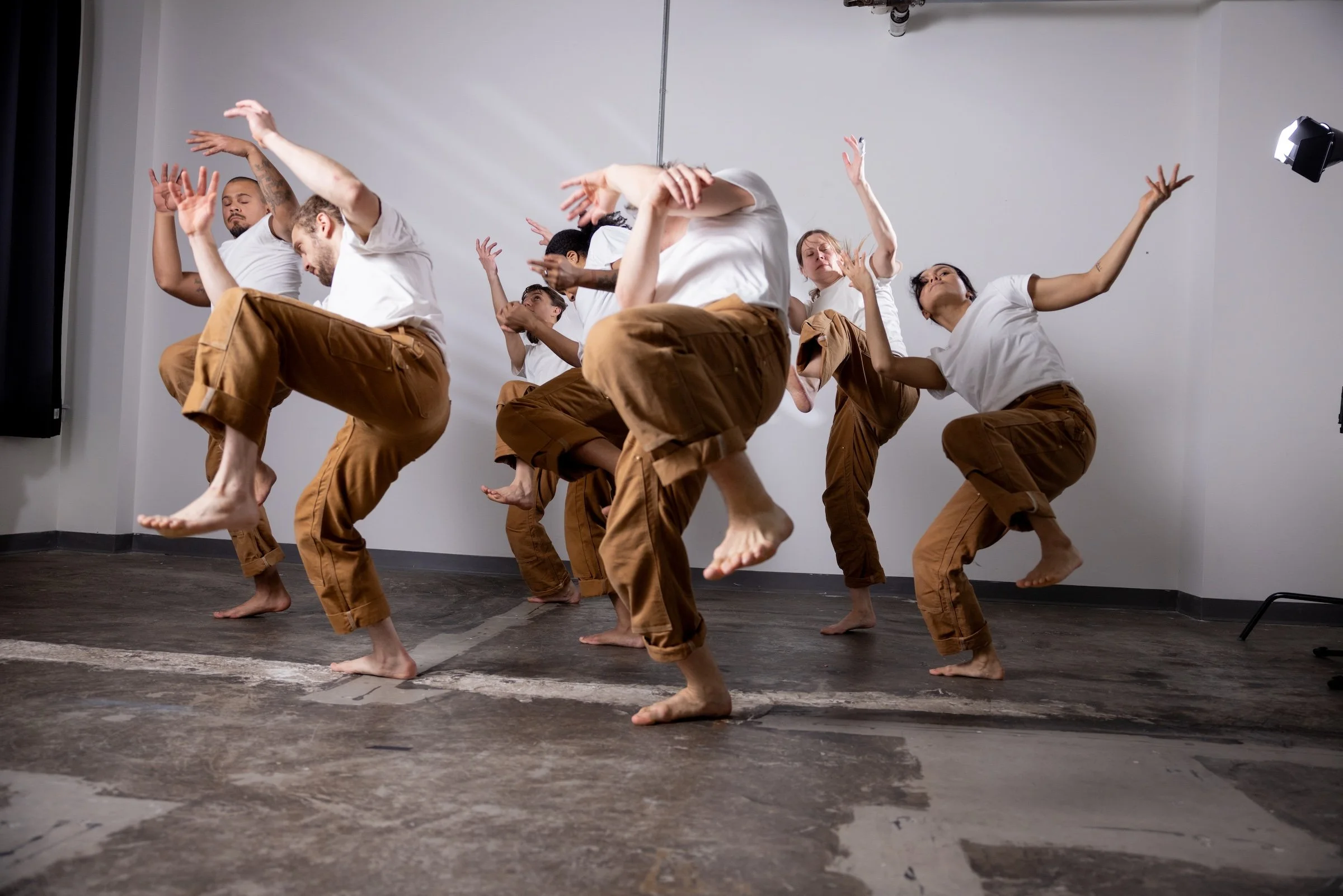
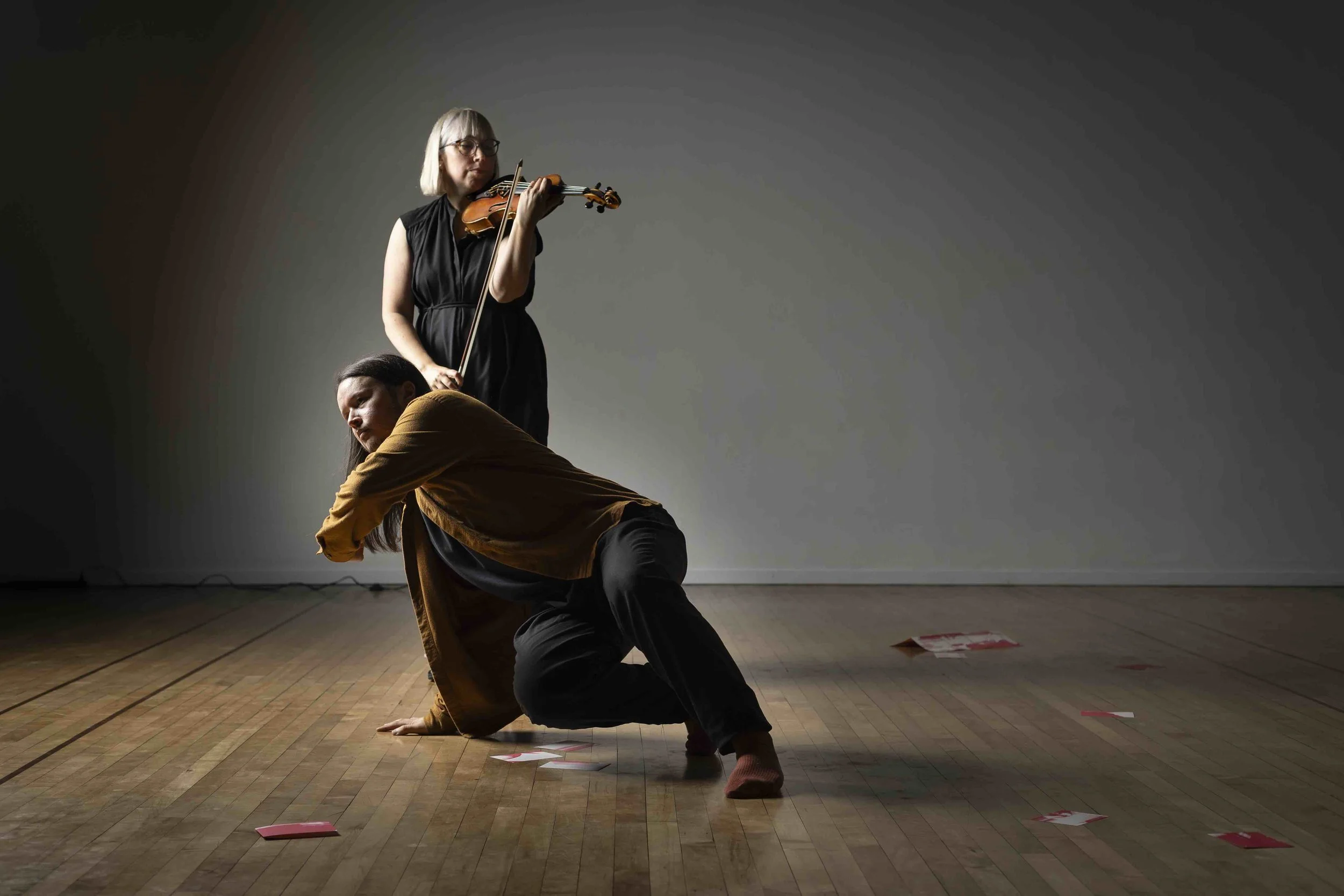
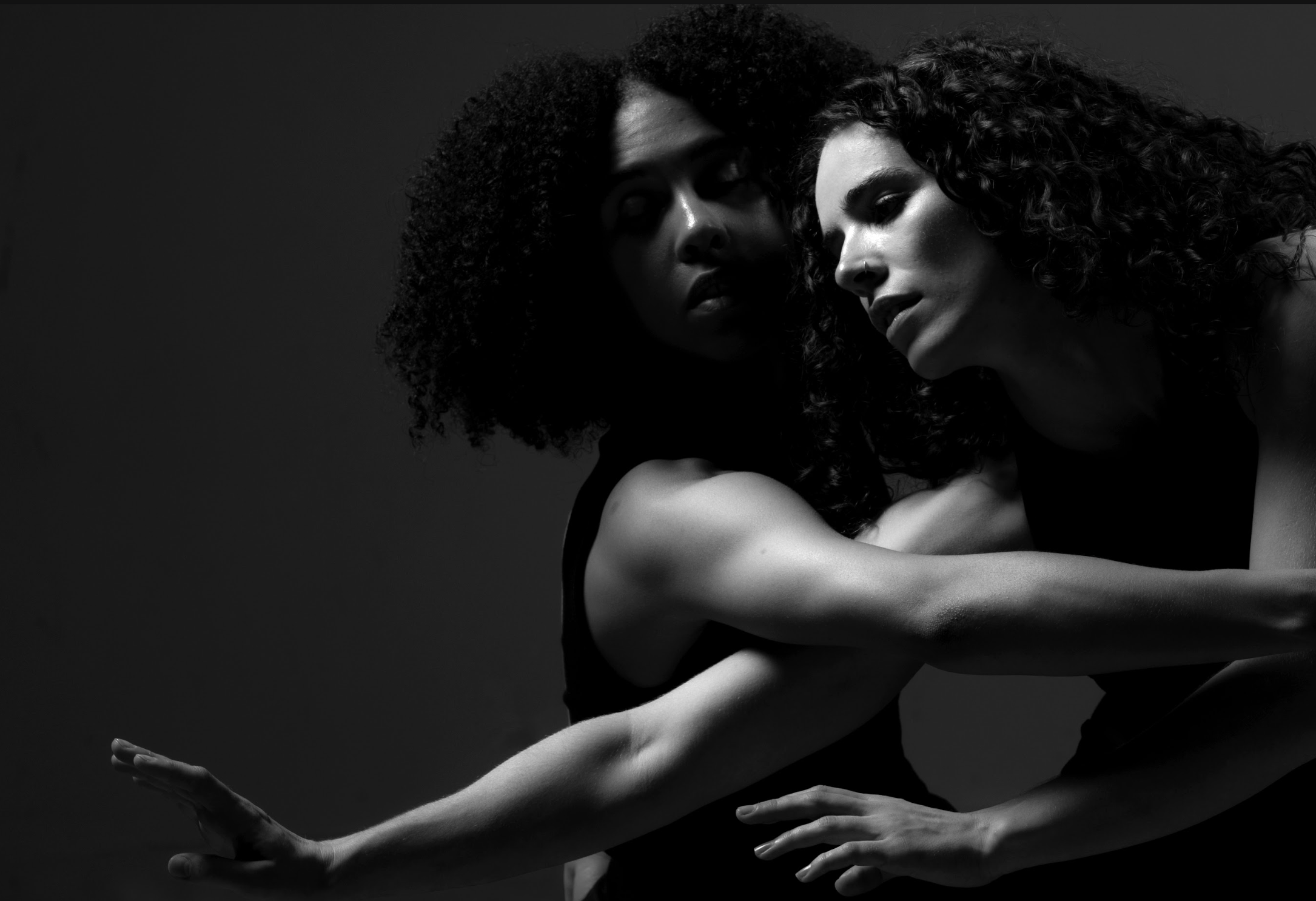
Fall(se) Circ(us). Photo by Lula-Belle Jedynak
New Works and Little Room Productions present Fall(se) Circ(us) at the Roundhouse Community Arts and Recreation Centre on March 21 at 7:30 pm
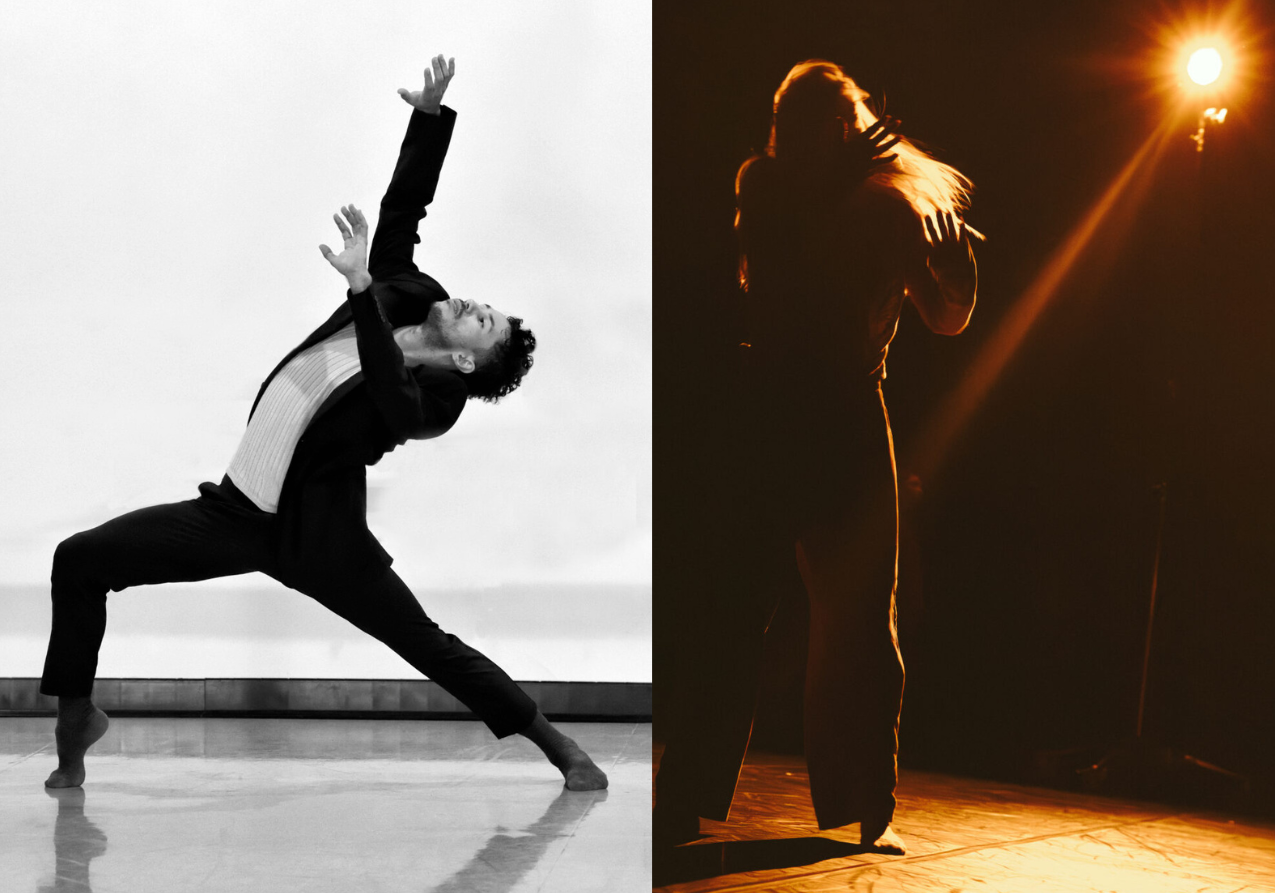
ISAK ENQUIST’S KARATE training is integral to his movement style as a dancer.
Growing up as the son of a martial-arts teacher in Grand Forks, he spent his formative years training at a dojo nestled in the Kootenays, and he now holds his first-dan black belt. But during that time, Enquist also took up dancing—and after watching the movie Fame, he convinced his parents to let him move to Vancouver at 19 to pursue a career in the art form.
Enquist then spent the next decade attempting to let go of his Shotokan technique in order to advance his classical-ballet training, studying at the Ailey School in New York, and SFU and Modus Operandi locally. But as it turned out, his martial-arts influence was hard to shake.
“In the last couple years, I sort of decided that I can’t get it out of my body,” Enquist tells Stir in a Zoom call. “So I’m gonna just lean in to it.”
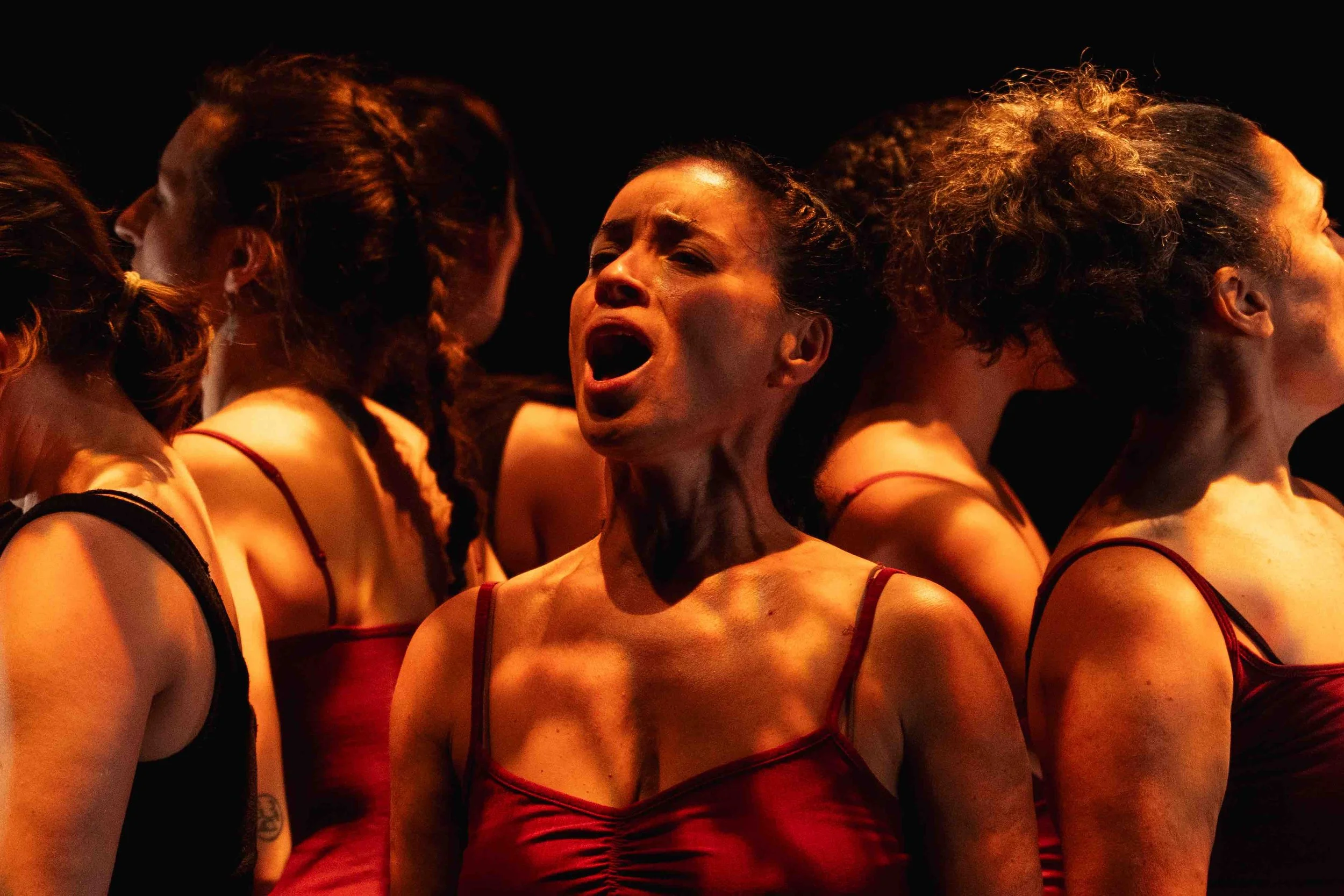
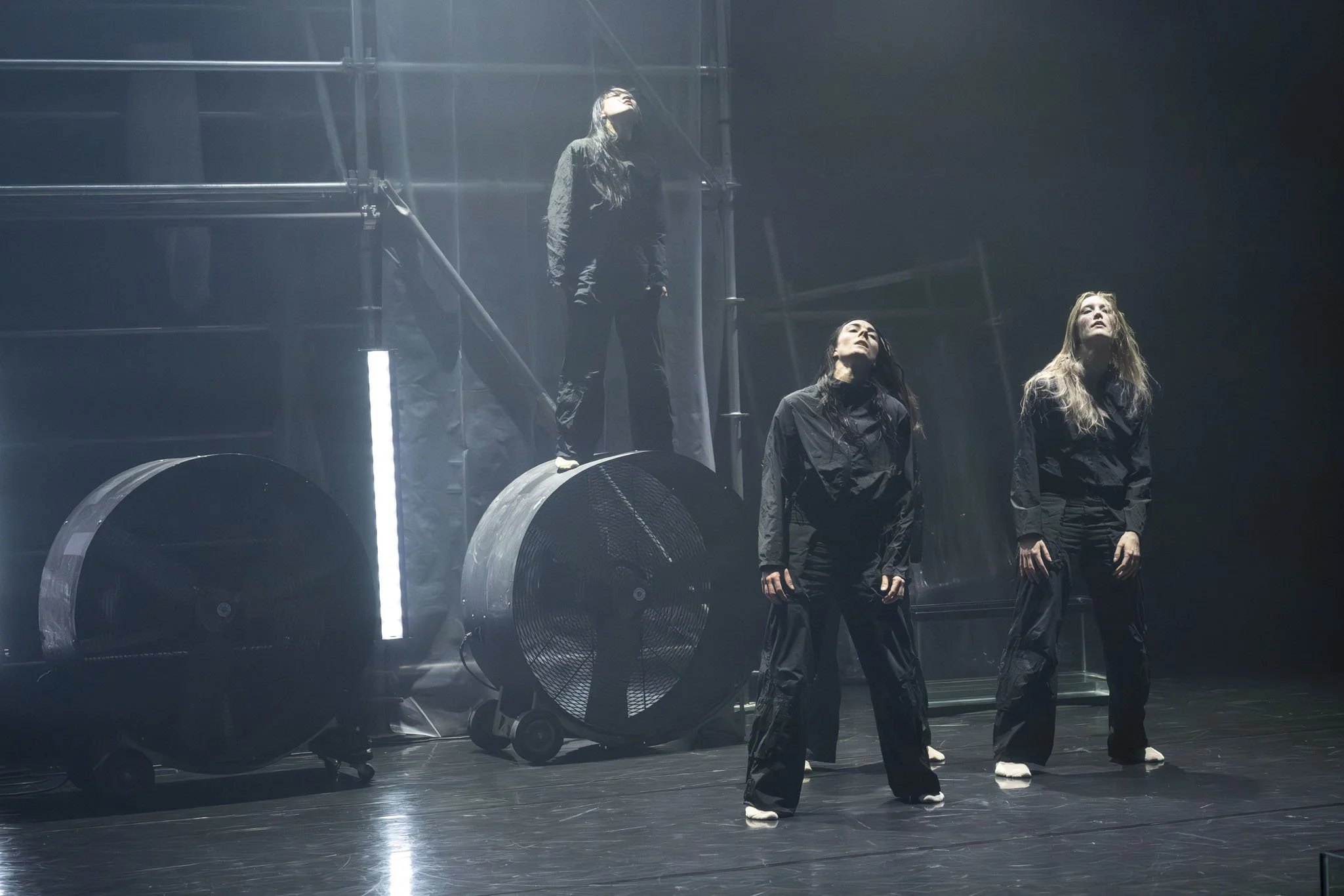
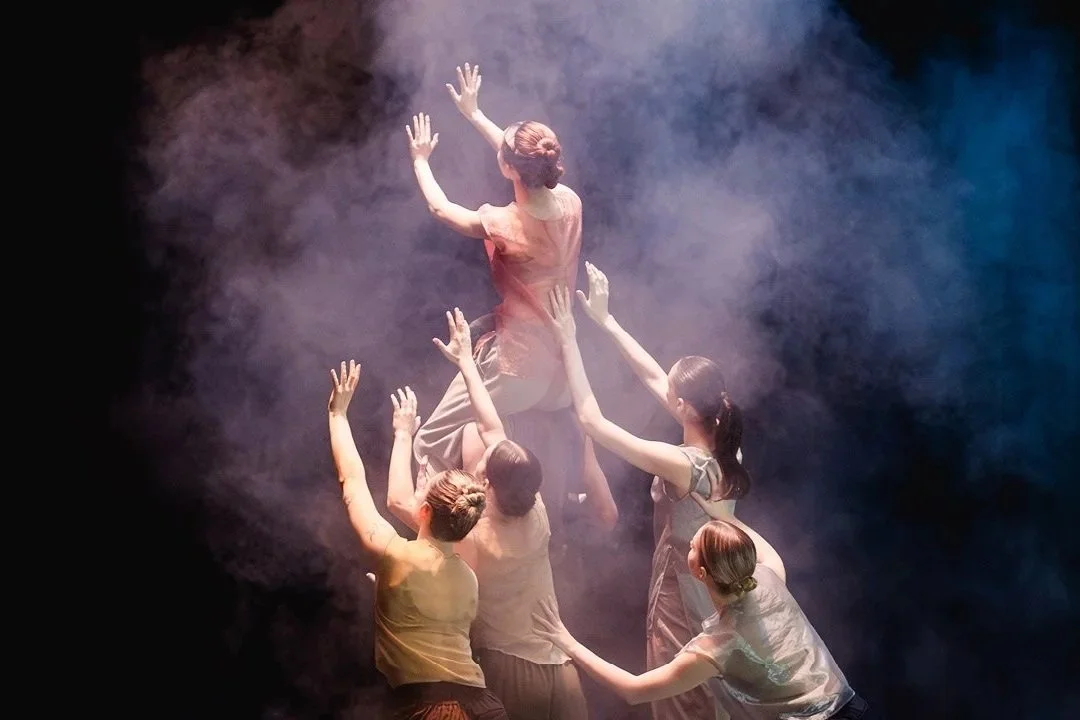
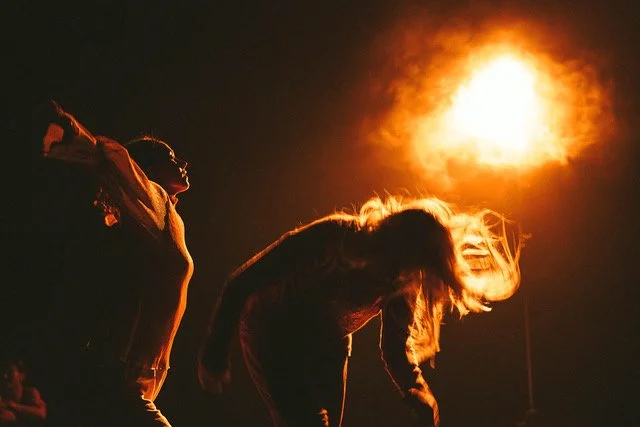
Embracing karate in his dance practice has propelled Enquist’s choreography to new heights. Enter Fall(se) Circ(us), his first piece with Little Room Productions, the newly formed company he’s codirecting alongside Eowynn Enquist. Soon to have its world premiere at the Roundhouse Community Arts and Recreation Centre, in partnership with New Works, Fall(se) Circ(us) sees seven dancers explore cycles of work and rest through impressive physical feats, precise focus, and moments of improvisation.
The Roundhouse’s industrial nature will shine through in the show; there won’t be any theatre drapery. Jono Kim’s lighting design will showcase the venue’s brick backdrop. And the dancers will be outfitted in plain white tees and brown pants—clothes that Enquist describes as uniform-adjacent, rather than the artistic costumes so often seen in dance productions. A pulsating score he put together with Tyler Layton-Olson alternates between periods of frenzy and silence.
Each time Enquist leads a room of dancers, he calls to mind how his dad would teach karate classes. In karate, a teacher’s responsibility is to give information. But there’s also an acknowledgement that whatever the teacher offers can reasonably be questioned by the students.
“Everyone has the right to discuss or challenge someone’s perspective on it,” Enquist says. “I think that clarity really helped me understand how the pursuit of technique works. So, getting into a dance context, I love making a dance that’s about the technique and about the physics, because then everyone’s in dialogue about the thing that we’re pursuing.
“I think there’s a lot of ego that gets into the room if you start thinking, ‘I’m the inventor of a technique’ or ‘I’m the brilliance that’s coming into the room,’” he continues. “So, yeah, there’s just a boots-on-the-ground pursuit of excellence that I think martial arts gave me. And I mean, karate is such a beautiful practice. I learned humility through karate. I learned how to control my emotions through karate.”
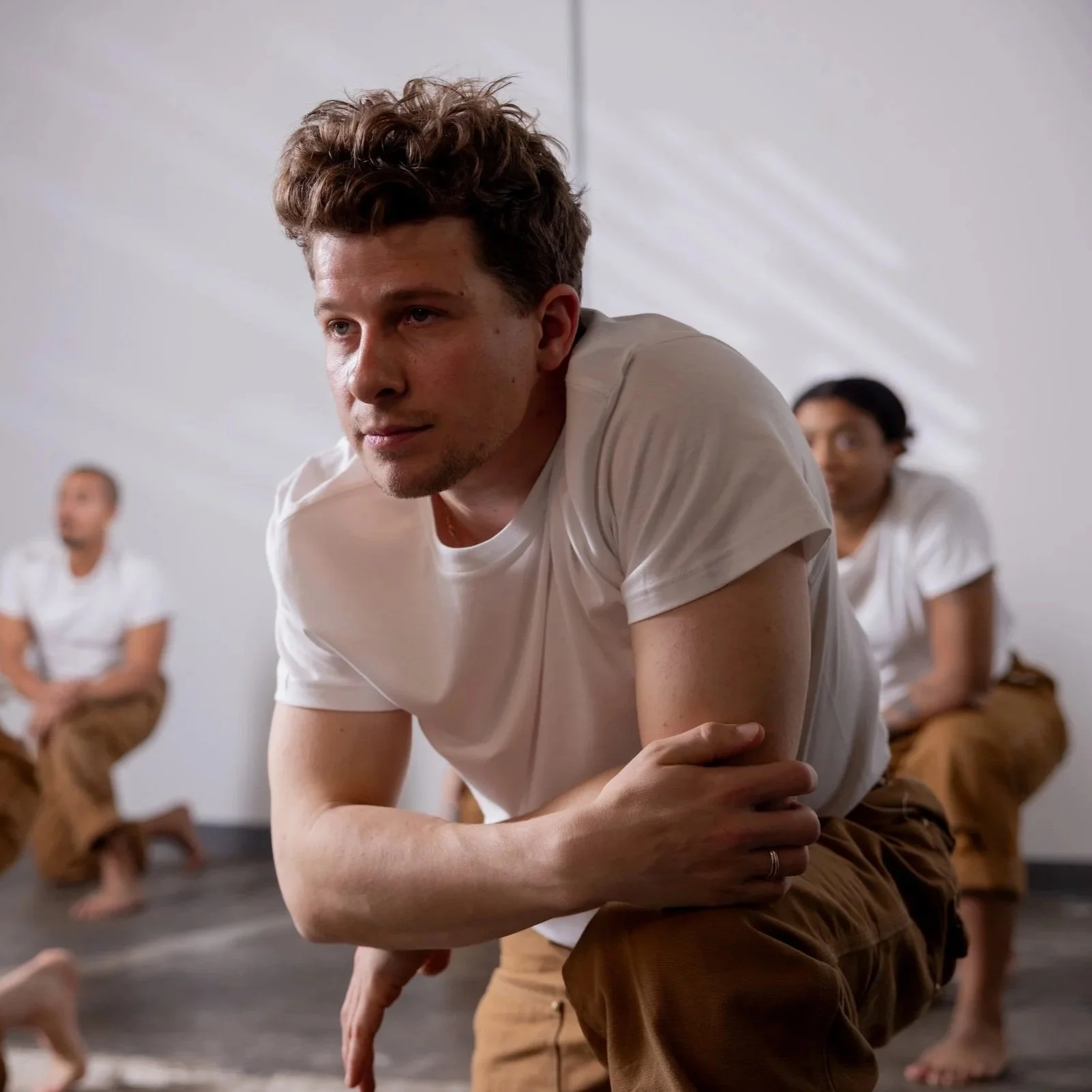
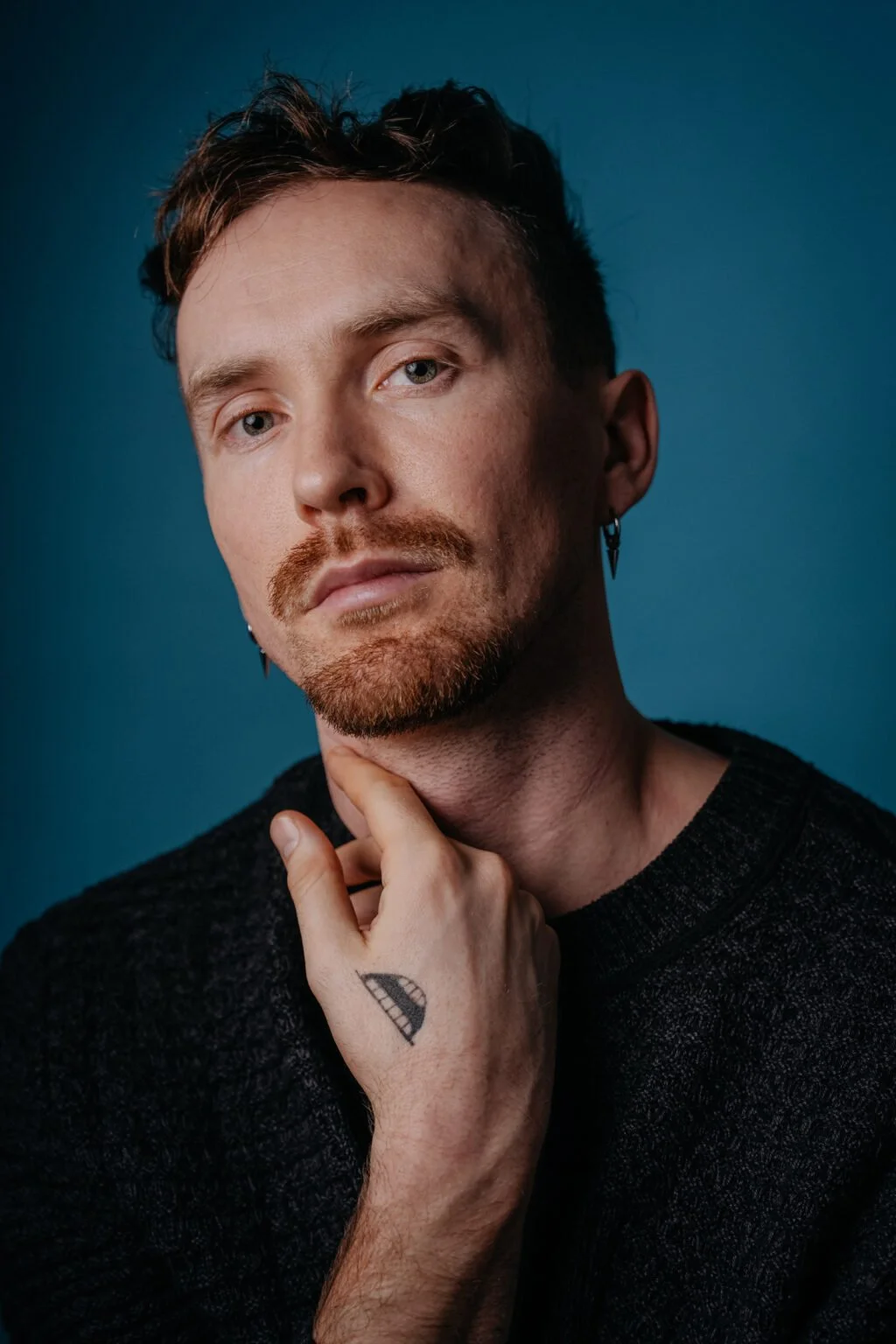
Isak Enquist. Photo by Lula-Belle Jedynak
Enquist’s training expands into other disciplines, from snowboarding to circus technique, the latter of which he learned with Cirque du Soleil alumni Gabrielle Martin and Jeremiah Hughes of Corporeal Imago. He and Eowynn performed in Throe, a piece that offers an entirely new take on aerial arts by having the dancers—who scale floor-to-ceiling ropes—show just how fragile they are, rather than feign invincibility.
That influence appears in Fall(se) Circ(us).
“Something that’s really fascinating about circus is that it kind of works in this deification of the human body, where you’re presenting someone onstage doing something that is perceived as impossible,” Enquist says. “Circus likes to keep that: the person comes onstage, and they’re this incredibly virtuosic artist that grabs a rope and does this amazing routine. And they stay this deity for the sake of the circus show.
“And I think dance lives somewhere else,” he continues. “It lives in the catharsis of the human being experiencing something in front of us. And so I think the reason I wanted to call it Fall(se) Circ(us) is because on one hand, we are doing circus—it’s incredibly virtuosic, acrobatic movement that has the intention of defying gravity. But we’re calling it a false circus because we’re revealing the artists throughout the performance to be human.”
One of the ways Enquist has done that is by encapsulating all the strain and stress of a workday into a single hour of choreography. But eventually, rigorous, choreographed steps give way to visceral, celebratory improvisation. And Enquist hopes that by the end of the piece the movement will look so freeing and inviting that audience members will feel comfortable joining the dancers onstage for a moment, if they so desire.
“Personally, I love working with exhaustion,” he says. “It does this amazing thing to performers onstage, where the exhaustion asks us to release a mask and let go of this sort of performative body.”
As a piece that is ultimately bare-bones movement at its finest, Fall(se) Circ(us) lays the groundwork for what Enquist hopes to do with Little Room Productions. He sees the company making works locally and then touring with them on an international level. He also expects to meld dance with theatre and film as the company continues to grow.
And at the root of it all is a sentiment Enquist sums up so succinctly:
“I don’t need my name to be famous. I just want West Coast dance to be famous.” 

Related Articles