Neworld Theatre’s Eyes of the Beast draws on survivor stories to reframe climate reporting
Documentary-style production creates call to action by integrating lived experience of climate disaster into an innovative hybrid of theatre and journalism
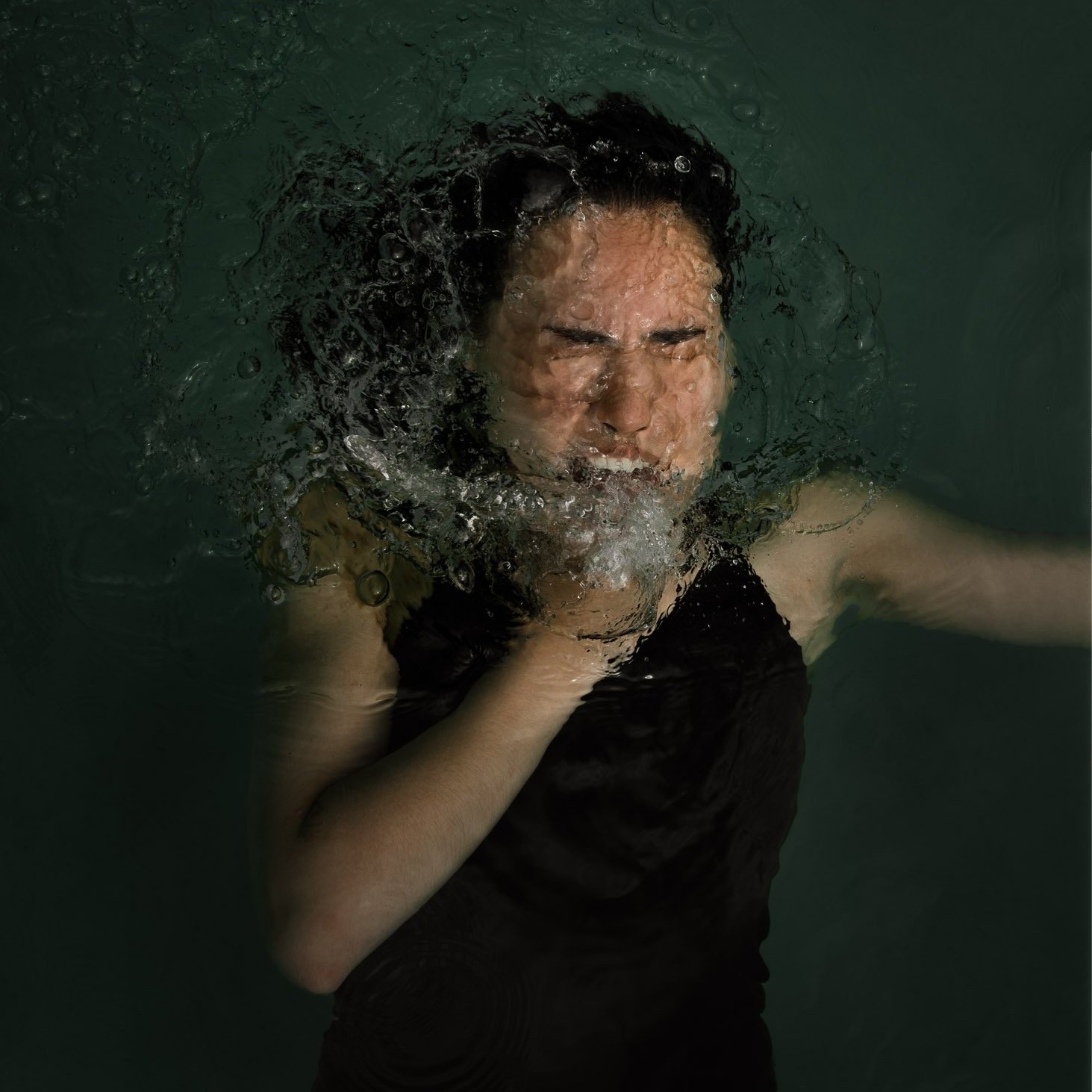
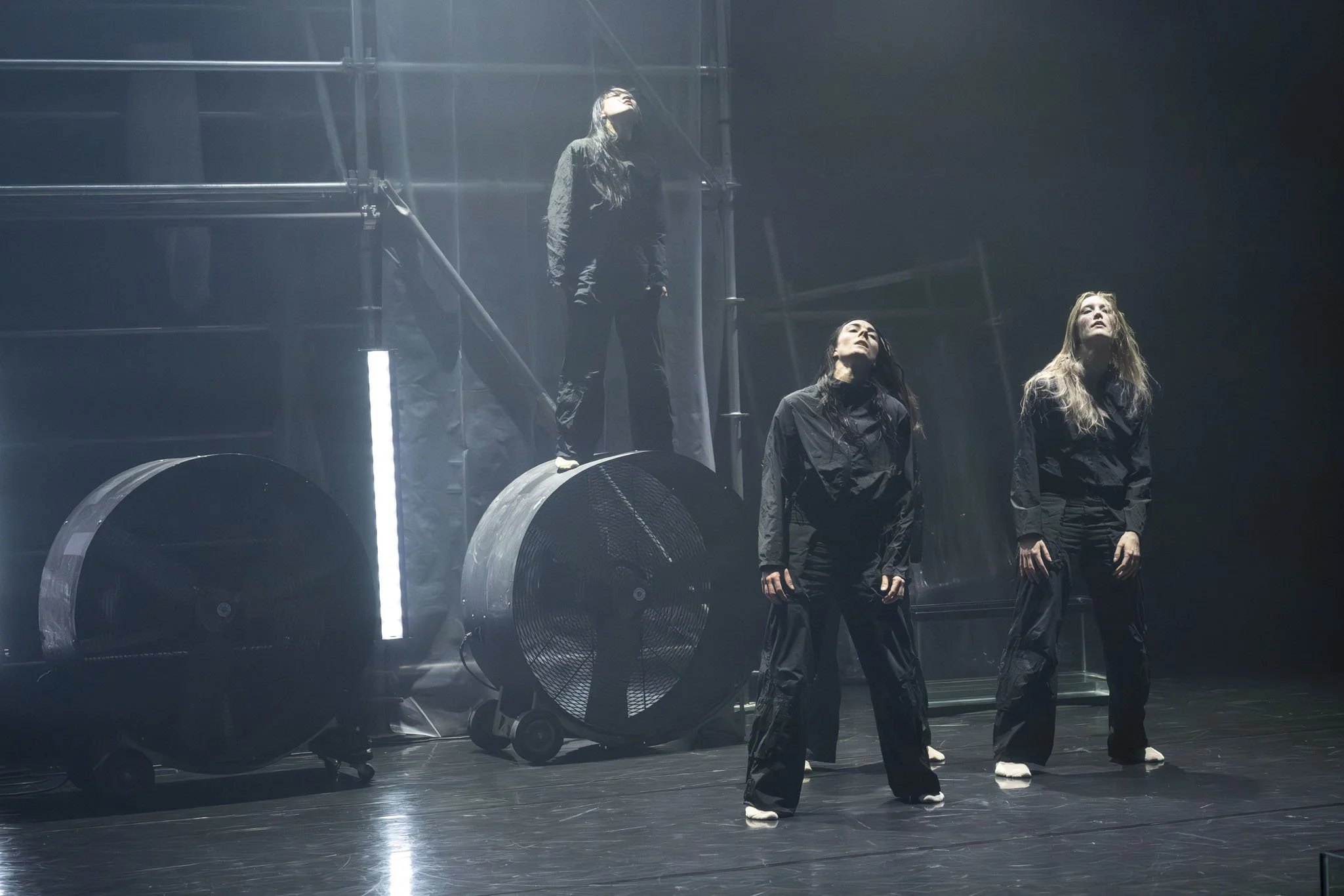
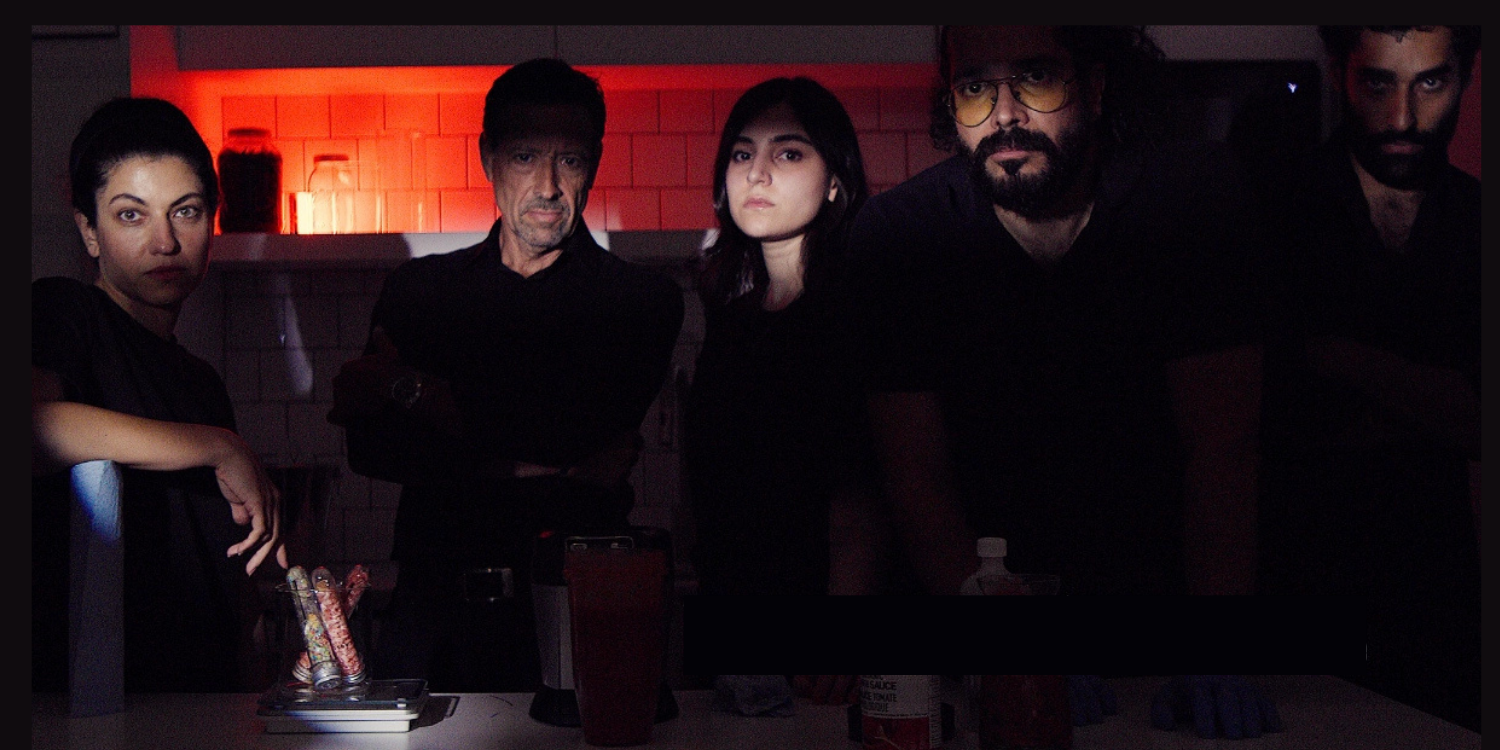
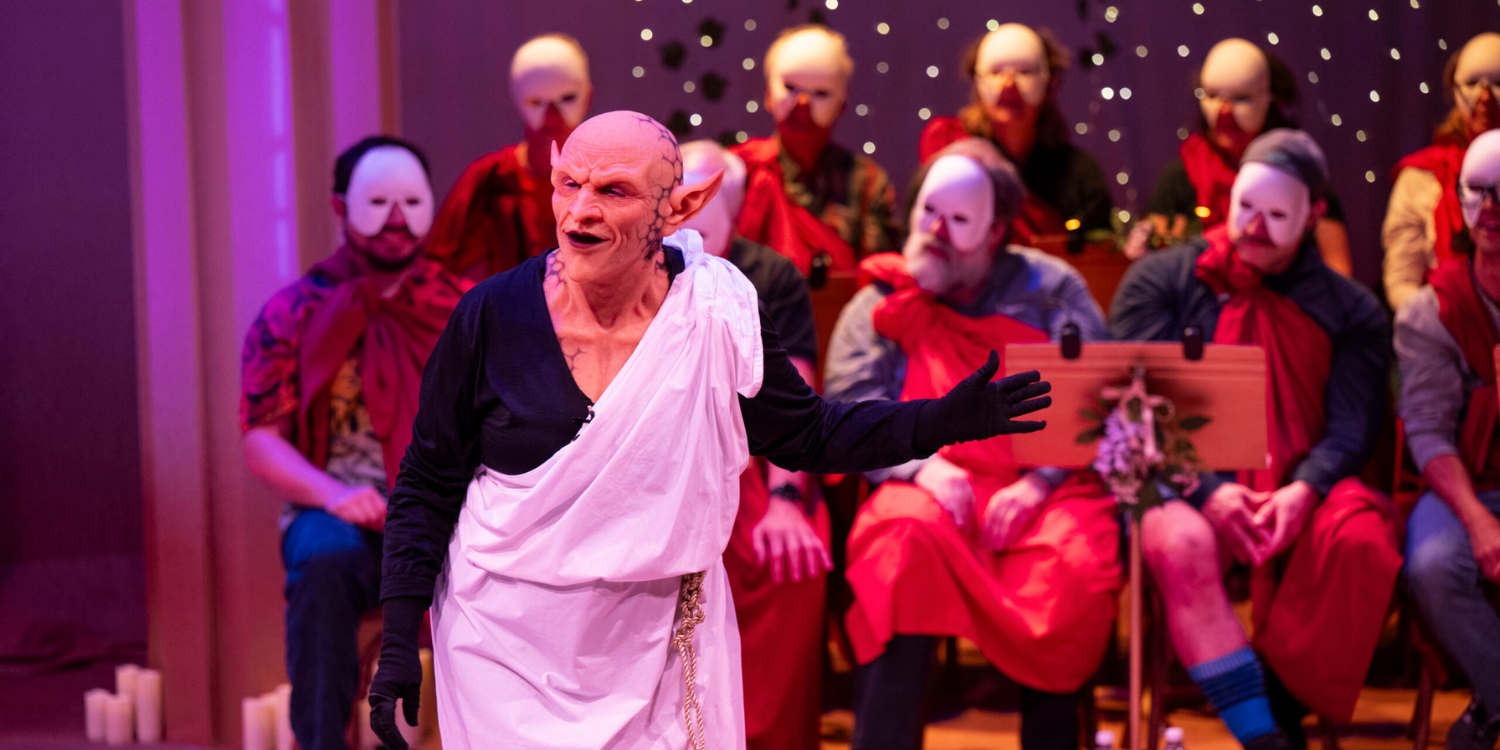
Eyes of the Beast. Photo by Sewari Campillo
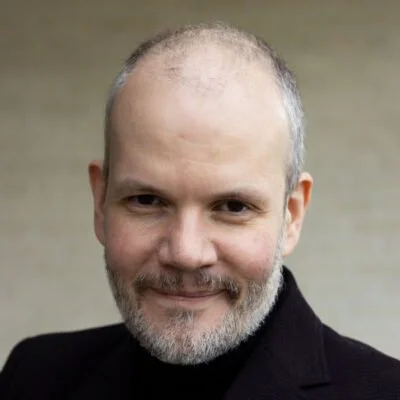
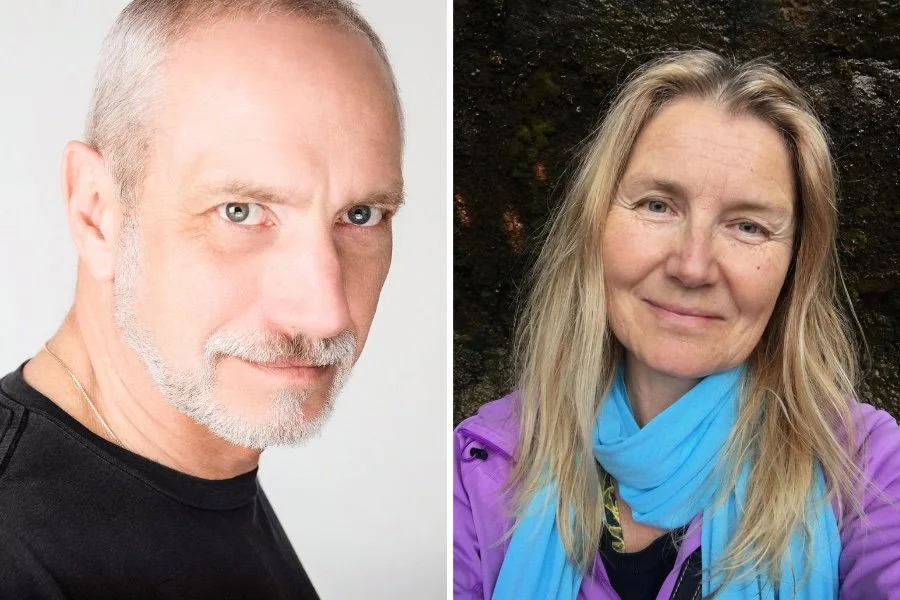
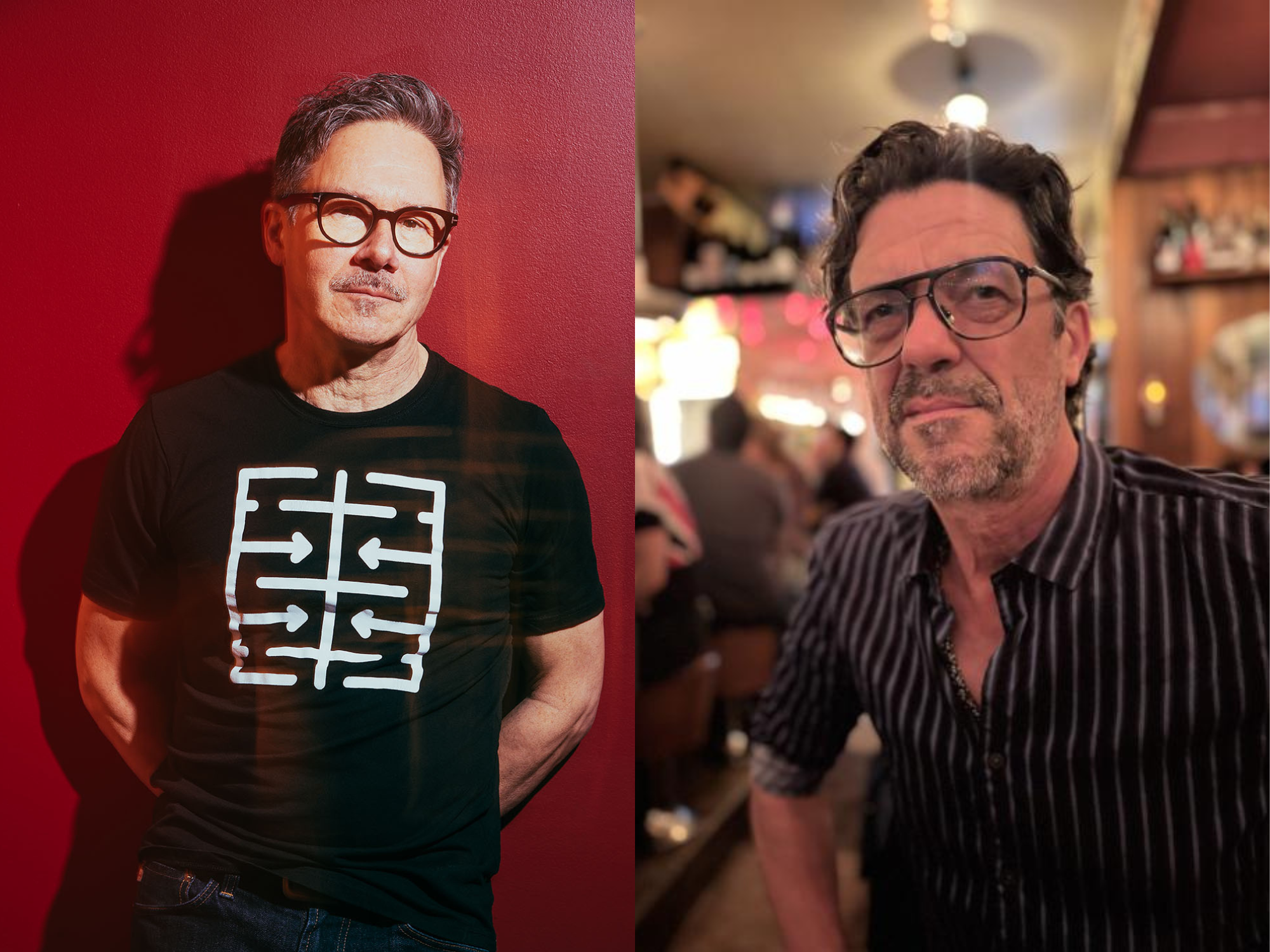
Sean Holman.
Neworld Theatre presents Eyes of the Beast: Climate Disaster Survivor Stories in partnership with the Climate Disaster Project, and in association with the SFU School for the Contemporary Arts, at the Fei and Milton Wong Experimental Theatre at SFU Woodward’s Goldcorp Centre for the Arts from June 18 to 21 at 7:30 pm, and on June 21 and 22 at 2 pm.
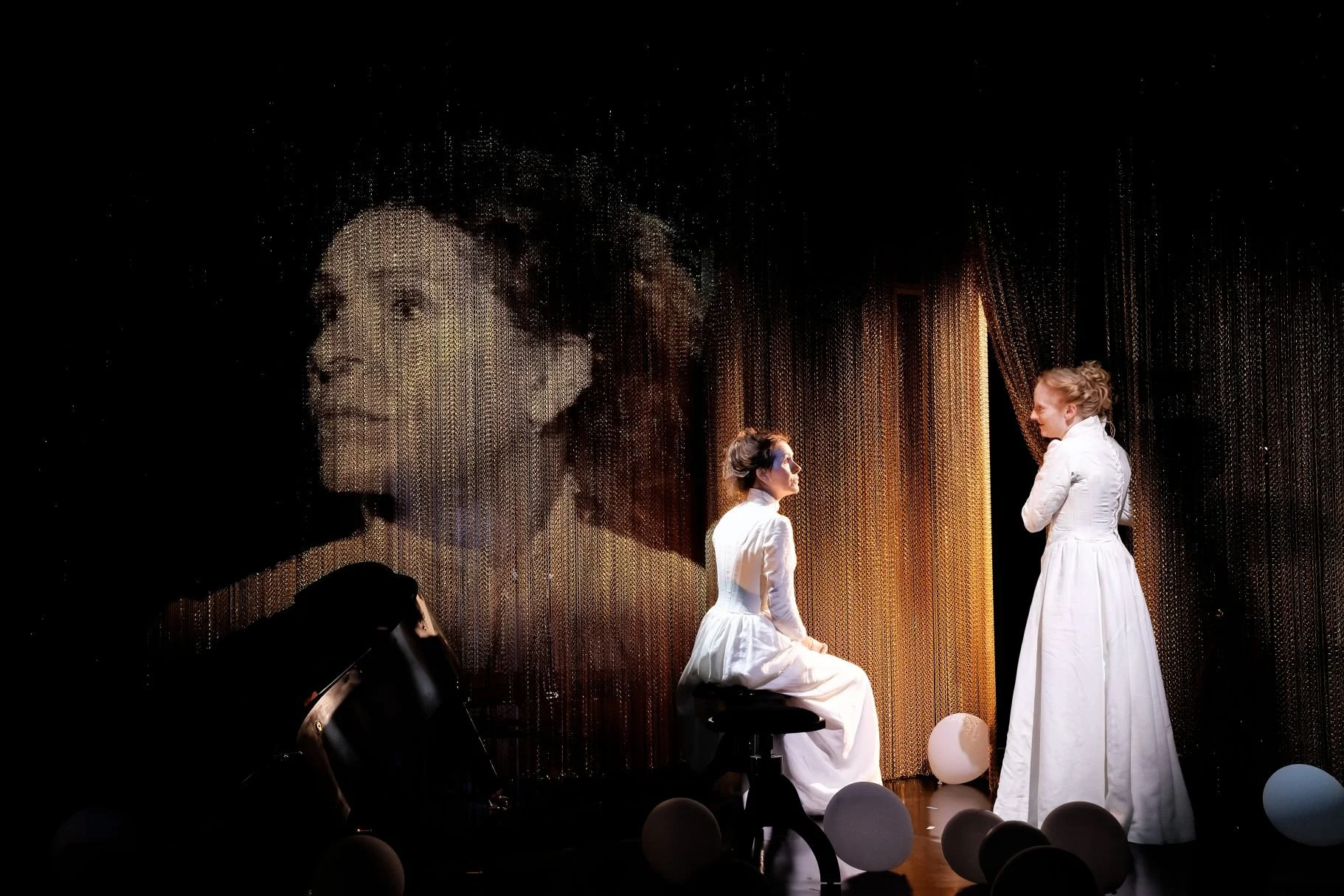
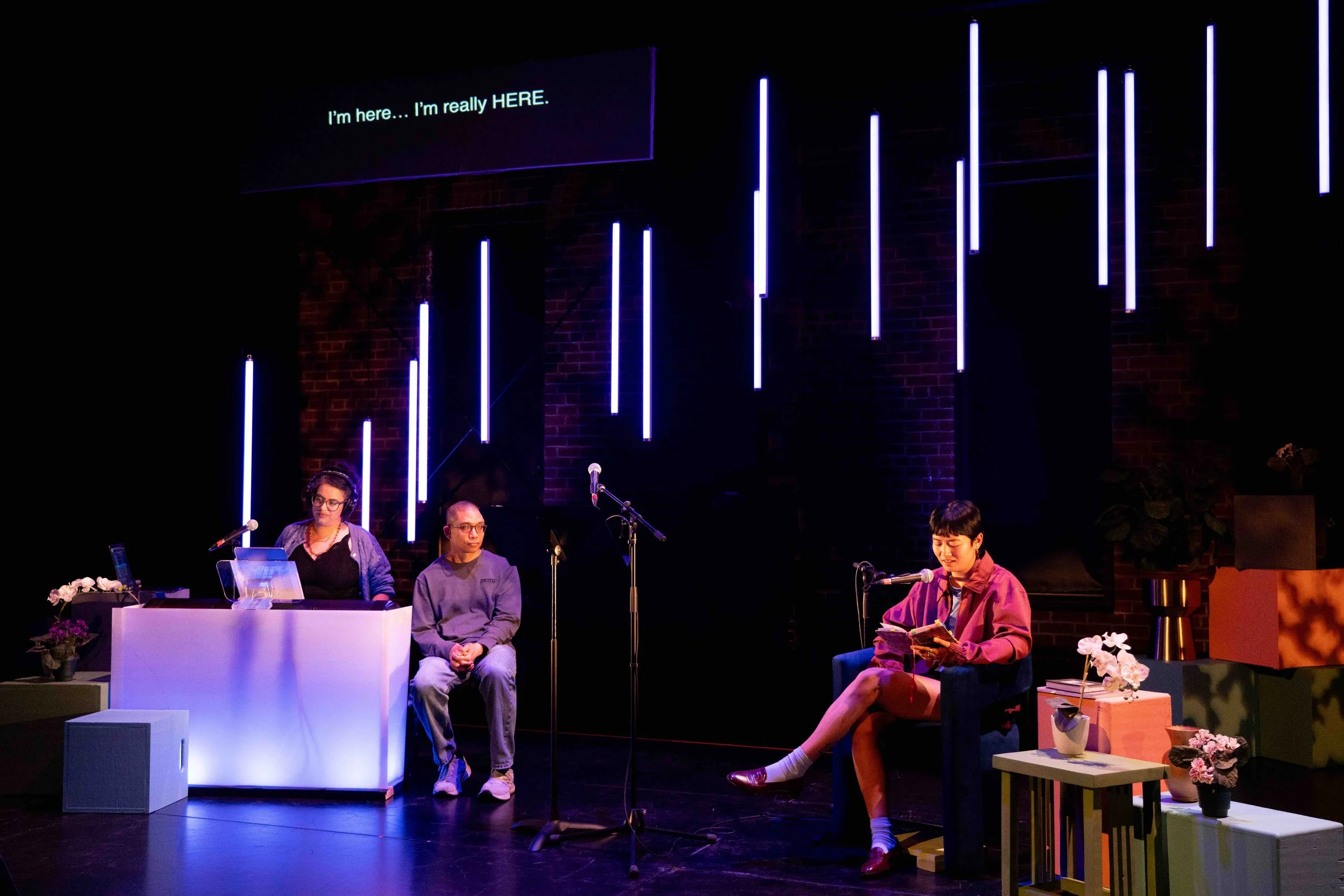
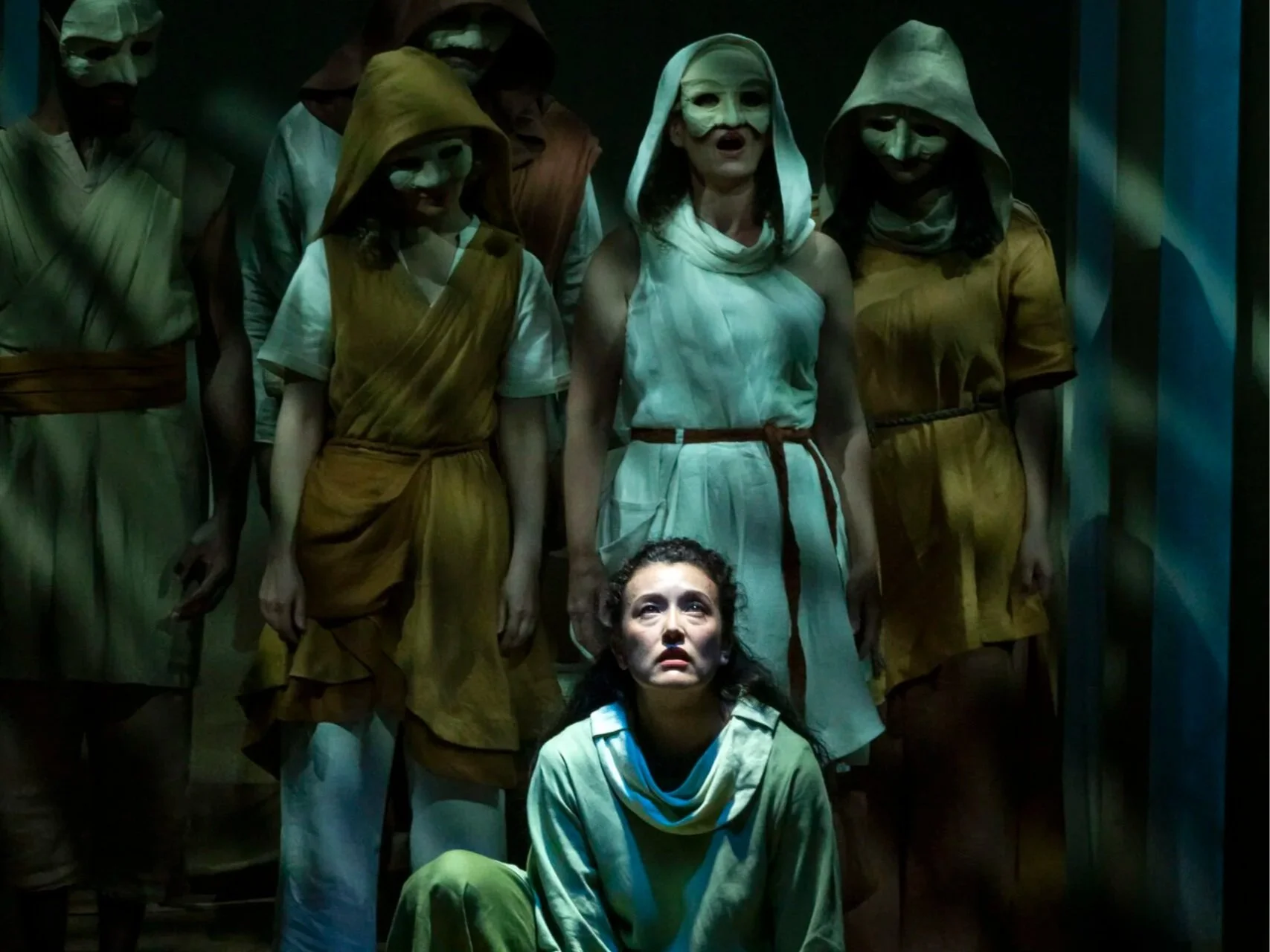
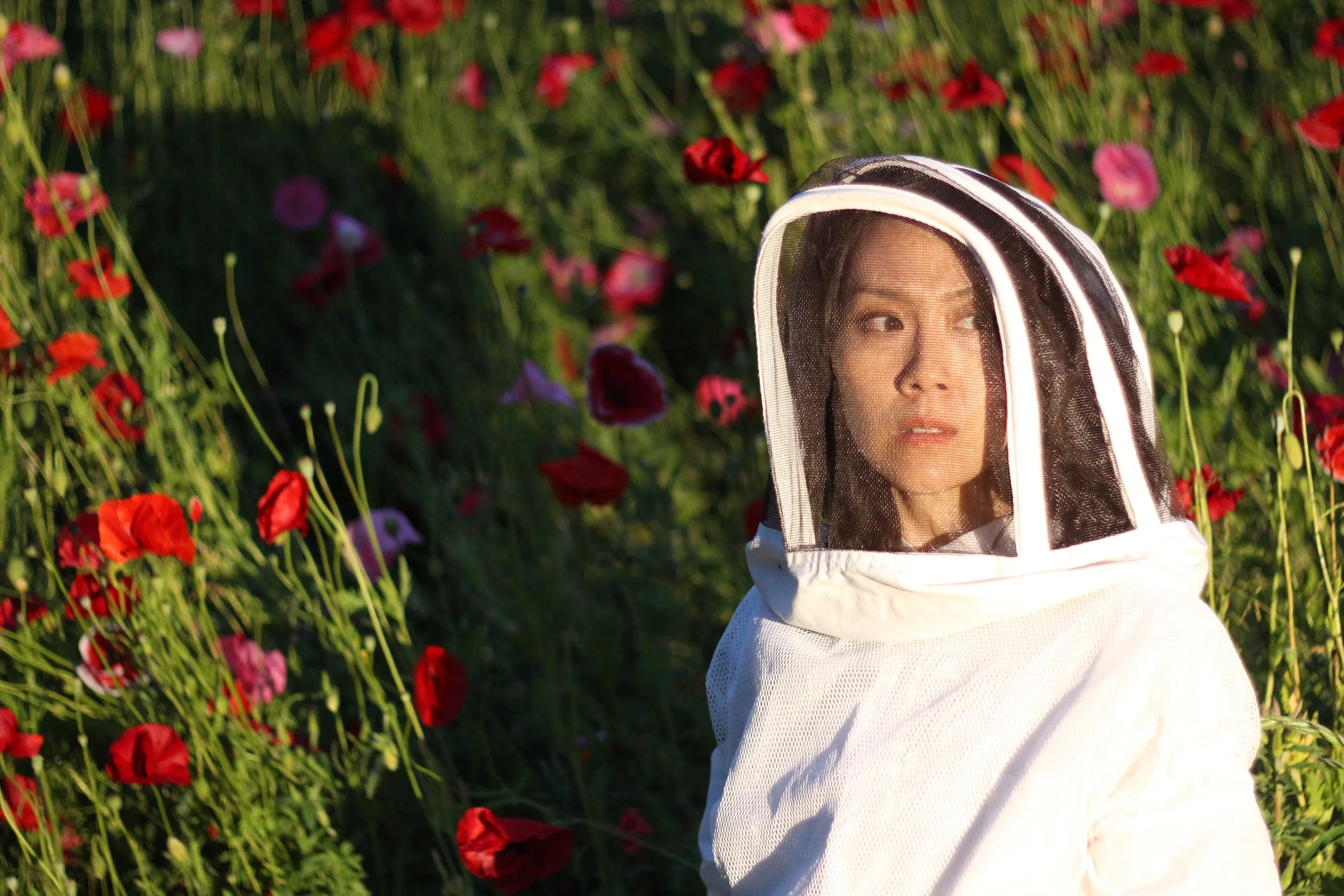
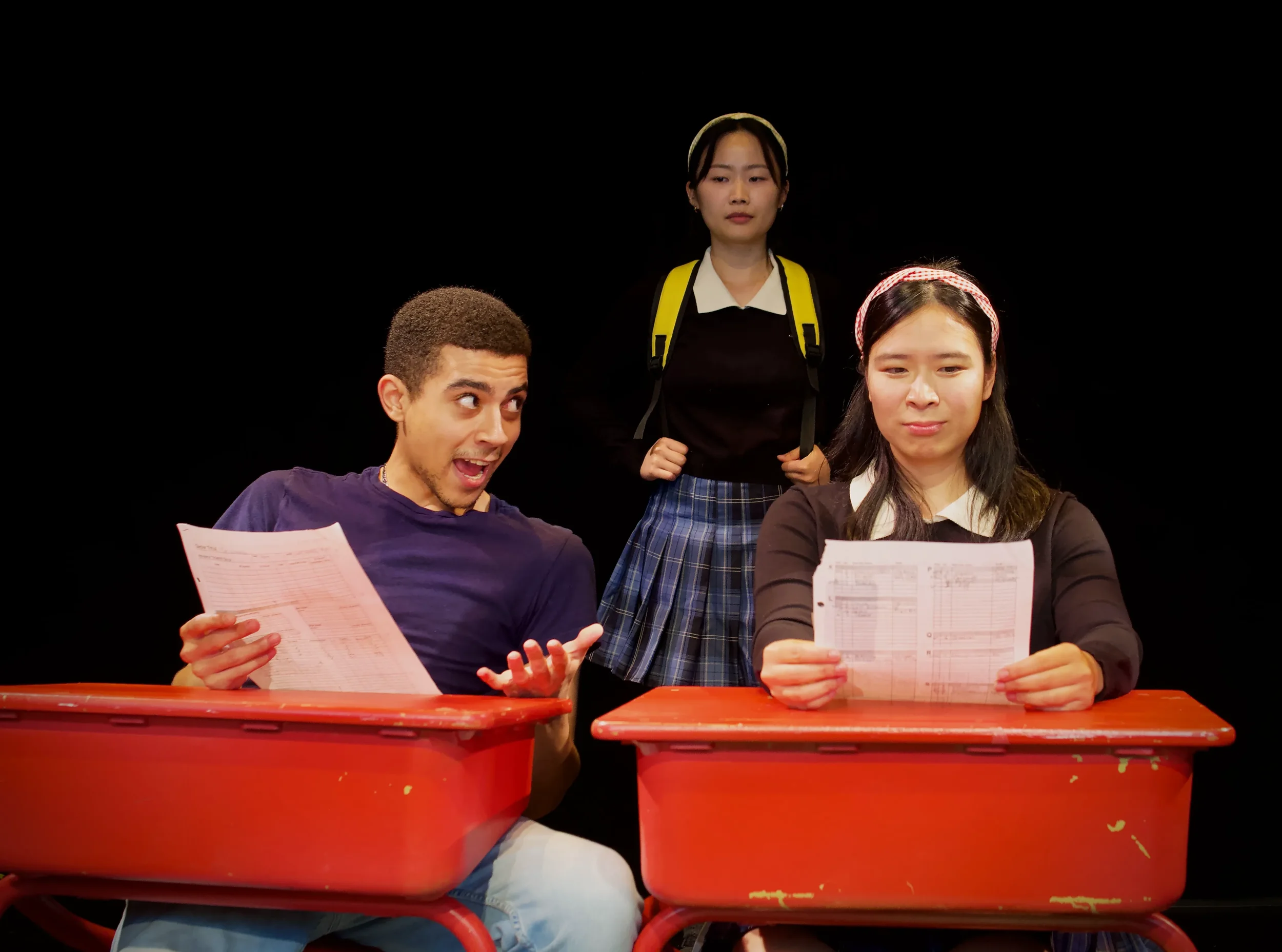
AS THE VOICE OF a wildfire survivor plays through a speaker, an actor begins to echo their words on a darkened stage. Gradually, the recording fades, and the actor becomes the only voice. Neworld Theatre’s Eyes of the Beast: Climate Disaster Survivor Stories brings the harsh reality of climate change to the stage, transforming first-person accounts of climate disaster in Western Canada into a striking theatrical performance.
Directed by Chelsea Haberlin, with associate direction by Kelsey Kanatan Wavey, the 90-minute documentary-style production was created in collaboration with the Climate Disaster Project and SFU’s School for the Contemporary Arts. It premieres in Vancouver to coincide with the four-year anniversary of the heat dome that killed 619 people in B.C.
Eyes of the Beast also won silver in the 2025 Canadian Association of Journalists’ CAJ Awards, in the category of environmental and climate change reporting, marking the first time the CAJ has recognized a collaboration between a newsroom and a theatre company.
“I think that for a long time, journalists have been frustrated by the difficulty of communicating the human impacts of climate change, and that’s been something that as a profession and as an industry, we’ve struggled to do effectively,” says Sean Holman, founding director of the Climate Disaster Project and the Wayne Crookes Professor in Environmental and Climate Journalism at the University of Victoria. “So this production is about bringing climate reporting into a different space and to a different audience—reframing it as not so much about a future environmental threat, but about a present-day threat to people.”
The Climate Disaster Project is an award-winning international teaching newsroom that works with climate-impacted communities to document and investigate their stories using trauma-informed practices. Rather than sticking to the pattern of presenting climate change with data, diagrams, and images of environmental impact, the project co-created over three hundred first-person testimonies by survivors about the lived experiences of climate change in Canada and around the world. The newsroom, Neworld Theatre, and the community of survivors worked together to bring this intimate and raw performance to the stage.
Holman explains that the idea is not to instill panic or fear, but to acknowledge the current reality of climate change and move toward action. “Climate change is not something that’s happening tomorrow. It’s happening today, and there are things that we can do about it,” he says.
In the first hour of Eyes of the Beast, the testimonies are brought to life by the actors, featuring the voices of survivors portrayed in the show, their images, and images of their experiences. Audience members are thrust directly into the scene of a mother and daughter fleeing in flip-flops as the town of Lytton is consumed by a wildfire, and a fishing guide selflessly struggling to rescue animals from a flood.
“Those people are messengers from the future,” Holman says of the survivors. “They have powerful knowledge about not just their climate disaster experiences, but also how we can survive those experiences together.”
After a brief intermission, Act 2 takes the form of a talkback session that invites audience members to share their own climate disaster experiences in a supportive environment. An elected official will also be present at each of the performances to listen and respond in a non-partisan way. Policy listeners will include Vancouver city councillor Mike Klassen, BC Conservative House Leader Á’a:líya Warbus, Minister of Tourism, Arts, Culture and Sport Spencer Chandra Herbert, and Lytton mayor Denise O’Connor.
“We think that’s really powerful, because oftentimes so much of what we want is to know and be known,” Holman adds. “And that’s what this performance allows for—it allows for the community to hear about what this experience was like and be able to actively respond.”
Drawing from lived experiences, Eyes of the Beast seeks not only to portray the human impacts of climate change but also to inspire and connect communities.
“Disaster, whatever its nature, creates an opportunity for us to find new ways of living together, for us to come together and support one another,” Holman reflects. “I think that at this crucial time in history, that’s what most of us want—to be in community with one another, and this performance is part of that.” 

Related Articles