Theatre review: Faye’s Room resists easy answers about autism and the human struggle for empathy
In this candid Glitch Theatre production, first-time playwright Alex K. Masse creates an open-hearted, often funny encounter between young neurodivergent and neurotypical co-workers

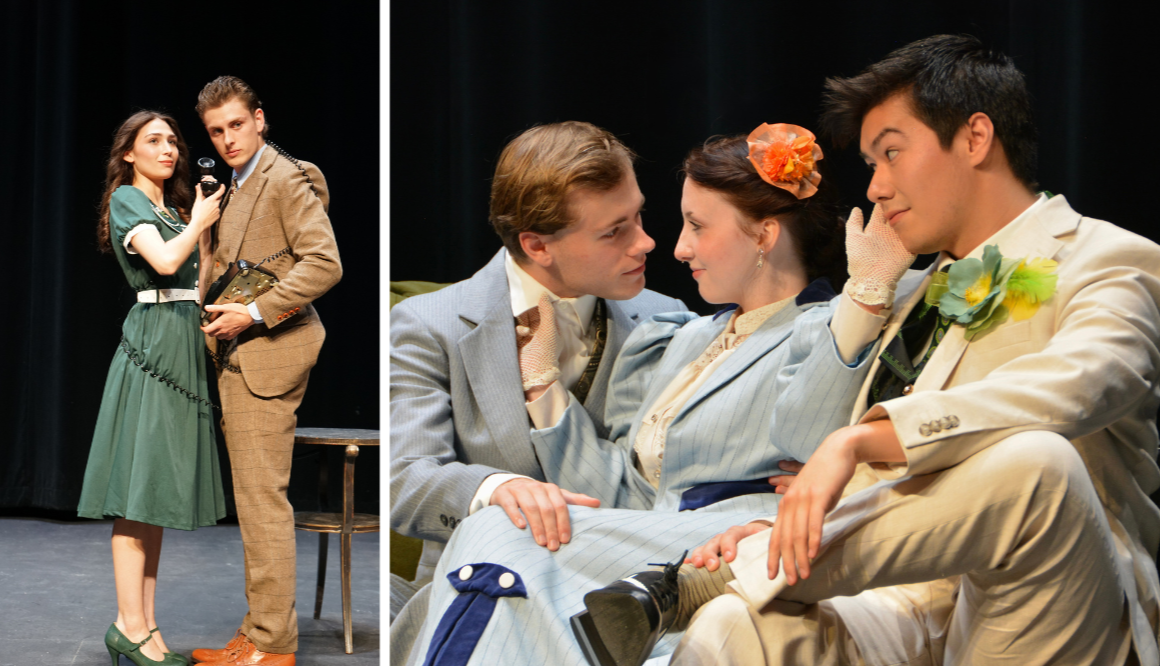
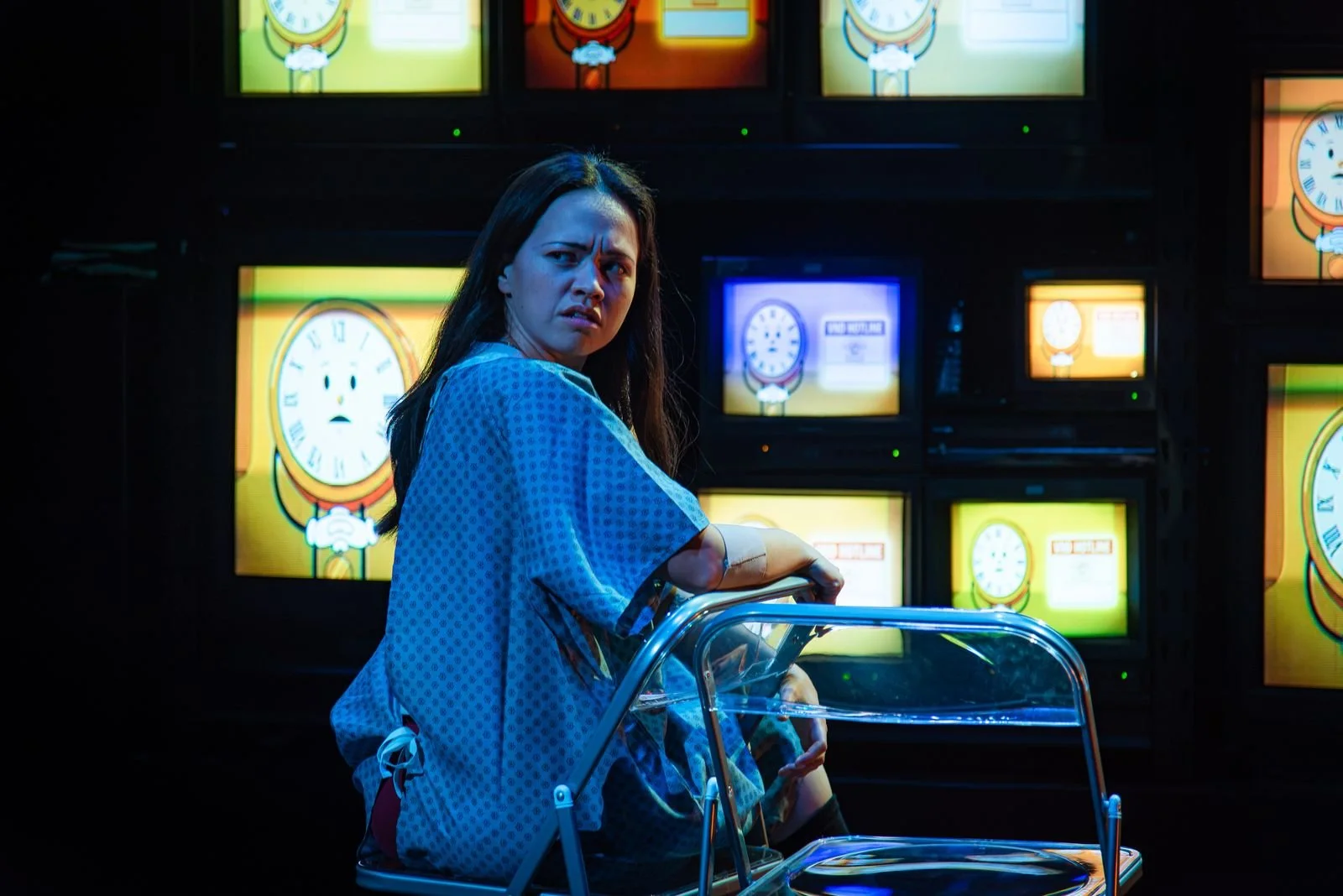
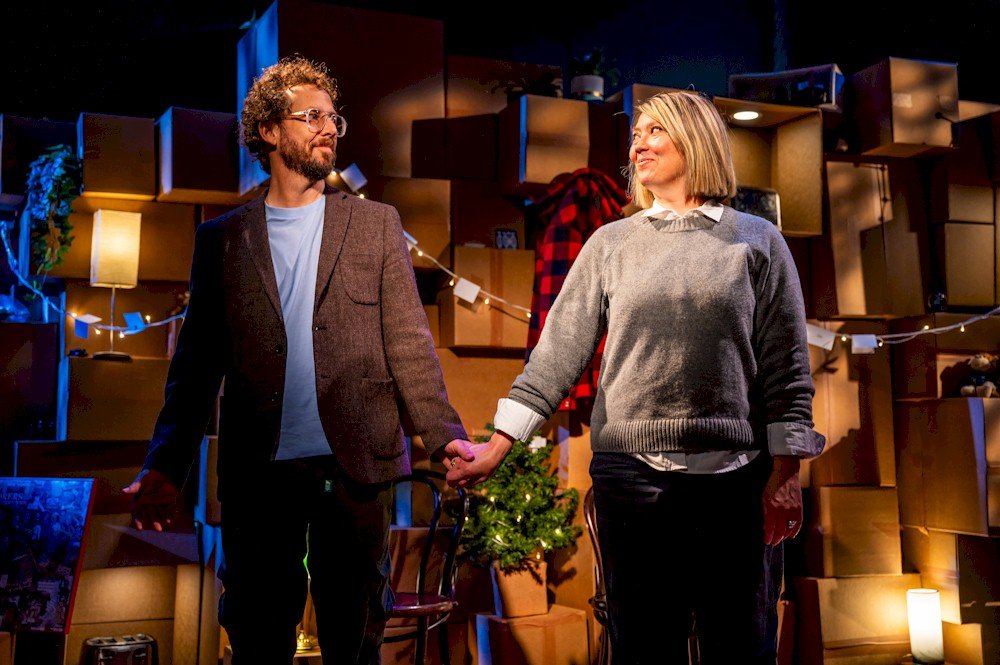
Hailey Conner (left) and Mason Temple in Faye’s Room. Photo by Chelsea Stuyt
Glitch Theatre presents Faye’s Room at the Vancity Culture Lab to November 23
YOU MAY HAVE heard it before: “Everyone’s a little autistic,” explains Faye, the titular character in Faye’s Room, wryly. It’s one of the gentler faux pas neurotypical people make when the topic of autism comes up, a well-meaning line that gestures at inclusion but mostly just erases her. Unapologetic as it is, this funny, big-hearted play doesn’t give up on connection altogether, and it’s that very honesty that points at how fragile and deliberate real empathy can be.
Faye’s Room unfolds at Sweetbuns, a queer café where Faye—young, autistic, and lesbian—works with her noise-cancelling headphones on, mostly to avoid her co-worker Chase, “the token heterosexual”. She quietly keeps things running, organizing community events she often can’t bring herself to attend. “Even at a queer café, I’m the odd one out,” she confesses to the audience.
Faye talks to us a lot; sometimes in quick asides, sometimes like she’s trying to talk herself through the day. These moments to the audience feel less like performance and more like release. They’re funny, full of self-awareness, sometimes looping or abrupt, but always candid. She talks to us the way characters in Fleabag or Mr. Robot do—breaking the wall and letting us in—and here, those moments also reveal how she moves through the world, processing and reacting in real time.
Faye’s openness with the audience throws her onstage interactions into sharper relief. Actor Hailey Conner captures a well-realized rhythm for Faye throughout: the small negotiations of eye contact, tone, energy. The constant effort it takes to move through spaces and interactions is all painstakingly felt alongside the play’s shifting tones.
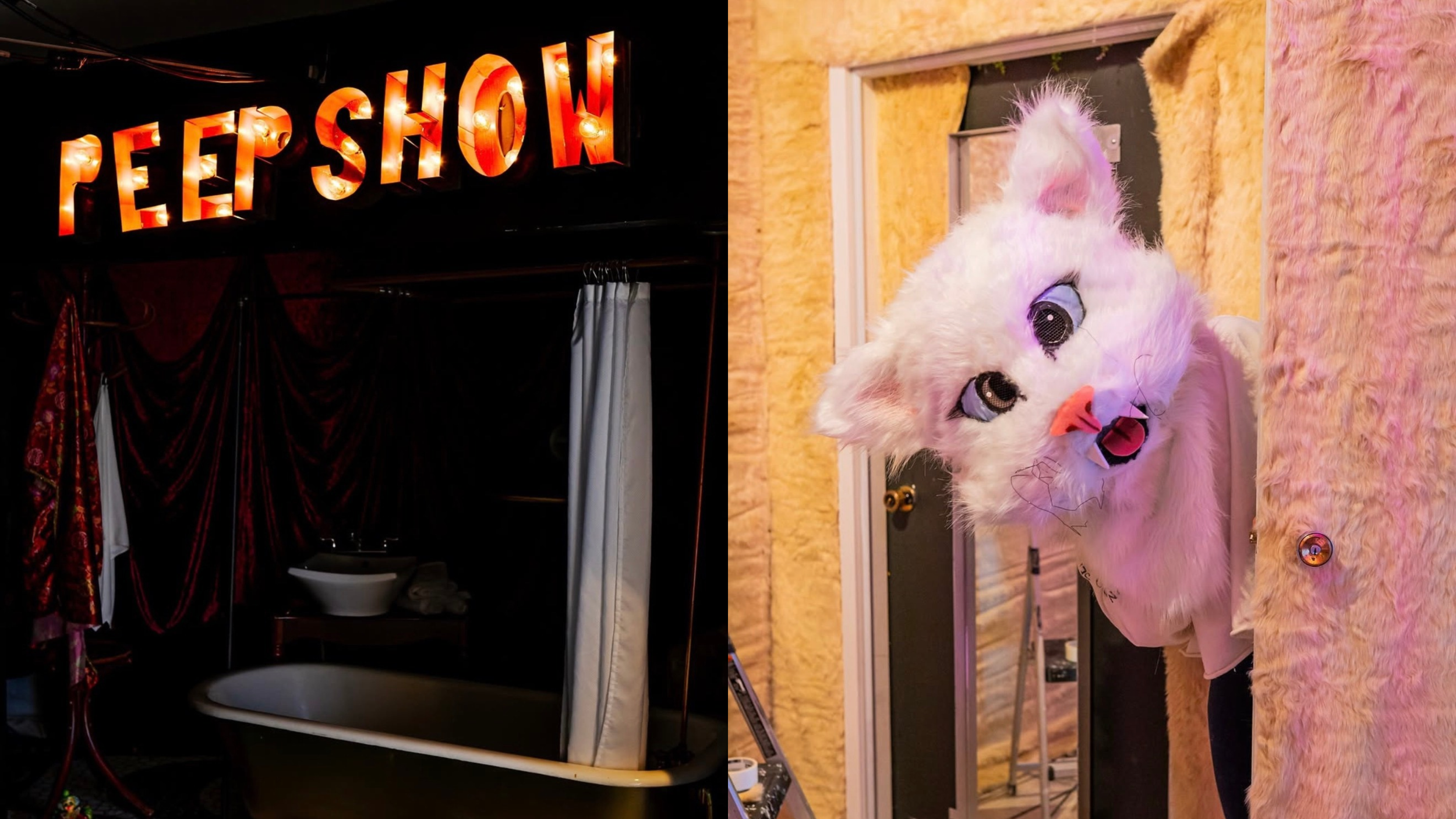
The “room” of the title is Faye’s place of retreat: a supply closet turned sensory refuge. A kind of magical place she’s been able to access since childhood, where she goes when the world’s too much. Filled with butterfly décor (her special interest is the fluttering insects), fuzzy rugs, stim toys, and an enviable collection of Squishmallows, it’s where the play’s central tension lives, and Stephen Field Elgar’s set design ensures that it feels like its own small universe.
Everything shifts when Chase (Mason Temple), the boss’s loud, unpredictable son, follows her inside as she’s experiencing a meltdown. Despite his overwhelming energy and Faye’s instinct to recoil from it, the two discover unexpected common ground.
As the play traps the pair inside Faye’s safe haven, the story opens into something more layered. The room, once her private refuge, becomes a site of exposure, where her fears about how others see her collide with her own self-doubt and internalized ableism. It turns into a question in itself: Is the room a sanctuary or a prison? Is getting a diagnosis a kind of relief or a sentence? What does it mean to accept one part of your identity while struggling to embrace another? (The joke that Faye is “out of the closet” yet still trapped in one doesn’t go unacknowledged.)
First-time playwright Alex K. Masse’s script cleverly resists easy answers as well as characterizations. While Faye struggles to communicate, she’s not alone in that. Ari (tenderly played by Marlee Michael Pearl), her crush and co-worker, stumbles over her own words and intentions too. The play quietly reminds us that misunderstanding isn’t always an autistic and allistic issue, it’s just human.
As Mina, Sabrina Symington brings some genuine emotion and groundedness to the part of supportive boss/queer elder, though her role sometimes falls a little too neatly into plot function.
There were a few opening-night hiccups: some sound issues and a missed cue or two, but the actors took them in stride. What stays with you about Faye’s Room is the honesty, the humour, the invitation in, and the open-hearted trust that you’ll meet it halfway. 

Related Articles