MOSAÏCO unites diverse dance and cultural backgrounds with kaleidoscopic projections
Québécois choreographer Audrey Gaussiran’s work tours to Alliance Française Vancouver’s V-Unframed and the Shadbolt Centre for the Arts
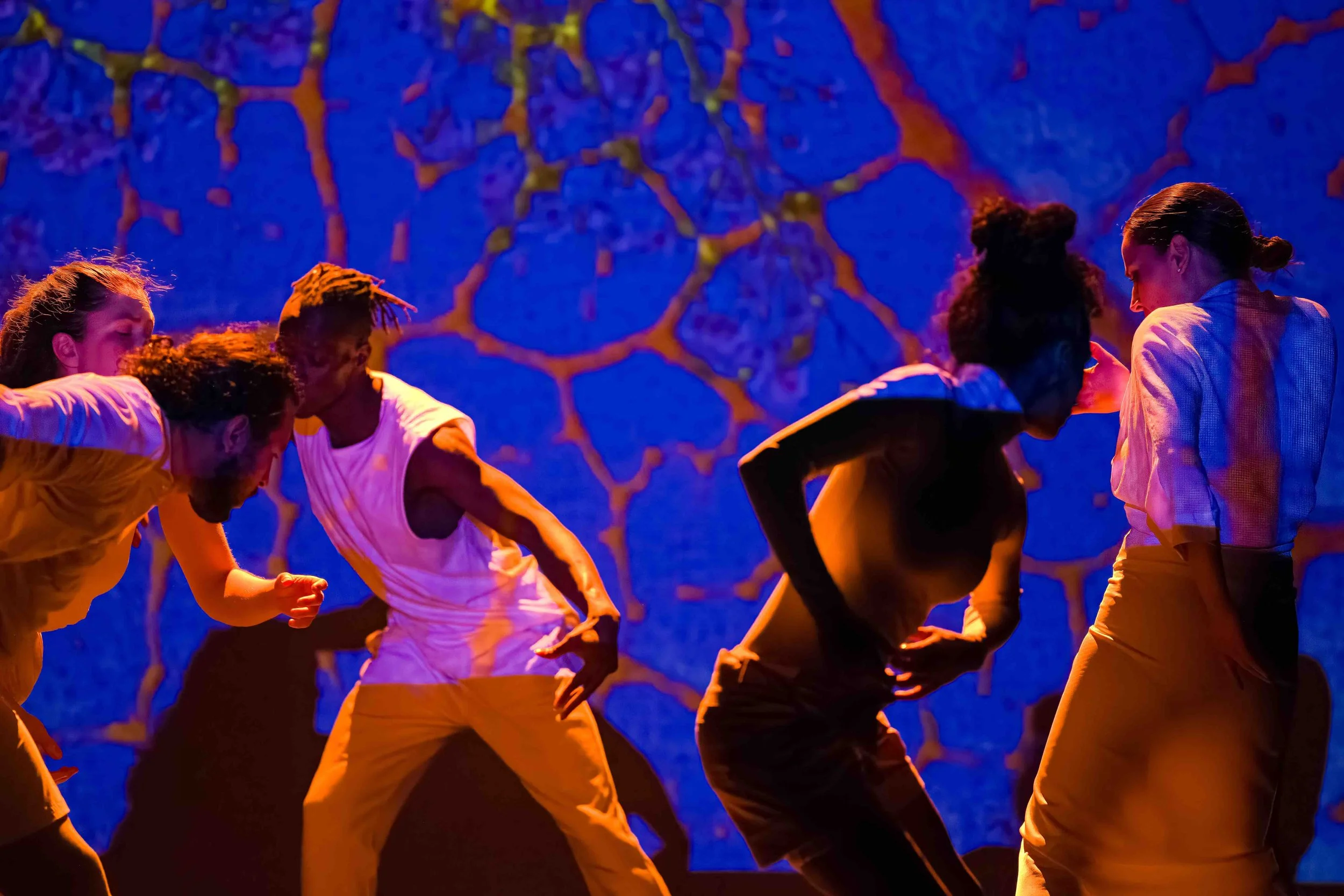
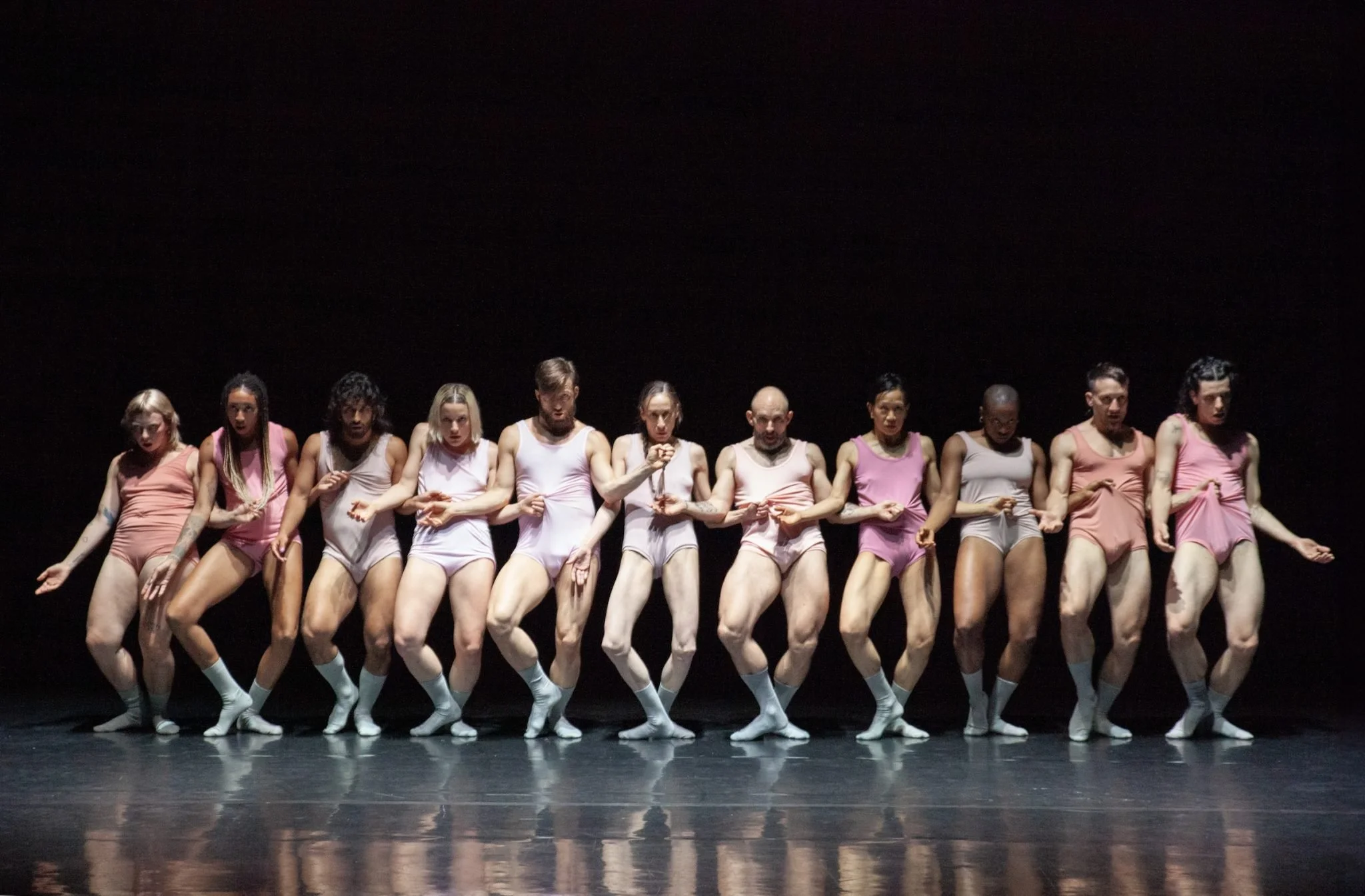
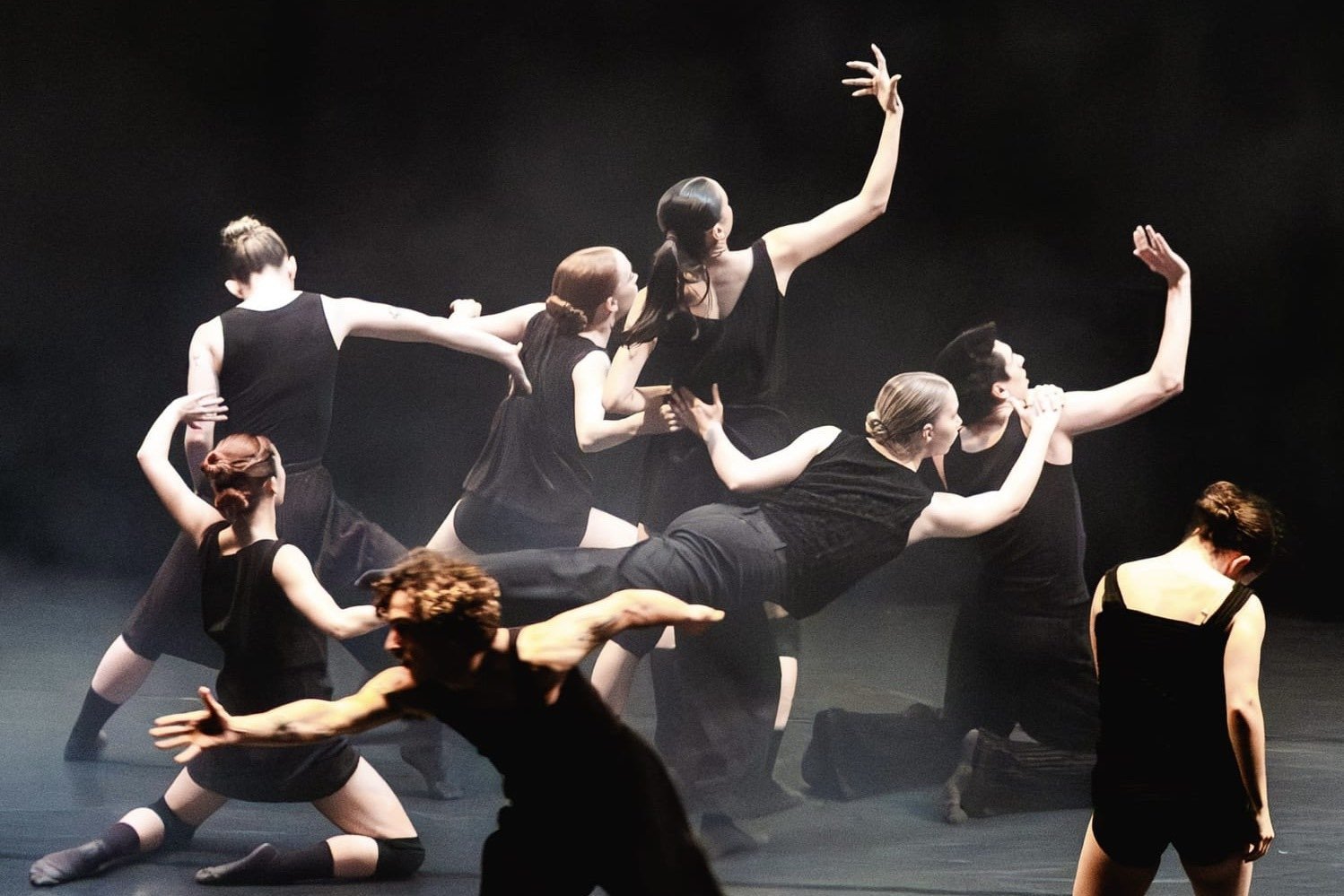
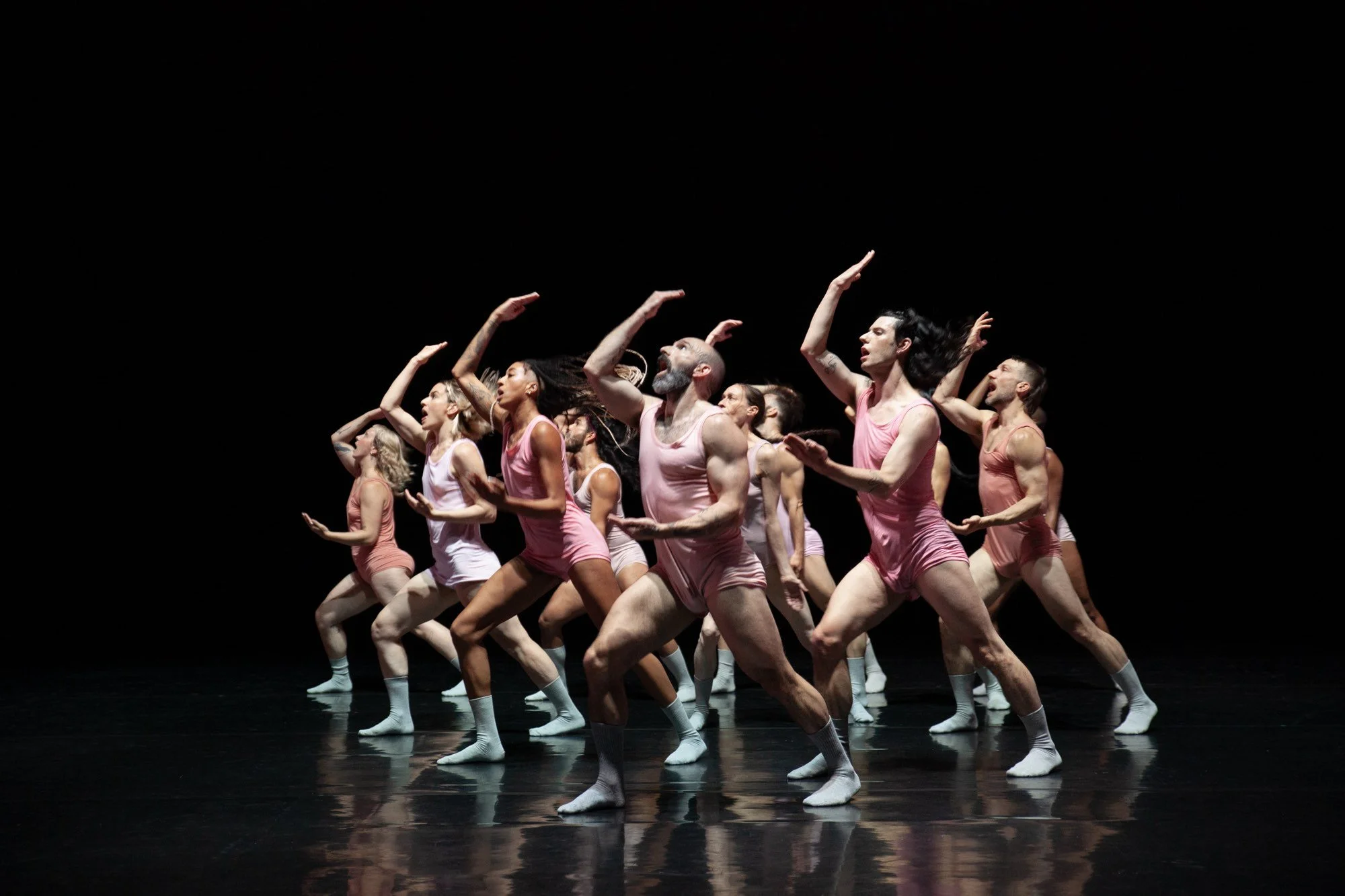
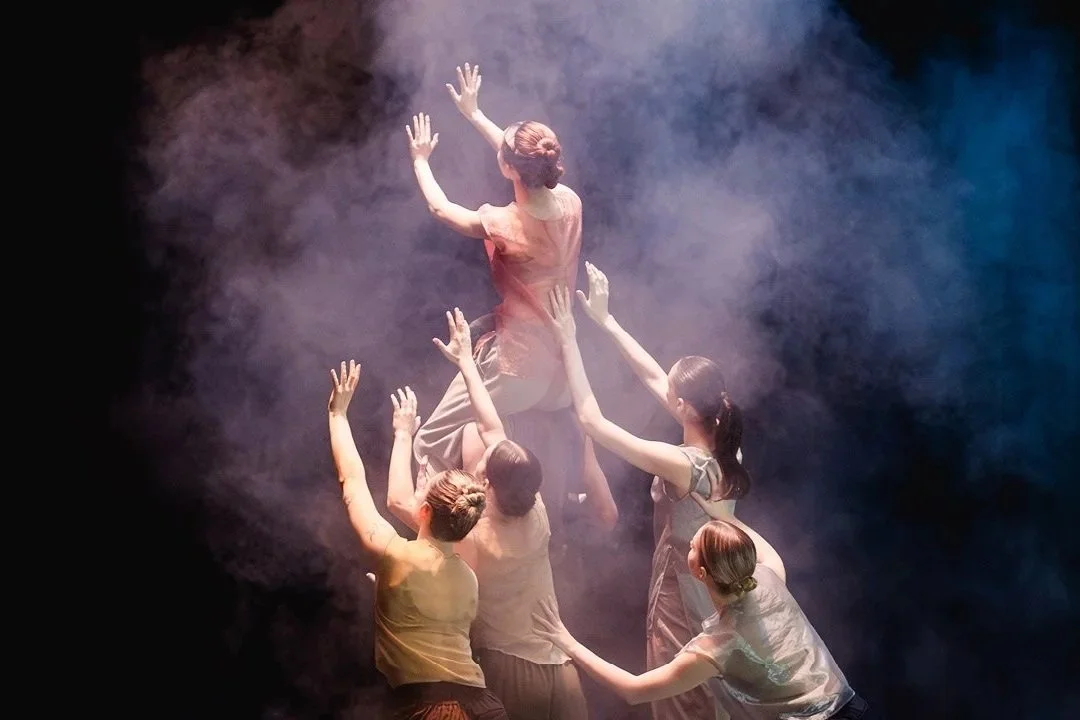
MOSAÏCO. Photo by Vanessa Fortin
MOSAÏCO is at Alliance Française Vancouver on November 20 at 7:30 pm as part of V-Unframed, and at the Shadbolt Centre for the Arts on November 21 and 22 at 7:30 pm
DANCER AUDREY GAUSSIRAN’S maternal grandparents grew up in Portugal—but during her own childhood in Laval, Quebec, she was completely detached from those ancestral roots.
She’s reflecting on her upbringing in a Zoom call from her studio in Laval, where she’s just wrapped up a rehearsal of her piece MOSAÏCO.
“There was a big rupture in terms of identity.…If I went to a very Québécois household, I could feel something was different,” Gaussiran tells Stir. “But at the same time, they decided to stop speaking their language, and they didn’t hang out within their community. They really separated from their community—and there was a Portuguese community where I live, so they made that choice. And I always kind of questioned that. That was something that even as a teenager was always there.”
It wasn’t until Gaussiran took a trip to Brazil as a young adult that she learned to speak Portuguese and had the opportunity to connect with immigrants who had come from all over the world. Many of them explained that they saw themselves as adventurers of sorts—and that moving to a new country was a chance to fully immerse themselves in the culture of that place, which can lead to leaving a part of one’s birth culture behind.
“That gave me a mirror of myself—I’m very much like that,” Gaussiran admits. “When I went to Brazil, I completely embraced the culture. And I was like, ‘Ohh!’ My grandpa specifically had that very cut-off way of living life….I was kind of rebelling against what he did, but actually I’m very much like him. So that was kind of the whole process of understanding: ‘Wow, what I was not happy about actually is very close to who I am.’”
In MOSAÏCO, Gaussiran is embracing her Portuguese identity with a combination of dance and digital art. The movements of five performers, all from different dance and cultural backgrounds, will influence the pattern of a highly reactive full-stage projection behind them, created in collaboration with Francis Lecavalier. In nine tableaus, the kaleidoscopic digital art’s bright colours—predominantly cobalt blue and yellow—are inspired by the azulejos, or glazed ceramic tiles, of Portugal.
Gaussiran is about to bring the work to the West Coast for the first time with performances at two locations: first at Alliance Française Vancouver on November 20, as part of the annual technological-art exhibition V-Unframed, then at the Shadbolt Centre for the Arts on November 21 and 22.
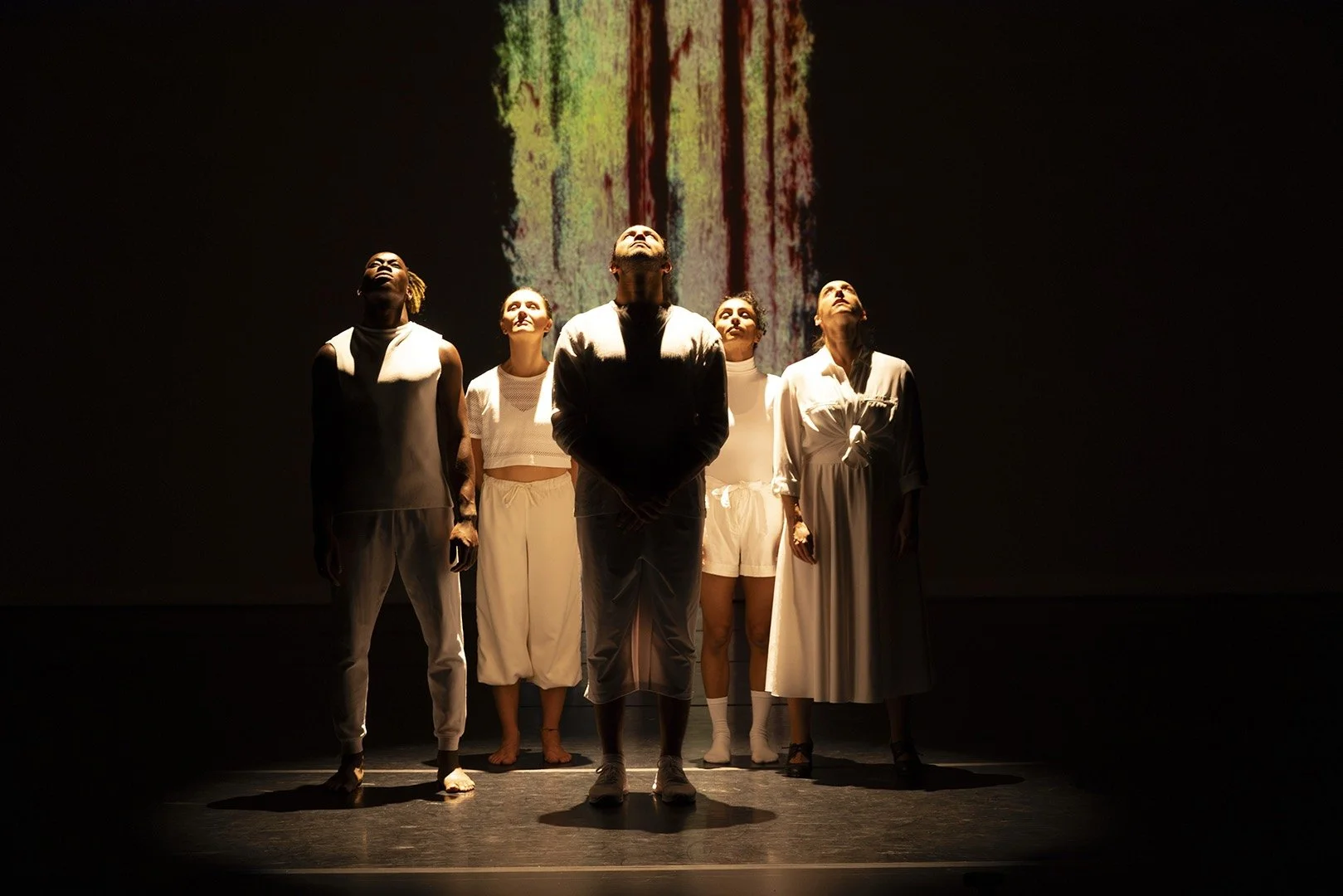
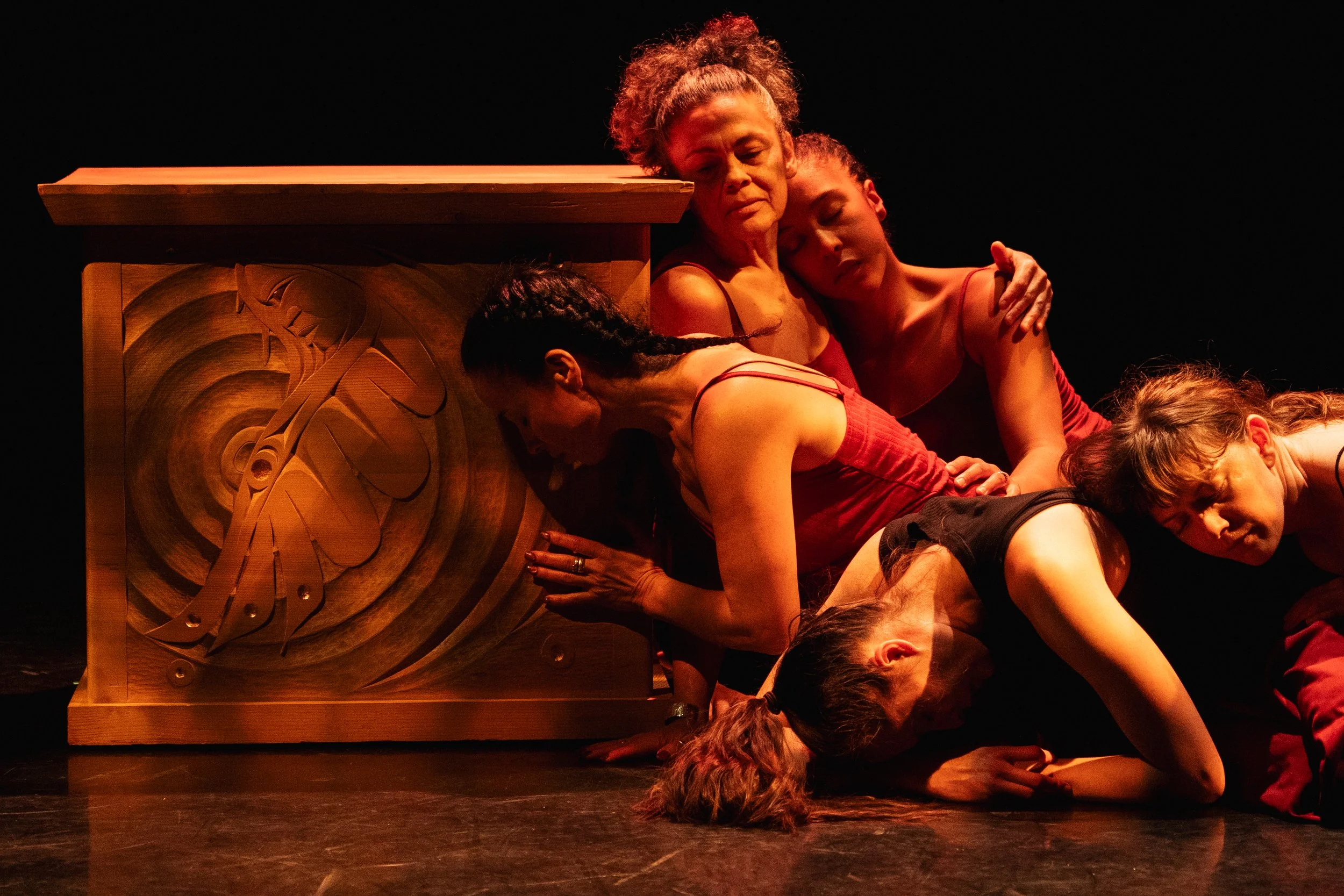
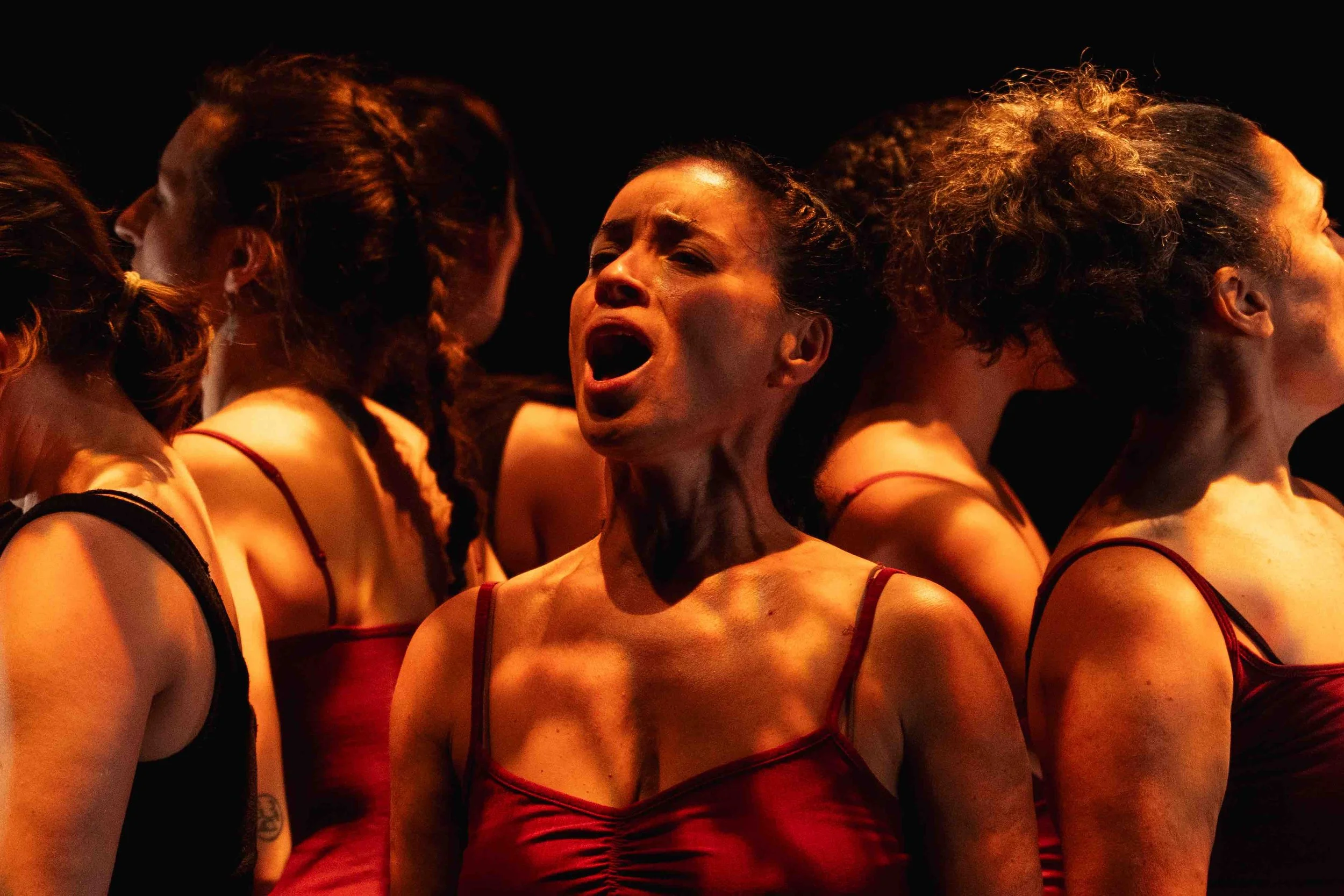
MOSAÏCO. Photo by Luma Brieuc
MOSAÏCO isn’t just an expression of Gaussiran’s Portuguese ancestry. It’s a true mélange of cultures that’s reflective of her hometown, Laval.
“It’s a very multicultural city,” she says. “So that is part of my personal life, but it’s also part of my dance career. And for me, I wanted to acknowledge that richness and celebrate that also, because that’s part of who I am….This can sometimes feel like a very big city with many cultures, and nobody’s necessarily talking to each other. But also, sometimes [we’re] creating beautiful moments of exchange—and these cultures, if you get interested in them, they can be very rich.”
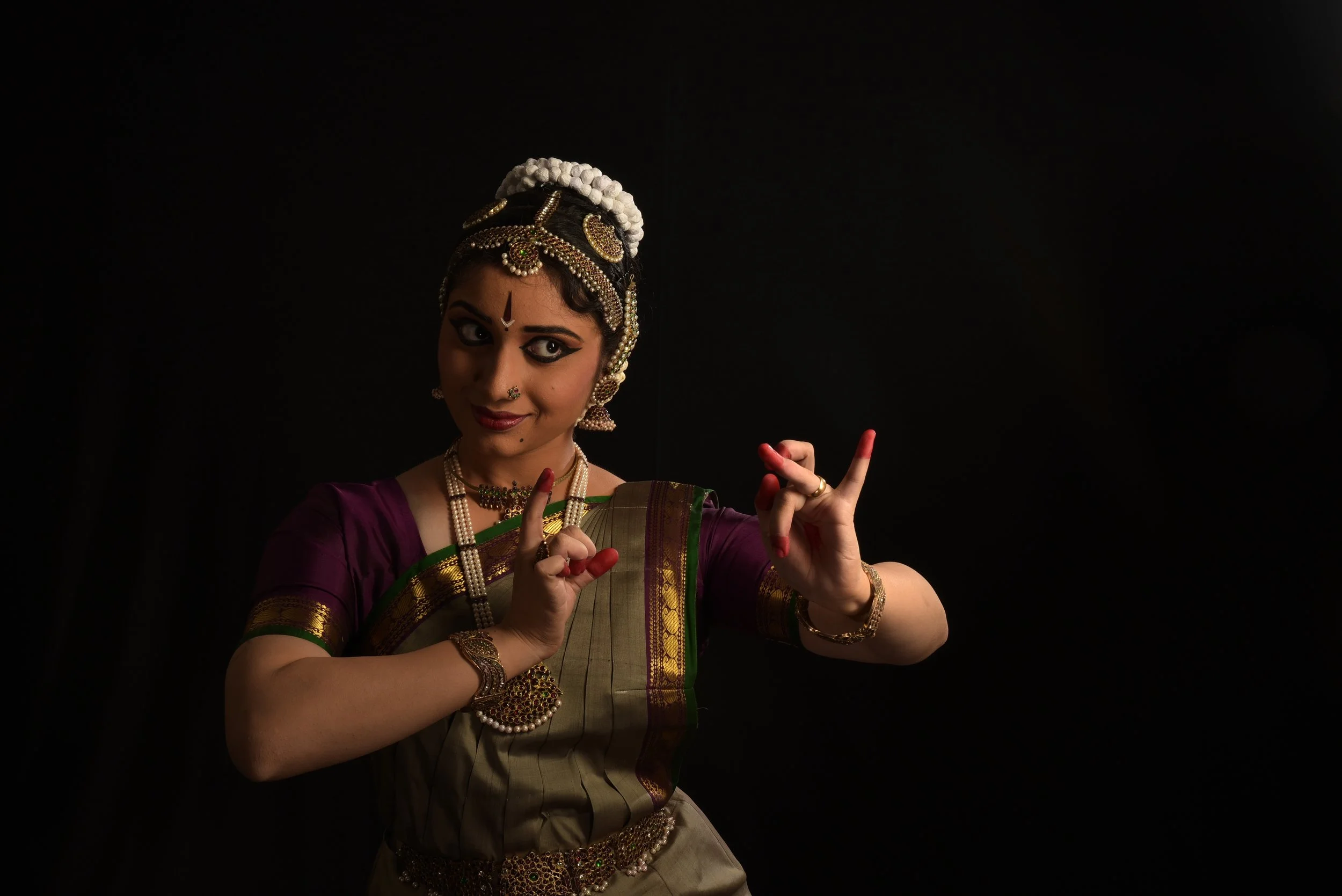
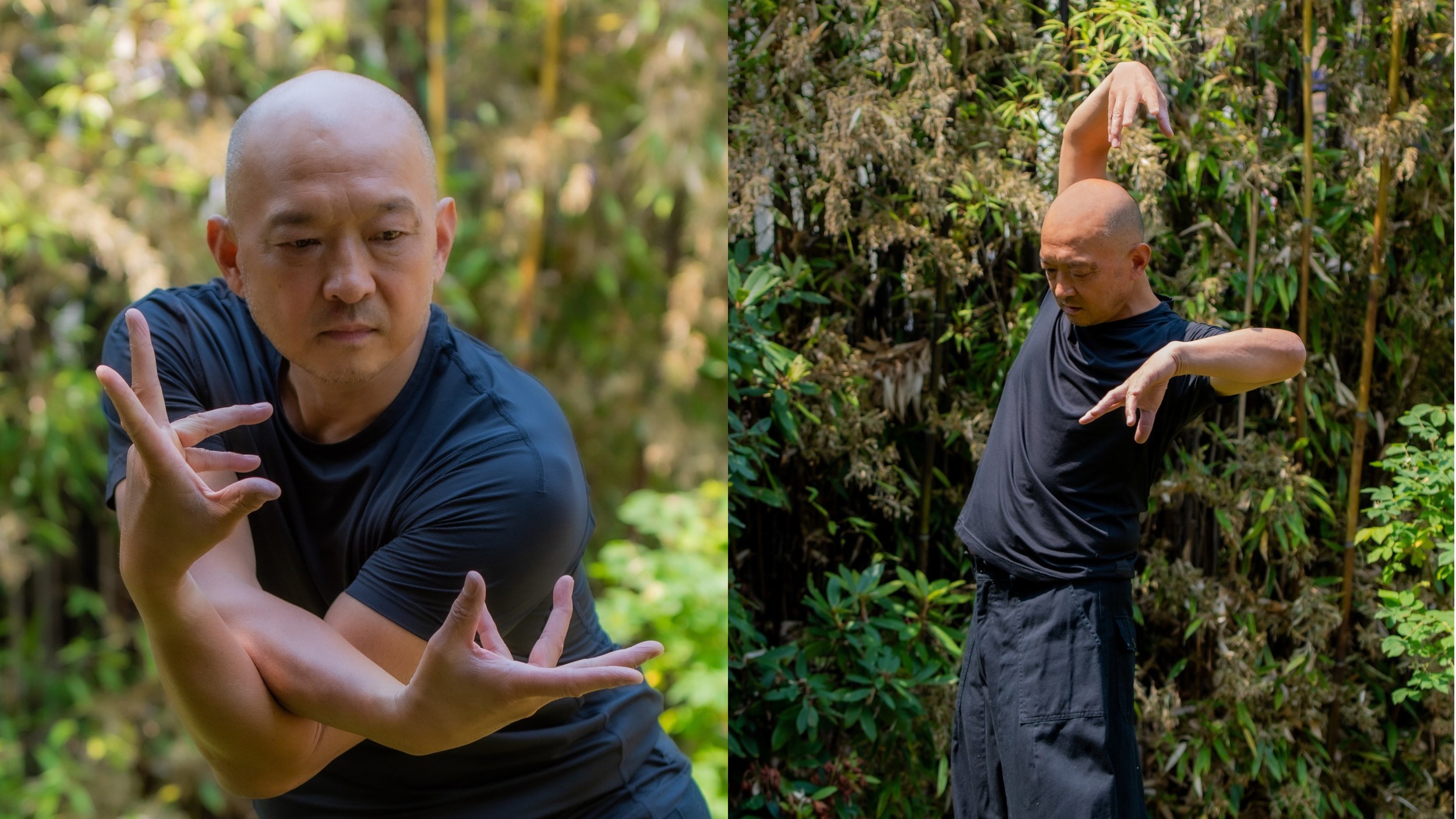
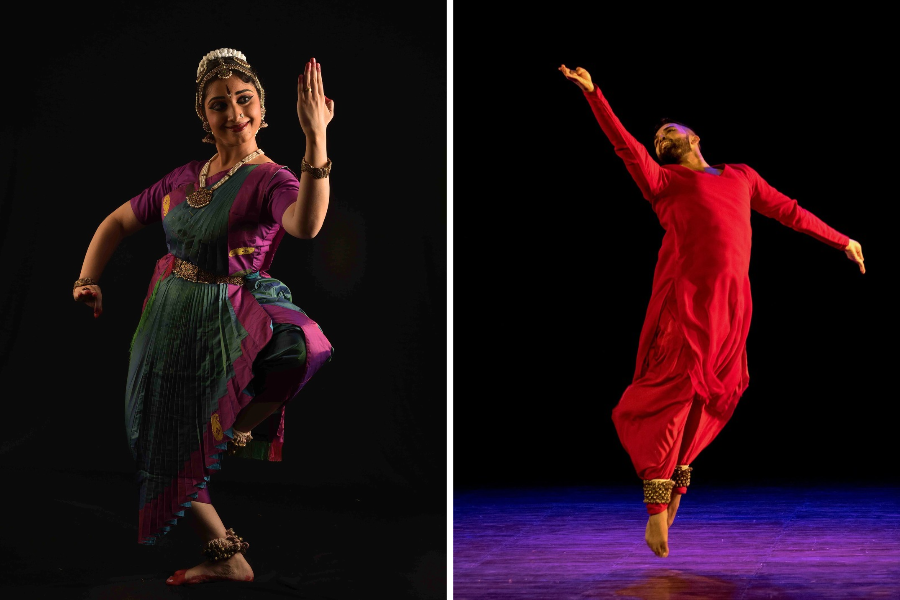
In Vancouver, two of the dancers who helped with the conception of the piece, Aymen Benkreira and Andrea Niño Sarmiento, will perform. Benkreira was born in Bahrain to parents of Algerian descent. His family has moved around plenty, and he often embodies the theme of displacement in his lineage through contrasting contemporary and krumping techniques.
Sarmiento, meanwhile, primarily performs Afro-Colombian dance. It wasn’t until she moved to Quebec from Colombia late in life that she began exploring her heritage in her movement. Gaussiran says she can relate to that; just recently, she took up Québécois stepdancing and jigging, wanting to connect with her paternal grandparents’ roots.
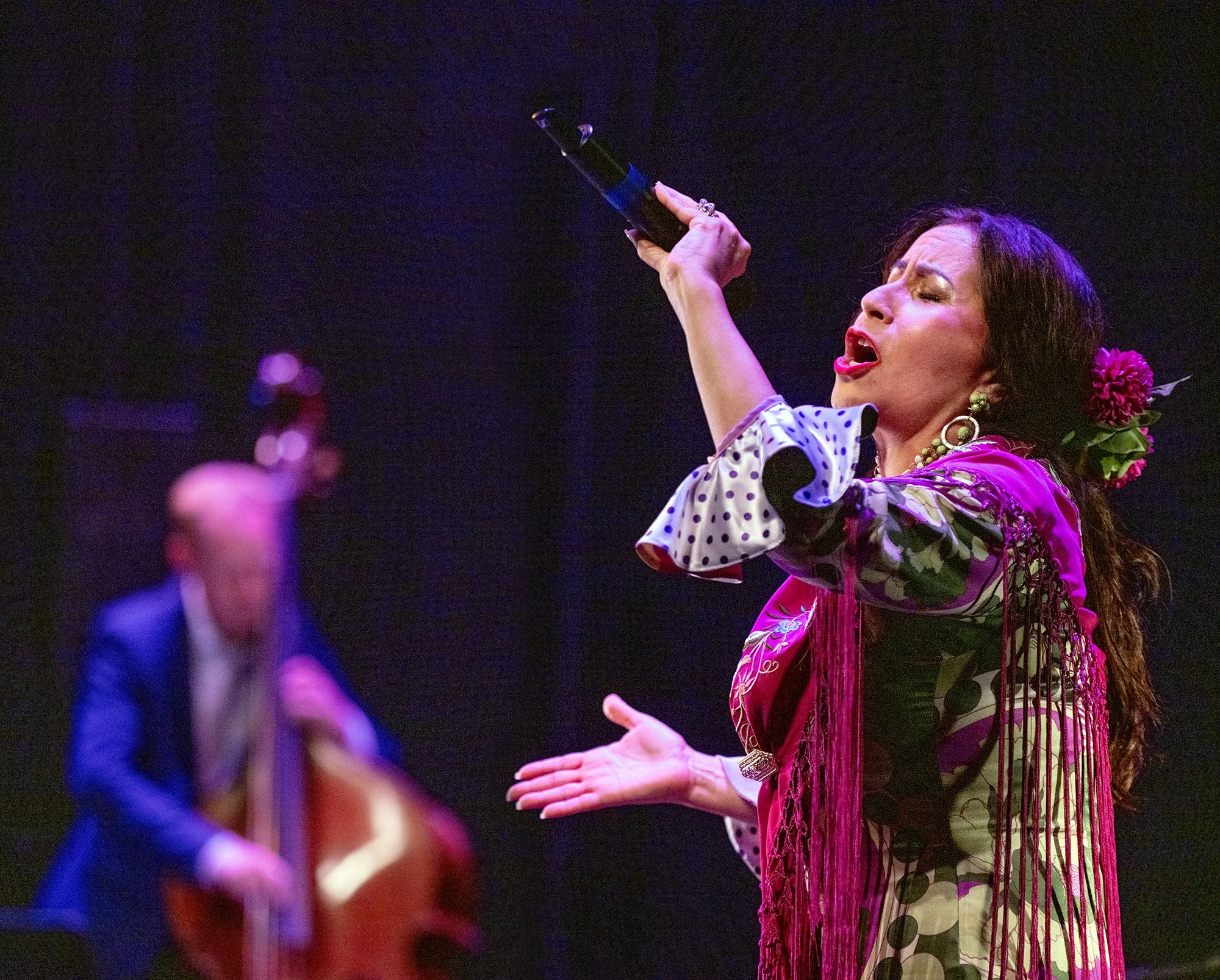
Two new dancers will also perform MOSAÏCO here on the West Coast. There’s well-known Afrobeats dancer Cherylle Shyne, who is of Cameroonian descent and grew up in France, and renowned Cuban contemporary dancer Erismel Mejías, who is also trained in Afrobeats.
What makes MOSAÏCO special is that all five dancers’ individual styles shine through. There are also elements of tap and contemporary integrated in the choreography.
“Everybody is kind of keeping their own language, but coming together—so that was in itself a challenge, because we don’t necessarily choreograph in that way,” Gaussiran says with a laugh. “Usually, you try to have a common aesthetic, you know, unison in movement. We are working sometimes with unison, but with everybody keeping their own aesthetic, which was quite the work—but very interesting to have. How can you create something that’s cohesive, but yet that everybody stays within their own authenticity? So that is really unique.”
There’s also a poetic text component of the work that addresses nuances of migration—what it’s like to experience motherhood as an immigrant, or to feel as though you are torn from your identity, or to navigate life as an interracial couple. That text is normally read over the soundtrack in French, but at the Shadbolt Centre, it’ll be shared in English for the first time.
It’s a way for English-speaking audiences to connect just as intimately to the piece as French-speaking audiences. And for Gaussiran, that emotional connection is what the work’s all about.
“A friend of mine was like, ‘When we came home, we all asked ourselves if we felt Canadian,’” Gaussiran recalls. “And I was like, ‘Wow, that’s really amazing that that was the conversation.’ And for example, that was a family that is mixed—a Québécoise woman with a Vietnamese husband. So the kids, you know, how do they feel? So the conversation was very interesting.
“But also,” she continues, “It brings a lot of reflections on not only the immigrants, how do they feel, but also the Canadians—you probably have roots from elsewhere, and are you interested in those cultures that are around you? I think it brings a lot of interesting questions, and I love the conversations we have after the show.” 

Related Articles