La Venue de l’avenir (Colours of Time) contrasts the digital age with belle époque Paris, September 17 at Alliance Française
Visions Ouest screens a lighthearted Cannes entry that looks at family, connection, and fine art, bouncing between 1895 and 2025
La Venue de l’avenir.
Visions Ouest Productions presents La Venue de l’avenir, with English subtitles, at Alliance Française Vancouver on September 17 at 7 pm
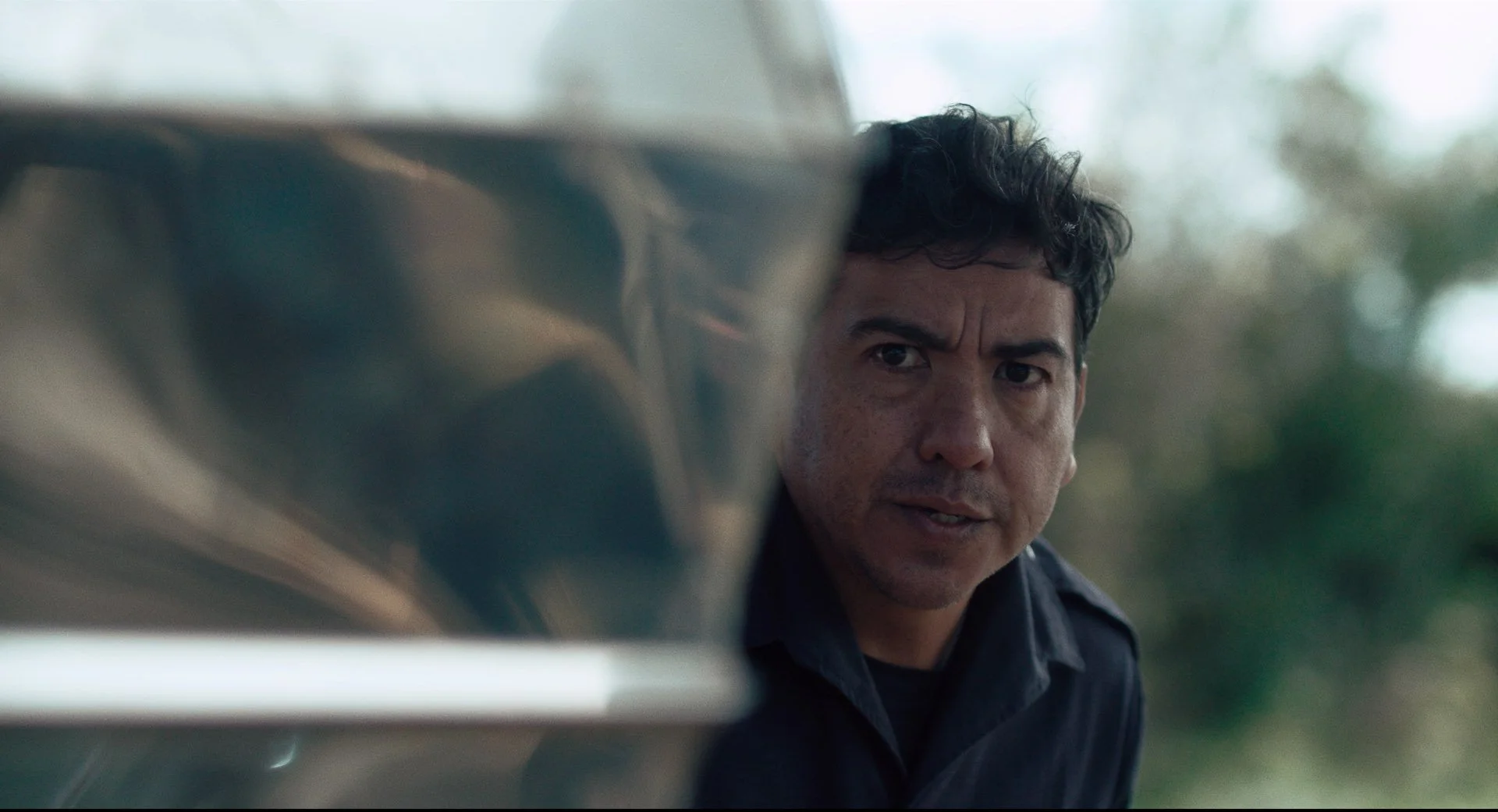
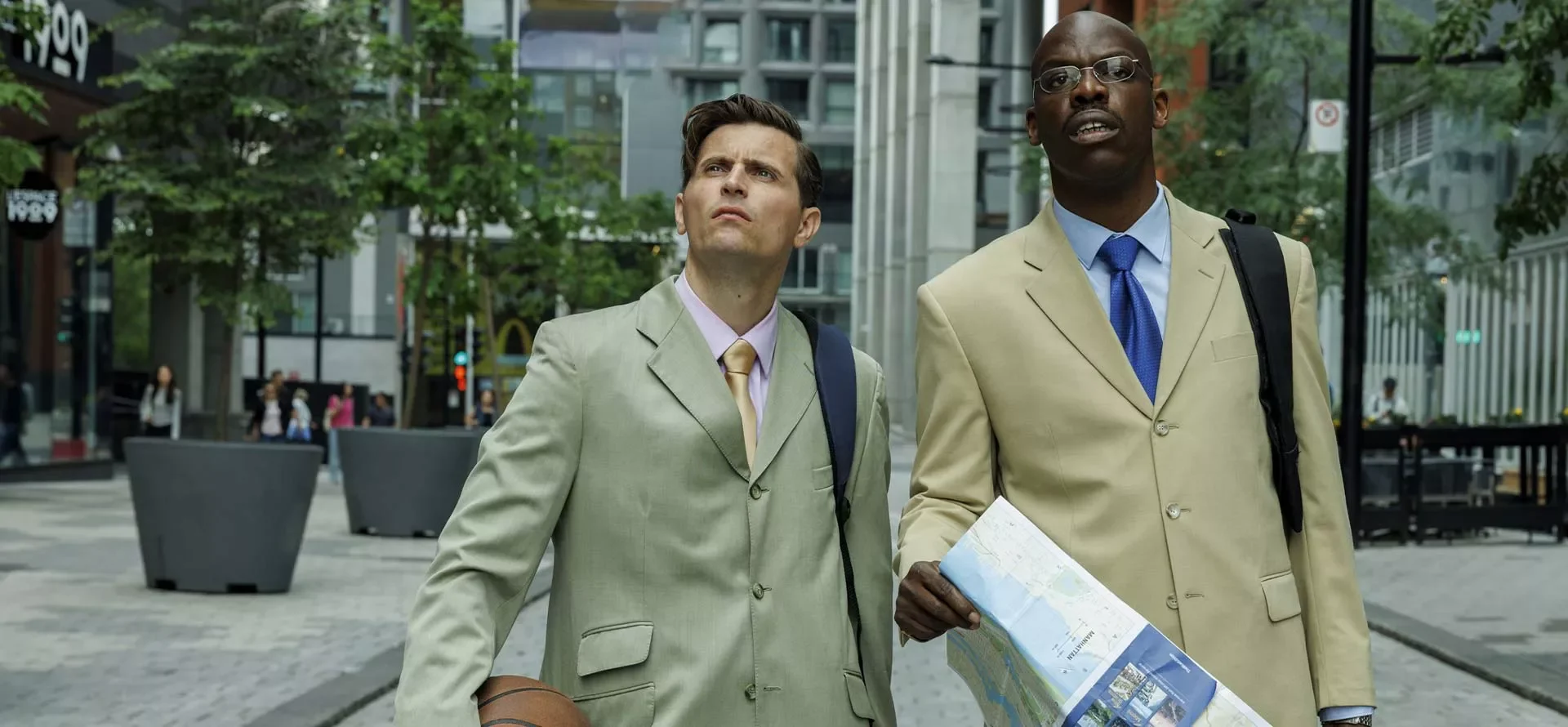
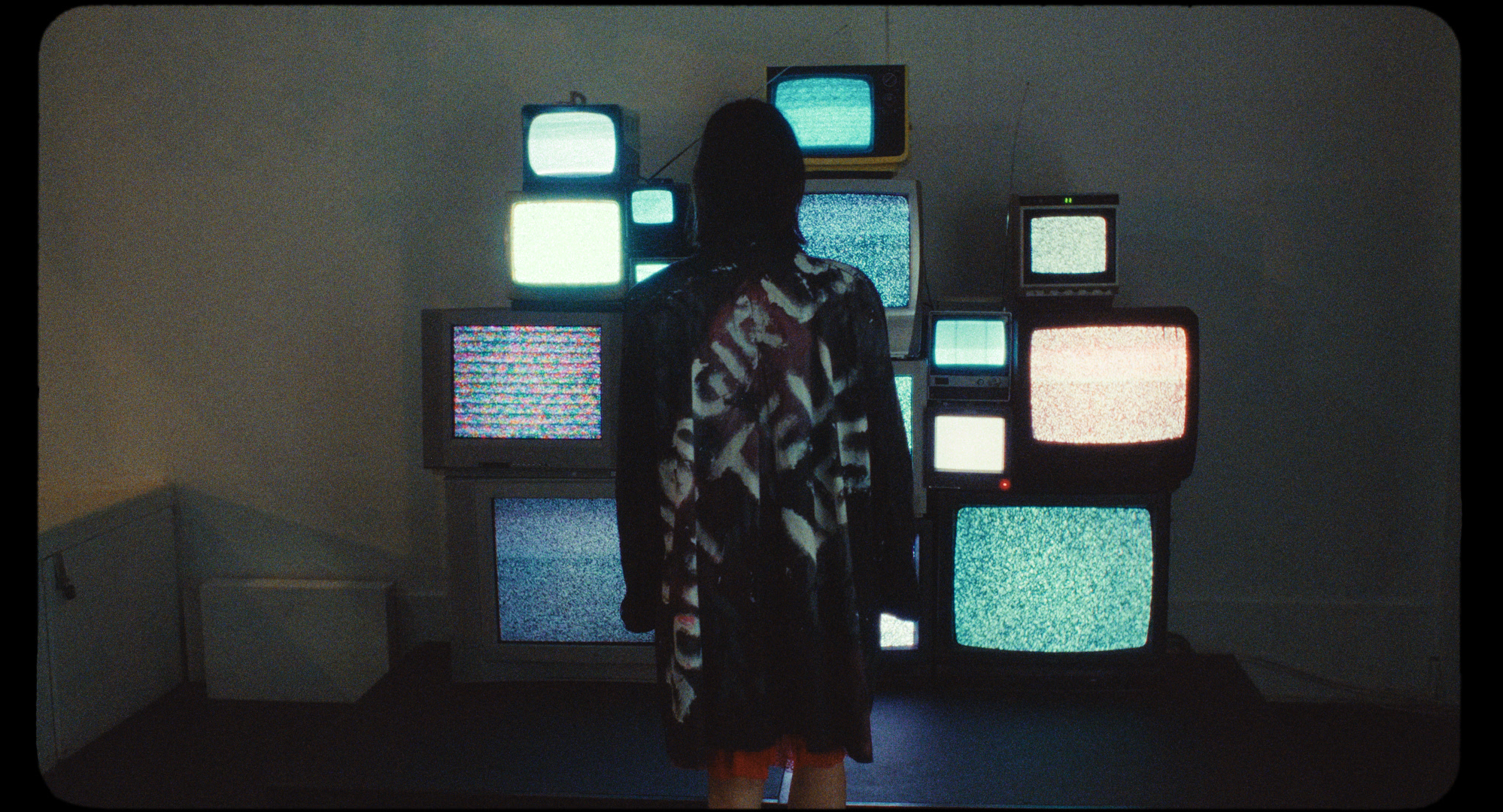
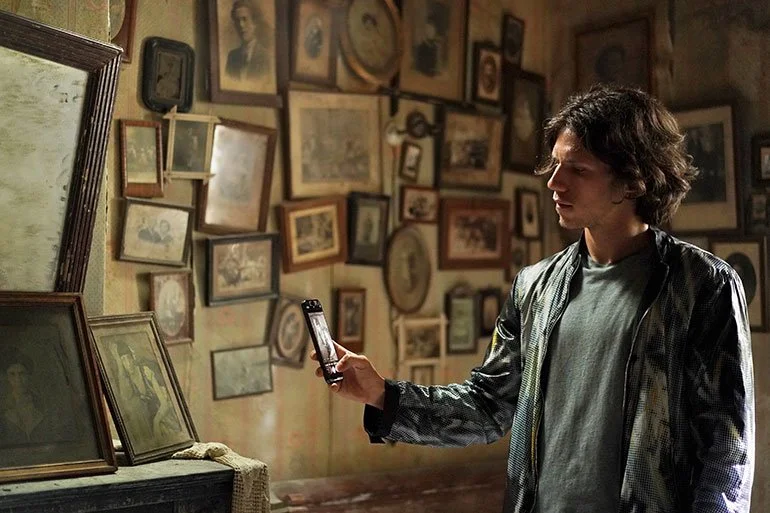
CÉDRIC KLAPISCH’S Cannes entry La Venue de l’avenir (Colours of Time) begins squarely in 2025 Paris, with a social-media fashion shoot in front of Claude Monet’s famed water-lily murals. The influencer-model doesn’t think her dress matches the murals, so she asks her young content-creator photographer Seb (Abraham Wapler) to just digitally alter the colours of the Impressionist masterpiece.
Welcome to the lighthearted world of Klapisch, who will go on to contrast the digital age’s cavalier attitude toward art with that of the gorgeous, belle époque Paris of 1895.
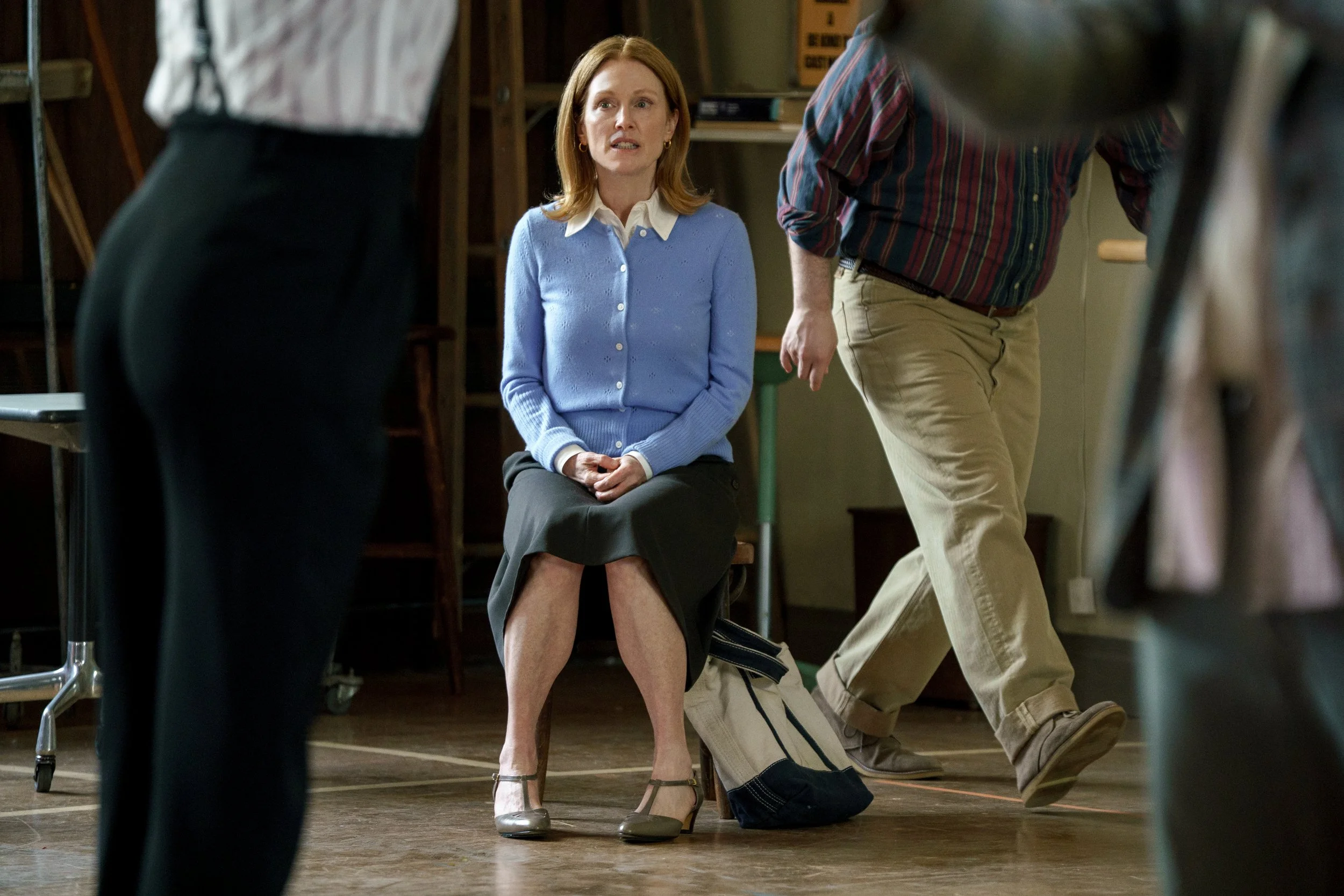
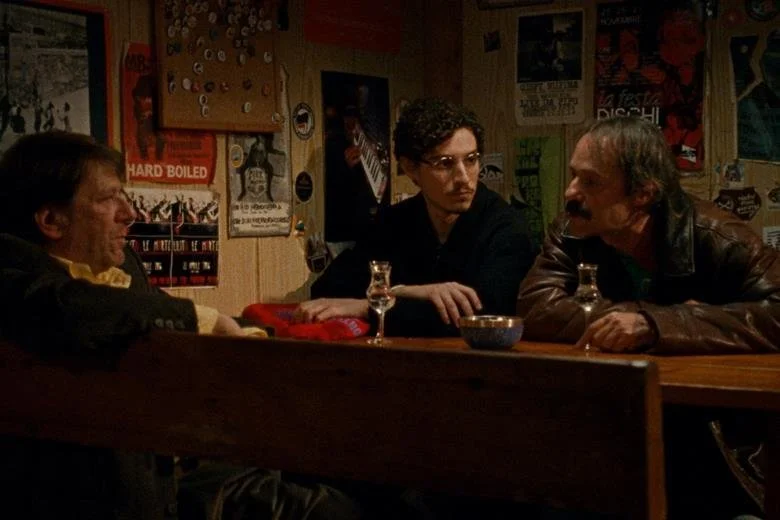
He does that via Seb, who is brought together with an eclectic group of strangers—beekeeper Guy (Vincent Macaigne), tightly wound engineer Céline (Julia Piaton), and French teacher Abdel (Zinedine Soualem)—when the crumbling estate of a distant ancestor comes up for redevelopment. (They literally need a chainsaw to cut into the country house, it’s so overgrown.)
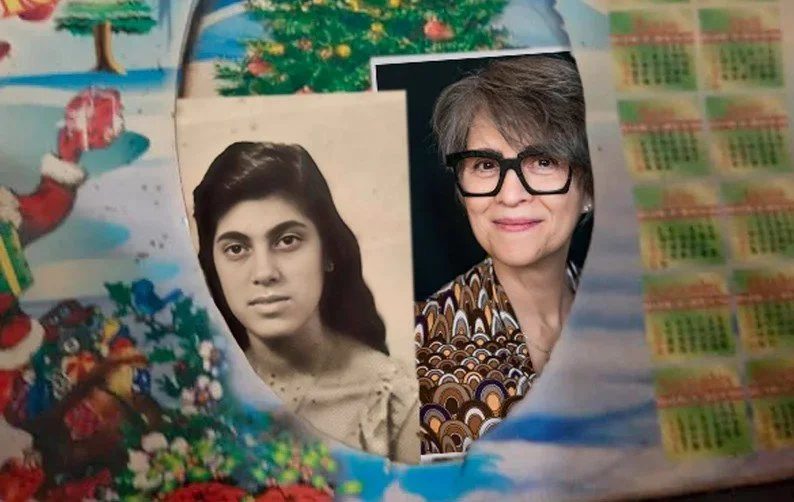
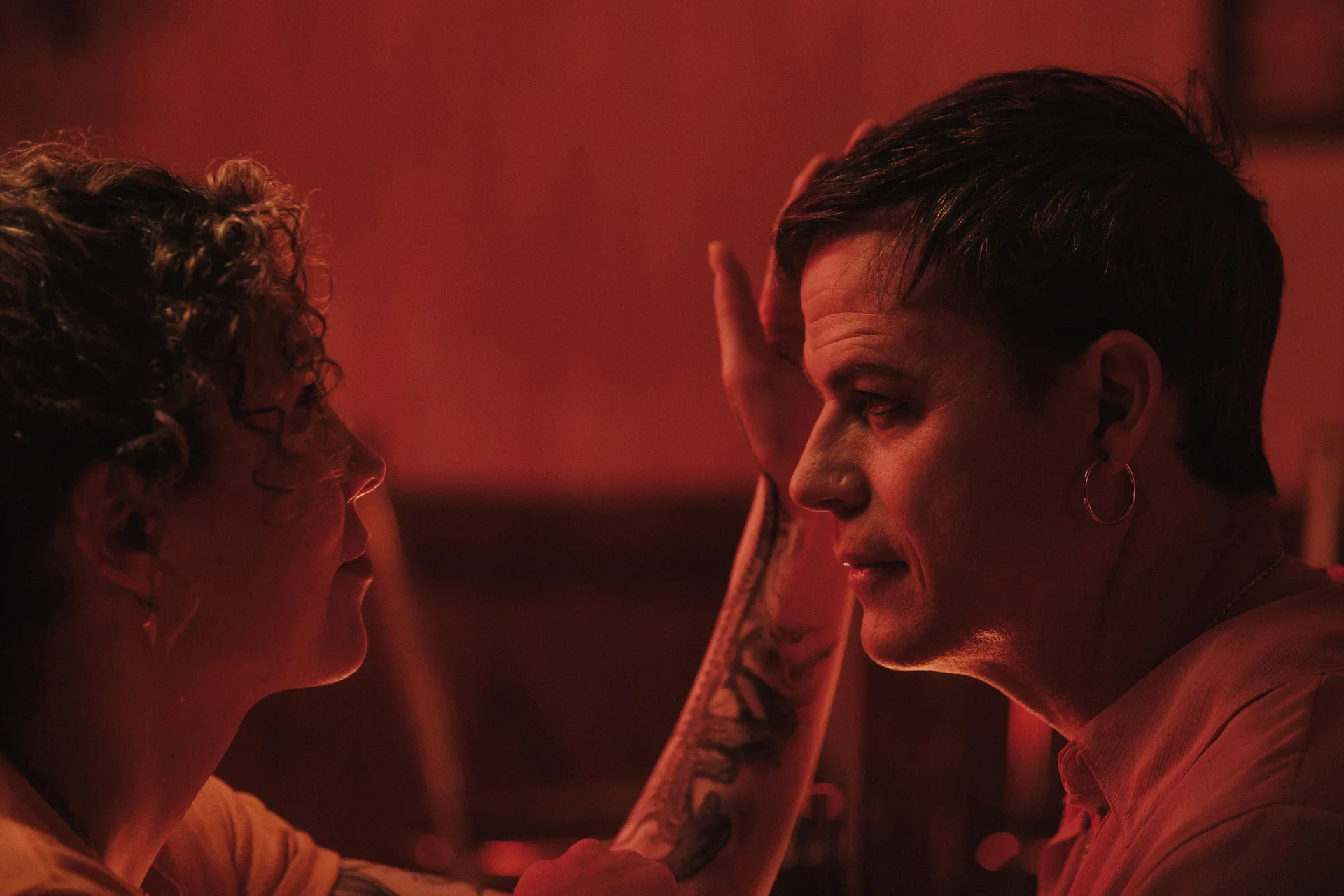
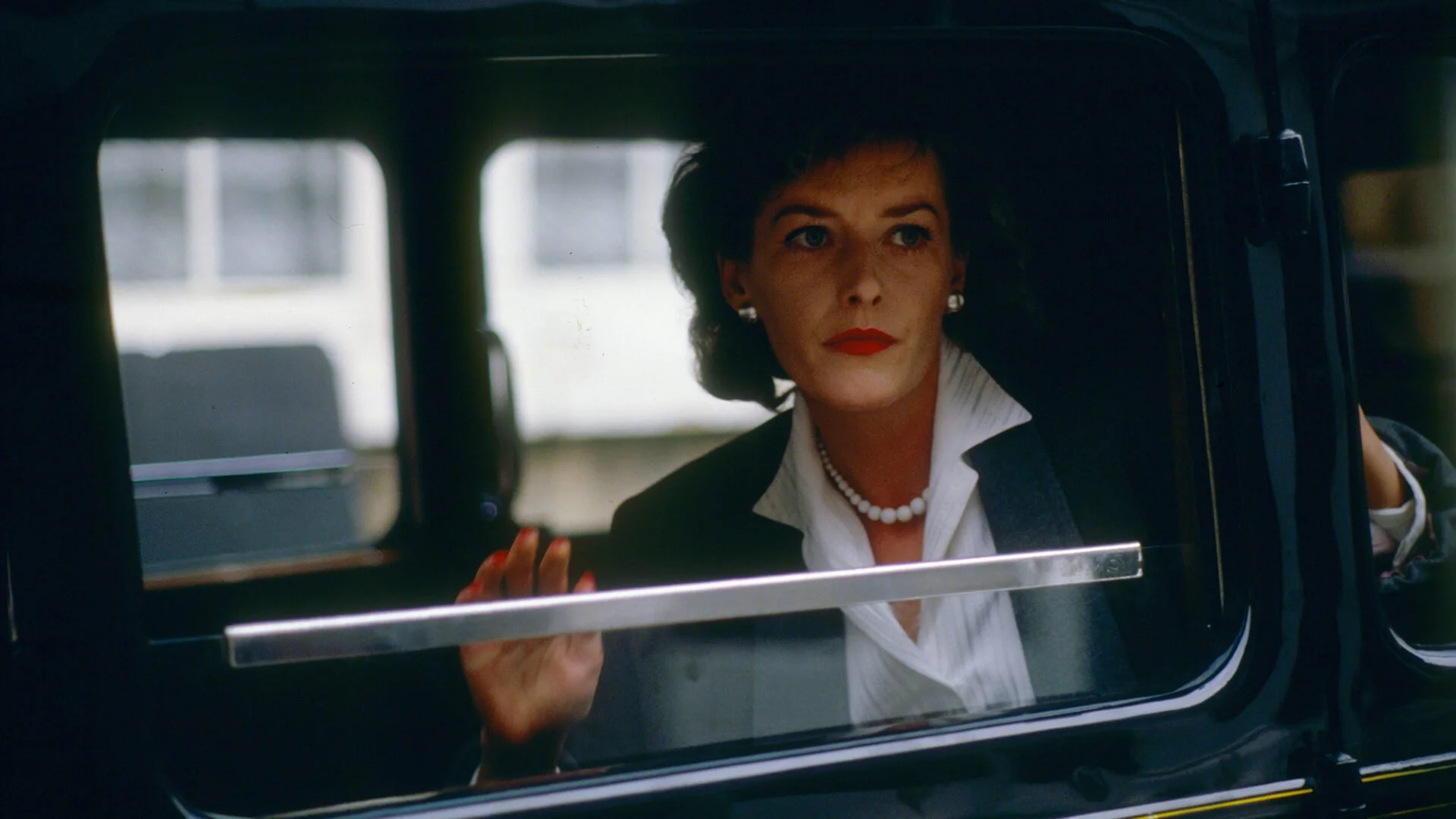
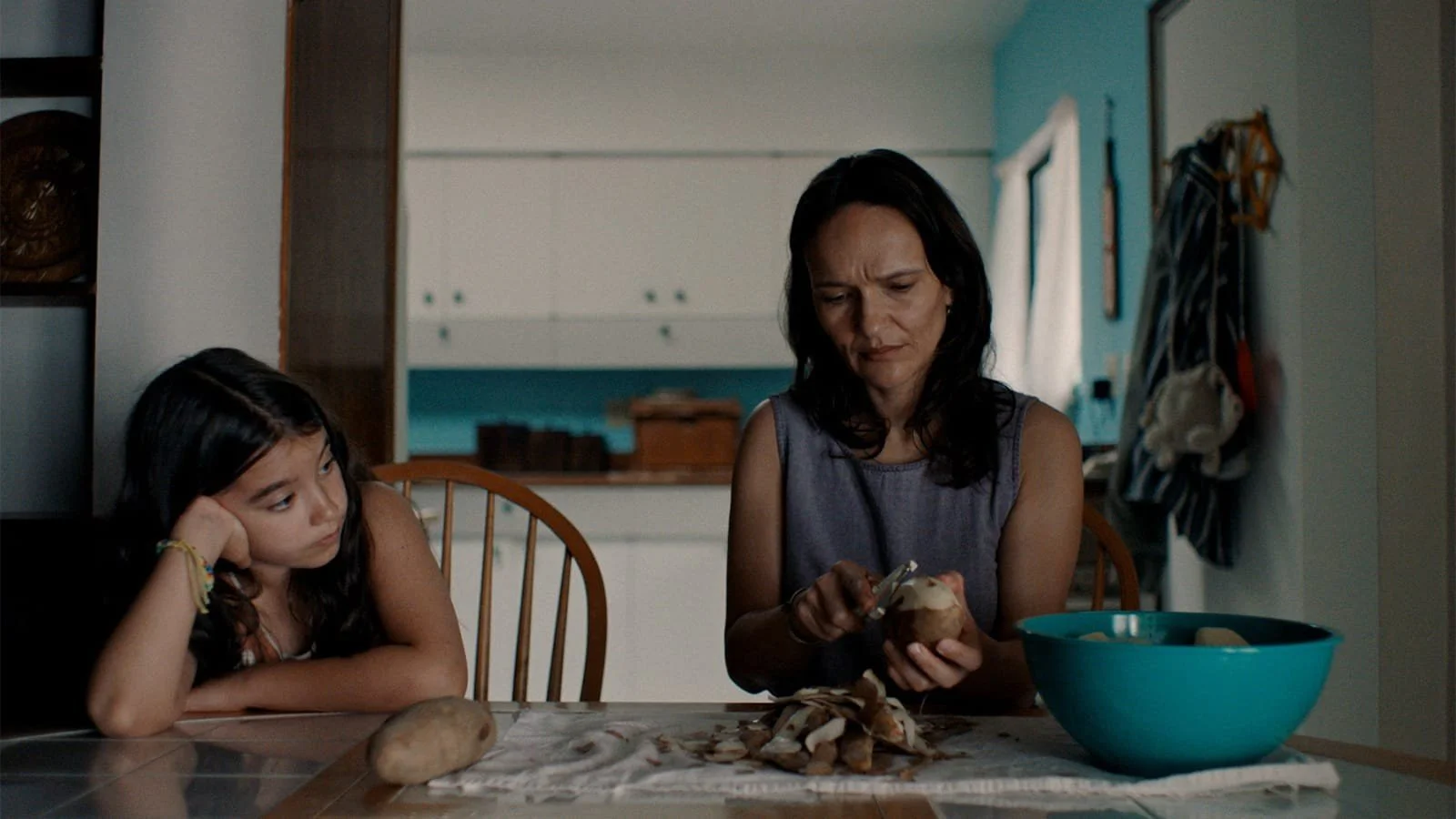
It turns out the foursome share a common female ancestor, and from her faded photo on the wall we start to switch over to her story: Adèle (a magnetic Suzanne Lindon) is a young woman from the country who heads to the City of Light on a quest to learn more about her who her mother and father were, running into some of the late 1800s’ iconic artists along the way. Her journey parallels Seb’s, as he searches for his own family.
If all this sounds serious, it’s not: Klapisch brings a whimsical, feather-light touch to his double storyline, poking enormous fun at the smartphone-glued present and revelling in the sumptuous settings of belle époque Paris.
Gently and comedically, Klapisch invites us to put down our iPhones and consider the loss of family and human connection, not to mention our appreciation of art. 

Related Articles