Stir Q&A: Hindustani classical vocalist Ramneek Singh heralds spring and sings across cultures
Ahead of her Basant Ke Rang concert at the Shadbolt Centre for the Arts, the artist talks about the celebration of spring, her three-octave voice, and her role as a woman in a male-dominated art form
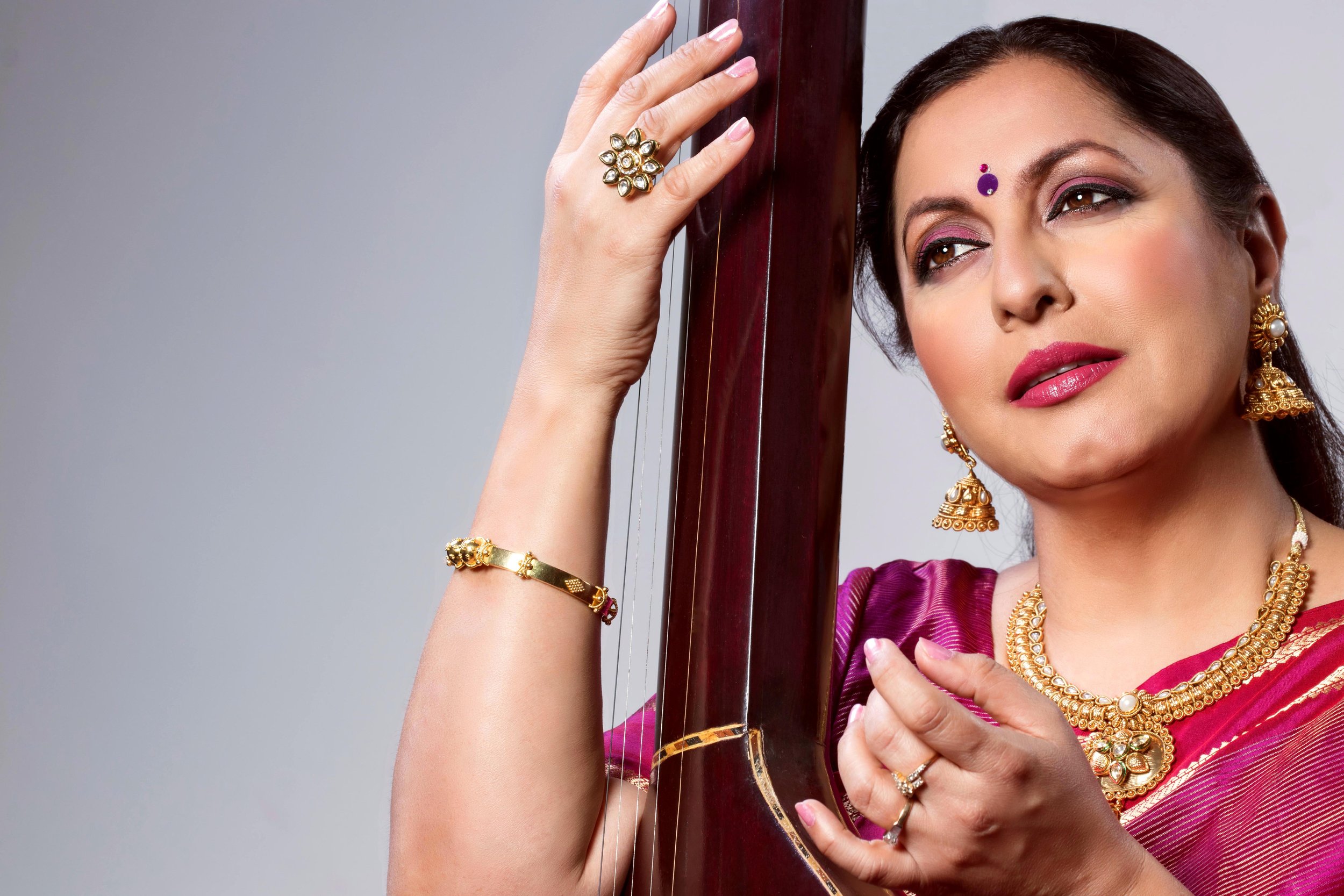
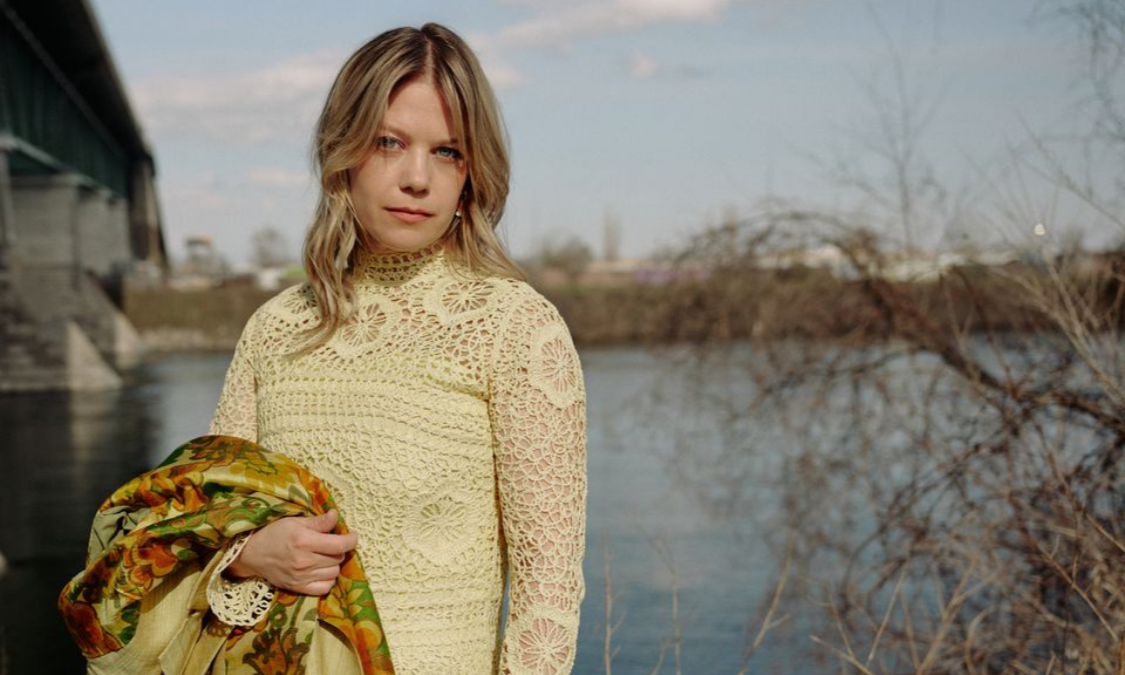
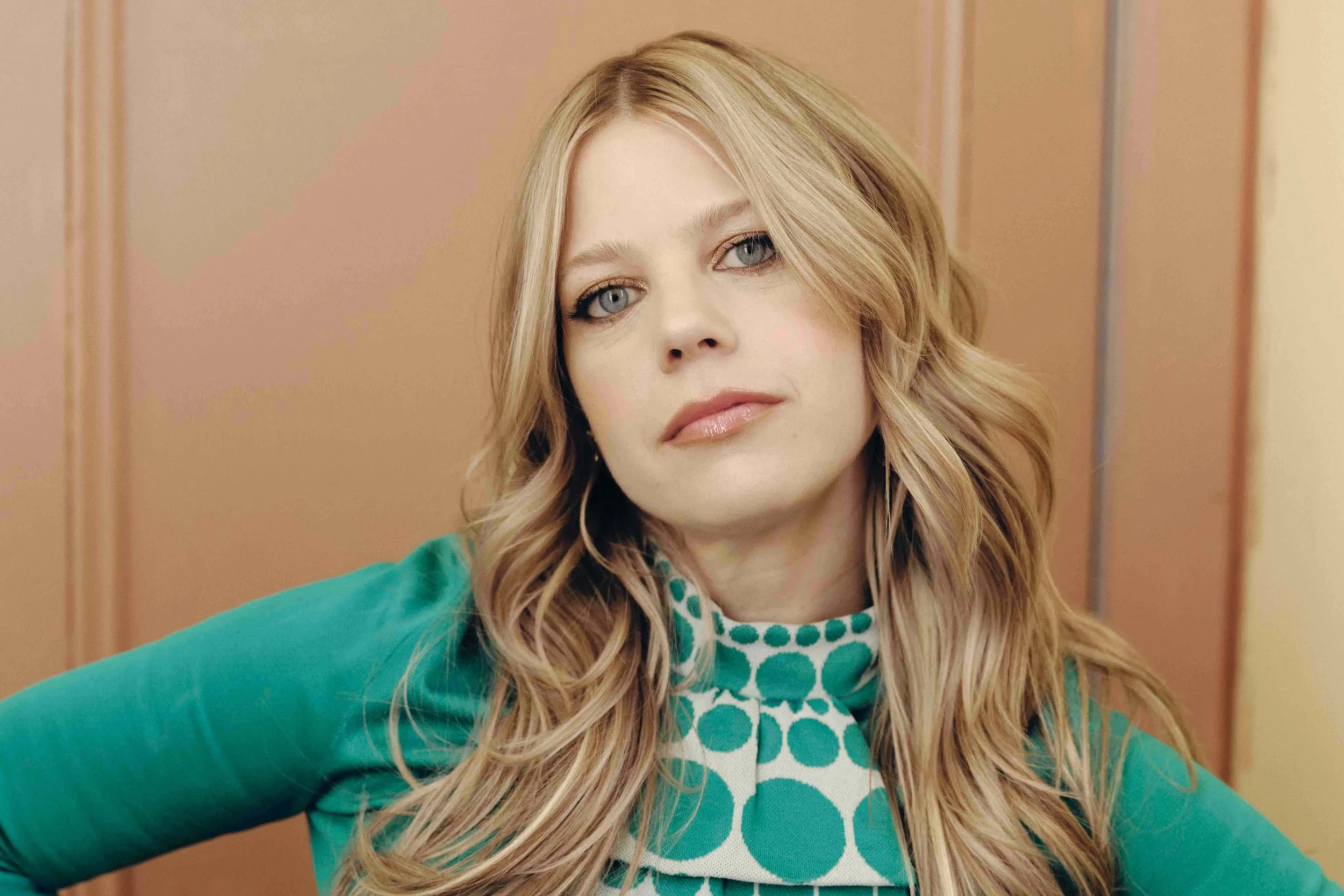
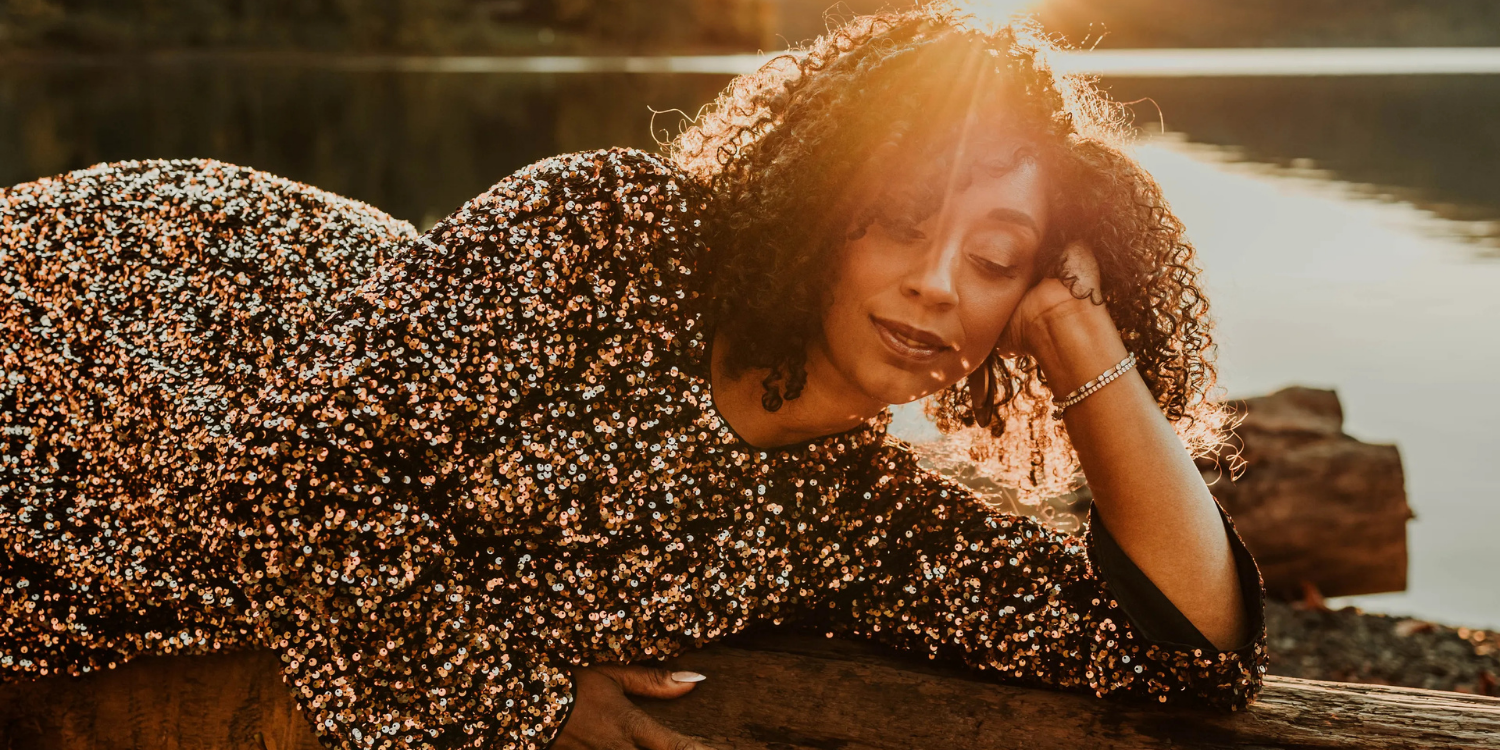
Ramneek Singh
Basant Ke Rang is at the Shadbolt Centre for the Arts on March 29 at 3 pm
BORN IN NEW DELHI, Vancouver-based Ramneek Singh has made a name for herself around the world as a Hindustani classical vocalist. She trained in the Indore Gharana, a prominent North Indian tradition that melds the spiritual with ornate embellishments.
Her remarkable three-octave voice has taken her around the world. In an upcoming concert at the Shadbolt Centre for the Arts, she marks Basant Panchami, a Hindu festival that signifies the end of winter; in India, it welcomes the blooming of mustard fields, and is dedicated to Saraswati, the goddess of knowledge, language, and music. Singh will be accompanied by Mohan Bhide on harmonium and Sunny Matharu on tabla.
Ahead of the performance, Stir asked the singer about spring in India, her songs of love and longing, and the development of her mesmerizing voice in a form traditionally dominated by men.
When did you first realize you had this vocal gift, and can you give a sense of how long it took to develop it to the three-octave range it has today?
I was introduced to music very early, and my mother was the first to recognize that I had a natural inclination toward singing. I began training when I was around six years old, and from that point onward, music became a central part of my life. Very early on, my teachers felt that my voice had potential, but a voice is not shaped by talent alone. It takes years of disciplined training, breath control, tonal work, and daily practice to develop range, stability, and expression.
The three-octave range I have today came gradually through decades of riyaaz. It was never about forcing the voice, but about opening it correctly and patiently under proper guidance. Classical training gave me the tools to make the voice flexible, resonant, and emotionally responsive. Even now, I feel that the voice is still evolving. For an artist, that journey never really ends.
What sets Indore Gharana’s meditative style of Khayal apart from other forms of Indian classical vocal music?
What distinguishes the Indore Gharana most deeply is its meditative, unhurried approach to the unfolding of a raga. It does not rush to impress the listener. Instead, it invites the listener inward. The development of the raga is spacious, introspective, and deeply contemplative, allowing every phrase to breathe and reveal its emotional depth.
This style creates an atmosphere of stillness and reflection, which is very special in today’s fast-paced world. There is also an intellectual elegance to it, but that sophistication is always in service of emotional and spiritual resonance. For me, that is what makes it so powerful: it touches both the mind and the soul.
What do you associate most with spring in India, and how did that influence your musical choices on the program?
Spring in India evokes colour, fragrance, renewal, and longing. It is a season that carries both joy and tenderness. I associate it with blossoming flowers, soft winds, festivity, and also with a deep emotional awakening. In Indian poetry and music, spring is often connected with love, separation, beauty, and the reawakening of the heart.
That emotional richness strongly influenced my musical choices for this program. I wanted to present spring not just as a season, but as a feeling. So the repertoire reflects many shades of Basant: freshness, romance, devotion, longing, and celebration. I have chosen different genres and poetic expressions to bring out those colours, so that the audience can experience spring as a bouquet of emotions rather than as one single mood.
What has it been like being a woman in what traditionally was a male-dominated art form?
It has been both challenging and deeply meaningful. Indian classical music has a rich history, but like many traditional art forms, it has often been shaped by male-dominated spaces and structures. As a woman, one has sometimes had to work harder to be heard, to be taken seriously, and to claim artistic space with confidence.
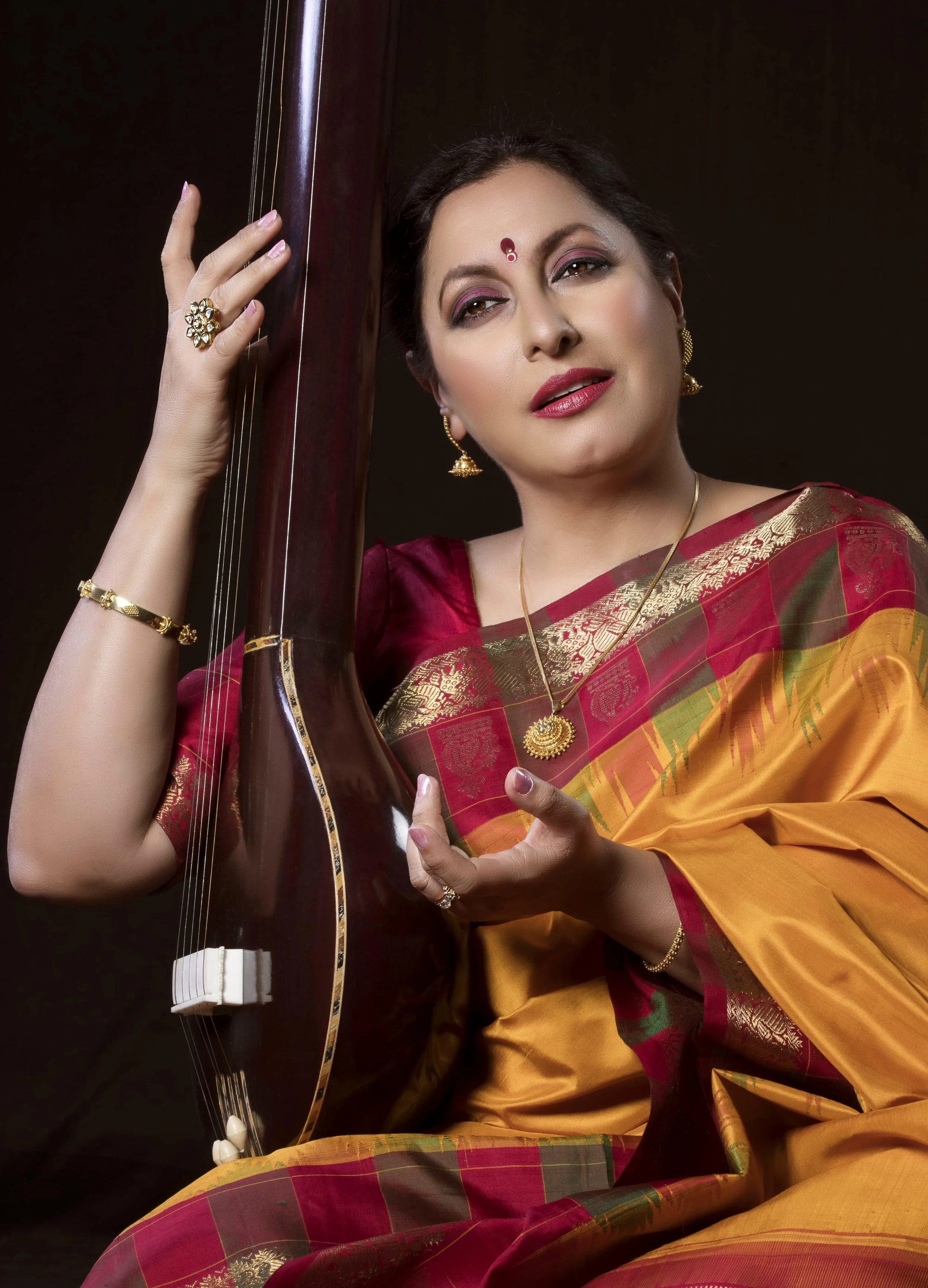
Ramneek Singh
At the same time, that journey has given me strength, resilience, and clarity. It has made me more committed to my art and more conscious of the importance of representation. I feel grateful that I have been able to build a life in music through dedication, training, and perseverance. If my journey can encourage younger women artists to trust their voice and pursue their path with conviction, then that is something I value very deeply.
How do you hope to take this form of Indian classical music to a wider audience—and what is your experience of it speaking across cultures?
I believe Indian classical music speaks across cultures because its foundation is emotion. One does not need to know the language or the technical structure of a raga to feel peace, longing, devotion, or joy. I have seen audiences from many different backgrounds respond very deeply to this music when it is presented with sincerity and openness.
My approach has always been to remain true to the depth of the tradition while making it accessible. I often explain the poetry in English, give context for the raga or the mood, and help listeners enter the music without simplifying it. That creates a bridge. Once people understand the emotional and spiritual intention behind the music, they connect naturally.
My hope is to continue widening that bridge through performances, recordings, workshops, and educational outreach, so that more people can encounter this art form not as something distant or unfamiliar, but as something deeply human and universal. 

Related Articles