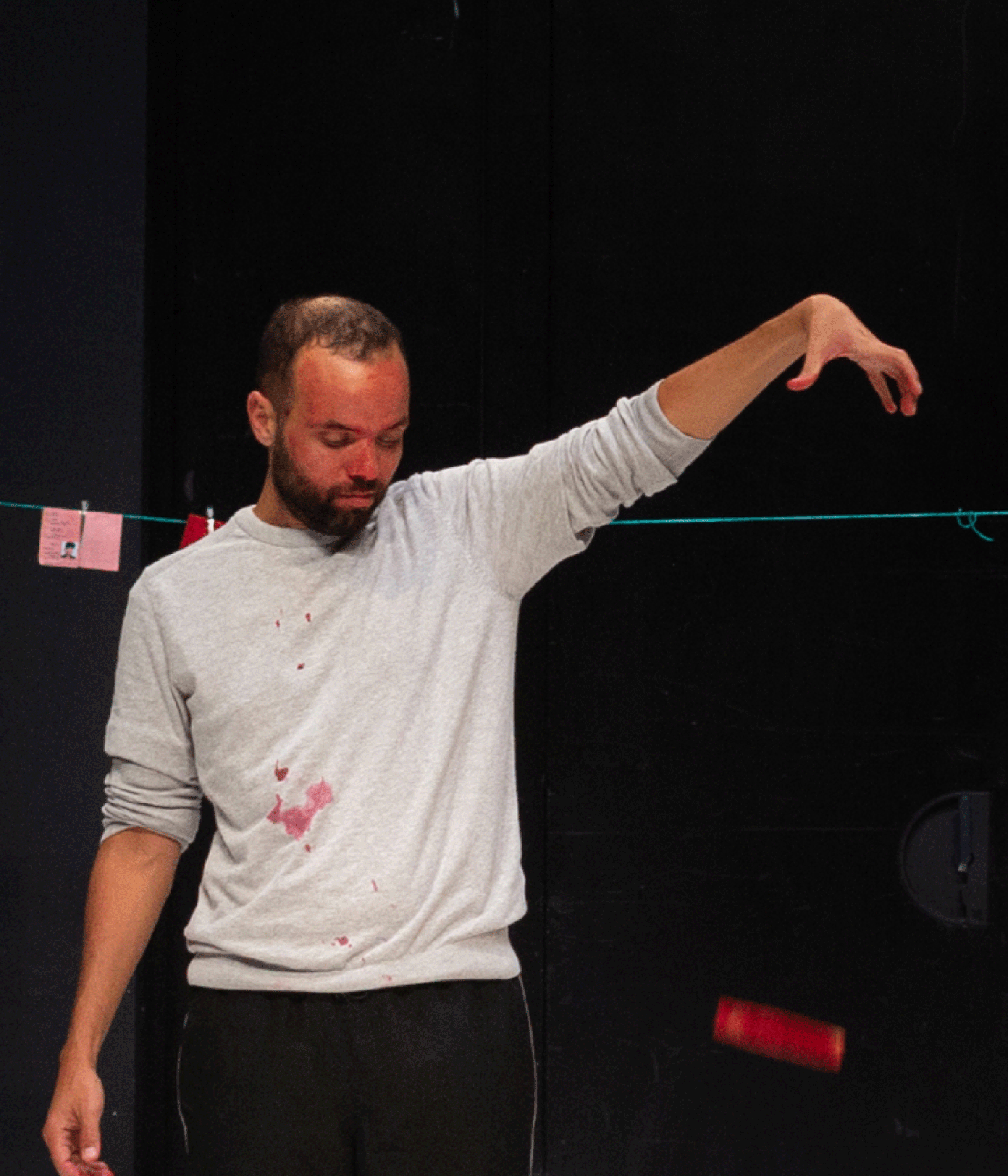
Koulounisation takes a personal look at the French occupation of Algeria
Running at Théâtre la Seizième, new play by French-Algerian artist Salim Djaferi goes beyond the history books
Théâtre la Seizième presents Koulounisation at Studio 16 from September 25 to 28 at 7:30 pm. All performances are in French, with English surtitles September 25, 26 and 28.
THERE’S A HISTORY lesson behind Koulounisation, a new play by French-Algerian artist Salim Djaferi coming to Vancouver’s Théâtre la Seizième. Algeria was invaded by France in 1830, and declared independence in 1962, after 132 years of French occupation. The country’s freedom only came after a major armed conflict between France and the Algerian National Liberation Front that lasted eight terrorizing years.
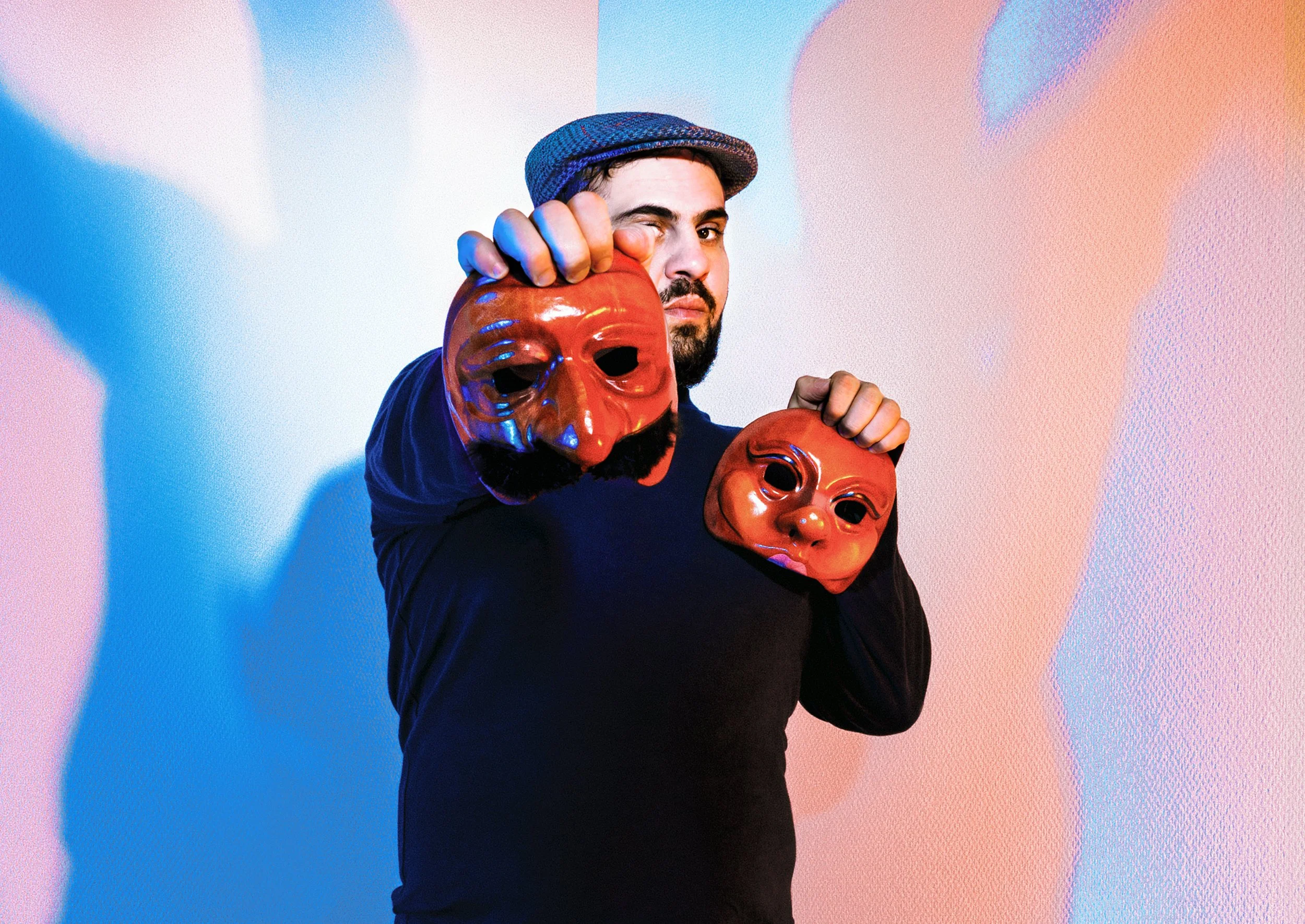
Djaferi’s grandparents hailed from Algeria, while the Brussels-based theatre-maker was born in Paris. He wanted to explore the colonization of his ancestral home in a personal way, so he embarked on a series of interviews—close to 40—with people who could speak to the war. The process opened his eyes to part of his history and culture, and formed the basis of his piece of documentary theatre that takes its name from the way some individuals—namely those with an Arabic accent—say the word “colonization” in French.
“I don’t speak a word of Arabic,” Djaferi says in a Zoom interview with Stir. “I didn’t know much about the Algerian war or the Algerian Revolution, so I decided to focus on that. As a starting point, I asked people, ‘How do you say ‘colonization’ in Arabic?’ It’s the starting point for the show and it’s a simple question that I’ve been asking for two years. I started with my mom and my aunt, and asked many questions, and everyone was telling me stories about how they feel about this piece of history.
“It was important to me because I grew up in France and went to French schools and never learned anything about it in school,” he adds. “I’ve read a lot of historical books, and I had this feeling that some knowledge was not heard from people who are not historians or scientists—people in my neighbourhood where I grew up. I thought maybe my role as a theatre-maker was that I could give a voice to them. I wanted to give a voice to this experience and to this knowledge that you cannot really find in history books.”
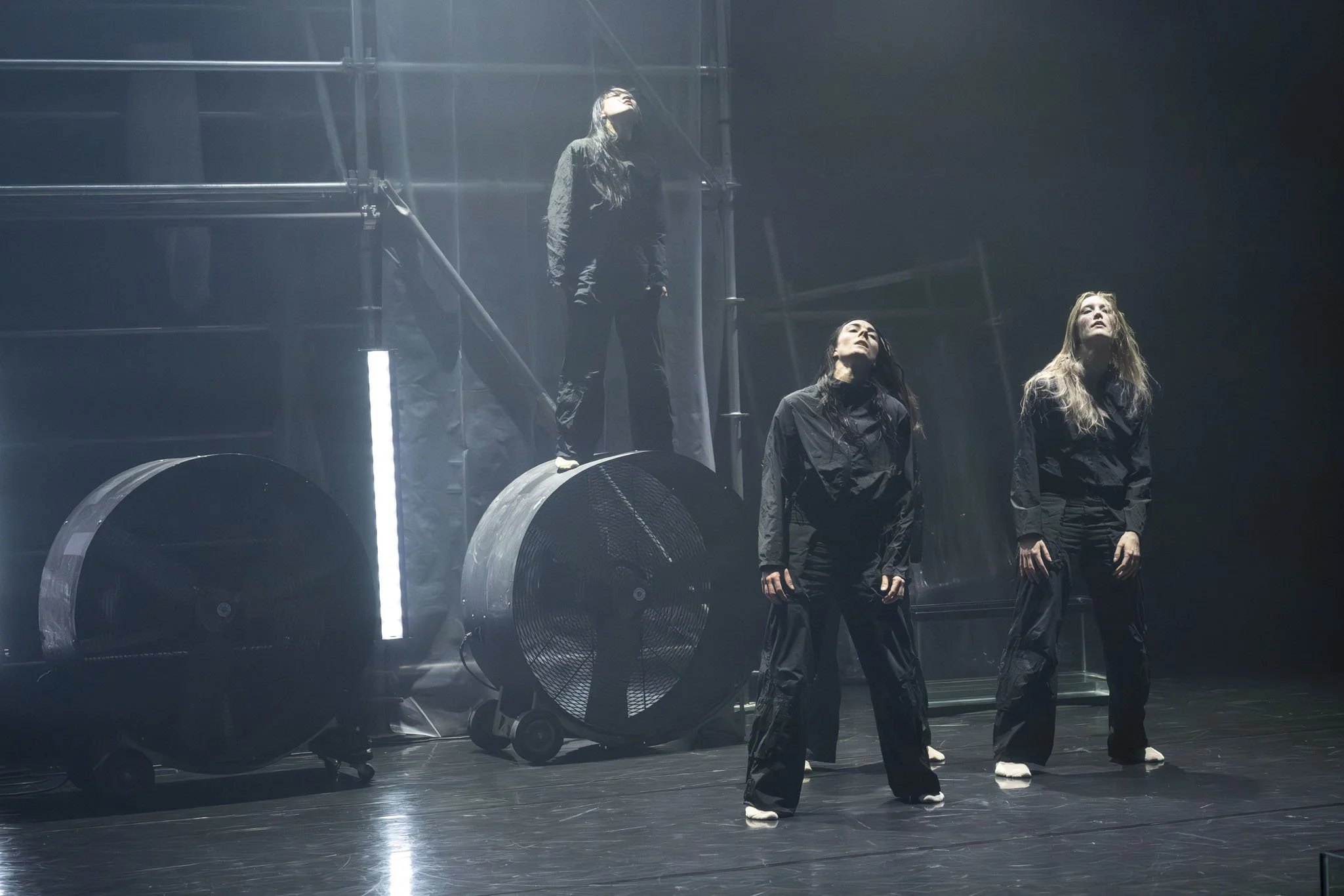
Djaferi says he was inspired to take a documentarian approach to the subject after seeing theatrical documentarian Adeline Rosenstein perform in Montreal. To avoid the one-man play from being dry, he incorporates several props. Most of the objects he uses come from the construction industry, because one of the Arabic words for ‘colonization’ means to build something.
“I could have built a house by now with all of the props we have used,” he says, with a laugh. “The main risk of the show was that at, some point, it could have looked like a lesson, and we had to propose an aesthetic; we had to use the tools of theatre. Even though it is a story that could have been just historical facts, we decided all those words deserved to be seen and not just heard. When you’re facing a historical subject and a sad subject, you don’t want it to be boring.”

Related Articles