At Indian Summer Festival, Simran Sachar embodies her mother’s dancing with lightning-like presence
Waacking-infused world premiere co-created with Justine A. Chambers draws on a 1990 indie Bollywood film choreographed by Sachar’s mom

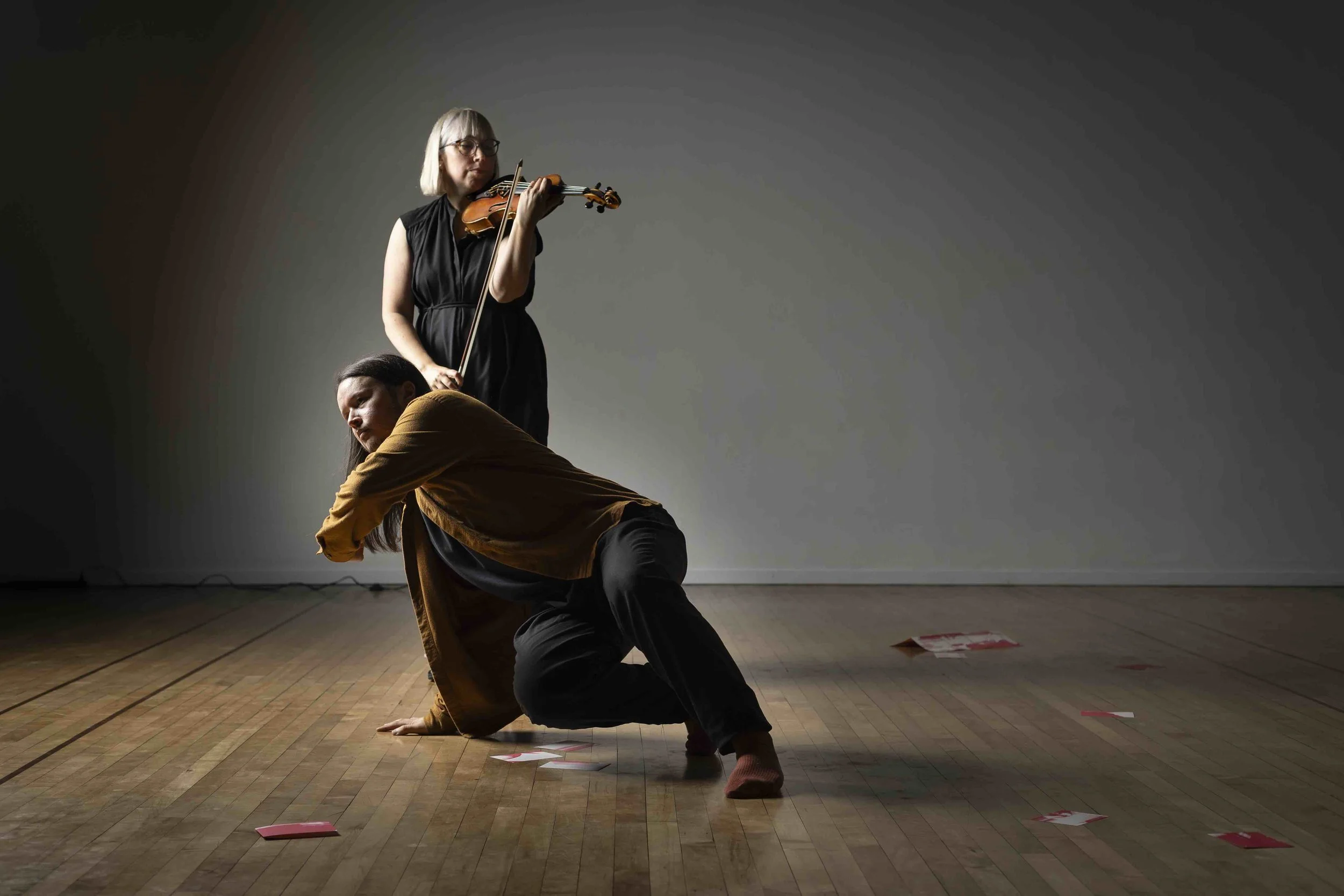
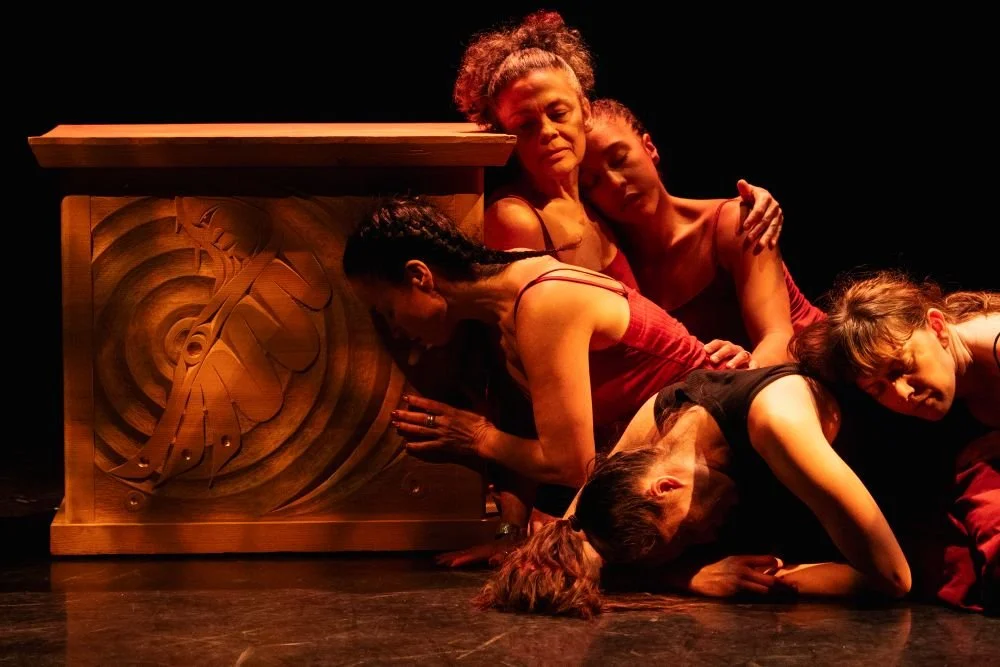
Simran Sachar. Photo by Marshall To
Indian Summer Festival presents Today is the evening to strike lightning / Aaj To Bijiliyan Girane Ki Shaam Hai at the Annex on July 5 at 7:30 pm, in partnership with the PuSh International Performing Arts Festival
REFLECTING BACK ON when she was a young girl growing up in Calgary, Simran Sachar recalls being enamoured by her mom’s dancing at Indian wedding receptions.
The Mumbai-born matriarch would stretch her arms out in front of her animatedly, moving to celebratory beats, a pouted-lip expression always gracing her face. Sachar’s older sister would copy their mom closely at these parties, picking up steps as fast as her little feet could.
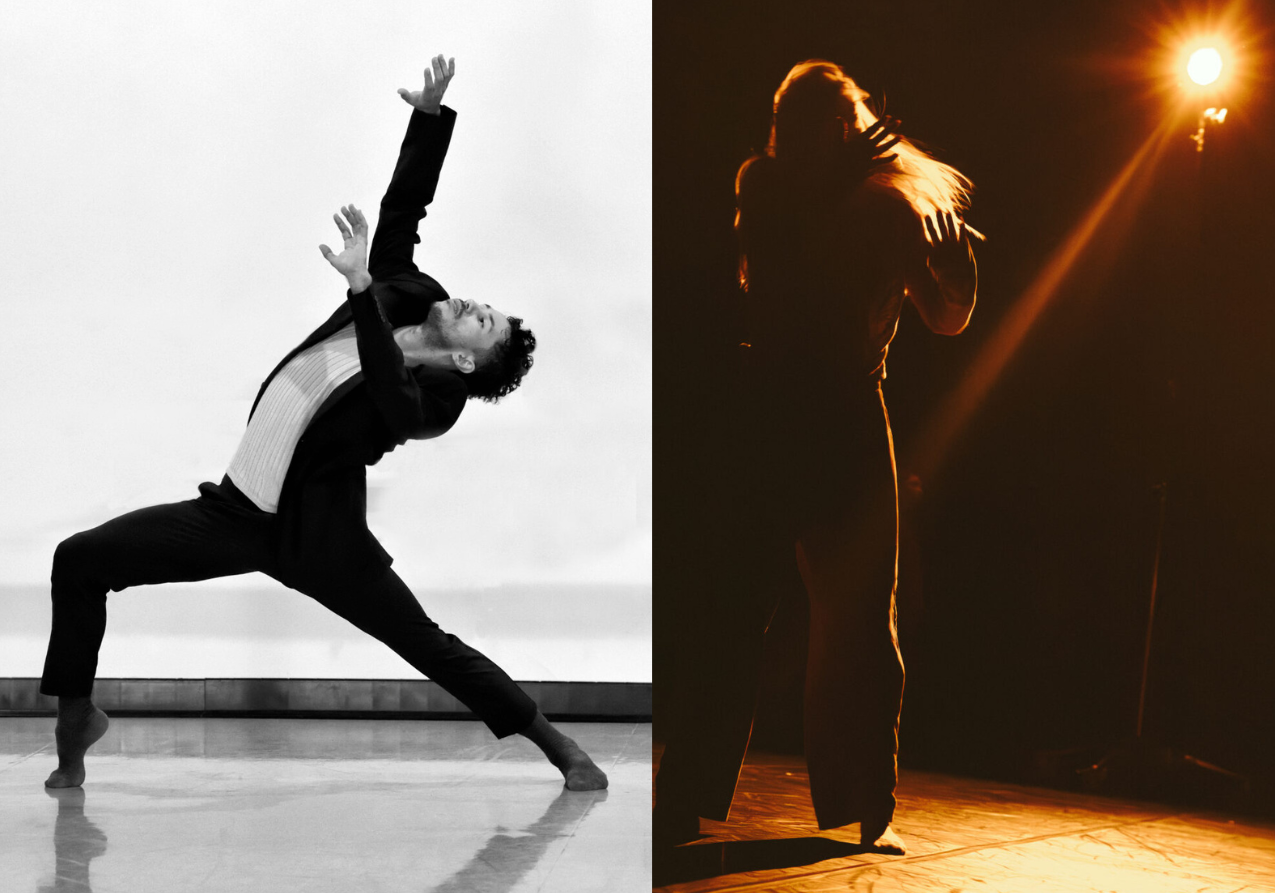
It’s only fitting that Sachar became a professional dancer. At this year’s Indian Summer Festival, she’s performing the world premiere of a commission co-choreographed with Justine A. Chambers called Today is the evening to strike lightning / Aaj To Bijiliyan Girane Ki Shaam Hai. The solo is rooted in both artists’ relationships to their mothers’ dancing.
“I just feel like she exudes art,” Sachar tells Stir fondly of her mom. “Everything she does is always with the creative eye. And she’s always been that way. Even growing up, everything in our house was very intentional—how it was decorated was very intentional. She was always doing everything she could with what she had, so even when we didn’t have a lot, there was just so much magic happening.”
Indian Summer Festival curator-in-residence Am Johal invited Sachar and Chambers to collaborate on a piece that will be presented in partnership with the PuSh International Performing Arts Festival. When they received word of the opportunity, the two artists—who have known each other for a handful of years now—sat down at a Gastown café and began brainstorming excitedly over coffee. They got to chatting about their mothers, and how much they love dancing, when Sachar mentioned that her mom had choreographed the dance scenes for a 1990 indie Bollywood film called Thodasa Roomani Ho Jayen (meaning “Let’s be a bit romantic”). Chambers immediately suggested referencing it in their piece.
Sachar was able to source footage of her mom’s choreography, which the artists watched together to kick off their creation process. They began assembling their own movement vocabulary influenced by the hand gestures and facial expressions in the film that resonated with them most.
The production’s title, Today is the evening to strike lightning / Aaj To Bijiliyan Girane Ki Shaam Hai, is the name of the song Sachar’s mom choreographed to.
“I think there’s something about presence that is like a kind of lightning,” Sachar reflects. “We have everything within us. We don’t have to search outside of [ourselves]. Everything that’s going to happen is already here on my face—is already here in my body, in my hands—without you having even seen it all yet.”

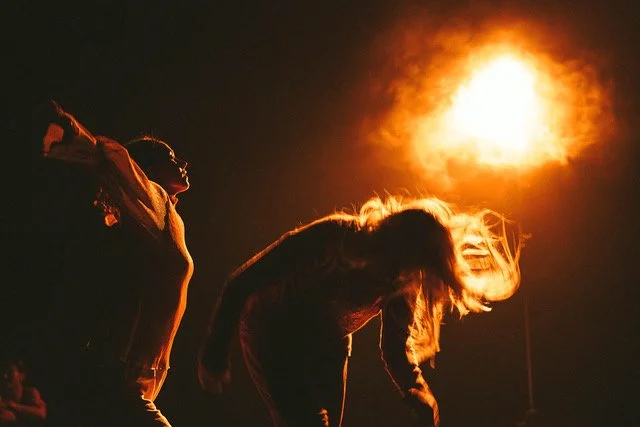
Simran Sachar. Photo by Marshall To
Sachar grew up attending a small classical ballet academy in Calgary, where she also became well-versed in modern and tap. At 18, she began a four-year journey in which she would live in New York for a few months every summer to ground her artistry in contemporary and street dance; each fall, she returned to Calgary to complete her journalism degree at Mount Royal University.
She relocated to Vancouver in 2020 and has been working in dance, theatre, film, and television ever since. Her piece ACT TWENTY FIVE, a fusion of waacking and contemporary that explored the complexity of grief in South Asian households, premiered at Dancing on the Edge last year.
The artist’s upbringing differed greatly from that of her mom, whose knowledge of movement comes from within the context of cultural learning.
“My mom’s been dancing her whole life,” Sachar says. “She grew up in Mumbai, so dance and music just surround the world differently there than they do here. And I think trained might have just meant something different at that time. To be a trained dancer—especially in my mom’s childhood—might have meant just having a lot of money. So with my mom’s dance training, she told me that she was often watching through the windows, watching the kids in classes.”
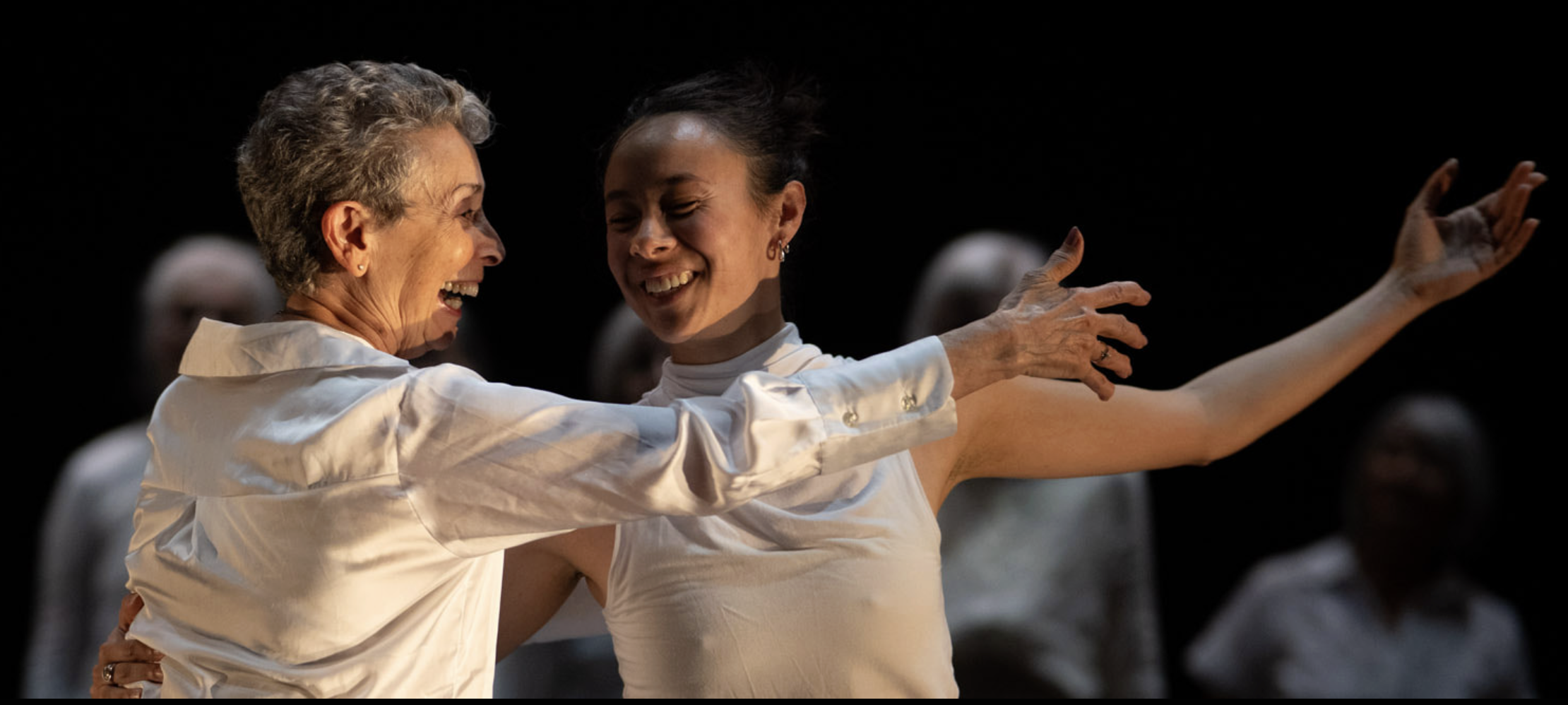
Today is the evening to strike lightning incorporates the choreographers’ training in waacking, contemporary, modern, and Black vernacular dance. Though Sachar will perform the piece as a solo at Indian Summer Festival, its framework is flexible, allowing Chambers to be integrated one day should the artists so choose.
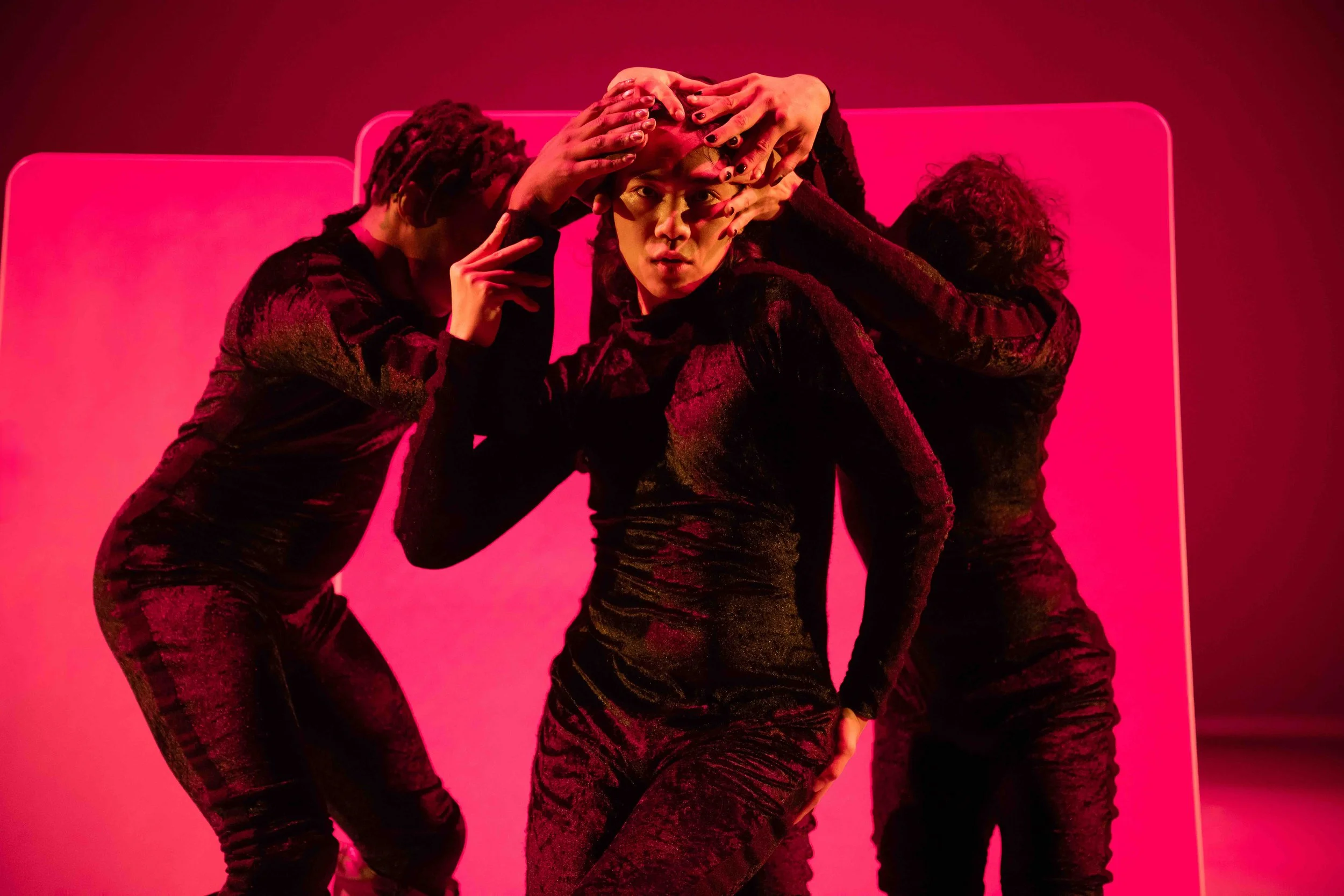
The choreography also plays on the concept of transformation, and the battle between two distinct forms of feminine energy: the beautiful and the grotesque.
“As women, sometimes we don’t get to be all of these forms outwardly in the world,” Sachar reflects. “But we have all these things inside of us. We have all the beauty, the magic, the make-believe, and the imagination. And we also have all the grotesque, the monstrous, the ugly, and the hard-to-look-at. And I think both of those things are captivating.”
Sachar says she admires how her mother is constantly evolving as a human being. But one thing that has remained the same all these years later—which audiences will see represented onstage at the Annex on July 5—is her warm, dynamic dancing.
“Something that’s really beautiful about my mom that has influenced my artistic practice is her rediscovering herself and re-meeting herself over and over,” she says. “You can transform and change at any point in your life, if you want to. Your interests can transform and change. Who you are can transform and change. And that’s something I find in my mom, in my grandmother, and in a lot of the women in my family. But also, I feel like that’s something I’m always so enamoured by—by any woman or any elder.”
Adds Sachar, admiringly: “When I watch them change at any moment no matter how old they are, it just reminds me, we have so much time. Nothing is going anywhere.” 

Related Articles